TL;DR
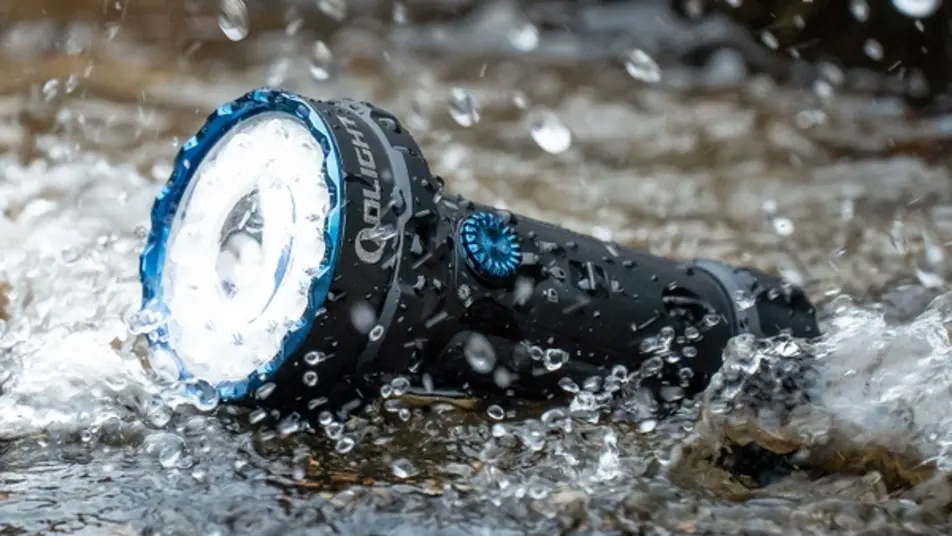
Don't fall for the solar powered flashlight myth. Integrated solar units suffer from microscopic panel surface area and expose sensitive batteries to damaging thermal stress. The ultimate off-grid lighting setup decouples power generation from illumination by pairing a portable solar panel + USB-C flashlight combo. Discover why modern survivalists rely on high-lumen, modular tools like the Olight Baton 4 Pro and Marauder Mini 2 to build the best survival flashlight system for infinite emergency power.
When preparing for unexpected emergencies, natural disasters, or extended off-grid adventures, reliable lighting stands as a primary pillar of safety and survival. For years, the outdoor market has aggressively promoted the all-in-one "solar powered flashlight" as the ultimate survival tool. On paper, it sounds like the perfect solution: a rugged hand-held flashlight with a small solar panel glued to its side that theoretically charges itself indefinitely under the sun. This concept promises infinite grid-free operation, making many consumers believe they have purchased the best solar flashlight available for their emergency kits.
However, experienced outdoor enthusiasts, search-and-rescue operators, and seasoned preppers know that relying on these integrated gimmicks during a true crisis can be a dangerous mistake. In 2026, the paradigm of off-grid emergency lighting has shifted dramatically. The modern survival consensus is clear: the true best solar flashlight is not a single, low-performance unit with a built-in solar cell. Instead, the ultimate off-grid lighting setup is a high-efficiency, decoupled system featuring a high-performance USB-C rechargeable torch paired with an independent, portable solar panel.
📌 Guide Navigation
This comprehensive guide will break down the structural realities of emergency solar lighting solutions, explain why traditional models fail to deliver under pressure, and show you exactly how to build a highly reliable, professional-grade emergency lighting kit that outperforms any legacy solar powered flashlight on the market.
The Truth About Pure Solar Flashlights (Why They Fall Short)
To understand why a dedicated, decoupled system is superior, we must address the fundamental limitations of any solar powered flashlight that features built-in, integrated panels. While these devices are frequently marketed as crucial prepper preparedness gear, their real-world utility in an actual survival situation is highly limited due to basic physics, battery chemistry, and structural engineering constraints.
1. Inefficient Surface Area and Slow Charging Speed
A standard hand-held flashlight has an extremely small physical surface area. Even if the entire back of the handle is covered in premium monocrystalline solar cells, the actual panel size rarely exceeds 2 to 3 square inches. This tiny surface area translates to an output of roughly 0.2 to 0.5 Watts under ideal, direct, perpendicular sunlight. If you are searching for the best solar flashlight, you must look at the rate of energy capture.
To put this in perspective: recharging a modest 3,000 mAh lithium-ion battery using a 0.5W built-in panel would take upwards of 30 to 40 hours of perfect, cloudless, stationary daylight. In a real-world emergency scenario with moving shadows, clouds, and atmospheric interference, it could easily take over a week of continuous outdoor exposure to fully charge a single solar powered flashlight. This slow recharge rate is highly impractical when you need reliable illumination every night.
2. Extreme Thermal Degradation and Battery Hazards
Lithium-ion batteries are highly sensitive to extreme temperatures. For an integrated solar powered flashlight to charge, the entire unit—including the internal battery—must be placed directly under the baking sun. Leaving a battery-powered device on hot asphalt, concrete, or dry rocks in 90°F+ (32°C+) weather elevates the internal battery temperature past safe thresholds.
According to battery environment research by Eureka Patsnap, operating or charging lithium-ion batteries under extreme heat triggers rapid chemical degradation, accelerates internal capacity loss, and permanently degrades the battery's health and operational lifespan. This severe thermal stress drastically accelerates battery degradation, reduces overall capacity, and in worst-case scenarios, can lead to thermal runaway, permanent circuit damage, or battery swelling. Ironically, the very act of solar charging a combined unit damages its long-term battery health, making it an unreliable choice for the best solar flashlight setup. (Sourse: Eureka Patsnap )
3. Compromised Durability and Waterproofing
Integrating a fragile glass or plastic solar panel onto the structural body of a flashlight introduces a major physical weak point. Flashlights meant for survival need to withstand drops onto concrete, submersion in water, and heavy impacts during navigation. A cracked solar panel not only ruins the charging capability but often compromises the tool's water resistance, rendering the entire flashlight completely useless when you need it most.
4. Subpar Light Output and Cheap Internal Components
To make built-in solar charging seem somewhat viable, manufacturers of integrated solar lights typically use low-capacity batteries and low-lumen, inefficient LEDs. This results in dim, unreliable beams that lack the throw and flood capabilities required for search and rescue, self-defense, or navigating rough terrain at night. A cheap solar powered flashlight simply cannot provide the dependable brightness required in modern tactical or survival scenarios.
The Smarter Setup: USB-C Rechargeable Torch + Solar Panel
The modern solution to off-grid illumination is a modular, decoupled system. By separating the solar harvester (the panel) from the energy storage and illumination device (the flashlight), you completely bypass all the engineering limitations of integrated units. As emphasized in emergency preparedness guidelines by the Federal Emergency Management Agency from Ready, building a versatile emergency kit with adaptable power backup options ensures far greater reliability during prolonged blackouts. This setup represents the absolute best solar flashlight system for 2026, offering unparalleled adaptability and power conversion rates.(Source: Federal Emergency Management Agency )
Why a Decoupled System Wins:
- Maximum Charging Efficiency: Portable folding solar panels (typically rated between 15W and 30W) offer hundreds of times more surface area than a standard flashlight body. They can generate enough current to fully recharge multiple high-capacity flashlights, power banks, and communication devices in just a few hours of direct daylight. This setup easily outperforms any individual solar powered flashlight.
- Thermal Protection for Electronics: With a decoupled system, you can position your solar panel in direct sunlight on a tent, backpack, or tree branch while placing your premium flashlights, lanterns, and power banks safely in the shade or inside a ventilated bag via an extended USB-C cable. This protects the sensitive lithium cells from heat degradation.
- Unmatched System Versatility: A high-quality portable solar panel uses universal USB-A and USB-C output ports. This means your charging infrastructure isn't locked into a single flashlight. You can power up headlamps, GPS units, satellite communicators, and smartphones, making it a complete off-grid power solution rather than just a simple light.
- Superior Flashlight Performance: Since the flashlight does not need to accommodate an integrated panel, manufacturers can focus entirely on durability, thermal management, optical efficiency, and high-capacity battery integration. You get thousands of lumens, robust waterproofing, and drop resistance, creating the ultimate best solar flashlight system.
Top Picks by Category for Off-Grid Illumination
To build the ultimate emergency backup setup, we have compiled the best options across different categories, ranging from basic survival backups to professional-grade searchlight systems that integrate perfectly with off-grid solar panels.
Best Pure Solar Emergency Flashlight: Third-Party Solar-Only Model (Category Reference)
If you absolutely must buy an integrated solar powered flashlight, it should only be used as a tertiary, "set-it-and-forget-it" backup in a vehicle glove box or a window-side emergency drawer. Typical third-party models in this category feature low-power LEDs, basic hand-cranks, and small solar strips.
While they are highly affordable, their utility is strictly limited to close-range, low-light indoor navigation during a power outage. They should never be relied upon as a primary light source for wilderness survival, search operations, or long-term off-grid living due to their fragile plastic construction, dim beams, and slow charging speeds. For true reliability, they cannot match a professional-grade best solar flashlight combination.
Best USB-C Torch for Solar Recharging: Olight Baton 4 Pro
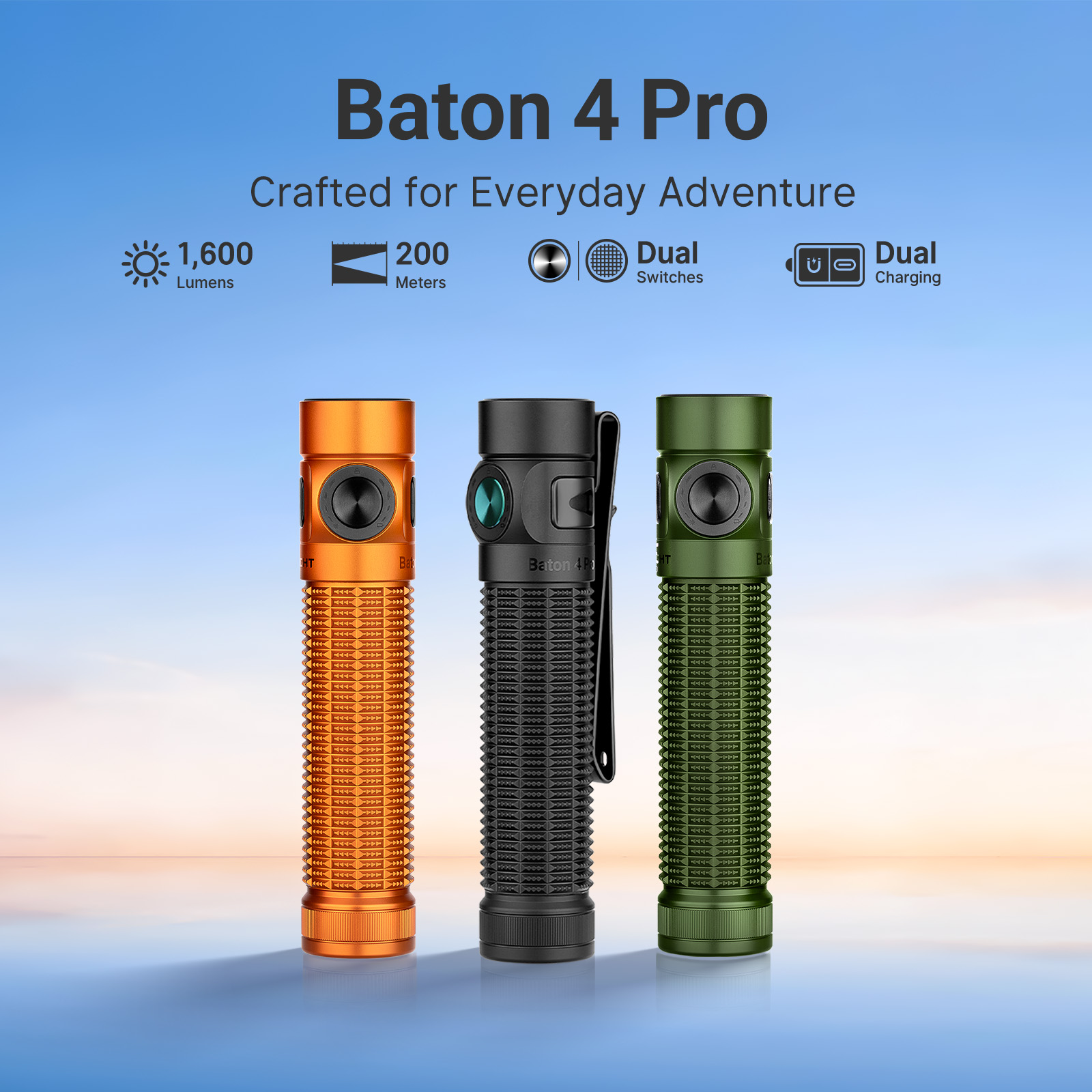
For an everyday carry (EDC) light that seamlessly integrates into a modern solar-charging ecosystem, the Olight Baton 4 Pro is an industry-leading option. It represents the pinnacle of compact flashlight design, offering a far better alternative to any integrated solar powered flashlight.
- Power & Portability: Despite measuring just 111 mm in length and weighing a mere 114 g, it packs a massive 1,600-lumen output with a 200-meter throw, allowing you to easily scan large outdoor areas or light up dark pathways.
- Universal USB-C Interface: It features a highly durable design that connects seamlessly with standard USB cables. This allows you to plug it directly into any portable solar panel without needing proprietary magnetic bases while in the field, making it the best solar flashlight component for your mobile kit.
- Unmatched Runtime: Powered by a high-capacity 3,500 mAh 18650 battery, it can run for up to 100 days in Moonlight mode, making it an incredibly reliable asset for long-term disaster preparedness and off-grid survival.
Olight Baton 4 Pro
The gold standard for everyday carry. Striking a perfect balance between pocketable size, massive 1,600-lumen output, and dual charging convenience.
Best Complete Off-Grid Combo: Olight Marauder Mini 2 + Portable Solar Panel
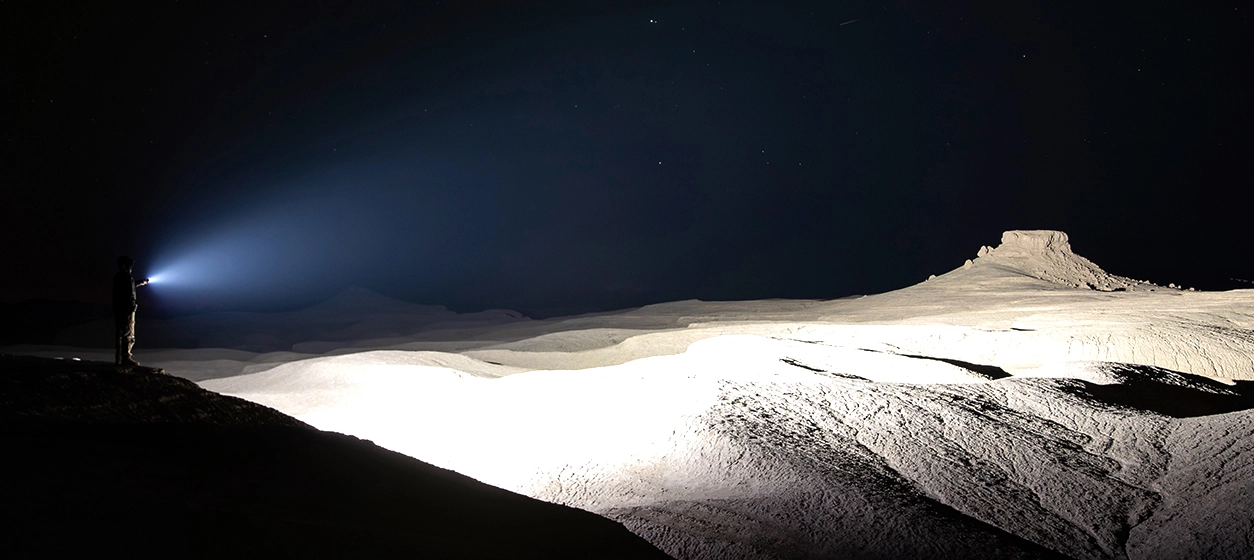
When you need massive illumination capable of lighting up an entire valley or coordinating a rescue operation, pairing a heavy-duty searchlight with a high-power solar panel is the ultimate setup. This setup outclasses any single solar powered flashlight by offering extreme brightness and rapid power replenishment.
The Olight Marauder Mini 2 is a compact powerhouse that serves as the cornerstone of this system, functioning as the primary high-power component of your best solar flashlight setup.
- Extreme Performance: It outputs up to 10,000 lumens of floodlight and features a 750-meter spotlight throw, giving you absolute visual dominance over your environment during critical operations.
- Massive Battery Reserve: Equipped with a 7,500 mAh internal battery pack, it offers an extended runtime of up to five months in moonlight mode. Its lanyard also cleverly doubles as a heavy-duty USB-C charging cable, keeping your kit lightweight.
- Solar Synergy: When paired with a portable 21W or 28W folding solar panel, the Marauder Mini 2 can be fully recharged in approximately 3 to 5 hours of direct sunlight. This provides you with a virtually infinite supply of searchlight-grade power without ever needing an electrical grid.
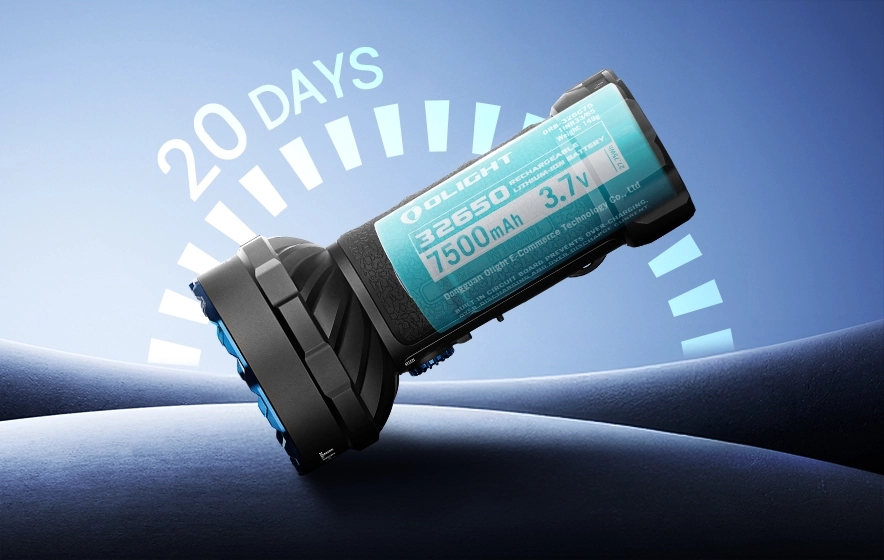
Olight Marauder Mini 2
The ultimate compact searchlight. Delivering a staggering 10,000-lumen output, seamless floodlight and spotlight switching, and robust battery reserves for intense search-and-rescue operations.
Best Off-Grid Emergency Lantern: Olight Olantern Classic 2 Pro Smart
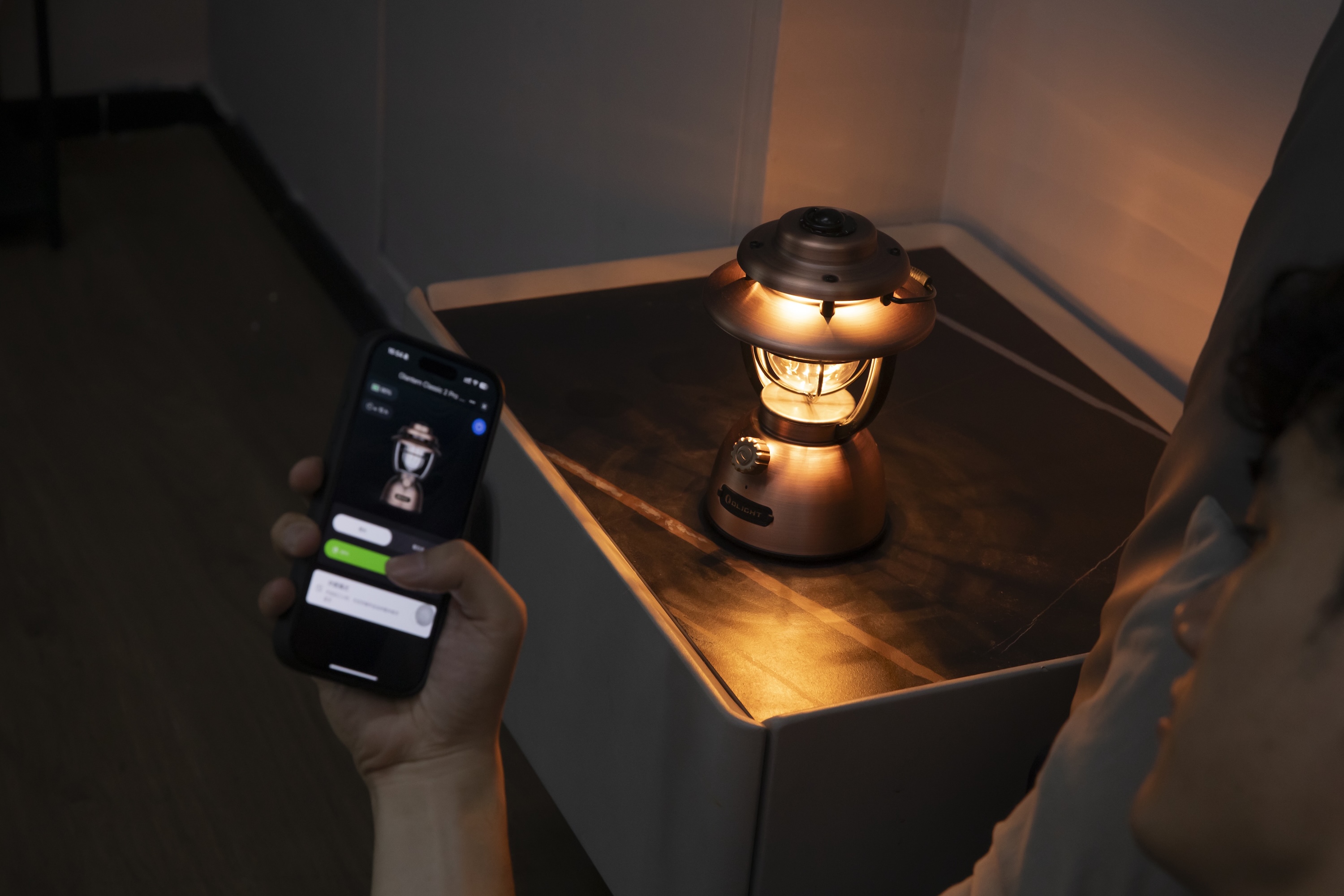
Emergency lighting is not just about directional beams; area lighting is equally crucial for basecamps, shelters, and family rooms during extended blackouts. The Olight Olantern Classic 2 Pro Smart is the premier choice for sustainable area lighting and is a vital addition to any best solar flashlight survival kit.
- Unrivaled Runtimes & Power Bank Functionality: Packing an enormous 11,200 mAh internal battery capacity, this lantern runs for up to 9 days on a single charge. More importantly, it features 18W fast charging with both USB-C and USB-A output ports, allowing it to act as a central power bank to charge your mobile phones or two-way radios.
- Smart Control & Rugged Build: Built with a beautiful, corrosion-resistant solid copper body, it features an IPX5 water-resistance rating. It can be controlled remotely via the Olight app, allowing you to manage power consumption and brightness without leaving your sleeping bag or cot.
- Seamless Solar Recharging: Thanks to its high-speed USB-C input port, you can fully replenish its massive battery in just 4 hours when connected to a compatible solar array or power station, surpassing any standard integrated solar powered flashlight.
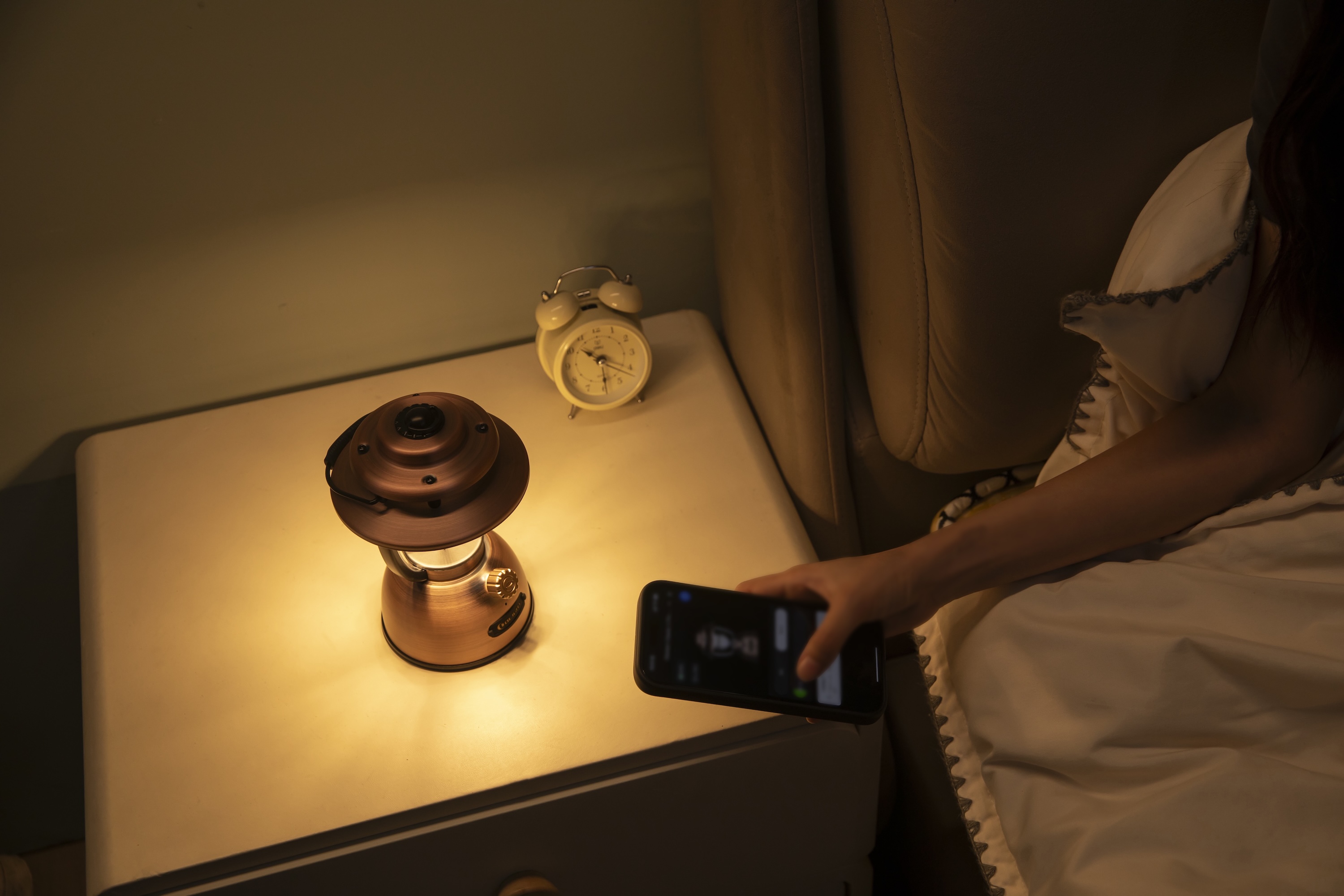
Olight Olantern Classic 2 Pro
A premium vintage-style rechargeable lantern. Featuring stepless dimming, warm ambient dual light modes, and integrated power bank functionality for extended off-grid illumination.
How to Calculate Solar Charging Time
To ensure your emergency preparedness gear functions seamlessly under pressure, you must understand how to calculate real-world solar charging times. Avoid relying on the overly optimistic charging estimates listed on product packaging, especially those found on cheap integrated solar powered flashlight products.
As real-world photovoltaic performance data from the U.S. Department of Energy illustrates, outdoor efficiency drops due to ambient heat, atmospheric haze, and non-optimal sun angles, meaning portable solar panels typically deliver around 60% to 70% of their peak rated wattage under field conditions.(Source: U.S. Department of Energy )
Step 1: Find Your Battery Capacity in Watt-Hours (Wh)
If your flashlight lists its capacity in milliamp-hours (mAh), convert it to Watt-hours using the battery voltage (typically 3.6V or 3.7V for lithium-ion).
Step 2: Account for Solar Efficiency
Solar panels rarely operate at 100% of their rated wattage due to atmospheric haze, panel angle, temperature, and conversion losses through USB ports. A safe real-world efficiency factor to use is 60% to 70% (0.6 to 0.7).
Step 3: Run the Calculation
If you are charging the Olantern Classic 2 Pro Smart (40.32 Wh) using a portable 21W folding solar panel under direct sunlight, the math shows why this represents the best solar flashlight and lantern charging system.
By utilizing a modular, high-efficiency setup, you can fully recharge a massive emergency lantern in less than 3 hours of afternoon sun. Attempting the same feat with an integrated solar panel on a standard solar powered flashlight would take days, highlighting the immense superiority of the decoupled approach.
Building Your Off-Grid Lighting Kit
Putting together an emergency-ready lighting kit requires careful planning, quality components, and a focus on modularity. When assembling your ultimate best solar flashlight system, keep the following guidelines in mind:
- Select a High-Output Folding Solar Panel: Look for a 21W to 30W solar panel utilizing monocrystalline cells. Ensure it features direct USB-C output ports with Power Delivery (PD) protocols to maximize energy transfer speeds to your devices.
- Standardize Your Cables: Keep several high-quality, heavily shielded USB-C to USB-C cables in your kit. Store them in a waterproof pouch to prevent corrosion on the contact pins, ensuring your solar powered flashlight alternative always has a clean pathway for energy.
- Include an Intermediate Power Bank: For optimal efficiency, use your solar panel during the day to charge a rugged 10,000 mAh to 20,000 mAh power bank. At night, use that stored power to recharge your flashlights. This protects your primary lights from being exposed to the daytime elements and baking heat.
- Incorporate Redundancy: A complete kit should contain one high-power searchlight for long-distance scanning (like the Marauder Mini 2), a compact EDC light for hands-free tasks (like the Baton 4 Pro), and a dependable area lantern (like the Olantern Classic 2 Pro Smart) to create the ultimate emergency illumination kit.
By investing in a decoupled, high-performance lighting system instead of a cheap solar powered flashlight, you ensure that you will never be left in the dark when the grid goes down. Dump the gimmicks, embrace modular solar charging, and build a system you can truly rely on during any emergency.