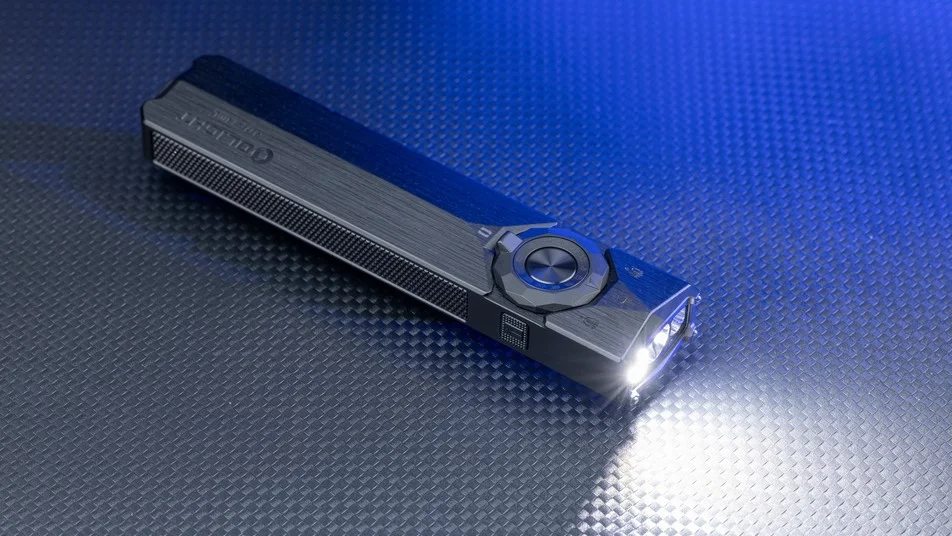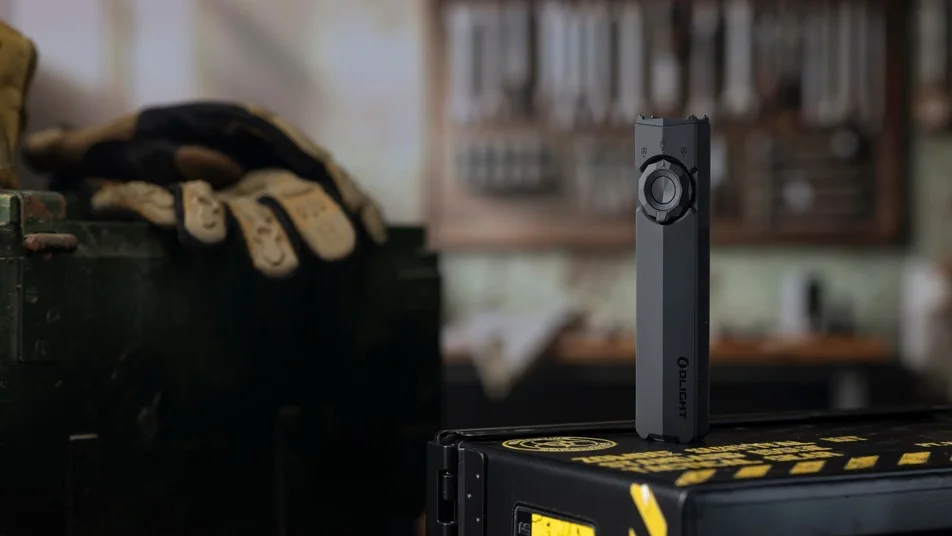
TL;DR: Choose a useful employee Christmas gift that works across roles and locations. Set a budget that includes personalization, packaging, and shipping. Check the exact model and artwork before placing a larger order, give remote staff a private way to confirm delivery details, and get payroll guidance before committing to a cash-equivalent gift.
📋 Table of Contents
- 1. Choose employee gifts around an everyday job
- 2. Set one budget before selecting the options
- 3. Match the gift to the way people work
- 4. Compare employee gift options by useful task and price tier
- 5. Ask the right questions about logos and engraving
- 6. Work backward from the day each person needs the gift
- 7. Ship to remote and hybrid employees with fewer surprises
- 8. Ask payroll how the gift should be handled
- 9. Which gift is best for employees?
- 10. What can I buy my staff for Christmas?
- 11. What is a unique gift I can give to an employee?
- 12. Frequently Asked Questions
Choose employee gifts around an everyday job
Start with a small task employees actually do. A key-ring light helps with a lock or dark bag. A clip light can illuminate a close task while both hands are occupied. A compact rechargeable flashlight may suit someone who regularly needs a directed beam. The best choice is one people can put to work without special training, an extra subscription, or a particular home setup.
| Planning target | Gift job | What to budget alongside it |
|---|---|---|
| About $25 per employee | Simple tool that can live on a key ring or in a desk drawer | Packaging, delivery, and an extra unit if needed |
| About $50 per employee | A useful small upgrade for a desk, bag, or home task | Approved customization and the actual delivered cost |
| About $80 per employee | A more substantial item for repeated use | Included charger, replacements, and any service charges |
Those figures are planning ceilings, and the purchase decision depends on the full cost. Account for shipping separately if remote staff will receive individual parcels. A larger gift can take away room for a replacement or leave a smaller team with fewer delivery options. Put the recurring costs, one-time setup, and an honest fallback on the same sheet before you tell anyone what is coming.
A gift works best when it can leave the desk and still be useful. Someone in a shared office may take it home. A remote employee may put it near their keys. A warehouse or field employee may already have required work equipment. Give people a useful everyday item, and keep any workplace-required safety gear in its own purchasing process. Make the gift optional if company policy allows that choice.
The handoff matters more than it sounds. A package with a specific thank-you, a clear name for the item, and a simple note about getting started feels finished. A gadget with no explanation can sit beneath a stack of paperwork until someone cleans the drawer. If the item does something useful right away, a single sentence explaining why it was chosen is usually enough.
Set one budget before selecting the options
Define what the budget covers. A manager might be thinking about the merchandise line. A purchasing team might mean the merchandise, setup, tax, individual mailers, shipping, and replacements combined. Write down the version you are using so both teams are making the same decision. If finance has an approved amount for the project, check whether it applies to each employee or to the entire order.
For a planning example, say a team has 40 employees and an all-in ceiling of $50 per person. That gives the project $2,000. If the actual packaging and shipping estimate comes to $7 per person, the delivery line uses $280 and leaves $1,720 for everything else, including the gifts and any customization. The $7 is an example, and you should replace it with your own quote. Run the arithmetic again if some addresses require a different service.
If you expect to need spare units, add them to the same example. An extra item costs money even when it ships in the same carton as the rest. Decide which manager can release a spare and where it will live. If the device will be customized by individual name, check whether you can keep an unpersonalized spare for fast replacements. That decision affects how many decorated units you actually need from the vendor.
An inexpensive gift can become the most costly option once the team receives it in several places. Two gifts for the same amount can have different packaged weights, battery requirements, or replacement options. Compare the delivered cost for the locations you actually serve. A gift that needs less assembly and fewer shipment exceptions can be a better choice for the same project ceiling.
Match the gift to the way people work
Start with an office example and a remote example for the same gift. An office employee might keep a clip light near a shared docking station and use it to identify a plug. A remote employee may have the same task at home but no suitable metal surface nearby. Try the clip on an ordinary stable edge and check whether the controls are easy to see. A shared use is stronger than a feature that only fits one work area.
A person who moves between buildings may prefer a light that stays with their keys instead of something that needs a special pouch. A maintenance employee may already have a good rechargeable light for each workday. An optional tool for home can still be appropriate if it is useful and the workplace permits it. Ask one or two people who do different jobs to handle a sample, without treating those observations as a formal employee survey.
Offer a gift at a comparable all-in cost when there is a real difference in fit. A person may prefer a light with larger controls, a non-electronic item, or a version without an individual name printed on it. Give the person a sensible way to choose without having to explain that preference publicly. The amount spent and the quality of the acknowledgment can stay comparable even if the packages are different.
Compare employee gift options by useful task and price tier
These are regular U.S. merchandise price examples tied to the exact model shown. Check the current price and availability for the variant and quantity you intend to buy. Project budgets also need room for delivery, personalization, and any other charges you confirm. When a gift program spans several kinds of jobs, try one unit in the actual work and home settings before committing to quantity.
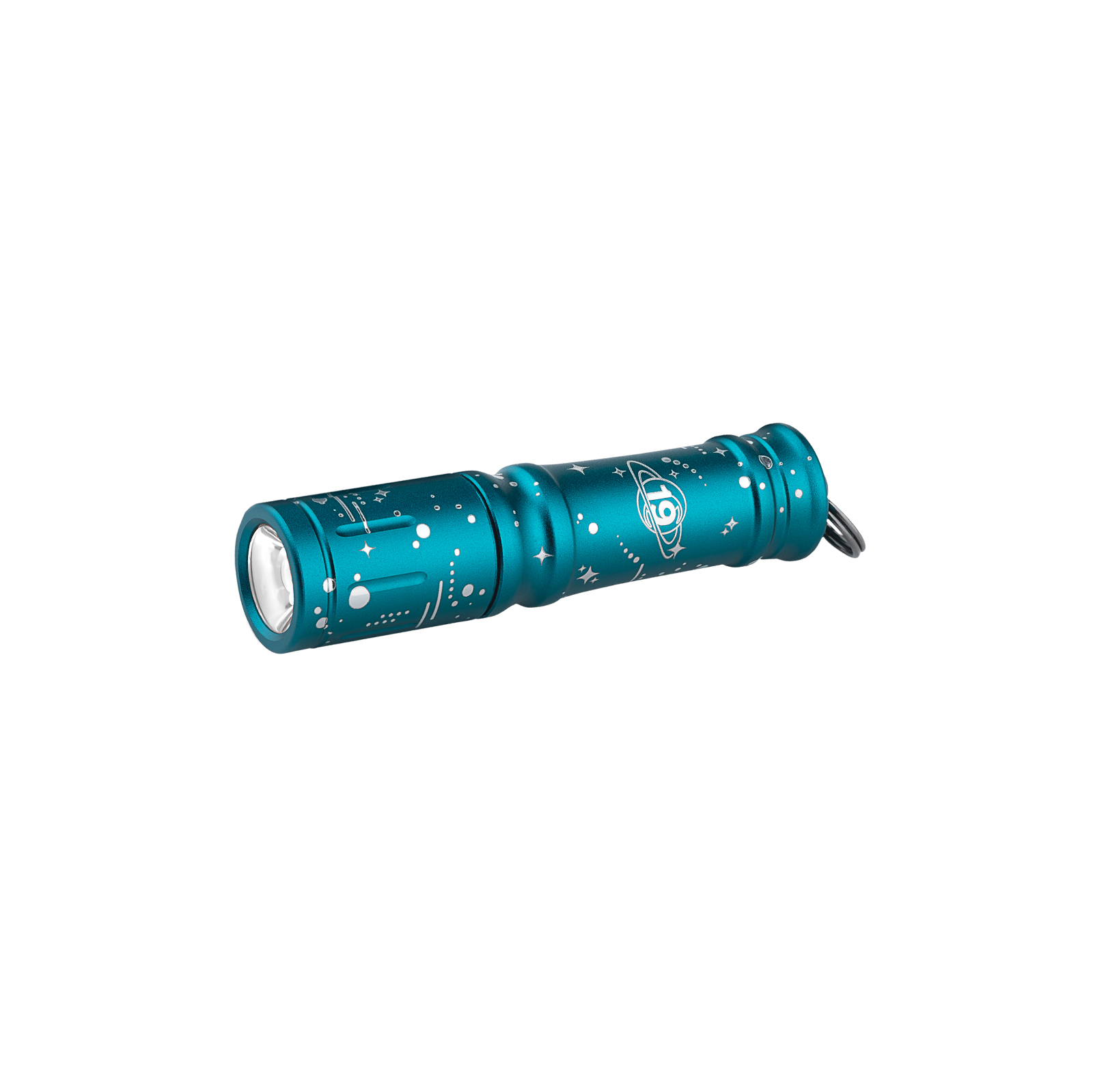
Someone might want one light that is easy to hand over with keys. Someone else may prefer to leave it in a glove compartment or a home drawer. Pair the gift with a plain note about the control and battery rather than accessories the recipient has to figure out. If recipients already have a key-ring tool, offer a meaningful choice of another item or delivery option within the same ceiling.
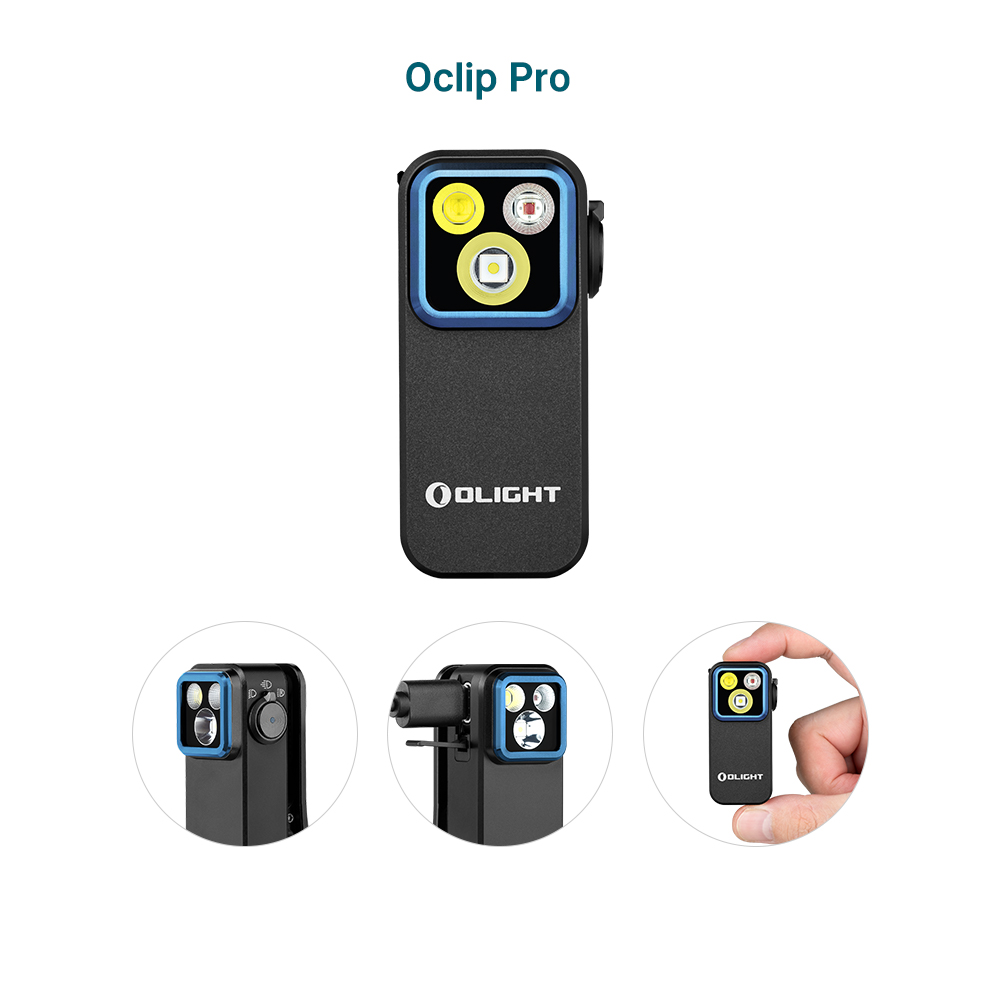
This sort of clip flashlight works when hands-free use solves a specific problem. A person may clip the light to a stable edge so both hands can sort cords or tools. Another person may use it during a home repair. Think about the fit and the control before you add branding. A gift that is hard to position remains hard to use after a logo goes on it.
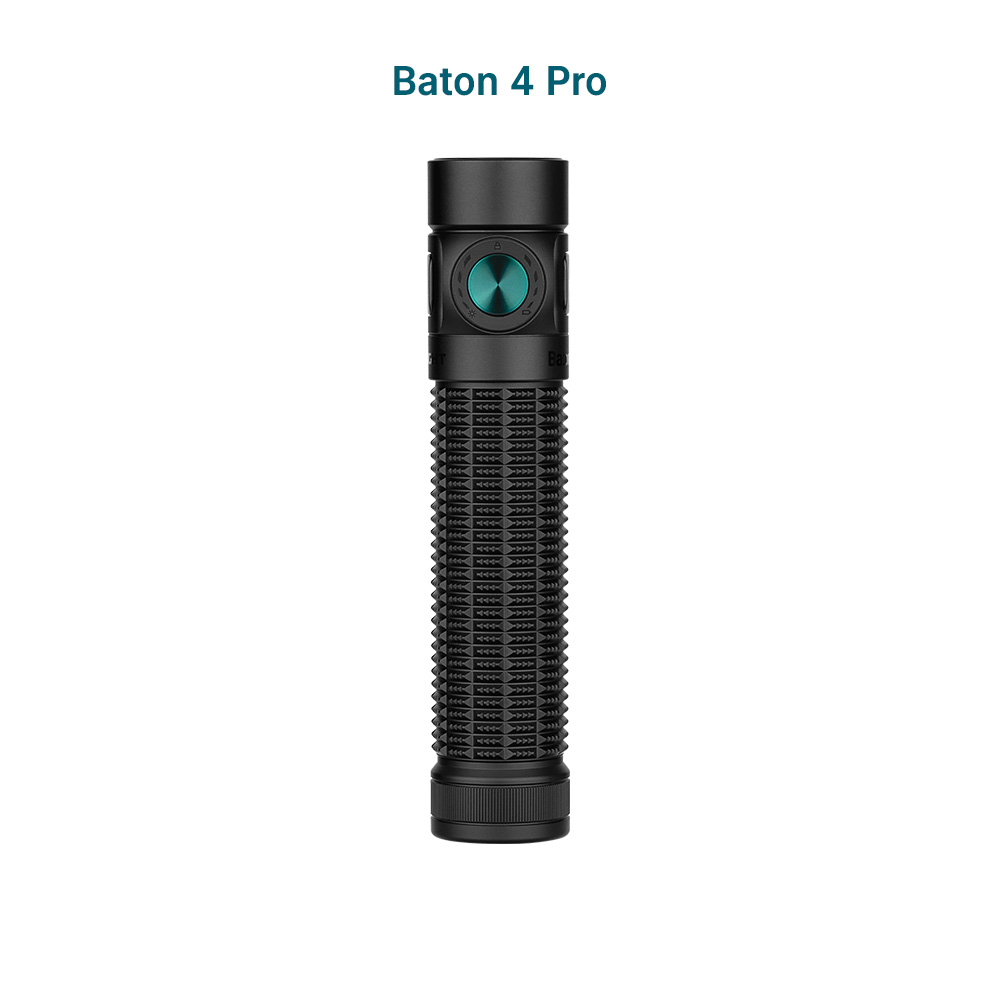
If the team is comparing a rechargeable flashlight with a simple replaceable-battery item, look at the life of the gift after the first week. A dedicated desk or shared drawer can keep a charger nearby. A gift that spends more time on a ring or in a very small bag needs a lighter package. Pick the item whose storage and maintenance suit the person, not the item with the longest list of settings.
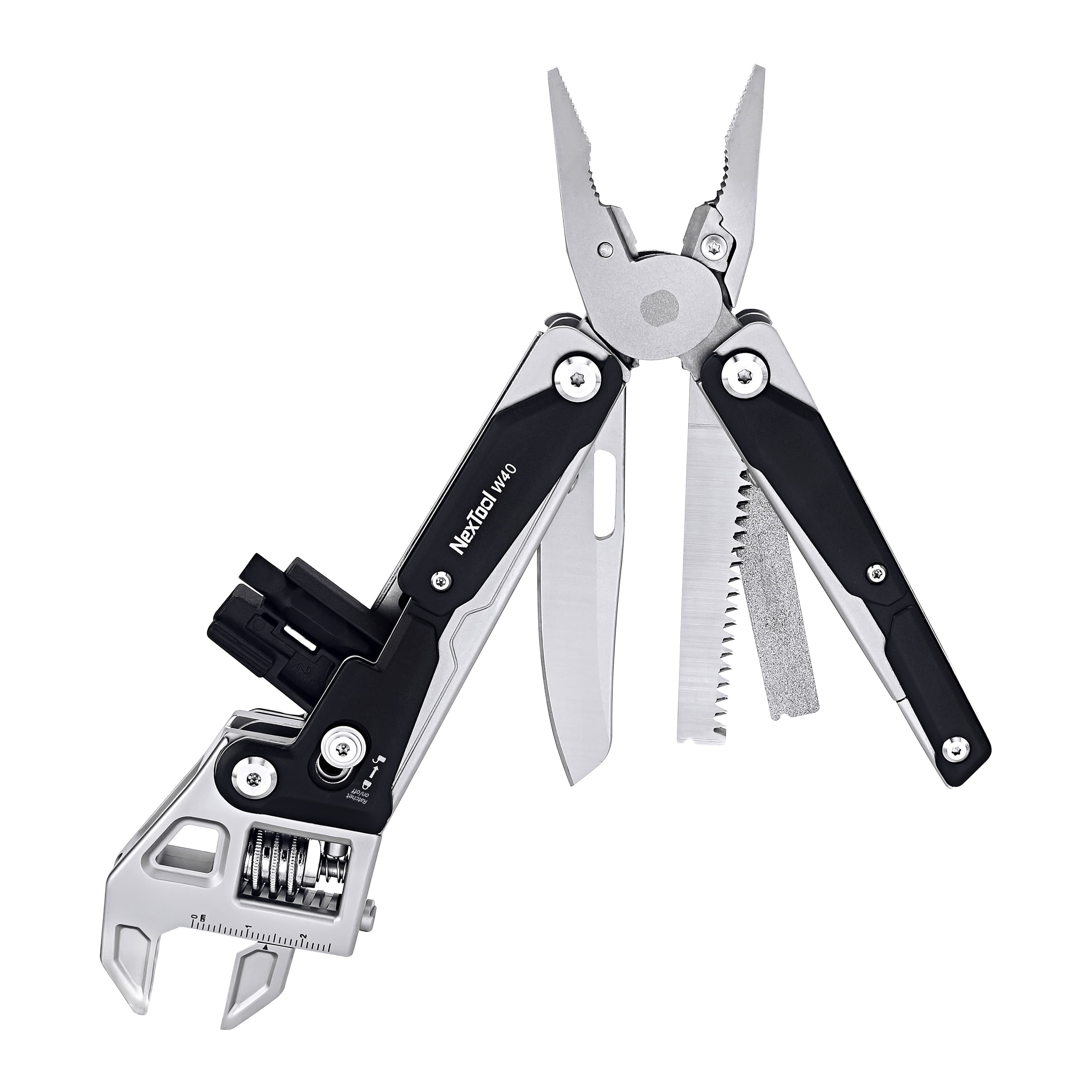
Keep an adjustable wrench gift specific to people who will use it. For an office with a restrictive building policy or a remote team with mixed destinations, offering a uniform simpler item can be easier. That also avoids asking employees to carry a tool between a workplace and home if they would rather keep it only at home.
Ask the right questions about logos and engraving
Start with the exact product and variant, then check the current Olight U.S. customization catalog. A visible customization option can help you start a design. Ask whether the exact color, artwork, size, and order quantity you need are available. Confirm the order terms when you make the request, especially if your project spans several model choices or separate destinations.
| Quote item | What to provide | What to confirm |
|---|---|---|
| Model and color | Exact item and variant | Which version is available at your quantity |
| Artwork | Approved logo or text | File format, available size, and position |
| Names or teams | Correct wording and approvals | How individualized proofs are handled |
| Price | Quantity by variant and location | Unit cost, setup, packaging, and delivery |
| Timing | Desired in-hand dates | Proof, production, and dispatch estimates |
A logo that looks clean at the top of an email may become hard to read on a small metal body. Send the artwork in the format the vendor requests and look at the proof at the intended size. Ask who decides the location and when the proof can still be corrected. Keep the employees' names and the company logo separate in the approval file so a late branding edit does not undo a spelling check.
Think about how the item will feel outside work. A discreet date, a short note, or a small approved mark may suit a tool that lives on an employee's own key ring. A handwritten or printed note also makes sense when the exact item is useful and the branding cannot be placed clearly. It gives the recognition a place of its own without asking the employee to carry a large corporate mark.
Use one version of the quote and one approved proof as the record of the order. A separate employee-name list deserves a private process. Ask which staff members need to see the file and when it should be deleted according to company policy. A spreadsheet with names, shipping information, and gift choices may include more detail than the people packing the boxes need. Give each team the information it needs to do its part.
Work backward from the day each person needs the gift
Set the date people should have the gift in hand. For office pickup, that might be the last day before a long break. For remote staff, you need a separate delivery plan for each batch. Ask the vendor for the sequence of proofs, corrections, production, and dispatch and ask the carrier what service applies. Leave time to resolve a missing detail before it delays the whole order.
A sample may reveal a fit or handling problem that a page cannot. Ask for a sample or clear proof when it is available and practical. Let the person who will actually check the packages test how easy it is to find the gift, the note, and the charger. Think about how the employee will notice if the wrong color or variant arrived. A label that includes the actual model can prevent confusion when spare units need to be used.
Check whether all the gift tiers must leave at once. If two product variants are waiting on different stocks or quotes, deal with that before the deadline passes. An ordinary item sent on time, with a thoughtful note, can be an appropriate fallback if a customized item cannot be supplied in time. Agree on what counts as an acceptable change and who can approve it.
Reserve a small amount of time after delivery to resolve returns and changes. Determine who handles a damaged package, who records an inability to deliver, and who orders a replacement. Do not make an employee repeat their private address in a group channel. Give them one clear way to report that the gift did not arrive or needs to be exchanged.
Ship to remote and hybrid employees with fewer surprises
Get addresses through an approved private process and confirm which address an employee wants you to use. Do not assume the mailing address on an old company list is current. Ask for only the information needed for delivery. Decide whether the gift should ship directly to the employee or to an office pickup point with an agreed contact. Either choice can work if people know when and how to receive it.
Keep a short note on the battery type and product packaging for each item. The U.S. Postal Service's domestic shipping restrictions flag lithium batteries as restricted materials and point to the applicable mailability and packaging rules. Confirm whether the battery is installed, packed with the device, or sent separately before you ask for the applicable service. Check the actual product, service, carrier, and destination. Avoid adding loose batteries when you do not have a confirmed shipping plan. If your employees work outside the U.S., verify the separate destination and carrier rules before committing to a date.
Treat addresses, product contents, and shipment status as separate pieces of information. The person reviewing artwork does not need the delivery list. The person tracking a parcel does not need a payroll discussion. A small separation can reduce privacy mistakes and make it easier to identify what needs correction when a carrier cannot deliver to a particular address.
Give an employee a useful way to receive recognition if shipment is impractical. An office pickup on an agreed date or a different tangible item approved for that destination may solve the problem. Decide those alternatives with the same purchasing and payroll contacts before announcing them. A gift program should avoid making one employee do extra work to receive the same acknowledgment.
Think through the return before sending. A mailer that meets the terms for a new gift may not answer what to do if the employee reports a damaged device. Tell the person how to report the problem and let the fulfillment contact confirm the appropriate carrier and next action. Avoid putting return assumptions in the original gift note unless they have been verified for the actual item and destination.
Ask payroll how the gift should be handled
Start with the IRS Employer's Tax Guide to Fringe Benefits. The guide explains why low-value, occasional tangible items can be evaluated differently from cash or cash equivalents, and why gift cards do not qualify for the de minimis fringe-benefit exclusion. There is no general dollar amount that makes all holiday gifts tax-free. Give payroll the proposed items, their values, the frequency of similar benefits, and the recipient groups before ordering.
Treat those questions as part of the project schedule. If purchasing compares a tangible employee gift with a gift card, ask payroll to review both against company policy and the applicable rules. If contractors, volunteers, or other nonemployee groups are included, identify them separately for that review. A product recommendation cannot decide the reporting or treatment for every recipient.
Keep a simple record of what the team actually ordered. Include the date, the exact item, retail or quote amount as appropriate, and any approved personalization or fulfillment details. If a replacement changes the final item, update the record used by the people who need it. A tidy record is useful if the same project returns next winter and a new manager needs to compare the options.
Which gift is best for employees?
A useful employee gift fits ordinary tasks, works across locations, and can be delivered under one clear budget. A compact light makes sense when it helps with keys, a bag, or a drawer. Choose the exact product people can handle easily, and check whether the whole delivered cost still fits after packaging, customization, and shipping.
Ask whether staff would prefer the same item or a small choice of items at the same project cost. A uniform item makes ordering simpler. A choice helps when people already have a tool they like or would rather use a non-branded version. If the project permits a choice, give each employee the same time and way to respond.
What can I buy my staff for Christmas?
Choose a practical item people can use at work or at home, such as a simple key-ring light, a small clip light, or a rechargeable flashlight. Keep the packaging easy to open and name the purpose in the gift note. Confirm the exact stock and delivered cost for the quantity and locations you need before ordering.
If the staff works in several settings, start with the use the most people share. Think about what makes a desk, bag, or home drawer more useful. A highly specialized item can be a thoughtful choice for one position while creating a storage problem for others. A modest option that performs a common task gives people room to use it their own way.
What is a unique gift I can give to an employee?
A memorable employee gift pairs an ordinary useful object with specific recognition. Select something suited to the person's everyday routine and add a short note about the contribution you appreciated. Personalize the item itself when the exact model, artwork, and delivery terms are confirmed. A small detail chosen carefully can feel more personal than an expensive option chosen by default.
For a team, the specific note can carry more meaning than a unique object for each person. Give the same thoughtful item and let a manager acknowledge a contribution clearly and privately. If employees have asked not to have individual names on gifts, keep the recognition in the note. The goal is a useful gift they feel comfortable keeping.
Frequently Asked Questions
Changelog
- November 20, 2026: Checked current U.S. product information, gallery originals, customization reference, and official payroll and domestic shipping sources.