TL;DR:
Olight's magnetic charging flashlight technology redefines portable power delivery by eliminating fragile ports and enhancing IPX8 waterproof integrity. Utilizing high-flux neodymium magnets and gold-plated contact rings, the MCC3 system provides high-efficiency charging without mechanical wear. This guide technical analyzes why magnetic interfaces outperform USB-C in tactical environments, featuring elite tools like the Seeker 4 Pro and Baton 4 Pro. Master professional maintenance protocols to ensure peak electrical stability and device longevity in extreme field conditions.
Olight magnetic charging flashlight technology offers a highly efficient, reliable, and convenient way to power tactical and outdoor illumination gear. Traditional tactical flashlight charging ports often introduce vulnerabilities to water, dust, and physical wear. By contrast, a magnetic charging system addresses these vulnerabilities through an integrated, surface-contact interface. This design represents a fundamental shift in user experience, moving from the friction-heavy "insertion" model to a zero-fumble "attraction" model. This guide details the inner workings, comparative advantages, usage protocols, and maintenance practices of Olight magnetic charging systems, offering a technical deep dive for those who demand uncompromising performance from their mission-critical hardware.
M Technical Directory
How Olight Magnetic Charging Works (Magnetic Flashlight Charging Principle)
The Olight magnetic flashlight charging system relies on a surface-to-surface interface to transfer power safely and efficiently without exposed deep cavities. This eliminates the "micro-debris trap" inherent in traditional female ports, ensuring that current flow is never obstructed by environmental contaminants. By replacing fragile internal pins with robust exterior solid alloy contacts, Olight has fundamentally engineered out the primary failure points of typical portable electronics, ensuring a reliable connection even in the most unforgiving environments.
Core Working Mechanism of Magnetic Charging
At its core, the magnetic flashlight charging system works on the principle of direct physical contact secured by magnetic attraction. Unlike wireless induction systems, which suffer from high energy loss through heat, this system uses low-resistance physical contacts. When the Magnetic Charging Cable (MCC) gets close to the tailcap of the flashlight, the flux lines of the integrated magnets align and pull the two interfaces together. This interaction ensures a constant pressure between the "Pogo Pin" connectors and the gold-plated tail rings. Once docked, the electrical circuit between the external power supply and the internal battery completes, initiating the charging cycle through a smart handshake protocol that verifies battery health before delivering current. This intelligent handshake prevents power delivery unless a safe, authorized Olight battery is recognized, safeguarding the internal lithium-ion chemistry.
Key Components of Olight Magnetic Charging System
The entire magnetic charging flashlight system consists of several precision-engineered elements working together to form a highly optimized, unified power-transfer ecosystem:
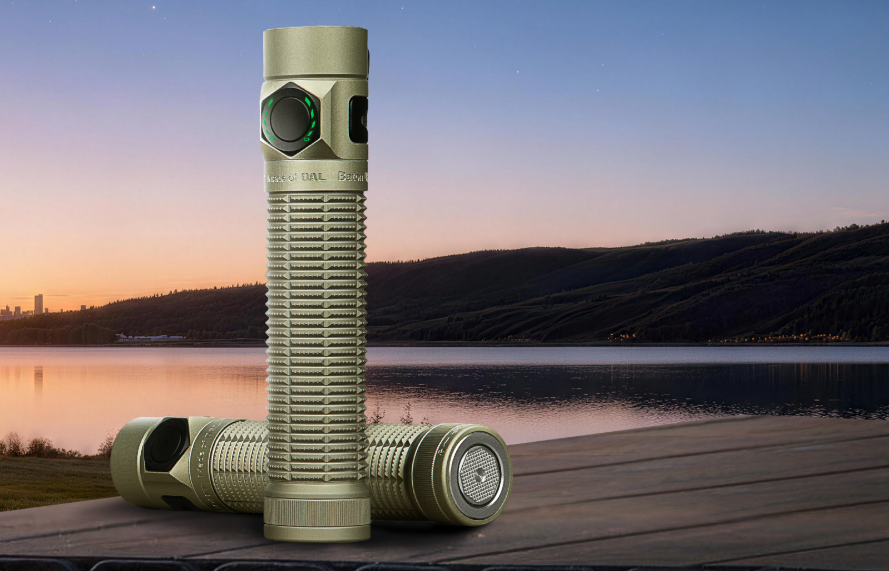
- The Tailcap Connector: This base features concentric metal rings on the flashlight tail. The outer ring and the central contact point act as the positive and negative terminals, machined from highly conductive alloys to minimize voltage drop. This flat, solid surface prevents the accumulation of dirt and mud that typically blocks deep ports.
- The Charging Cable (MCC): This USB-powered cable contains a magnetic dock housing matching spring-loaded pogo pins. These pins provide high contact pressure (~0.5N), crucial for maintaining low electrical resistance over thousands of cycles. This ensures stable power delivery even during vibration.
- Internal Protection Circuitry: Built-in diodes and control chips prevent short-circuiting if a metallic object accidentally bridges the contacts of the flashlight. The system also includes Thermal Overload Protection to shut down current if the ambient heat exceeds safe thresholds, mitigating thermal runaway risks.
- Neodymium Magnets: High-strength NdFeB (Neodymium Iron Boron) magnets embedded in both the flashlight tailcap and the charging dock ensure a firm, stable connection that resists accidental dislodging during vehicle vibrations, field operations, or heavy tactile use.
Magnetic Alignment and Power Transmission Logic
To prevent user error, the magnets are polarized. This polarization ensures that the charging cable can only attach to the flashlight in the correct orientation. Once aligned, the positive and negative contacts mate perfectly. The power transmission logic then checks for a proper connection and resistance match before delivering current. The MCC cable features an integrated LED indicator. It glows red during the active constant-current phase and turns green when the flashlight battery voltage reaches its maximum threshold, signaling that the charge is complete. In technical terms, the charger utilizes a CC/CV (Constant Current/Constant Voltage) algorithm to maximize battery cycle life while minimizing charging duration. This micro-controlled optimization ensures the cell experiences less thermal stress during its charging curves, directly extending the overall longevity and performance of the flashlight battery pack.
Olight Magnetic Charging vs USB-C Flashlight Charging
When selecting professional lighting gear, choosing between magnetic charging flashlights and standard USB-C interfaces is a key consideration. Both approaches offer unique advantages depending on the operational environment. While USB-C represents universal compatibility, it fundamentally introduces physical openings that degrade under heavy use. Olight's magnetic architecture focuses on maximizing tactical resilience and reliable speed, proving that a dedicated, sealed flashlight interface provides superior protection and longevity in high-stress outdoor, industrial, or combat environments.
Charging Efficiency and Speed Comparison
Standard USB-C ports can support high-wattage power delivery protocol levels. However, Olight magnetic flashlight charging systems, specifically the MCC3, optimize power transfer for dedicated cells. The MCC3 charging cable delivers up to a 2A charging current at 5V, packing sufficient speed for high-capacity batteries. For instance, a customized 5000mAh 21700 flashlight battery charges safely and steadily within a few hours. Because there is no internal plug wear or port carbonization, the contact resistance of the magnetic system remains consistently low over thousands of cycles, keeping charging speeds stable over the lifespan of the device. Furthermore, without a delicate inner tongue or pin matrix that can bend or break, the magnetic contact maintains the exact same electrical performance from the first day to the thousandth day of field deployment.
Convenience of Olight Magnetic Charging Flashlights
User experience in the field relies heavily on how easily you can maintain and power your flashlight gear under pressure. The transition from "Fumble" to "Dock" is a significant ergonomic advancement in modern tactical flashlight design. By eliminating the need to align small plugs or struggle with port covers in pitch-black conditions, the magnetic connection makes power replenishment a seamless, sensory-independent action, keeping your eyes on the environment instead of your hardware.
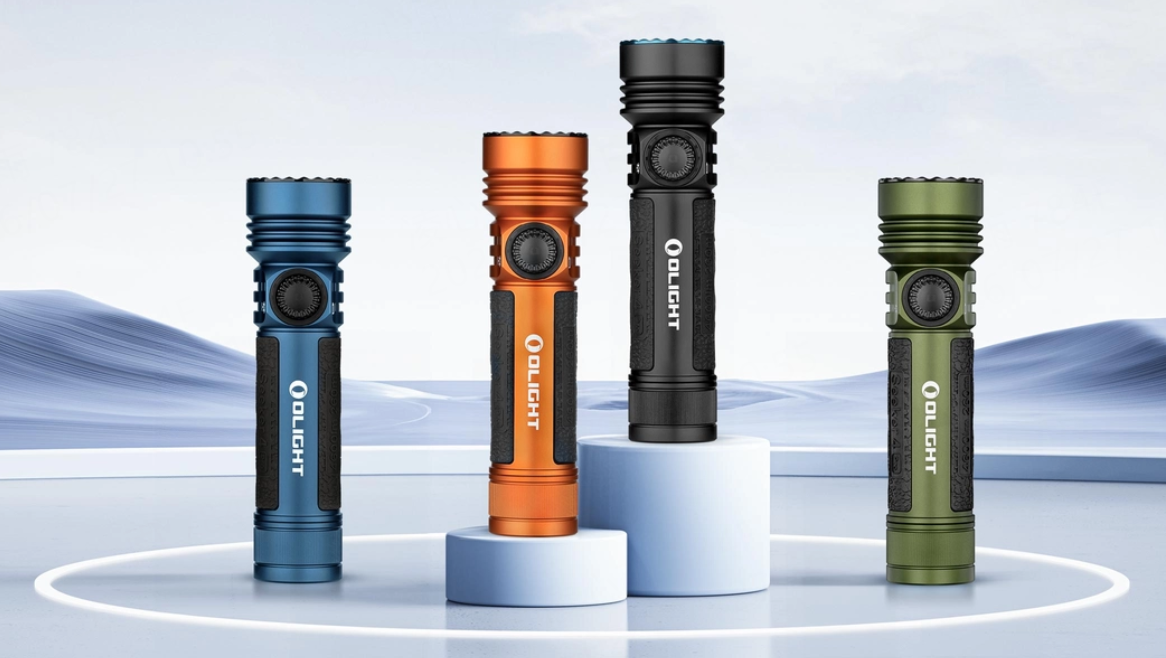
One-Step Magnetic Attraction Charging Operation
The primary benefit of the magnetic system is its simple, one-handed operation. You do not need to look at the flashlight tailcap or hold the device steady. Simply bring the tailcap close to the charging pad, and the magnetic force snaps them together. This self-aligning feature makes charging in vehicles, dark tents, or cramped workspaces straightforward. In high-adrenaline tactical scenarios, the ability to recharge your flashlight without visually focusing on the device provides a distinct situational awareness advantage. Whether mounted in a shaking patrol vehicle or hanging inside a windy camp, the high-strength Neodymium connection keeps the electrical pathway secure without physical support structures.
Waterproof Advantages of Magnetic Charging Flashlight Interfaces
Water ingress is a primary cause of failure in outdoor electronic equipment and flashlights. The design of the magnetic interface significantly improves reliability in wet environments by moving the seal to the internal structure of the light. Rather than fighting gravity and water pressure with soft rubber caps, the magnetic architecture of the flashlight relies on solid, unyielding structural metal walls that keep moisture permanently isolated from critical electronics.
Sealed Interface Structural Protection Principle
Traditional flashlight ports rely on internal rubber gaskets or external rubber flaps to seal out moisture. These flaps degrade, tear, or can be left open by accident. Olight magnetic charging flashlight interfaces use a completely solid, sealed metal-to-metal contact design. The tailcap structure is machined directly from solid aluminum and sealed internally with high-performance O-rings. Because there is no opening leading into the interior of the flashlight, water cannot enter the body through the charging interface, even if the exterior contacts are fully exposed to moisture. This design easily achieves an IPX8 waterproof rating, remaining fully submersible in water up to 2 meters deep for extended periods. This provides absolute peace of mind during torrential rains, swamp crossings, or emergency maritime maneuvers.
Practical Usage Tips and Flashlight Maintenance Guidelines
To keep your magnetic charging flashlight system operating at peak "Electrical Continuity" over years of service, a structured maintenance routine is essential. Metals, even when gold-plated, are subject to the laws of environmental physics. Simple preventative habits protect the microscopic structure of your contact points, ensuring rapid, zero-loss electrical flows throughout the lifetime of your favorite illumination tool.
Daily Cleaning of Flashlight Magnetic Contacts
Because the flashlight tailcap contacts contain powerful magnets, they can act as a "Magnetic Trap" for fine metallic dust, iron filings, or shavings over time. This debris can increase contact resistance or cause a partial short-circuit, which triggers the safety "Smart-Cutoff" in the charger. Regularly removing these magnetic micro-materials maintains optimal physical and electrical connectivity.
- Wipe Regularly: Clean the flashlight tailcap contacts and the charging dock with a dry microfiber cloth after every outdoor trip to clear away non-magnetic dust, dried sweat, and fine road grime.
- Remove Metallic Debris: If iron filings cling to the magnet, use a piece of adhesive tape to "lift" them off the contacts. Never use a knife, metal screwdriver, or abrasive keys to scrape them, as this can wear down the gold plating on your flashlight.
- Chemical Cleaning: Periodically clean the contacts using a cotton swab dipped in 90% Isopropyl Alcohol to remove built-up skin oils, grease, or microscopic oxidation layers that slowly build up from saltwater exposure.
Technical FAQ About Olight Magnetic Flashlight Charging
Can I charge non-customized batteries inside my Olight flashlight?
No. The magnetic charging circuit requires Olight customized batteries, which feature both the positive and negative terminals at the top end of the cell. Attempting to charge standard third-party batteries inside your flashlight will trigger safety cutoffs. This "Proprietary Synergy" ensures the high-drain charging current remains stable and safe for the specific flashlight battery chemistry used, protecting the user from mismatched internal charging curves.
How long does the magnetic system last compared to USB ports?
Because the magnetic flashlight charging system uses static, flat contact rings instead of a delicate physical port with internal pins, it suffers virtually no mechanical fatigue. A standard USB-C port is rated for approximately 10,000 insertions, whereas a magnetic interface can last for tens of thousands of cycles without loosening or accumulating permanent debris in an internal cavity. This means your Olight flashlight will remain fully sealable and reliable years after standard devices have suffered internal port failures.