


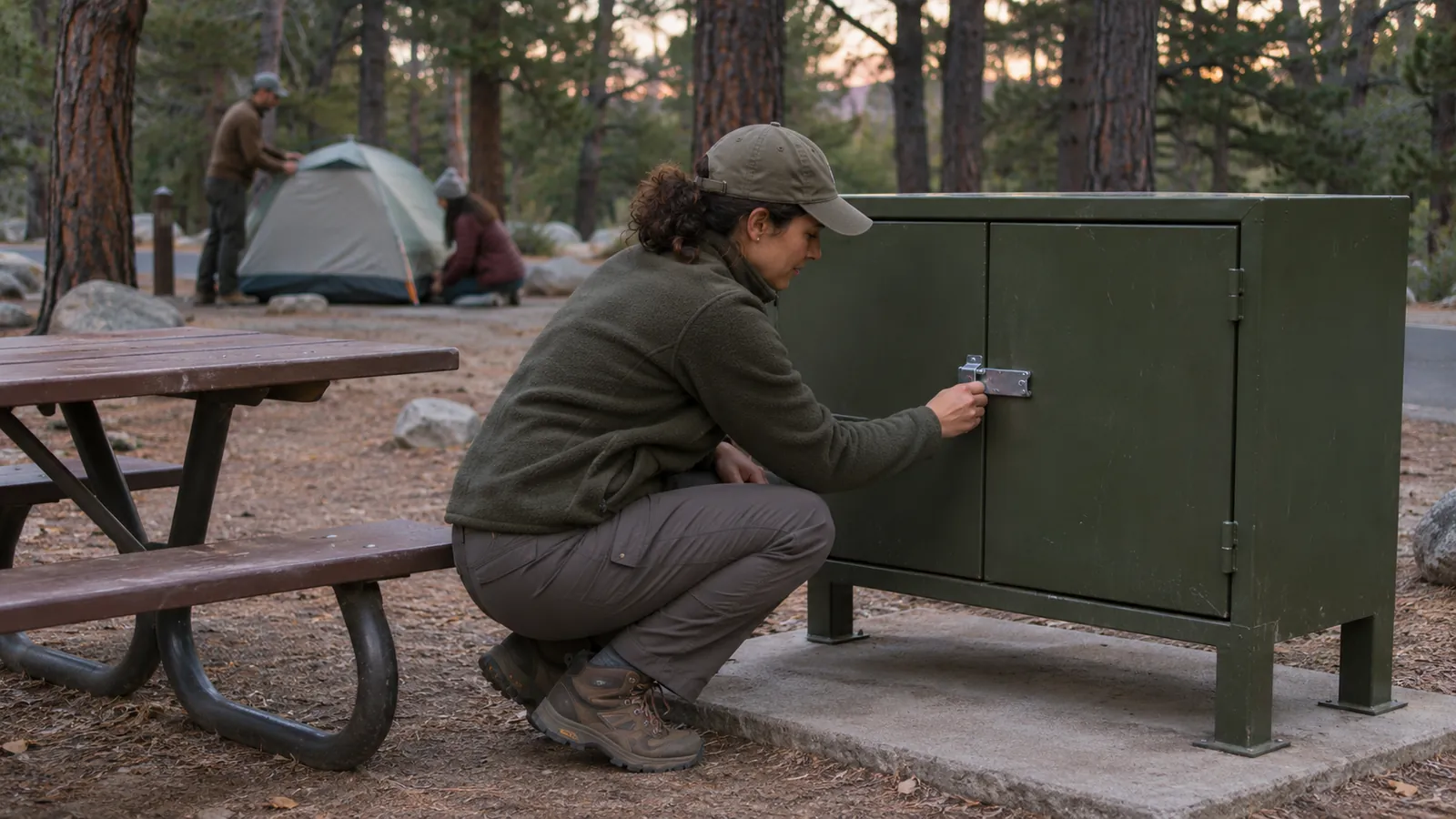
TL;DR: Light alone is a poor guide to whether raccoons will visit a campsite. Secure food, coolers, trash, and scented items before dark as the campground requires. Use a modest light for the task at hand, aim it down, and switch it off when you finish. Give wildlife room to leave.
📋 Table of Contents
- 1. Pack for a quiet campsite and an evening food check
- 2. Why food matters more than the lamp
- 3. What a light can change at camp
- 4. Check what the campground means by secure storage
- 5. Prepare for a late arrival without unpacking the whole site
- 6. Do the evening cleanup while there is daylight
- 7. Give the kitchen, the storage area, and the tent different jobs
- 8. Use light for three ordinary camp jobs
- 9. FLEXTAIL Max Pump 3 for evening setup at the site
- 10. Olight Perun 3 Mini for an approved path
- 11. Olight Oclip 2 Pro for a fixed table task
- 12. If a raccoon comes through while you are awake
- 13. Keep pets and neighboring campers out of the situation
- 14. Have a plan for the next morning
- 15. Will leaving a light on keep raccoons away?
- 16. What scares raccoons away at night?
- 17. Will a flashlight scare a raccoon away?
- 18. Frequently Asked Questions
- 19. Close the locker and keep the light near your gear
Pack for a quiet campsite and an evening food check
| What needs attention | What to use | When to do it |
|---|---|---|
| Food, cooler, and scented gear | The campground's approved locker, container, or other required storage | Confirm it on arrival and secure everything before leaving the site or going to sleep. |
| Leftovers, food scraps, and packaging | The campground's designated trash or recycling receptacle | Clear the eating area after meals and before quiet hours. |
| A short task around your own tent or table | A modest, downward-directed light for the area in use | Switch it on for the task and off when finished. |
| An animal at the site | Distance, a clear place to wait, and the park's contact information | Keep children and pets back and follow instructions from campground staff. |
If raccoons have opened a cooler before, start with the storage plan for the site, even if you usually camp elsewhere without a problem. Find out whether a locker is supplied, what belongs in it, and what alternatives the campground allows. A closed cooler under a table can look safely out of the way to a camper and still be accessible to wildlife.
Sort the equipment by when it will be used. Keep food and scented items together so the last person to use the table can account for them. Keep the light and other plain equipment you may need at night separately accessible. This makes it easier to retrieve a light without reopening everything you have already secured or putting food near the place where people sleep.
Agree on who will handle the final walk around the site. On a family trip, one adult can confirm that storage is latched while another checks the eating area. Children can help collect their own belongings in daylight under supervision. A simple assignment removes a common mistake in shared campsites, where everyone thinks someone else took the last snack or trash bag to storage.
Why food matters more than the lamp
Seeing a raccoon by a light tells you where you spotted it. A lamp makes the animal easier to notice, and the sighting alone cannot establish what drew it there. A raccoon may stop for food, packaging, or a container it can open. Start by securing the things it can reach.
The National Park Service's guidance for your stay recommends securing food, cleaning up scraps and packaging, and keeping food out of tents. It also tells visitors to keep a safe distance from wildlife and to check whether the park has specific distances. These steps do more for practical planning than choosing one light color and assuming an animal will react to it.
Food is more than the container with dinner. Consider wrappers, spilled food, a pet bowl, or a cooking item that has food residue on it. Read the campground's list of items to secure. Leave only ordinary nonfood equipment out when allowed, and use the designated place for trash. A bag hanging from a table leg makes disposal easy during dinner and easy to forget when everyone leaves.
A dark campsite can still have the same accessible food. Switching the light off after use is courteous, but it does not change the latch or remove leftovers. Likewise, seeing no raccoon from the tent does not prove nothing visited. Set up for secure storage whether an animal is visible, out of view, or absent.
What a light can change at camp
Kansas State University's raccoon guidance describes how animals can become accustomed to frightening devices in property settings and how their effect can fade. That is a reason to avoid relying on illumination as a lasting campground barrier. Conditions at an individual campsite can vary, and a fixture cannot stop an animal from reaching unprotected items.
A continuously lit table gives the people at the table a usable space. Once the table is empty, leaving the same light on mostly changes what other campsites see. The National Park Service's camp etiquette guide asks visitors to consider nearby campers, shield lights, and point them down. Specific campground hours and light rules come from the actual site.
A motion light can be convenient on some properties. At a campground, an automatic light may turn on every time someone passes or nearby vegetation moves. Look at where it sends light and whether it follows local rules before using it. A light you switch on yourself for a short task gives you more control over when and where the campsite lights up.
Treat darkness as the normal condition when everyone is settled, while keeping a safe way to find the light you need. Place the personal light where the adults can locate it without searching outside. Shut off unused area lights, and agree on how to signal quietly if someone needs help. You can be prepared to see your route without lighting the whole site continuously.
Check what the campground means by secure storage
At Rocky Mountain National Park, campground guidance directs visitors to use food storage lockers and describes vehicle alternatives when lockers are full. It also includes coolers, pet food and bowls, and some scented items in the storage rules. Other parks and specific areas may have different requirements. Read the current instructions for the exact site.
Locate the designated storage before unloading the entire vehicle. If a shared locker is full, a latch is damaged, or the site has no suitable storage for what you brought, ask a ranger or host about the approved alternative. A soft-sided tent or vehicle may fail to satisfy local rules. Avoid relying on what the next campsite appears to be doing.
Separate keeping food cold from keeping wildlife out. The cooler helps with temperature. The campground's rules govern where that cooler goes and whether a different container or locker is required. When a hard-sided vehicle is an approved option, follow the local directions for securing it. Leaving the cooler outside temporarily should follow the same attended-use rules as other food gear.
Look at the latch before dark. Learn how it seats and whether the door closes without a strap, handle, or bag in its path. Leave the opening clear and confirm the closure after putting the items away. If staff require a shared space to be left a certain way, follow those instructions. A working latch is important every time someone goes back for an item.
Prepare for a late arrival without unpacking the whole site
If you expect to arrive after dark, look up the storage instructions before leaving home. Confirm where the site is and whether the host office has an after-hours procedure. Put your task lights, rain layers, and campsite details where an adult can reach them without opening the food tote. You can then park and work through the basic setup one step at a time.
Keep the first unload small. Bring out the things you need to settle the group and find the required storage. A box of dry food can wait in its approved location while you decide how to manage the rest of the equipment. Keeping bags closed also makes it easier to notice whether you have left anything on the bench or the ground.
When you can, check the final latch with the light down at its height. Some doors only look closed from a few steps away. Use the campground's instructions to confirm it is secured. Follow the same order during a rain shower. Bringing everything inside the sleeping tent temporarily can create a new problem, so find out in advance how to handle a wet or delayed arrival.
Do the evening cleanup while there is daylight
Plan dinner around enough time for cleanup before everyone is tired and the path is dark. Use the campsite's designated process for dishes, food waste, and packaging. Put away the cooking items the campground lists. Sharing one cleanup job between multiple people helps only if someone checks that the last item has actually been put away.
Think about small things that can end up beside a sleeping bag. A child might keep a snack in a jacket pocket or a camper might bring a scented toiletry pouch out of habit. Do a simple gear check before lights out. Put the items covered by the local rules back in the right storage, and keep the personal light in its usual place.
If you go to a program or walk away after dinner, treat that as leaving camp. Put away the items the campground says must be secured whenever the site is unattended. Finishing the job early also keeps a late return simple. There is no need to walk around with a strong light hunting for food packaging when the site is already clear.
Decide in advance where the group will stand while another person uses the locker. Keep the walking route and entrance clear of gear. Raise any concerns about broken latches or shared storage with staff before bedtime. A good arrangement should still work after a late meal, an unexpected shower, or a change in who clears the table.
Give the kitchen, the storage area, and the tent different jobs
Set up the eating area with a simple path to the place designated for waste. Keep a small bag with the person cleaning so they can collect wrappers and scraps without leaving a loose bag open under the table. Take it directly to the recommended receptacle at the end of the meal. Set the next meal's supplies apart while you pack so they are easy to locate in the approved storage.
If there is a shared locker, label bags in a way the group can recognize and leave usable space for the people assigned to it. Avoid wedging a container under the closing edge or relying on another camper to fasten the door. When someone removes their own bag, the group should know whether the remaining items are still secured.
Keep flashlights, spare rain gear, and other items that do not belong with food where they remain accessible. A child who needs a jacket should be able to ask for it without retaking a kitchen inventory. A separate pocket for the personal light also means an adult can reach it when someone needs help before moving anything else.
A local campground checklist is worth revisiting if the group changes sites during a trip. A park with designated campgrounds may use a different method at another loop or at a trailhead. Food rules can also apply while a campsite is unattended during the day. Ask staff what applies to both the overnight hours and the time away from the site.
Use light for three ordinary camp jobs
| Task | Useful light format | Placement or handling |
|---|---|---|
| Set up compatible camp gear and gather belongings before quiet hours | A nearby area light or an integrated camp light already packed with other gear | Light just your work area, using the lowest setting that lets you finish safely. |
| Walk an approved campground path | A downward-aimed personal light or headlamp | Check where the ground changes, and keep the beam away from other tents. |
| Sort items at your table | A small light directed at the tabletop | Keep the support stable and leave the lamp uncovered. |
Think about where the beam lands rather than how far it reaches. A small pool of light over a latch can let you see what you are doing. A broad beam aimed outward puts more light into neighboring sites than that job needs. If you plan to use one light at a few different places, check how quickly you can reposition it before darkness.
Start with a camping lantern if you need a shared area light for a short setup task. Look for a level and placement that fit the site. A lower position often makes it easier to keep light near the table while avoiding nearby tents. When privacy, route rules, and sleeping neighbors matter, ask the host what the site expects before installing any light that switches itself on.
A hands-free personal light and a tabletop light serve different needs. A headlamp can help someone carry clean gear with both hands. A separately positioned lamp can keep light on the task while the person turns to look elsewhere. Pick the option that lets you direct the beam where it belongs, then put it away when the work ends.
FLEXTAIL Max Pump 3 for evening setup at the site
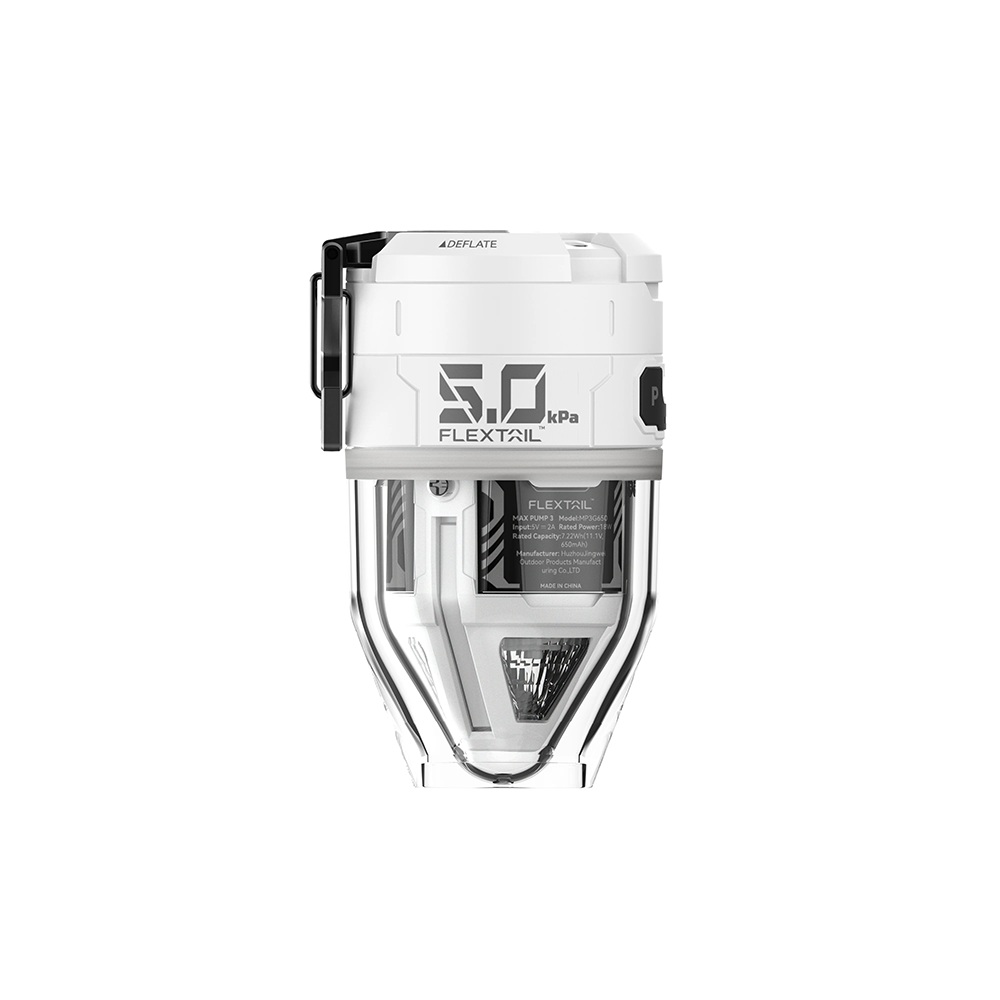
The useful combination is having a light on equipment you already carry for another purpose. Check that a nearby lamp position works without shining into a neighboring tent. When other people need that light for a different task, have a separate personal light ready. The pump and light give one person several functions on one device, with one place to check and return it after setup.
Olight Perun 3 Mini for an approved path
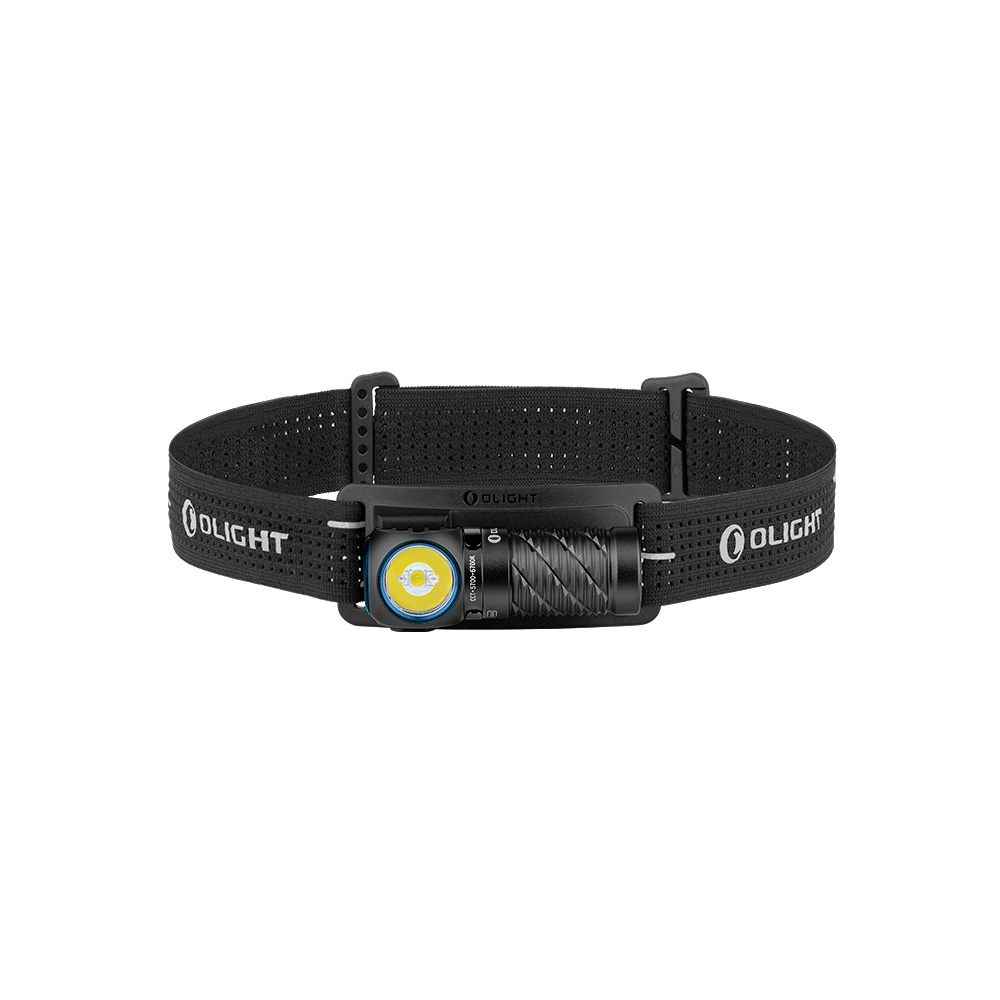
A low setting can work for ground close to your feet. Change the setting or stop if you cannot see safely enough to use the approved route. If wildlife is present, do not follow it along the path or approach to improve your view. Put the headlamp back in the place everyone knows to check after using it.
Olight Oclip 2 Pro for a fixed table task
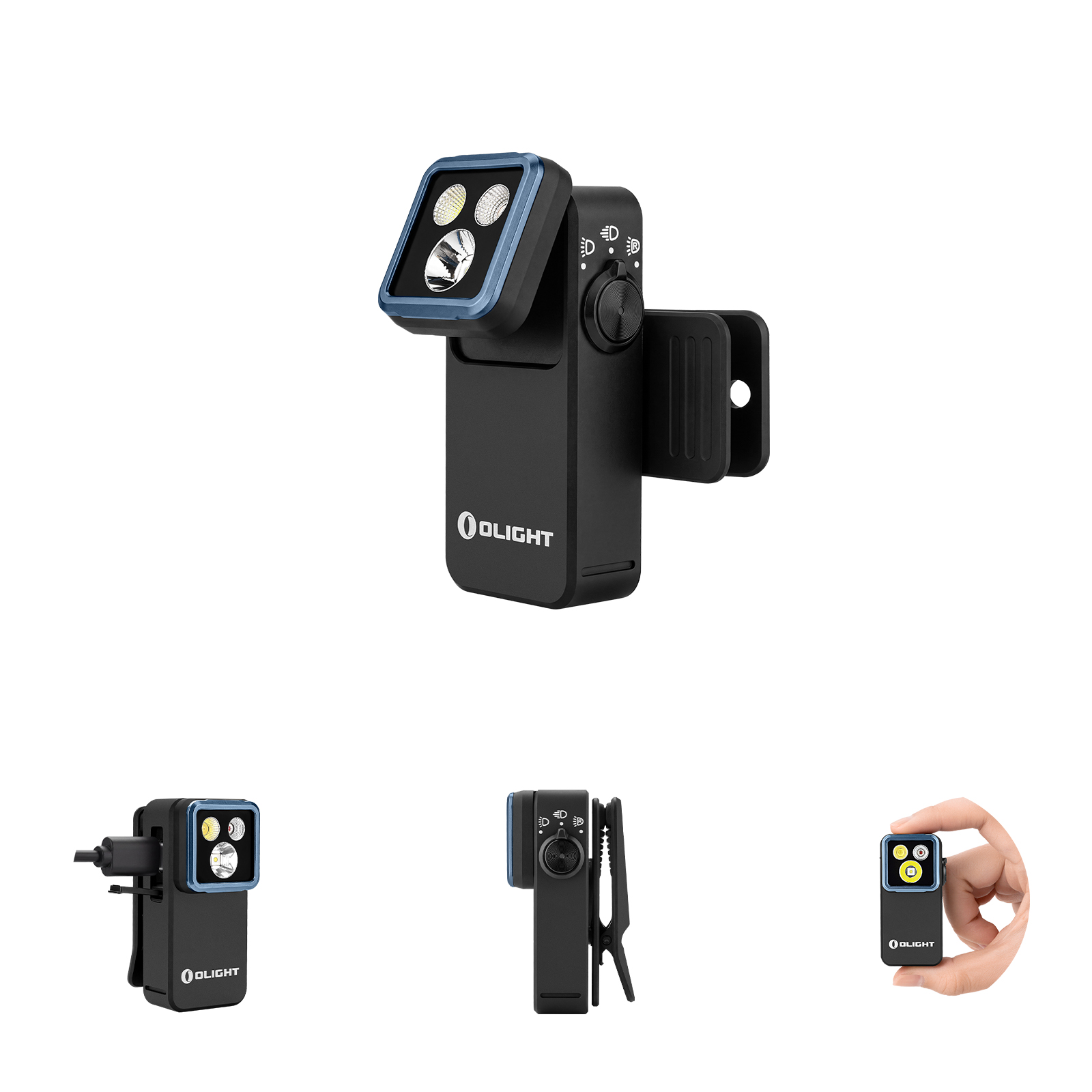
Keep the front of the light clear of fabric and close containers, and follow its manual. Turn it off as soon as the table work is done. If you already have a stable area light that stays within the site, see whether it covers the task before adding a clip light. A suitable storage container and a clean table remain the priorities.
If a raccoon comes through while you are awake
Give it room to leave. Keep the group back and bring children and pets away from the area where it is moving. Avoid approaching for a closer look, surrounding it, or trying to retrieve a container while the animal is there. A task light can help you move safely away if needed. Keep it directed at your route.
If the animal stays close, blocks access that you need, or appears sick or injured, tell the campground host or ranger. Describe where it is and what people can observe from a safe place. Let staff handle the decision about access or response. Allow other campers to use their own safe space rather than drawing a crowd to the site.
If anyone has been bitten or scratched, contact campground staff and seek medical care promptly. The National Park Service's rabies safety notice explains why medical attention matters after a relevant wildlife exposure. Have the details ready for the clinician or health department. Keep away from the animal while waiting for guidance.
Once the animal has left, ask staff what to do if it disturbed a food container or left a mess. A lid may still be open or the locker may no longer close correctly. Deal with that problem before assuming the rest of the night will be fine. Do not handle an animal or any unfamiliar waste to collect evidence.
Keep pets and neighboring campers out of the situation
If the campground allows pets, find out what leash or containment rules apply and where pet food, bowls, and waste belong. Put leftovers away when feeding is over. When a wild animal comes near, keep the pet with a responsible adult and move it away where that is safe. Do not let it follow the animal, even if the encounter seems quiet at first.
Teach the children what to do while you can talk calmly at the table. Agree on which adult to tell, where to stay, and how to get back to the group. Have them leave food, containers, and animals alone. This is useful preparation for children who might be excited to see wildlife in the campground or worried by a sound near the tent.
The same lamp can look harmless from under its beam and bright from a nearby tent. Check it once from the edge of your own site, without walking into anyone else's space. Lower or turn the lamp until only the work area is lit. Check again after moving a table, hanging wet gear, or switching from a headlamp to a fixture that stays on.
If a nearby camp is concerned about wildlife or about a light at your site, explain your plan quietly and ask the host about the shared rules if you are unsure. Keeping voices down and beams contained is more considerate than directing attention into the woods. Give campground staff a clear location if you need their help locating a problem.
Have a plan for the next morning
If you wake up to scattered packaging, check from a safe place first. Keep children and pets from handling it. Ask park staff about disposal and any missing or damaged storage gear. Work out where the food got left and whether any items are unsuitable to keep. A weather change or loose gear can also make a mess, so avoid assuming which animal caused it.
Hold a short check afterward with the people who use the site. Put one person in charge of finishing cleanup and another in charge of confirming the locker closed. Keep the practical change specific. A bag that stays with the cook until it goes to the designated bin is easier to manage than a general instruction to pay more attention.
Before the next evening, check whether a container, latch, or storage arrangement needs to change. A brighter lamp will not fix a broken lock. Likewise, a new light might help someone see the latch, but it still needs to be used with the same normal food storage rules. Finish by adjusting any light that reaches past your site's boundary.
When you are leaving for good, check the site again after loading the car. Look under the table and around the tent pads for packaging or gear that shifted during packing. Empty your assigned locker and leave it as the campground directs. Tell the host about any faulty latch so the next campers can start with working storage.
Will leaving a light on keep raccoons away?
Leaving a light on cannot reliably keep raccoons away from a campsite. Store food, scents, and trash where the campground requires, clean the site after eating, and close the locker or container as directed. Use light for a task, keep it aimed down, and switch it off when you finish.
What scares raccoons away at night?
A raccoon's reaction to a sudden light or sound can vary and may change as it gets used to what is happening. At camp, give the animal space to leave and secure the food and trash it can access. Ask the campground host or ranger for help if the animal keeps returning or remains too close.
Will a flashlight scare a raccoon away?
A flashlight is useful for seeing where you are going, and you cannot count on it to make a raccoon leave. Aim it at your own route as you move away and keep children and pets back. Contact staff if you cannot safely use the area. Save any cleanup until the animal is gone.
Frequently Asked Questions
Close the locker and keep the light near your gear
Clean the site while it is still easy to see, check the closure, and put a personal light where you can find it. Use that light when the next task calls for it. Keep the campground contact information available in case wildlife stays nearby. Those steps help a family get through a quiet night without depending on a light to manage an animal.
Changelog
- November 19, 2026: Product information and buying guidance reviewed.




