TL;DR:Choosing the right outdoor flashlight buying guide means understanding light spectra beyond raw lumens. This guide breaks down the flashlight color temperature scale—from Cool White (CW) for maximum brightness to Neutral White (NW) and Warm White for superior color rendering and fog penetration. Discover how to choose the best EDC flashlight and best rechargeable flashlight (like the Olight Baton 4 Pro) to match your tactical, camping, or everyday needs.
Selecting the ideal illumination tool requires understanding more than just lumen numbers. While high output determines how much raw light an emitter produces, the color quality of that beam dictates how well you perceive your surroundings. This comprehensive Outdoor Flashlight Buying Guide explains the core physics of light spectra, provides an in-depth Flashlight Color Temperature Guide, and breaks down how to choose the Best Rechargeable Flashlight and Best EDC Flashlight for your tactical, camping, or everyday needs.
Table of Contents
- What is Color Temperature (Kelvin Rating) in Flashlights?
- Understanding the Flashlight Color Spectrum: CW vs. NW vs. Warm White
- Flashlight Color Temperature Application: How to Choose by Scenario
- Decoding Olight LED Options: Choosing Between Olight CW and NW
- FAQ
What is Color Temperature (Kelvin Rating) in Flashlights?
Color temperature describes the visual warmth or coolness of the light emitted by an LED. Measured using the LED Flashlight Kelvin Scale, this metric derives from the thermal radiation of a theoretical blackbody radiator. As this blackbody heats up, it glows red, then yellow, white, and finally blue.This scientific measurement is strictly governed by standards such as the IES, which establishes the official framework for quantifying chromaticity and correlated color temperature (CCT) in modern solid-state lighting.(reference : IES-correlated-color-temperature ).
This thermal progression correlates to specific Kelvin (K) values on the color temperature spectrum:
- Warm White: 2700K to 4000K (Produces a yellow, amber, or warm orange cast)
- Neutral White: 4000K to 5000K (Closely mimics natural, midday sunlight)
- Cool White: 5500K to 7000K (Displays a crisp, bluish-white appearance)
In portable lighting design, selecting the right flashlight color temperature directly impacts both human eye physiology and atmospheric penetration. Light toward the lower end of the Kelvin scale contains longer wavelengths (reds and yellows) that bypass microscopic particles in the air. Light at the higher end contains shorter wavelengths (blues and violets) that scatter easily off atmospheric moisture, but stimulate the human eye's rod cells more intensely.According to research on optical physics published by NIST, shorter blue wavelengths are highly prone to Rayleigh scattering when they collide with atmospheric particulate matter, explaining why cooler beams struggle in dense air. (reference: nist-A CORRELATED COLOR TEMPERATURE FOR ILLUMINANTS ).
When shopping for a Compact LED Flashlight to Buy, understanding this scale ensures you do not end up with a beam that washes out your environment or fails to penetrate outdoor mist. A high-performance emitter must balance raw electrical efficiency with the physiological needs of the user, making it crucial to study our comprehensive Flashlight Color Temperature Guide before making a purchase.
Understanding the Flashlight Color Spectrum: CW vs. NW vs. Warm White
Evaluating the Cool White vs Neutral White LED debate requires analyzing how different parts of the spectrum render detail, affect night vision, and consume battery power.
Cool White (CW): Maximum Brightness and High Visibility
Cool White emitters (typically 5500K to 6500K) represent the standard choice for tactical searchlights and the Brightest Pocket Flashlight designs. Because blue-spectrum light triggers the human eye's photopic vision system most effectively under dark conditions, Cool White beams appear significantly brighter to our brain than warmer beams of the exact same lumen output.
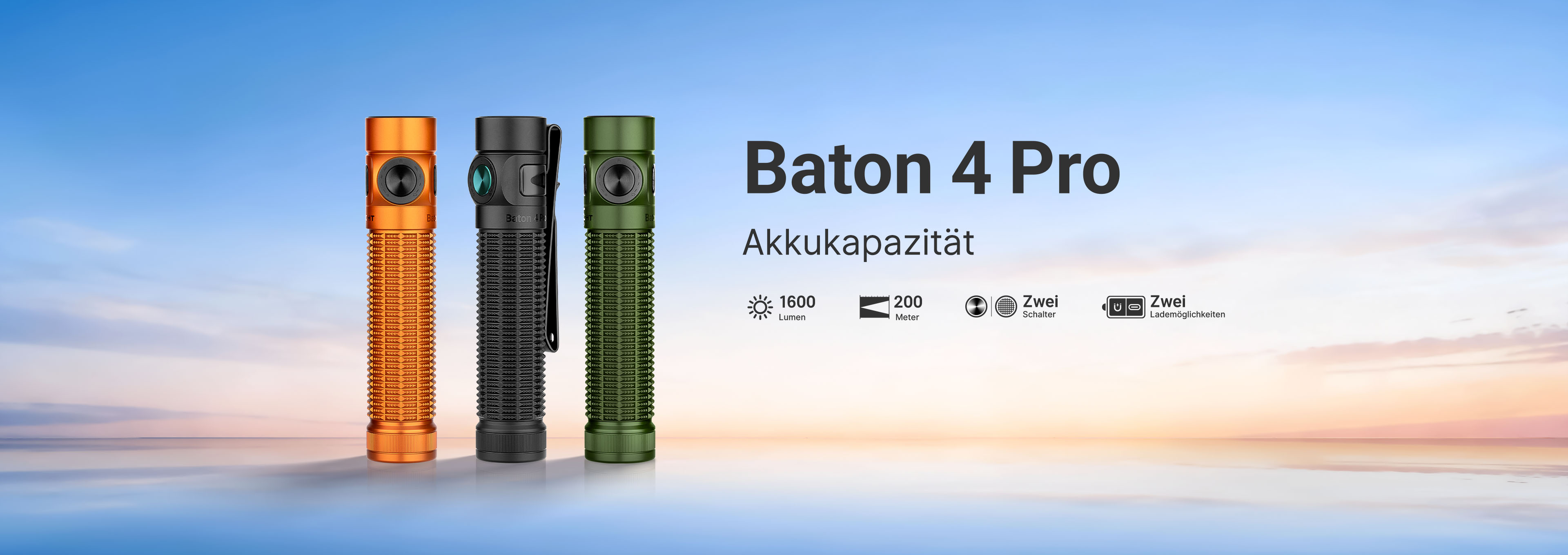
Baton 4 Pro Ultra Compact Flashlight
The Baton 4 Pro delivers up to 1,800 lumens in an ultra-compact EDC design. Featuring dual charging options, intuitive controls, and dependable everyday performance, it is ideal for daily carry, outdoor adventures, and emergency lighting.
View DetailsTechnical Characteristics of Cool White Flashlights:
* High Luminous Efficacy: LEDs naturally produce blue light internally, which is then passed through a yellow phosphor coating. Applying a thinner phosphor layer yields cool white light, preserving higher luminous efficiency (more lumens per watt).
* Extreme Contrast: CW highlights sharp edges, metallic surfaces, and artificial structures with intense clarity.
* Increased Eye Fatigue: Prolonged use of high-Kelvin beams causes faster pupillary fatigue due to intense glare and high blue-light exposure.
Neutral White (NW): Balanced Output and Accurate Color Rendering
Neutral White emitters (4000K to 5000K) provide a balanced middle ground. This spectrum closely matches natural daylight, making it the Best Light Spectrum for Camping and technical trail navigation.

Technical Characteristics of Neutral White Flashlights:
* Accurate Color Rendition: NW preserves natural tones, helping you distinguish green vegetation, brown earth, and colorful trail markers. Emitters with a high Color Rendering Index (CRI) are typically found in this temperature range.
* Reduced Backscatter: NW contains fewer high-frequency blue wavelengths, meaning less light reflects directly back into your eyes when illuminating airborne dust or water droplets.
* Optimal Depth Perception: By rendering shadows and textures naturally, neutral beams allow for superior distance evaluation over uneven terrain.
Warm White: Superior Penetration and Eye Comfort
Warm White emitters (2700K to 3500K) mimic classic incandescent bulbs or campfires. Although less common in standard production models, warm emitters remain highly prized among specialized outdoorsmen and purists looking for comfortable outdoor illumination.
Technical Characteristics of Warm White Flashlights:
* Long-Wavelength Dominance: The abundance of yellow and red wavelengths allows warm white beams to slice through dense moisture, heavy rain, and light smoke.
* Preservation of Night Vision: Warm tones do not contract your pupils as aggressively as cool white, allowing your eyes to retain natural low-light adaptation more easily when the light is switched off.This physiological phenomenon is extensively documented in studies by the American Academy of Ophthalmology , which confirm that exposure to intense, high-energy blue light severely disrupts dark adaptation compared to warmer, lower-frequency wavelengths. (reference :eye-health-digital-devices-your-eyes).
* Visual Warmth and Comfort: Warm white light creates a soothing, low-glare environment, ideal for close-up tasks inside a tent or cabin.
Flashlight Color Temperature Application: How to Choose by Scenario
There is no single "perfect" color temperature. Your selection must align with your primary operating environment, weather conditions, and target activities, which is why a thorough Outdoor Flashlight Buying Guide is indispensable.
Outdoor Survival, Search and Rescue, and Tactical Use
In high-stakes environments where immediate threat detection or long-range signaling is critical, Cool White (CW) is the standard.
- Maximize Distance: If you need a High Lumen Flashlight to sweep distant hillsides, identify offshore targets, or disorient an intruder, a CW emitter delivers the necessary high-intensity beam.

- Instant Identification: The stark contrast of cool white helps search-and-rescue teams locate reflective clothing, search markers, and non-natural materials across hundreds of yards.
Everyday Carry (EDC), Camping, and General Tasks
For general utility, trail hiking, and campsite setup, Neutral White (NW) performs exceptionally well, making it a top contender for the Best EDC Flashlight.

- Preventing Visual Disorientation: Walking along a wooded path with a cool white light can make leaves, branches, and rocks look flat and washed out. A neutral white beam reveals the true texture of roots, mud, and terrain shifts, reducing trip hazards.
- Map Reading and Gear Organization: When reading topographic maps or organizing colored dry bags inside your pack, high-CRI neutral white ensures accurate color identification.
Foggy, Rainy, and High-Smoke Environments
In poor weather or thick forest canopies, warm tones provide unmatched performance.

- Mitigating the Tyndall Effect: High-Kelvin blue light scatters easily when it collides with water droplets (fog or rain), creating a blinding white wall of reflected glare. Warm white light passes through these particles with minimal scattering.
- Smoke and Haze Penetration: Firefighters and emergency personnel utilize warmer spectrums because yellow-orange wavelengths punch through particulate-heavy air to reveal escape paths and structural boundaries.
Decoding Olight LED Options: Choosing Between Olight CW and NW
When searching for the perfect everyday carry companion that embodies these technical principles, the Baton 4 Pro Compact Flashlight High Lumen stands out as an elite solution and one of the Best Rechargeable Flashlight options available today. This model combines massive power with a highly portable form factor, giving outdoor enthusiasts a versatile, premium-tier tool.
Baton 4 Pro Key Features
- Powerful Output: Delivers a remarkable 1,600-lumen output and a 200-meter throw, all packed into a compact body measuring just 111 mm and weighing 114 g.
- Dual Switches for Instant Control: The side switch offers five brightness levels, while the textured tail switch provides quick access to High and Turbo modes with momentary and constant-on control.
- Dual Charging Convenience: MCC magnetic charging makes powering up at home effortless, while the USB-C port allows fast, universal charging wherever you go.
- Made to Move: Perfectly sized for your hand and easily pocketable, it goes wherever you go, serving as the ultimate everyday carry light.
- Secure Anti-Slip Grip: The new knurling pattern, combining both shallow grooves and deep indentations, offers a secure grip and a premium tactile feel.
- Hidden USB-C Charging Port: The finely textured tailcap ring rotates smoothly to reveal or conceal the USB-C port, settling neatly into place at either end.
- Status at a Glance: Laser micro-perforated brightness and battery indicators, plus a new lockout icon, communicate the state of your light instantly.
- A Small Light That Lasts: Powered by a 3,500 mAh 18650 battery, the compact light delivers dependable runtimes without frequent recharging, running up to 100 days in Moonlight mode.
For general outdoor exploration, campsite chores, and close-range navigation, a Neutral White (NW) option provides excellent color rendition and reduced eye strain over long periods of use. If your priority is maximum throw, absolute lumen output, and high-contrast tactical applications, the Cool White (CW) variant of the Baton 4 Pro ensures you always have the brightest possible beam ready at a moment's notice.