


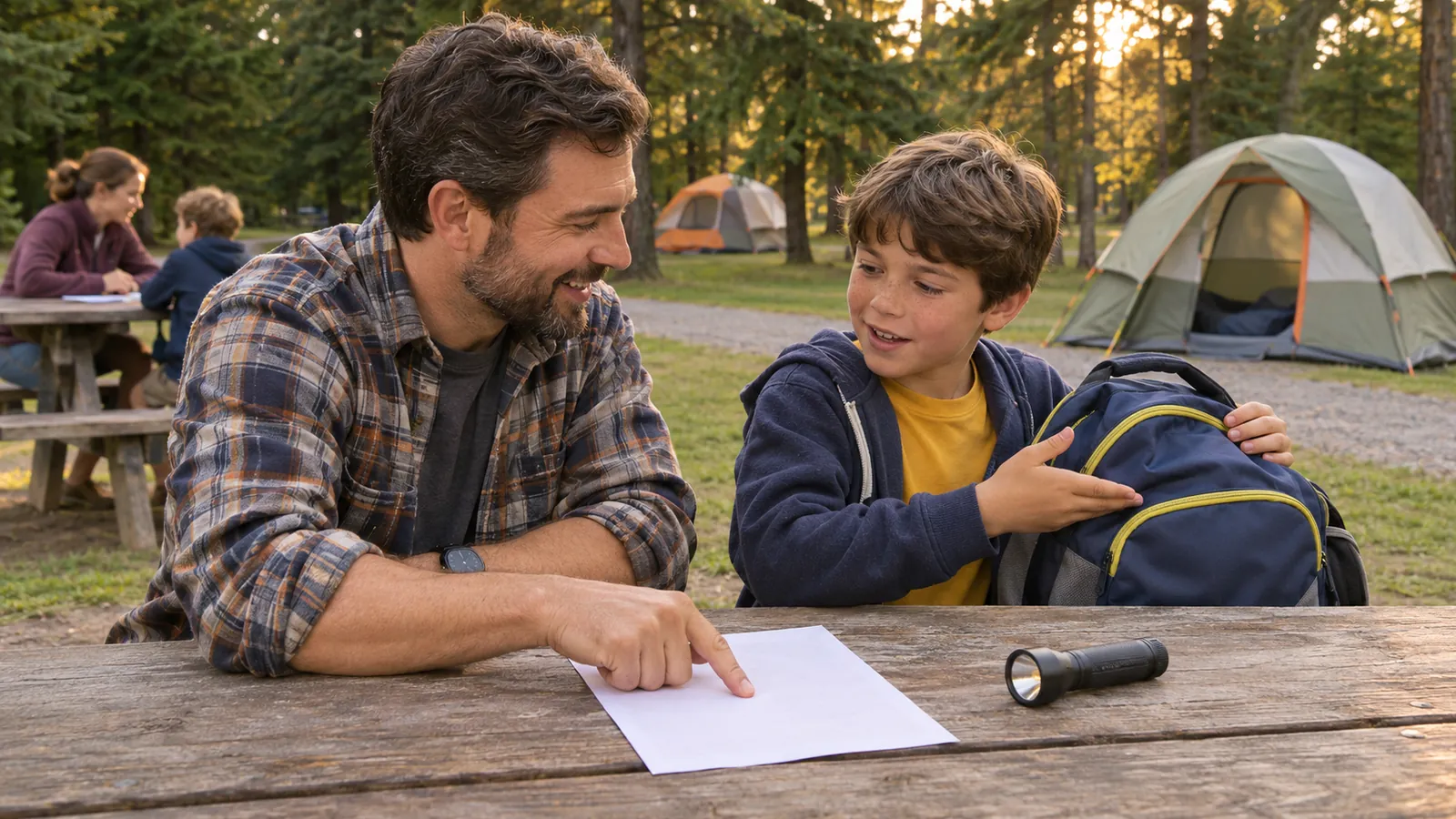
TL;DR: Ask your pack what light to bring and how adults will supervise the evening. At home, try a light the Scout can grip, aim at a page, switch off, and return to a pocket. Choose equipment the manufacturer permits for that user, and keep a separate working light with the adult.
📋 Table of Contents
- 1. Start with the pack's plan
- 2. What kind of flashlight should a Cub Scout bring?
- 3. How bright should a flashlight be for a young child?
- 4. Should kids bring a headlamp or a flashlight to a campout?
- 5. Give the adult's light its own job
- 6. Practice the handoff before sunset
- 7. Confirm the restroom and bedtime plan at check-in
- 8. Frequently Asked Questions
Start with the pack's plan
| Campout moment | What to agree on before dark |
|---|---|
| Packing at home | Confirm the pack’s gear list and bring the kind of light it accepts |
| Finding something in the tent | Practice pointing at a bag or page and switching off afterward |
| Walking to the restroom | Confirm the approved route, buddy arrangement, and supervision with leaders |
| Settling in after the last activity | Put the light in one agreed pocket or dry pouch |
| Reporting a missing or failed light | Ask an adult and use the adult's separate backup |
Read the list for the particular outing before checking models. The pack can tell families what goes in a Scout’s personal bag, what it already provides, and who accompanies children at each point in the evening. A light that works on a tent floor may still be the wrong choice if the pack asks everyone to bring a particular type for a scheduled activity.
The Basic Adult Leader Outdoor Orientation guide includes a flashlight among the Cub Scout Six Essentials. Its packing advice suggests a small bag that makes gear available without interfering with activities. Ask whether a headlamp counts for this outing and whether the leader wants the personal light in a daypack or readily accessible somewhere else.
Scouting America’s Cub Scout facilitator guide describes a registered adult with BALOO training at pack overnight campouts and the adult partner requirement for Lions and Tigers at den and pack activities. Get the current specifics for your pack from its leaders. Ask about the age group’s buddy arrangement, where families wait after dark, and who accompanies children if they need the restroom.
That conversation makes it much easier to pack the right gear. A child might be able to find the switch while sitting on a sleeping pad yet need an adult’s full attention while moving around an unfamiliar campsite. Tell them beforehand where to ask for help. If the group has a different arrangement after the last scheduled activity, repeat it when you arrive.
If the pack loans out lights, ask before arrival how the issue and return work. It may help to use the same named pocket in the child’s bag even when the lamp changes. Show the child which borrowed part belongs with the light. An adult can check that it is complete and return it without leaving loose pieces with the rest of the gear.
A pack message can cover several outings at once. Read the line for this campout and check which things are personal and which will be waiting at the site. A lantern listed under shared gear might light the gathering spot. Ask whether the Scout still needs their own light for the evening routine. If you missed the gear meeting, have the leader confirm those two items before buying or borrowing a replacement.
Bring up access needs with the pack ahead of time. A Scout who uses one hand, wears gloves for a medical reason, or finds a headband uncomfortable may need a different arrangement. Explain the task the light has to cover and what makes the suggested control difficult. The leader and parent can agree on equipment and support before the child encounters that task at camp.
What kind of flashlight should a Cub Scout bring?
Bring a light the pack accepts, the manufacturer permits for the intended user, and the Scout can grip and switch off during practice. Try it with the clothing they'll wear after dusk. If the control takes repeated attempts, ask the pack about another suitable light. Keep a working backup with the adult.
Start with the child's first move. Put a flashlight that meets the product's instructions on a well-lit table or lay out the equipment the pack has already loaned the family. Have the child pick it up, point it safely at a page, and find the switch. Watch where their fingers land when they pick the light up again. A body that feels secure to an adult may make the same child squeeze harder or slide a finger over the end.
With a push button, watch how the grip changes as the Scout presses. Some children reach easily with a thumb while holding the light. Others have to brace the whole body against the table or use a second hand to finish. Either can work for a stopped task if the operation is reliable. If the light slips or moves toward somebody’s eyes, stop and try another suitable control.
A twist control asks for a different movement. The Scout has to hold one end steady while turning the other far enough to change the output. With permission and suitable equipment, try this sitting down at the table so the device stays out of other people’s faces. Let adults handle opening anything that gives access to a battery or removable small part. Turning a light off should feel distinct from taking it apart.
Try the actual jacket or gloves planned for the outing. A clearly raised button may become hard to locate through a glove. A patterned grip can feel different when sleeves reach past the wrist. If the weather changes the fit or the way the controls work for the child, practice with the other approved option before leaving home. There is little benefit in packing a light that works only with bare hands if the child will keep gloves on most of the evening.
Look at how long it takes to stop the beam. Even a fast start can be frustrating if switching off means cycling through several settings. Ask the child to show the entire movement and put the light back. One smooth on and off cycle in ordinary light tells you how to prepare the next practice, without turning the activity into a timed contest or requiring any unusual equipment.
A good light also has to go somewhere. The child should be able to identify its pocket without taking everything out. Try a pouch or pocket the Scout already opens comfortably. Label it where the label remains readable, avoiding the switch or lens. An adult can handle a carrying attachment if the manual and the pack allow it and it stays away from places where it could catch.
Use a task the child recognizes, such as finding their own name on a bag tag. An adult can hold a second tag with similar lettering next to it and ask the Scout to point out the right one. You can see whether they can keep the beam at the reading distance and reach the switch without losing track of the task. Use the same tag when comparing two suitable designs.
Also check where a loose light goes when the Scout needs another hand. A narrow cylinder can roll away if it is set down on a sloped seat or sleeping pad. Use a pocket or a flat, approved table instead. A child who lays the light down to help pack can learn to return it before leaving, and an adult can see whether changing the storage place helps.
If the control is hard to use, ask the child which move caused trouble. It could be the pressure needed to click, the position of the switch, or the need to move fingers away from the lens. Knowing which part went wrong makes comparing two suitable lights easier. The adult can help with that specific action or choose a simpler way to light the task.
How bright should a flashlight be for a young child?
Choose enough light to read a label or find a zipper at the distance the child will actually use. Check the startup setting and keep the beam aimed at the task. If the light is uncomfortable at that distance or controls send it brighter than intended, switch to a more suitable option.
At home, slide a bag beside a sleeping pad and find a zipper pull with the room still lit enough for the adult to see what is happening. Look at the difference between pointing at the zipper and sweeping the whole tent with the light. A small amount on the right surface can make the job easier. How much you need depends on the label or fabric, the distance, and how closely someone else is sitting.
Test what happens when you turn the device on again. Some lights start at a fixed output. Others open in a prior mode or have separate sequences for low settings. The adult can read the exact instructions, set up suitable equipment, and then let the child demonstrate only the needed control. If a brighter setting is easy to trigger by mistake, choose something simpler for the child’s role.
For a label or page, check the actual surface. Shiny cards sometimes reflect a bright spot that makes smaller print hard to read, while a dark zipper may need enough light to show where the pull ends. Bring the task into an approved place with better background light if you can. Changing the spot where you read is often easier than adding another setting to remember.
Keep the beam directed away from faces, and ask the child to switch it off or lower it before looking up. That is one reason to practice with another person present in the room. The adult can describe where they see the spot on the floor or page, and the Scout can repeat the movement. Avoid playing games that involve deliberately pointing any beam at another person.
If someone asks for a bright light to see farther, involve the supervising adult. The approved route and the group’s directions determine how far the Scout should go. Stay where the pack has told you to wait when the route is unclear. A flashlight for reading small print and the gear an adult uses to support the group can have different jobs.
Should kids bring a headlamp or a flashlight to a campout?
Bring the type your pack accepts. A handheld is easy to set down during a stopped tent task, while a suitable headlamp can leave both hands free. Try the actual fit and controls at home with an adult. Use whichever the child can aim and switch off reliably under the pack’s supervision plan.
The National Park Service Ten Essentials guide lists both a flashlight and a headlamp among general outdoor illumination options and recommends bringing extra batteries. Your pack may specify a type, and adults should manage spares and charging with each product’s instructions. Start with what you already own or what the pack can loan and ask how they want it used.
For a handheld, check whether the child still has the hand they need for the intended task. Reading a bag label may take only a moment. Pulling the zipper while holding the bag open can take both hands. Set things on an approved clean, stable surface or have an adult provide light when the child would otherwise have to juggle several items.
For a headlamp, fit it while seated and check it with the hat or hood the Scout will wear. Watch where the spot lands when they turn to listen to somebody. Choose a design that stays in place and lets them turn it off without reaching around for a control they cannot find. If the beam repeatedly rises into somebody’s face when the Scout looks up, stop and reset the angle in ordinary light.
Clip lights also need a suitable place. The adult should check the product instructions and where the clip is meant to go. A fixed attachment to approved gear can help for a stopped task. If the light moves with a strap or points straight toward other people at the table, leave positioning and operation to an adult or use the established group lighting instead.
| Light format | What to check with the clothes and gear you'll bring |
|---|---|
| Handheld | The child can grip it, reach the control, and return it to its pocket |
| Headlamp | The band stays in place and the beam remains on the task |
| Clip light | The approved attachment stays secure and the beam does not turn toward faces |
| Adult backup | The adult can find, operate, and store it separately |
Use the check to decide what occurs with a shared tent. A person already in bed may be close to where another Scout sets down their bag. Try the ordinary packing move and see where the beam falls. If the desired view requires aiming toward another person, bring the bag to an appropriate lit surface instead.
Give the adult's light its own job
A parent or guardian should have a working light they can reach even if the Scout has misplaced theirs. Decide who will keep the backup and where it goes. If another permitted adult takes over helping the family under the pack’s arrangements, pass along the light location and the next meeting point. Let the leaders handle any changes to the group’s supervision and buddy plan.
These two small lights illustrate adult jobs. They are different tools with different warnings. A parent can use the twist-control example for their own demonstration before selecting a light for the child. The small rechargeable model stays out of children’s reach in accordance with its manual. It can be kept at home if the family cannot maintain separate storage.
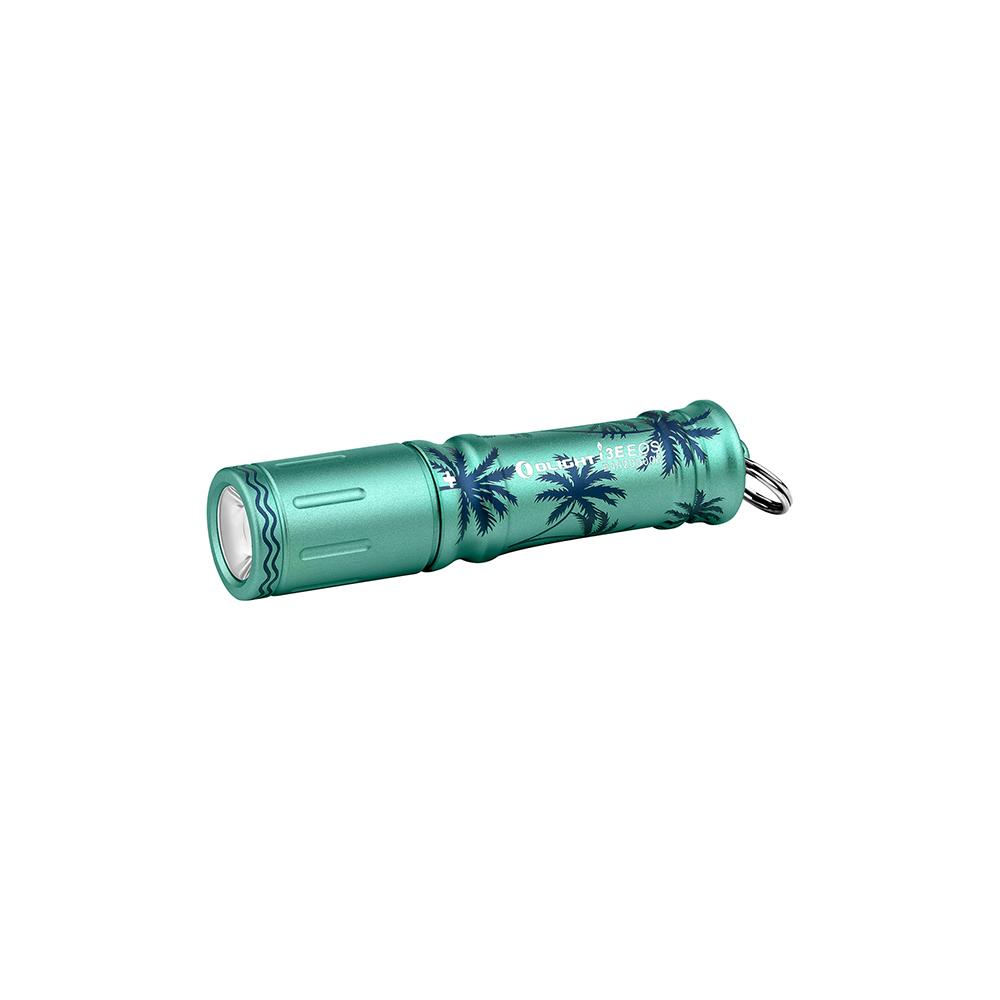
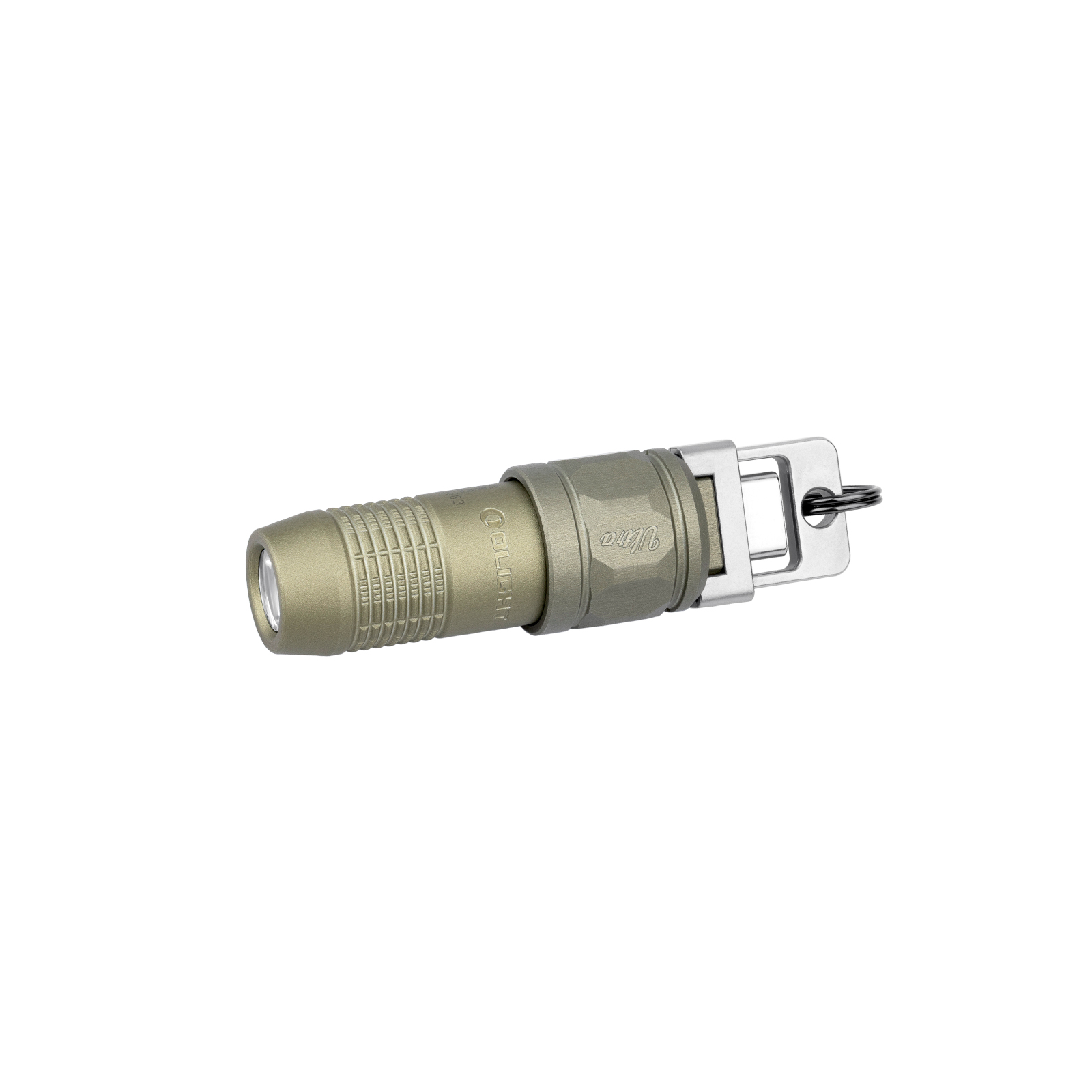
The imini 2 also has an explicit keep-away warning associated with accidental swallowing. The exact Orange model shown here has its USB-A charging plug integrated into the magnetic cap. It is included to identify the product carrying that warning, not as a child-use recommendation.
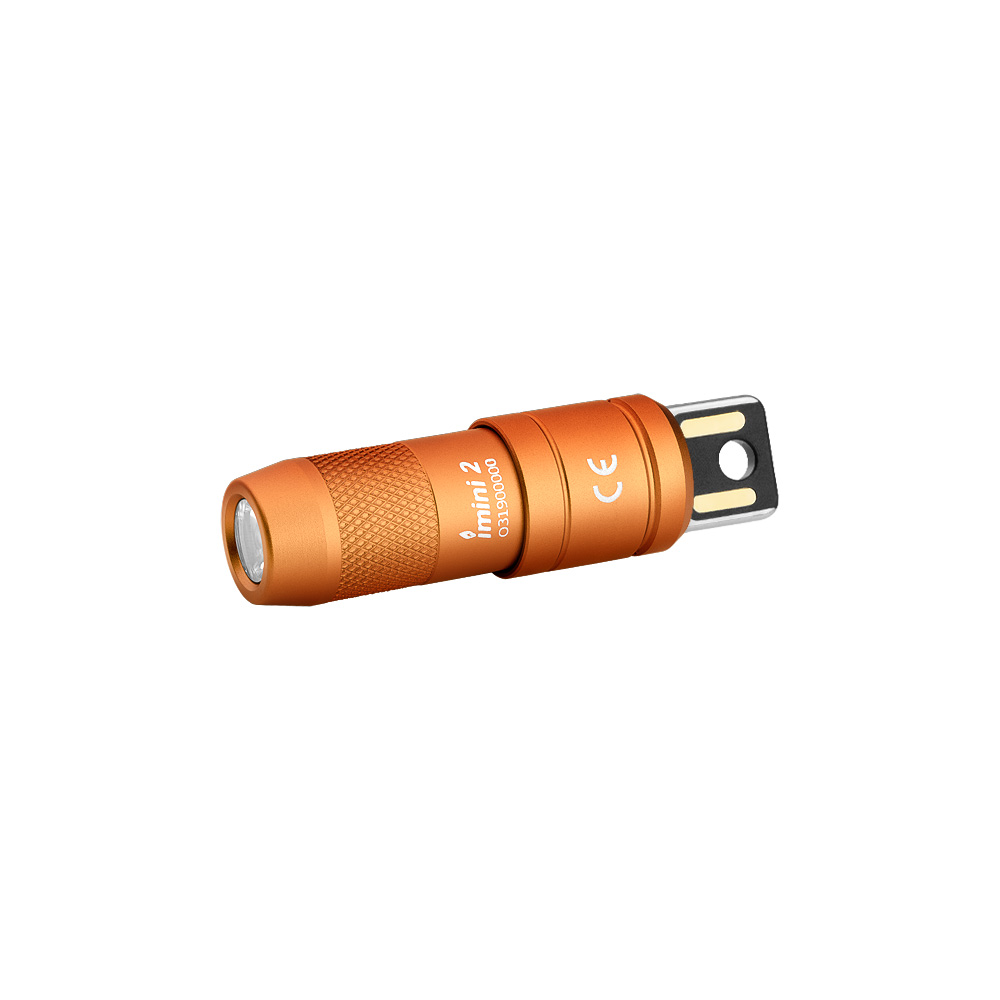
The Orange imini 2 is shown only as an example of a model whose manual says to keep the assembled product out of children’s reach.
A small control or quick response does not override a restriction in the instructions. Check the specific model if you are comparing several lights that look similar. This applies even when the adult plans to stand next to the child or only offer the light briefly.
With rechargeable lights, the adult can arrange charging at home before loading the car. Set the charging equipment aside when packing the child’s bag. With a replaceable-battery light, handle its cells according to the manual and keep them in secure adult storage. Bringing an appropriate working spare can be simpler than opening the only light near bedding or on a dark table.
Practice the handoff before sunset
Agree on where the first practice will happen. A table or bench in daylight lets both people see what the child is doing. Take the light from its usual pocket, aim it at a task, switch it off, and put it back. Try the sequence again after the Scout has put on the outer layer they expect to wear at camp.
The adult can show the action once, then ask a simple question such as “Where does the light go when you're done?” Give the Scout time to answer and find the spot. If the adult has to remember and operate most of the controls, it may be better for the adult to handle that light for the campout. The child can still participate by finding the gear or showing the intended pocket.
Try one change that is likely on the outing. Close the jacket before reaching into the bag, or sit the way the child will sit in a tent. A hood can limit the reach of an arm toward a headlamp, and some families use a different bag after dinner. Fix the ordinary fit or storage problem ahead of the trip instead of layering on a second set of directions.
The adult can also teach a clear phrase for a light that is missing or broken. “I can't find my light” tells the right person what help is needed. Give a specific location for asking at the event so the child is not hunting around the campsite. If the pack has a lending plan, learn how to reach the leader who handles it before the evening starts.
A headlamp and a compact flashlight solve different small tasks. Compare only equipment that fits the pack’s instructions and the reader's role. If the group already provides a suitable light, spend preparation time on where it goes and how it behaves. Familiarity can save the parent several reminders when the rest of the family is getting ready to move.
Confirm the restroom and bedtime plan at check-in
At check-in, ask the pack where the family should go for the restroom and what to do if the route changes. Walk through the directions together in daylight if leaders say it is appropriate. A flashlight is useful once the group has agreed on the route and who goes along. A child remembering where the switch is does not change those arrangements.
Check where the child can safely wait if somebody needs a light. A familiar picnic table or other approved meeting point gives everyone a place to return to when there is an issue. Keep the child with the group and ask leaders for help if there is a change in the buddy or supervision arrangement. If plans get interrupted, repeat the new meeting point while people are still together.
If the camp has a gathering after dusk, ask which lights it permits during the program. Some activities may have enough shared lighting for the moment. The child can keep their light in its pocket until asked to read or find something specific. When the activity ends, put the light away again before following the group to the next place.
Use the place names the pack uses. If the leader calls the gathering spot the shelter, use that word when you show the child where to ask for help. A direction that depends on a bright tent or someone’s flashlight can become hard to follow when families move. Confirm a stable place with the adults responsible for the activity before the group starts to leave.
At the tent, establish a place for the flashlight while the bedding is still easy to see. It could be an agreed pocket in the bag or another spot allowed by the pack and the people sharing the tent. Have the Scout point it out. The adult’s backup should have a separate place so finding one does not depend on first finding the other.
If a coat or shoe is missing, pause where there is already enough light to see and let an adult help. An item that was left at the earlier activity can wait for the pack’s instructions. If the child needs something in their own bag, ask them to explain which pocket they plan to look in. One small, visible task gives the practice at home a purpose.
On the morning you leave, separate pack equipment from family equipment while there is adequate light. The child can show the pocket they practiced with, and an adult can check anything borrowed against the leader’s instructions. Remove a loose item before closing the bag. The same routine gives the family a simple place to start packing for the next outing.
If you leave early, tell the responsible leader before deciding what to do with the child’s light or any loaned item. An adult can return the light or arrange a return when the same person is no longer at the check-in table. Close out the group arrangements before recreating a gear setup in the parking area.
Frequently Asked Questions
Changelog
- November 19, 2026. Checked Cub Scout training and equipment guidance, the exact product warning pages, the exact U.S. product-image variants, and the current model warnings.




