⚡ TL;DR
Relying solely on a hand crank flashlight for long-term power outages is a risky mistake due to low lumen output and high hand fatigue. While a wind up flashlight provides an indefinite emergency backup, a modern prepper strategy combines manual kinetic generators with high-capacity lithium-ion primary lights for sustained, high-output illumination. Learn the physics of dynamo power and how to build a reliable dual-power lighting kit.
When grid failure strikes, dark winter storms roll in, or a natural disaster disrupts municipal power, illumination isn’t just a convenience—it’s a survival necessity. For decades, the traditional hand crank flashlight has been marketed as the ultimate savior for off-grid survival. The appeal is obvious: total independence from the electric grid and batteries.
However, as emergency preparedness evolves, experienced disaster survivalists and outdoor enthusiasts are realizing that relying solely on a manual dynamo flashlight can be a dangerous mistake. While emergency gear has advanced dramatically, understanding how these mechanical lights work and pairing them with high-capacity lithium-ion technology is the key to creating a truly resilient emergency kit. In fact, official disaster preparedness guidance from the U.S. Federal Emergency Management Agency (FEMA Ready.gov) explicitly advises maintaining multiple lighting sources—including reliable battery-powered or rechargeable task lights alongside emergency manual backups—for household supply kits (Source: U.S. Federal Emergency Management Agency).
Here is an objective, practical guide to understanding the physics of manual generators, the harsh realities of their output, and how to build a smart, layered lighting strategy for your prepper gear.
📋 Table of Contents
01 How Hand Crank & Dynamo Flashlights Actually Work
02 The Hard Truth: 1 Minute of Cranking = How Many Minutes of Light?
03 The Reality of Emergency Dynamos: When to Use (and When Not to Use) Them
04 The Smart Combo: Pairing Emergency Backups with High-Output Olight Li-ion Systems
1. How Hand Crank & Dynamo Flashlights Actually Work
At its core, a hand crank or shake flashlight relies on electromagnetic induction—a scientific principle discovered by Michael Faraday in 1831. When you spin the lever of a hand crank flashlight, or shake a slide-magnet shake flashlight, you are converting kinetic human energy into electrical energy.
Inside a typical dynamo flashlight, the hand crank is connected to a series of multiplying plastic or metal gears. These gears spin a small permanent magnet inside a copper wire coil at incredibly high speeds. This motion disrupts the magnetic field, generating an alternating current (AC). A built-in rectifier converts this AC into direct current (DC), which is then stored in an internal storage medium—historically a small nickel-metal hydride (NiMH) rechargeable battery or, in lower-end models, a simple capacitor.
Similarly, a shake flashlight utilizes a heavy neodymium magnet that slides back and forth through a copper wire spool when shaken, producing electricity with each pass. While mechanically simple and highly reliable in terms of shelf-life, these devices are heavily limited by physics: the human hand can only generate a tiny amount of sustained wattage.
2. The Hard Truth: 1 Minute of Cranking = How Many Minutes of Light?
If you inspect the packaging of a budget-friendly best flashlight, you will often see glowing claims of "infinite free light." But what is the actual energy conversion rate under real-world survival conditions?
Independent tests show that one minute of vigorous cranking (at a steady rate of roughly 120 rotations per minute) yields approximately 5 to 10 minutes of light.
However, there is a massive catch: this light is extremely dim—usually ranging between a meager 5 and 15 lumens. To put that in perspective, 5 lumens is barely enough to read a map in a pitch-black room or navigate a completely clear hallway without tripping. If you try to run a hand-cranked light at a moderately usable 50 lumens, that single minute of cranking will drain the storage capacitor in less than 90 seconds.
For critical situations—such as search-and-rescue, assessing structural damage, or scanning an outdoor perimeter—a low-lumen dynamo simply lacks the throw and power needed to keep you safe.

3. The Reality of Emergency Dynamos: When to Use (and When Not to Use) Them
For those building their prepper gear reserves, a manual backup light does have a legitimate place, but only if its limitations are understood.
The Advantages
- Indefinite Shelf Life: Unlike traditional alkaline batteries that leak over time, or standard batteries that self-discharge, a well-built mechanical light can sit in a glove box or bug-out bag for years and still produce light instantly when cranked.
- No External Power Required: If you are stranded in a remote area during an extended grid blackout, manual kinetic generation is a completely self-contained power source.
The Disadvantages
- Fragile Mechanical Components: Most cheap hand-crank lights are made with fragile plastic gears. Under the stress of an actual emergency, vigorous cranking can easily strip these gears, rendering the flashlight useless.
- Severe Hand Fatigue: Cranking a lever for 10 minutes straight just to get an hour of dim ambient light is exhausting and physically impractical during high-stress situations.
- Low Weather Resistance: Because of the physical openings required for cranks, sliders, or squeeze triggers, these lights rarely feature high waterproof ratings (such as IPX8), making them highly vulnerable to heavy rain or dropping in water.
4. The Smart Combo: Pairing Emergency Backups with High-Output Li-ion Systems
The ultimate strategy for emergency preparedness is not choosing between a hand-cranked light and a modern tactical light, but pairing them.
The smart, modern solution is to use a high-capacity, durable Li-ion backup light as your primary, everyday workhorse. These lights can run for days or even weeks on low settings, and they can easily be recharged via portable solar panels or power stations. Technical guides on off-grid energy systems from the U.S. Department of Energy (DOE) emphasize that integrating small portable solar collectors with high-density energy storage creates a reliable, continuous power loop during extended grid outage events. If all else fails, a manual dynamo flashlight serves as your absolute last-resort backup. (Source: U.S. Department of Energy)
Below are the premier high-output Li-ion lights to anchor your emergency and survival kit:
The Primary Floodlight Workhorse: Olight Seeker 4 Pro
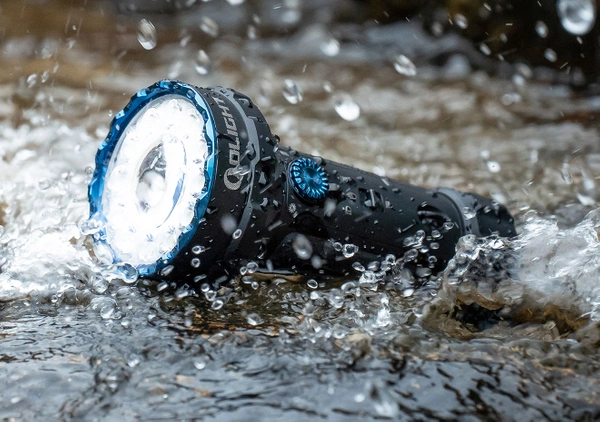
When power grids fail, you need a brightest flashlight that can turn night into day to assess your surroundings. The Seeker 4 Pro delivers a massive 4,600-lumen maximum output and a 260-meter throw, making it perfect for night duty, property defense, and search operations. It features a versatile holster for quick lock/unlock access and offers convenient dual charging options (USB-C or magnetic charging). Its large rotary switch makes it effortless to operate even when wearing heavy winter work gloves.
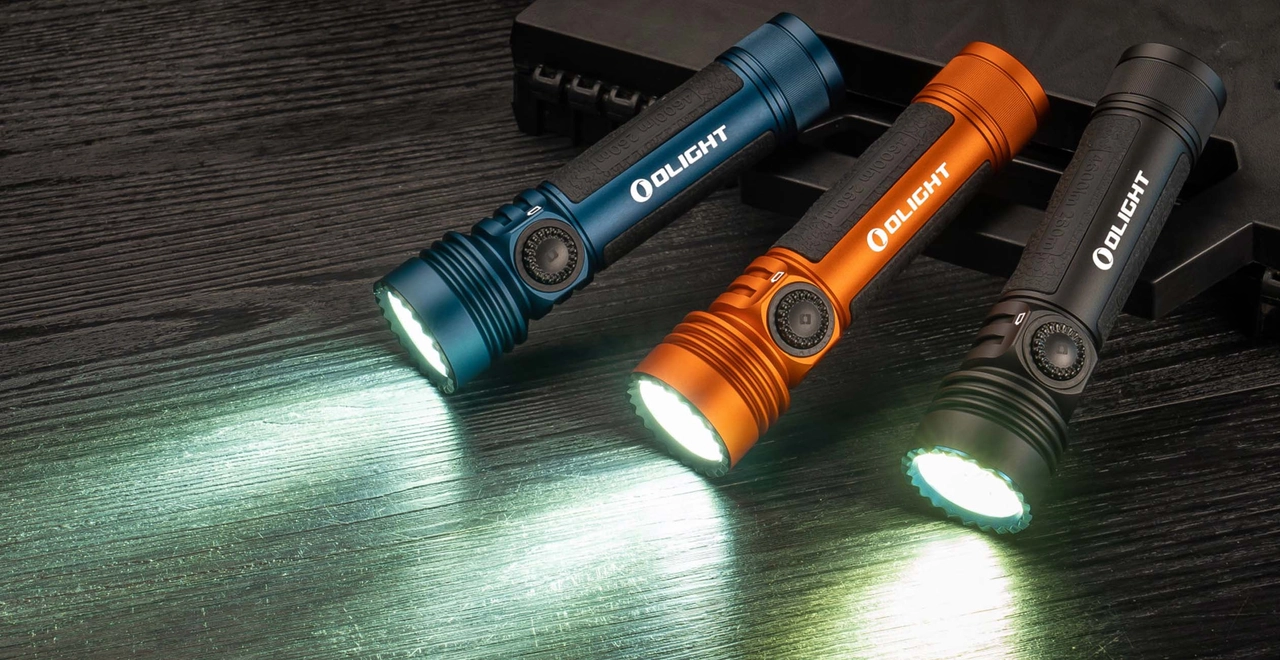
Olight Seeker 4 Pro
High-power workhorse: 4,600-lumen output, rotary dial switch, and Type-C smart holster.
Shop Seeker 4 Pro →Versatile Flat EDC with UV & Laser: Olight Arkfeld Pro
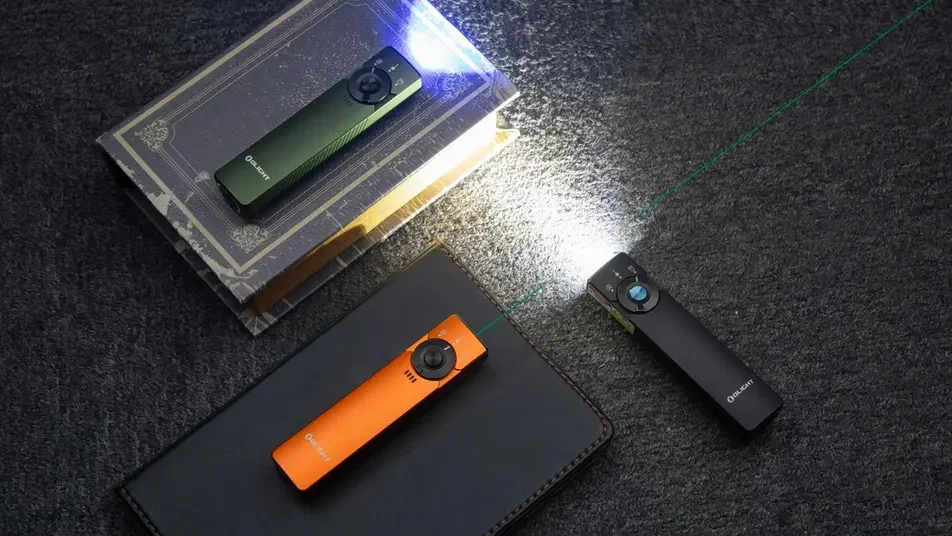
An emergency tool should ideally serve multiple functions. The Arkfeld Pro is a flat, pocket-friendly daily carry powerhouse that combines a 1,300-lumen white light, a 365nm UV light (perfect for hygiene inspection or identifying fluid leaks), and a green laser pointer for signaling. Backed by an upgraded 1500mAh battery, it can run for up to 11 days straight on its lowest setting, ensuring you have long-term illumination without a recharge.
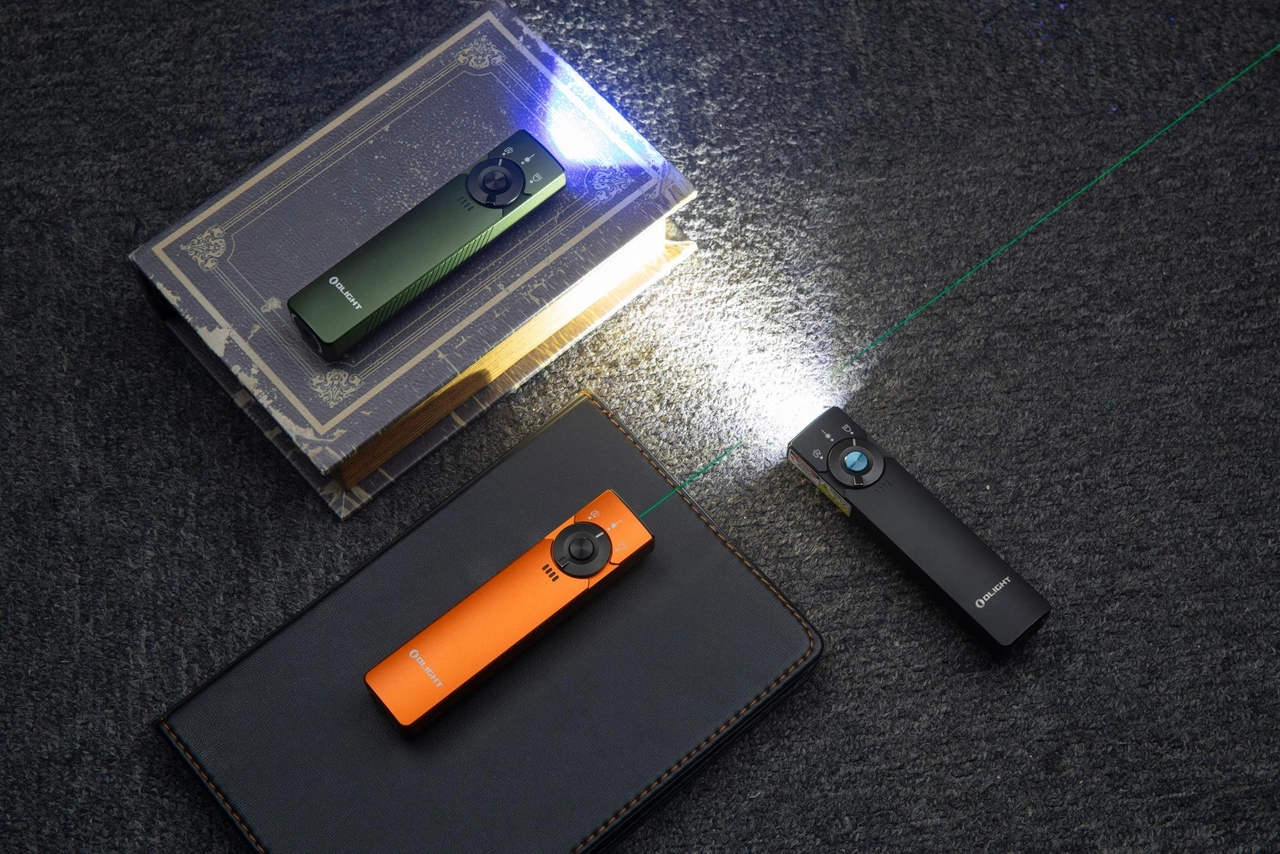
Olight Arkfeld Pro
3-in-1 flat carry: 1,300-lumen white LED, Green Laser, and UV light in one slim body.
Shop Arkfeld Pro →Ultra-Compact Pocket Powerhouse: Olight Baton 4 Pro
If you need a highly portable, impact-resistant light for your bug-out bag, the Baton 4 Pro is unmatched. Weighing just 114g and measuring 111mm, it puts out a blinding 1,600 lumens. Thanks to its high-efficiency 3,500mAh 18650 lithium-ion battery, it can run for an incredible 100 days continuously in Moonlight mode. It also features a hidden, rotating USB-C port cover to protect it from dust and moisture.
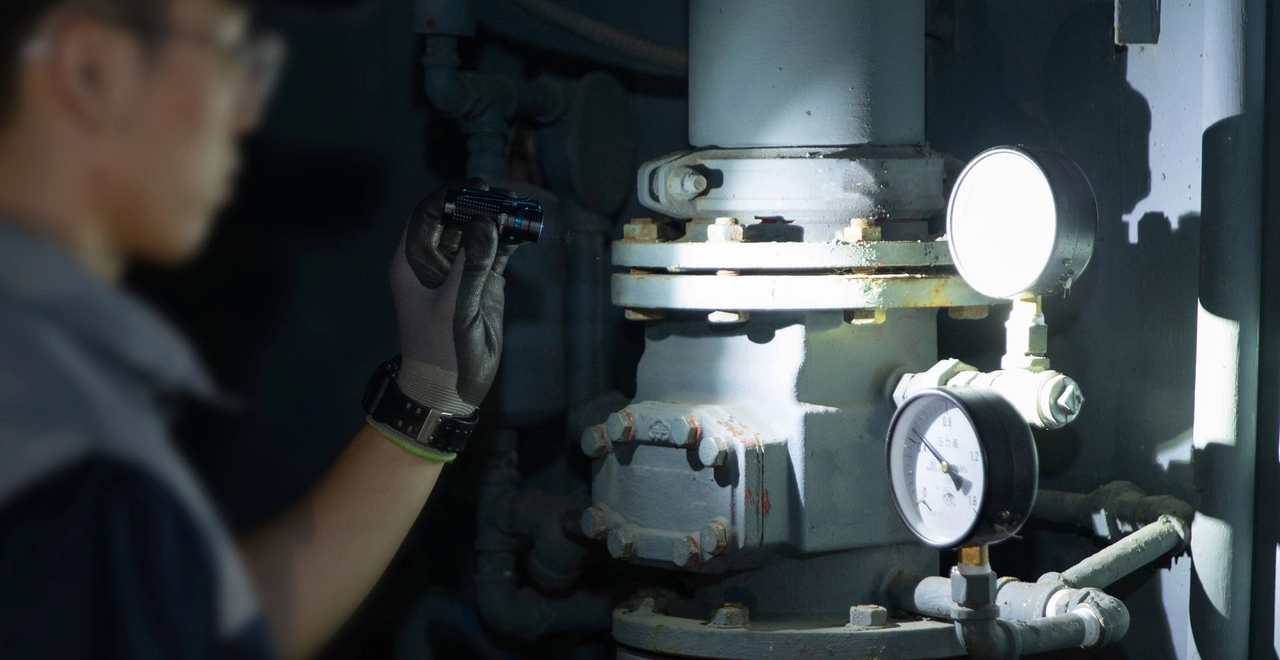
Olight Baton 4 Pro
Compact EDC power: 1,800-lumen max output, 300m throw, and microperforated LED indicators.
Shop Baton 4 Pro →Instant-Access Keychain Backup: Olight imini 2
For immediate, hands-free lighting when the lights suddenly cut out, the imini 2 is the ultimate tiny companion. This 50-lumen keychain light activates instantly when detached from its magnetic cap. It features an integrated USB plug on its magnetic base for direct charging without cables, making it incredibly easy to keep powered up via any laptop, car port, or power bank.
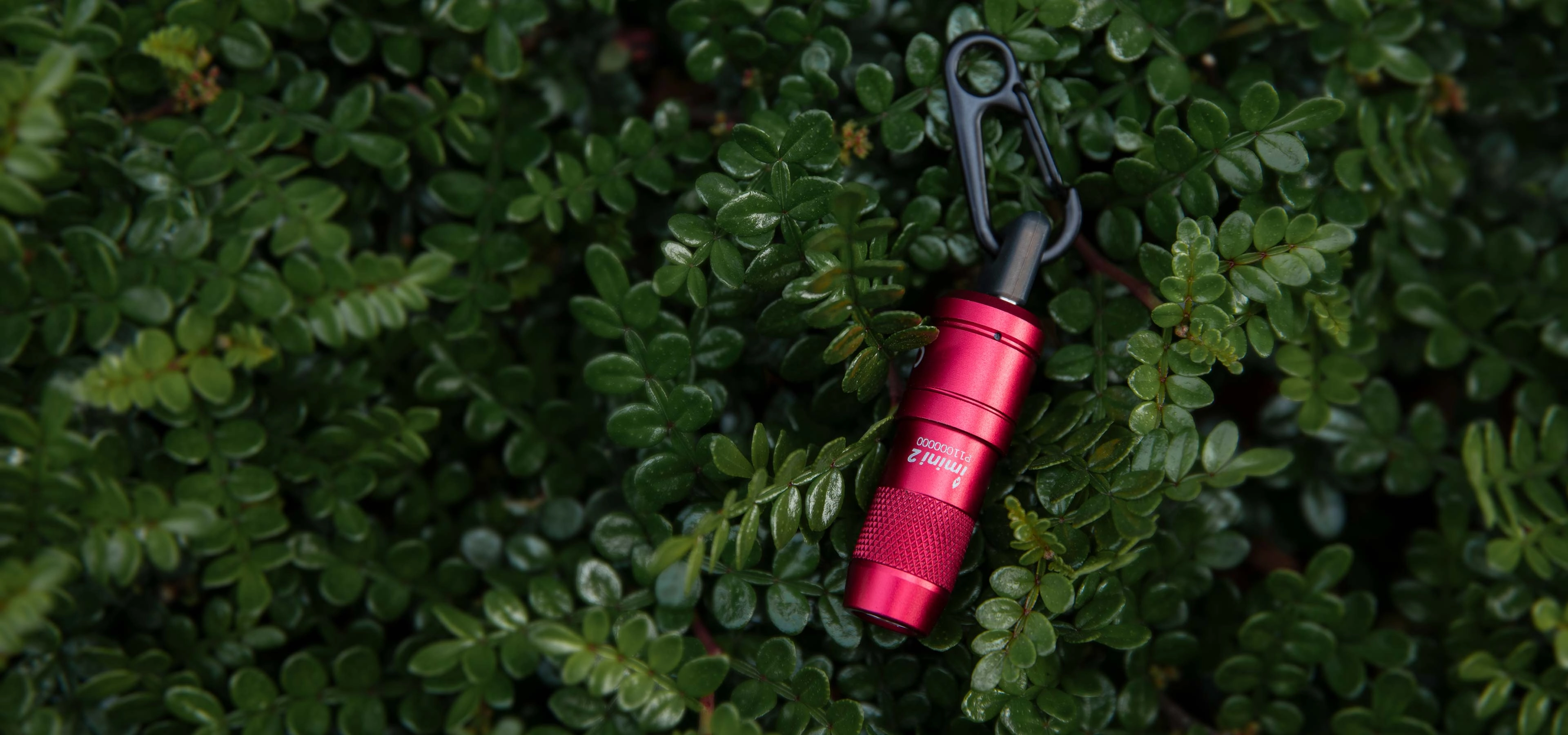
Olight imini 2
Tiny EDC keychain carry: 50 lumens, magnetic instant-on, and integrated USB plug.
Shop imini 2 →Converting Handheld Torches to Ambient Lanterns: Olight Marauder Mini 2
In a prolonged blackout, holding a flashlight can become tedious. The Marauder Mini Series Lampshade is a white polypropylene diffuser that slips over your high-power Marauder Mini. It instantly converts an ultra-bright, focused searchlight into a soft, 360-degree ambient room lantern, providing safe, glare-free light for your entire family inside a tent or living room.
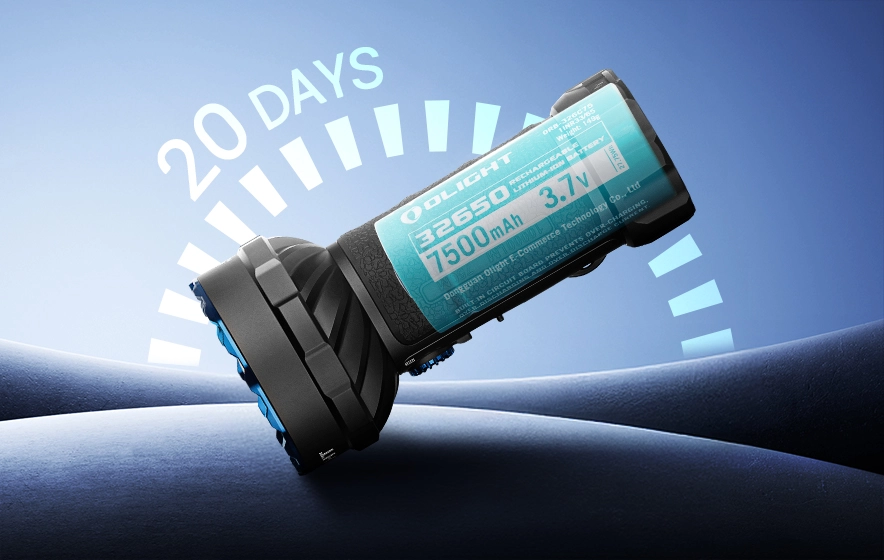
Olight Marauder Mini 2
Instantly transforms your flashlight into a 360-degree soft lantern for camping and power outages.
Shop Lampshade →