TL;DR:
Building a reliable EDC flashlight setup is essential for daily preparedness. For beginners, selecting the first portable lighting tool requires balancing lumens with portability. This guide compares high-performance options like the Olight i3E and Baton series, focusing on IPX8 waterproofing, durable materials, and intuitive interfaces. Learn how a dedicated pocket light outperforms smartphones in emergencies and commutes, ensuring you maintain visual dominance and situational awareness in any environment.
For those looking to build a reliable daily carry setup, finding the right gear is essential. A well-curated collection of tools can mean the difference between a minor inconvenience and a major crisis. This guide explains how to select your first portable lighting tool, comparing compact keychain models to high-performance pocket lights. In an age where digital convenience often masks physical vulnerability, the Everyday Carry (EDC) philosophy reminds us that personal readiness is the foundation of self-reliance. Whether you are navigating an urban environment or responding to an unpredicted power grid failure, the photons in your pocket represent your first line of defense against the unknown.
M Table of Contents
1. What is EDC?
Basic Definition and Core Concept of EDC
EDC stands for Everyday Carry. It refers to the collection of utility items that an individual carries in their pockets, bags, or on their person daily. The core concept of EDC is preparedness and utility. Instead of relying on external tools or searching for misplaced items, an EDC setup ensures that the most critical tools for survival, navigation, and daily tasks are immediately accessible. It is a philosophy of lifestyle organization that prioritizes functionality and tactical advantage in the mundanity of daily life. In 2026, EDC has evolved from simple pocket contents into a sophisticated subculture of engineering and personal expression.(Source: Ready.gov – Build A Kit).

The psychological impact of EDC cannot be overstated. Knowing that you possess the means to provide light in darkness, open a sealed package, or navigate a power failure provides a sense of "situational confidence." This mental readiness reduces panic during unexpected events and allows the individual to act as a problem-solver for themselves and others.
Core Features of Daily EDC Gear
To qualify as everyday carry gear, an item must meet specific practical standards that withstand the test of repetitive daily use:
- Portability: It must be compact and lightweight enough to carry comfortably all day. If a tool is too heavy, it becomes "drawer-ware" rather than "Everyday Carry."
- Durability: It must withstand daily wear, unexpected drops on concrete, and exposure to various weather conditions. Use of materials like 6061-T6 aluminum or titanium is common.
- Utility: It must solve real-world problems efficiently. Every tool must "earn its keep" in your limited pocket space.
- Accessibility: It must be easy to deploy with minimal effort, often using one hand, which is vital during high-stress scenarios.
The Role of Flashlights in EDC Setups
A pocket light is one of the most fundamental pillars of any EDC system. While modern smartphones feature built-in camera flashes, these are floodlights designed for short-range photo illumination. They are optically inefficient for navigation. They drain phone batteries rapidly—the very battery you need for emergency communication—and lack the beam distance, impact durability, and sustained brightness levels needed for actual safety. A dedicated tool provides dependable, focused illumination while preserving your phone's battery for communications. When researching a flashlight EDC for beginners, starting with a dedicated pocket tool is the most logical first step toward true preparedness.(Source:Ready.gov – Power Outages).
2. Why Carry an EDC Flashlight?
The utility of a dedicated light source extends far beyond simply seeing in the dark. It is about environmental control. In tactical terms, "he who controls the photons, controls the space." For the beginner, this translates to safety and efficiency in various life scenarios.
Daily Commuting: Navigating the Urban Shadow
Daily commutes often involve navigating dark parking lots, dimly lit stairwells, or unlit side streets. A pocket light ensures you can spot tripping hazards like ice, potholes, or debris, read signs in the dark, and stay visible to oncoming traffic. It transforms low-light obstacles into manageable, visible pathways, reducing the risk of accidental injury during your transition between work and home.
Emergency Preparedness: The Reliability Factor
Power outages, vehicle breakdowns at midnight, and building evacuations require immediate, reliable light. High-performance flashlights use constant-current drivers to ensure that the light doesn't flicker or dim as the battery drains. Having a dedicated tool ready to deploy ensures you can navigate safely during a sudden blackout, acting as an indispensable safety backup when structural infrastructure fails.
The Logic of Lightweight Design
Modern engineering allows manufacturers to build highly powerful illumination tools that weigh under two ounces. Through the use of high-efficiency LEDs and TIR (Total Internal Reflection) optics, these devices can project light further than old searchlights ten times their size. These devices slip into a pocket, clip to a hat brim, or attach to a keychain without adding bulk, allowing you to carry high-performance capability with zero physical burden.
3. How to Choose Your First EDC Flashlight
For the uninitiated, the flashlight market can be overwhelming with acronyms like CRI, CCT, and mAh. However, the core purchasing principle should always be: Practicality over exaggerated specs.
- Optimal Size and Weight: The best tool is the one you actually have on you. For pocket carry, look for a length between 2 to 4.5 inches. Anything larger tends to be left in a drawer.
- Brightness vs. Sustainability: Avoid blind high-lumen obsession. A 2,000-lumen light that gets too hot to hold in 30 seconds is less useful than a 300-lumen light that can run for hours. Multiple output levels are vital.
- Material Science: Look for aircraft-grade aluminum with Type III Hard Anodizing. This creates a surface that is nearly as hard as diamond, protecting your tool from the abrasive environment of your pocket (keys, coins, etc.).(Source:The Aluminum Association – Anodizing Aluminum).
- Waterproof Standards: A minimum rating of IPX8 is the gold standard, ensuring the device continues to function even after being submerged in 2 meters of water.
(Source: IEC 60529 – Degrees of Protection).
4. Key Features of a Qualified EDC Flashlight
An effective flashlight EDC for beginners must possess specific design attributes to ensure long-term utility and user safety.
Multi-level Dimming: The Versatility Scale
A professional EDC light is not just "on" or "off." It is a scale of power:
- Moonlight Mode (0.5 – 5 lumens): Preserves night vision. Perfect for checking on a sleeping child or finding something in a dark theater.
- Medium Mode (50 – 150 lumens): The workhorse mode. Ideal for 90% of daily tasks like walking or searching a bag.
- Turbo Mode (500+ lumens): The emergency burst. Used for signaling or identifying a threat at distance.
Advanced User Interfaces (UI)
Beginners should avoid complex, multi-click programmable interfaces. A simple UI should feature intuitive shortcuts—like a long press for moonlight and a double click for turbo. This ensures that even under adrenaline-filled stress, you can access the correct light level without thinking.
Charging and Battery Chemistry
The energy source is the heart of the tool. Magnetic charging is highly recommended for beginners because it eliminates the need to open port covers, maintaining a perfect waterproof seal while being incredibly easy to "snap" onto a nightstand charger. For travelers, USB-C charging ensures you can share cables with your phone, reducing gear clutter.
5. Best Beginner EDC Flashlight
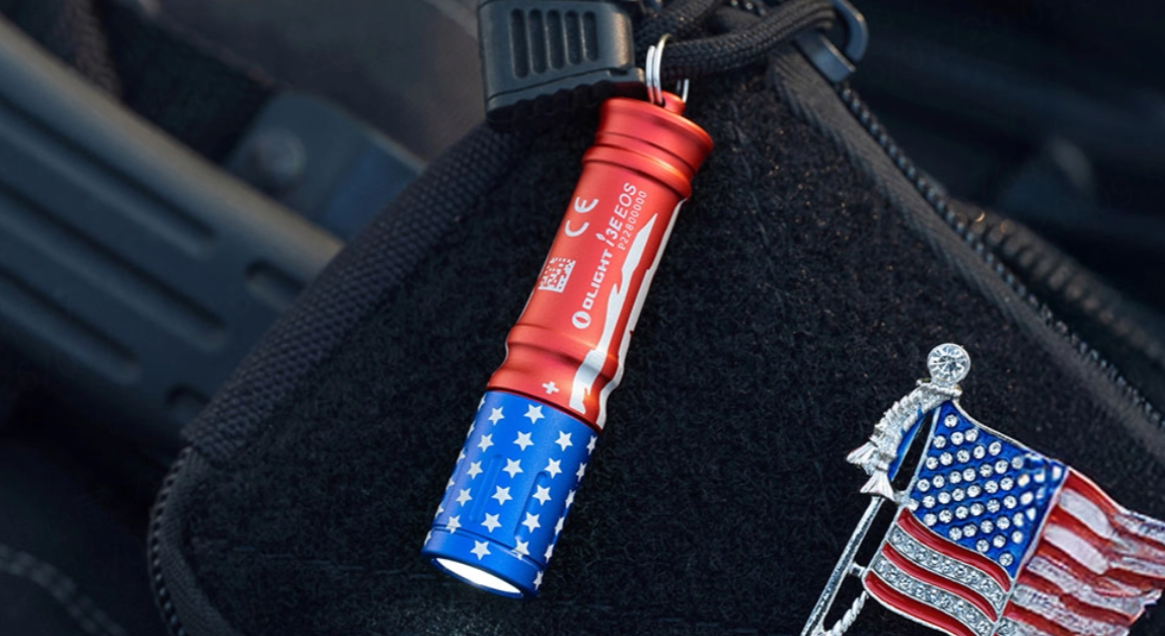
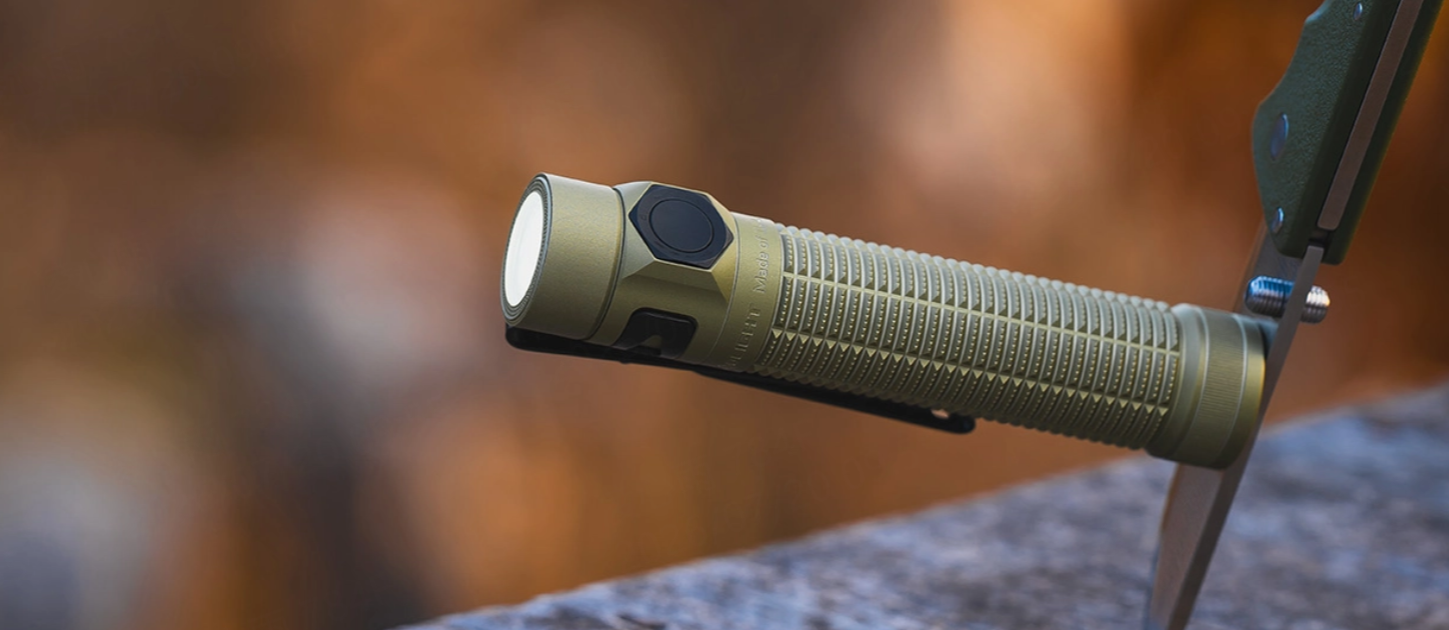
| Feature | i3E EOS | Baton 4 Pro |
|---|---|---|
| Power Source | 1 x AAA (Replaceable) | 3500mAh 18650 (Rechargeable) |
| Switch Type | Twist Head | Dual (Side & Tail) |
| Best For | Emergency Backup | Primary Commute/Outdoor |
6. Olight New User Exclusive Benefits
Entering the high-end illumination world shouldn't be expensive. Olight provides a comprehensive onboarding experience for beginners. New customers receive immediate registration discounts and special coupons applicable to their first purchase. Furthermore, new users frequently receive complimentary keychain lights or charging accessories when purchasing their first primary pocket light—a perfect way to build a complete EDC system instantly. Every purchase is backed by a lifetime customer service commitment, ensuring your first foray into EDC is a supported journey.
7. EDC Flashlight FAQ & Maintenance
How many lumens are actually needed for urban EDC?
For 90% of urban tasks, 50 to 150 lumens is the "sweet spot." It provides clarity without self-blinding reflection off nearby surfaces. 1,000+ lumens should be reserved for search, defense signaling, or "wowing" your gear-obsessed friends.
Is maintenance required for high-end lights?
Yes. Every six months, wipe the metal threads clean and apply a drop of silicone grease. This preserves the IPX8 waterproof rating and ensures the switch movement remains "buttery smooth." For AAA models, never leave an old alkaline battery inside for months of storage, as they can leak and corrode the electronics.
Why not just use a smartphone light?
Try finding a dropped contact lens on a wet sidewalk with a phone—it's impossible. A dedicated light gives you depth perception, 10x the distance, and preserves your phone for what it was meant for: calling for help. In a real emergency, your phone is your lifeline; your flashlight is your tool.