


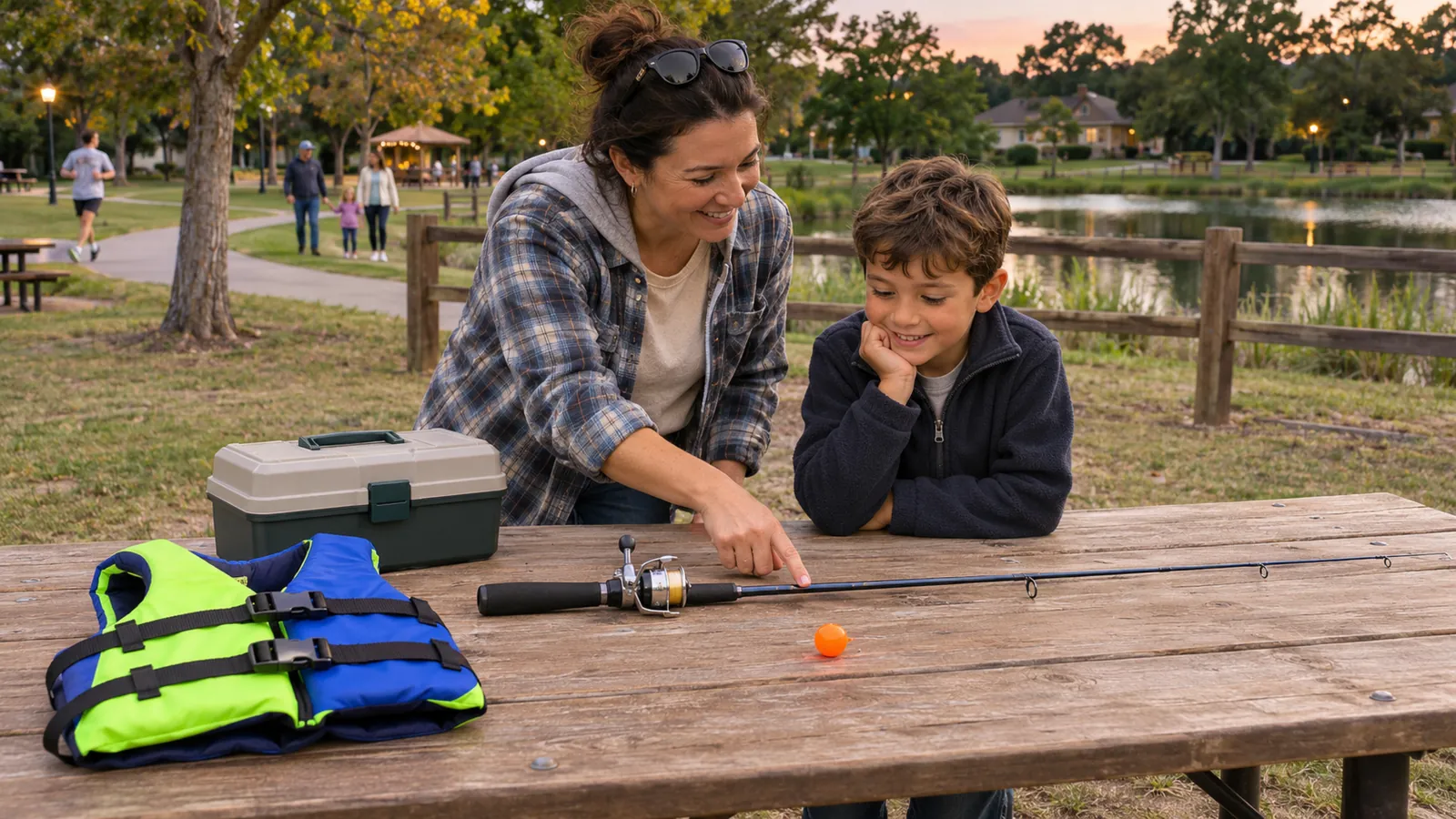
TL;DR: Visit a familiar shore spot in daylight and confirm fishing and access hours. Fit children's life jackets before going near water, and keep a watching adult close. A lighted float or rod tip gives the child something to watch. Adults handle hooks, small batteries, and path lighting, and decide when to leave.
📋 Table of Contents
- 1. Give each light one job
- 2. Visit and check the rules in daylight
- 3. What is a good gift for a kid who loves fishing?
- 4. Fit a life jacket and assign an adult to watch
- 5. What is the best light-up fishing pole?
- 6. Do glow sticks work for fishing?
- 7. Let the adults manage light and tackle
- 8. Pack up while everyone can still see
- 9. Frequently Asked Questions
Give each light one job
| What you need to see | What to use or arrange |
|---|---|
| The float or rod tip | A single visible cue designed for the fishing setup |
| The shore and the child | Enough ambient light to see both clearly, with continuous adult supervision |
| Hooks and small parts | An adult working in a stable, well-lit spot away from the water edge |
| The walk back | A planned, visible route with an independent light carried by an adult |
| Where children stand and wait | A dry, stable place selected in daylight, away from the edge |
On a first outing, a lighted float is mostly a shared point of attention. The child can say when it moves, and the adult can decide what to do. That can be interesting even if nothing is caught. Plan a short visit that ends while the adults can still see the child's footing, the rod, and the walk back. Leave time to put things away without hurrying in the dark.
Keep the first visit short enough to plan from the child's usual routine. An hour beside water may feel longer when there's little happening, or when they can't tell which lights belong to their own setup. Decide before leaving what a good visit would look like even if the float stays still. A calm first trip gives the family a reference for the next one. The point is to come home together with a routine that already feels familiar.
Save the work of assembling equipment for a dry table with adequate light. Bring only what you need and keep small parts in a container that closes. Practice recognizing the float from a safe dry place before using it at the shore. That gives the child a job that doesn't require handling a hook, a small battery, or a bright light.
Set expectations before walking from the car. Show where the family will stand and where the child will wait if the adult needs to handle the equipment. Explain who keeps the lights. Take a break or move to a safer place if the adults can't keep those things in view. An outing can consist of watching the float for a few minutes and returning before conditions change.
Check who will do the watching before you carry the bag down. The adult who knows how to handle the tackle may have a different job from the person who is responsible for continuously watching the child. If you need to keep a phone for emergency contact, keep it accessible and give screen tasks to another adult when possible. If the group cannot watch the child while keeping the equipment under control, use the visit to look around in daylight instead.
If the only place available is a slippery bank, a busy pier, or an area you don't know well enough to see the boundaries, choose another spot or visit in daylight. Train the routine at a familiar place before adding dusk. The family will have time to notice which parts of getting ready feel easy and which could use more attention.
Visit and check the rules in daylight
Check the actual site and fishing authority for public access, site hours, allowed gear, licensing, and any water-specific rules. Permission to fish somewhere during the day doesn't establish access after sunset. A gate, parking lot, or designated fishing area can have its own hours. Confirm that you can get back to the vehicle before you plan any time at the shore.
Read the site's rules as a group of separate questions. One authority may set fishing rules while another manages parking and the time a gate is closed. Look at both before you rely on evening access. If there is a temporary closure, posted instruction, or permit restriction, change the plan accordingly. If the rules for a particular lighted device or hook arrangement are unclear, ask the responsible site office before bringing it.
For example, Cape Cod National Seashore's fishing page describes a night fishing parking permit for people who want to park and fish when the lots are normally closed overnight. That is a local example from one place. Use the current official instructions for the place you plan to visit, including any rules about lighting gear and where you may stand.
Walk the intended return route while it's light. Find the dry area where you plan to wait and a stable place to open the gear bag away from the edge. Think about where other people will pass and where a child might be tempted to step if a float drifts past. Keep the child's spot easy to identify from where the adult will watch.
A daytime visit can also answer questions the map can't. Find out where dry ground ends, where the family can stand without blocking a walkway, and whether the same route stays easy to follow as the sky darkens. Notice loose boards, uneven ground, or places where lights from across the water make the bank harder to see. Choose a location that gives everyone space rather than planning to avoid those spots at the end of a long outing.
A small outing still needs enough time for conditions to change. Look at the forecast and note how to leave if there is a change in weather or the path becomes hard to see. Use the same easy route to leave instead of searching for a shortcut beside the shore. If you can't confirm a suitable route and remaining light, make the trip a daytime one.
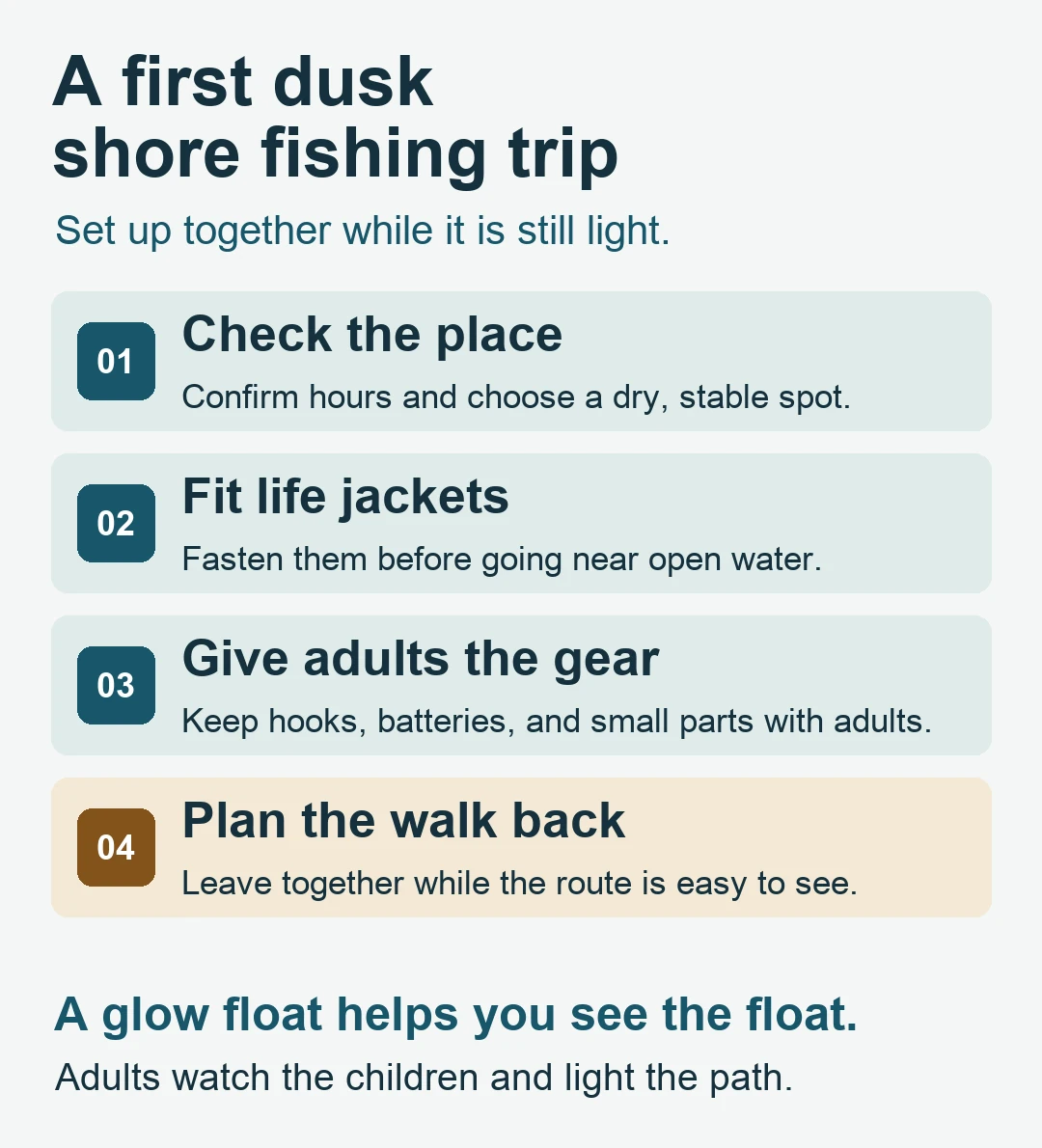
Have the adults agree on the fishing spot, the equipment they will handle, and when everyone will leave.
What is a good gift for a kid who loves fishing?
A useful gift is something the child can enjoy on a supervised outing, such as a simple rod that is easy to hold or a visible float the adult manages. If the family needs a life jacket, choose one fitted to the child and suited to the activity. Check with the caregiver before buying equipment with small parts.
The gift can be a plan rather than a complicated kit. Offer a daytime lesson at a familiar place. Let the child practice holding an unrigged rod on dry ground and picking out a float by its color or shape. Give the adult time to check access and life jacket fit. For beginners, getting ready together is part of the outing.
For a family that already has a suitable rod, a lighted tip is optional. A replaceable float can give the child a clear cue without changing everything they know about the rod. Read the full packaging and check how the manufacturer intends the light or small parts to be controlled. Keep loose parts with the adults.
Look for something that suits the child's ordinary interests. A child who likes spotting small details may enjoy choosing a plain float and describing how it looks from two dry places. A child who wants to learn to hold a rod can do that on land with the hook and line put away. Put off adding special lighting if there is still something about the basic setup that the child and adult want to practice together.
If you are buying for someone else's child, ask where the family normally fishes and who pays attention to water safety. A set with extra hooks and accessories can be awkward to supervise on a short visit. Choose something the adult understands and can put away easily. Avoid sending a bag of small batteries or glow pieces as part of the child's own gear.
Fit a life jacket and assign an adult to watch
The National Park Service's fishing safety guidance recommends a properly fitted U.S. Coast Guard-approved life jacket for children and poor swimmers around open water. It also suggests assigning a person to watch the water. For this shore outing, put the child's life jacket on before approaching the water. Keep an adult close and watching continually.
Treat the jacket as part of the first check, before the rod or float comes out. Put it where the adult can reach it from the car or preparation area. Check that the family can fasten it correctly over the clothing the child is wearing that day. A garment that fit without a coat may need another check with layers. If the right fitting jacket isn't available, choose a different activity away from open water.
Size and fit matter. Use the manufacturer's label for the intended wearer and activity. The U.S. Coast Guard's life jacket guidance explains how to check size and fit, including the relevant label information and how a properly fitting foam jacket sits. Fasten it as directed. If it fits poorly or is damaged, resolve that on dry ground before going near open water.
An adult who is tying something, looking at a phone, or searching a bag may not be able to watch at the same time. If two adults are there, agree on who watches while the other handles tackle. Say explicitly when you hand over that role. If only one adult is there, stop fishing and move away from the water together before opening the tackle box or addressing a gear problem.
Agree on a clear handoff between adults before heading to the shore. One might say that they are putting away the tackle and ask the other person to take over watching the child until they're ready. Wait for an answer before turning to the bag. This is useful even when two adults are sitting close together because both can get drawn into noticing the same float or helping with the same piece of equipment.
Pick a dry waiting spot away from the edge before setting the rod down. Talk through the rule in a sentence the child can repeat. For example, the adult will collect the gear or decide what a moving float means, and the child stays beside the adult at the agreed spot. A child who leaves the spot to follow the light is a reason to stop the activity and reset away from the edge.
Remember the other people using the space. A crowded shore can make it harder for the adult to see where the child is standing, even before the light changes. Avoid setting up where people would pass through your gear or a child would need to step aside near water. A shorter outing with room to stand together is easier to supervise.
What is the best light-up fishing pole?
Choose a rod the child can already hold comfortably under adult supervision, then decide whether a visible tip or a lighted float would make it easier to follow. Look for simple construction and secure small parts. Try it in daylight and dusk from a dry, stable location before depending on the lighted cue.
A light at the rod tip gives the child a place to look near the end of the rod. A lighted float gives a visible point out on the water. Choose one cue first so the child knows where to look. You can ask them to point it out from their dry position and tell you what they see. The adult can say when to pause or put the rod away.
Check the rod's balance with any accessory in place. A tip light that moves or changes what the child normally holds can make them focus on the rod instead of where they're standing. Read the manufacturer's directions for any accessory made for that rod. Skip loose pieces or a setup that needs adjustment by the water. The child can practice holding an unrigged rod away from other people.
If you compare two markers, try looking at them separately under the conditions where the family plans to stand. An extra point of light can be confusing when it is reflected or when another angler is nearby. The child should be able to describe which marker they are following without looking away from the adult or making their way toward it. If ordinary daylight already gives a clear view, keep that simple setup for the first outing.
A marker can be hard to see in reflection, wind, or moving water. Compare the view from where the child is safely standing and from where the adult can watch. If you cannot both see the cue clearly and remain in the planned area, shorten the activity or try another time. Don't follow a marker along an uncertain bank to keep the activity going.
| Cue | What the adult should check |
|---|---|
| Plain bright float in remaining daylight | The child and adult can see it from the waiting spot |
| Glow material on a purpose-built float or tip | The package explains how the product is prepared and handled |
| Battery-powered fishing marker | The compartment stays secure, and adults keep control of every small part |
| Separate adult light | The path or work surface is visible without aiming at people or across the water |
Check that the marker is easy to put away completely. Some parts become hard to find on the ground after dark. Use the storage arrangement the manufacturer provides or a closed adult-held container for loose components. If you can't keep track of the items during setup and pack-up, leave that gear at home. A marker that's easy to see from across the water may still be awkward to manage when it's taken apart.
When a product uses photoluminescent material, follow the manufacturer's directions for exposing it to light. Other products may be battery-powered or use a sealed chemical light. Keep the instructions with the model and choose something you can prepare indoors. None of these markers provides enough general light to supervise a child or light the return route.
Do glow sticks work for fishing?
A fishing marker designed for a sealed glow stick can help an adult and child see that marker in low light. It can't tell you what moved the line or guarantee a catch. Adults should handle any glow sticks, follow the label, and keep them sealed and away from children who might mouth them.
Poison Control's glow stick guidance advises using them as the manufacturer intends, keeping them out of the mouth, and leaving them sealed. Choose a finished product designed to keep its parts contained. Leave a cracked or leaking one out of the kit. You don't need to mix or transfer anything to give the child something visible to watch.
Don't carry used or spare parts in a child's pocket, even if they look inactive. Keep them in a secure location an adult controls and follow the applicable disposal instructions afterward. The table or surface you use for setup should stay clear of snacks and drinks so the equipment doesn't get mixed in. If a unit has a broken compartment or a piece is missing, stop using it and keep the child away from the parts.
Keep batteries in adult storage. Poison Control's button battery prevention guidance advises securing battery compartments and storing spares out of a child's reach. An adult should check the compartment and put any loose parts away before the trip. If a marker can't remain closed as intended, skip it. A plain visible float near dusk can make the outing simple to manage.
A child may be curious about why the equipment lights up. Explain that the job of the marker is to make one part of the setup easy to see. Let them choose between safe colors or describe how it appears from their spot. Keep the adult in charge of preparation and disposal. Pack out used markers, line, and packaging under the site's rules so nothing is left for another child or an animal to find.
Let the adults manage light and tackle
Keep enough light on the actual work surface to see both the equipment and the child's position. An adult should handle bait, hooks, and any equipment that is sharp or catches. If it takes attention away from the child and only one adult is there, move together to a safe, well-lit spot and stop fishing while you address it. Keep loose tackle in its closed container until the adult needs it.
Set a specific routine if an adult is going to take care of a hook or a tangle. Pause fishing. Move the child to the dry waiting area with a watching adult, or move there together if you came alone. Use the light at the stable work surface you chose earlier. If that area won't let the adult see clearly or maintain supervision, put the equipment away and deal with it later in good light.
Point a light at the table, ground, or equipment you want to see. Avoid sweeping the beam past other people or across the open water. To walk together, aim the light at the path and check that the adult can still see the child's footing. If glare or darkness keeps you from seeing hazards, pause in a safe spot and change the lighting or end the outing.
A headlamp can leave both of an adult's hands available at a dry preparation table. A compact flashlight can provide an independent handheld light for the walk back. Check those roles in advance. Neither is something a child needs to hold to watch a float.
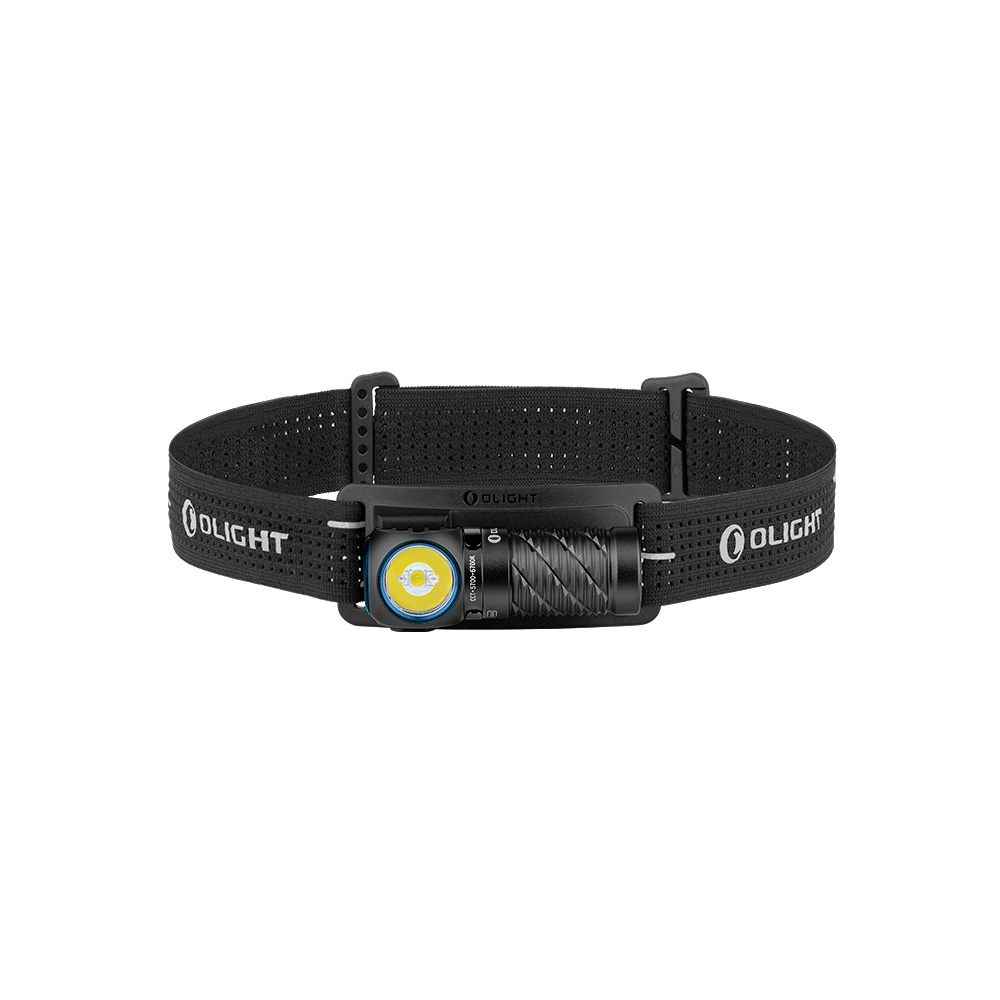
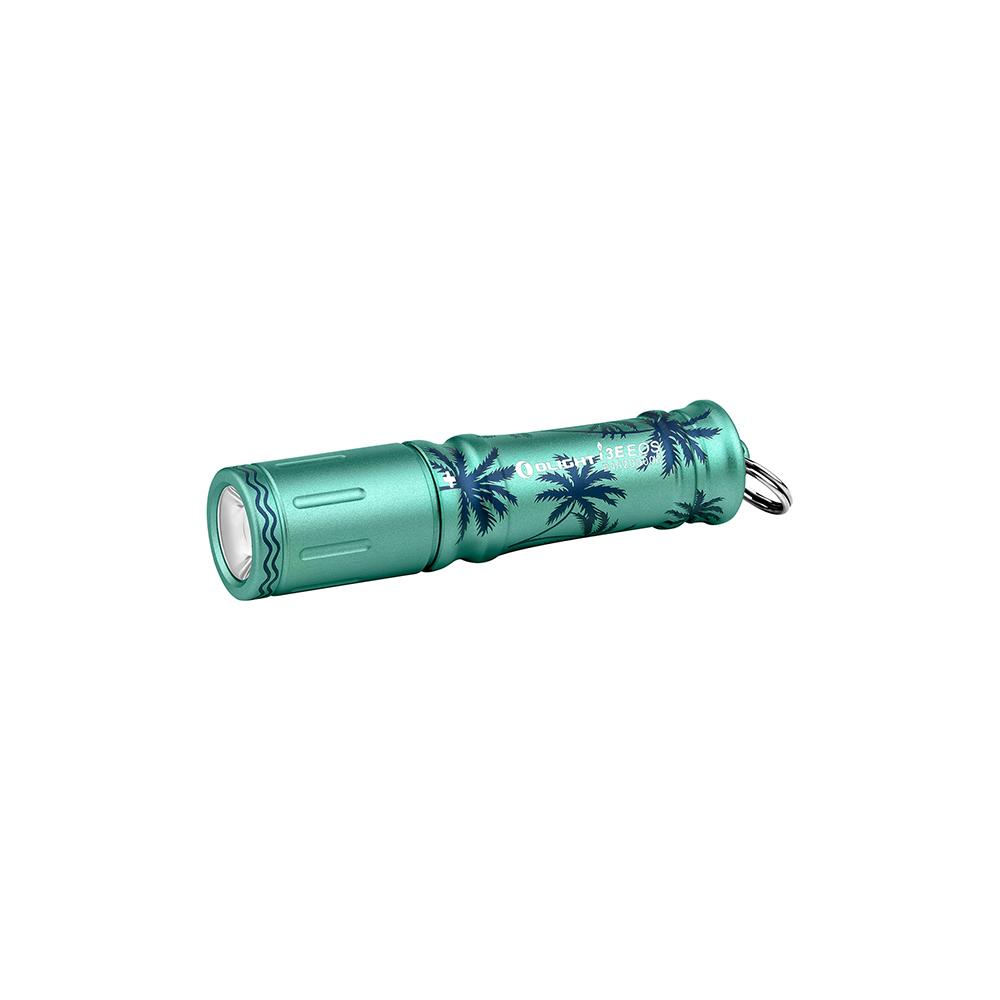
Keep the work light and walk light where the adults know to reach for them. Before leaving home, check that the devices operate and have the needed charge or battery. Use a backup that is independent of the first light and suitable for the planned route. Test that you can locate it without setting small parts on the ground or asking the child to hold the main light.
Pack up while everyone can still see
Check the route before packing, while there's time to act. Is the way back still obvious and dry? Can you see where the child will step and where the water boundary is? If an official route is closed or the conditions are changing, follow the site's instructions and use a safer alternative you already know. Avoid lingering while adjusting the lighted marker or coaching the child through a task they can finish another day.
A family rule for leaving can be very simple. If the path, the child's feet, or the water boundary becomes hard to see, stop and head back while you can safely follow the designated route. Start packing before that point if you can. One adult can watch the child while the other checks the area for gear. With one adult, move to a dry, well-lit place together to finish sorting equipment.
Give the child a job they can do without handling parts. Ask them to name the last place they saw the float or point to the path you walked in on. Keep the adult in charge of the actual count and return route. If a piece is lost in or near the water, the child stays clear. Don't climb down or step into water to get a bit of gear back.
When you get home, check the child-safe storage for the next outing. Put the lighted marker and small gear away with the adult supplies. Let the child tell you where the family stood and how the adult signaled it was time to leave. If they have trouble recalling the boundary or route, make the next visit in daylight. It gives everyone an easier time learning where the gear belongs and when to pause.
A first dusk trip can end before anyone has a catch. The useful parts are getting to the site, knowing where to stand, noticing the marker, and leaving together. Talk about which part the child wants to try again and what would make the next visit easier. Plan a daytime trip if the setup still takes attention away from supervision.
Frequently Asked Questions
Changelog
- November 19, 2026. Checked park fishing safety and access, Coast Guard fit guidance, Poison Control source material, the two exact U.S. product manuals and gallery records, and the first-trip preparation illustration.




