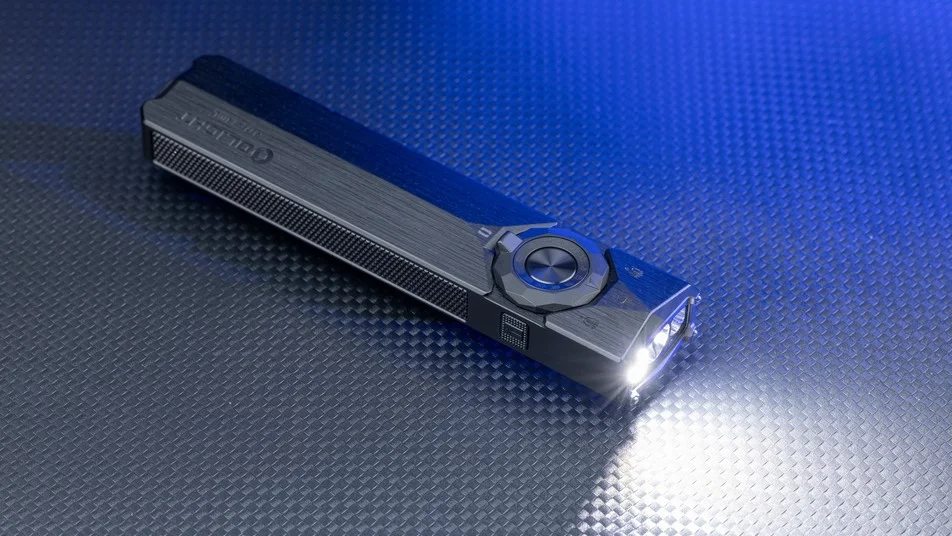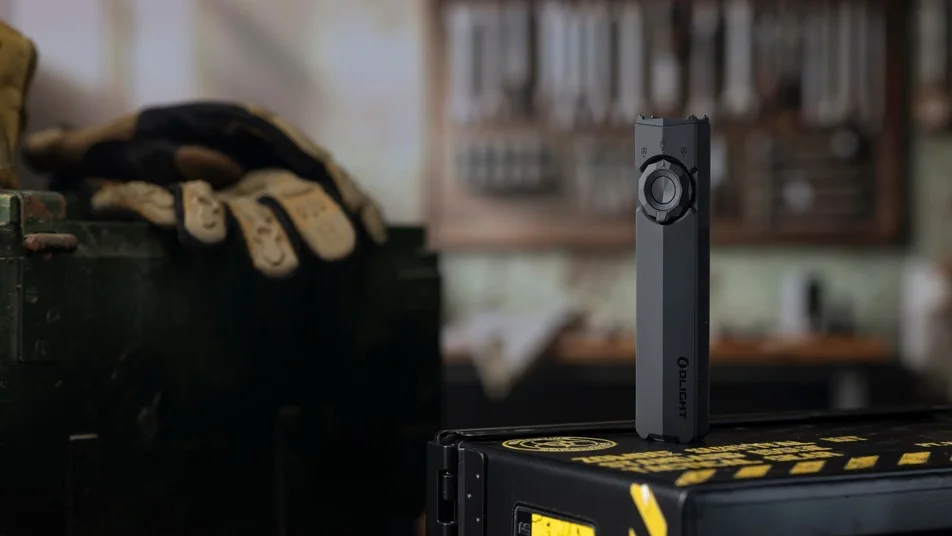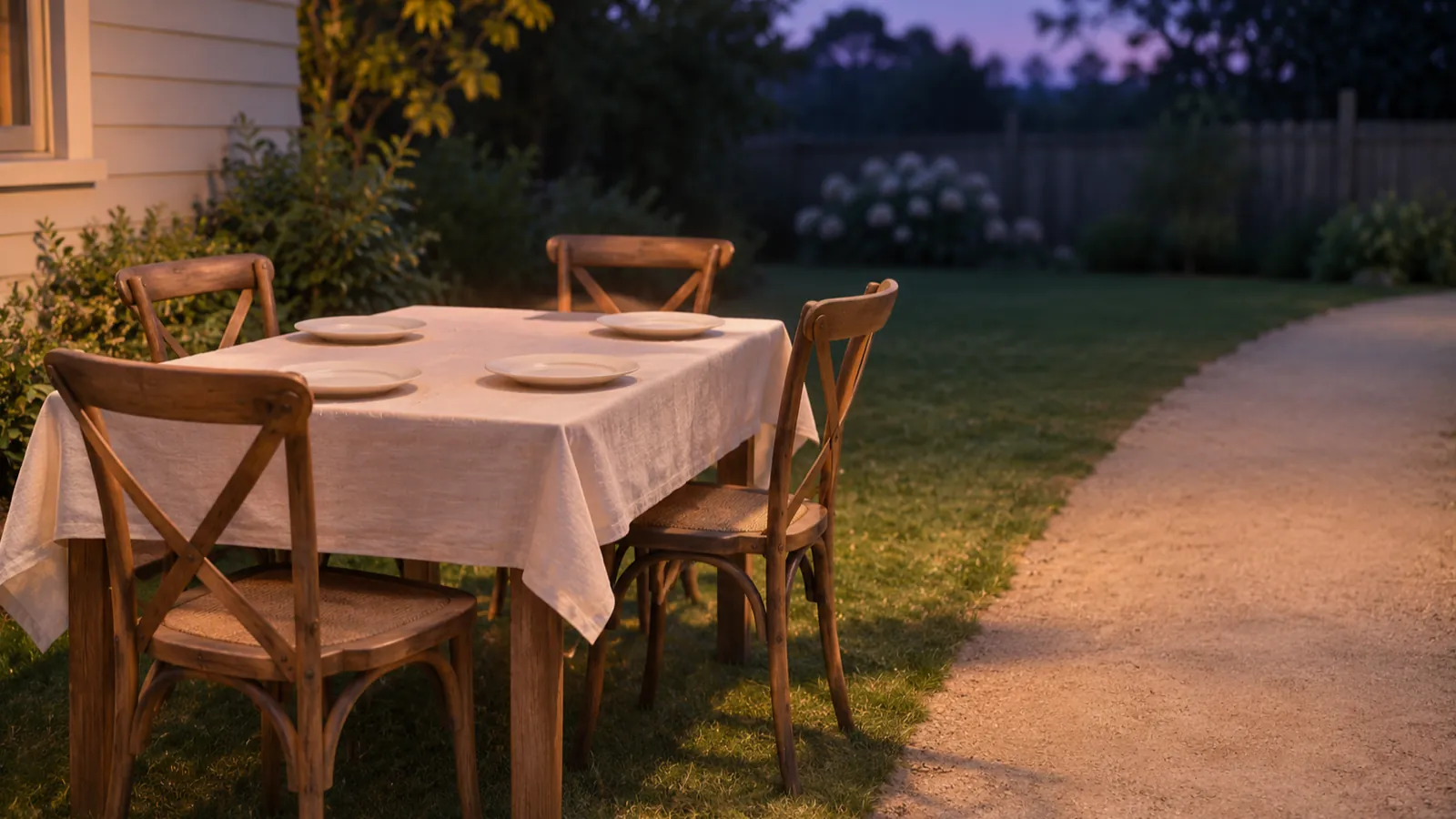
TL;DR: Rent event lighting for a large site, a stage, or a route that needs professional coverage. Buy camp lights for recurring small table and staff tasks where the venue already covers guest routes. Compare the full written rental cost with a complete purchase budget for the same job and hours.
📋 Table of Contents
- 1. Base the decision on what needs lighting
- 2. A written rental quote you can compare
- 3. How much does it cost to rent a portable light tower?
- 4. How much does it cost to rent uplights?
- 5. What are some portable field lights available?
- 6. Look at the light on the surface people use
- 7. Price owned lights for specific jobs
- 8. Calculate break-even from quotes for the same jobs
- 9. Plan for an outdoor site without a convenient outlet
- 10. Keep pathways, weather decisions, and decorations separate
- 11. Frequently Asked Questions
Base the decision on what needs lighting
Portable outdoor lighting rental can mean a few decorative fixtures or a staffed plan for an entire event. Start with a drawing of the site and mark the tables, the routes guests need, and the places workers use as separate areas. Get the venue's approval for access and required lighting before you price portable lamps for the remaining jobs.
| Job at your event | Start here | Put this in the quote |
|---|---|---|
| Tables and small tasks on a site with established route lighting | Compare owned lanterns and staff lights | Table count, working hours, light placement |
| A stage, a large venue, or guest access the site cannot already support | Ask an event lighting provider for a site plan | Coverage, setup, power, supervision, removal |
| A few decorative accents after basic visibility is covered | Compare a small fixture package with a separate quote for guest routes | Fixture count, control, mounts, delivery |
Walk through the plan from the point of view of a guest arriving after sunset. Mark the trip from the drop-off or parking area to the entrance. Then follow the route to seating, the restroom, and the exit. Add any steps, changes in surface, and turns that should be visible. Write down which lights the venue already operates and when they will be turned off.
People leaving later can encounter a different site from those who arrived while it was light. A fixed entrance lamp may be on early in the evening. A service door might close, or a nearby business might turn off the lights you were counting on. Ask the host to confirm which fixtures will be available until the last guest and crew member leave.
A dark serving table is one problem. An unlit route guests are expected to use is another and can require the venue or an event lighting professional. Take the routes and the event rules as fixed requirements when comparing prices. Your own portable lamps can fill a narrow role where those requirements are already taken care of.
A written rental quote you can compare
Send each provider the same drawing, schedule, and list of lit areas. Include the event address, delivery access, outdoor surface, event hours, setup window, and pickup time. Describe what the site supplies and what you still need. Ask for alternatives as separate options so a supplier can offer a different fixture package while keeping the coverage and work you asked for.
Split each written answer into equipment, labor, transport, and financial terms. Under equipment, look for fixtures, supports, power provisions, and any covers or accessories in the proposed layout. Labor can include a site visit, installation, operation, and removal. Transport can be a line in each direction. Confirm tax, required fees, and any late hours or rearrangements that could cost extra.
For a concrete example of a small line that can affect the total, the City of Grand Rapids event planning guide lists cord covers at $11.50 each at its commercial event rate. Its page describes separate delivery terms and eligibility for community rates. That is a named city equipment charge for its program. For your comparison, use the accessory rate and terms in your confirmed local quote.
A deposit affects how much money you need to reserve. Ask how much you pay when booking, when any hold is released, and what can make part of it nonrefundable. Put the confirmed refundable amount in a separate cash column. Enter any booking fee, damage waiver, or other nonrefundable charge in the cost column. Taxes and required service charges also belong with the cost.
Ask the provider what happens to the payment if the event moves inside, is postponed for weather, or ends later than expected. A price that covers only a particular period needs the same comparison window as the other quotes. If one includes an operator to turn off equipment after guests leave, ask how the other quote handles that work. Confirm how equipment failure and service calls are handled during the event.
Keep a copy with the issue date and expiration. Before deciding, mark any variable amounts and missing answers. Make the supplier confirm these in writing. If one vendor has included a covered path, setup, and pickup while another quote only names fixtures, ask the second vendor to price both coverage and service before comparing the totals.
Use one row per provider and separate columns for equipment, mandatory services, optional services, tax, refundable deposits and what the site already includes. Put the site plan and quote number at the top. Mark who confirmed each inclusion. If the event venue already supplies a qualified installer, ask whether the rental company can remove its installation line while retaining its support agreement. Keep both versions so you can see which responsibilities moved along with the charges.
How much does it cost to rent a portable light tower?
Get an all-in local price for the unit, rental period, delivery and removal, power or fuel arrangements, and any required operator or setup. Ask for the daily or weekend equipment rate separately. The job could require one quote for a towable unit and a different quote for a smaller ground-level area fixture where a venue has limited access.
First give the provider the usable part of the site plan, including the space for equipment and the paths that must stay open. Ask what terrain and access the equipment requires. Find out who is responsible for placement and operation and what weather would stop its use. Leave lifting, power, and other operating decisions to the venue and qualified provider. A larger fixture may need an entirely different position from the one shown on a drawing.
Count the rental period from the time installation or handover starts through pickup. A short dinner may fall between an afternoon drop-off and pickup the next morning. If the supplier bills additional delivery, a fuel charge, or an operator minimum, put each in the same cost column as the rental. A refundable deposit belongs in your cash plan.
If the venue already has suitable access lighting, ask for a smaller service that covers any full-area work you genuinely need. A few freestanding dining lights may answer that narrower question. Get an itemized quote so you can see what you would actually be paying to have lit.
How much does it cost to rent uplights?
Calculate the price for the actual number of fixtures and the rental period, then add any delivery, installation, control, and removal charges. Ask whether the rate is per light or for a package. A package may include changes during the event, cables or batteries, and all pickup work. Put that alongside the per-fixture price for the same hours.
Walk the space with the person planning the decorative lighting. Mark the specific wall or feature you want to see and explain the desired effect. Ask where fixtures and supports will go, what remains visible, and who will handle the controls. For outdoor fixtures, confirm the allowed setup and whether the provider offers a weather alternative. A choice about color should come after the basic plans for walking and seeing steps are settled.
Ask how long the selected effect has to stay on, including the last part of the evening. An independent operator could matter when a house lighting system, a dinner schedule, and performers are involved. At a small supper, a simple accent beside an already lit area may be enough. Ask whether it can be omitted from the main estimate as an optional line, so you can see how much the decoration changes the total.
For a small reception, walk through where guests will actually take photos. A fixture beside a pale wall can look different once a fabric backdrop or a table is in place. Share a picture of that part of the venue with the supplier. Ask for any fixture substitutions to be documented and agree on whether color setup, adjustment during the event, and reset after the venue closes are included in the quote.
What are some portable field lights available?
For an ordinary outdoor gathering, choices include professional towable towers, portable area fixtures supplied and installed for the site, and simpler battery lanterns or crew lights. Begin with the space and hours that need coordinated illumination. Use portable personal lights for close staff tasks and ask the provider or venue to cover any area or route that needs a verified installation.
A professional tower is designed for lighting a larger area and needs its own access and placement. A suitable area fixture on a compatible stand may serve a smaller zone when the venue confirms the position and equipment. Ask who will supply approved supports and who will take the equipment out after the event. Ask the provider to identify any limits for wind, precipitation, and public access.
A camping lantern is an option for a table or other nearby surface where a low steady light suffices and the site allows the product. A headlamp serves a different role when one adult needs both hands to pack or carry supplies. Assign each device to a specific task and check it in the position where it will actually be used.
For shared areas, plan separately for the staff person who needs to see their hands and for the guest trying to find a turn or read a restroom sign. A good personal light goes with its wearer. A guest route requires dependable visibility after that wearer has walked away. Plan for the latter in the venue's fixed or professional lighting arrangement.
Look at the light on the surface people use
Fixture output describes light emitted, while illuminance describes light arriving at a surface. The same fixture can create a bright patch on the table and leave a nearby step hard to see. Position, aim, shadows, and more than one viewing direction all matter. At the planned time, try seeing each task from where a person will be standing or seated.
For a public vehicle area or shared parking route, ask the venue and its qualified provider to apply the relevant design criteria. A family dinner table has its own needs. Ask for any specified lighting level by area and tell providers where the relevant walking and work surfaces are.
| Location | Look for | Check from |
|---|---|---|
| Serving and dining | Plates, labels, and edges visible without uncomfortable glare | A seat and the serving position |
| Walk to restroom or exit | Turns, sign faces, transitions and steps remain visible | Both travel directions |
| Drop-off or parking | Driver and pedestrian routes agree with venue plan | Approved entry, crossing and waiting points |
Do a walkthrough close to the planned start, with furniture and doors in their event positions. Consider whether a person or a door will cast a shadow on a step, and whether each direction is clear when the fixture is in its usual setting. Recheck the arrangement when the background gets darker. For required measured targets, have the provider use the approved method and confirm the arrangement with the venue.
Be careful about adding power in response to a dark spot. Raising output from one position can add glare while leaving the actual problem in shadow. Discuss a changed position with your provider or use existing approved lighting to cover the gap. For a small decorative arrangement, remove any fixture whose glare makes faces and the path harder to see from a typical seat.
Price owned lights for specific jobs
The three examples below show how to budget for supplementary lighting work. Set a table or area fixture and its approved supports on a separate line if you need them. Use the exact price of your real equipment when you fill out the worksheet. Olight checked these exact U.S. storefront reference prices on November 20, 2026. Prices exclude tax, shipping, outside accessories, and any promotional discount.
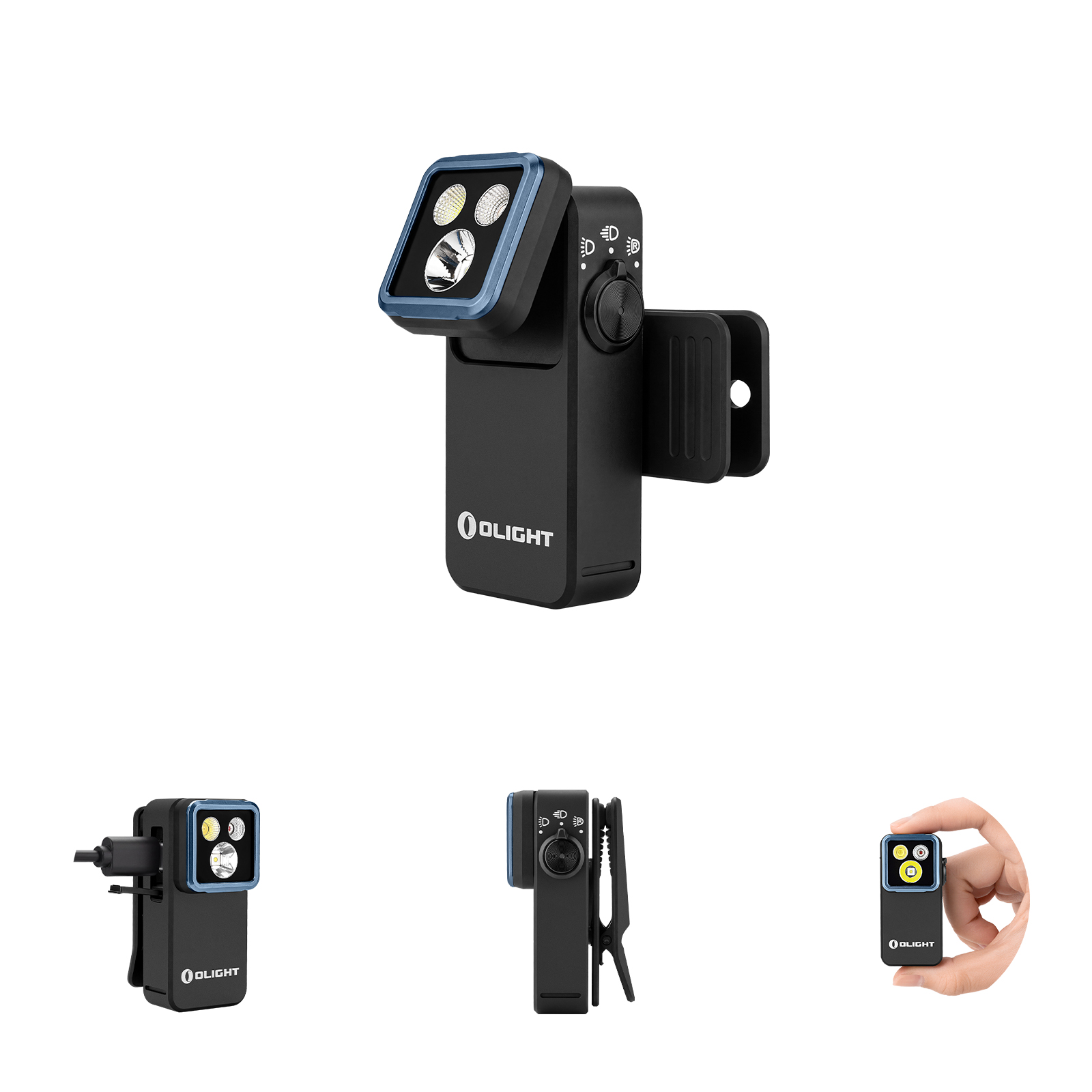
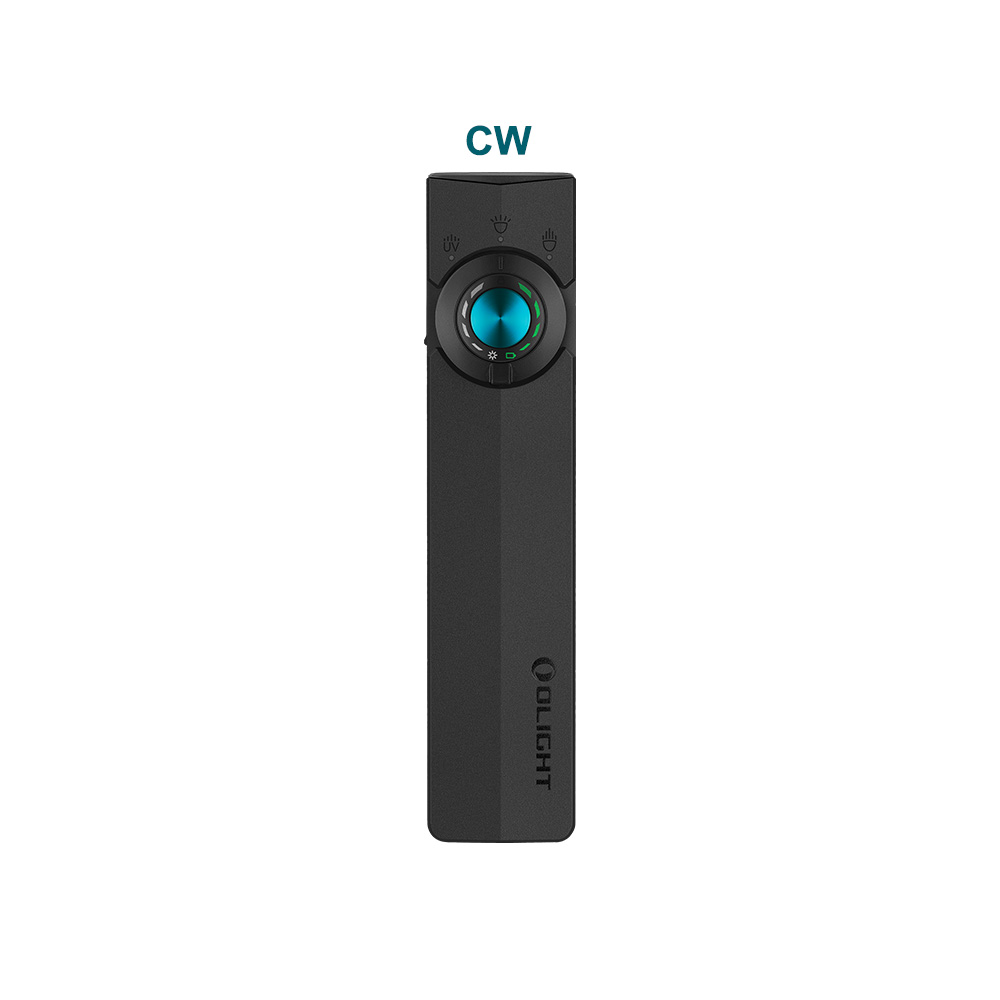

One of each of those examples totals $239.97 at the reference prices above. That subtotal buys local-task equipment. Add the actual cost of any lantern, area fixture, approved stand, charging equipment, or reserve included in your proposed setup. Give each item and operator a role so you can compare with the same coverage and staff support in a rental.
If a venue already owns a workable table light, start the purchase estimate with only the tasks you still need to cover. If a small personal light will be used for one person checking supplies, price it as that job. Group seating, guest access, and the parking route still need their own answers. The narrow distinction prevents a small purchase budget from being compared to a rental that serves an entire site.
Calculate break-even from quotes for the same jobs
Write down three numbers. Use the complete upfront purchase cost, the typical additional cost of operating the equipment for one event, and the total nonrefundable rental cost per event. Use quotes with the same hours and approved coverage. Think about transport and labor in both plans. Even when people volunteer, confirm that someone will be available to do the work at the required time.
Subtract the recurring ownership cost from the per-event rental cost. When the difference is positive, divide the upfront purchase cost by that savings and round up to the next whole event. If your ongoing ownership costs are at least as high as the rental, this comparison has no cost break-even. Recheck the numbers if equipment, coverage, taxes, or pickup terms change.
Here is the comparison for the $239.97 local-task subtotal. It uses the example product prices only and assumes no added or recurring ownership costs. Each threshold is the minimum comparable nonrefundable rental cost per event for buying to meet or beat renting within the shown number of events. Round fractions of a cent upward when calculating a minimum.
| Similar events planned | Minimum comparable rental cost per event | What you are comparing |
|---|---|---|
| One | $239.97 | One event against the equipment subtotal |
| Two | $119.99 | Two events using the same local tasks and hours |
| Three | $79.99 | Three events with the same coverage and operating assumptions |
Replace the subtotal with your own complete purchase cost. If you need an approved stand or will buy another lantern, add its true cost to the upfront number. If there is a cost each time for batteries, travel, maintenance, or scheduled help, enter that recurring amount. If owning lets you use the lights for camping or emergency readiness, include only the uses you realistically expect. Keep a dollar comparison separate from the value of having the gear at other times.
A hybrid plan can work when the jobs are distinct. Rent the provider's coverage for an entrance, an unusually large area, or a permitted stage. Use familiar owned lights for staff or for small tables within an already approved area. Ask for the rental line items for the pieces you will still rent. Compare the numbers after you know both sides of the plan fit together.
If you already own part of the setup, write down what you would have to spend this time. A familiar light already on the shelf has no new purchase price, but its missing charge cable or approved mount may need a line. If a purchase lasts beyond the next event, use the number of comparable events you expect to host before the gear needs replacement. Run the numbers again for only the dates you've committed to.
Plan for an outdoor site without a convenient outlet
Ask what lighting is already in place and what power the venue can provide. For small supplementary jobs, consider battery-powered lamps used within their instructions. Check the selected modes and expected hours, and give each lamp a charged reserve or backup suited to its role. A long event can include much more than the hours on the invitation.
For example, a five-hour gathering with an hour of setup and an hour of cleanup requires seven hours of availability for any light that stays on throughout. Some tasks start later or finish earlier. Write those differences on the equipment list and check the maker's reported runtime for the usable mode. Rehearse the arrangement in a safe place and decide who will replace or recharge a portable lamp if needed.
Work out where chargers and spare lights will be stored. Use the model's instructions and a suitable dry station. Check that the backup can reach its task while other lights are still in use. If the required site lighting depends on a professionally supplied power system, have the provider and venue plan the system, setup, and oversight together.
Have the venue identify the approved outdoor equipment and protected power it can supply. Ask its staff to inspect the equipment and confirm the setup before people arrive. Keep temporary cords out of guest paths and have the venue address any unavoidable crossing with an approved plan. For rain or pooling water, use the venue's weather and power procedures. A new location, a shorter event, or an indoor plan can be the cleanest fix.
Keep pathways, weather decisions, and decorations separate
Start with a route people can travel easily. The U.S. Access Board's guidance on protruding objects explains the hazards projections can create in circulation paths. Ask the host which requirements apply at your venue. Leave the necessary clear space for people using the path, including people with mobility or vision impairments. Keep stands, tables, batteries and other equipment outside that space.
Agree on a weather decision before you set up. Ask who has responsibility for the venue's power and who will decide when a temporary setup should stop. Follow the ratings and handling instructions for the equipment actually used. Keep guests away from damp connections and arrange any equipment moves through the responsible staff. Confirm the alternate route or indoor plan before guests arrive.
For decorative effects, the U.S. Fire Administration's candle safety advice recommends considering battery-operated flameless candles. Reserve decorative lighting for mood. Keep the paths, entrances and work areas independently covered. Speak to the venue about restrictions on flames, tents and temporary equipment before paying for decorations.
Make your last check from both ends of the route with the furniture in place. Ask the host to verify that required lighting will stay on through final departure. Point out who is responsible for checking each battery light and who will be available if a source goes out. The goal is a plan people can follow after the meal, while they are also carrying supplies and saying goodbye.
Give the team a copy of the final approved plan and a quick way to report a problem. Put the event end time, alternate location, and responsible contact on the same page as the marked routes. If the venue changes the route or moves a guest table, repeat the walkthrough for the new layout. A decision made on the original drawing only applies while people can still use the space as pictured.
Frequently Asked Questions
Changelog
- November 20, 2026: Reviewed U.S. price examples, source guidance, and the rental comparison worksheet.