


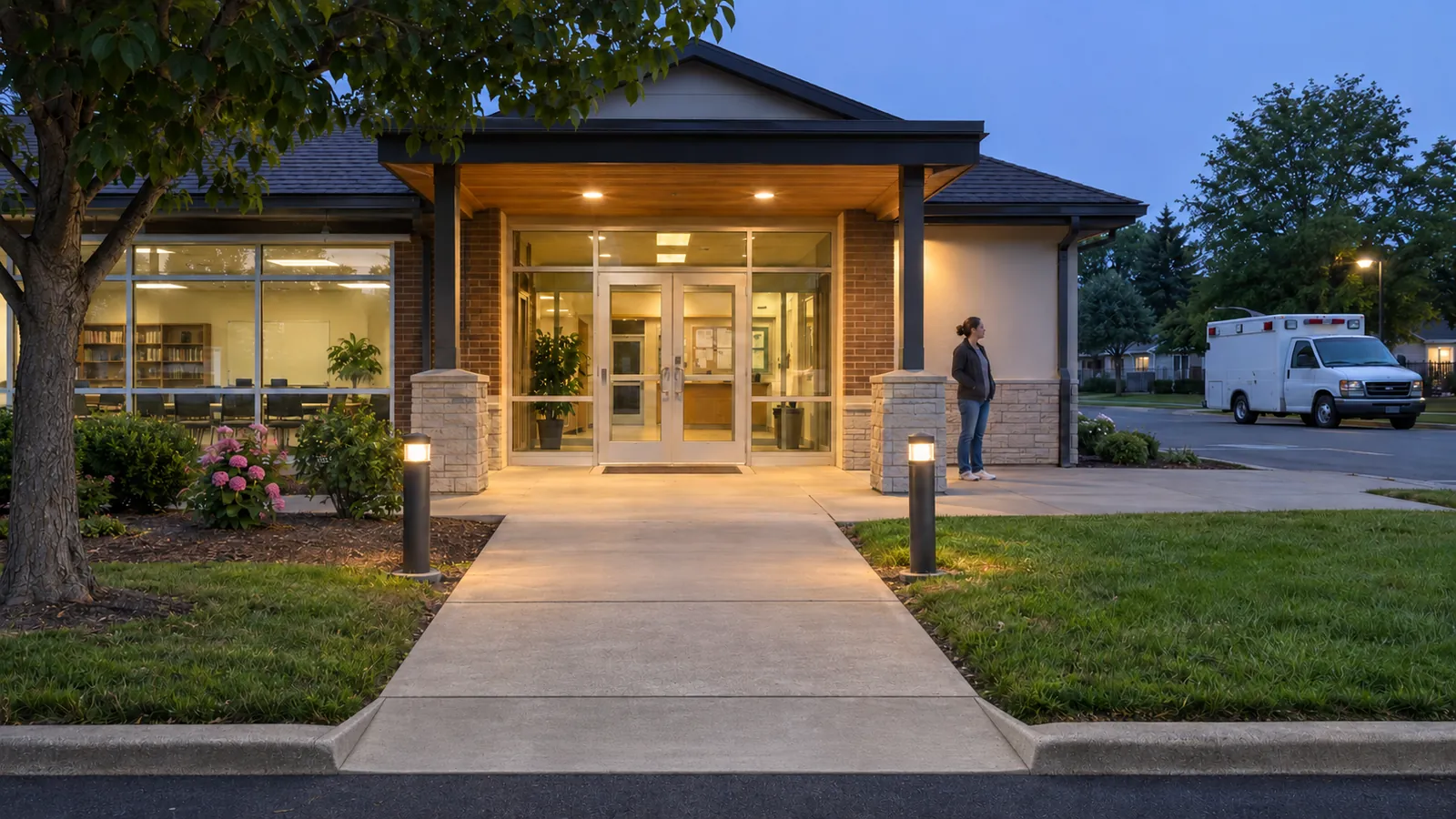
TL;DR: If there’s an emergency, call 911 and give the exact location and entrance. Follow the call-taker’s directions. If you can do so safely, switch on the existing doorway and path lights, move simple obstructions out of the way, and wait off the route the crew needs to use.
📋 Table of Contents
- 1. Make the entrance easy to find
- 2. Should I turn on my porch light for an ambulance?
- 3. How can I keep the entrance clear for an ambulance crew?
- 4. Can I use a flashlight while waiting for an ambulance?
- 5. Prepare different entrances before you need them
- 6. When the usual lights are unavailable
- 7. Keep the handoff simple when help arrives
- 8. FAQ
Make the entrance easy to find
| What to prepare | What helps | Where to do it |
|---|---|---|
| Exact location | Street address, unit or room, and usable entrance | From a safe place while on the call |
| Doorway | Existing exterior and foyer lights | At the entrance you described |
| Clear path | Space for the responding crew and equipment | From the entrance toward the room |
| Waiting place | A safe spot off the doorway and vehicle approach | Inside or beside the path as directed |
| Backup light | Steady white light for a small household task | In your own hands or an approved fixed spot |
Call for help first. The City of Alexandria’s 911 information tells callers to give the street address, answer the call-taker’s questions, and follow the directions they receive. Confirm the building, apartment or room number, and the entrance that leads there. If a gate or bad light makes an entrance hard to use, say so. Keep the line available as directed.
Then work with the lighting already in place, if the directions and conditions permit. A porch fixture, lobby ceiling light, or light at the top of the steps can show the entrance and the space around it. If you have to search for a switch in a dark, unfamiliar area, tell the call-taker what you can see from where you are and wait for instructions.
The right door may matter more than the amount of light. A lit front door can be easy to spot, while the correct access might be through a marked side entrance. Explain that difference during the call. A building name or a door number can help the caller describe it clearly. Use the words that appear on the actual sign so the next person knows what to look for.
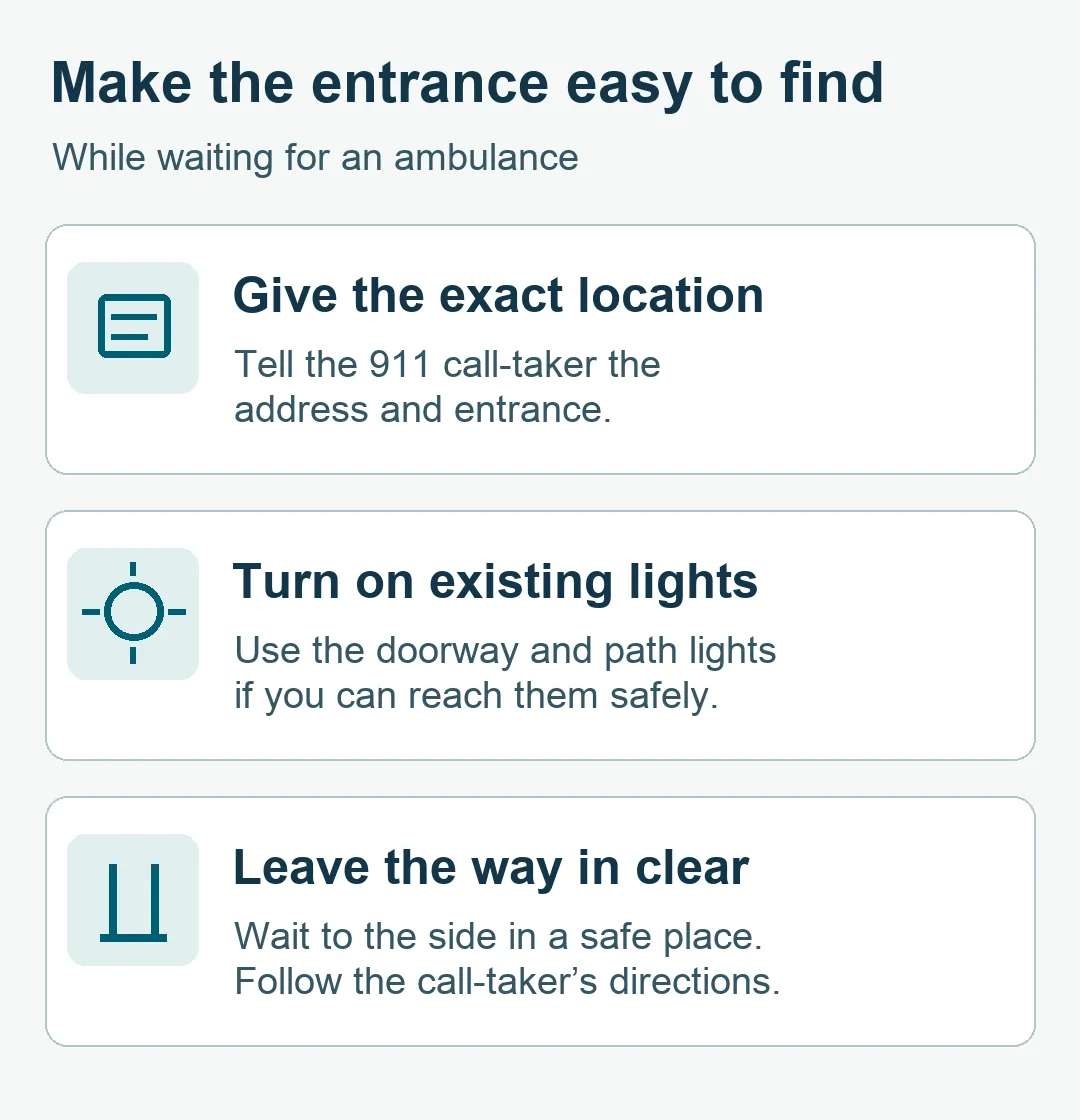
An exact address, a lit doorway, and room to pass help people locate and use the entrance.
If someone else is making the call, make sure the address you can see agrees with what the caller knows. A room in a large building may face one street while the entrance uses another. Say which street the entrance faces if you know. The unit or room belongs to the description too. When the call-taker requests clarification, describe the actual signs or permanent features you can identify rather than stepping into a roadway to look for more.
At a larger site, locate the posted name on your side of the building. A hallway sign can help someone inside give an exact room number without having to leave the room area. A visitor might call the event room by its meeting name, while the entrance staff use a different name. Give the actual label when you know it so both descriptions can be connected.
Should I turn on my porch light for an ambulance?
Yes, if you can switch it on safely and follow the call-taker’s directions. Outside lighting can make the address and entrance easier to recognize. Turn on the ordinary light for the door you described. If the address is still hard to see, give the call-taker the best location details you have and say which approach is lit.
The City of Cleveland’s EMS guidance for 911 callers recommends switching on outdoor lights in the dark so the ambulance driver can find the home or building. It also tells callers to confirm their address. Keep the lighting task simple. Turn on the existing fixtures and take a look at the doorway and steps from a place you already know is safe.
A porch light may make the doorway visible without illuminating the numbers. Tell the call-taker about a visible number on a nearby post, the building name, or another clear reference in addition to the exact address. During ordinary upkeep, make sure the address is visible from the normal approach. Butler County’s 911 guidance recommends a street-facing address display and using porch or other lights at night.
Use a light inside the entrance if the door opens onto a dark landing. Someone who can see the door clearly may still need to see the first step or a change in floor height. A nearby fixture that shows the floor and the side of the doorway is useful. Keep the door and the area beside it open for normal passage, following the call-taker and any building instructions.
At an apartment building, the street number may be easier to identify than the door or building wing that leads to you. If you know the lobby name and whether it is accessible, tell the call-taker. Give the applicable floor or unit number. Ask what to do if the outside door needs a resident key, a call button, or staff access. Keep your account of the entrance based on what you know from your current position.
At a community venue, a room name and a building entrance can both be useful. The route from the street may go through a lobby that staff know by one name and visitors know by another. Read the sign if it is close and easy to see. Tell the call-taker which door was discussed and whether fixed lighting is working on the approach. Let an authorized staff member operate the building’s access controls if needed.
On a rainy evening, water on pavement can reflect a bright fixture and make part of a walk hard to read. Stand where you are sheltered and can see your footing. If a lower light inside the entrance improves the view of the threshold, leave it on where appropriate. Tell the call-taker about a known slippery patch or flooded section. Keep a light steady for any small task you can do safely from the sheltered area.
If two entrance lights look similar, useful details are often the shape and location of the entrance. A covered portico, a bank of glass doors, or a small courtyard can help distinguish one approach from another. Use a description you already know or can check without leaving a safe place. Clear wording is useful even if the building has enough lighting. The details let the call-taker know what the fixed lights are showing.
How can I keep the entrance clear for an ambulance crew?
Keep the doorway and nearest safe route clear of ordinary belongings and people as you follow the call-taker’s directions. Move a small item only if it is safe and straightforward. Wait away from the doorway and the vehicle’s approach. Tell the call-taker about a locked entrance, blocked approach, or other obstacle you cannot safely move.
Look for ordinary obstructions where people are expected to pass. A grocery wagon, delivery box, or folding chair may be easy to move while you have a clear view. Set it where it will not interfere with another entrance or the path you use yourself. If an obstruction is large, fixed, or unsafe to move, describe it and let the appropriate people decide on an alternative.
People can block part of a route without intending to. A small group waiting under the porch light may gather at the threshold where they can see what is happening. Ask them to give the door and walkway room. Move together into a nearby space the call-taker or staff says is safe. Keep the approach clear as the crew arrives and let them use the route they choose.
If the doorway opens directly onto steps, leave the steps and the space beside them clear. Move away from the area the door swings into. If a pet could run through the entrance, follow the call-taker’s directions about putting it somewhere secure if it is safe to do so. An occupied doorway can be harder to use even when you can see it perfectly.
Keep the indoor route in mind. A hallway might be clear at the front and narrowed by a bag or table farther in. Move simple obstructions off the way if that is possible from a safe spot. Leave large items as they are if moving them would take time or introduce a hazard. Tell the crew what remains in the way when they ask about the route.
In a lot or driveway, keep yourself and others out of the vehicle path. Wait from a safe place and follow directions. If a car or gate is blocking access, describe that obstacle and which side you can use. Let the responding crew handle vehicle positioning. The useful information is what is already there, such as a closed driveway, a pedestrian entrance, or a door the building staff can open.
Can I use a flashlight while waiting for an ambulance?
You can use steady white light to read a number, find a nearby switch, or see the ground in a safe place. Aim it down at your own task. Keep the beam clear of traffic, faces, and windshields. Follow the call-taker’s directions, and give the crew space when they’re using the entrance.
A handheld light is most useful for the small area the installed fixtures miss. You might need to see the last step inside a gate or read a sign beside a door. Use enough light for that one job. As the person or vehicle approaches, keep the light down or turn it off if the fixed lighting is enough. A steady light close to your task gives you a usable view without filling the area with glare.
Choose a place to stand before you turn on the light. Aim at the ground from a stable spot. Stay clear of any moving vehicle or door. If the step, switch, or number lies in a place you cannot reach safely, leave it alone and tell the call-taker what you can see. Help can still be directed to a location that is partly dark if you describe it clearly.
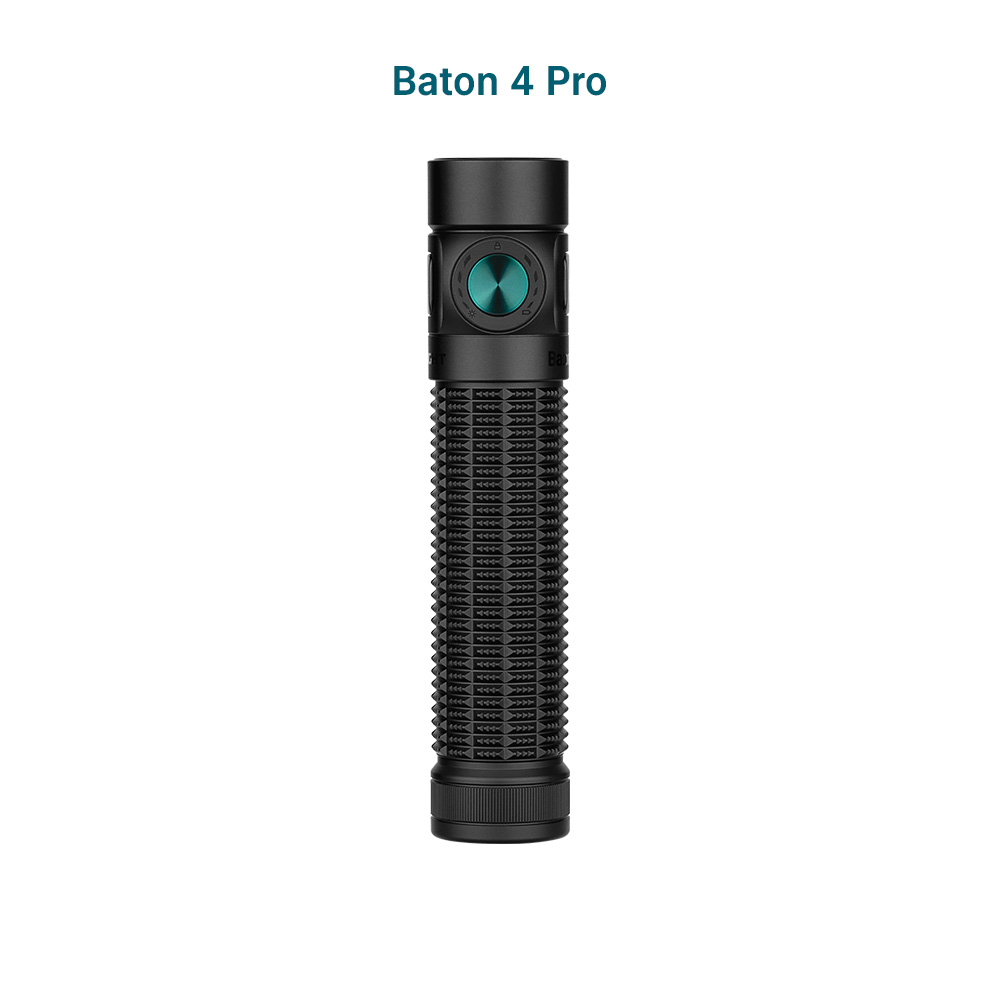
A compact flashlight can help with a quick address check at home. It should be easy to find before you need it. A small hook, charging spot, or visible shelf can work if it keeps the light off the floor and leaves the doorway clear. Check that other household members know which light belongs there and can turn it on at a useful level.
At a facility, use the lights already available to staff. A steady light can help someone read a room sign in a lobby or locate the switch for the courtyard. Talk through the location with the person who made the call. If several people bring handheld lights, keep them aimed at their individual tasks and avoid pointing them at the entrance from different angles.

Prepare different entrances before you need them
For a house with more than one door, check both approaches during ordinary evening lighting. Find out which door is normally visible from the street and which one you can open safely from inside. Look at the address from the usual walking approach, and think about how you would explain the difference between the two doors to a caller. Correct simple lighting maintenance through ordinary channels before an urgent situation.
For a secured residence, know how an authorized person can admit someone without leaving the door unattended. A working entry light can show the space around a keypad or call button. If the panel is unfamiliar, give the call-taker the building details and follow instructions. Give any private access information only through the appropriate channel and to the people who need it.
A home at the end of a shared driveway can be harder to find than a clearly numbered building on the street. During normal hours, check how the house number, entrance, and drive are marked. Know where the pavement changes or forks. During the call, describe the address and the approach using simple fixed landmarks. Say if the driveway is blocked or access needs to come from a different entrance.
At a business or public space, know which person can switch on the outside lighting or describe the entrances. A building may have an accessible front door, an after-hours door, and a separate area for deliveries. Use the actual location and the directions on the call. Staff can explain if a normal entrance has closed for the evening. Keep visitor access and emergency access clear even when the vestibule gets busy.
If the group includes people who cannot safely stand outside, gather somewhere that stays out of the arrival route. An occupied lobby or a side area by the door may be suitable if it is already safe and staff allow it. Give the call-taker the correct entrance even if nobody can wait outside. The name of the door, floor, and actual room can still be useful.
Look at the position of a floor mat, cords, or equipment parked next to the doorway while things are quiet. Leave the normal passage clear before a problem arises. Put a portable light on an interior shelf at reachable height. One familiar place for a rechargeable flashlight lets someone use it to read a sign or light their footing without pulling a cord across the floor.
Keep any useful entry note somewhere staff or household members are allowed to see it. A venue may keep its own after-hours entrance name and street address beside the phone or near a shared sign-in sheet. For a household, the full street address, apartment number, and entrance name can be useful for a visitor. Keep private access details out of an open display and use normal arrangements for them. Review the information after a change to the building or its usual entrance.
Check lighting and routes with the people who actually use them. Someone who uses a different entrance may know about a step you never see. Ask whether they can find the sign that identifies that door at dusk. If the answer depends on an exterior light that is out, report the fixture in advance. A bulb replacement or an ordinary property request is easier to handle before anyone needs the location urgently.
At a temporary event, ask the venue to identify the entrance people should describe in an emergency. Check that the direction signs use the same name. If furniture or a display is moved after that check, look at what changed and keep normal passage usable. One event staff member should know who is able to operate the existing lights. They can follow the call-taker’s directions without asking visitors to find a switch or enter a restricted area.
When the usual lights are unavailable
If a fixture is out or there is a power failure, say so to the call-taker. Describe which door remains usable and any obstacles you know about. Use a portable light where it helps you see the immediate task. If the outside is too dark to check safely, stay where you can follow the instructions you receive. Keep the address and entrance information clear over the phone.
Set a battery light where it is stable if you need your hands free. Keep it off the floor, out of the path, and aimed where it can help with your own task. A portable light that sits on a low step or extends into the route adds something else to walk around. Once the crew is using the entrance, move back and let their directions guide you.
There may be enough ambient light in the lobby to see the door even if one outside fixture is out. Use that area only if it is safe and permitted. Compare what you can actually see with what you were able to describe on the phone. If a new obstruction appears or the proposed entrance changes, tell the call-taker as directed.
Keep a simple fallback somewhere you can access. Check the light and its normal level during a quiet moment at home or work. Learn where you can find the switch with one hand and how to put the light back without leaving it on the floor. If the backup uses batteries or a charger, store it as the manufacturer directs and make sure the light is ready before putting it away.
If someone offers to bring another lamp, ask whether there is a small task it would help with. A light directed at an interior switch or a sign is an example. Work from safe locations and avoid adding people to the entrance. A new light is only useful when it can be placed or held without taking up space someone else needs.
A light on an unfamiliar portable stand can make an entrance look brighter while creating another obstacle. Use the fixed lights first. If you need a portable light, hold it where it helps with your own small task or place it well off the route if allowed. Keep any stand, cord, or battery box out of people’s way. An extra light has little value when someone has to step around it in a narrow entry.
Sometimes the person who knows the access route is speaking to the call-taker while others have already walked to the door. Let the caller continue unless instructions say otherwise. Another person can make the approach clear within their role. If no one else is there, stay where you can carry out the instructions safely. Give the call-taker the exact door and any barrier you already know about. Everything else can wait for their directions.
Keep the handoff simple when help arrives
Give the crew room to stop and open doors. Stay where you were directed to wait. If someone asks where to go, give the door, room, or floor you described earlier. Keep a personal light pointed down or switched off unless you need it for footing or are asked to use it. Let the crew manage its own working area and equipment.
The route that made sense to you may be different from the one the crew selects. If an entry has a step, a lock, or another barrier, tell them plainly. Let the next action follow their instructions. Keep curious visitors or other people away from the door when you can safely ask them to give space. A short description of the entrance may be more helpful than moving ahead of the crew.
If you are supporting a site with multiple staff members, use a brief check-in once instructions are clear. Confirm who is on the call, who can operate the door, and where people should wait. Keep a single point of contact whenever the call-taker or crew asks for one. Other staff can preserve the normal clear route while keeping hands and lights out of the crew’s work.
After the crew moves inside, keep the entrance available. Leave the lights on where they are helping and keep bags and people out of the doorway. Put your own portable light away only when it is safe to do so. If you need to wait nearby, choose the safe place already agreed upon or the one you are directed to use.
FAQ
Changelog
- November 19, 2026. Reviewed city and county 911 guidance, the two U.S. product options, and the access lighting illustration.




