Table of Contents
- Why Power Outages Require More Than One Flashlight
- Types of Lights for Power Outages
- Key Features for Outage Flashlights
- How Many Flashlights Does a Family Need?
- Battery Management During Extended Outages
- Conclusion: Be Prepared Before the Lights Go Out
- Frequently Asked Questions (FAQ)
A sudden power outage instantly disrupts the comfort of modern life. When the grid fails, basic activities like navigating hallways, preparing meals, or checking the electrical panel become difficult and potentially hazardous. Many people rely on the built-in flashlights on their smartphones during blackouts. However, phone batteries are valuable communication lifelines during emergencies and should not be wasted on illumination. Furthermore, smartphone LEDs produce a weak, highly localized flood of light that cannot illuminate a room or help with hands-free repair work.
A reliable home emergency plan requires a dedicated, tiered lighting solution. This guide explains why multiple specialized lighting tools are essential and showcases the best tools to keep your household safe, functional, and calm during any blackout.
Why Power Outages Require More Than One Flashlight
Relying on a single power outage flashlight leaves your household vulnerable. If you only own one flashlight, your family must remain in the same room or move together. When someone needs to navigate to the kitchen or bathroom, they carry the only light source away, leaving others in total darkness.
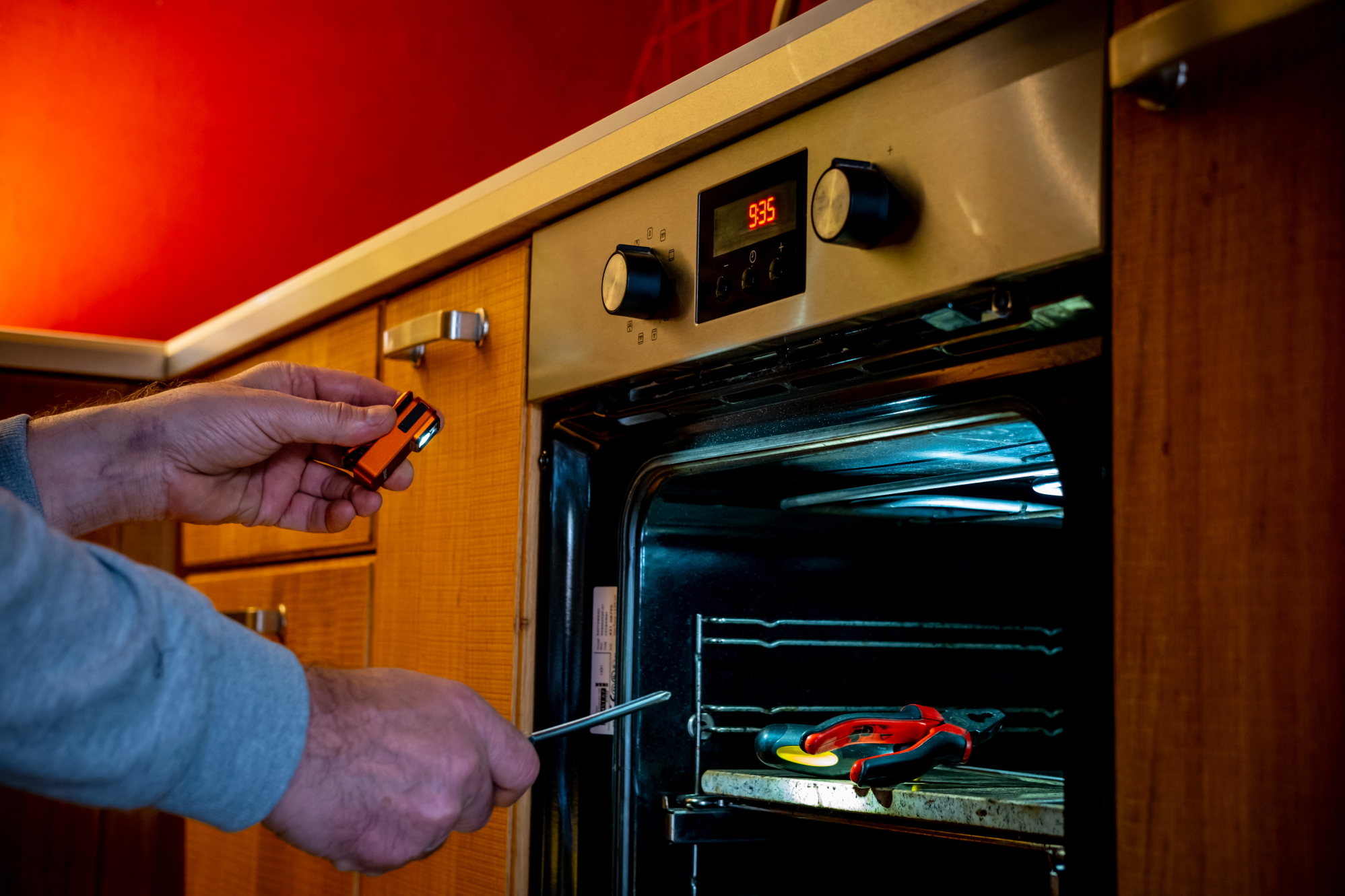
Furthermore, different tasks require different types of light. Walking down a hallway requires a portable hand-held beam, while checking a breaker box requires hands-free directional lighting. Trying to prop a standard flashlight on a shelf while working is frustrating and inefficient. A "layered lighting approach" uses distinct tools—primary high-output lights, hands-free work lights, and ultra-portable backup lights—to ensure every member of the family remains safe and independent during a blackout.
Types of Lights for Power Outages
To build a reliable emergency setup, you need to understand the different categories of lights and how they serve your household during a blackout.
Primary Flashlight: High Lumens for General Use
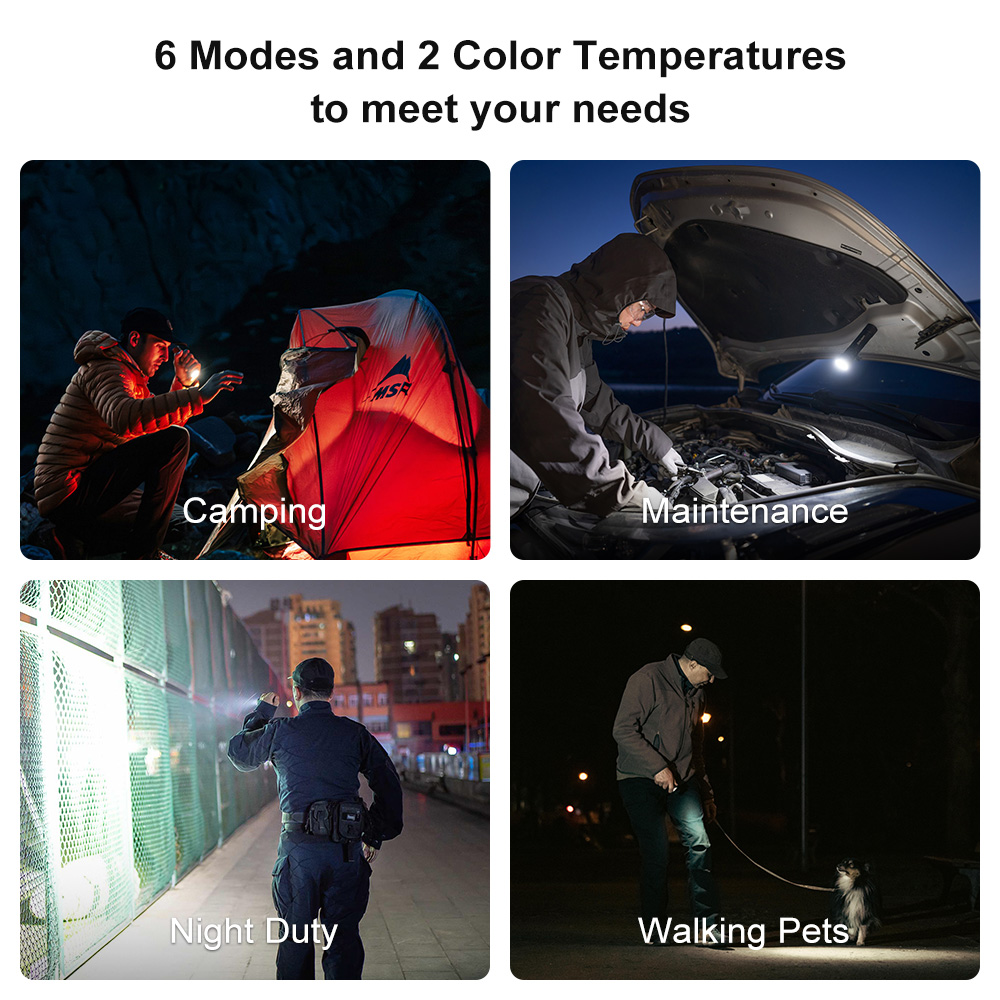
A primary flashlight acts as your main light source during an emergency. It must have a high lumen output and a wide, floodlit beam. In a blackout, you can stand a high-output flashlight on its tail (tail-standing) and point it at the ceiling. The light reflects off the ceiling, bouncing downward to illuminate an entire living room or kitchen with soft, ambient light.
Olight Seeker 4 Pro High Power Flashlight
An exceptional choice for home illumination, delivering a massive 4,600 lumens to turn darkness into daylight during emergencies.
Shop Seeker 4 ProFor this role, the Seeker 4 Pro is an exceptional choice.
Seeker 4 Pro Key Features:
- Max output of 4,600 lumens
- 260-meter beam throw
- 6 versatile lighting modes
- Flat tail cap for stable tail-standing
- Two charging options: USB-C via holster or magnetic charging via optional MCC3
- Stepless dimming via a large metal rotary switch
- IPX8 waterproof rating
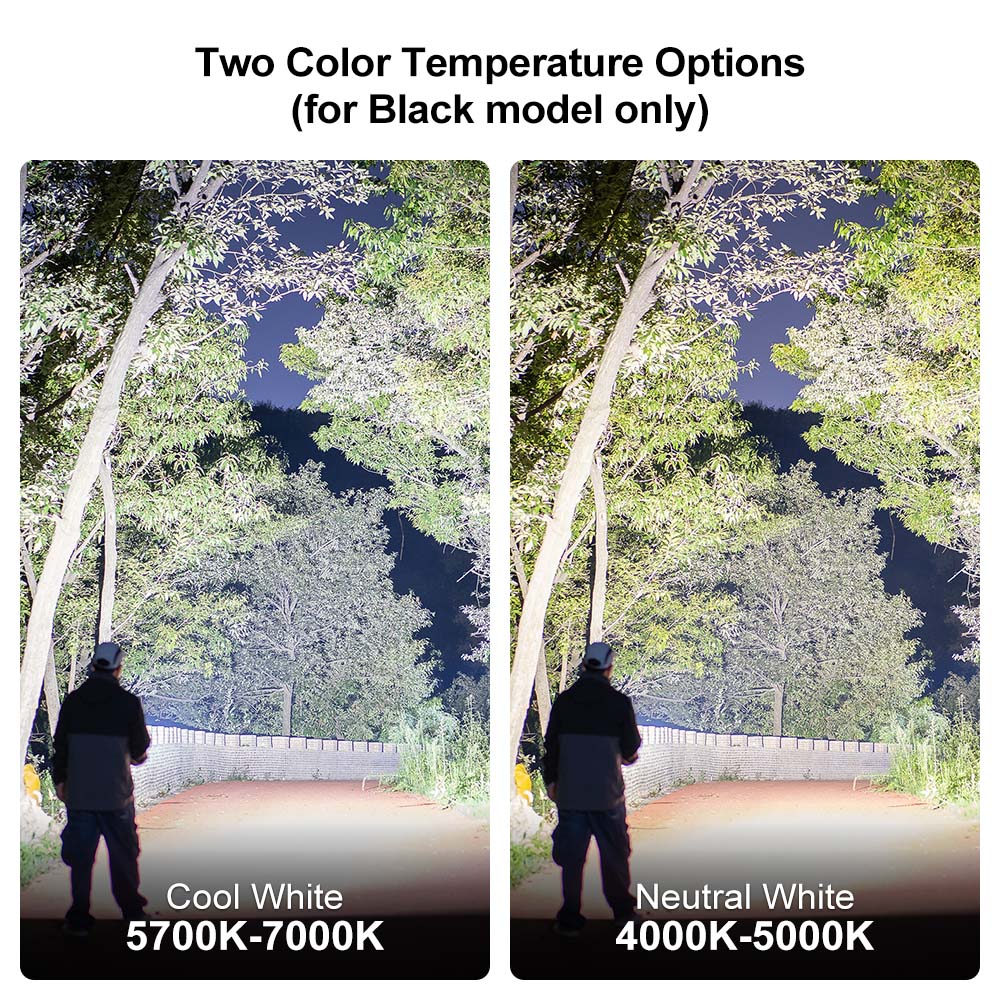
This tool serves as the best flashlight for home illumination, capable of instantly turning darkness into daylight.
Headlamp: Hands-Free for Repairs
When power grids fail, you often need to perform manual tasks: finding hidden supplies, checking water valves, or preparing baby formula. Doing these tasks while holding a flashlight in one hand or under your chin is highly inconvenient. A headlamp keeps your hands free and directs light exactly where you look.
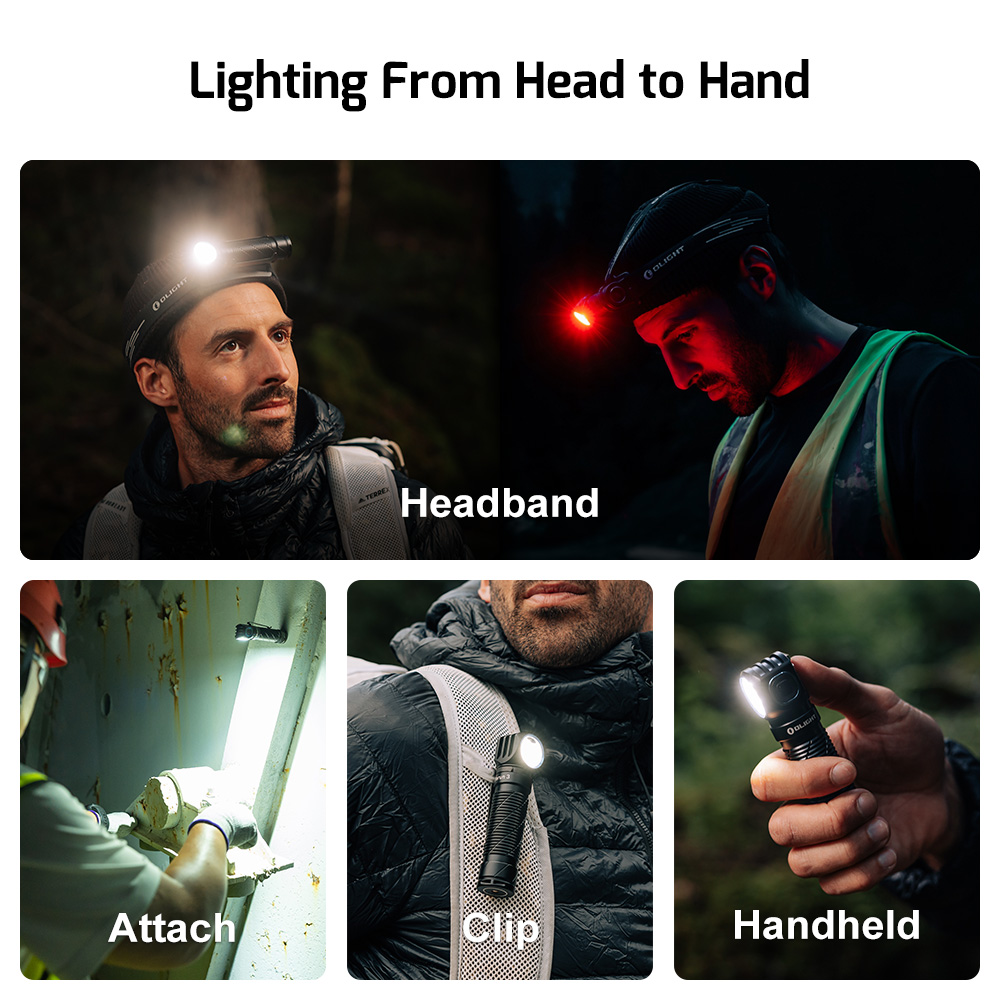
The Perun 3 is a highly versatile right-angle light that functions as both a handheld flashlight and a hands-free headlamp.
Olight Perun 3 Headlamp & Flashlight
A highly versatile right-angle light functioning as both a handheld flashlight and a hands-free headlamp with white and red light modes.
Shop Perun 3Perun 3 Key Features:
- Max output of 3,000 lumens
- Dual light sources: Cool white light and red light
- Features a magnetic tail cap and a pre-installed pocket clip, and includes a comfortable headband and lanyard
- 5000 mAh rechargeable battery provides up to 20 days of runtime in Moonlight mode
- IP68 waterproof construction
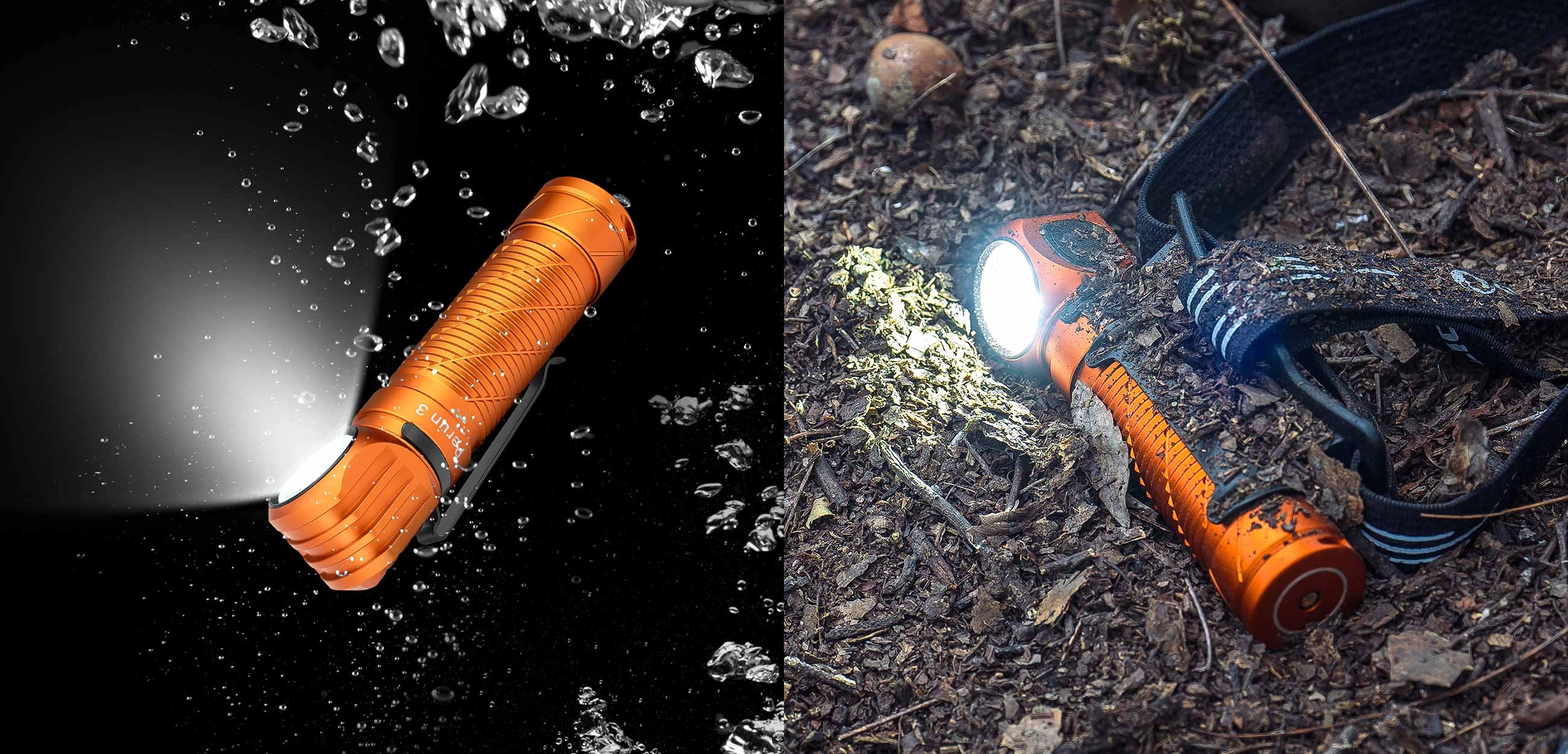
Its dedicated red light mode is particularly valuable during emergencies. Red light preserves your natural night vision and allows you to read maps or navigate without waking sleeping family members.
Keychain Light: Quick Access in Dark
Power outages rarely happen when you are prepared. If the lights go out while you are in bed or walking through the garage, a miniature light attached to your keychain or clipped to your pocket provides immediate illumination. This allows you to safely navigate to where your primary emergency flashlights are stored.
The i3E EOS is a highly reliable backup light. It runs on a single, widely available AAA battery, making it an best flashlight for emergency situations. In long-term blackouts where recharging is impossible, you can simply swap in a fresh alkaline battery to get instant light.
i3E EOS Key Features:
- 90 lumens of output with a 44-meter throw
- Powered by a single, standard AAA battery
- Simple twist-head activation
- Ultra-compact size (2.38 inches long, 0.68 oz weight)
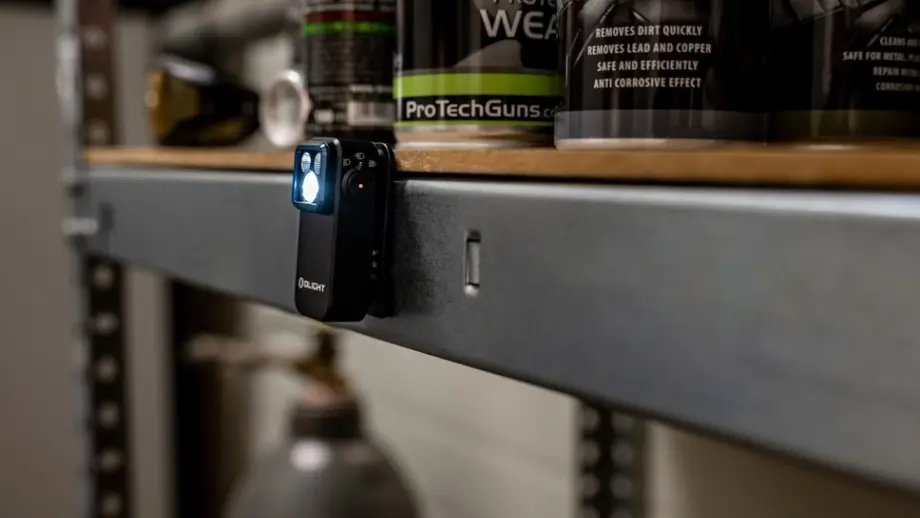
For a highly versatile clip-on option, the Oclip Pro provides multiple hands-free mounting options.
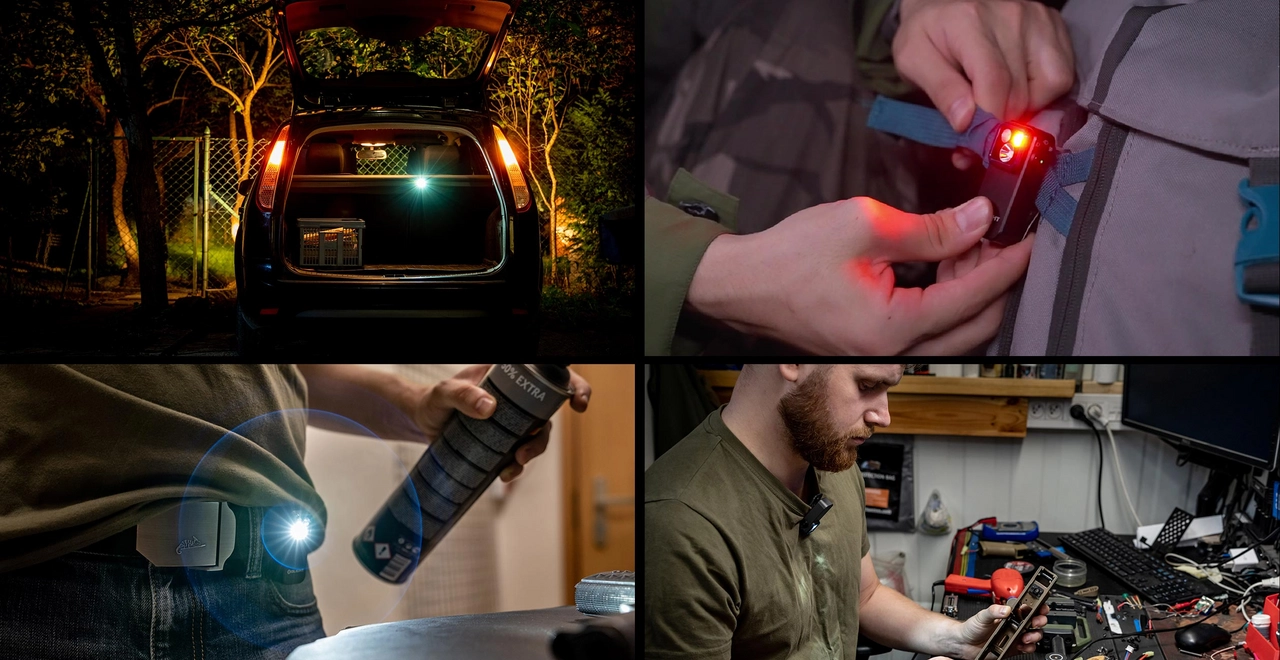
Olight Oclip Pro Clip-on Flashlight
A 3-in-1 clip-on light featuring white floodlight, spotlight, and red light options, with a strong spring clip and magnetic base for hands-free use.
Shop Oclip ProOclip Pro Key Features:
- 3-in-1 lighting solution: 500-lumen white floodlight, 380-lumen spotlight (with a 120-meter throw), and a 40-lumen red light
- Strong built-in spring clip and magnetic base
- IPX6 waterproof rating with a waterproof USB-C charging port
- Up to 144 hours of runtime in Moonlight mode
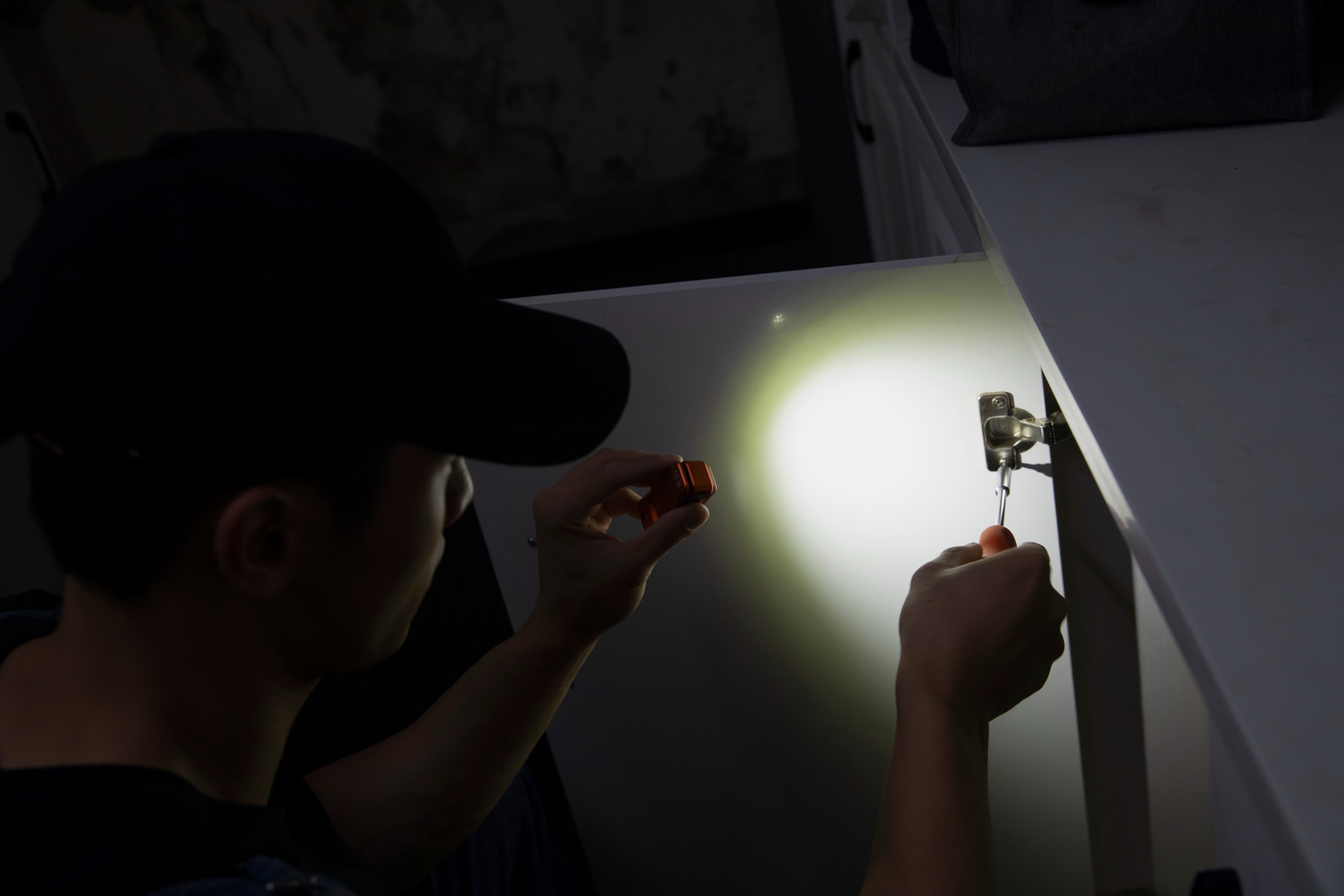
The Oclip Pro can be magnetically attached to a refrigerator, clipped to a shirt collar, or hung from a lanyard to provide instant localized light.
Key Features for Outage Flashlights
When selecting a power outage flashlight, you must prioritize features that differ from those of standard searchlights.
Long Battery Life or Low Power Mode
In a prolonged blackout, raw brightness is less important than endurance. Running a flashlight at 4,000 lumens will deplete the battery within hours. To survive multi-day outages, look for flashlights with ultra-low output settings, often called "Moonlight Mode."
Moonlight mode typically emits between 1 and 5 lumens. While this sounds low, it is more than enough to navigate a pitch-black house, read documents, or find items in a cabinet once your eyes adapt to the dark. More importantly, Moonlight mode uses very little power. Many Olight models can run continuously in this mode for 15 to 20 days on a single charge, ensuring you have light for the entire duration of a long-term emergency.
How Many Flashlights Does a Family Need?
A proper emergency plan must account for every member of the household and the physical layout of your home.
One per Person Minimum
At a bare minimum, every person in your home needs their own dedicated light source.
- Adults: Should have access to a versatile right-angle light or a high-lumen primary light for navigation and task work.
- Children/Seniors: Benefit from simple, lightweight lights like the Oclip Pro, which can clip to their clothing so they do not drop them in the dark.
This individual allocation ensures that if the family must separate or perform different tasks during an outage, no one is left in complete darkness.
Emergency Lighting for Seniors & Older Adults
For older adults, navigating a pitch-black home requires tools that prioritize safety and ease of use. A lightweight, hands-free clip light (like the Oclip Pro) or an intuitive headlamp is often safer than a heavy handheld flashlight, as it prevents accidental drops and keeps both hands free for stability or using a cane. Additionally, look for lights with simple interfaces (one-button operation) and easy charging mechanisms, such as magnetic charging bases, which eliminate the need to struggle with tiny charging ports or swap small batteries in the dark.
Strategic Placement Throughout Home
Do not store all your emergency lights in a single drawer. If that room is dark or blocked, your plan fails. Instead, distribute your lights strategically:
- Bedrooms: Keep a small flashlight or keychain light on every nightstand.
- Kitchen: Place a primary high-output light in a designated cabinet or on a magnetic surface.
- Hallways/Exits: Mount clip lights near doors or light switches.
- Bathrooms: Keep a low-output light easily accessible.
Battery Management During Extended Outages
To ensure your equipment works when you need it most, follow these battery maintenance rules:
- Regular Inspection: Check your emergency lights every six months. Recharge any lithium-ion batteries and ensure they are at full capacity.
- Store Spare Batteries: Keep a stash of fresh alkaline AAA batteries for your backup lights like the i3E EOS.
- Use Portable Power Banks: Keep fully charged power banks on hand. Because modern Olight models support USB-C or magnetic USB charging, you can easily top them up during multi-day blackouts using standard backup power banks.
Conclusion: Be Prepared Before the Lights Go Out
Storms, grid overloads, and equipment failures can knock out your home's power without warning. Searching for matches, candles, or a dying smartphone in complete darkness is stressful and unsafe.
True emergency preparedness means organizing your tools before the lights go out. By building a layered lighting system with high-output primary lights, hands-free headlamps, and portable backup tools, you ensure your family remains safe, calm, and prepared. Review your home emergency kit today, stock up on reliable gear, and keep your home illuminated through any blackout.
Don't Wait in the Dark: Upgrade Your Emergency Prep Today
Power outages are unpredictable, but your preparedness shouldn't be. Secure your family's peace of mind during Olight's Summer Sale with limited-time discounts on the Seeker 4 Pro, Perun 3, and more.
👉 Shop the Olight Summer Bash & Protect Your Home TodayFrequently Asked Questions (FAQ)
What is the best type of flashlight for a power outage?
The best setup is a combination of a high-lumen primary flashlight (like the Seeker 4 Pro) for illuminating entire rooms, a reliable headlamp (like the Perun 3) for hands-free tasks, and portable keychain lights for immediate access during sudden blackouts.
How do you illuminate a whole room with a flashlight during a power outage?
The most effective way is using a technique called "ceiling bouncing." Place a high-lumen flashlight with a flat tailcap (such as the Seeker 4 Pro) vertically on a stable, flat surface (like a table) and point the beam directly at the ceiling. The light will reflect off the ceiling, scattering soft, ambient illumination across the entire room, much like a standard ceiling light.
How many lumens do I need for a power outage?
For general navigation in pitch-black rooms, a low-power mode of 1 to 15 lumens is highly sufficient and preserves battery life. To illuminate an entire room using ceiling reflection, you should look for a primary light capable of delivering 1,000 to 4,000 lumens.
Can I use rechargeable flashlights during a long-term emergency?
Yes. High-quality rechargeable flashlights are ideal because they can be recharged during multi-day outages using portable power banks, solar chargers, or car chargers. It is also wise to keep basic AAA alkaline-battery-powered lights as a reliable backup.