Table of Contents
- What Is a Flashlight with a Laser Pointer?
- Flashlight with Laser Pointer vs Standard Flashlight
- Key Features to Look for in a Flashlight with a Laser Pointer
- Top Picks for Handheld Flashlights with Laser Pointer
- Tips for Using Laser-Equipped Flashlights Safety
- Frequently Asked Questions (FAQ)
- Conclusion
Finding a dependable flashlight with a built-in laser pointer can make a surprising difference in everyday life, whether you’re digging around the garage during a power outage or pointing out a trail marker during a late-evening hike. These handy little tools blend strong illumination with a pinpoint laser, giving you both a general light source and a precise way to direct attention. As we head into 2026, a handful of models have become favorites among commuters, outdoor enthusiasts, and people who simply like keeping reliable gear in their backpack or glove compartment. In this guide, we’ll walk through what to look for and highlight the standout options worth considering this year.
What Is a Flashlight with a Laser Pointer?
A flashlight with a laser pointer is exactly what it sounds like, one compact tool that carries both a bright LED light and a focused laser beam. Instead of juggling two separate devices when you’re working under the sink or pointing something out across the yard, everything sits in one small, pocket friendly body. You get a general light for everyday use and a precise, concentrated beam for when you need to direct attention to a specific spot.
How Does Flashlight with Laser Pointer Work
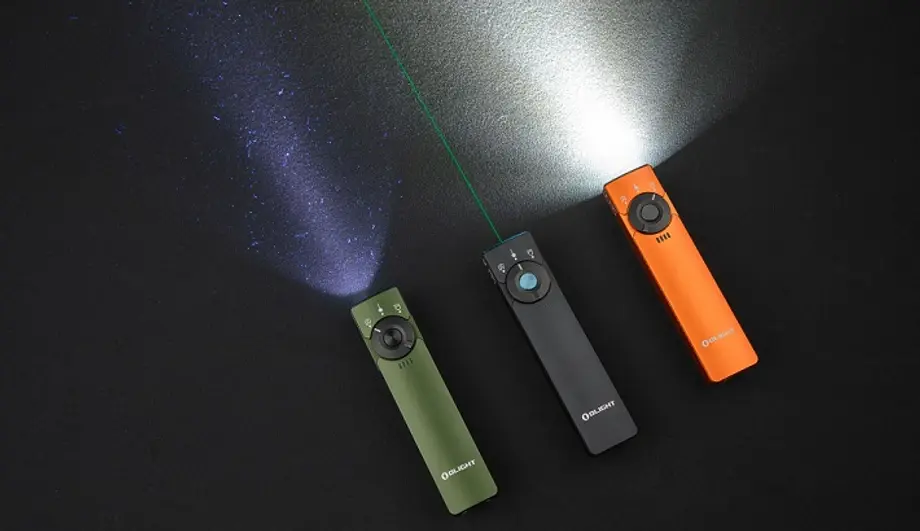
These hybrid lights blend two technologies that operate side by side, making them versatile enough to serve as an EDC flashlight for everyday carry. The flashlight portion uses an LED paired with a reflector or lens to throw out either a wide flood of light or a tighter spotlight, handy whether you’re checking a breaker panel during a storm or navigating a dark trail. Most run on rechargeable batteries now, though some still take common disposables. The laser module works differently. It relies on a tiny laser diode, usually red or green, that projects a crisp, narrow beam designed to stay sharp over long distances. That’s what lets you point out a roof vent during a home inspection or signal a friend across a campground without losing clarity.
Flashlight with Laser Pointer vs Standard Flashlight
A regular flashlight does one thing well: it lights up whatever’s in front of you. A hybrid flashlight with a laser pointer takes that basic idea and builds on it, giving you both illumination and a precise way to direct someone’s attention. The difference becomes obvious the moment you need to point out a specific roof shingle during a home inspection or highlight a trail marker across a campsite at night.
Purpose and Everyday Use
A standard flashlight is strictly for lighting dark spaces. A flashlight with a laser pointer, on the other hand, doubles as a small multi-tool. Olight flashlight in this category can brighten a basement corner, call out a specific bolt during a repair, guide someone through a presentation, or even keep your cat entertained. It’s the kind of thing people end up using more often than they expect.
Precision Targeting
Because a flashlight beam widens as it travels, it’s not great for pointing out details at a distance. That’s where the laser comes in. A green or red laser stays tight and crisp, letting you mark something clearly from dozens, even hundreds of feet away. It’s incredibly useful for outdoor signaling, remote instruction, or any situation where accuracy matters.
Clear Visual Guidance
One of the biggest perks of a laser-equipped light is communication. Instead of trying to verbally describe “the third bracket from the left,” the laser lands exactly on the right spot. Whether you’re coordinating a job site, checking wiring in an attic, or directing a friend during a nighttime hike, the visual cue removes the guesswork and speeds things up.
Before choosing between the two, it helps to look at how a standard flashlight stacks up against a hybrid model. The differences become clear once you compare what each one can actually do in real world situations.
|
Feature |
Standard Flashlight |
Flashlight with Laser Pointer |
|
Main Function |
General illumination |
Illumination + precision targeting |
|
Purpose |
Lighting dark areas |
Lighting, presentations, inspections, signaling, pet play |
|
Targeting Ability |
Broad light beam, less precise |
Sharp laser point for accurate distance targeting |
|
Visual Guidance |
Relies on verbal direction |
Clear visual indicator for coordination and accuracy |
Whether you’re checking wiring in the garage, giving a talk at work, or directing someone during a night hike, a flashlight with a laser pointer brings more capability to the table. It’s a practical upgrade for anyone who wants a tool that handles more than simple illumination.
Key Features to Look for in a Flashlight with a Laser Pointer
Picking the right flashlight with a laser pointer is a little like choosing any good piece of everyday gear, because you want something that won’t let you down when you actually need it. Whether it’s for walking the dog after sunset, checking a fuse box during a blackout, or heading out on a weekend trip, a few core features make all the difference. Paying attention to these features also helps extend your flashlight's life, ensuring reliable performance for years to come.
Brightness Levels and Beam Distance
When you’re evaluating brightness, lumens tell you how much light the flashlight can put out. A well rounded EDC light should give you everything from a barely there moonlight mode, useful when you’re rifling through a backpack on a red eye flight, to a full power Turbo mode (1,000+ lumens) for scanning a large yard or trail at night. The beam distance is just as important, since it tells you how far the light can reach without fading into a dull glow. If you live in a rural area or often explore wide open spaces, a longer throw can be incredibly useful. Even in city environments, having a strong, focused beam helps when you’re navigating dark parking structures or dim stairwells.
Laser Type and Safety Rating
The laser component typically comes in either red or green, but green is the go to for most people, it’s four to five times more visible to the human eye, especially during daylight. That makes a difference if you’re pointing out a feature on a roof during a home inspection or signaling across a campsite. Always check the Class rating printed on the device. Consumer models in the US generally stay at Class 3R or lower, which is safe for responsible everyday use. Anything beyond that needs careful handling and is usually intended for industry professionals. It’s worth remembering that lasers, even low-powered ones, should never be treated like toys, especially around kids or pets.
Battery Performance and Runtime
Rechargeable batteries are almost standard now, and for good reason, they’re more reliable, easier on the wallet long-term, and better for the environment. Higher mAh capacity translates to longer runtime, which matters if you bring your flashlight on road trips or stash one in your emergency kit. Some people prefer lights with USB-C charging because it’s the same cable used for most modern devices. Others like removable batteries so they can carry a spare. Either way, always check the runtime chart to see how long the light lasts on the settings you’ll actually use, not just the advertised “maximum” number.
Ease of Operation and Control Buttons
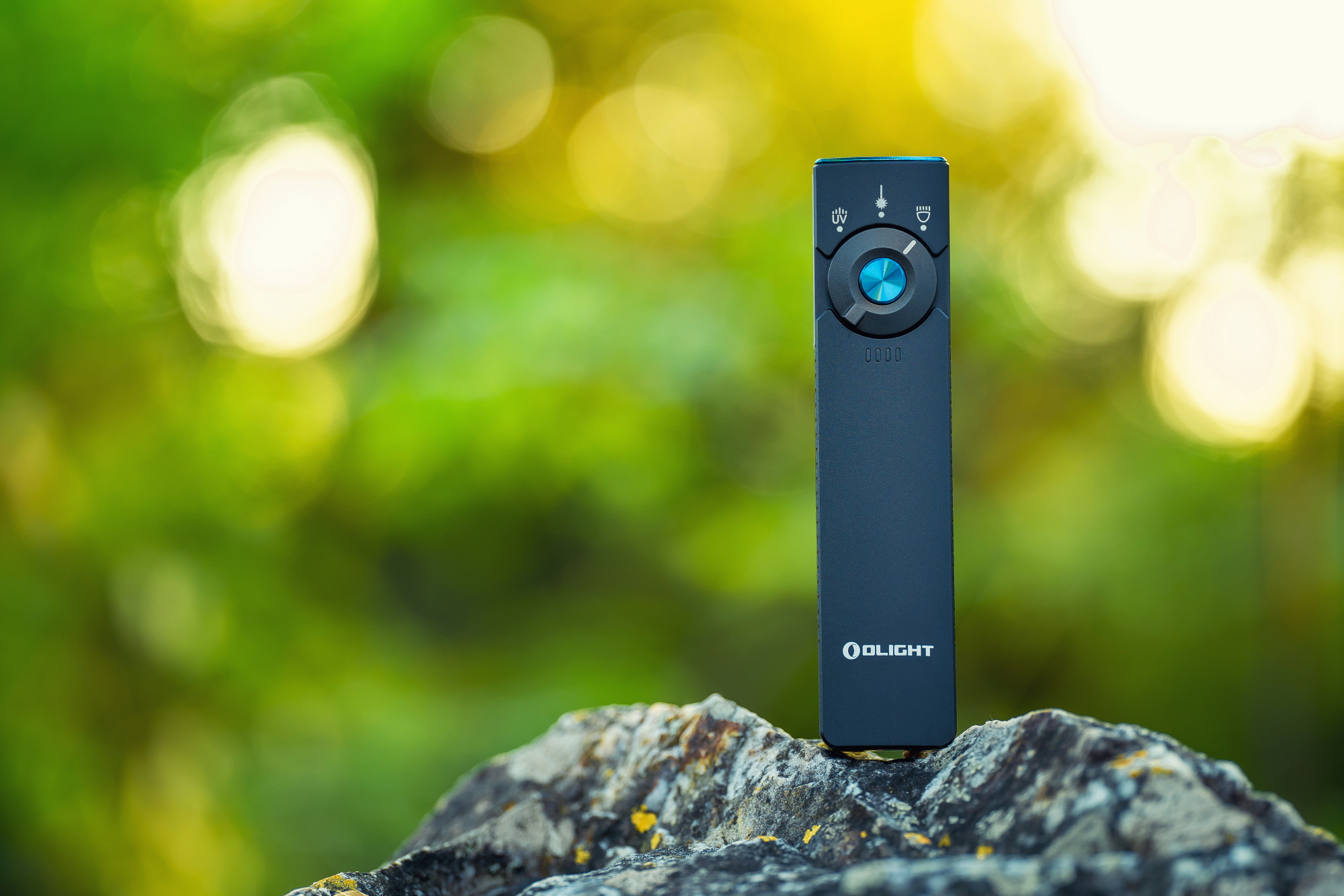
A laser equipped flashlight should feel intuitive the moment you pick it up. If you have to stop and think about which button does what, that’s a problem, especially if you’re using the light in a stressful or low-visibility situation. The best models have distinct buttons or a rotating selector wheel so you can switch between modes without hesitation. That’s useful whether you’re inside a dim basement, navigating a trail, or trying to point out a specific item during a work presentation. A good UI also reduces the chances of accidentally switching on the laser when you meant to activate the flashlight, which keeps things safer for everyone around you.
Build Quality and IP Rating
Durability is one of the biggest factors that separate a cheap impulse buy from a tool you’ll trust for years. Most premium lights use aircraft-grade aluminum that resists drops, scratches, and the kind of knocks that happen when you toss your gear into a hiking pack or glove box. The IP rating tells you how well the light resists dust and moisture. If you live somewhere with unpredictable weather, say, the Pacific Northwest, or you often use your gear around water, a higher rating (like IPX7 or IPX8) is worth paying for. It’s the difference between a light that survives a rainstorm and one that doesn’t make it past its first camping trip.
Top Picks for Handheld Flashlights with Laser Pointer
When you start comparing flashlight-and-laser combinations, Olight consistently rises to the top, especially among everyday carry fans in the US. Their flat, pocket-friendly designs have become almost a signature style, easy to slip into jeans, a jacket pocket, or the side pouch of a backpack without that bulky cylinder shape most lights still use. If you’re looking for something practical enough for daily use but strong enough for work, travel, or outdoor weekends, these are the models worth paying attention to.
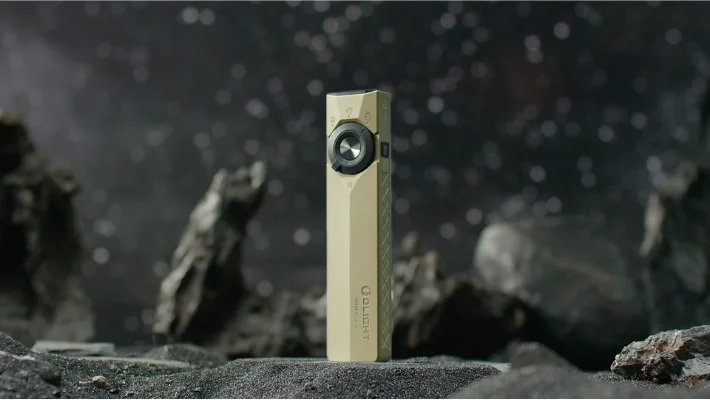
Best Multi EDC Flashlight With Laser Pointer: Olight ArkPro and ArkPro Ultra
1. Olight ArkPro
The ArkPro is one of those lights that surprises you with how much is packed inside its slim frame. It’s essentially four tools in one: a 1500-lumen floodlight for wide, even lighting; an 800-lumen spotlight with an impressive 205-meter throw; a UV light for inspections; and a fully independent green laser. Because of its flat profile, it disappears into a pocket and doesn’t feel awkward when sitting or walking, which is great for commutes, travel days, or keeping it clipped inside a work vest.
What really sets it apart is how usable it is in real moments. The magnetic base and two way clip make it easy to attach the light to a metal surface, a toolbox, or even the bill of a hat for hands free work. A dedicated green-laser button means you’re never guessing which mode you’re activating, and the lockout indicator helps prevent accidental activation in a backpack or glove compartment.
2. Olight ArkPro Ultra
The ArkPro Ultra builds on everything the ArkPro does well and pushes it further. You get a 1700-lumen flood, an 800-lumen spotlight, UV capability, and the same crisp green laser, all in a durable aluminum body that feels ready for tougher jobs. With seven total configurations, it works just as well for nighttime equipment checks as it does for signaling during outdoor trips or walkthroughs on job sites.
Convenience is another strong point. Dual USB-C and magnetic charging make it easy to top off no matter where you are, whether that's in an RV, at the shop, or plugged into a power bank during a camping trip. The 14-day maximum runtime is particularly useful for people who don’t want to babysit their gear. The flat profile, magnetic base, and rotating switch give it that “always ready” feel, whether you’re handling machinery or stepping into a meeting where you’ll need a laser pointer.
Best for Streamlined EDC Flashlight: Olight Arkfeld
1. Olight Arkfeld Pro
The Arkfeld Pro is a compact three-in-one tool, white light, UV, and a Class 3R green laser, built into a slim body that feels more like a pocket knife than a traditional flashlight. Its 1300-lumen output gives you enough power for nighttime walks, working under the hood of a car, or lighting up a tent site. Meanwhile, the UV light and laser add a surprising amount of versatility, especially if you handle documents, do home inspections, or simply want a reliable pointer for presentations or pet play.
Running on a 1500mAh Li-Po battery, it delivers up to 11 days of runtime, which is a lifesaver during camping trips, long work weeks, or emergency situations. Mode selection is handled by a smooth rotating switch, making it easy to change settings even when wearing gloves or working in the cold.
2. Olight Arkfeld
The standard Arkfeld keeps things simple but highly functional. It offers five white light levels up to 1000 lumens and a Class 1 green laser that stays within safe, low power limits, which is ideal for everyday use around the home or office. At just 3.07 ounces and under 0.6 inches thick, it’s one of the most comfortable lights to carry every day. You can slip it into a pocket next to your phone without noticing the weight, making it a favorite among people who want reliable lighting but don’t want to feel like they’re carrying a tool. The secure pocket clip and magnetic tailcap add a lot of flexibility, perfect for quick repairs in the garage, lighting up a fuse box during a storm, or attaching the light to a metal surface while you work with both hands.
For hands free moments, like tightening a bolt under the sink or sorting through boxes in the garage, the Arkfeld’s design really pays off. The secure pocket clip lets you latch it onto a shirt, jacket, or backpack strap without worrying about it slipping loose, and the magnetic tailcap makes it easy to stick the light onto any metal surface. Below is a quick look at how each model compares, so you can pick the one that best fits your daily use, work needs, or the kind of outdoor activities you enjoy.
|
Model |
White Light (Flood/Spot) |
UV Light |
Laser Pointer |
Best For |
|
Olight ArkPro |
1500 lm flood / 800 lm spot (205m range) |
Yes |
Green laser (independent control) |
Multi-functional EDC, light travel |
|
Olight ArkPro Ultra |
1700 lm flood / 800 lm spot |
Yes |
Green laser |
Site inspection, outdoor signaling |
|
Olight Arkfeld Pro |
1300 lm white |
Yes |
Class 3R green laser |
Daily use, presentations, pet play |
|
Olight Arkfeld |
Up to 1000 lm (five levels) |
No |
Class 1 green laser (≤0.39mW) |
Lightweight everyday carry |
Tips for Using Laser-Equipped Flashlights Safety
Flashlights with built in lasers are incredibly handy, but the laser component deserves careful handling. Treat it the same way you would any precision tool, useful when respected, risky when taken lightly. A few basic safety habits go a long way toward keeping everyone protected, whether you’re using the light on a job site, around the house, or out on a weekend trip.
1. Keep It Away from Eye Level
Never aim the laser at a person or animal, even for a split second. The beam is far more concentrated than a regular flashlight and can cause temporary flash blindness, and in rare cases, permanent eye injury. This is especially important for parents who hand these lights to kids during playtime, lasers can be fun for chasing pets around, but they still need adult supervision. Even a low power beam can be stronger than you expect when it hits someone’s line of sight.
2. Be Aware of Power Levels
Most consumer lasers sold in the US fall under Class 3R or lower, meaning they meet federal safety guidelines. Still, that doesn’t make them harmless. A Class 3R beam is strong enough to cause discomfort, distract a driver, or create a dangerous moment if pointed in the wrong direction. If you ever upgrade to a higher powered model, often used by contractors or outdoor professionals, treat it with the same caution you would any precision tool. These beams can travel long distances with far more intensity than people realize.
3. Handle with Care
A good rule of thumb: treat the laser the same way you treat a power tool. If your flashlight includes a lockout mode, get in the habit of turning it on before tossing the light into a backpack, purse, or glove compartment. That small step prevents accidental activation and protects anyone who might pick up the device. Models with clearly separated buttons for the flashlight and laser also help prevent mistakes, especially when you’re working in low light situations or wearing gloves.
4. Avoid Reflective Surfaces
A laser beam can bounce off reflective surfaces, such as mirrors, stainless steel appliances, glass doors, even a shiny car bumper. When it does, the reflection can send the beam in a completely unexpected direction. Always be aware of your surroundings when using the laser, particularly indoors. A harmless point on a window can turn into a stray reflection that reaches someone across the room.
5. Store Securely When Not in Use
When you’re finished, store the flashlight somewhere out of easy reach. High shelves, lockable drawers, or a dedicated gear box work well, especially in homes with kids. Someone unfamiliar with laser safety might treat it like a toy, and that’s when accidents happen. Keeping the device stored properly not only protects others but also helps preserve the flashlight itself from unnecessary wear.
Frequently Asked Questions (FAQ)
1. How far does a laser beam reach?
A well collimated laser beam, especially a bright green one, can travel surprisingly far. On a clear night without much haze or city glow, you can often see the beam land on objects hundreds of feet away, sometimes even farther if you’re in wide open areas like a field or a large backyard. In rural regions or high elevation spots where the air is cleaner, the beam can reach well past what you’d expect, making it useful for signaling or pointing out distant landmarks.
2. Are laser pointer flashlights legal to carry?
In the United States yes, carrying a flashlight with a laser pointer is generally legal as long as the laser stays within federal safety limits, which typically means Class 3R or below. These are the same limits placed on most consumer laser products, from presentation pointers to pet toys. What is taken very seriously is how you use it. Pointing a laser at an aircraft, vehicle, or law enforcement officer is a federal offense and can lead to heavy fines or even felony charges. Police departments and the FAA regularly issue warnings about misuse, so the safest rule is simple: treat the laser with respect and never aim it at anything you wouldn’t want aimed back at you.
3. What kind of batteries go in flashlight with laser pointer
Most modern, higher end models use rechargeable lithium-ion batteries because they offer excellent power output in a compact size. Some use proprietary cells designed specifically for the light, while others rely on built in lithium polymer packs that charge via USB-C. Either way, these rechargeable options provide far better runtime than old-school alkaline batteries. They’re also more convenient, many people just plug their flashlight into the same charger they use for their phone or power bank, especially during camping trips or emergency prep.
Conclusion
Flashlights have come a long way from the bulky metal tubes most of us grew up with. Today’s models are lighter, smarter, and far more versatile, and the versions that pair bright illumination with a built-in laser pointer highlight the Advantages Of LED Flashlight Laser Pointer Combo in real-world use. Whether you’re heading out for a weekend hike, checking equipment at work, giving a quick presentation, or just trying to navigate a dark garage during a power outage, the combination of a strong light and a precise laser makes everyday tasks a little easier.
The 2026 lineup offers plenty of solid choices, each geared toward different lifestyles, from casual everyday carry to more technical, inspection focused use. Take a little time to consider how and where you’ll use yours, and you’ll have no trouble finding a model that fits right into your routine. With the right flashlight in your pocket or glove compartment, you’ll always have a dependable tool ready when the moment calls for it. Ready to upgrade your EDC? Explore Olight's innovative collection of laser-equipped flashlights today.