TL;DR:
A professional hand crank flashlight is a critical resource for long-term grid-down scenarios, converting mechanical energy into light via Faraday’s Law. Unlike standard batteries that expire, these self-sustaining tools ensure absolute readiness during natural disasters. This guide evaluates top 2026 models, highlighting dynamo efficiency and the necessity of a tiered emergency kit featuring high-output tools like the Olight Baton 4 Pro. Invest in mechanical reliability to guarantee situational awareness when external power infrastructure fails.
When the power grids fail and local infrastructure shuts down, reliable lighting becomes your most critical resource. Standard battery-powered flashlights are excellent, but they have a fatal flaw: they rely on external power sources that will eventually deplete, leaving you vulnerable in extended crises. In a long-term grid-down scenario—whether caused by a massive geomagnetic storm, cyber-infrastructure failure, or extreme weather—a hand crank flashlight serves as an indispensable fail-safe. By converting physical human energy into electrical energy, these self-sustaining tools guarantee that you will never be left completely in the dark. This is the ultimate insurance policy for your survival strategy, a tool that transcends the shelf-life of chemicals and the availability of the electrical socket.
This guide evaluates the best hand crank emergency flashlight options for 2026, explains the technical mechanics of mechanical power generation, and outlines how to integrate these tools into a professional-grade emergency kit. We will explore the physics of kinetic energy storage and why a tiered approach to lighting is the only way to ensure 100% readiness in the face of the unknown.
M Table of Contents
1. What Is a Hand Crank Flashlight & How It Works
A hand crank flashlight is a self-powered illumination device that uses mechanical energy to generate electricity. Instead of relying solely on pre-charged disposable or internal batteries, the user manually turns a built-in lever to power the light. This tool is a literal translation of human effort into visible photons.
The system operates via Faraday’s Law of Electromagnetic Induction. When you turn the crank, you spin an internal armature—a coil of copper wire—within a powerful magnetic field. As the wire cuts through magnetic flux lines, it induces an electromotive force (EMF), creating an electrical current. Because the rotation produces Alternating Current (AC), the device must use a bridge rectifier to convert it into Direct Current (DC), which is then stored in an internal medium to power the high-efficiency LED emitters.
Dynamo vs. Rechargeable Battery-Backup Models
To choose the correct tool, you must understand the storage medium. In 2026, emergency lights utilize two distinct technical architectures:
- Pure Dynamo/Capacitor Systems: These models eschew chemical batteries entirely. Instead, they store electricity in a high-capacity capacitor. The advantage is infinite longevity; capacitors do not suffer from the chemical degradation, leaking, or capacity loss that plagues batteries over years of storage. They are also virtually immune to extreme temperature fluctuations. The trade-off is a very short runtime per crank cycle (usually under 15 minutes of low light).
- Rechargeable Battery-Backup Systems: These devices channel the mechanical current into an internal rechargeable battery, such as Lithium-Ion or NiMH. They provide the benefit of much longer runtimes and often feature secondary charging inputs like USB or integrated solar panels. While they offer more "buffer" power, the chemical batteries will eventually degrade over a 10-year period of non-use, necessitating periodic maintenance charges to keep the cells healthy.
2. Why Keep a Hand Crank Flashlight for Emergencies
Power Outages, Natural Disasters, and Off-Grid Use
Extreme weather events, such as hurricanes, blizzards, and severe storms, can disable municipal power grids for days or even weeks. In these scenarios, the fragility of the modern supply chain becomes painfully obvious. Finding fresh disposable batteries is often impossible as stores close and transport routes are blocked. A hand crank flashlight removes you from this dependency, ensuring you have a reliable way to navigate pitch-black environments, locate supplies, and signal for help without relying on external utilities or a functioning retail market.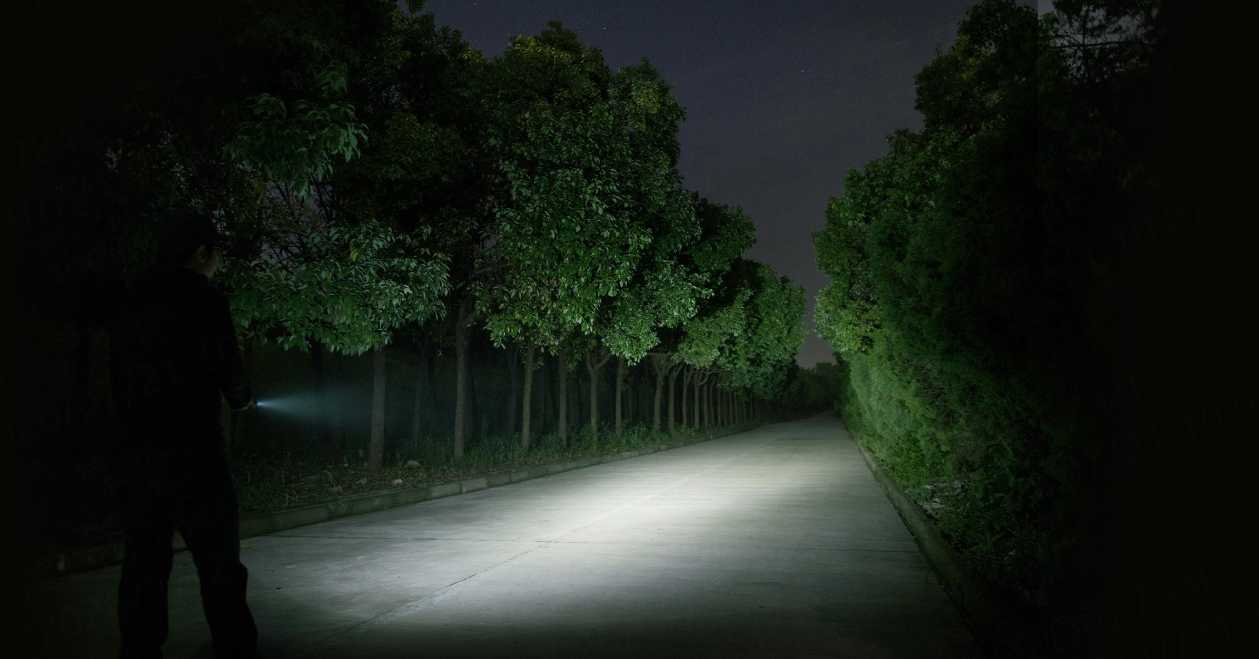
No Batteries, No Expiry — Long-Term Reliability
Standard alkaline batteries are a liability for long-term storage; they are prone to "outgassing" and leaking corrosive potassium hydroxide, which can destroy the internal contacts of an expensive flashlight. Even high-end lithium batteries have a shelf life—usually around 10 to 15 years. A mechanical hand-crank generator, however, remains fully functional whether it has been sitting in a vehicle glove compartment, an emergency bin, or a mountain cabin drawer for five weeks or five years. It is the ultimate "dark start" tool for your preparedness kit.
Furthermore, there is a psychological component to hand-crank tools. During a disaster, the feeling of total powerlessness can be overwhelming. Having a tool that allows you to "manufacture" your own safety through physical effort provides a small but significant psychological boost, reinforcing your agency and survival mindset in high-stress situations.
3. What to Look for Before Buying
Not all mechanical flashlights are created equal. To avoid purchasing a "toy" that fails when you need it most, evaluate these critical technical parameters:
- Crank-to-Runtime Ratio: This is the primary indicator of efficiency. Low-efficiency models require exhausting effort for very little return. High-efficiency models feature balanced gearboxes—often using reinforced nylon or metal gears—that yield 10 to 20 minutes of continuous, usable light from just 1 minute of steady cranking (at approximately 120 RPM).
- Additional Survival Integration:
- Emergency Radio (NOAA): Monitoring weather alerts and evacuation instructions is essential for survival.
- USB Power Bank: The ability to crank power into a dead smartphone to send a critical "I am safe" text can be a lifesaver.
- SOS Modes: A high-visibility flashing mode conserves energy while significantly increasing your signal distance for search teams.
- Solar Redundancy: A secondary photovoltaic panel allows the unit to trickle-charge passively during the day, saving your physical energy for other tasks.
- Material Durability: Emergency situations are often wet, dirty, and chaotic. Look for units constructed from high-impact ABS plastic or polycarbonate. Ensure the light carries at least an IPX4 water-resistance rating to withstand heavy rain and splashing water without compromising the internal dynamo.
4. Top Picks for Emergency Preparedness
While hand crank flashlights are unmatched for absolute backup reliability, their mechanical limitations mean they cannot match the brightness or throw of professional EDC lights. For high-output tasks—such as clearing a large outdoor area or identifying a distant threat—your primary kit should feature a powerful rechargeable flashlight like the Baton 4 Pro Compact Flashlight, which offers up to 1,600 lumens and a 200-meter throw. This ensures you have both peak tactical output and a mechanical fallback when recharging is impossible.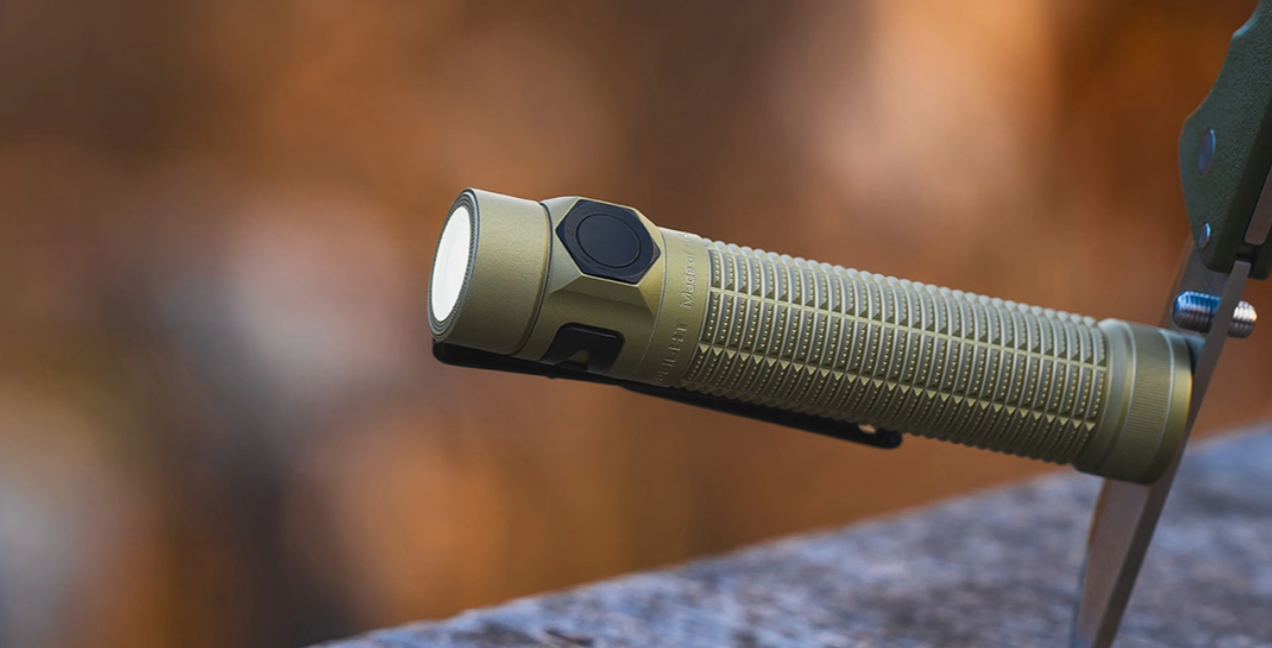
5. Do Hand Crank Flashlights Actually Work?
Lumens Output vs. Cranking Effort
It is essential to understand the physics of human-powered energy. A hand crank flashlight will not replace a high-performance searchlight. Manual human cranking generates limited wattage—generating 5 watts of continuous power through hand cranking is physically exhausting over long periods. As a result, most hand-crank lights operate between 10 to 50 lumens. While this is inadequate for lighting up an entire field, it is perfectly sufficient for reading medical instructions, setting up a tent, or safely navigating a dark hallway.
Operational Strategy:
Use your high-output primary flashlights for demanding tasks that require maximum visibility. Reserve the hand crank light for low-intensity ambient illumination, radio monitoring, and the ultimate "emergency of last resort" when all other batteries have failed.
6. Building a Professional Emergency Light Kit
A professional emergency lighting strategy relies on a tiered system. No single flashlight can handle every crisis scenario perfectly. In a long-term grid-down event, redundancy is your best friend. By diversifying your power sources—lithium batteries, replaceable alkaline cells, and mechanical dynamos—you eliminate "Single Points of Failure."
The Tiered Illumination Protocol
Tier 1: Tactical Search (Primary) - Baton 4 Pro. For threat assessment and long-range navigation.
Tier 2: Ambient Utility (Headlamps) - Hands-free light for cooking, first-aid, and mechanical repairs.
Tier 3: Constant Readiness (Keychain) - i3E EOS. Ultra-compact, AAA-powered light that stays on your person 24/7.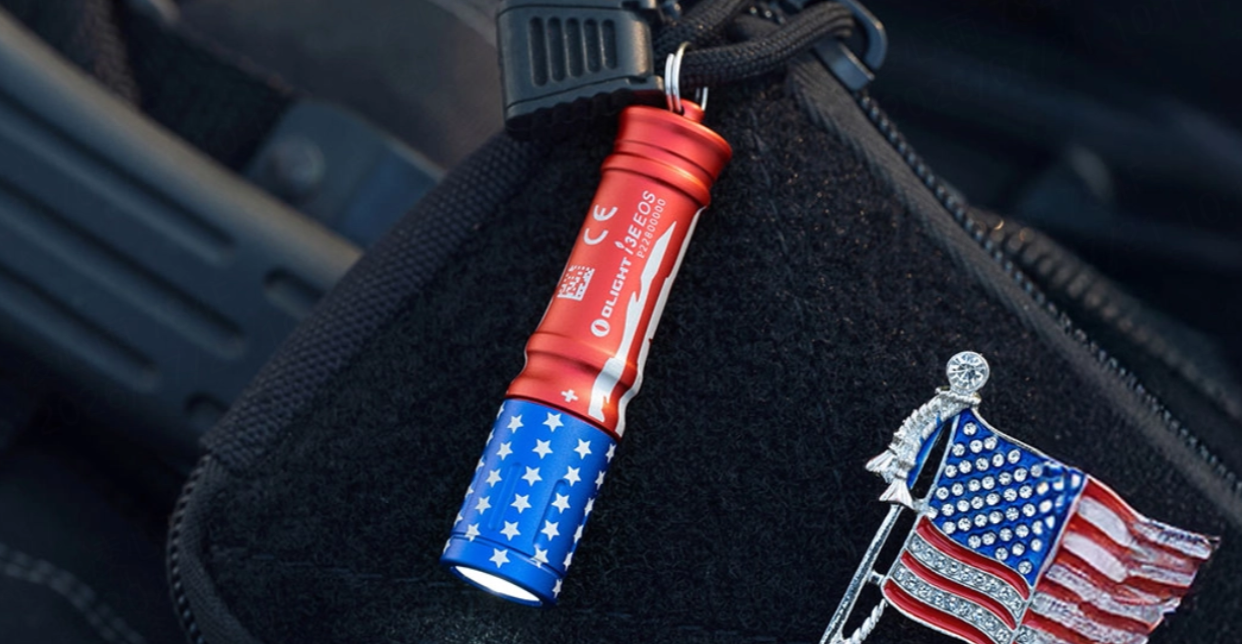
Tier 4: Mechanical Fail-Safe - Hand crank flashlight. To guarantee light even if batteries are exhausted for months.
By pairing a high-capacity rechargeable light like the Baton 4 Pro—which can run for up to 100 days in moonlight mode—with a mechanical hand-crank light, you achieve a level of preparedness that can handle both a short-term blackout and a multi-month societal disruption. This synergy ensures you have the power for high-stakes outdoor searching when needed, but also the self-sufficiency of battery-free light for long-term endurance.
7. Technical FAQ
How long does 1 minute of cranking actually last?
On a high-quality model, 1 minute of steady cranking yields approximately 10 to 15 minutes of low-power light. In contrast, cheap "bargain" units often use low-efficiency alternators that might only provide 3 minutes of flickering light for the same effort. Efficiency is the difference between survival and exhaustion.
Are these lights vulnerable to EMP (Electromagnetic Pulses)?
Pure mechanical dynamo flashlights without complex computer drivers are among the most EMP-resilient electronics. While an extreme EMP could potentially damage a sensitive LED emitter, the mechanical power generation system itself is fundamentally robust. Storing your hand-crank light in a simple Faraday bag provides 100% protection.
Can I charge a dead laptop with a hand crank light?
No. Laptops require much more wattage than a human hand can generate. Hand crank devices are designed to charge small, low-drain electronics like basic cellphones or emergency radios. Attempting to charge large devices will likely strip the gears of the generator.