TL;DR:
Flashlight collecting is a multi-faceted hobby merging tactical utility with advanced material science. This guide details building a world-class collection, contrasting classic models with limited-edition releases featuring titanium and copper metallurgy. By mastering technical specs like CRI and TIR optics, and implementing rigorous battery maintenance, beginners can transform simple tools into high-value assets within the global EDC enthusiast community, ensuring preparedness and engineering appreciation for 2026 and beyond.
M Collector's Compendium Navigation
Why People Collect Flashlights
The hobby value of flashlight collecting
Flashlight collecting offers a rewarding pursuit that combines functional preparedness with the intense joy of collecting curated gear. Unlike stationary collectibles, every piece in a flashlight collection serves a vital practical purpose. Whether navigating backcountry trails, managing a suburban power outage, or conducting professional search-and-rescue operations, a collector possesses a tool designed for optimal performance under specific conditions. The satisfaction of the hobby comes from the "Tactical Readiness" it provides—the comfort of knowing you have the right tool for any unforeseen crisis. Furthermore, this preparedness fosters a profound sense of self-reliance, transforming an ordinary hobby into an active lifestyle of hazard mitigation and environmental adaptation. Collectors take great pride in selecting devices that feature waterproof IPX8 ratings and drop-tested durability, ensuring that their curated gear remains operational when life-safety scenarios demand absolute dependability.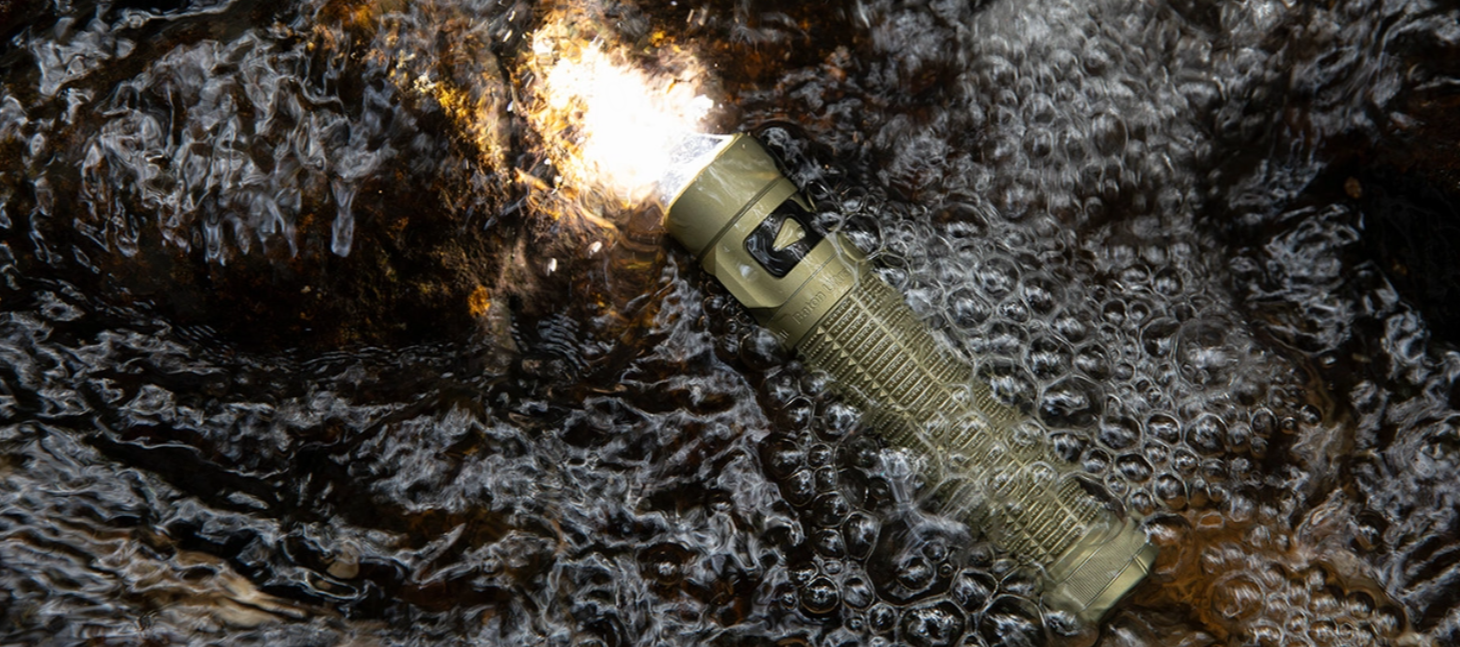
Collectors enjoy matching specific lights to designated tasks, such as finding the ideal balance of throw (luminous intensity) and flood (luminous flux) for a canyon hike. This pursuit of the "Perfect Beam" involves understanding the Kelvin scale, where warm tints (3000K) provide comfort and contrast in fog, while cool tints (6500K) provide maximum perceived brightness for urban search.
Mechanical Engineering & Design Appreciation
Modern collectible flashlights are marvels of the CNC (Computer Numerical Control) era. High-end enthusiasts dissect the quality of a light by examining its manufacturing tolerances. A well-machined flashlight features square-cut threads that prevent cross-threading, heavy-duty springs that maintain electrical contact during recoil, and knurling patterns that balance tactile grip with pocket comfort.
- The Metallurgy of Lux: Collectors seek out Aerospace-grade 6061-T6 aluminum for its weight, C11000 Pure Copper for its unparalleled thermal conductivity and natural patina, and Grade 5 Titanium for its corrosion resistance and "heirloom" status.
- Photon Management (Optics): The transition from standard reflectors to TIR (Total Internal Reflection) optics represents a leap in engineering. TIR lenses use a solid acrylic structure to capture and direct nearly 100% of the light emitted by the LED, resulting in a cleaner beam with fewer artifacts.
- Driver Intelligence: Collectors value "Buck-Boost" drivers which use sophisticated inductors to regulate voltage. This ensures the flashlight stays at a constant brightness even as the battery depletes, avoiding the "dimming effect" found in cheaper department store lights.
- Thermal Dissipation: Managing 4,000 lumens in a hand-held device generates immense heat. Collectible lights feature deep fins and active thermal throttling algorithms that protect the semiconductor from burning out.
Rarity and The Scarcity Psychological Trigger
acquisition of limited-edition models drives a significant portion of the community growth. Manufacturers often release established models in restricted production runs featuring unique anodizing patterns, intricate laser engravings, or "Timascus" builds. Owning a limited-run piece creates a sense of historical continuity. These models are highly sought after because they represent a specific moment in a brand’s history—once they are gone, they are only available on secondary markets where values can triple overnight.
Classic Flashlights vs. Limited-Edition Models
Defining the Classic: The Foundation of Any Kit
A classic collectible flashlight is defined by its reliability, historical significance, and widespread adoption. These are the baseline models that set industry standards for interface design (UI) and battery compatibility. Usually constructed from hard-anodized Type III aluminum, these lights are built for the field. They survive 2-meter drops on concrete and submersion in rivers. For a collector, these serve as the "Reference Point"—they demonstrate the core technology of a brand without unnecessary embellishments, allowing the user to appreciate the raw engineering progression. Over decades, these classics establish a legacy of performance that forms the benchmark against which all exotic custom models are measured. They represent the pure, unadulterated soul of tactical and utility illumination, relying on rock-solid mechanical reliability rather than aesthetic flair.
The Prestige of Limited Metallurgical Releases
Limited-edition lights are distinct artistic expressions of metallurgy. Exotic Metallurgy is the primary draw; raw copper creates a unique patina that oxidizes over time, physically recording the history of the owner's usage. Titanium releases offer a superior strength-to-weight ratio and are often "Flamed" or PVD-coated into spectacular colorways. Furthermore, these lights often feature High-CRI (Color Rendering Index) emitters. High CRI (90+) is vital for professional wilderness use because it renders red and brown tones accurately—allowing a hiker to distinguish between a brown leaf and a camouflaged snake in the dark.
Olight Exclusive & Limited Editions
Olight has redefined the collecting community by blending high-performance hardware with fashion-forward "Drops." This strategy has created a dedicated secondary market and a "completionist" culture among enthusiasts. Two iconic platforms define Olight’s mastery of this segment: the i3E EOS and the Baton 4 Pro.

i3E EOS Keychain Flashlight
The ultimate everyday carry keychain companion. Featuring an incredibly compact form factor, exceptional anodized colorways, and a high-performance PMMA TIR lens for a smooth, balanced beam.
Legendary Rare Editions:
- Dream Blue, OD Green & Patriotic Editions
- Stars & Stripes Anniversary Collectibles
- Exotic Metals: Solid Brass & Copper Series
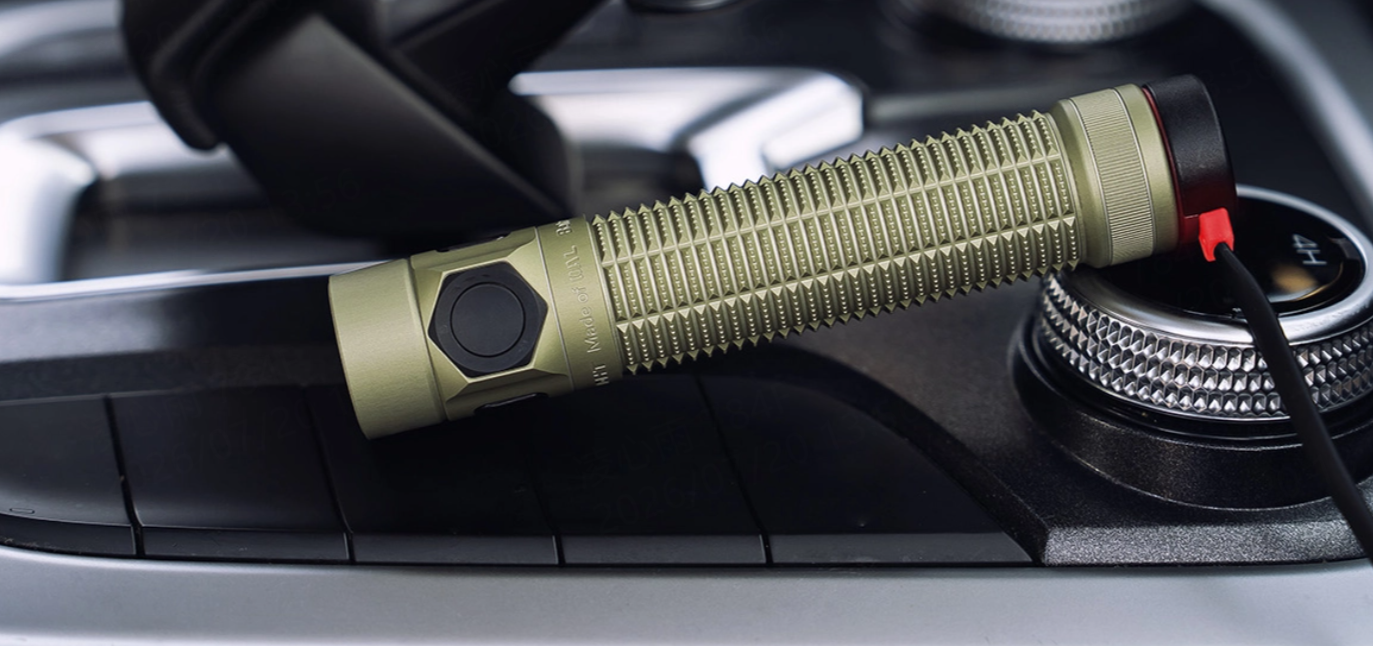
Baton 4 Pro Premium EDC
The standard for premium compact EDC performance. Merging high-output efficiency with advanced interface engineering, dual-color indicators, and ultra-robust metallurgical design.
Collector-Grade Finishes:
- High-End Timascus & Zircuti Boutique Runs
- Laser-Etched Circuit Tree Aesthetics
- Tactical Matte Orange & OD Green Finishes
Olight elevates standard lighting tools through Precision Laser Micro-perforation, a process that creates thousands of tiny holes to allow light from battery indicators to shine through without compromising the unibody's water resistance. These functional finishes are combined with Multi-color Anodizing schemes—like the topographic or autumn gradient patterns—ensuring that every light is not just a tool, but a piece of industrial art. Once a milestone batch sells out, Olight’s adherence to "batch scarcity" means these pieces become "Grails" for future collectors. This scarcity creates a vibrant collector economy where dynamic colorways, custom pocket clips, and specialized packaging make every unboxing experience highly memorable, driving substantial organic engagement across social media channels and specialty enthusiast forums globally.
How to Start Your Flashlight Collection
Starting a collection as a beginner can be overwhelming due to the vast technical options. The most successful collectors follow a "Utility First" philosophy. Begin by acquiring a high-quality gateway light that serves your daily routine. If you prioritize keychain readiness, the i3E EOS is the gold standard. If you want to explore the power of modern 18650 cells and dual-switch interfaces, the Baton 4 Pro is an ideal entry point. This strategic starting method prevents buyer's remorse and allows you to understand your personal preferences regarding beam profile, color temperature, and user interfaces before investing in expensive custom builds or limited-edition precious metals.
Professional Preservation Protocols
To maintain the value and operational status of your collection, follow these maintenance rules:
- Lithium Electrochemistry: For lights with built-in or removable Li-ion cells, never store them at 0% or 100% for long periods. The "Hibernation Voltage" is approximately 3.7V to 3.8V (roughly 50% charge), which minimizes electrode stress and prevents capacity loss.
- Thread Tribology: Metal-on-metal threads require lubrication to prevent "Galling" (friction bonding). Use non-conductive, specialized silicone grease every 6 months to ensure the O-rings stay elastic and the tailcap rotation remains smooth.
(Source: NIST – Engineering Laboratory).
- Oxidation Logic: If you collect raw copper or brass, you must decide between a "Polished Look" and a "Natural Patina." Patina is a protective layer of oxidation that makes every light unique, whereas polishing requires specialized non-abrasive cleaners to maintain a mirror finish.
- Display Physics: Store your lights in a temperature-controlled environment. Extreme humidity (above 70%) can cause fungal growth on optical lens coatings, which permanently degrades the light output.
The Global Collector Community
Flashlight collecting is a deeply social hobby. Enthusiasts congregate on platforms like Reddit (r/flashlight) and Candlepowerforums to engage in "White Wall Hunting"—the obsessive comparison of beam tints, artifacts, and chromaticity. The community culture revolves around the "Pocket Dump" or "Everyday Carry (EDC)" photo, where users showcase how their light integrates with their watches and knives. Successful collectors stay ahead of the curve by participating in "Beta Testing" groups and monitoring manufacturer news feeds for exclusive "Flash Sales" that occur only once a year.
Technical FAQ for New Collectors
How many flashlights define a "serious" collection?
A collection is defined by its curation and appreciation of technology, not its volume. A thoughtful set could consist of just three high-quality pieces: an ultra-compact keychain light for readiness, a versatile EDC workhorse, and a dedicated searchlight. The quality of the components (drivers, emitters, and metallurgy) is far more important than owning dozens of low-grade lights.
What is the benefit of titanium over aluminum in a collection?
While aluminum is superior at dissipating heat, titanium offers "Permanent Durability." Grade 5 titanium is nearly twice as strong as aluminum, meaning it will not gouge or scratch from everyday pocket contact with keys. For collectors, titanium also offers a superior PVD or flamed finish that maintains its aesthetic value for decades, making it a true "heirloom" material.
Why is "Parasitic Drain" a concern for collectors?
Electronic switches use a tiny amount of current to "listen" for your button press even when the light is off. For collectors with many lights, this can slowly drain a battery to zero over 12-18 months. Professional collectors use "Mechanical Lockout" (slightly unscrewing the tailcap) to physically break the circuit and protect the battery's longevity.