


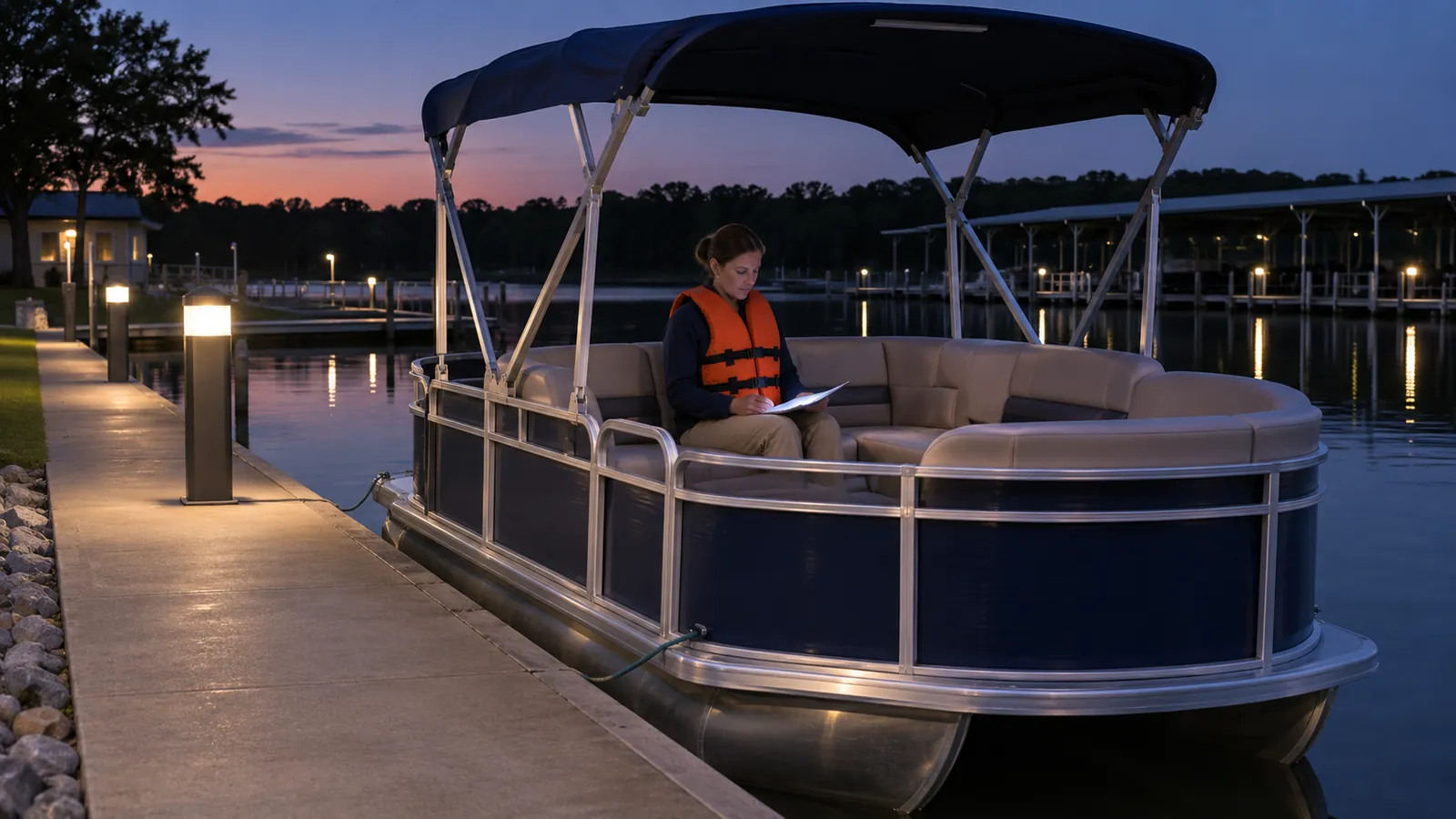
TL;DR: Use a headlamp for a close task only after the operator confirms the boat is secured. Choose enough light to read or put gear away, aim it at the work, and keep it separate from required vessel lights. If the exit or footing is hard to see, pause and ask for help.
📋 Table of Contents
- 1. Wait until the boat is secure before using a task light
- 2. Should you wear a headlamp on a boat at night?
- 3. What headlamp color is best for boating?
- 4. How do you avoid blinding other boaters with a headlamp?
- 5. Separate the dry task from the trip to the dock
- 6. Verify before you bring a light near water
- 7. Leave equipment problems for the person responsible
- 8. Frequently Asked Questions
Wait until the boat is secure before using a task light
| After-dark job | Which light to rely on |
|---|---|
| Keep the vessel visible as required | The operator maintains the required vessel lights |
| Read a checklist with both hands free | A headlamp aimed at the page from a stable position |
| Find one label near your seat | An appropriate handheld directed at the item |
| Reach the dock exit | The marina's approved route and lighting, with help when needed |
| Report an equipment or visibility problem | Pause and tell the operator where you are and what you can see |
A personal light can make a label easier to read after a boat has finished moving and the operator has confirmed it is secure. That leaves a clear distinction between the things a passenger can do and the work the operator or crew controls. Keep the boat's operating tasks and the route to the dock with the people responsible for them.
Ask where the operator wants you to wait before you open a bag or start looking for something. A seat in an approved area can keep your feet settled and give you a place for the gear. If you would have to stand near an edge or cross an area you cannot see, leave the task until the operator can help. More light can reveal a problem without making the position suitable for work.
The Oregon State Marine Board's docking etiquette guide stresses that people should understand their roles and that an operator should wait until a boat is safely alongside before directing someone to step ashore. Discuss the plan with the operator first. An ordinary passenger can help by staying where directed and letting them know if a light, bag, or blocked view could get in somebody's way.
Decide which items need to be found while the group is waiting. A phone, spare jacket, or checklist may be within reach from the place you're already using. Pass gear only when the operator directs you and you can do it safely. If the task can wait for the lit dock or another approved work area, leave it until the group is there.
Use the light and gear where they can be seen and put away. Keep bags and the light out of walking areas and away from openings. Make clear who still needs to see the dock route before anyone puts away the available light. A passenger who has finished reading may be ready to turn off a personal light while the marina's lighting remains in use.
Before a trip, let the operator show you the normal place to put everyday gear after the boat comes back. Keep important items and the light where you can reach them without looking through every bag. A passenger who knows which pocket contains a phone or keys may only need the room or dock light. If you have a longer checklist, plan to read it once you have a stable place to sit.
At a familiar marina in the afternoon, the operator can explain where people should wait if a return runs late. Use that information so you aren't making up a way to move around a dark boat. Ask who will call for help if the dock lighting is out. A clear meeting point ashore may make several passengers' tasks easier without asking anybody to add another light to the boat.
If the group has separate bags with similar colors, read a name or marking under the existing light when you put them away. That reduces the need to check every bag after dusk. Keep the lights and loose pieces together according to the equipment manual. The quiet work of choosing a spot for your own gear can make it easier to follow directions when other people are busy.
Should you wear a headlamp on a boat at night?
Wear a headlamp if the operator allows it for close work after the boat is secured. Aim it at the task, choose a usable setting, and switch it off when you finish. Keep the vessel's required lights and the route lighting in use, and follow the operator's instructions about where to stand.
A headlamp can be useful if you're seated and need both hands to open a bag or hold a page. Its beam follows your head. When you look up to talk, the beam can reach another person's line of sight. Check the angle before you switch it on and turn it off or aim it back at the task before turning toward someone.
If the work is only reading one label, a hand light may be enough. It can be easier to keep the beam on a small object while looking somewhere else. Use it from stable footing where one hand is available, and put it away before you need the hand for moving. The light should remain easy to reach without putting bags or loose gear in the way.
Put the headlamp on while the surroundings are already lit. Check how it sits with your jacket, hat, or other required gear. Try the controls where you can see them and learn what it does when it first turns on. If it shifts as you look down, adjust from the safe stop or use the established lighting instead.
Before the outing, try a paper checklist from an ordinary chair at home. Put on the same headwear you expect to use and see whether the headlamp stays aimed at the page without requiring repeated adjustment. Set the page down and practice putting the light away. This is a simple way to decide between a headlamp and a handheld before you pack.
Keep the light separate from personal protective equipment. Read the instructions for your gear and follow the operator's directions. The U.S. Coast Guard's life jacket guidance recommends wearing an appropriate approved life jacket on the water and checking fit and labeling. A body-worn light is a separate tool and has no effect on which life jacket is appropriate.
A headlamp can keep both hands available for a suitable close task. A compact flashlight can be helpful when you have one free hand and want a different angle. Use the form that suits the stopped task and the gear you already need. Take it off or put it away before it starts getting in the way.
Decide what you need your hands for before you select a light. You may want to hold a checklist with both hands while stopped, with the beam aimed at the paper. A headlamp suits that short task if it stays put. If the operator wants you to wait with your hands free for something else, put the checklist away and leave the task for a more suitable place.
A person sitting just across from you may have a different view of your lamp. Its light can seem aimed down to you while they are looking toward a reflection from the page. Ask whether the light is affecting the people within the task area. You can often move the paper closer to established light or shorten the task without changing what anyone else sees.

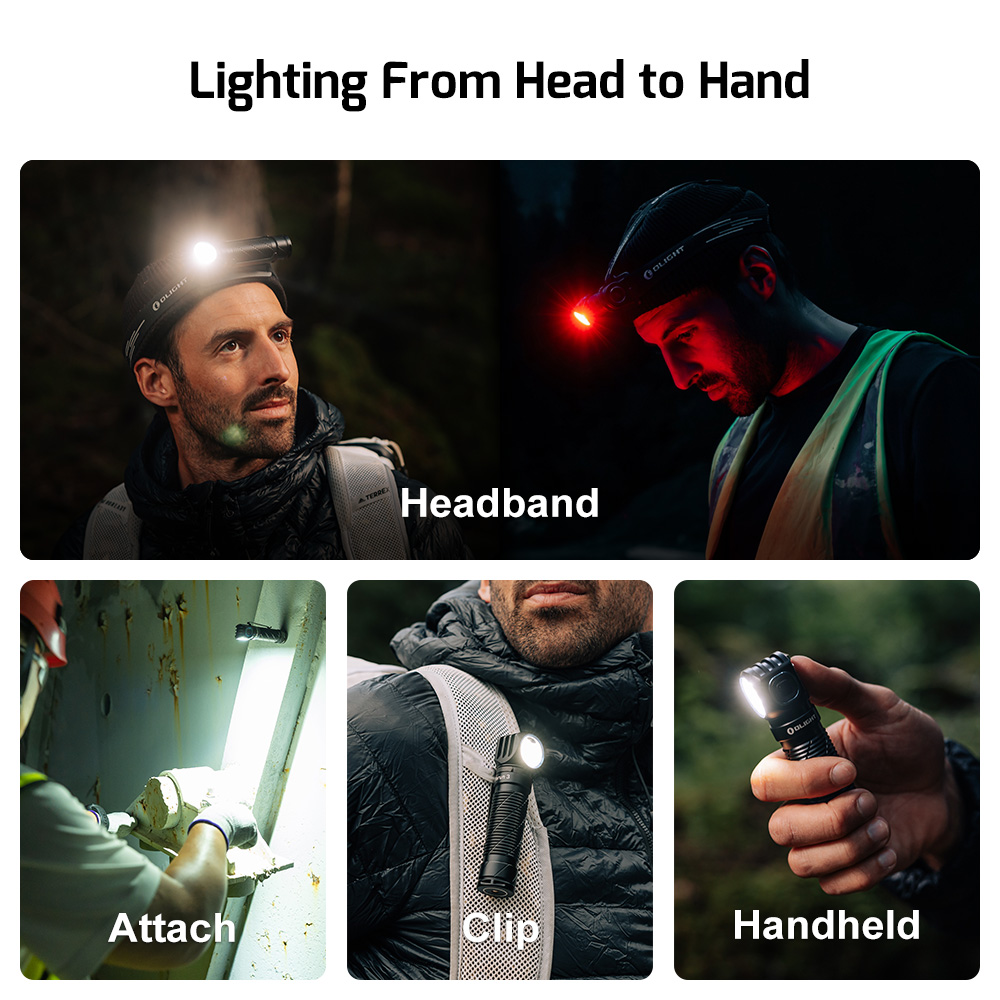
Compare the headband and handheld positions for a short, close task.
What headlamp color is best for boating?
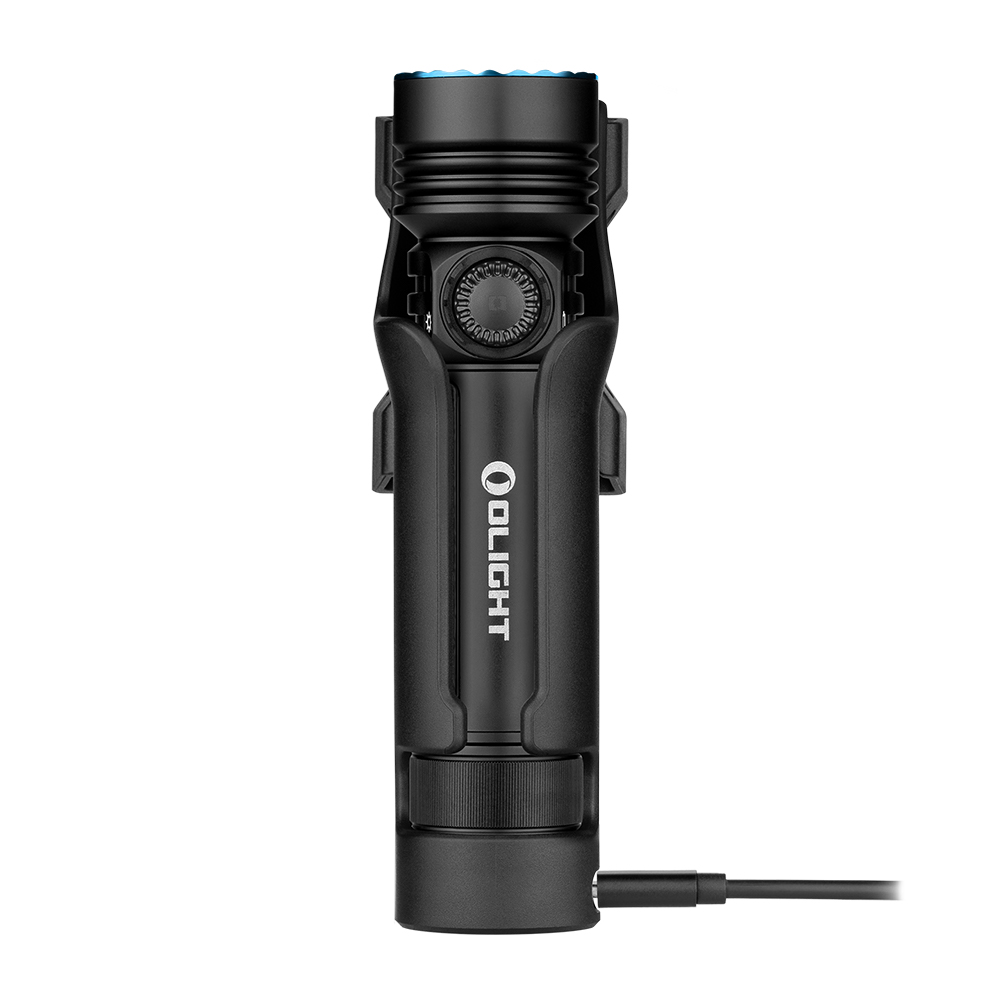
Use enough white light for a nearby label or another task where you need to distinguish colors. A steady dim red setting may be sufficient for a familiar item where the operator permits it. Keep both colors aimed at the task and separate from required navigation lights. Color alone doesn't make a beam appropriate.
Printed information can look different under red light. The University of Wisconsin–Madison’s reflection exhibit shows how the color of reflected light depends on both the surface and what illuminates it. A plain black word on a white page may remain easy to read, while a colored mark may be hard to distinguish. If you need to tell a small colored marking apart, move the work to an approved place with suitable white light or wait until the operator can provide enough visibility. Guessing at the marking is unnecessary.
Start with the job and position. A bright beam on a white surface may reflect toward people nearby, even if the intended target is small. A lower setting or a different stable angle may help you read the material. If the light does not reach what you can safely look at, use the boat's established work light or choose a better place for the task.
Keep the light pointed away from the line of sight of people moving nearby. When someone speaks to you, finish looking at the item and adjust or switch off the task light before turning, provided the surroundings remain visible. If you need to assist another person, ask the operator where they want you to do so. Keep the work in the approved place.
Learn how the exact device selects its colors. On a light with more than one mode, the first output depends on its controls and sometimes the last setting used. Read the manual and practice where you can safely see. Check that you can turn the light off without cycling through settings around other people.
Some work is better left until there is ordinary light on shore. If one person needs to read several small instructions or handle a collection of parts, get permission to take the common gear to a dry area rather than trying to light everything from a narrow space. Set anything the group needs to carry before it is time to leave.
| What changes on the boat | Where to start |
|---|---|
| Someone needs a nearby bag label | Use enough task light from the approved seat or other stable place |
| The beam reflects off a shiny nearby surface | Change the aim while stopped or use the established work light |
| You cannot see the next part of the exit | Pause and ask the operator for a usable route and help |
| The light could be confused with vessel lights | Turn off the personal light when it is safe to do so and tell the operator |
How do you avoid blinding other boaters with a headlamp?
Keep a personal light pointed at your close task and use only as much light as you can work with comfortably. Keep the beam out of people's faces and away from other vessels. Turn it off when the task ends, provided people still have enough light to move. Leave required vessel lights to the operator.
The 2025 annual CFR edition of Inland Rule 20 addresses vessel lights from sunset to sunrise and other lights that could be confused with them, obscure their visibility or distinct appearance, or interfere with a proper lookout. Check the current rules for your vessel, waters, and conditions. Leave decisions about required lights to the operator.
A personal light can be visible even when its owner thinks it is pointed down. Its light may bounce off a pale surface or a glossy piece of equipment. Stop where it's safe and move it closer to the work, or use the established room or deck light. Ask the operator whether the light is interfering with anyone's view.
Keep the operator informed about what you are doing. If they ask you to switch off the light, pause the task and do so when you are able to do it safely. If you cannot see a part of the boat or dock that you need to use, tell them before moving. A lamp owner should have a plan for putting it away while keeping the area usable.
Dock and vessel lights can be visible beyond the place where you're seated. Avoid confusing those established lights with a handheld beam in an unfamiliar setting. Let the operator decide what to use if an approved light fails. Stay in the designated place and ask for help rather than taking a brighter light out to a wet edge to investigate.
A checklist left in the usual place can be enough to remember what needs to come ashore. Mark the items under adequate light after you arrive. If the groups who own them are leaving at different times, tell them where to pick their belongings up. Carrying something into an uncertain walkway to hand it off can create an issue that was not there while it sat beside you.
When the operator or marina has arranged a different boarding point, confirm you are following the directions for this visit. The place where you usually read or put gear away may still be available, but the route that follows it may have changed. Wait for directions at the established point. A familiar flashlight can help with one item while you wait without telling you which route is open.
Separate the dry task from the trip to the dock
Read the page or bag label before you get up from the approved seat. Stow the light if you need both hands free afterward. Ask where the operator wants people to wait and how they will show them the usable exit. If someone else is moving, remain out of the way until the operator has room to guide you.
The National Park Service's Boston Harbor Islands safety guidance warns that ladders, railings, and steps can be slippery when wet. It also lists boat lights and a flashlight separately in its boating equipment advice. Those examples show why task lighting, route visibility, and required boat equipment need separate attention. Use the operator's and marina's instructions for the actual dock.
Look at an ordinary example where the boat is secured and the operator has told everyone to wait. One passenger only needs to make sure a set of keys is in the right bag. They can complete that task while seated with the light aimed at the bag. The passenger may still need to put the light away and follow the operator's instructions before leaving the boat.
If a bench or interior space is well lit, use it to check several items at once. Set the items down in a place approved by the operator rather than passing them over an edge or moving to a narrow gap. The group can agree what remains on board and which items are ready to go. Let the crew handle anything involving the boat or dock infrastructure.
The route may look different after another person moves a bag or shuts a door. Check what you can see from where you are and say what is in the way. The operator can tell you where to wait or go. If you have to look directly into a bright fixture to see the next surface, let them know rather than trying to work around it with a personal light.
Be sure the other people who need the area can see after you put the light away. Someone might still be checking a list even after you finish. If the shared view depends on your lamp, tell the operator first. The site can provide the appropriate light or have the group remain in a visible area until the next step is ready.
Verify before you bring a light near water
Check the product manual for normal use, charging, and any limits that matter to where you keep it. A consumer light can be useful near your seat. A water-resistance rating does not tell you which vessel task it is suitable for. Keep the device out of the water and follow the manufacturer's instructions if it was exposed to moisture.
Give the light a set place when you aren't using it. A dry, approved storage spot can make it easier to find after dark and help keep loose things out of walking areas. Check that you can reach the light from where the operator lets you wait. Keep it away from any wet edge that you would have to approach to pick it up.
Do a simple check before the trip in an ordinary lit place. Read a label at the distance you would use while seated. Practice aiming the light down and switching it off. Find a separate spot to put it away. For a headlamp, check that it stays in place with the same clothing and protective equipment you'll use.
Think through how you would get to a backup without disturbing gear that somebody else needs. A bag with a familiar pocket can work for personal equipment if the operator approves where it will sit. Put a spare somewhere you can reach while seated. If the ordinary cabin light already covers the only close task, the portable light can stay packed.
Take a moment before departure to separate the slip, receipt, or other paperwork you need at the boat from documents you can check ashore. Fold the first item into an easy-to-reach pocket. Leave the rest together. After dark, that choice can save several rounds of moving bags and asking nearby people to look at a bright page.
If the lamp is rechargeable, read the charging conditions and make sure you have the compatible charger before you leave. Leave charging to a suitable place under the manufacturer's directions. A battery check done in a lit area can show whether your backup is ready without introducing another loose item when the operator is dealing with the boat.
Consider what you will do if the personal light stops during the task. Use the approved established light or wait for help. If the item is just a label or a loose piece of gear, leave it alone until there is enough visibility. The operator still needs to address faults in vessel lighting independently. A spare personal light has its own role.
Leave equipment problems for the person responsible
If something looks wrong outside the ordinary task area, report the location and describe what you could see from where you were. The operator may ask you to remain seated or go to a more visible place. Stay with the approved instructions. Leave compartments, wiring, motors, and other equipment to the people responsible for the boat.
Give a short, specific description. Say which part of the walkway is dark or which label you could not read in the available light. This lets others decide whether to use a different area. If a device is not working, avoid moving it while people are using the route. Tell the person in charge and follow their directions.
The next outing can begin with that information. If a dry task was harder because the usual seat was unavailable, agree on a different place to get it done. If the dock route lacked lighting, raise it with the operator or marina before returning at night. Keeping those two issues separate helps you bring the right personal tool without relying on it for the venue.
Have an arrangement for using a personal light when more than one person is still on board. Let the operator decide which areas are safe to use. One passenger may finish a task early while another still needs the established light for ordinary gear. Communicate when each small job ends and when everyone should wait for instructions.
Decide what you can postpone before the evening begins. There may be items you can count in a dry room after leaving and labels that don't need immediate attention. If the single usable area light is needed for movement, give that task priority and read the paperwork later. A personal light is easiest to use when the crew can clearly say which work should happen while people wait.
If the portable light gets misplaced, tell the person who manages the boat before looking outside the approved area. A lost personal item is a reason to wait or return with suitable support. The operator can keep required lighting and other equipment separate from that search. Use the shared room, boat, or dock lights the way the site directs.
Frequently Asked Questions
Changelog
- November 19, 2026. Checked federal inland lighting text and current agency guidance, exact U.S. product manuals and gallery images, and the Black Perun 3 product-use photos.




