


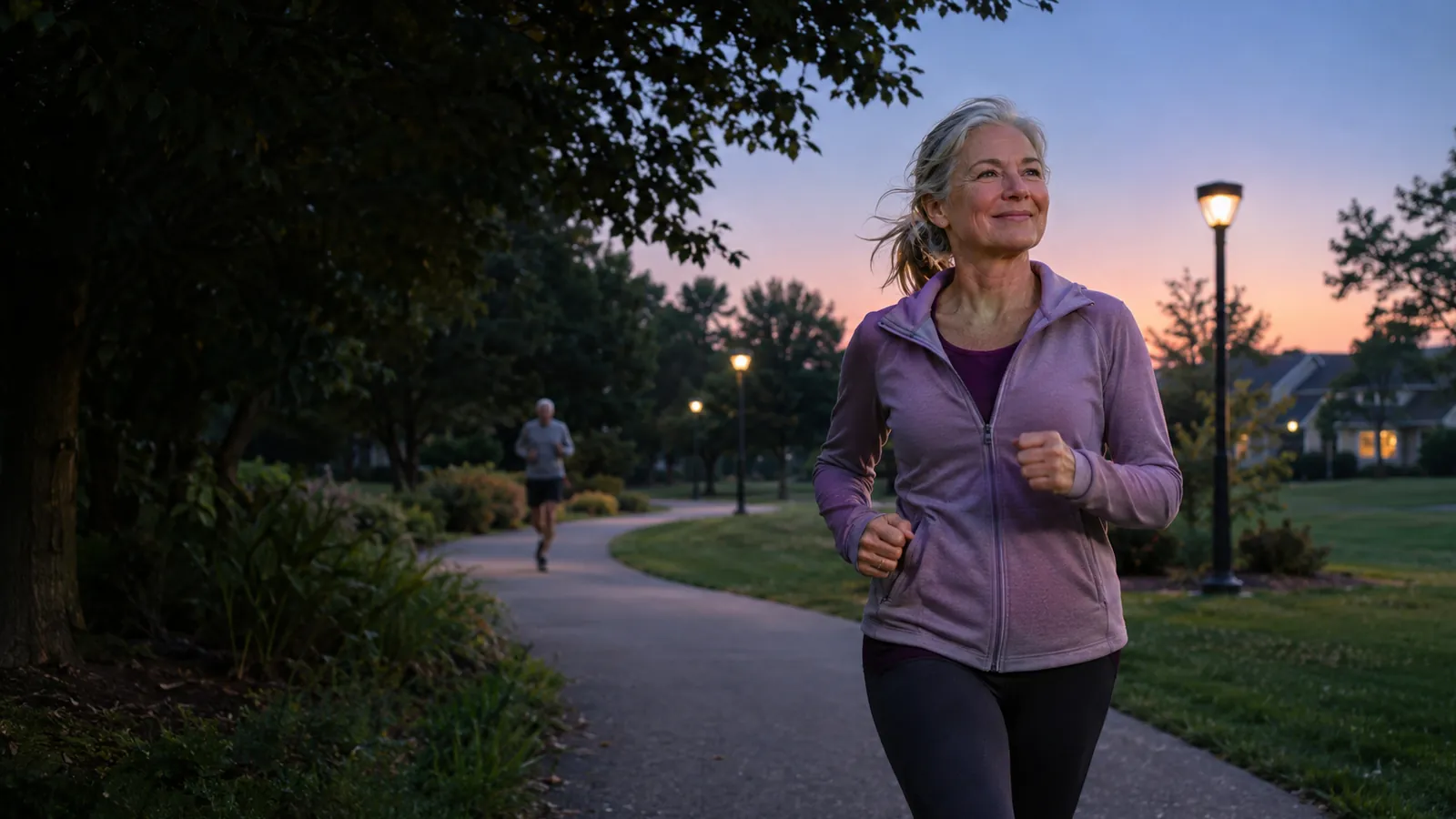
TL;DR: For a neighborhood jog, the best headlamp is the setup that stays comfortable and shows the pavement without shining into nearby faces. Perun 3 includes a headband. Oclip Pro S and Oclip 2 Ultra are clip lights, so the compatible Oclip Series Headlamp Strap is sold separately.
📋 Table of Contents
- 1. Quick answer: choose for your route and how you like to wear a light
- 2. Why a neighborhood jog needs a different setup from a training run
- 3. Pick a wearing style before comparing lumens
- 4. How much light do you need on a familiar route?
- 5. Aim the beam where it helps, not where it interrupts
- 6. Plan the loop around real visibility changes
- 7. Compare three Olight headlamp arrangements by job
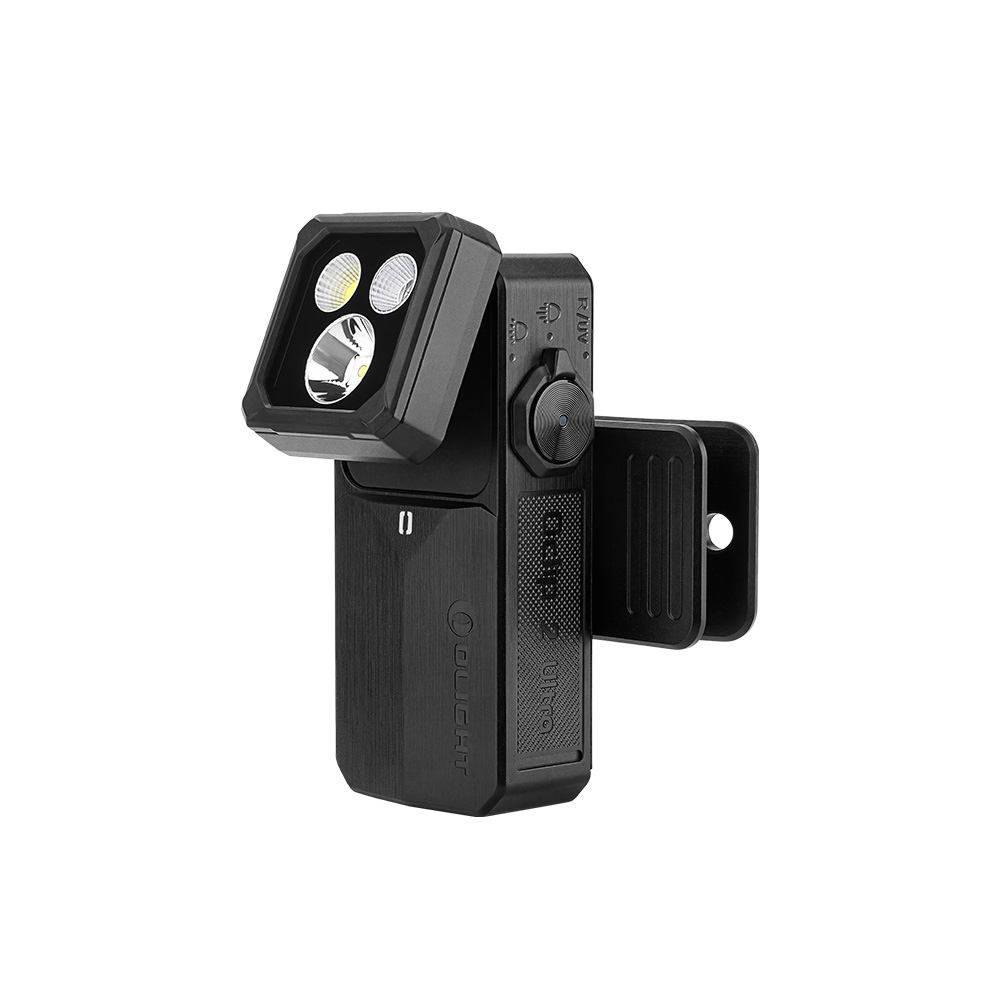
- 8. An adjustable clip-light headlamp setup: Oclip 2 Ultra
- 9. A dedicated headband headlamp: Perun 3
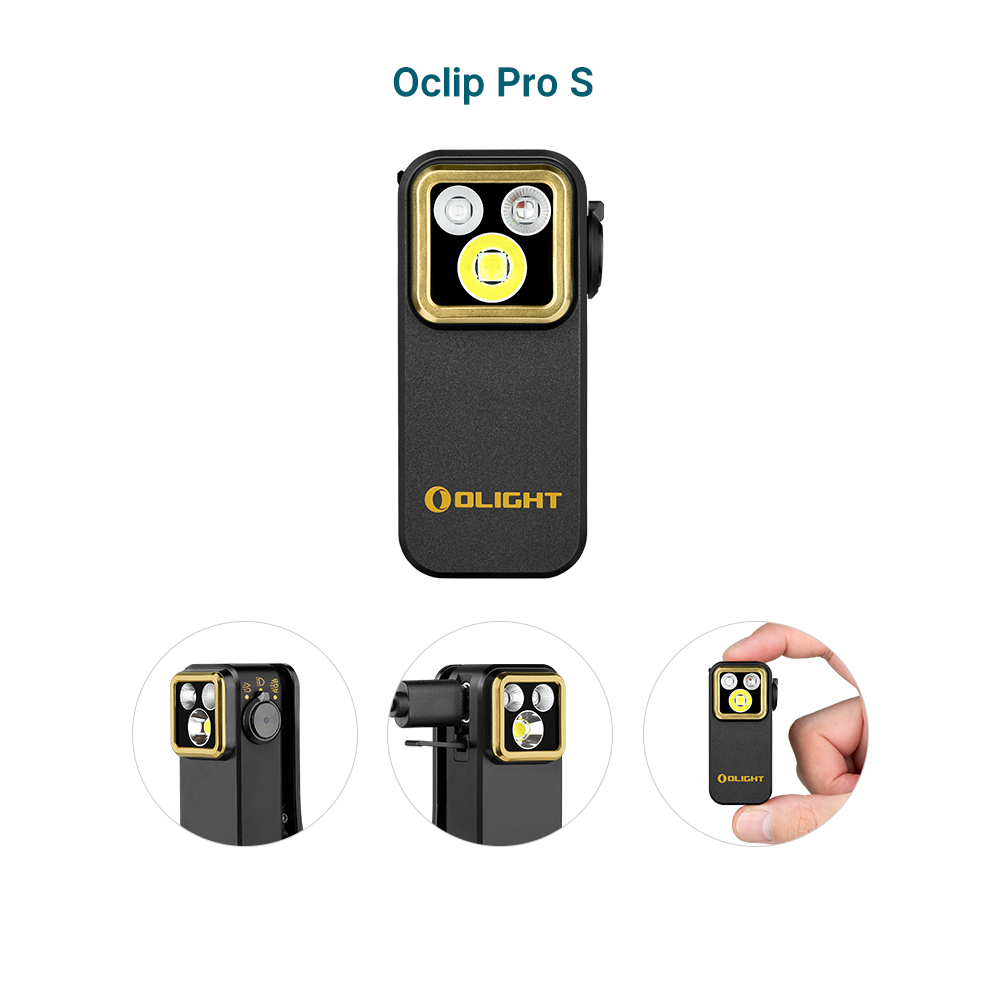
- 10. A clip-and-strap option with a lighter listed light body: Oclip Pro S
- 11. Make the first minutes of the run feel simple
- 12. Small adjustments can improve comfort without adding gear
- 13. Common assumptions that can make a morning setup worse
- 14. What is the best running headlamp for runners?
- 15. How many lumens do I need for a running headlamp?
- 16. What is the best headlamp for running at night?
- 17. Frequently Asked Questions
- 18. A short answer to take on the next morning run
Quick answer: choose for your route and how you like to wear a light
For a short community loop before sunrise, start with the headlamp arrangement you can adjust quickly and comfortably, then choose a mode that reveals the pavement without flooding every porch and passing face. A clip light becomes a headlamp only when mounted on a compatible strap. Perun 3 includes its own headband. Oclip options use a separate compatible strap.
| Running situation | Setup and published details | U.S. list-price snapshot, Nov. 19, 2026 |
|---|---|---|
| Prefer a dedicated headband and longer listed Medium runtime | Perun 3 Black includes its headband and mount. It weighs 150 g with battery and lists Medium at 120 lm for 25 h. | $89.99 |
| Prefer a clip light with a lighter listed light body | Oclip Pro S Black weighs 53 g with battery and lists White Light/Medium at 100 lm for 3.5 h. The compatible strap is sold separately. | $47.98 for light and strap |
| Want flood, spot, red, and UV modes in a clip-and-strap setup | Oclip 2 Ultra Black weighs 79.5 g with battery and lists Medium flood at 100 lm for 3.5 h. The compatible strap is sold separately. | $77.98 for light and strap |
Prices reflect Olight U.S. product-page list prices captured Nov. 19, 2026, before tax and shipping. Promotions and prices can change. The Oclip light weights do not include the separately sold strap, whose weight was not listed in the product information used here.
Each row describes a different route to hands-free light: a dedicated headband, a lightweight clip-and-strap arrangement, or a feature-rich clip light. The published details help narrow the shortlist. The fit and beam aim should match the runner and the usual loop.
Why a neighborhood jog needs a different setup from a training run
A runner making the same 3–5 km community loop most mornings has a different lighting job from someone running an unfamiliar trail, speed work, or a long-distance event. The route may already have sidewalk lamps, porch lights, and familiar turns. The light still needs to reveal a broken curb, a dark patch beneath a tree, or a dog leash crossing the path. It also needs to stay polite when another person appears around a bend.
That balance is the useful starting point. When choosing the best headlamp for a neighborhood loop, start with the route and let it determine which features matter. More output is not automatically more useful. On a well-lit sidewalk, a powerful setting can make the beam uncomfortable for the runner and bright for everyone approaching. On an unlit greenway, the same setting may be helpful for checking the path ahead, but it still should be used only as needed. A high maximum number describes a product capability. It does not describe the best everyday setting for every route.
The CDC’s pedestrian safety guidance advises pedestrians to use sidewalks or paths when available and, at night, carry a flashlight and wear reflective clothing. Those are complementary choices. A lamp helps you see the ground and makes an active point of light visible. Retroreflective material returns light from vehicle headlights toward the driver. A beam pointed at the ground cannot replace reflective details on your clothing, and reflective clothing cannot show you a pothole.
Runners over 55 bring a wide range of experience to a morning loop. Some have decades of easy miles behind them. Others are returning after time away or changing routines because of work, family, weather, or a new health condition. Age alone does not tell you what pace, route, or equipment is right. The CDC’s older-adult activity guidance says people who have been inactive or have concerns should talk with a health professional before starting vigorous activity such as jogging. For an established routine, the practical lighting question remains personal: what can you see, what can others see, and what stays comfortable for the full loop?
Pick a wearing style before comparing lumens
A headlamp can move with your gaze, which is useful when checking a curb, driveway, or the next turn. A clip light on a compatible headband can be more compact, but the clip-and-strap arrangement has a different set of fit points. Neither style wins for everyone. A short try-on at home can expose a poor fit before the light joins a morning run.
A dedicated headband such as the one supplied with Perun 3 has a straightforward advantage: the headlamp, bracket, and strap are designed as one package. A clip light has more placement flexibility, but the strap is an accessory and the mounting must be intentional. Olight’s Oclip Series Headlamp Strap page lists compatibility with Oclip Pro, Oclip Pro S, Oclip Ultra, Oclip 2 Pro, and Oclip 2 Ultra. The page describes the strap itself as sold separately. Confirm that the selected model appears in the current compatibility list before buying a different Oclip variant.
Fit begins with where the band rests. Place it so the light does not press on the bridge of the nose, rub a glasses arm, or slide toward the eyebrows. Adjust it snugly enough to stay in place when you turn your head, but do not use tightness as a substitute for a correctly positioned band. If a hat or ear warmer is part of the usual morning outfit, test the arrangement with that layer on. A fit that works on bare hair can feel different over a cap or beneath a hood.
Then move naturally. Look left and right, glance toward a driveway, and tilt the head enough to imitate checking the next turn. The light should not bounce into the eyes every time the gaze shifts. A low-profile lamp can still be distracting if the band is loose or the mount sits too high. Conversely, a larger lamp may feel stable if its band spreads pressure well. These are fit questions to answer with the actual arrangement, not from maximum-lumen claims.
Oclip 2 Ultra has an adjustable head and rotating clip in its published product information. Those mechanisms help aim the light when it is clipped to compatible gear. Oclip Pro S is a clip light with a separately compatible strap, but its published information does not describe the same adjustable-head and rotating-clip arrangement. Use the intended strap, confirm the clip is seated as designed, and make sure the light is secure before leaving. Stop to readjust if it shifts. Avoid clipping it to a loose shirt edge where stride movement can make the beam bounce.
How much light do you need on a familiar route?
There is no single lumen number that answers this well. The path surface, street-light spacing, tree cover, weather, your pace, and your own visual comfort all change what “enough” feels like. Lumens describe total light output. The beam pattern and direction determine where that light goes. For a jogger sharing a sidewalk, controlled placement matters as much as a specification value.
Begin with a route audit in daylight. Notice the parts that become hard to read before sunrise: a sloped driveway, a patch of uneven pavement, a park gate, an unlit crossing, or the point where a sidewalk bends behind shrubs. This route audit identifies the conditions the light needs to address. If most of the loop is illuminated and only one section is dark, the mode that helps on that section may be unnecessarily bright elsewhere.
On the first morning, start with a lower white-light setting in the lit portions and pause somewhere safe before entering the darker segment. Raise the output only enough to make the surface and the next few steps clear to you. If the spot beam reaches farther than you need, use a flood mode for the near pavement. If the light reflects sharply from wet pavement, lower or redirect it rather than assuming more output will improve contrast. If you still cannot see a hazard comfortably, slow down, choose a better-lit route, or turn around.
Olight’s Oclip 2 series includes several distinct models, so match an exact model name and compatible mount before comparing specs. A product’s brightest mode is often designed as a maximum setting, not a promise that the lamp holds that output for the whole outing. Read the mode table at its actual labels and durations. Perun 3, for example, lists a 120-lumen Medium mode with a 25-hour runtime in its U.S. product specification. The product’s Turbo data describes a changing output over time, so the initial maximum is not the steady level for a full run. Oclip 2 Ultra and Oclip Pro S also list more than one beam and mode. Match the named mode to the part of the route where it is useful rather than treating the headline output as a route-wide brightness recommendation.
A practical decision can be as simple as this: if you can identify the sidewalk edge and surface changes without squinting, and the beam does not make approaching people flinch or look away, keep the setting. If you cannot read the surface, adjust the aim before increasing power. A beam aimed at the horizon can travel farther while leaving the immediate ground dim. A headlamp that points slightly down can illuminate the next section of pavement without turning every face into a target.
Aim the beam where it helps, not where it interrupts
The small courtesy move that improves a shared path is to lower the beam before a close pass. Because a headlamp is attached to your head, a casual glance toward a neighbor can swing the light into their eyes. Practice keeping your gaze on the open path, then glance down briefly as you pass. At a narrow point, pause at the edge, give the other person space, and let the beam stay on the ground rather than following them.
This matters around dogs, too. A dog’s handler may appreciate seeing the path, but direct glare can startle animals or people. Keep the light off faces, leashes, and windows. If you need to make eye contact or say hello, lower the beam first. When the other person has passed, bring it back to the pavement. This is easier if the side switch is familiar before the run.
Take extra care at driveway mouths and neighborhood intersections. A bright headlamp does not make a runner automatically visible to a driver, and seeing headlights does not prove a driver has seen you. Slow before entering the crossing, scan for moving vehicles, and use the marked crossing where available. If the route places you near traffic, choose bright or reflective clothing and reflective details that can be seen from more than one direction. The CDC guidance also recommends using a sidewalk or path where one is available.
Reflective details on moving areas, such as lower legs or shoes, can help another person recognize a moving pedestrian. A simple vest, jacket, or pair of bands can add visible reflective details without turning an everyday run into a gear project. Add a vest, jacket, or bands with retroreflective elements, then check that they are not hidden under a jacket or running belt. A light-colored top can help in some conditions, but it is not a substitute for reflective material and a light.
Do not use a flashing mode as a default courtesy beacon unless the route and product mode make it appropriate. A flashing light may catch attention, but can also be uncomfortable and can make it harder to judge the pavement. For a runner’s own forward visibility, a steady, well-aimed beam combined with reflective details is easier for nearby people to interpret. If you want a rear-facing safety light, check local rules and keep the headlamp doing its separate job of lighting the path.
Plan the loop around real visibility changes
A familiar route is useful only if it is still familiar in the dark. Olight’s earlier headlamp guide for hiking and running compares a strap-based setup for broader outdoor use. This guide focuses on repeat neighborhood miles before sunrise. In daylight, identify where the sidewalk narrows, where shrubs block a view of a driveway, and where a parked vehicle can hide someone approaching from the side. Before sunrise, the same route can have different light, shade, and traffic patterns. Repeat the loop in a direction that gives you the clearest sight lines at crossings.
A 3–5 km outing does not need a complicated route plan. Pick a path with continuous sidewalks or a paved park loop, check the route’s opening hours, and tell a household member when you expect to return if that is part of your normal routine. If you cross a road, select a spot where drivers can see you and where you can see the traffic. Do not let a faster segment tempt you to take a shortcut through a parking lot or across an unmarked entrance with poor visibility.
Think about where you will turn around. A loop with a known landmark can be easier to shorten if the weather changes, a shoe rubs, or a section is busier than usual. Keep the phone in a pocket or belt where you can reach it without rummaging through a bag, but avoid trying to read messages while moving. If a route uses a shared trail, follow its posted rules and give walkers, cyclists, and people with dogs room to pass.
Route familiarity should reduce surprises, not create overconfidence. Fresh leaves can cover cracks. A sprinkler can make a curb slick. A delivery van can block a driveway sightline. Construction can reroute foot traffic without much warning. If a segment looks different than you expected, slow down and choose the visible path. The light helps you inspect what is in front of you. It cannot make an obstructed crossing safe.
Compare three Olight headlamp arrangements by job
The table uses official U.S. product details for the exact selected versions below. Maximum output is included for identification, not as an instruction to run at that level. Prices are the list-price snapshot observed on November 19, 2026. The Oclip strap is separate, and prices may change before purchase.
| Setup and package | Published weight and modes | Useful fit or control question |
|---|---|---|
| Oclip 2 Ultra Black plus compatible strap, sold separately | Light: 79.5 g with battery. Flood Medium: 100 lm for 3 h 30 min. Maximum flood: 580 lm. | Do you want flood, spot, red, and UV modes, or would fewer options be easier to manage? |
| Perun 3 Black with included headband and mount | 150 g with battery. Medium: 120 lm for 25 h. Turbo steps down from its initial output. | Would an integrated headband and long published Medium runtime matter more than a lighter light body? |
| Oclip Pro S Black plus compatible strap, sold separately | Light: 53 g with battery. White Light/Medium: 100 lm for 3 h 30 min. Maximum white output: 600 lm. | Can you get a comfortable, stable fit with the compatible strap you plan to use? |
Current list-price snapshot: Oclip 2 Ultra, $69.99, Oclip Series Headlamp Strap, $7.99, Perun 3, $89.99, and Oclip Pro S, $39.99. That makes the two clip-and-strap examples $77.98 and $47.98 before tax and shipping. The figures are the U.S. pages’ list-price fields observed Nov. 19, 2026. Perun 3 showed a lower promotional price in the same capture. The comparison uses list price, not a temporary offer.
The comparison answers a practical purchase question from documented specifications: which setup includes its headband, which light body is lighter, what a named Medium mode provides, and which accessory is separate. Confirm the selected variant and price on the current product page before purchase.
An adjustable clip-light headlamp setup: Oclip 2 Ultra
A dedicated headband headlamp: Perun 3

Olight’s Perun series includes other headlamp configurations, so compare exact model names, included mounts, and battery configuration instead of transferring one model’s values to another.
A clip-and-strap option with a lighter listed light body: Oclip Pro S
Make the first minutes of the run feel simple
A small routine takes less effort than solving a control puzzle at a curb. Before stepping outside, check the selected mode, the strap fit, and the battery indicator. If your model has a lockout, make sure it is disabled before you need the light. If it uses a separate strap, confirm the clip is seated as designed. Keep the phone reachable without holding it in your hand. If the weather or route has changed, revise the plan before starting rather than while moving through a crossing.
| Before leaving | What to check | Why it matters |
|---|---|---|
| Fit | Band or strap sits flat, and the lamp does not press on glasses or slide | Prevents repeated adjustments once moving |
| Controls | Switch and chosen mode are familiar | Keeps attention on the path and traffic |
| Route | Sidewalk or path is open, with crossings and dark patches known | Helps avoid surprises at driveways and turns |
| Visibility | Reflective material is not covered by outer layers | A headlamp and reflective clothing solve different visibility jobs |
| Check-in | A person at home knows the planned loop or return time if appropriate | Makes a short routine easy to explain and adjust |
| Carry | Phone is reachable and secured | Avoids fumbling while running or crossing |
Use the first few minutes to settle into the route. Keep an easy pace until your eyes and attention have adjusted to the lower light. If the headband needs a change, stop somewhere safe and adjust it with both hands. Do not tighten a lamp while stepping off a curb or crossing a driveway. If it repeatedly slips, choose a different fit, mount, or route rather than trying to hold it in place with one hand.
A check-in does not have to become a tracking project. A simple message with the loop and expected return is enough for many households. A phone location-sharing feature may be useful if it is already part of your routine, but it is not a substitute for a reachable phone or a route choice that you can change. If a running group meets at the same spot, agree on who waits and how long before starting. Keep the plan proportional to the outing.
Small adjustments can improve comfort without adding gear
For glasses wearers, look at where the lamp band crosses the temples. A strap can press on an arm or push a frame out of place. Try a different band height or a cap-compatible arrangement before deciding the light itself is uncomfortable. If you use hearing aids, ear warmers, or a head covering, check that the band does not shift them or interfere with a comfortable fit.
Hair, sweat, and weather layers change how a strap sits. A headlamp that rests on bare hair may slide over a smooth cap. A cap may also change the height from which the beam leaves your forehead. Confirm the band stays put with the same layers and hairstyle you expect to use on the morning route. This is a personal fit check, not a one-size-fits-all measurement.
Weight on the forehead is only part of comfort. Balance, strap width, where the battery sits, the headlamp’s contact points, and how often the head moves can all influence how a setup feels. The published product data here report the light weights, but the Oclip strap’s weight is not listed. Compare complete setups in hand and wear them long enough to notice pressure before making a recurring morning routine depend on them.
A clip-mounted system can be appealing because it is compact, but the light needs to remain stable at a walking and jogging pace. The clip should engage the strap as intended, and the head should keep the aim you select. Test this in a safe, stationary setting and then walk a few steps in a clear area. If it shifts, stop and correct it before the run. Do not rely on a loose clip or a pocket attachment to hold an overhead light.
Common assumptions that can make a morning setup worse
“The brightest mode is the safest mode.”
A brighter setting can help in a genuinely dark segment, but the maximum setting can also put more light into another person’s eyes and may use battery faster. Choose output for the surface and distance that matter. Start with your surroundings, then adjust. If the sidewalk is lit, a lower mode may provide enough path light while being more considerate. If the unlit path remains unclear, slow down or choose another route rather than treating output as a replacement for visibility.
“A white shirt is enough to be seen.”
Light-colored clothes can be visible in some conditions, but at night, driver headlights and the angle of the material matter. The CDC recommends reflective clothing along with a flashlight. Check that any reflective details are positioned where they can be seen from the side as well as from behind, especially if the route includes driveways. Do not assume a single bright headlamp point tells drivers which direction you are moving.
“If the route is familiar, the light can stay packed.”
Familiar paths still change. A new vehicle can block a driveway, leaves can cover the surface, or a lamp can be out. Carry the light even if most of the loop is illuminated. If your route has a very brief dark stretch, a compact setup can still make sense, but it should be charged and reachable before you leave.
“A clip light can go on any hat, strap, or shirt.”
Compatibility is model-specific. The Oclip Series strap page names several compatible Oclip models. That does not make every clip light compatible with every cap or headband. Follow the light and accessory fit intended by the manufacturer. Check the clip and mount while stationary, and do not improvise an overhead attachment with a loose fabric edge.
“A product’s maximum runtime is what it gives at maximum brightness.”
Runtime varies by mode. Perun 3’s listed 25 hours corresponds to Medium at 120 lumens, while its Turbo mode starts higher and steps down according to the published mode data. Oclip 2 Ultra and Oclip Pro S also list different durations for their individual lighting levels. Compare the specific setting you plan to use, not just the largest number in a product headline.
What is the best running headlamp for runners?
There is no single best headlamp for every runner. For a short neighborhood loop, compare a comfortable fit, a straightforward control, and a mode suited to the darkest part of the route. Perun 3 includes a dedicated headband. Oclip 2 Ultra and Oclip Pro S can be compared with the separately sold compatible strap. The best choice is the one that suits the route and stays stable for its wearer.
How many lumens do I need for a running headlamp?
There is no universal lumen target for every jog. Start from the route: street lighting, pavement color, tree cover, weather, and pace all affect the light you need. Use the lowest suitable setting that lets you read the path, aim it down, and increase output only if the surface remains unclear. Reflective clothing helps others see you. It does not replace path lighting.
What is the best headlamp for running at night?
For familiar sidewalks, a comfortable, stable headband setup with an easy-to-use mode may be more helpful than the highest maximum output. For a clip-based option, confirm compatibility with the separate strap and test the fit before running. Pair the light with reflective details, use sidewalks and marked crossings, and lower the beam around other people.
Frequently Asked Questions
A short answer to take on the next morning run
For a familiar 3–5 km loop, choose the light you can wear comfortably, set it to show the pavement rather than announce maximum output, and pair it with reflective details. Perun 3 is the integrated headband option. Oclip 2 Ultra or Oclip Pro S offers a clip-based alternative with a separately compatible strap. Keep the beam down around neighbors, dogs, and drivers, and change the route if the path is not clear.
Changelog
- November 19, 2026: Verified Olight U.S. product specifications and reviewed CDC guidance on pedestrian visibility and older-adult physical activity.




