TL;DR:Exploring underground environments requires highly reliable gear. A standard flashlight is insufficient for tight passages; a high-lumen, waterproof caving headlamp with an IPX8 rating and impact resistance is critical for safety. This guide reviews the top-rated rechargeable caving headlamp setups like the Perun 3, detailing the essential "Rule of Three" lighting system, runtime needs, and optimal beam configurations to ensure you are never left in absolute darkness.
Why a Regular Flashlight Isn't Enough Underground
What Makes a Headlamp Cave-Ready
Top Picks for Caving & Spelunking
Caving Headlamp Setup — The "Rule of Three" Lighting System
How to Choose Brightness & Beam Distance for Caves
FAQ
Exploring the deep, silent passages of a cave system is one of the most thrilling outdoor adventures. However, the subterranean world is completely unforgiving to poor gear choices. When you step past the entrance zone into absolute darkness, your light source becomes your actual lifeline. Finding the best headlamp for spelunking and underground exploration is not just about convenience; it is a critical safety decision.

In this comprehensive 2026 guide, we break down what makes a light truly cave-ready, evaluate the top-rated headlamps for caving, and discuss how to configure a reliable underground lighting system that never leaves you in the dark.
Why a Regular Flashlight Isn't Enough Underground
If you are planning to explore a cave, do not rely solely on a standard caving flashlight. While handheld torches are useful backups, they fall critically short when you are navigating challenging, tight underground environments.
Hands-Free Necessity in Tight Passages
Caving is a physically demanding, full-body sport. You will frequently find yourself scrambling over wet boulders, climbing vertical ladders, or crawling through tight, muddy squeezes. To do this safely, you must keep both hands free to maintain three points of contact on rocky surfaces.According to the National Speleological Society (NSS) safe caving guidelines, maintaining hands-free lighting is vital because physical stability prevents the vast majority of underground falls, which account for a high percentage of caving accidents (reference:caves-minimum-impact-caving). A rechargeable caving headlamp keeps your hands completely free, allowing you to focus on your footing, balance, and handholds without the risk of dropping your primary light source down a deep crevice.
The Risk of Total Darkness and the Need for Redundancy
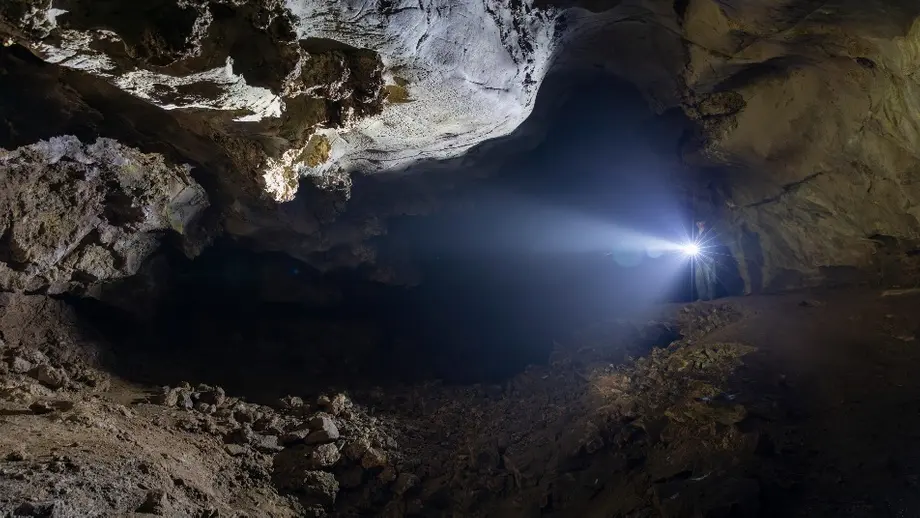
Caves feature a complete absence of ambient light. If your only light source fails, you are instantly plunged into absolute, disorienting darkness. Unlike hiking on an outdoor trail at night where your eyes eventually adjust to starlight or moonlight, a cave offers zero natural illumination. Having a dedicated, heavy-duty headlamp designed specifically for underground use, combined with a strict backup light system, is non-negotiable.
What Makes a Headlamp Cave-Ready
Not all outdoor headlamps are built to withstand the brutal, damp conditions of the underground. When shopping for the best underground exploration light, prioritize these key technical specifications:
Waterproof & Mud-Proof Rating (IPX8 Explained)
Caves are naturally damp, humid, and often filled with muddy pools or active streams. A standard splash-proof light will quickly fail under these conditions. A true waterproof caving headlamp must feature an IPX8 rating, meaning it can handle continuous submersion in water deeper than 1 meter. (reference:iec-ip-ratings)This high rating also ensures that fine grit, wet mud, and clay cannot penetrate the casing to short-circuit the internal electronics.

Impact Resistance for Rock Contact
Low ceilings, sharp stalactites, and accidental drops on solid granite are common when spelunking. Your headlamp will take direct hits against solid rock. Look for heavy-duty metal bodies, such as aircraft-grade aluminum, that offer at least 1.5 meters of impact resistance. Standard plastic headlamps often crack or shatter under these intense physical stresses.
Runtime Requirements for Multi-Hour Trips
A typical caving trip can last anywhere from four hours to a full weekend. Your primary light for caving must feature highly efficient energy management. Pay close attention to the runtime on medium and low settings, rather than just the maximum turbo output. Look for high-capacity lithium-ion batteries that offer days of continuous output on lower, navigating modes.
Beam Type — Flood vs Spot for Navigating Passages
To navigate safely, you need a balance of both beam styles:
- Flood Beam: Provides wide, even illumination close up. This is essential for peripheral vision in tight crawls and keeping track of your immediate surroundings.
- Spot Beam: Projects a tight, concentrated beam of light far into the distance. This is crucial for scanning deep shafts, looking for route markers, and evaluating high cave ceilings.

Top Picks for Caving & Spelunking
When choosing the top-rated headlamps for caving, you need gear that balances raw power, extreme durability, and reliable runtimes. Here are the leading options for 2026.
Best Overall
For those seeking the ultimate high-lumen headlamp for caving, the Perun-3-headlamp-3000-lumens-flashlight stands out as the premier choice.
| Spec | Detail |
|---|---|
| Max Output | 3,000 lumens |
| Max Throw | 160 meters |
| Battery | Customized 3.6V 5000mAh 21700 |
| Runtime (Moonlight) | 20 days |
| Switch Type | Concave Large Metal Side Button |
The Perun 3 delivers exceptional versatility. It functions beautifully as both a heavy-duty headlamp and a detachable handheld caving flashlight. The large metal side button is highly tactile and easily operated even while wearing thick, mud-slicked gloves. Its dual-light configuration offers five distinct white light levels alongside red light modes, making it easy to adapt your output to narrow squeezes or massive underground caverns.
Best Budget Option / Compact Performer

Perun 3 Rechargeable Headlamp
Delivering up to 3,000 lumens, the Perun 3 is a powerful rechargeable right-angle headlamp built for demanding work, outdoor adventures, and hands-free lighting. It features multiple brightness levels, magnetic charging, and a versatile design for everyday reliability.
View DetailsFor a lighter, more compact option that does not sacrifice performance, the Perun-3-mini-headlamp-flashlight is an exceptional choice.
| Spec | Detail |
|---|---|
| Max Output | 1,250 lumens |
| Max Throw | 155 meters |
| Charging Case Battery | 5,000 mAh (Premium Edition) |
| Light Modes | 5 White Modes, 3 Red Modes |
The Perun 3 Mini is 25% lighter than previous compact models, featuring a highly comfortable, 3D-breathable mesh headband. Its quick-release bracket allows you to detach the light instantly to inspect deep rock crevices. If you opt for the Premium Edition, the included 5,000 mAh charging case can recharge your mini headlamp up to 5 times, making it incredibly reliable for extended multi-day cave camping trips.
Best for Extreme Wet Conditions
Both the Perun 3 and Perun 3 Mini are engineered to endure heavy water exposure. Their robust, double-sealed design ensures they function flawlessly when crawling through active cave streams or navigating high-humidity chambers.
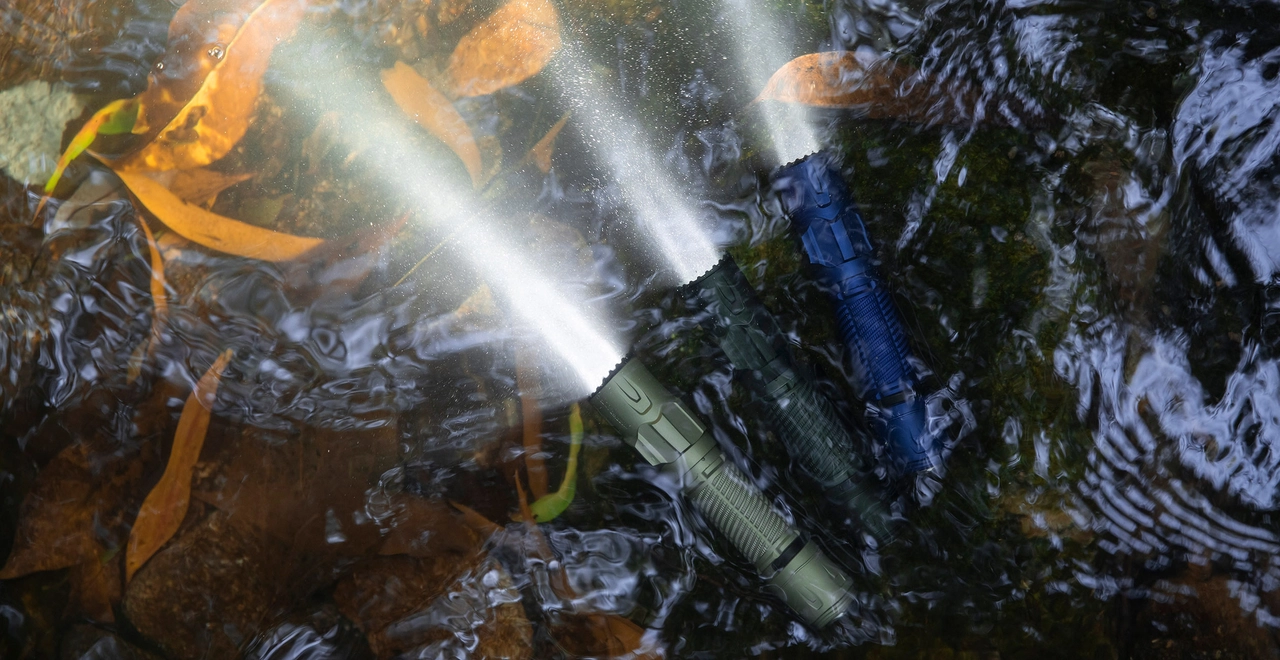
Perun 3 Mini Rechargeable Headlamp
The Perun 3 Mini is a compact rechargeable right-angle headlamp that delivers powerful hands-free illumination in a lightweight design. Featuring multiple brightness levels, magnetic charging, and a magnetic tail for versatile mounting, it is ideal for camping, hiking, maintenance, and everyday carry.
View DetailsCaving Headlamp Setup — The "Rule of Three" Lighting System
Experienced spelunkers follow a strict, non-negotiable safety protocol known as the "Rule of Three." You must never enter any cave system without three independent, functional light sources.
[Primary Light: Perun 3] ---> [Secondary Light: Perun 3 Mini] ---> [Emergency Backup: Compact Flashlight]
Primary, Secondary, and Backup Light Explained
- Primary Light: This is your main workhorse, mounted securely to your helmet. As mandated by safety regulations within federal cave exploration frameworks, each visitor must carry three independent sources of light, with at least one light strictly mounted to an approved safety helmet (reference:national park service).It should be a high-lumen headlamp for caving with a large battery capacity, like the Perun 3.
- Secondary Light: This is a secondary headlamp or highly accessible angle-light, like the Perun 3 Mini, ready to be deployed instantly if your primary light runs out of power or encounters a technical issue.
- Backup Light: A small, reliable waterproof caving flashlight tucked safely inside your pack or pocket. This light is reserved exclusively for emergencies to help you exit the cave safely.
Spare Batteries & Storage Tips
Always carry extra rechargeable batteries or a dedicated portable power bank in a hard, waterproof case. Keep your spare charging cables and cells padded so they do not rattle against other metal gear while scrambling over rocks.
How to Choose Brightness & Beam Distance for Caves
Selecting the right brightness settings is all about battery management and environmental awareness.
Lumens Needed for Wide Chambers vs. Narrow Crawls
- Narrow Crawls (10 to 100 Lumens): High brightness is counterproductive in tight spaces. It creates intense, blinding glare off wet cave walls, causing eye strain. Low and medium modes are perfect for crawls and keep your battery lasting for days.
- Wide Chambers (500 to 3,000+ Lumens): When you step into a massive dome or a deep vertical shaft, you need extreme raw power. Turning your headlamp up to 3,000 lumens allows you to locate distant passages, inspect high ceilings, and appreciate the scale of the underground topography.

FAQ
1.Is a headlamp necessary for caving?
Yes. A headlamp is absolutely essential for safety. It keeps your hands free to negotiate climbs, crawls, and unstable terrain safely without losing your grip or your light.
2.What lumens do I need for spelunking?
For general movement, 100 to 300 lumens is sufficient. However, having a headlamp capable of reaching 1,000 to 3,000 lumens is vital for illuminating large chambers, checking route markers, and evaluating deep vertical drops.
3.Can regular headlamps get wet in caves?
No. Standard outdoor headlamps are typically only splash-resistant (IPX4). Caves require heavily sealed, waterproof headlamps rated at IPX8 to withstand continuous dripping water, temporary submersion, and wet mud.
4.How long should a caving headlamp battery last?
Your primary caving headlamp should have a battery capacity that supports at least 15 to 20 hours of continuous use at a functional navigating brightness (100+ lumens). Always carry spare rechargeable cells or power banks to cover unexpected delays.