TL;DR:A high-performance firefighter helmet flashlight is essential for life-saving hands-free visibility in zero-visibility, smoke-filled IDLH environments. Fulfilling strict NFPA 1971 thermal resistance standards, premium lights prevent physical melt-down while maximizing smoke penetration with specialized high-candela optics. This guide highlights essential helmet mounting setups, optimal maintenance cycles, and recommended robust right-angle rechargeable headlamps (such as the Olight Perun 3) to protect frontline tactical crews.
Table of Content
Why Helmet Flashlights Are Essential for Firefighters
Understanding NFPA Requirements for Firefighter Helmet Lights
Helmet Mount Options: Choosing the Right Setup
Top Recommended Olight Flashlights for Firefighters
How to Correctly Mount and Maintain Your Helmet Light
FAQ
Firefighters operate in some of the most hostile environments on Earth. In these high-risk scenarios, visibility determines the outcome of search and rescue operations. Relying solely on handheld lighting is not practical when carrying heavy tools, dragging hoses, or evaluating structural integrity.
A high-performance firefighter helmet flashlight serves as a critical tool for navigating dark, smoke-filled structures. This comprehensive guide examines the essential technical requirements, mounting configurations, and top-tier tactical firefighter helmet flashlight solutions designed to withstand extreme thermal and physical conditions.
Why Helmet Flashlights Are Essential for Firefighters
Portable illumination is a fundamental component of personal protective equipment (PPE). When mounted directly to a helmet, a high-quality firefighter helmet flashlight transforms from a simple accessory into a life-saving tool.
Hands-Free Operation: A Safety Necessity in IDLH Environments
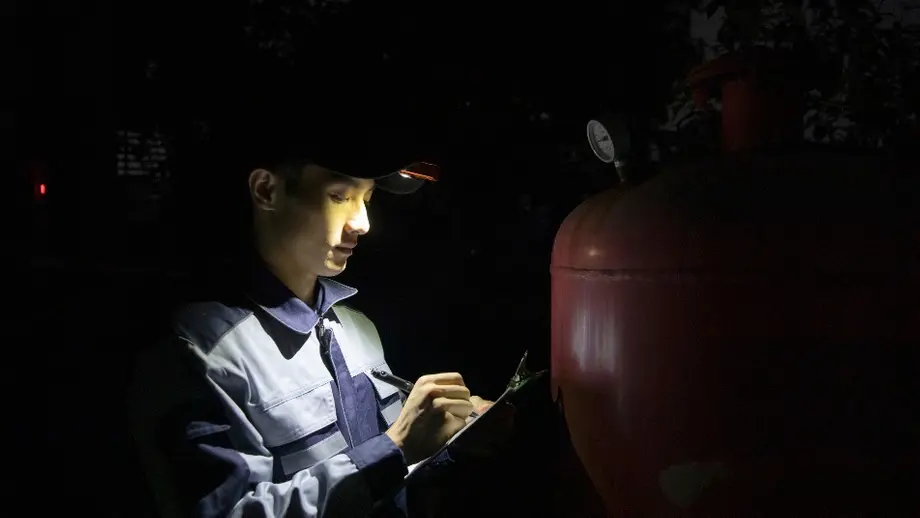
Environments immediately dangerous to life or health (IDLH) demand full manual dexterity. Firefighters must keep their hands free to operate thermal imaging cameras, clear debris, handle rescue tools, or maintain physical contact with a partner. A secure hands free work flashlight setup, powered by a dependable firefighter helmet flashlight, ensures that wherever a firefighter turns their head, a concentrated beam of light automatically illuminates their direct line of sight. This constant coverage minimizes the risk of tripping, falling, or missing structural hazards during navigation.

According to a comprehensive study on fireground hazards, managing handheld tools in low-visibility environments is a primary driver of occupational slips, trips, and falls.( reference: USFA firefighter incident and injury analysis).
Enhanced Situational Awareness and Smoke Penetration
Dense particulate matter, steam, and carbon-heavy smoke easily scatter light, creating a blinding glare. High-intensity lighting must strike a precise balance between raw power and focused beam structure. A high candela flashlight for smoke penetration employs specialized optical reflectors or TIR lenses to concentrate light into a tight, piercing column. Incorporating a robust firefighter helmet flashlight with this optical design minimizes backscattered glare, allowing rescue teams to identify exit routes, structural beams, and victims through thick soot.
Reducing Fatigue and Enhancing Team Communication
Standard hand-held searchlights are bulky and require continuous muscle effort to aim. By transitioning primary directional lighting to a firefighter helmet flashlight configuration, operators reduce physical fatigue during prolonged operations. Furthermore, helmet lights serve as a passive communication system. Team members can easily track each other's location and direction of gaze by observing the movement of the light beams through the smoke, improving overall squad cohesion.
Understanding NFPA Requirements for Firefighter Helmet Lights
Not all tactical illumination tools are fit for structural firefighting. Equipment must adhere to rigorous safety and thermal performance standards.
NFPA 1971 Standards Explained: What You Need to Know
The National Fire Protection Association (NFPA) sets the benchmark for protective gear under standard NFPA 1971 (Standard on Protective Ensembles for Structural Fire Fighting and Proximity Fire Fighting). To meet these guidelines, any firefighter helmet flashlight attached to a helmet must not compromise the physical integrity, electrical insulation, or thermal protection of the helmet itself. This requires mounts and light bodies to be constructed of materials that do not melt, drip, or ignite when exposed to direct flame or extreme radiant heat.( reference : nfpa-1971-standard).
Temperature Resistance and Thermal Performance
A firefighter helmet flashlight faces extreme heat fluctuations. Standard plastics degrade rapidly at elevated temperatures, leading to optical distortion or structural failure. Premium fire service lights utilize heavy-duty aerospace-grade aluminum or specialized high-temperature polymer housings. These materials maintain structural rigidity during rapid heating and cooling cycles, preventing the lens from melting and ensuring internal electronics remain fully protected.
Intrinsically Safe vs. Non-Intrinsically Safe Flashlights
In environments containing volatile gases, dust, or flammable vapors (Class I, II, and III divisions), standard electrical devices can trigger an explosion. - Intrinsically Safe Flashlights: Engineered with restricted internal electrical energy to prevent any arc, spark, or thermal effect from igniting a surrounding explosive atmosphere. - Non-Intrinsically Safe Flashlights: Offer much higher lumen outputs, advanced thermal regulation, and superior beam distances. While a non-intrinsically safe firefighter helmet flashlight is ideal for standard search and rescue, high-intensity structural work, and outdoor extrications, it should not be operated in known explosive gas environments.
Under OSHA Standard 1910.307, equipment operated in Class I, II, and III hazardous locations containing volatile gases or ignitable dusts must be certified as intrinsically safe to prevent catastrophic electrical ignition (reference: OSHA hazardous classified locations standard).
Helmet Mount Options: Choosing the Right Setup
Securing a waterproof firefighter helmet light requires a mounting system that stands up to physical impacts and snag hazards.
Blackjack Mounts and C-Clamps
Blackjack and similar aluminum C-clamp mounts secure your firefighter helmet flashlight directly to the brim of traditional or modern helmets. - Pros: Extremely low profile, made of heat-resistant aircraft-grade aluminum, and features set screws that bite securely into the helmet brim. - Cons: Can slightly alter the balance of traditional helmets if a heavy flashlight is used.

Elastic and Silicone Strap Mounts
Heavy-duty silicone straps wrap around the entire circumference of the helmet dome to hold the firefighter helmet flashlight. - Pros: Highly adjustable, universally compatible with all helmet styles, and requires no tools to install. - Cons: Silicone can stretch or degrade over years of intense heat exposure, and may catch on low-hanging wires or branches.
Integrated Helmet Rails (e.g., Gallet/MSA style)
Modern jet-style helmets often feature integrated side rails designed for direct accessory attachment. - Pros: Provides the cleanest, most streamlined integration for your firefighter helmet flashlight with zero play. Eliminates snag points entirely. - Cons: Only compatible with specific helmet models that feature proprietary rail configurations.
Top Recommended Olight Flashlights for Firefighters
When raw beam performance, durable construction, and consistent runtime are required, Olight offers industry-leading illumination options suitable for any firefighter helmet flashlight application.
Olight Perun 3 (Best Right-Angle & Headlamp Option)
For operators looking for a versatile, ultra-bright rechargeable firefighter headlamp, the Olight Perun 3 Headlamp 3000 Lumens Flashlight delivers outstanding performance as a multi-use firefighter helmet flashlight.

Perun 3 Rechargeable Headlamp
Delivering up to 3,000 lumens, the Perun 3 is a powerful rechargeable right-angle headlamp built for demanding work, outdoor adventures, and hands-free lighting. It features multiple brightness levels, magnetic charging, and a versatile design for everyday reliability.
View Details- Hands-Free Multi-Functional Design: Can be worn as a traditional headlamp or detached to function as a rugged tactical right angle flashlight.
- Impressive 3,000-Lumen Output: Floods immediate workspaces with clear, white light, maximizing local situational awareness.
- Auxiliary Red Light Mode: Helps preserve night vision and acts as a beacon in low-visibility environments.
- Glove-Friendly Metal Button: A large, recessed metal side switch ensures easy operation even when wearing heavy structural firefighting gloves.
How to Correctly Mount and Maintain Your Helmet Light
Even the best firefighter helmet lights will fail if they are improperly installed or neglected. Consistent maintenance preserves gear longevity and ensures your firefighter helmet flashlight performs when needed.
Step-by-Step Installation for Maximum Security
- Choose the Mounting Side: Position the firefighter helmet flashlight on your non-dominant side (e.g., left side if you are right-handed) to avoid interfering with shoulder-fired tools or thermal imagers.
- Align the Mount: Clean the mounting surface of the helmet. Position the clamp or rail adapter to keep the light parallel to your line of sight.
- Secure the Fasteners: Tighten all set screws down to the helmet brim. Use a medium-strength thread-locking compound (like blue Loctite) to prevent screws from backing out due to structural vibrations.
- Perform a Snag Test: Run your hand over the firefighter helmet flashlight and mount. Ensure there are no sharp edges or open loops that could catch on wires or ceiling grids.
Cleaning and Post-Incident Decontamination Tips
Fire ground toxins, soot, and carcinogens collect on all gear. Post-incident decontamination is critical for your safety and the longevity of your firefighter helmet flashlight. * Rinse Immediately: Use clean, warm water and mild soap to wash away corrosive chemicals and heavy soot from your firefighter helmet flashlight. * Avoid Harsh Solvents: Never use gasoline, acetone, or heavy industrial degreasers, as they can degrade rubber O-rings, charging contacts, and optical lenses. * Clean the Charging Port: Pay close attention to magnetic charging interfaces. Ensure they are free of carbon buildup and completely dry before connecting to a power source.
According to the NIOSH Fire Fighter Cancer Cohort Study, immediate decontamination of helmet accessories after every fireground exposure is critical to remove persistent carcinogens and prevent secondary toxic exposure (reference: NIOSH fire fighter cancer cohort study guidelines).
Battery Maintenance: Charging and Cold Weather Performance
Rechargeable lithium-ion batteries powering your firefighter helmet flashlight require structured management to maintain high output. - Maintain Charge Cycles: Recharge your battery after every major incident. Do not let the battery sit in a completely depleted state for extended periods. - Mitigate Cold Weather Drop-off: In freezing winter conditions, lithium-ion battery performance can temporarily decrease. Keep spare charged batteries for your firefighter helmet flashlight in an inner, warm pocket close to your body heat. - Inspect Outer Casings: Periodically check the battery wrapper for tears or dents. If any physical damage is observed, replace the cell immediately to maintain safety standards.