TL;DR:
Reliable summer camping lighting is the ultimate foundation for wilderness safety. This 2026 technical guide details upgrading your outdoor gear 2026 with high-performance tools like the Olight Seeker 4 Pro. By analyzing IPX8 waterproofing, thermal management, and specialized red-light emitters, we provide a strategic framework for maintaining situational dominance during night hikes, campsite management, and waterside adventures in extreme summer environments.
M Technical Table of Contents
Why Reliable Lighting Matters for Summer Outdoor Adventures
Summer presents unique environmental conditions that demand specialized portable illumination. High ambient temperatures, sudden thunderstorms, increased insect activity, and extended outdoor hours require tools that deliver consistent, high-efficiency output without failure. During the summer solstice, the extended twilight can be deceptive, often leading hikers to stay out longer than intended. When the darkness finally drops, it does so with a speed that catches many off guard, making a robust lighting solution the difference between a safe return and an emergency bivouac.(Source: Ready.gov – Build an Emergency Kit)
Common Lighting Challenges During Summer Camping and Travel
To navigate the technical landscape of outdoor illumination, we must analyze the specific physical stressors of the season. Summer is not merely "warm weather"; it is a complex intersection of thermal ceilings and electrochemical challenges.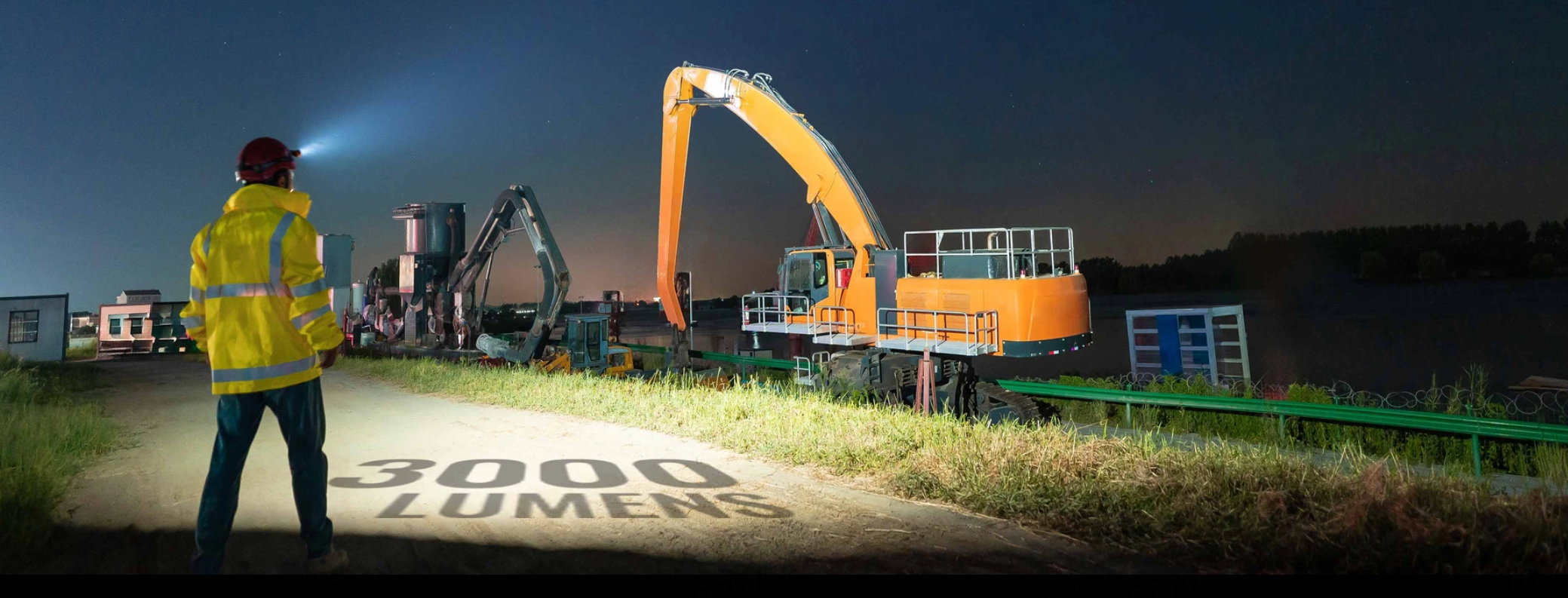
- Thermal Management and the LED Junction: High summer temperatures accelerate the heat generation of high-lumen LEDs. In technical terms, as the ambient air reaches 35°C (95°F), the "Delta-T" between the LED and the environment shrinks. Standard flashlights often step down their brightness rapidly to prevent internal damage, drastically reducing their effective output. Professional gear in 2026 uses copper MCPCBs (Metal Core Printed Circuit Boards) to move heat away from the diode faster than ever before.
- Moisture, Humidity, and Electrolytic Corrosion: Heavy summer dew, humidity, and sudden downpours can penetrate poorly sealed battery compartments, causing short circuits. When moisture combines with the salt from sweat and humidity, it acts as an electrolyte, accelerating the oxidation of electrical contacts. Only premium tools with heavy gold-plating can resist this "Galvanic Corrosion" in high-humidity summer nights.
- Insect Attraction and Spectral Physics: Bright cool-white light highly attracts nocturnal insects due to its high blue-light content, which mimics the ultraviolet radiation bugs use for navigation. Managing color temperature and utilizing red-light options (wavelengths above 620nm) is critical to maintaining a comfortable camp space and avoiding the "insect swarm" effect that obscures vision.
- Power Management and Chemical Stability: Extended multi-day trips require energy-efficient drivers and high-capacity battery architectures to minimize carrying heavy spares. High heat can also cause lithium batteries to experience "voltage droop" or accelerated self-discharge. 2026 outdoor lights utilize high-density 21700 lithium-polymer cells that maintain chemical stability even in sweltering basecamps.
Matching Activity to Technical Requirements
Hiking and Trail Running: Requires a lightweight, hands-free headlamp with a balanced flood-to-throw beam pattern to illuminate immediate footpaths while identifying distant obstacles. The "Visual Field" must be even, as a central hotspot that is too bright can cause "Tunnel Vision," leading to missed trail markers or tripping hazards.
Campsite Management: Requires diffused, omnidirectional ambient lighting to illuminate common areas and tent interiors without blinding campmates. A high CRI (Color Rendering Index) is beneficial here for accurately identifying food ripeness or first-aid needs.
Search, Navigation, and Emergencies: Demands a high-power handheld flashlight capable of throwing a concentrated beam hundreds of meters to navigate unmarked terrain. These lights must have sufficient thermal mass to maintain their high output for the duration of a critical search operation.
Camping Lighting Essentials for Tents and Campsites
Setting up a functional campsite requires a layered lighting strategy. Combining high-intensity utility lights with low-intensity, diffused ambient sources ensures you have the right light for cooking, reading, and navigating the campsite boundaries. This stratification of light sources prevents "Optical Saturation," where the eyes become so accustomed to a bright light that they cannot see the shadows where potential hazards may lie.
The Best Tent Lighting Solutions for Comfortable Nights
Illuminating the interior of a tent requires low-lumen, high-diffusion light sources. Direct, focused beams from traditional flashlights create harsh shadows and glare against nylon tent walls. This "Bouncing Light" can actually be disorienting and cause "Night Vision Washout," making it difficult to step outside into the dark once you turn the light off.
For optimal comfort, choose lights featuring frosted globes, silicon diffusers, or integrated hanging hooks. These design elements allow you to mount the light source to the center gear loft of your tent, casting an even, shadow-free glow downward. This mimics the natural scattering of sunlight, providing a sense of spatial volume that makes even a small 2-person tent feel more spacious.
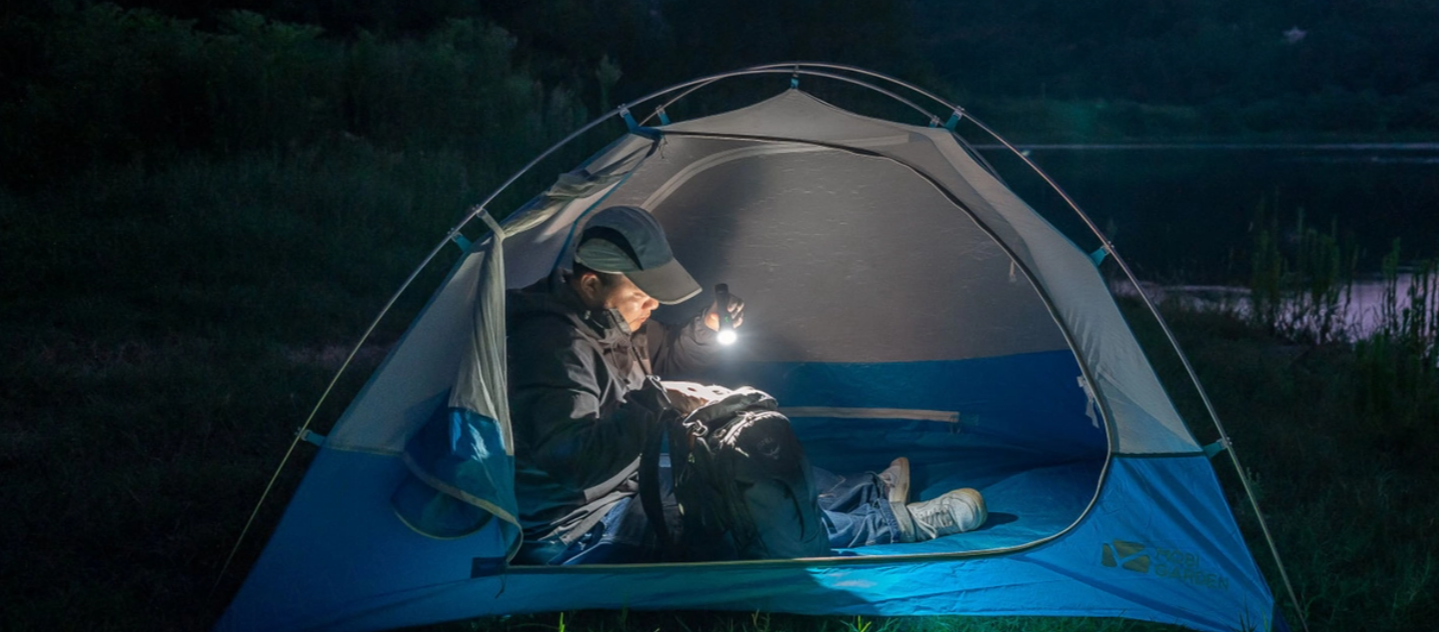
Using warm white color temperatures (2700K to 3500K) inside the tent preserves natural night vision and creates a relaxing environment before sleep. Cold-blue light suppresses melatonin production, which can lead to insomnia after a long day of hiking. In 2026, premium camping gear focuses on "Biological Lighting" that respects the human circadian rhythm.(Source:NCBI Bookshelf – Circadian Rhythms).
Why Obulb Is Perfect for Campsites and Ambient Lighting
For localized campsite illumination, compact spherical lights offer unmatched versatility. Spherical ambient lights distribute light evenly in a 360-degree pattern. They function as bedside lanterns, trail markers, or floating pool lights when water-resistant ratings are sufficient. The Olight Obulb series has become a legendary example of this design philosophy, proving that a light doesn't need to be huge to be incredibly powerful.
Equipped with magnetic bases, these compact units easily attach to metal poles, vehicle frames, or under-canopy magnetic patches. Many models also include secondary red-light modes, which are highly effective for reading maps inside the tent without attracting mosquitoes or disrupting your natural circadian rhythm. The soft "Red-Glow" allows for gear organization while your roommates continue to sleep undisturbed, making it the ultimate tool for etiquette-conscious camping.
The Best Lighting for Fishing, Beach Trips, and Waterside Adventures
Water-based summer activities present harsh environments for electronics. Saltwater corrosion, high humidity, and physical drops into water demand highly ruggedized, sealed lighting equipment. Coastal environments introduce "Salt-Fog," which can penetrate even the smallest gaps in a tool's chassis.
Reliable Lighting for Night Fishing: Stealth and Precision
Night fishing requires specialized lighting systems that assist in rigging tackle, navigating rocky shorelines, and landing fish without spooking aquatic life. The interaction between photons and water molecules requires a deep understanding of optical physics.
- The Power of Red Light: Fish are highly sensitive to sudden flashes of bright white light, which can scatter schools instantly. Utilizing low-intensity red light allows you to tie knots and inspect gear while remaining virtually invisible to most marine life. In 2026, red-light technology has evolved to provide deep-red 660nm wavelengths that preserve your "Rhodopsin" levels, maintaining your own night vision perfectly.
- Hands-Free Operation: Headlamps or angle lights that clip onto your fishing vest or hat brim allow you to handle rods, reels, and bait safely. When a fish is on the line, you cannot afford to fumble with a handheld torch.
- High Color Rendering Index (CRI): High CRI emitters reveal true colors, helping you accurately distinguish between different line weights, lure patterns, and fish species in pitch-black conditions. Differentiating between a venomous spine and a safe grip is a task that requires spectral accuracy.
Coastal Realities: Salt, Sand, and Sealing
Coastal camping introduces corrosive salt spray and fine sand particles that can easily ruin standard consumer electronics. Sand grains act as microscopic abrasives that can grind down O-rings and thread lubricants. To protect your investments, ensure all flashlights used near beaches and lakes carry a minimum IP68 rating. This ensures complete protection against dust and sand ingress while allowing continuous immersion in water.
Furthermore, choose lights with hard-anodized type III aluminum bodies or thick polymer casings to resist corrosion and impact damage on rocky shorelines. The chemical resistance of the finish is what prevents the body tube from seizing onto the tailcap after exposure to salt air.
Waterproof and Heat-Resistant Lighting for Summer Conditions
Summer weather is notoriously unpredictable. A clear, hot afternoon can rapidly transition into a severe convective thunderstorm. Your lighting equipment must be engineered to survive these sudden atmospheric shifts. When the air pressure drops and the rain turns torrential, your gear must maintain a hermetic seal against both liquid water and fine vapor.
Understanding Waterproof Ratings for Outdoor Lights
The International Protection (IP) marking system classifies the degrees of protection provided against the intrusion of solid objects and liquids. When choosing summer camping lighting, pay close attention to the second digit of the IP rating, which represents liquid resistance: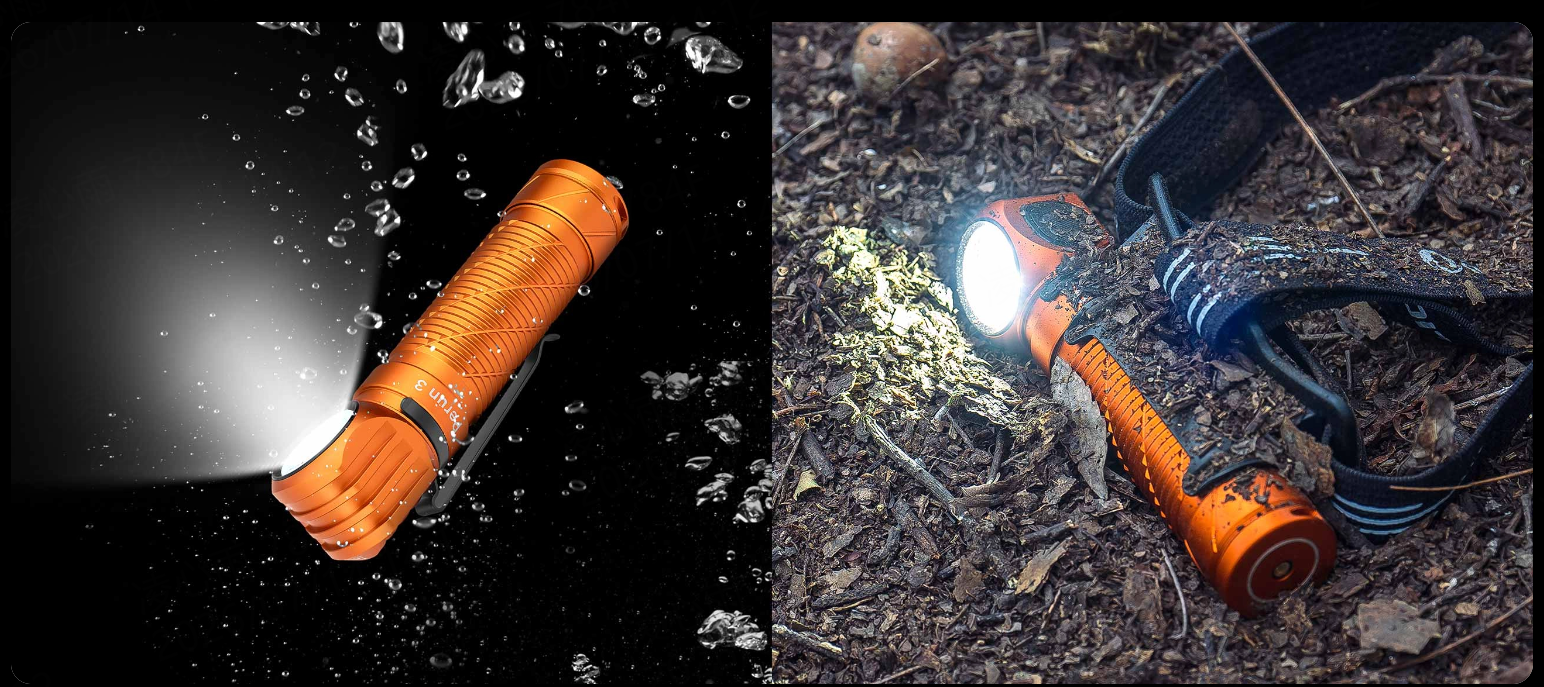
IPX5 ───> Protects against water jets projected by a nozzle from any direction.
IPX6 ───> Protects against powerful water jets or heavy seas.
IPX7 ───> Protects against temporary immersion in water up to 1 meter for 30 minutes.
IPX8 ───> Protects against continuous submersion in water deeper than 1 meter.
For true outdoor reliability, especially during waterside camping or heavy summer storms, choose devices rated at IPX8. This rating indicates that the light can survive not just a splash, but a fall into a deep river or a night left out in a puddle.
Thermodynamics in the Wild: Handling Heat, Rain, and Dust
Premium outdoor lighting gear utilizes highly engineered thermal and physical protection systems. In summer, the ambient heat can exceed 40°C (104°F). If your light is putting out 4,000 lumens, it is generating significant internal thermal energy. Without a path for this energy to escape, the LED will experience "Thermal Degradation," permanently reducing its brightness and lifespan.
- Active Thermal Management: Integrated thermal sensors continuously monitor the internal temperature of the light. If the temperature exceeds safe thresholds, the driver dynamically adjusts output to protect the battery and LED from heat degradation. This is a "Smart Shield" for your gear.
- O-Ring Seals and Lubrication: Precision-machined threads coupled with high-durability synthetic rubber O-rings block water and fine dust particles from entering the battery tube. Proper maintenance with silicone grease is essential to keep these seals elastic.
- Chilling Fins: Deep grooves machined into the aluminum head of the flashlight maximize the surface area, allowing heat to dissipate rapidly into the surrounding air through passive convection.
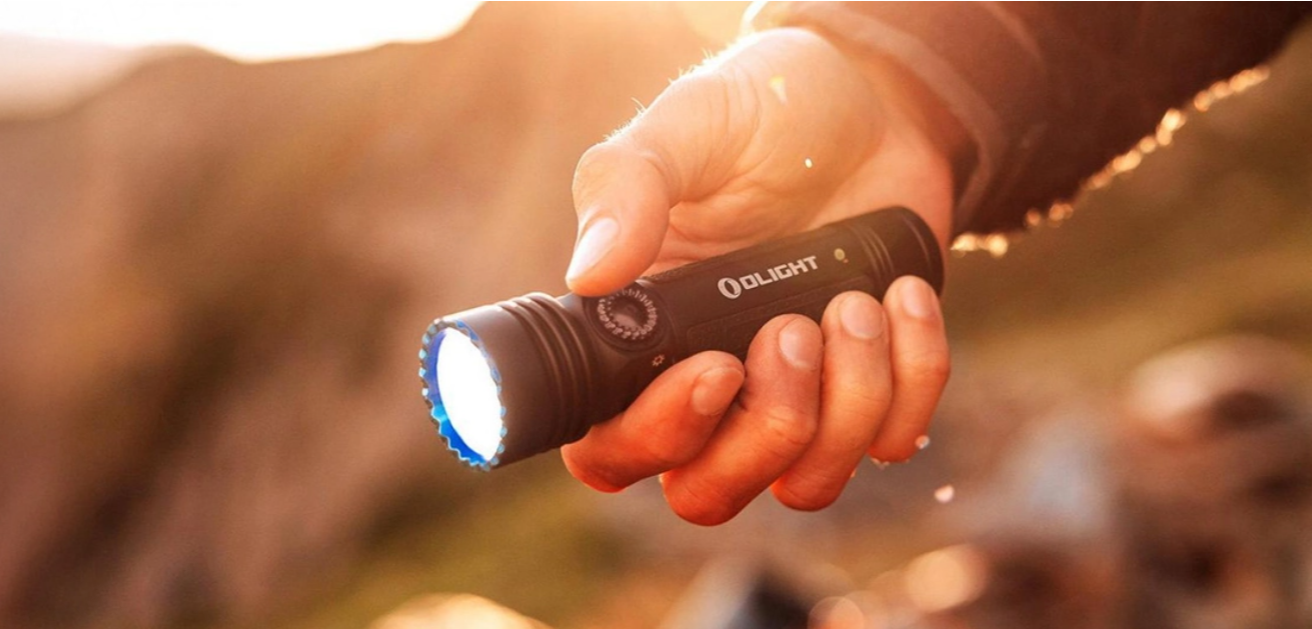
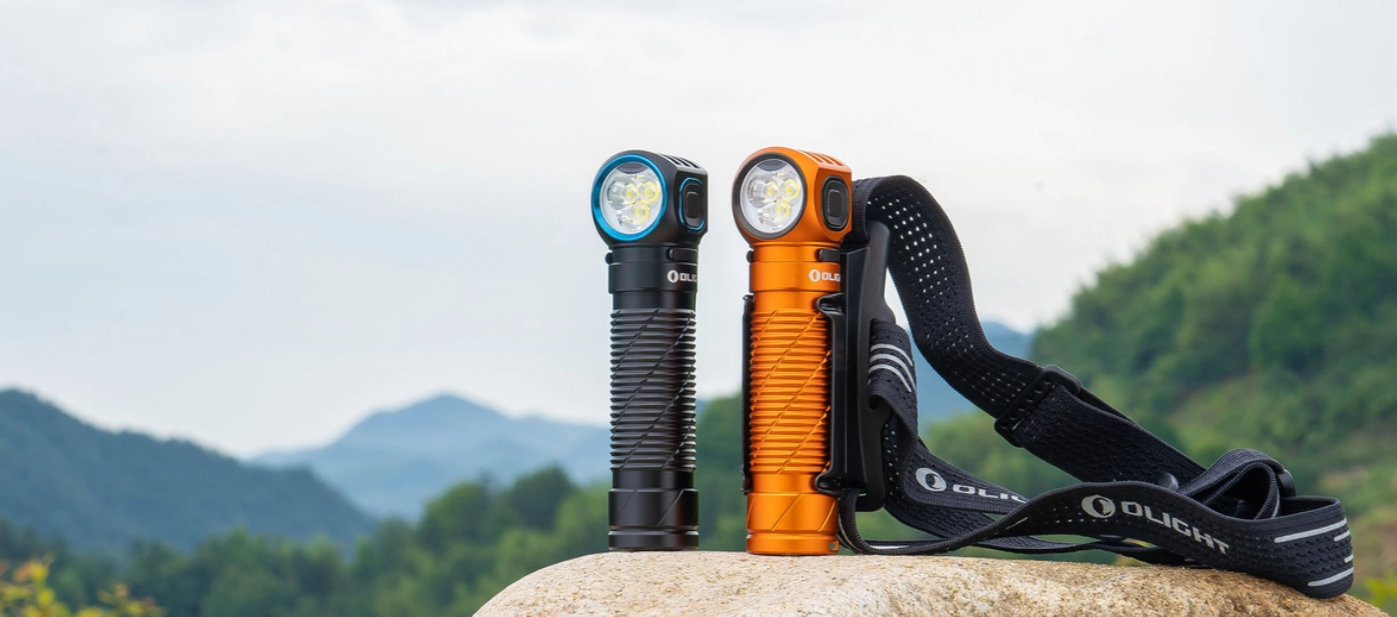
Top Outdoor Lighting Picks for Summer 2026
Frequently Asked Questions About Summer Gear
What Type of Light Is Best for Summer Camping?
For summer camping, a combination of a hands-free headlamp and a diffused ambient lantern is ideal. The headlamp handles active tasks like hiking and cooking. The ambient lantern provides soft, 360-degree illumination for socializing inside or outside the tent without creating harsh shadows or blinding campmates. Having multiple light sources also provides a critical safety redundancy.
Are Waterproof Flashlights Necessary for Outdoor Adventures?
Yes. Outdoor environments are highly unpredictable. Heavy morning dew, sudden downpours, or accidental drops into rivers, lakes, or puddles can destroy non-waterproof electronics instantly. Choosing gear with at least an IPX7 or IPX8 rating ensures your primary safety equipment remains functional under any weather condition. In the 2026 gear market, "Weatherproof" is no longer acceptable—only "Waterproof" provides true peace of mind.
How do I choose the correct lumens for my trip?
Think of lumens as a range rather than a single number. Inside the Tent: 1 to 50 lumens. Around the Campsite: 100 to 300 lumens. Hiking on Trails: 300 to 1,000 lumens. Search, Rescue, and Off-Trail Navigation: 1,000+ lumens. Always choose a light with multiple brightness settings so you can adapt to your immediate needs and conserve battery charge for emergencies.(Source: NIST – SI Units).