TL;DR: A high-quality rechargeable headlamp is essential for outdoor adventures, running, and professional trade work. This comprehensive guide compares battery types (built-in vs. replaceable), charging methods (USB-C vs. magnetic), and key performance metrics like lumens and beam patterns. Learn how to select the best rechargeable headlamp to maximize runtime, cost-savings, and environmental efficiency for your specific needs.
A reliable hands-free light source is essential for outdoor activities, trade work, and emergency situations. The rechargeable headlamp has evolved to become the preferred option for many users due to its superior power, convenience, and long-term cost benefits. This guide explains how to select the best rechargeable headlamp for your needs, analyzing battery types, beam patterns, brightness, and real-world applications.
Table of Contents
- Why Choose a Rechargeable Headlamp?
- Rechargeable Headlamp Battery Types and Charging Methods
- How Brightness and Runtime Affect Performance
- Best Rechargeable Headlamps for Different Activities
- Top Rechargeable Headlamp Recommendations
- FAQs
Why Choose a Rechargeable Headlamp?
Choosing the right light source significantly impacts your safety and efficiency. A high-quality rechargeable LED headlamp offers distinct advantages over traditional models that run on disposable batteries.
Key Benefits Over Disposable Battery Headlamps
Disposable batteries like AAA alkaline cells lose voltage quickly under load. As the battery drains, the light dims steadily. A rechargeable headlamp utilizes lithium-ion technology to maintain a regulated flat discharge curve. This means the headlamp produces consistent, bright light output until the battery is nearly empty.
Technical testing by ProTool Reviews demonstrates that lithium-ion cells maintain a stable voltage output under high current draws, whereas alkaline batteries suffer from immediate voltage drops (reference:ProTool-Reviews-are-loose-lithium-ion-battery-cells-dangerous).
Additionally, rechargeable cells handle higher currents. This high power draw allows manufacturers to design lights with outputs exceeding 1,000 or even 3,000 lumens, which is impossible to achieve safely or sustainably with alkaline batteries.
Cost Savings and Environmental Advantages
The initial purchase price of a rechargeable LED headlamp is higher than a cheap disposable model, but it saves money over time. High-quality lithium-ion cells support 300 to 500 charge cycles before their capacity drops noticeably. Replacing 500 sets of AAA batteries creates significant chemical waste and costs hundreds of dollars. By choosing a rechargeable option, you reduce landfill waste and eliminate the recurring expense of buying disposable batteries.
Convenience for Everyday and Outdoor Use
Modern rechargeable headlamps allow you to top up the battery before every trip. You do not have to guess how much energy remains in a half-used set of disposable batteries. Standardized charging ports allow you to charge your light in the car, from a laptop, or using a portable power bank while on the trail. This makes a rechargeable hiking headlamp or rechargeable running headlamp incredibly reliable for multi-day trips.

Rechargeable Headlamp Battery Types and Charging Methods
The battery configuration and charging interface determine how easy a headlamp is to keep powered during prolonged use.
Built-in Rechargeable Batteries vs. Replaceable Rechargeable Batteries
Headlamps utilize one of two battery configurations:
- Built-in Batteries: These batteries are sealed inside the headlamp body. This design allows for a lighter, more compact, and highly water-resistant chassis. However, once the battery drains, you must plug the entire unit into a power source to charge it.
- Replaceable Rechargeable Batteries: These models use standardized lithium-ion cells, such as 18650 or 21700 batteries. If your battery runs dry in the field, you can swap it instantly with a spare, pre-charged cell. The disadvantage is that these headlamps are generally larger and heavier.
USB-C Charging vs. Magnetic Charging
The physical charging mechanism affects usability and durability.
- USB-C Rechargeable Headlamp: USB-C is the universal standard for modern electronics. You can use the same cable that charges your phone or tablet. This setup simplifies your packing list when traveling.
- Magnetic Charging: This method utilizes a proprietary magnetic cable that snaps onto an external contact point on the headlamp. This design eliminates physical USB ports, which are prone to collecting dirt, mud, and water. It improves the waterproof integrity of the headlamp but requires you to carry the specific cable.
Charging Time and Battery Maintenance Tips
Most modern headlamps charge fully in 2 to 5 hours, depending on the battery capacity and the power source. To maximize the lifespan of your lithium-ion battery, avoid exposing the headlamp to extreme temperatures (above 104°F / 40°C or below 32°F / 0°C) during charging. Store the headlamp at approximately 40% to 60% charge if you do not plan to use it for several months. Never store a lithium-ion battery completely flat, as this can permanently degrade its capacity.
Comprehensive testing by Power Magazine shows that charging lithium-based cells outside the safe 0°C to 40°C window accelerates structural degradation and risks thermal runaway (reference : Power-Magazine-battery-research-development).
How Brightness and Runtime Affect Performance
Understanding how manufacturers measure and list performance specifications helps you avoid purchasing an underpowered or short-lived light.
Understanding Lumens, Beam Distance, and Runtime
- Lumens: This is the total volume of visible light emitted by the source in all directions. More lumens mean a brighter output, but high-lumen modes generate significant heat and drain the battery quickly.
- Beam Distance (Throw): Measured in meters, this indicates how far the light shines before the intensity drops to the equivalent of moonlight (0.25 lux).
- Runtime: This represents the duration the light operates before falling to 10% of the initial output level. High-power modes usually drop to lower brightness levels after a few minutes to protect the LEDs and battery from overheating.
Choosing Flood, Spot, or Mixed Beam Patterns
The optical lens determines how the light disperses:
- Flood Beam: Spreads light wide to illuminate your immediate surroundings. This pattern is ideal for reading, pitching a tent, or doing close-up repair work.

- Spot Beam: Narrows the light into a tight, intense beam that reaches far down the path. It is useful for high-speed navigation, searching, and route-finding.
- Mixed Beam: Combines both spot and flood optics, providing clear vision at your feet and in the distance simultaneously.
Balancing Brightness with Battery Life
Do not run your headlamp on its highest setting constantly. For camp tasks or slow walking, 30 to 100 lumens of floodlight is sufficient and preserves the battery for dozens of hours. Keep the 1,000+ lumen turbo modes for short-term search tasks or high-speed descents where maximum visibility is required.
Best Rechargeable Headlamps for Different Activities
Camping and Hiking
A rechargeable hiking headlamp must offer high reliability and a comfortable headband for hours of wear. A red-light mode is highly recommended. Red light preserves your night vision and does not attract insects or disturb fellow campers at night. Look for a minimum rating of IPX4 water resistance to ensure the headlamp survives sudden rainstorms.

An analysis by SectionHiker confirms that wavelengths in the red spectrum do not trigger the eye's rhodopsin depletion, effectively preserving low-light night vision during outdoor navigation (reference :SectionHiker-how-to-hike-at-night).
Work, Maintenance, and DIY Projects
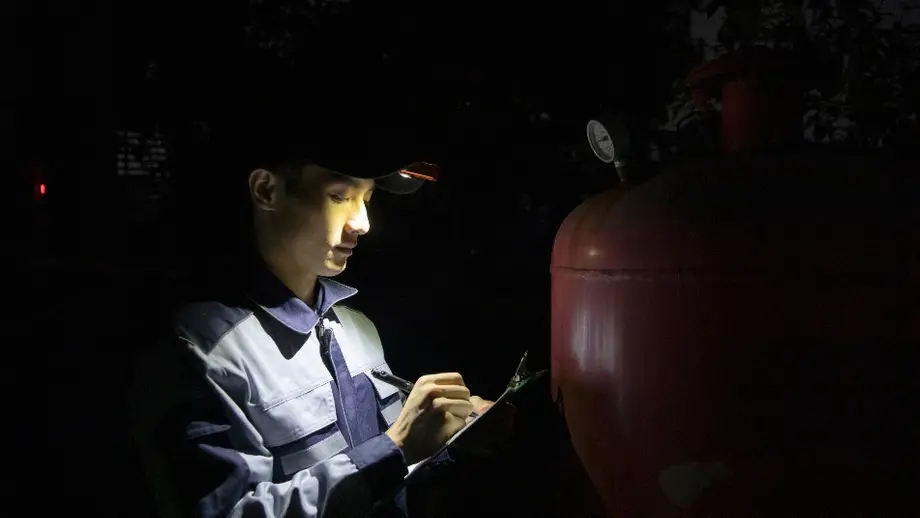
A rechargeable work headlamp requires rugged construction and easy controls. The light must withstand drops onto concrete and exposure to grease or dust. A magnetic tail cap or clip is highly useful, allowing you to detach the headlamp from the band and mount it to steel surfaces like car hoods or electrical boxes. A high Color Rendering Index (CRI) LED is also helpful for distinguishing wire colors accurately.

Running, Walking, and Everyday Use
A rechargeable running headlamp must prioritize weight distribution and a secure fit. Standard front-heavy headlamps bounce when you run. Look for models that mount the battery pack on the back of the head strap to balance the weight, or choose an ultra-lightweight, low-profile model. The beam should feature a wide, vibration-free flood pattern so you can spot obstacles and uneven terrain ahead.
Top Rechargeable Headlamp Recommendations
Olight offers several advanced headlamps designed to meet various consumer and professional requirements.
Perun 3
The Perun 3 Headlamp 3000 Lumens Flashlight is a versatile, heavy-duty L-angle light that functions as both a high-performance headlamp and a handheld flashlight. It is built for demanding environments, featuring a robust aluminum alloy body and dual-light sources.

Perun 3 Rechargeable Headlamp
Delivering up to 3,000 lumens, the Perun 3 is a powerful rechargeable right-angle headlamp built for demanding work, outdoor adventures, and hands-free lighting. It features multiple brightness levels, magnetic charging, and a versatile design for everyday reliability.
View Details- Dual-Light Sources: Features five white light modes and two red light modes, making it versatile for general illumination or maintaining night vision.
- Multi-functional Wear: The quick-release bracket allows you to transition the light from a headlamp to a handheld flashlight. The magnetic tail enables secure attachment to iron surfaces for hands-free work.
- Large Side Switch: The large, concave metal side button is easy to operate while wearing heavy gloves and prevents accidental activation in your bag.
Specifications
- Max Performance: 3,000 lumens
- Max Throw: 160 meters
- Compatible Batteries: Customized 3.6V 5000mAh 21700 Lithium-ion Battery
- Max Runtime: 20 days (Moonlight mode)
- Mode Operation: Side Switch
- Waterproof Rating: IPX8
Perun 2 Mini
The Perun 2 Mini is a compact, ultra-lightweight right-angle rechargeable light. It is ideal for users who need high output without the bulk of a full-sized 21700 battery light. It produces up to 1,100 lumens of white light and includes a red-light mode to protect night vision. Its small footprint makes it a comfortable choice for running or daily pocket carry.

Perun 2 Mini Rechargeable Headlamp
Compact and lightweight, the Perun 2 Mini combines a right-angle flashlight with a rechargeable headlamp for versatile hands-free illumination. Its magnetic base, multiple lighting modes, and portable size make it ideal for EDC, camping, hiking, and maintenance tasks.
View Details