TL;DR:
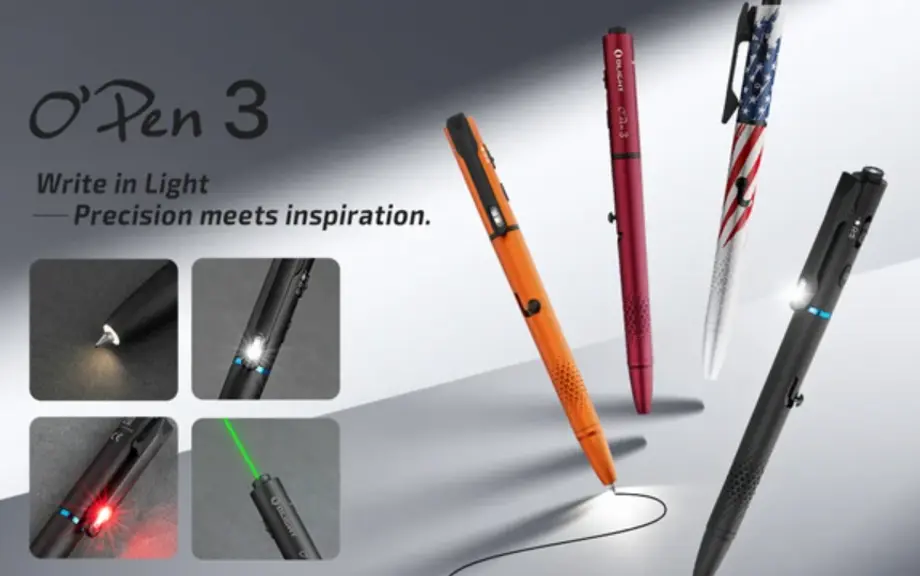
Selecting the best penlight for nurses is a critical decision impacting diagnostic accuracy and patient safety. This guide technical specifications such as High CRI (90+) for identifying jaundice and cyanosis, and low-output medical lighting modes for safe neurological checks. We analyze the Olight O'Pen 3 and i3E as primary clinical tools, focusing on hygiene compliance, ergonomic night-shift performance, and light spectral quality to ensure professional excellence in high-stakes hospital environments.
Choosing the best penlight for nurses requires a deep, evidence-based understanding of the unique physics governing clinical environments. A medical penlight is far more than a simple convenience; it is a high-precision diagnostic instrument. In the hands of a professional clinician, it serves as the primary tool for high-stakes pupil reactivity assessments (PERRLA), detailed physical inspections of mucosal membranes, and navigating the complex, low-light landscape of a modern hospital ward. Lighting quality is a core component of the "Standard of Care." Using an unverified, off-the-shelf light source can lead to subtle but life-altering diagnostic errors, unnecessary patient photophobia, or even irreversible retinal phototoxicity under intensive exposure. This guide outlines the intersection of optical engineering and nursing excellence.
M Professional Guide Contents
1. Core Lighting Requirements for Clinical Environments
Hospital environments present a unique "optical paradox." Wards are often illuminated by 1000-lux fluorescent overheads that cause harsh reflections off charts and screens, yet patient bedside areas remain in deep shadow to encourage rest. A nurse's light source must be capable of navigating this contrast without introducing visual noise.
Critical Use Scenarios in Advanced Practice
Modern nursing workflows require a portable light source for an average of 40 to 60 interactions per 12-hour shift:
- Neurological (PERRLA) Checks: Evaluating Cranial Nerves II and III to detect traumatic brain injuries (TBI), strokes, or pharmacological toxicity. A light that is too intense will cause the user to miss the subtle "accommodation" reflex.
- Mucosal Integrity Inspections: Examining the oropharynx for petechiae, viral inflammation, or fungal colonies (Candidiasis). This requires a light with no "flicker" (PWM-free) to avoid ocular fatigue during long exams.
- Wound Bed Granulation Monitoring: Evaluating the edges of deep-tissue injuries. Differentiating between "slough" (yellow/gray) and healthy "granulation" (red) tissue is physically impossible under standard cool-blue LED lights.
- Line & Tube Tracing (The ICU Spaghetti): Managing intravenous (IV) pumps in near-total darkness. Tracing a critical medication line from the infusion pump to the port requires a clean, non-glare beam that won't startle a sleeping ICU patient.
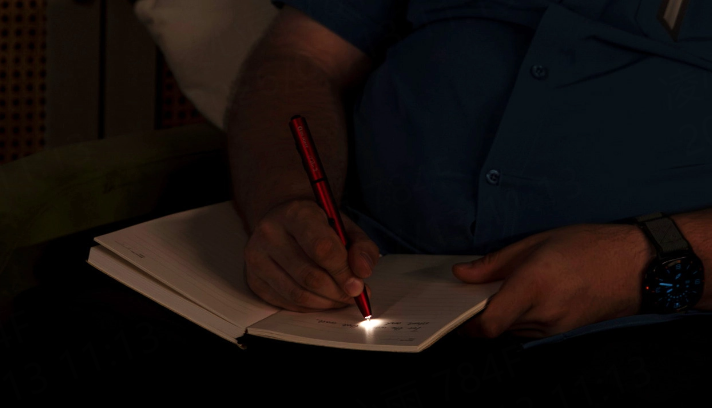
- Vascular Access Identification: Using the beam to enhance the visual contrast of veins under the skin surface during difficult peripheral IV insertions.
Tactical vs. Medical: The "Phototoxicity" Risk
A common mistake among nursing students is the use of high-lumen tactical flashlights. Tactical torches are designed to disorient attackers using high "Candela" (peak beam intensity). When applied to a clinical pupil exam, these beams can exceed safe thresholds for "Blue Light Hazard" (IEC 62471). This can result in "retinal bleaching," leaving the patient with blind spots for several minutes. Professional medical penlights use specifically calibrated TIR (Total Internal Reflection) optics to diffuse the beam, ensuring that 100% of the light is focused on the diagnostic area without creating a dangerous hotspot.
2. The Physics of Pupil Assessment & High CRI Lighting
In clinical care, the *quality* of the light—specifically its spectral power distribution—is more important than its raw brightness. This is defined by the Color Rendering Index (CRI).
The Biological Significance of High CRI (90+)
CRI measures how accurately a light source reveals colors relative to natural sunlight (CRI 100). Standard LEDs have a CRI of approximately 70. These lights are "deficient" in the Red (R9) and Skin Tone (R13) spectral regions. In a medical setting, a CRI 70 light makes oxygen-rich blood look dull or brownish, and makes the yellow tint of mild jaundice in a patient’s sclera look like standard white tissue.
A High CRI clinical light (90 or above) allows a nurse to detect early-stage cyanosis (blue tint in lips/nails) or evaluate the true color of bodily fluid drainage on surgical gauze. These details are the foundation of early intervention; a misidentified color on a night shift can lead to delayed sepsis detection.
Optical Comparison:
- Cool White (>5000K): Enhances alertness but washes out warm biological tones. High glare potential.
- Neutral White (4000K-4500K): The "Gold Standard" for medicine. Minimizes eye strain and provides natural contrast between healthy and necrotic tissue.
3. Night Shift Dynamics: Circadian-Friendly Solutions
Night shifts require a balance between operational visibility and the preservation of the patient's melatonin levels. Sleep-deprived patients experience slower recovery rates and higher incidents of "Hospital Delirium."
The best nurse flashlight for night rounds must feature a dedicated "Moonlight Mode" (less than 5 lumens). This output level is sufficient to verify the speed of a drip chamber or check an identification band without startling the patient from deep REM sleep. Furthermore, modern clinical lights are incorporating Red Light LED options. Red light (above 650nm) does not trigger the "pupillary constriction reflex" as harshly as white light and has zero impact on the circadian clock, allowing patients to remain in a restful state while the nurse maintains situational awareness.(Source: NIH - Light exposure and human circadian rhythms)
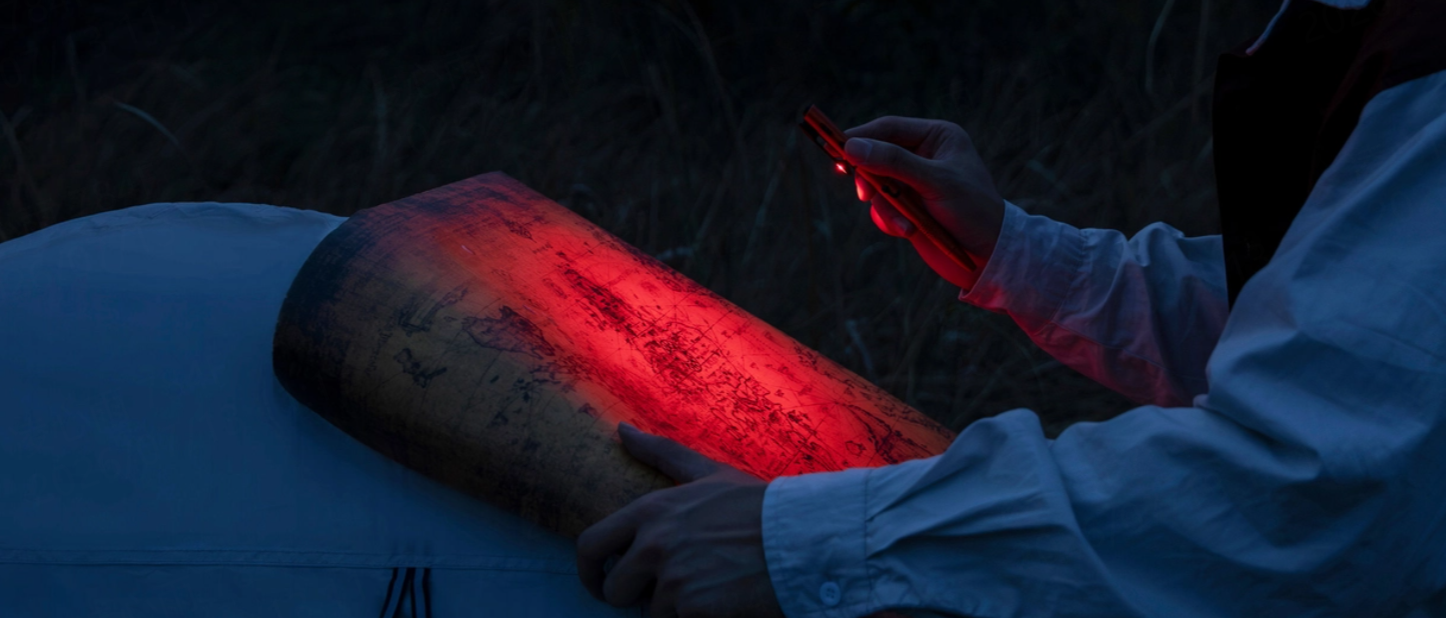
Weight is also a factor of physical fatigue. During a 12-hour shift, a nurse can walk between 3 and 5 miles. Pocket sag from heavy, steel-bodied torches leads to lower-back strain and uniform discomfort. Professional-grade penlights must be crafted from aerospace-grade aluminum, offering a strength-to-weight ratio that allows the tool to "disappear" into a chest pocket until needed.
4. Medical Hygiene Standards & Material Science
Hospital-acquired infections (HAIs) cost the global healthcare system billions annually. Portable clinical tools are frequent vectors for Cross-Contamination. Penlights, handled dozens of times a day, must be built with "Infection Control" in mind.(Source:WHO – Infection prevention and control).
- Hard-Anodized Aluminum vs. Polymer: Cheap plastic penlights are porous and prone to microscopic "stress crazing" when exposed to clinical disinfectants. These micro-cracks harbor bacterial colonies and biological biofilms. High-grade Type III hard-anodized aluminum is non-porous and chemically inert, allowing for thousands of wipe-downs with 70% Isopropyl Alcohol or Quaternary Ammonium without degrading.
- Waterproof Integrity (IPX8): A professional nurse flashlight must be capable of surviving accidental immersion in water, saline, or bodily fluids. An IPX8 rating means the battery compartment is sealed by high-quality silicone O-rings, allowing the device to be thoroughly sanitized under running water if a breach in hygiene occurs.
- Integrated Tool Geometry: A clinical light should be smooth, with minimal deep knurling where pathogens can hide. Olight's "Meteor Shower" or similar tapered grips provide tactile control without providing "valleys" for bacteria.
5. Elite Product Analysis: Olight Clinical Series
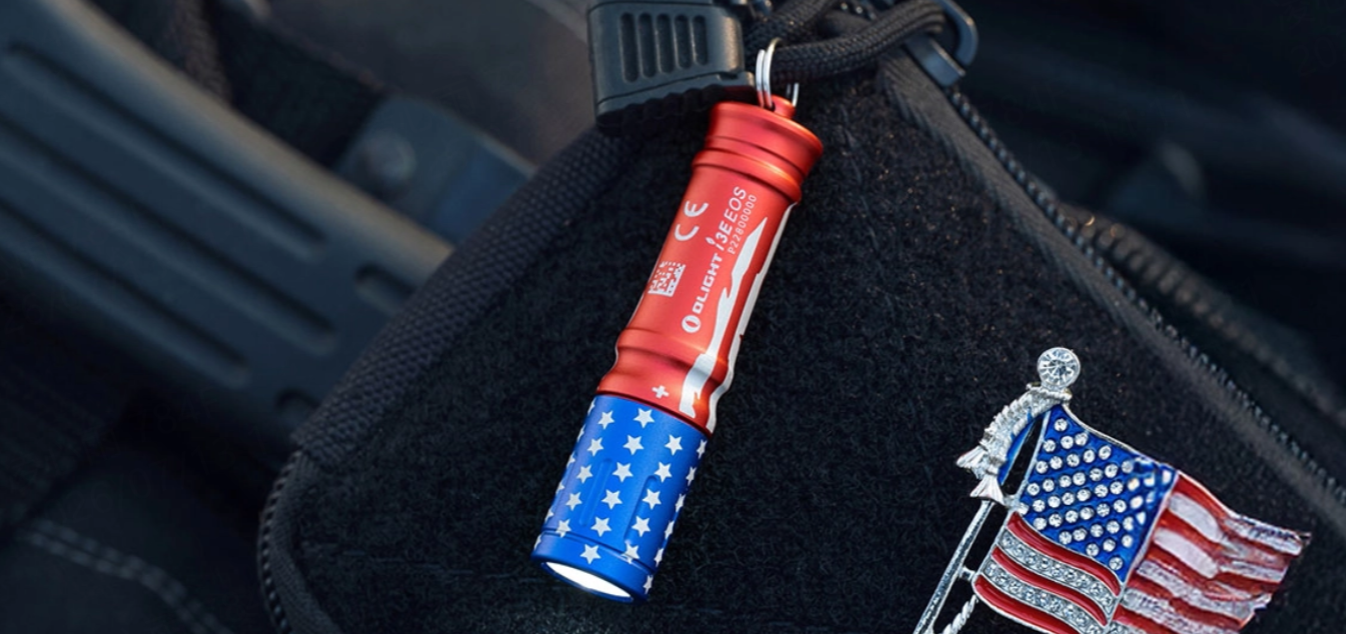
6. Professional Maintenance & Disinfection
To maintain the diagnostic validity of your clinical light, a weekly maintenance protocol is required. The optical lens (PMMA or Glass) must remain free of fingerprints and protein buildup. Body oils on a lens can absorb heat during use, leading to microscopic "thermal pitting" that permanently degrades beam clarity.
Disinfection Strategy: Nurses should utilize 70% Isopropyl Alcohol wipes for general patient care between rounds. For critical care environments (ICU/NICU), a Quaternary Ammonium compound is preferred for its residual antimicrobial efficacy. Avoid high-concentration bleach soaks, as these can eventually oxidize the copper springs inside the battery chamber, leading to flickering—a phenomenon known as "Voltage Droop" during critical exams. Always ensure the pocket clip tension is maintained; a loose clip results in a tool falling into clinical waste bins or onto hazardous floors.
7. Advanced Clinical FAQ
Is the Olight O'Pen 3 safe for use in pediatric wards?
Yes, provided the nurse utilizes the "Low" or "Moonlight" modes. Pediatrics require special care regarding the "Startle Reflex." The O'Pen 3’s high-CRI neutral light is significantly less threatening to infants than the cold-blue light of standard hospital-issue plastic penlights.
Why does CCT (Color Temperature) matter in trauma care?
Correlated Color Temperature (CCT) affects the clinician’s perception of oxygenation. Cool-white light (6000K+) can artificially enhance the appearance of "cyanosis" (blue skin), potentially leading to false-alarm interventions. A 4000K-4500K neutral light provides the most accurate view of oxygenated blood flow through surface capillaries.
How do I prevent my penlight from becoming a "fomite"?
A fomite is an object that carries infectious organisms. The key is "Surface Smoothness." Choose lights like the Olight series with smooth, anodized finishes that do not allow biofilms to gain a foothold. Regular disinfection after every contact with a patient's environment is mandatory per WHO hand hygiene protocols