TL;DR:
Effective hunting headlamps are vital for stealthy navigation and successful game recovery. This 2026 guide explores the biological science of red and green light spectrums to maintain situational dominance without spooking big game. Featuring elite gear like the Olight Perun 3 and Warrior X 4, we detail technical requirements for IPX8 waterproofing, high-candela beam throw, and tiered loadouts. Master your environment and ensure legal compliance with professional-grade illumination tailored for the modern backcountry hunter.
For hunters, the hours before sunrise and after sunset are when the real work happens. Whether you are navigating dense timber to reach your tree stand before first light, setting up a decoy spread in a freezing marsh, or tracking a blood trail after dusk, hands-free illumination is non-negotiable. In the high-stakes theatre of the wild, light is not merely a tool for convenience—it is a critical safety asset and a tactical force multiplier. Navigating pitch-black backcountry terrain demands gear that won't fail when you are miles away from the nearest trailhead, carrying heavy packs under unforgiving weather conditions.
A standard camping headlamp will not cut it in the backcountry; it lacks the spectral purity and mechanical robustness required for professional field operations. True hunting requires specialized light spectrums, extreme weather resistance, rugged impact-rated durability, and long battery runtimes to endure days of isolation in harsh alpine or marshland terrain. This comprehensive guide provides the technical roadmap to mastering the dark, protecting your night vision, and selecting the ultimate tactical illumination system.
📜 Field Guide Navigation
Why Light Color Matters (Red, Green, White in the Field)
Understanding the science of light spectrums is what separates a novice hunter from an experienced woodsman. Animals perceive light radically differently than humans do, primarily due to the evolutionary structure of their eyes. While humans are trichromats possessing three types of color-receptive cones, most big game species are dichromats. Using the wrong wavelength of light at the wrong moment can instantly compromise your position, sending a trophy buck crashing through the brush and ruining a hunt before it even begins. Professional illumination gear leverages these biological gaps in animal vision to provide a stealthy, high-contrast advantage during critical low-light transitions.
Red Light: The Stealth Standard
Most big game animals, including whitetail deer, elk, and mule deer, are dichromats with visual sensitivity peaking in the blue and green bands of the spectrum. Their eyes lack the L-cone photoreceptors required to register long-wavelength red light (typically above 620 nanometers). To a whitetail, a pure red beam is virtually invisible or appears as a faint, non-threatening shadow in the forest. This biological blind spot allows you to slip into bedding areas or climb your tree stand unnoticed.
Furthermore, red light does not break down rhodopsin (visual purple) in the human eye. Rhodopsin is the biological pigment in our rods responsible for night vision adaptation. When you utilize a high-quality red light, your pupils do not constrict drastically, allowing you to read maps, check gear, or traverse trails while keeping your peripheral night adaptation fully intact. This adaptation can take up to 30 minutes to recover once exposed to harsh white light, making red illumination an invaluable asset for tactical safety.
Green Light: The Predator and Coon Hunter’s Secret
When you need more detail than red light can provide, a headlamp with green light is the ultimate tool. The human eye is evolutionary optimized to detect green wavelengths (around 555nm). Under green illumination, our visual acuity is significantly enhanced, allowing us to perceive sharp outlines, micro-textures, and depth contrast at a fraction of the lumen output required by other colors. This high efficiency helps conserve valuable battery life during long nights in the wilderness.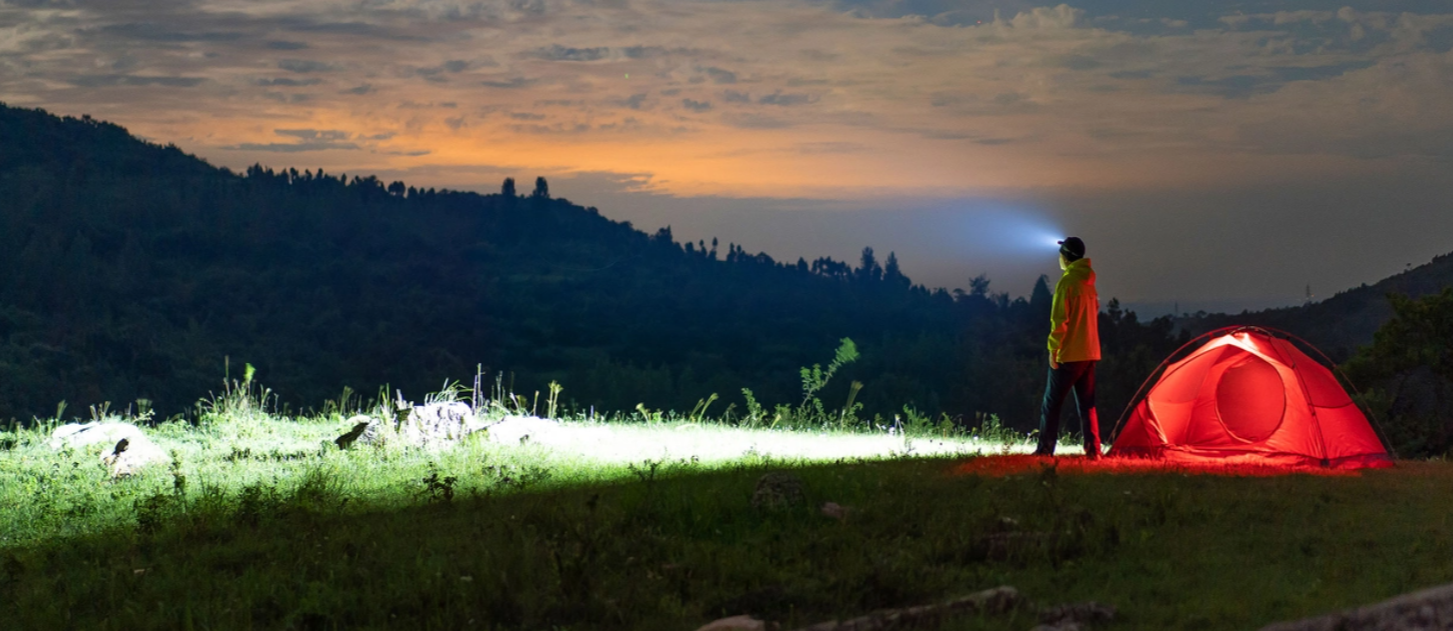
For predator hunting, hog hunting, and coon hunting, a green LED is an invaluable asset. While predators like coyotes, foxes, and wild hogs possess specialized eyes for night navigation, they do not readily associate green light with human presence. When illuminated slowly from above, green light allows you to map out shots and spot glowing eyes in the dense canopy without triggering a sudden flight response, giving you the extra seconds needed to make a ethical, clean harvest.
White Light: Navigation and Recovery
High-output white light is your primary utility tool. While it will immediately spook game and ruin your night vision, it is indispensable for blood tracking, where color accuracy is required to distinguish dark red blood from brown leaves, pine needles, and soil. In 2026, the use of High-CRI (Color Rendering Index) white LEDs has become the professional standard, providing the spectral depth needed for field dressing and search-and-rescue situations where maximum visibility is a safety requirement.
Top Picks by Hunting Type: 2026 Elite Gear
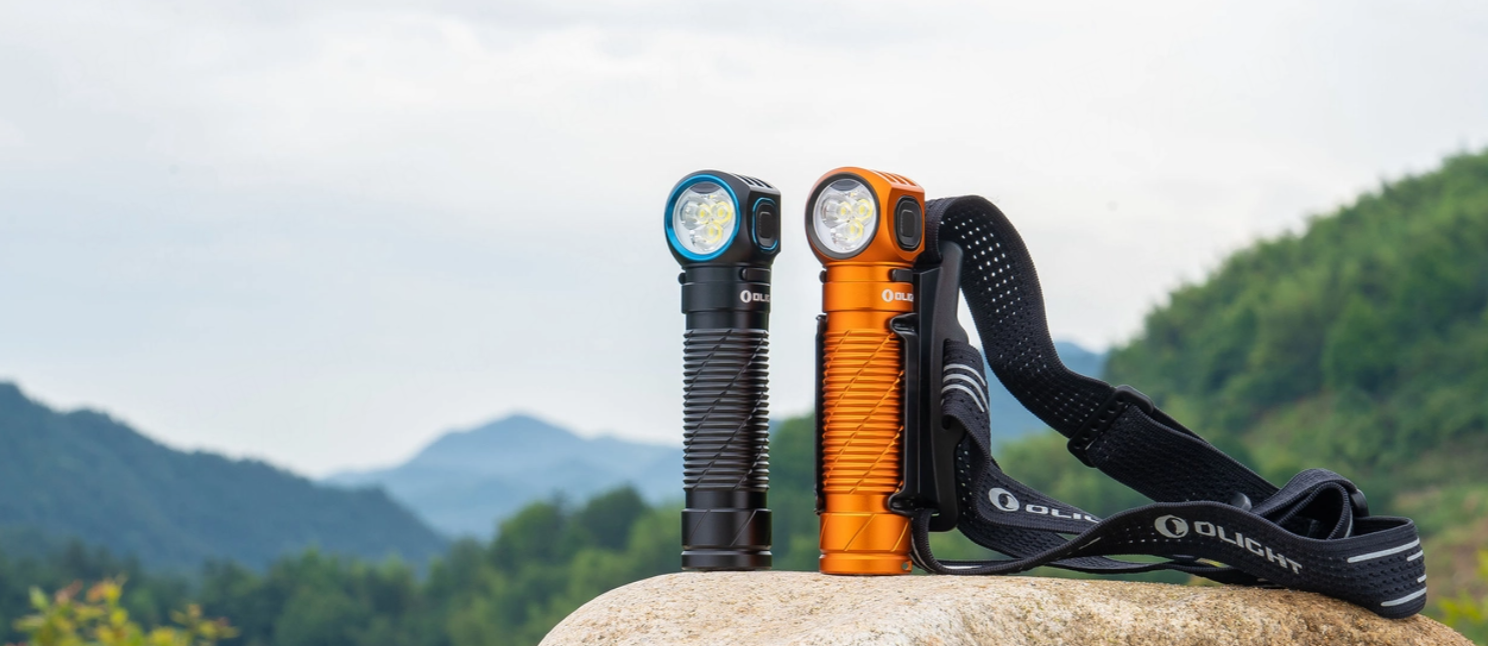 Olight Perun 3
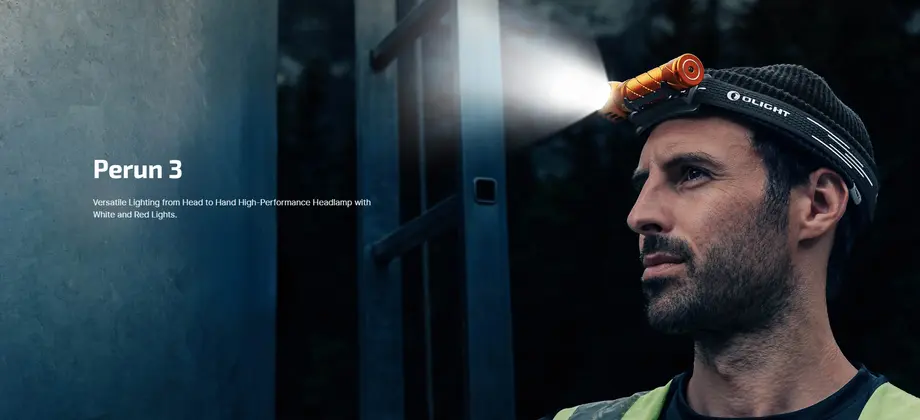
The Perun 3 stands out because of its advanced dual-light source functionality and multi-use flexibility. Out of the box, it features high-efficiency white LEDs complemented by dedicated red light modes. By adding a specialized red filter, you can completely eliminate white light spill when sneaking through sensitive bedding areas. Constructed from rugged aircraft-grade aluminum with an IPX8 waterproof rating, the Perun 3 easily handles sudden heavy downpours and accidental drops on frozen ground.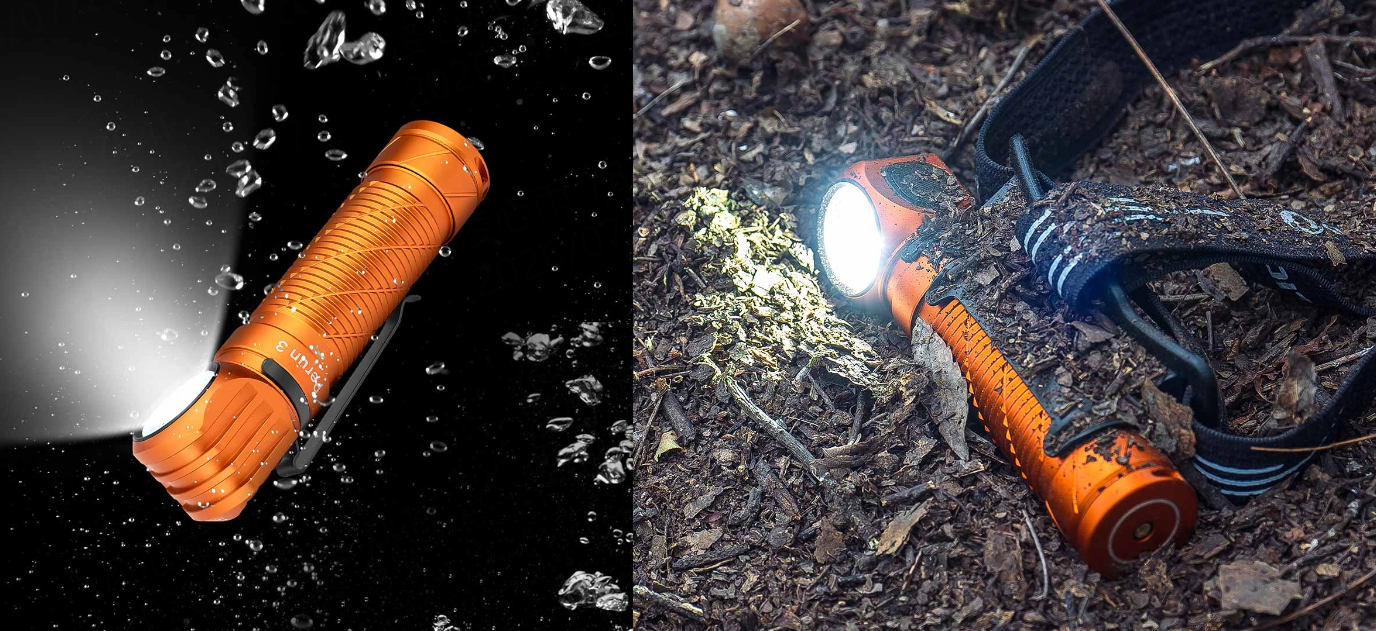
Its massive, high-capacity 5000 mAh rechargeable battery ensures you will not be left stranded in the dark during multi-day backcountry trips, offering up to 20 days of runtime on moonlight mode. The redesigned head strap is sweat-wicking and comfortable for all-night wear. Crucially, the large, concave metal side button is easily operated even when wearing thick, heavy winter gloves, making the Perun 3 an incredibly reliable and intuitive headlamp for demanding hunting environments.
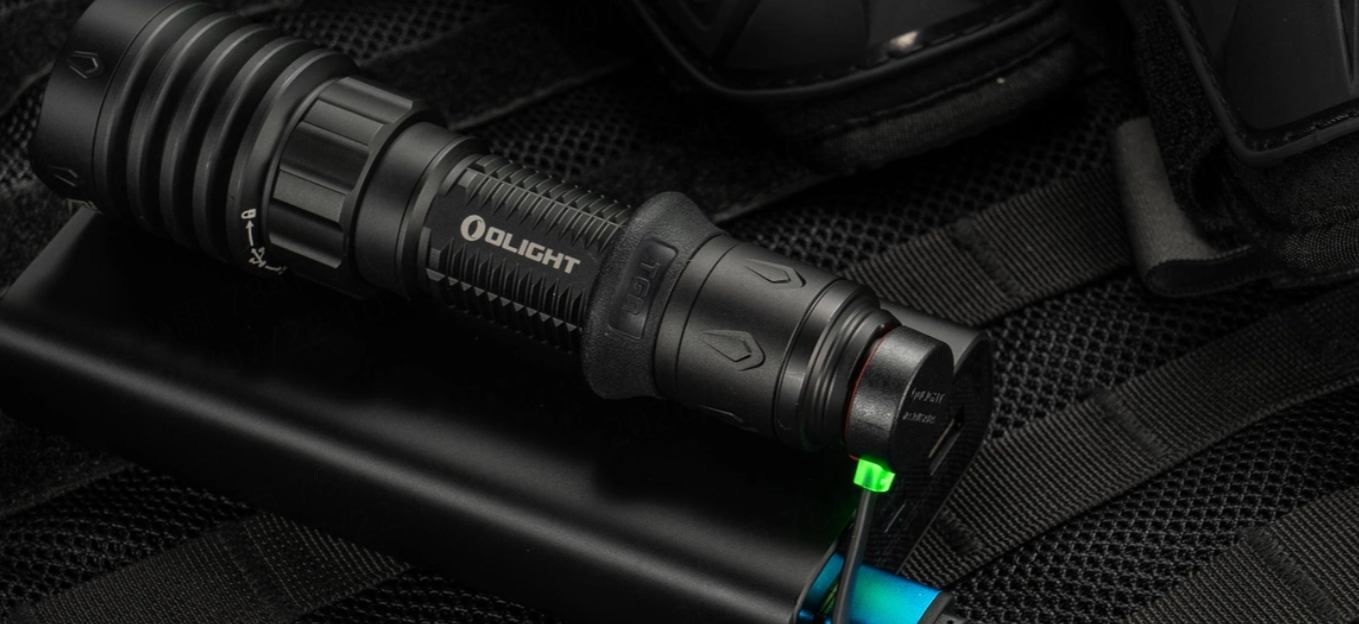
Coon hunting and long-range predator scanning require a highly specialized optical approach. While hands-free floodlighting is essential for walking through swampy bottoms and muddy creek beds, spotting treed game or scanning vast canyon walls demands focused, high-candela throwing power. The Warrior X 4 operates as a premier high-powered searchlight that cuts through dense fog, dust, and thick mountain brush with ease.
When paired with a custom-fit green filter, it serves as a high-intensity green led companion system, casting a concentrated beam up to 630 meters. This extreme throw lets you identify raccoons and other small game high in the canopy from long distances without causing them to hide their eyes or turn away, ensuring faster target verification. Its dual USB-C/magnetic charging setup allows for flexible charging options in your hunting vehicle or out in the backcountry camp.
Headlamp vs Handheld Spotlight: Strategic Integration
Many hunters ask if they can get by with just one light source. In reality, a successful hunt requires a system of lights that serve distinct purposes. A headlamp keeps you safe and efficient while keeping your hands free to carry a rifle, navigate steep terrain, or manage hunting dogs. However, headlamps naturally have limited reflector size, which restricts their throw distance. A high-performance handheld tactical flashlight like the Warrior X 4 allows you to scan distant tree lines and positively identify targets from hundreds of yards away before pointing your head in that direction. This synergy is the hallmark of modern professional woodsmen.
By pairing a flood-heavy headlamp like the Perun 3 with a high-candela throwing flashlight, you establish a layered lighting strategy. Use the headlamp’s low-intensity red or green light for close-range tasks, trail walking, and setting up gear. Switch to the handheld spot beam only when you need to confirm trail markers in the distance or scan wide open fields. This method prevents unnecessary battery drain and keeps your immediate surroundings under complete visual control.
Field Comparison:
- Headlamp: Best for hands-free navigation, camp chores, and field prep. Provides wide flood/medium throw.
- Handheld: Crucial for extreme range scanning, blood tracking, and positive ID of distant targets. Provides tight hotspot/extreme throw.
Legal & Ethical Considerations by State
Before using any light in the field, you must understand the hunting regulations of the state you are in. US game laws regarding artificial lights are strict, highly variable, and strictly enforced by game wardens. Using a red, green, or white headlamp to safely walk to your stand is legal in all 50 states. However, "Shining"—casting a beam into fields to locate big game while armed—is illegal in almost all jurisdictions and carries heavy fines. Some states like Texas allow night hunting for invasive species (hogs/coyotes) with red/green lights, while others like Pennsylvania restrict it severely. Always consult the current year's digest from your state agency (DNR/DFW) before taking any light source into the field.
Ethical hunting practice, or "fair chase," also guides our use of high-lumen technology. While modern flashlights can throw beams over half a mile, they should never be used to disorient, harass, or spot game animals during closed hours. Responsible hunters use high-output light to ensure safe footing, protect themselves from predators, and guarantee an ethical recovery of harvested game. Respecting both the wildlife and local conservation laws is paramount to preserving our hunting heritage for generations to come.