TL;DR:
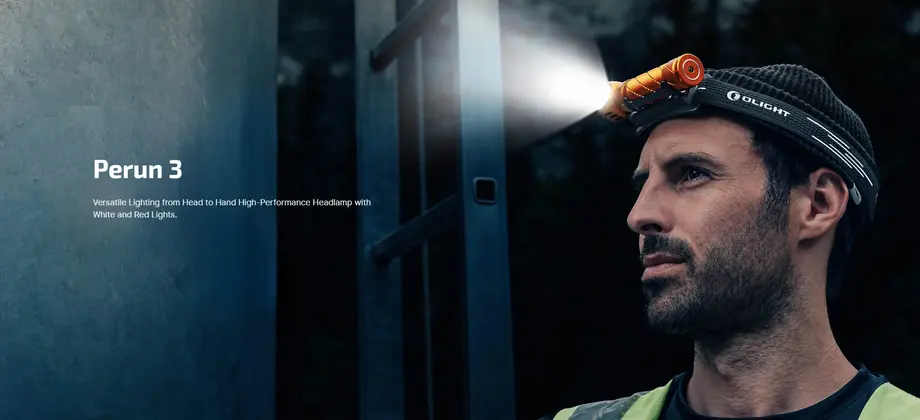
A professional work headlamp is the "third hand" for mechanics and industrial technicians, critical for safety and precision. This 2026 guide evaluates elite tools like the Olight Perun 3 and Array 2 Pro, prioritizing High CRI for accurate wiring identification, IPX8 waterproofing, and magnetic versatility. Learn why tiered illumination—combining high-output headlamps with L-shape versatility—maximizes shift efficiency and prevents ergonomic strain in tight workspaces like engine bays and electrical panels.
Imagine you are squeezed under a vehicle’s dashboard, tracing a maze of ancient, oil-slicked wiring. You have a socket wrench in your left hand, a replacement harness in your right, and exactly zero hands left to hold a flashlight. In moments like these, a premium headlamp ceases to be a mere accessory. It becomes the mechanic's "third hand"—an indispensable tool that holds the light precisely where you look, keeping your hands completely free to turn wrenches, splice wires, or handle heavy machinery. For tradespeople, choosing the best headlamp for work is not just a preference; it is an operational requirement for professional-grade results.
For tradespeople, mechanics, and industrial technicians, choosing the best headlamp for work is just as critical as selecting the right set of wrenches. A subpar light with a spotty beam, poor color rendering, or a dead battery halfway through a shift isn't just frustrating; it directly impacts your safety and the quality of your work. In this comprehensive guide, we will break down why a dedicated work headlamp is non-negotiable, the key technical features you must look for, and the absolute best work headlamps of 2026 to keep your workspace illuminated and your hands free.
M Navigation Table
Why a Great Work Headlamp Is Non-Negotiable
A standard, run-of-the-mill camping headlamp is designed for walking along a dark trail, not for close-up, high-precision technical work. When you are working in tight engine bays, dark electrical panels, or sprawling crawlspaces, a generic light falls short in several critical ways. The fundamental difference lies in the "Optical Architecture"—camping lights often have a distinct hotspot for distance, whereas technical work requires a broad, uniform field of view to eliminate the "Tunnel Vision" effect that causes dizziness and errors.
First, efficiency and safety go hand in hand. Attempting to balance a traditional cylindrical flashlight on a dirty frame rail or holding a flashlight between your teeth is a recipe for dropped tools, neck strain, and substandard work. A high-performance mechanic headlamp aligns the light source directly with your line of sight, ensuring that every bolt, wire, and fluid leak is visible without fumbling for an external torch.
Second, professional environments are punishing. Industrial workspaces are filled with grease, solvents, moisture, and concrete floors waiting to shatter cheap plastic casings. A professional-grade headlamp for work is built to survive these daily hazards while providing clean, flicker-free, and reliable illumination hour after hour. In 2026, the cost of equipment downtime is far higher than the cost of a premium light; therefore, investing in professional-grade gear is a strategic financial decision for any serious tradesperson.
5 Must-Have Features for Professional Duty
To truly act as your "third hand" on the job, a headlamp must offer a specific set of features tailored to the demands of physical labor. Here are the five must-have features to look for before making your purchase:
1. High CRI & Beam Uniformity: Seeing the Truth
High CRI (Color Rendering Index): Traditional LEDs can wash out colors, making red, brown, and orange wires look nearly identical. A high CRI headlamp (typically 90+) renders colors accurately, allowing electricians and mechanics to distinguish wiring and fluid colors with absolute precision. In electrical work, misidentifying a ground vs. a live wire due to poor light is a life-safety risk.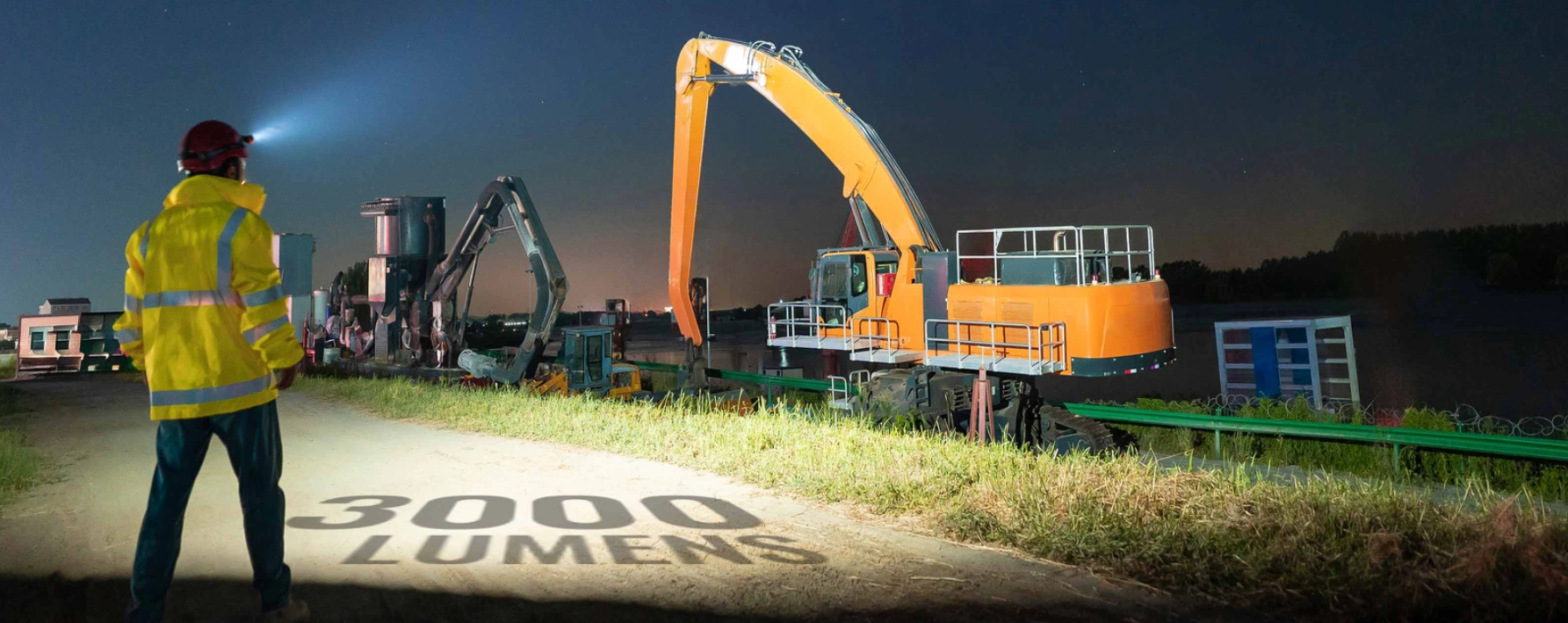
Beam Uniformity: You do not want a harsh, blinding hotspot in the center of your field of vision surrounded by pitch darkness. For close-up work, look for a headlamp with a wide, uniform floodlight. This minimizes eye strain and eliminates distracting glare off metallic surfaces, such as polished valve covers or chrome fittings.
2. Magnetic Base: Beyond the Headband
A magnetic tail cap transforms your headlamp from a headband-bound light into a versatile, stationary work light. When you need to slide under a chassis or attach a light directly to a raised car hood, you can simply pop the headlamp out of its bracket and stick it to any ferrous metal surface. This creates an omnidirectional light source that covers your entire working radius.
3. Angle Adjust & Right-Angle (L-Shape) Versatility
The physical form factor of your light matters. Right-angle (L-shape) headlamps—pioneered and perfected by designs like the Olight Perun series—are the gold standard for mechanics. Unlike traditional front-facing headlamps that can only be worn on the forehead, a right-angle light can be detached and used as a handheld flashlight, clipped to a chest pocket, or magnetically attached to a metal beam. This offers unmatched 360-degree angle adjustment, allowing the user to navigate around plumbing, HVAC ducts, or suspension components without moving their head constantly.
4. Long Runtime & Reliable Power Architectures
A dead light is useless. Your work headlamp needs a high-capacity rechargeable battery (such as a 21700 or 18650 lithium-ion cell) that can comfortably last through an entire 8-to-12-hour shift. Look for lights that offer multiple output modes, including a low-lumen "moonlight" or "eco" mode for prolonged close-up tasks. In 2026, the transition to 21700 cells has revolutionized the industry, providing almost double the watt-hours of previous generations without a significant weight increase.
5. Drop-Proof & Weather Resistant Engineering
Garages and jobsites are unforgiving. A reliable mechanics headlamp must have an IPX8 waterproof rating (or at least IP64 dust and water resistance) and a shockproof, thick-walled aluminum housing that can withstand repeated drops onto concrete floors. The glass lens should be recessed to prevent cracking when the light is inevitably dropped in a greasy engine bay.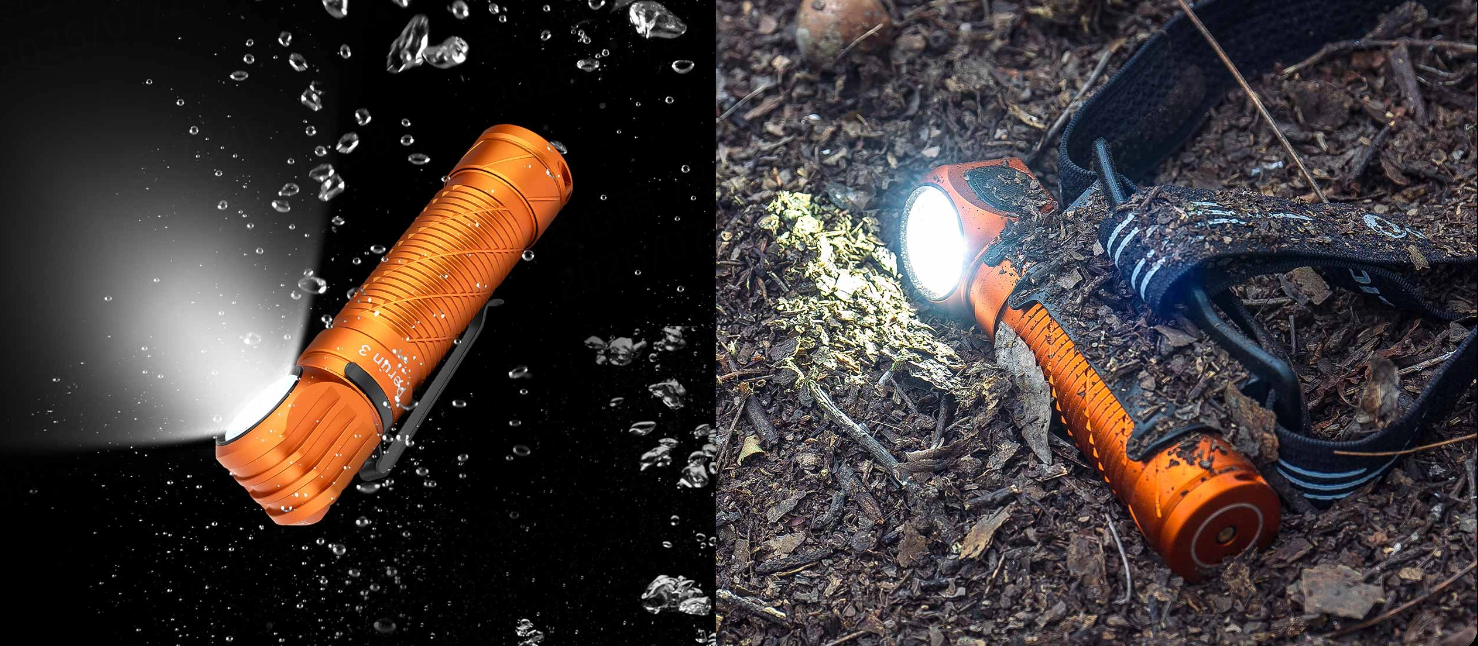
Top 5 Work Headlamps of 2026 Reviewed
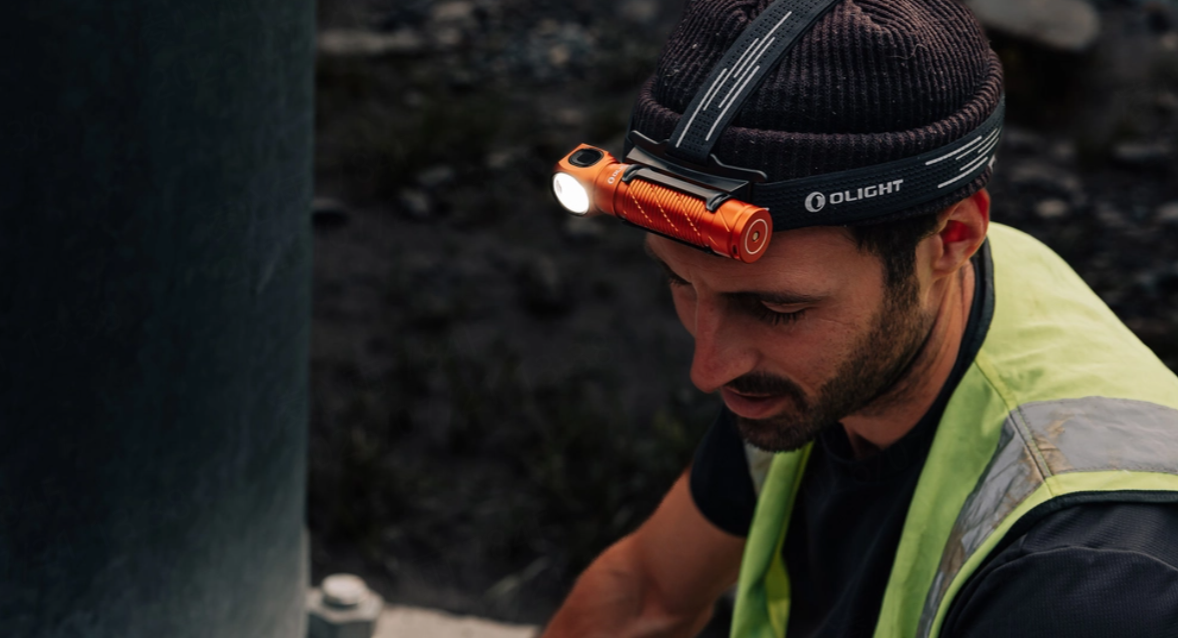
Best Budget Work Headlamp: For those looking for a dependable daily driver without a premium price tag, a budget-focused work headlamp utilizing a simple 18650 battery is a great entry point. Look for budget options that still feature an aluminum alloy body and a basic magnetic tail cap. While they may lack the high-lumen output of the Perun 3 or advanced dual-source red/white beams, they provide the essential hands-free functionality required to get basic garage work done.
Best for Electricians (High CRI): Electricians have a highly specific requirement: they must be able to accurately distinguish between similarly colored wires in dimly lit electrical panels. For this role, a specialized headlamp utilizing high-CRI (Color Rendering Index > 90) emitters is mandatory. These headlamps mimic natural sunlight, preventing the color distortion common with low-cost cool white LEDs. This ensures that a blue wire never gets mistaken for a green or black one, preserving safety on the job site.
Best for Heavy-Duty Jobsites: For extreme environments like mining, commercial construction, or heavy industrial plants, you need a headlamp that prioritizes raw durability above all else. These lights feature extra-thick polycarbonate or military-grade aluminum housings, intrinsic safety certifications (for explosive or hazardous gas environments), and heavy-duty silicone straps designed to grip hard hats securely without slipping.
Headlamp vs. Handheld vs. Clip-On: Strategic Analysis
While traditional handheld flashlights offer incredible throw and power, they fail the basic requirement of hands-free operation. Clip-on lights are lightweight but lack the durability, battery life, and high lumen output required for professional work. The right-angle headlamp wins decisively in the garage. By combining the hands-free convenience of a headlamp, the ruggedness of a handheld torch, and the positioning flexibility of a magnetic work light, it serves as the ultimate all-in-one lighting solution for any trade.
Technical FAQ
Are magnetic headlamps safe to use around car electronics?
Yes. The magnets used in the tail caps of modern work headlamps are static neodymium magnets. While they are incredibly strong physically, their magnetic fields are localized and completely safe to use around modern automotive ECUs, sensors, car batteries, and wiring harnesses. Neodymium magnets do not emit electromagnetic interference (EMI) that could disrupt data signals in CAN-bus systems. Just avoid placing them directly on top of old-school magnetic storage media (like floppy disks) or sensitive medical devices like pacemakers.
What is the best lumen level for auto repair?
For close-up automotive work under the hood or dashboard, 100 to 500 lumens of uniform floodlight is ideal. Anything brighter at arm's length can cause blinding glare off metallic engine parts and strain your eyes. However, having a headlamp that can boost up to 1,000 to 3,000 lumens is highly beneficial for inspecting deep chassis components, lighting up an entire dark garage bay, or searching for dropped parts on the shop floor. Versatility is the key; look for a light with multiple modes.
Why is beam uniformity more important than beam distance for mechanics?
A long-distance "spot" beam concentrates all its light into a tiny, intense point. When you work at arm's length, this spot creates a harsh reflection that washes out details. A uniform "flood" beam distributes the light evenly across your entire peripheral vision, eliminating hot spots and shadows so you can see every bolt and wire clearly. In technical terms, a wide beam angle reduces the "contrast ratio" between the center and the edges, which prevents ocular fatigue over long work hours.