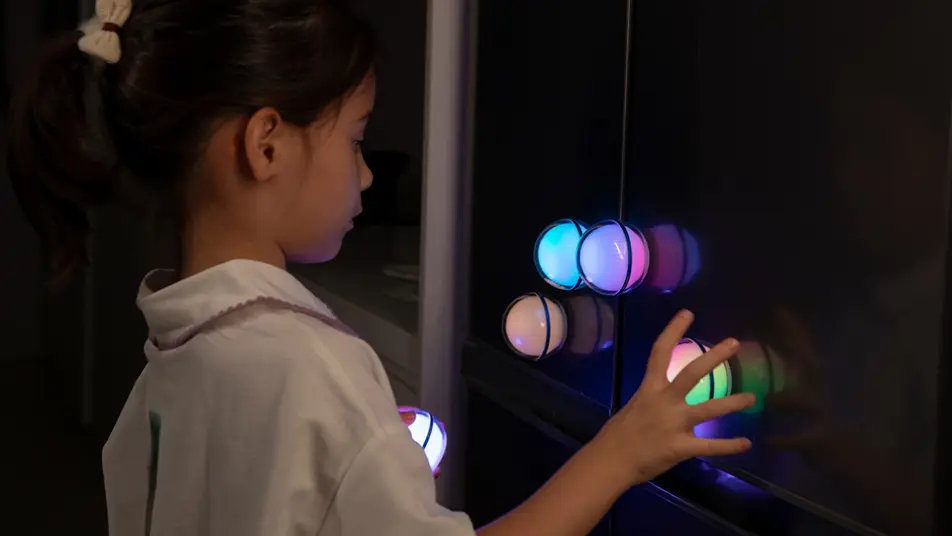
Every parent knows the excitement kids feel when handed a flashlight. Whether they are exploring the backyard, setting up a living room fort, or walking through the neighborhood on Halloween night, a flashlight transforms any ordinary space into an adventure. However, handing a standard high-power adult flashlight to a child poses real hazards, from eye-damaging glare to overheating batteries.
Selecting a specialized kid flashlight ensures that your family camping trip or evening walk remains both fun and safe. This guide breaks down what features actually matter when choosing kids flashlights and reviews the top options for various age groups to keep your children safe and visible in the dark.
The Parent's Safety Checklist: What Actually Matters for a Kid's Flashlight
When shopping for child friendly gear, safety must come first. High-end tactical or professional flashlights often feature extremely intense beams that can cause temporary blindness or permanent eye strain. A proper kids flashlight must balance fun and functionality with strict safety parameters.
Eye-Safe Lumens & Low-Glare Modes
The primary hazard of standard flashlights is their intense brightness. Children naturally point lights directly at their own faces or their friends' eyes. To mitigate this risk, choose devices that offer controlled, low-lumen output ranges.
For younger children, any light source should ideally remain below 100 lumens, or feature a dedicated, easily locked low-intensity setting. According to clinical guidance on phototoxicity published on the National Center for Biotechnology Information (NCBI), direct high-intensity light exposure can induce rapid retinal cell strain and macular glare. Utilizing low glare illumination and wide beam diffusers helps spread the light evenly. This human-centered optical design actively protects children night vision protection, preventing retinal discomfort even if a curious child accidentally looks directly into the beam.( Source: National Center for Biotechnology Information )
Child-Friendly Switches & Intuitive Controls
Complex user interfaces with multiple click-cycles can easily frustrate a child or accidentally activate a blinding "turbo" mode. Safe outdoor lighting options should utilize simple interfaces:
- Single-mode switches: A straightforward on/off mechanism is best for younger kids.
- Mechanical locks or physical separation switches: Devices that turn on by pulling them apart prevent accidental activation in pockets or toy boxes.
- Tactile, chunky buttons: Large, rubberized or metal switches are easier for small hands to press without requiring excessive finger strength. By removing confusing multi-click menus, children gain immediate control over their environment without risking accidental high-output activation.
Drop-Proof & Rugged Build
Kids put their gear through demanding conditions. A reliable kid flashlight must survive playground drops, muddy camp trails, and being dropped on concrete. Look for the following build specifications:
- Impact Resistance: A minimum rating of 1 to 1.5 meters ensures the internal circuitry survives falls.
- Water Resistance: An IPX4 rating or higher protects the light from unexpected rain showers, splashes, and damp grass. As outlined in standardized safety specifications by the International Electrotechnical Commission (IEC) IP Code Guide, an IPX4 rating or higher certifies that the enclosure prevents water ingress from splash hazards in all directions ( Source: International Electrotechnical Commission IP Code Guide ).
- Non-Toxic Materials: Look for rugged aluminum or thick, BPA-free plastics that can withstand rough handling without cracking into sharp pieces. Ergonomically rounded, impact-resistant housings prevent sharp plastic fractures, ensuring long-lasting durability through rough-and-tumble backyard adventures.

Top Age-Appropriate Picks for Gifts and Adventures
A child's developmental stage dictates their lighting needs. A toddler needs a soft, ambient glow to feel secure at bedtime, while a pre-teen requires a functional tool for navigating a campsite. Here are the top picks for kids gift ideas across different age ranges.
Ages 3–5 (Ambient & Toy-Safe)
For toddlers and preschoolers, look for portable kid lights that prioritize ambient illumination over focused beams. High-intensity beams are unnecessary at this age; instead, soft, glowing shapes are perfect for bedtime routines, backyard play, and indoor forts.
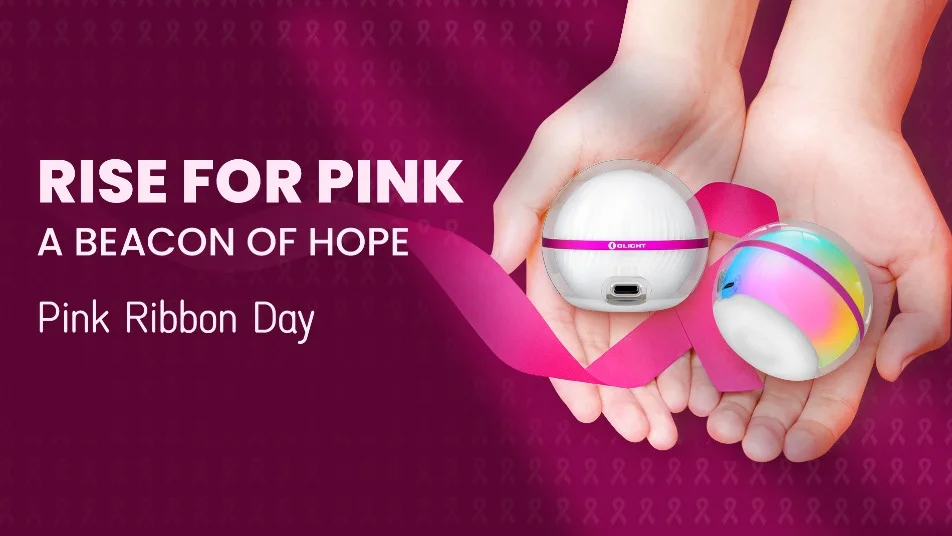
The Sphere Ambient Light With App Control serves as an outstanding companion for young children.
| Feature | Specification |
|---|---|
| Light Type | 360-Degree Ambient LED |
| Control | Button switch (7 modes) & App control (20+ modes) |
| Durability | 1.5-meter drop-proof |
| Waterproof Rating | IP56 dust and water resistant |
| Charging | USB-C compatible |

Olight Sphere Ambient Light
Key Specs: Portable decorative atmosphere light featuring full smart app control, multiple color modes, and magnetic charging base.
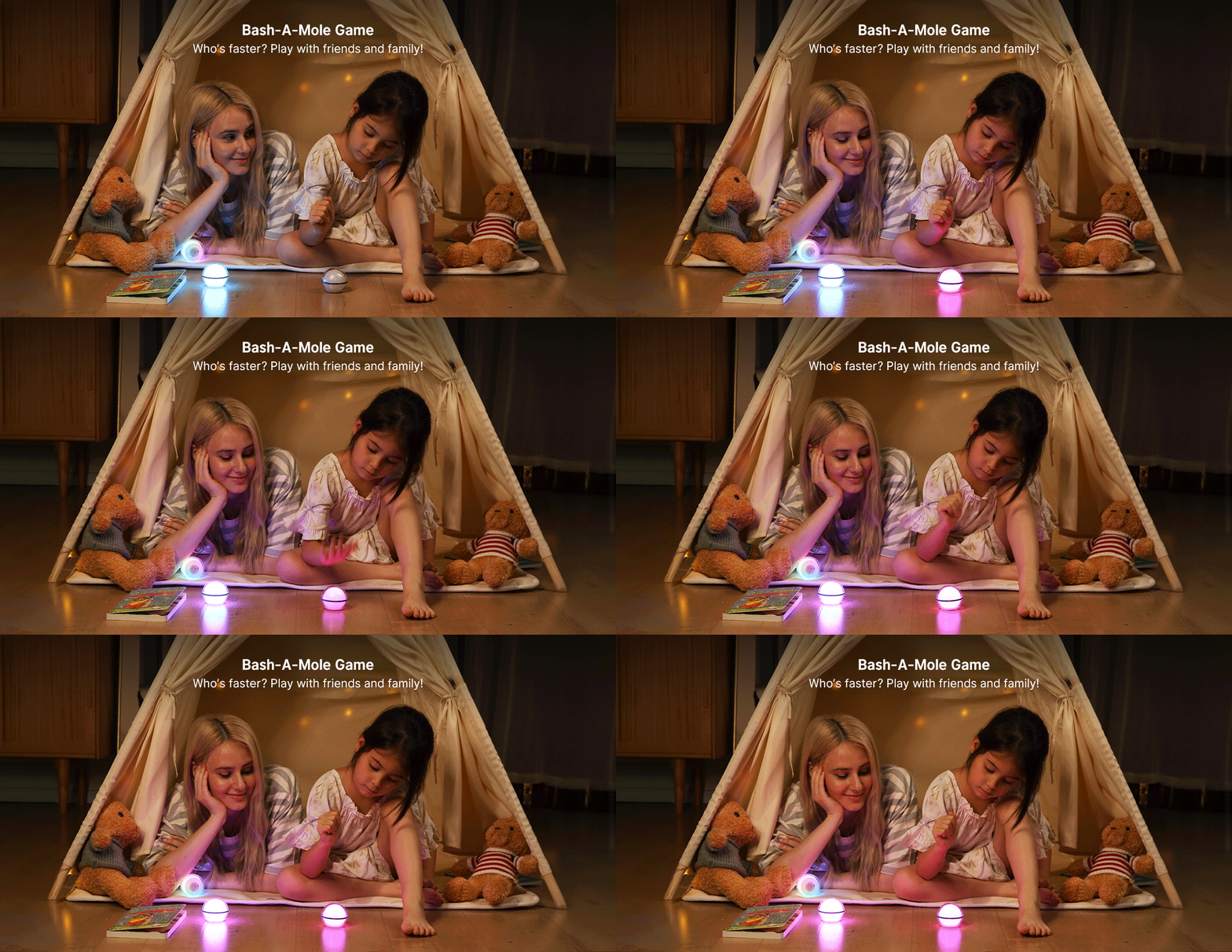
Shop Sphere →This spherical light is drop-resistant and safe to use indoors or during damp backyard camping. Engineered with a smooth, seamless polycarbonate shell, there are no sharp edges or pinch points for delicate hands. The integrated magnetic base allows it to stick securely to metal bed frames or camping tables. For parents seeking a reassuring bedtime routine, the smart app control enables sleep timers, soothing color palettes, and interactive light games like Bash-A-Mole, seamlessly transforming an outdoor lantern into a comforting nightlight.
Ages 6–10 (Camping-Ready Gear)
School-aged children are ready for real outdoor exploration. They need lightweight, highly portable options that they can attach to their backpacks, jackets, or belt loops.
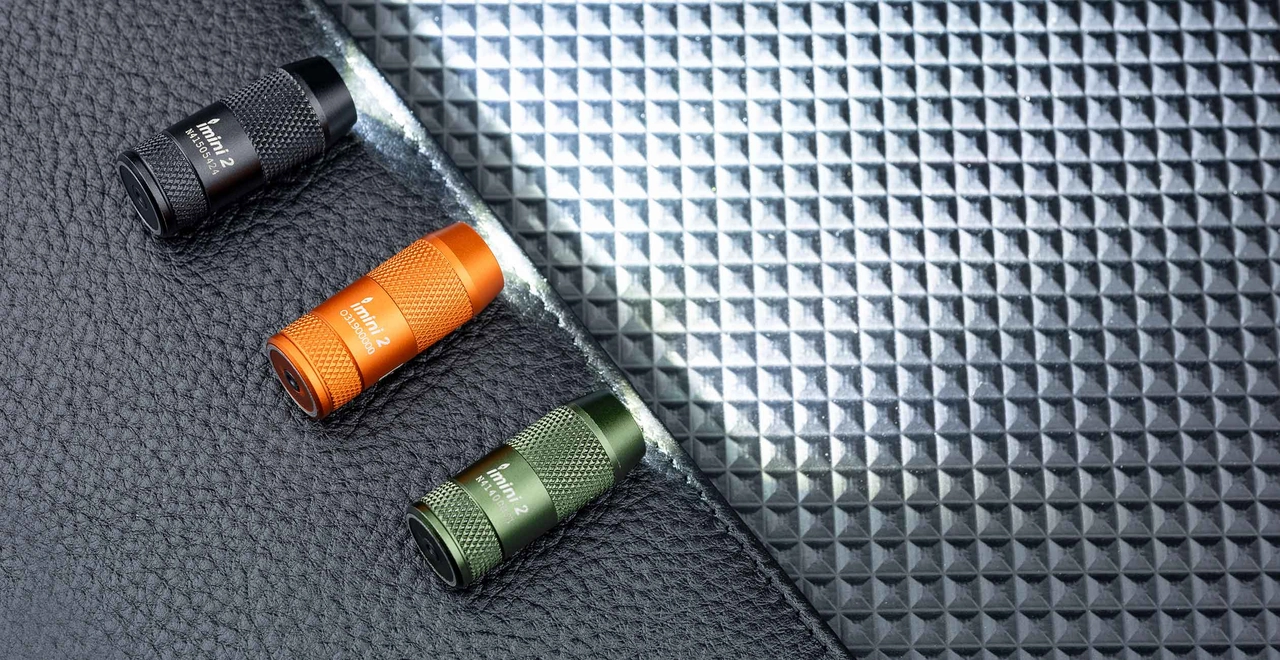
The Imini 2 Rechargeable Mini Flashlight is a compact, ultra-portable light that offers instant activation.
| Feature | Specification |
|---|---|
| Output | 50 lumens (wide, balanced beam) |
| Weight | 0.69 oz (19.5 g) |
| Length | 2.17 inches |
| Activation | Detach from the magnetic cap |
| Battery | Built-in rechargeable 10180 battery with integrated USB plug |

Olight imini 2
Key Specs: Instant-activation tiny keychain flashlight with a built-in USB charging plug and 50 lumens max output.
Shop imini 2 →The Imini 2 Rechargeable Mini Flashlight is incredibly easy for children to operate. Featuring a revolutionary magnetic pop-to-light design, kids simply pull the flashlight body away from its magnetic cap for instant 50-lumen illumination—no tiny switches or tricky dials involved. This single-output design prevents them from entering dangerously bright modes. Weighing under 0.7 ounces with a rugged aluminum body and 1.5-meter drop resistance, it clips effortlessly to zipper pulls, ensuring young campers never lose their light on dark trails.
Ages 10+ (Real EDC Step-Up)
As kids grow older and take on more independent outdoor activities, they can transition to a more traditional everyday carry (EDC) flashlight. They need reliable, pocket-sized tools with optimized thermal control.
The I3t 2 Small Edc Flashlight is the perfect transition tool for older children.
| Feature | Specification |
|---|---|
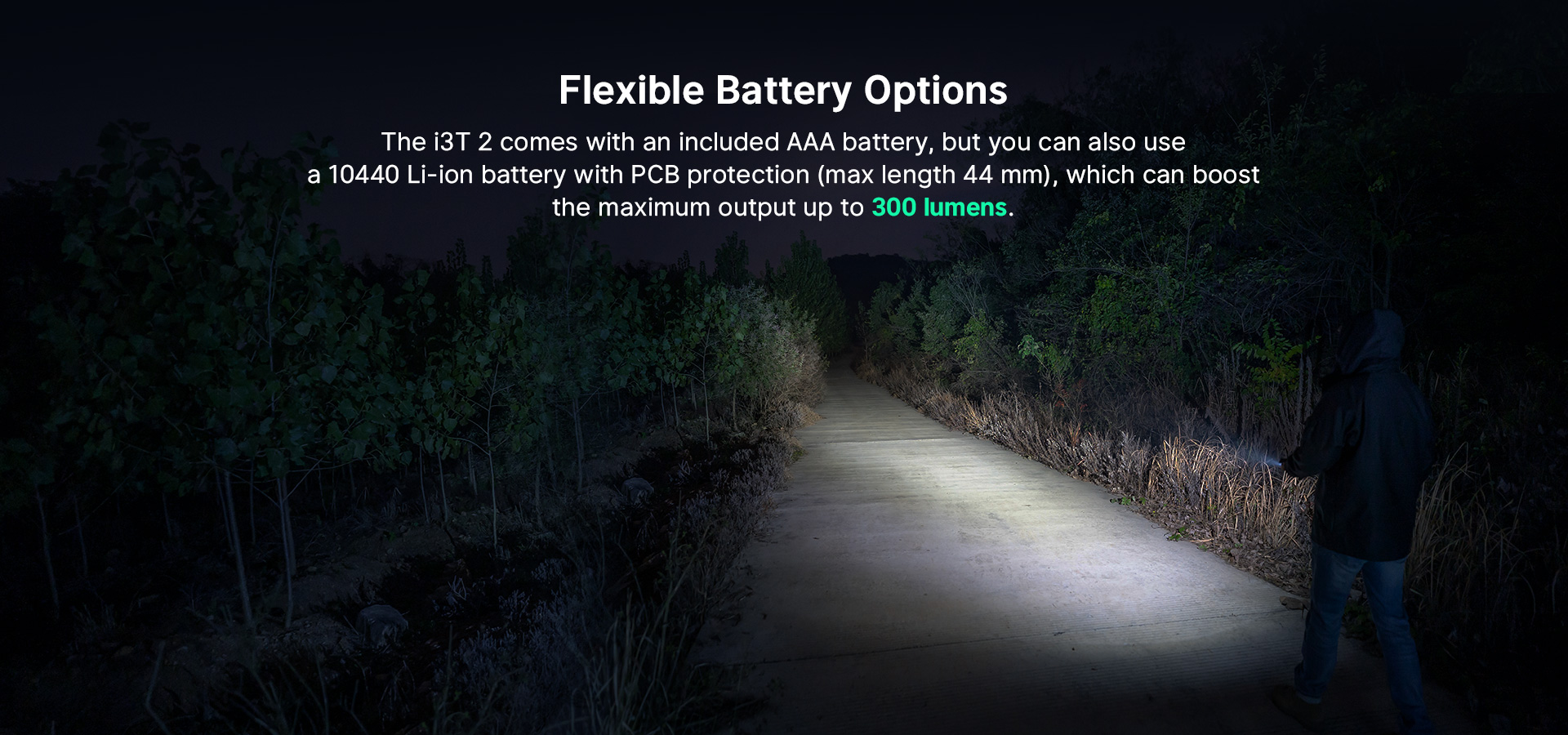
| Power Source | 1x AAA Battery (included) or 10440 Li-ion battery |
| Maximum Output | Up to 300 lumens (with 10440 battery) |
| Surface Temperature | Kept below 113°F (45°C) |
| Pocket Clip | Deep-carry pocket clip |
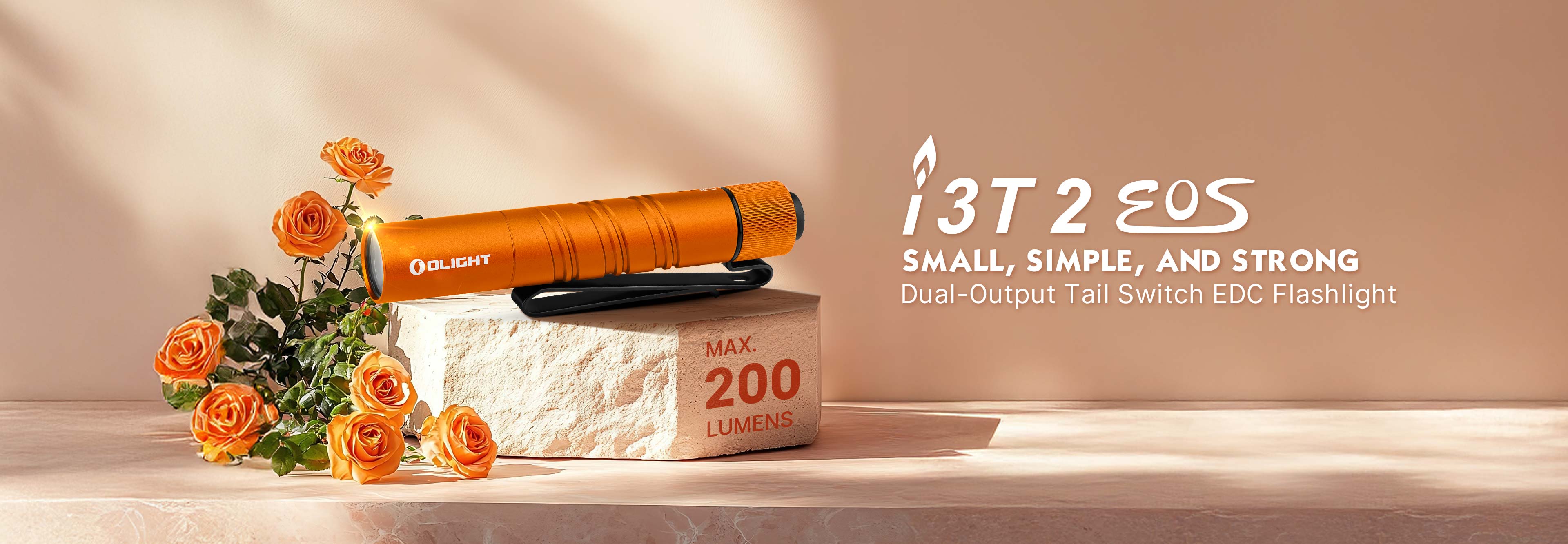
Olight i3T 2
Key Specs: Upgraded everyday carry pocket flashlight powered by a convenient AAA battery with a dual-direction pocket clip and responsive tail switch.
Shop i3T 2 →The I3t 2 Small EDC Flashlight features a tactical tail switch that allows users to set their default start mode. By setting the initial default mode to low, parents guarantee that the light always turns on at a soft, eye-safe brightness level. To prevent accidental burns, Olight optimized the internal circuitry to keep the flashlight's surface temperature below 113°F (45°C), even during extended use. Combined with a double-helix body knurling for a non-slip grip and a dual-direction clip that slides easily onto hat brims, it serves as an empowering starter tool for teaching older kids gear responsibility.
Halloween Flashlight Ideas and Safe Trick-or-Treating
Halloween is one of the most popular nights of the year for kid flashlight usage. Balancing visibility with fun is crucial for keeping kids safe on busy, dark streets.
High Visibility on Dark Streets
When kids are walking door-to-door, they must remain visible to drivers. However, traditional bright spotlights can blind oncoming traffic or other trick-or-treaters.
Using low-glare ambient modes or wide-beam keychain lights keeps your child visible from all angles without casting a blinding glare. Attaching a small, lightweight light to their costume zipper or trick-or-treat bag serves as an excellent Halloween safety accessories choice, keeping their hands free to hold candy buckets.
Costume Integration
Instead of holding a standard black flashlight, look for colored lights that match your child's costume. A purple, red, or green beam can easily be integrated into wizard wands, ghost costumes, or superhero props.
Utilizing compact keychain lights with vibrant color modes turns safety hardware into an exciting accessory. A lightweight, theme-appropriate light ensures they actually want to carry it all night, making it effortless for parents to track their position in crowded neighborhoods.
How to Teach Flashlight Safety to Kids
The best safety hardware is only effective when paired with good habits. Teaching children how to handle light sources responsibly prevents accidents and protects their vision.
Establishing the "Never Shine in Eyes" Rule
Start teaching this rule early through fun, game-based habit training. Instead of just stating the rule, play games that reinforce proper beam direction:
- The "Floor Only" Game: Challenge younger kids to keep their light beam below knee level during indoor walks.
- Shadow Puppets: Teach them to point the light away from people and toward walls to create shapes, showing that the wall is where the fun happens.
- "Freeze" Drill: Practice turning off the flashlight immediately when another person calls out "Freeze!" or walks into their path.
Battery Awareness and Proper Storage
For older children, use their first real EDC light as an opportunity to teach basic maintenance:
- Proper Storage: Explain why lights should be stored in a dry, cool place and checked before long outdoor trips.
- Battery Safety: Teach them never to mix old and new batteries, and to notify an adult immediately if they notice a battery leaking or a flashlight casing becoming unusually warm.
- Outdoor Etiquette: Instruct them on basic outdoor lighting courtesy, such as turning off their light when talking to someone face-to-face on camp trails to avoid blinding them.
By choosing the right child friendly gear and instilling safe handling habits early, you can enjoy peace of mind during your family's nighttime adventures. Whether setting up camp in the mountains or collecting treats on Halloween night, a safe, reliable light source keeps your family moving forward with confidence.
Frequently Asked Questions (FAQ)
Q1: Should I buy a flashlight with rechargeable batteries or replaceable AAA batteries for a family camping trip?
For multi-day off-grid camping, dual-fuel capability provides the ultimate reliability. Compact EDC models that accept both standard AAA batteries and rechargeable Li-ion packs (like the I3t 2) allow parents to use eco-friendly rechargeable flashlights for daily use, while easily swapping in fresh AAA batteries if power runs out during late-night tent setups or hikes.
Q2: Are metal aluminum flashlights safe for young toddlers, or should I stick to plastic?
While plastic seems softer, cheap plastic can shatter into sharp fragments when dropped on hard concrete. High-grade anodized aluminum or smooth, seamless polycarbonate offers vastly superior impact resistance. For toddlers under 5, choose smooth, rounded polycarbonate housings with no small removable parts. For kids 6 and older, lightweight aircraft-grade aluminum provides drop-proof durability while efficiently dissipating operational heat.
Q3: How can I ensure a multi-mode EDC flashlight doesn't startle my child with a blinding beam?
Choose flashlights featuring flexible memory settings or programmable initial outputs, such as the I3t 2. These lights allow parents to set a low-lumen output as the permanent default power-on mode. Regardless of how vigorously a child clicks the switch, the light will always activate at a soft, eye-safe level first, requiring deliberate secondary action to enter higher brightness modes.