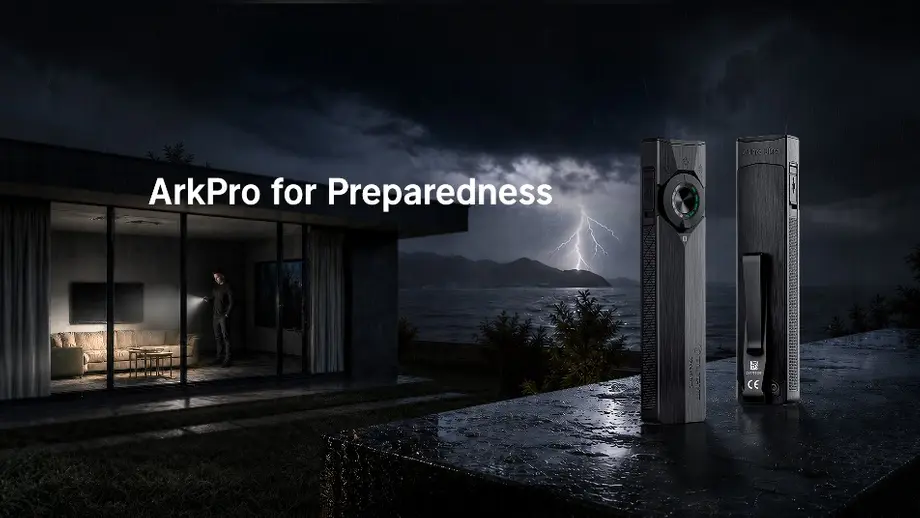
According to historical disaster tracking data, the United States experiences an average of 18 to 22 separate billion-dollar weather and climate disaster events annually—ranging from destructive Atlantic hurricanes and rapid-spreading wildfires to severe winter storms and prolonged power grid failures. Because these disasters strike with sudden intensity, most households find themselves thrust into immediate emergency conditions with little time to react. (Source: NOAA NCEI)
To mobilize proactive emergency planning before crises hit, the U.S. Federal Emergency Management Agency (FEMA) launched the annual Ready Campaign, designating every September as National Preparedness Month. The core message of the initiative is simple: disasters are unpredictable, but your preparation shouldn't be. (Source: Ready.gov)
The Official 4-Step Framework for Disaster Readiness
According to official emergency management guidelines, building true household resilience requires a comprehensive strategy centered around four essential steps: (Source: Ready.gov)
- Be Informed (Stay Updated): Understand the specific hazards common to your geographic area (e.g., coastal hurricanes vs. Western wildfires). Ensure your mobile devices are enabled to receive Wireless Emergency Alerts (WEA) and keep a battery-powered or hand-crank NOAA Weather Radio ready to track real-time official warnings when power grids or cellular towers fail.
- Make a Plan (Family Communication & Evacuation): Establish a clear family emergency communication plan in case mobile networks become congested. Agree on primary and secondary meeting locations, designate an out-of-state contact person, and outline evacuation routes and shelter options that account for children, older adults, and pets.
- Build a Kit (The 72-Hour Survival System): Assemble a portable self-contained emergency kit (Bug-Out Bag) capable of sustaining every member of your household for a minimum of 72 hours when emergency services and municipal utilities are unavailable.
- Get Involved (Community Preparedness): Take basic first-aid and CPR courses, learn how to safely shut off household utilities (gas, water, electricity), or join local volunteer emergency teams such as the Community Emergency Response Team (CERT) to support neighbors during a crisis.
What Belongs in a Standard 72-Hour Emergency Supply Kit?
A complete emergency kit ensures your household can manage basic survival needs independently during the critical initial days of a disaster. Key components include:
- Water & Food: At least 1 gallon of water per person per day for drinking and sanitation, plus a 3-day supply of non-perishable, ready-to-eat food and a manual can opener.
- Medical & Sanitation: A comprehensive first-aid kit, prescription medications, disinfectant wipes, personal hygiene items, and dust masks to filter contaminated air.
- Communication & Navigation: A NOAA weather radio, local physical paper maps (in case digital GPS fails), a whistle to signal for help, and cell phone power banks with charging cables.
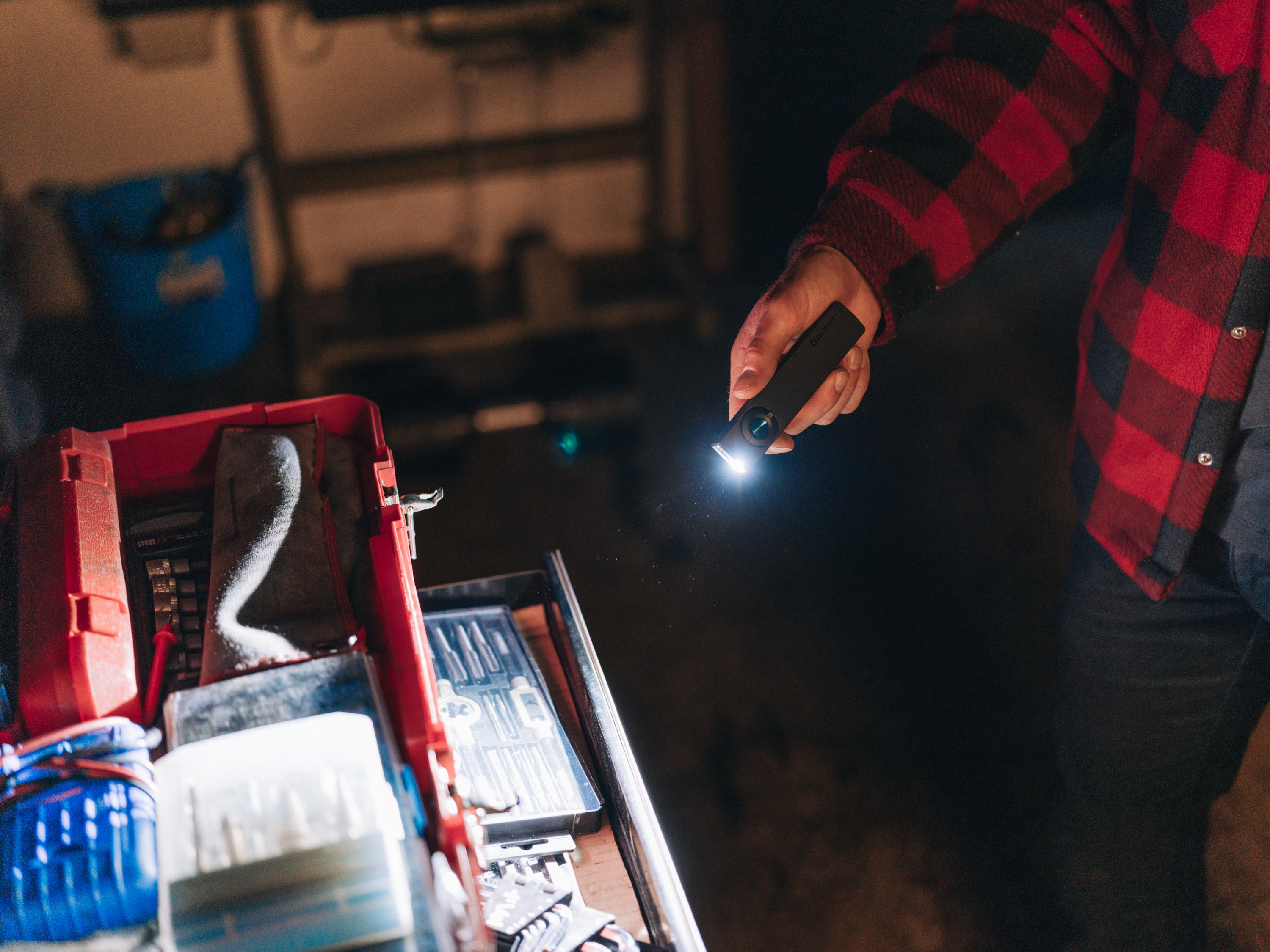
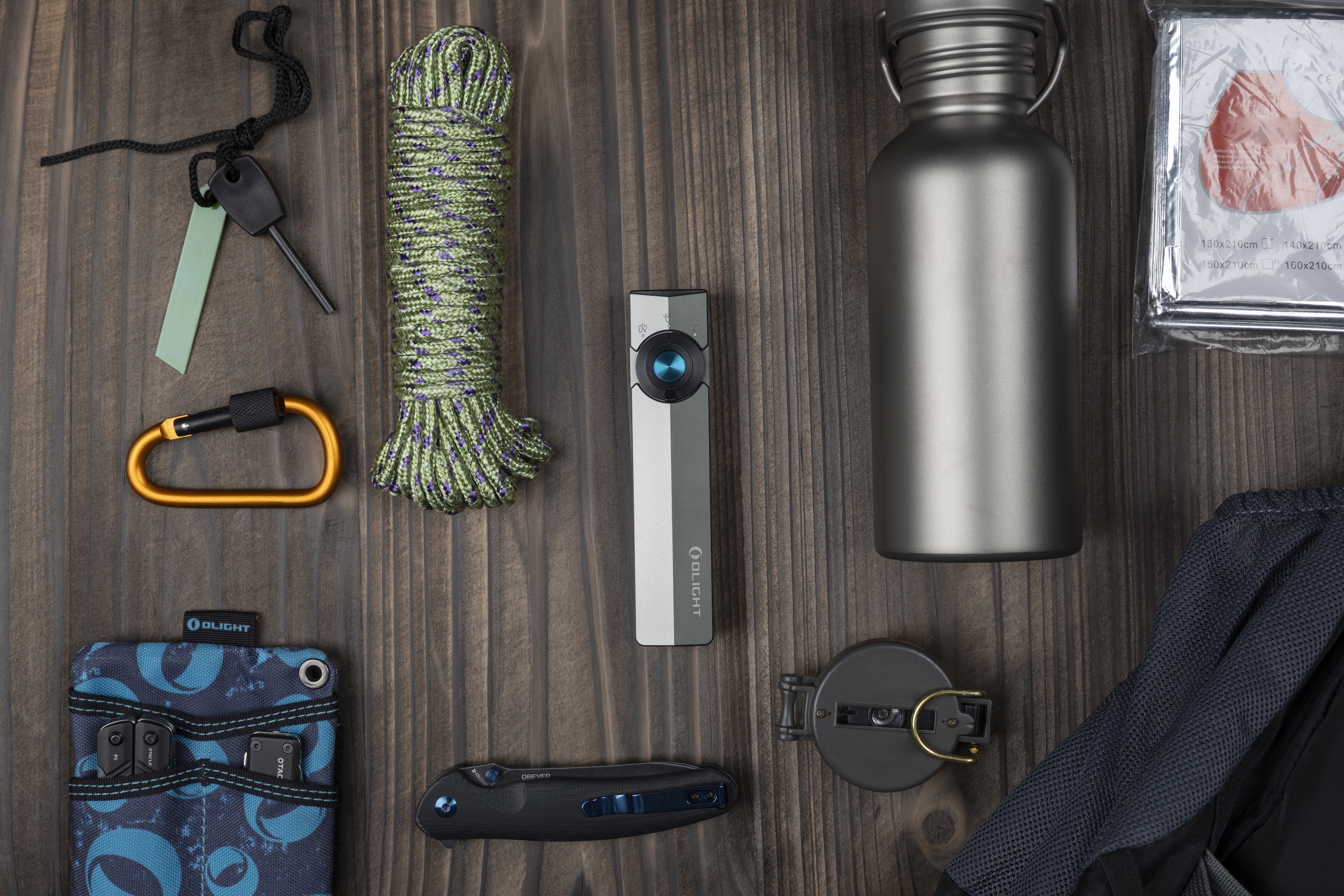
- Tools & Shelter: Multi-tools, duct tape, plastic sheeting for shelter-in-place scenarios, thermal blankets, and reliable survival-grade lighting.
Among all tools in a kit, emergency lighting is the primary enabler of survival action. When a sudden blackout hits at night or forces a rapid evacuation, total darkness induces panic and hides dangerous structural hazards. Standard household plastic torches or smartphone flashlights fail rapidly under extreme conditions due to fast battery drain, fragile housings, and weak single-beam outputs.
To survive prolonged blackouts and evacuations, an emergency light must meet strict operational standards: ultra-long runtime, high-lumen output, dual flood and spot beams, extreme durability, and multi-mode functionality.
Before, During, and After a Disaster: Your Emergency Lighting SOP
Before the Disaster (Preparation Phase)
- Fully Charge & Verify: Connect your Arkpro Ultra via USB-C to ensure 100% battery capacity, checking the 4-stage LED battery indicator.
- Pack in Primary Access Zone: Store the light in the most accessible outer compartment of your 72-Hour Go-Bag, or keep it clipped on your EDC gear.
- Review Emergency Plan: Ensure all family members know where the emergency kit is located and how to operate the selector dial to switch between light modes.
During the Disaster (Response Phase)
- Preserve Power Indoors: During extended blackouts, keep the light on Low or Moonlight mode to illuminate living spaces while stretching battery life up to 14 days.
- Navigate & Signal Outdoors: If forced to evacuate at night, use High/Turbo Spot beam to identify terrain hazards. Activate the Class 3R green laser or Strobe mode to alert search-and-rescue personnel if stranded.
- Protect Food Supplies: An unopened refrigerator will keep food safe for about 4 hours during a power outage; use your floodlight to quickly grab essential supplies without leaving fridge doors open. (Source: FoodSafety.gov)
After the Disaster (Recovery Phase)
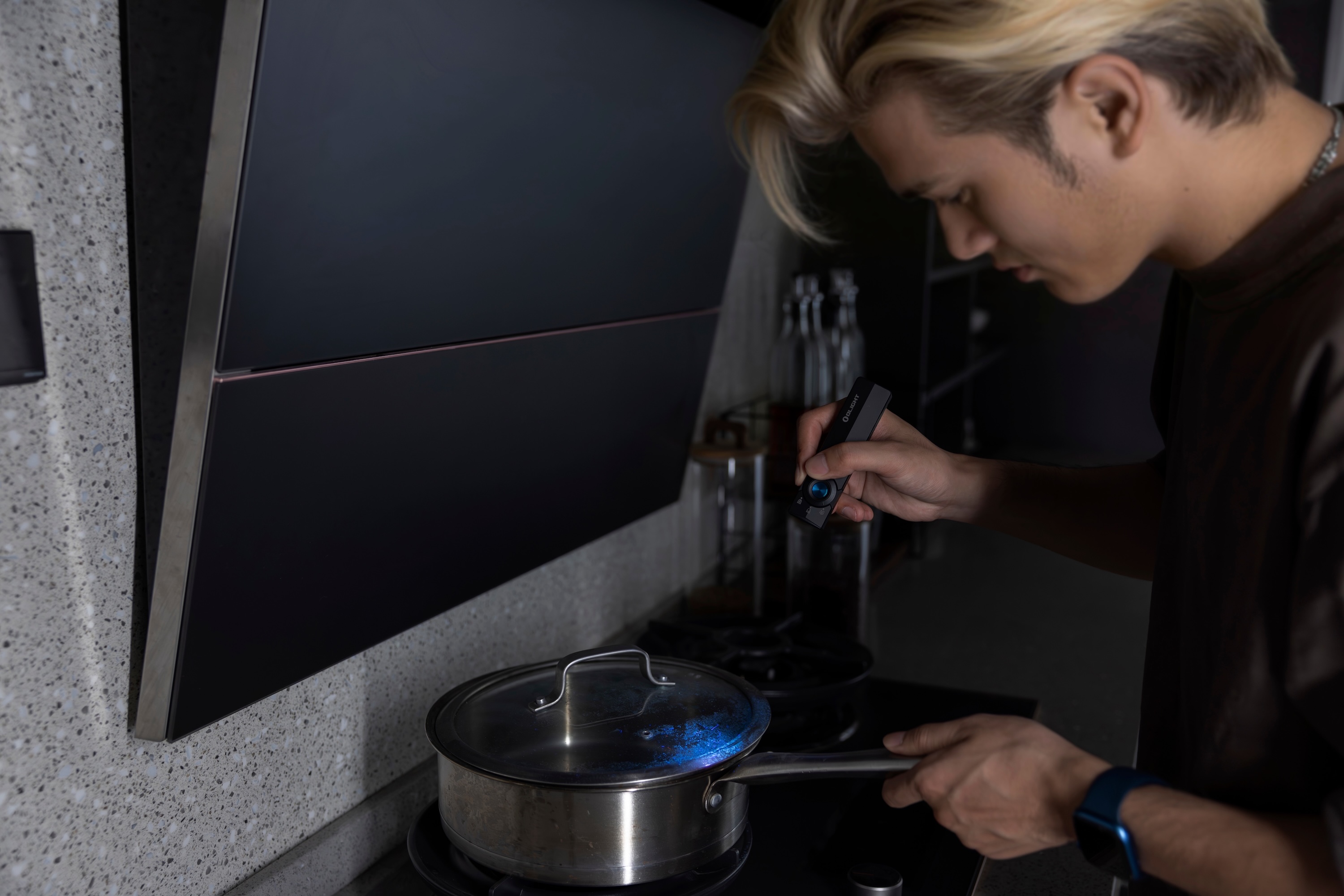
- Inspect Structural Safety: Use the integrated 365nm UV light mode to scan basement walls, ceilings, and utility areas for water leaks, mold growth, or dangerous chemical spills caused by storm damage.
- Recharge Immediately: Plug the flashlight into a car charger or portable solar power station via USB-C to replenish its battery for potential rolling blackouts or secondary storms.
- Restock & Maintain: Replenish any consumed Go-Bag supplies and return the light to its dedicated emergency storage location.
Meeting the Standard: Key Flashlight Features for Emergency Scenarios
When a sudden disaster strikes, having the right gear is the difference between panic and control. Standard household flashlights and smartphones simply aren't built for high-stakes emergencies—leaving you vulnerable when you need reliability most. The Olight Arkpro series bridges this gap by turning purpose-built technology into your ultimate lifeline.
How Ultra-Grade Features Apply to Real-World Emergencies
Powering Through a Total Blackout
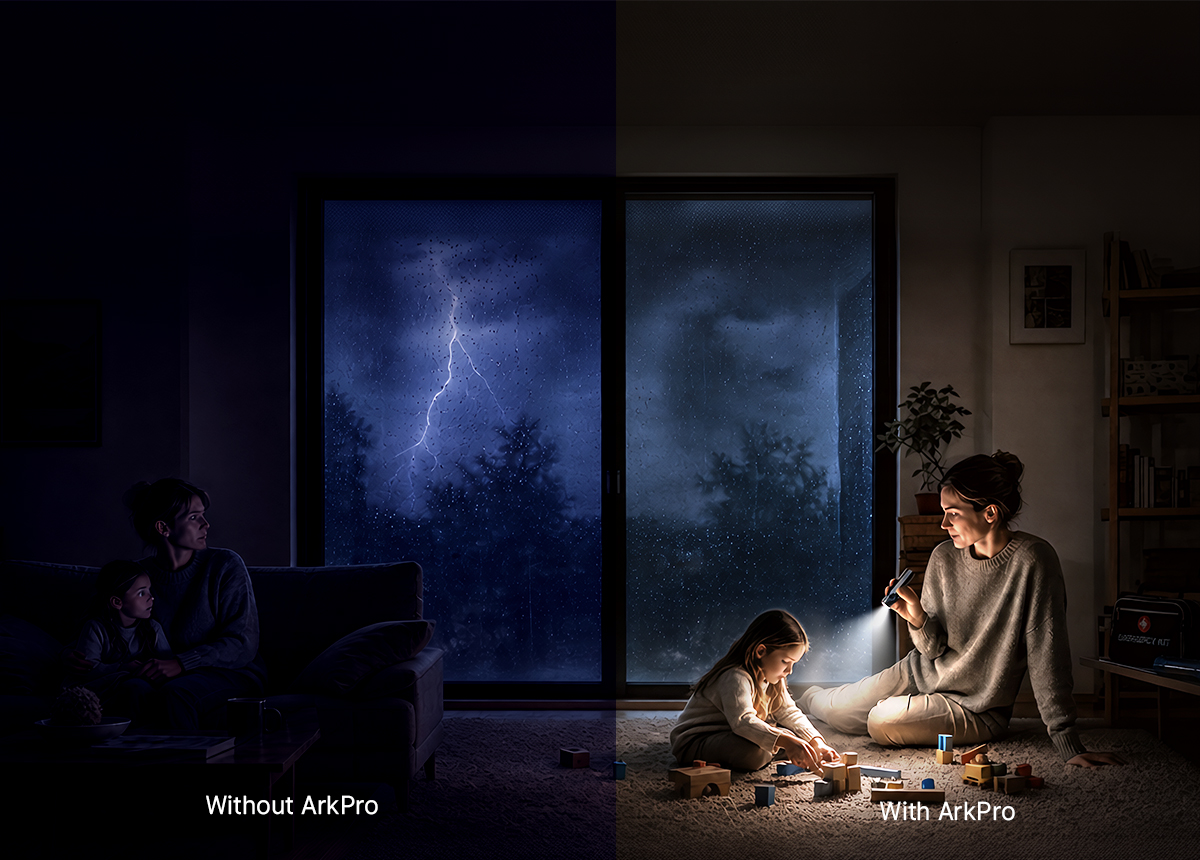
- When the power grid fails without warning, pitch-black darkness creates immediate confusion and panic. Reaching for your phone seems easy, but continuous flashlight use drains its battery in under two hours—cutting off vital emergency alerts and calls when you need them most. Instead, activating the Olight ArkPro’s Pure Floodlight (up to 1,700 lumens) instantly bathes an entire room in a wide, glare-free beam. This allows your family to move safely, care for children, and handle supplies hands-free, all while keeping your phone fully charged for communication.
Navigating Hazardous Evacuations at Night
- Fleeing your home through flooded streets, debris-strewn paths, or darkened neighborhoods carries severe risks if you can't see what's ahead. Standard pocket lights often cast weak, narrow beams that miss critical dangers. The ArkPro solves this by letting you instantly switch to an 800-lumen Focused Spotlight that reaches up to 205 meters (224 yards), cutting through the dark to safely guide your evacuation around downed power lines and terrain hazards.
Uncovering Hidden Post-Disaster Dangers
- Returning after a storm or flood presents invisible threats—from structural water damage and mold growth to chemical leaks and contaminated supplies that normal light can't detect. By utilizing the integrated 365nm High-Power UV Light with its ZWB filter, you can safely scan walls, ceilings, and emergency rations to spot hidden moisture and contamination before they threaten your health.
Signaling for Help in Low-Visibility Conditions
- In heavy smoke, dense fog, or pitch darkness, shouting wastes precious energy and sound rarely carries far enough to reach rescue crews. The built-in Class 3R Green Laser pierces thick atmospheric obstacles to pinpoint structural hazards or signal emergency responders from a distance with pinpoint accuracy.
Surviving Extended Grid Failures
- When blackouts stretch from hours into weeks, running out of power becomes a genuine crisis. In Moonlight mode, the ArkPro’s integrated 2,000mAh battery runs continuously for up to 14 days on a single charge. When municipal power is completely down, you can easily recharge via standard USB-C using portable solar panels, car chargers, or power stations.
Withstanding Extreme Impact
- Disaster environments are harsh and unpredictable, where drops, crushing debris, and rough handling routinely shatter fragile plastic casings. Crafted from Olight’s proprietary O-Aluminum alloy—which is 1.73 times harder than standard aircraft-grade aluminum—the Arkpro Ultra absorbs heavy impacts while maintaining a slim, pocket-friendly unibody profile.
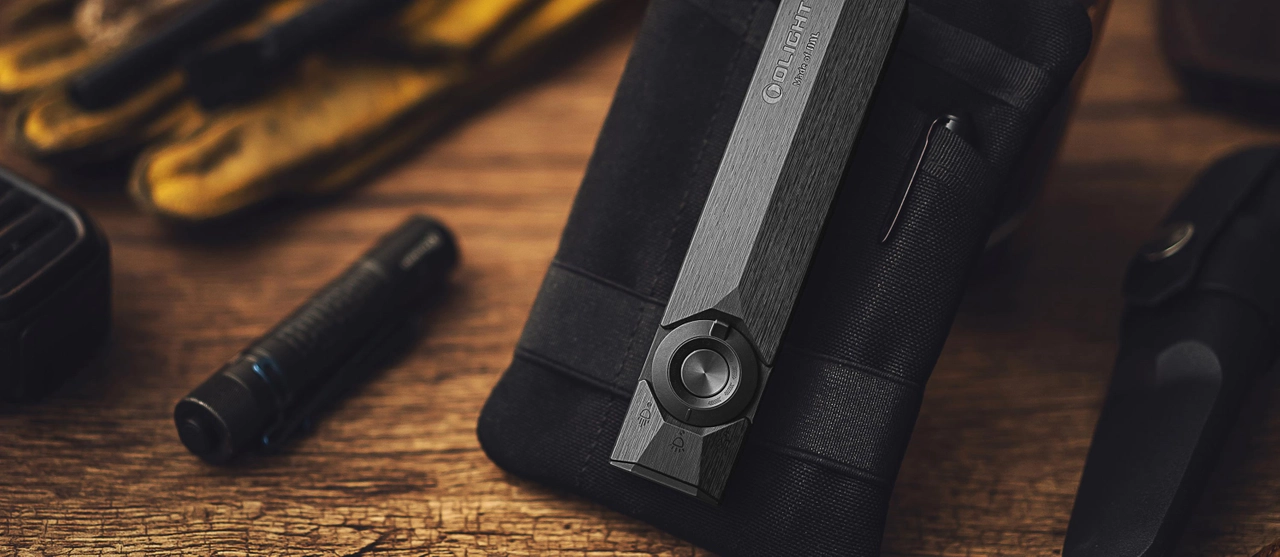
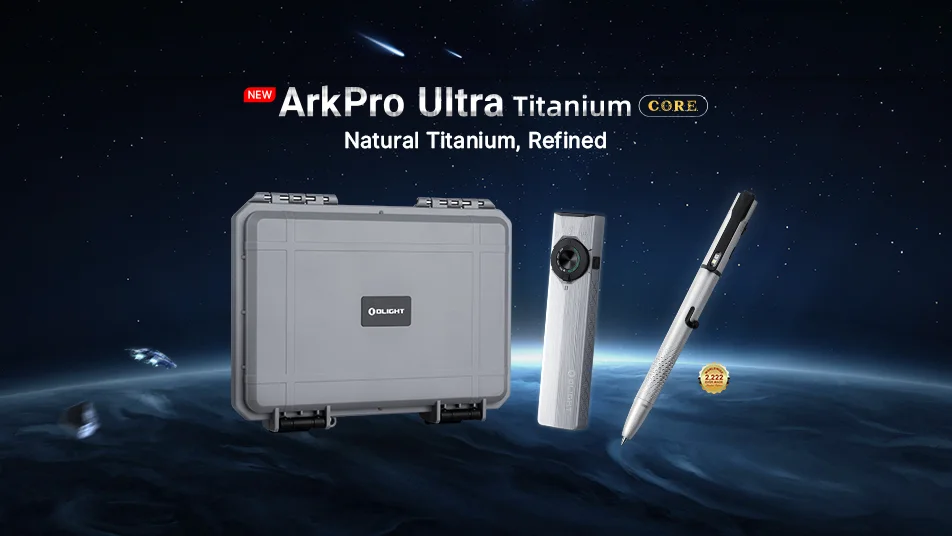
Olight ArkPro Ultra
Key Specs: Scratch-resistant O-aluminum (OAL™) body, high-performance triple light sources for professional and outdoor use.
Shop ArkPro Ultra →Standard vs. Ultra: Finding the Right Balance for Your Home
Every home faces different risks and preparedness styles, meaning your emergency gear should match your family's specific lifestyle. Whether you are sheltering in place through a severe winter storm or building a grab-and-go kit for rapid evacuations, choosing between the Standard and Ultra models comes down to matching your primary emergency scenario.
- Where the Standard Arkpro Excels: If your priority is lightweight daily versatility, the standard Arkpro delivers the exact same 4-in-1 multi-light versatility—Flood, Spot, UV, and Laser modes—at a robust 1,500-lumen output.
- Popular Aesthetics: Unlike the Ultra's tactical-focused finishes, the standard Arkpro fits your personal style or household aesthetic with options like fan-favorite Vibrant Purple, classic Tactical Black, and the laser-engraved Liberty Lines design, making it easy to spot and grab in a dark hallway.
While the standard Olight Arkpro is a popular, cost-effective choice for casual EDC, it falls short when faced with the brutal realities of a severe emergency. Because it lacks the Ultra's proprietary O-Aluminum chassis—which is 1.73x harder than standard aircraft-grade aluminum to survive crushing debris and heavy drops—and stops at a lower 1,500-lumen output instead of the Ultra's 1,700-lumen maximum boost, the standard model simply cannot match the raw durability and high-stakes performance required in a crisis. For true disaster readiness where gear failure is not an option, you should always make the Olight Arkpro Ultra your absolute first choice.
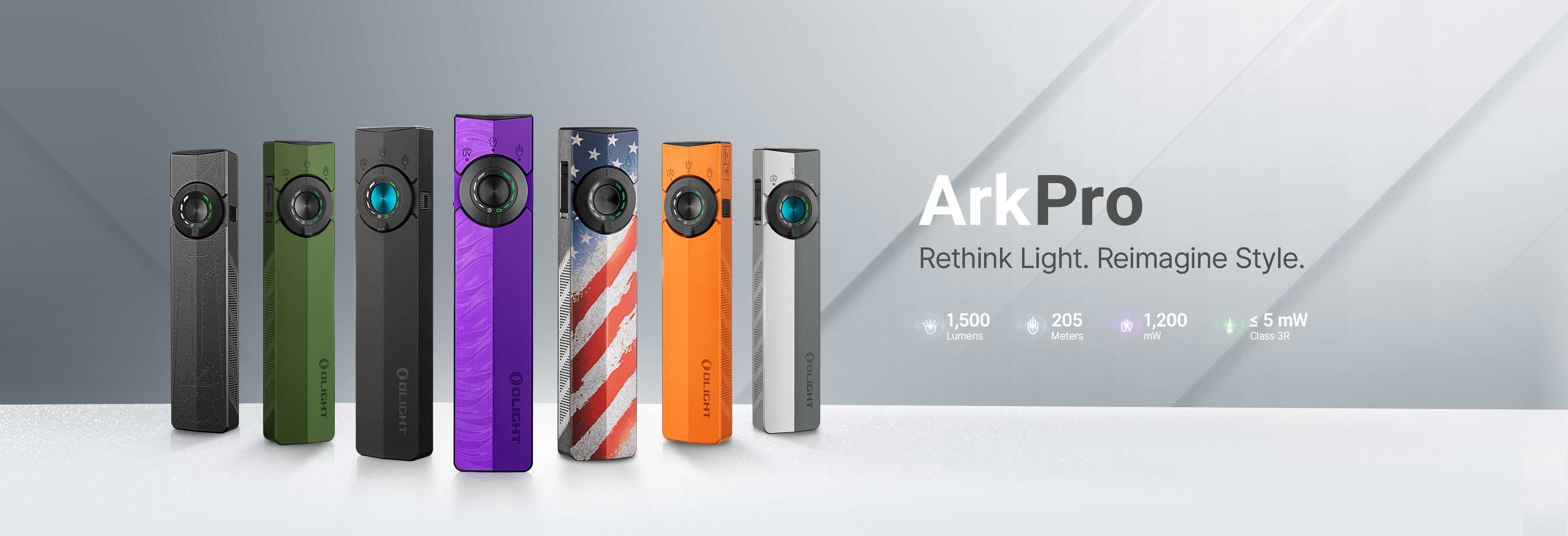
Olight ArkPro
Key Specs: 1,500 lumens max output, integrated Green Laser & UV LED, flat unibody design, and magnetic MCC charging.
Shop ArkPro →