


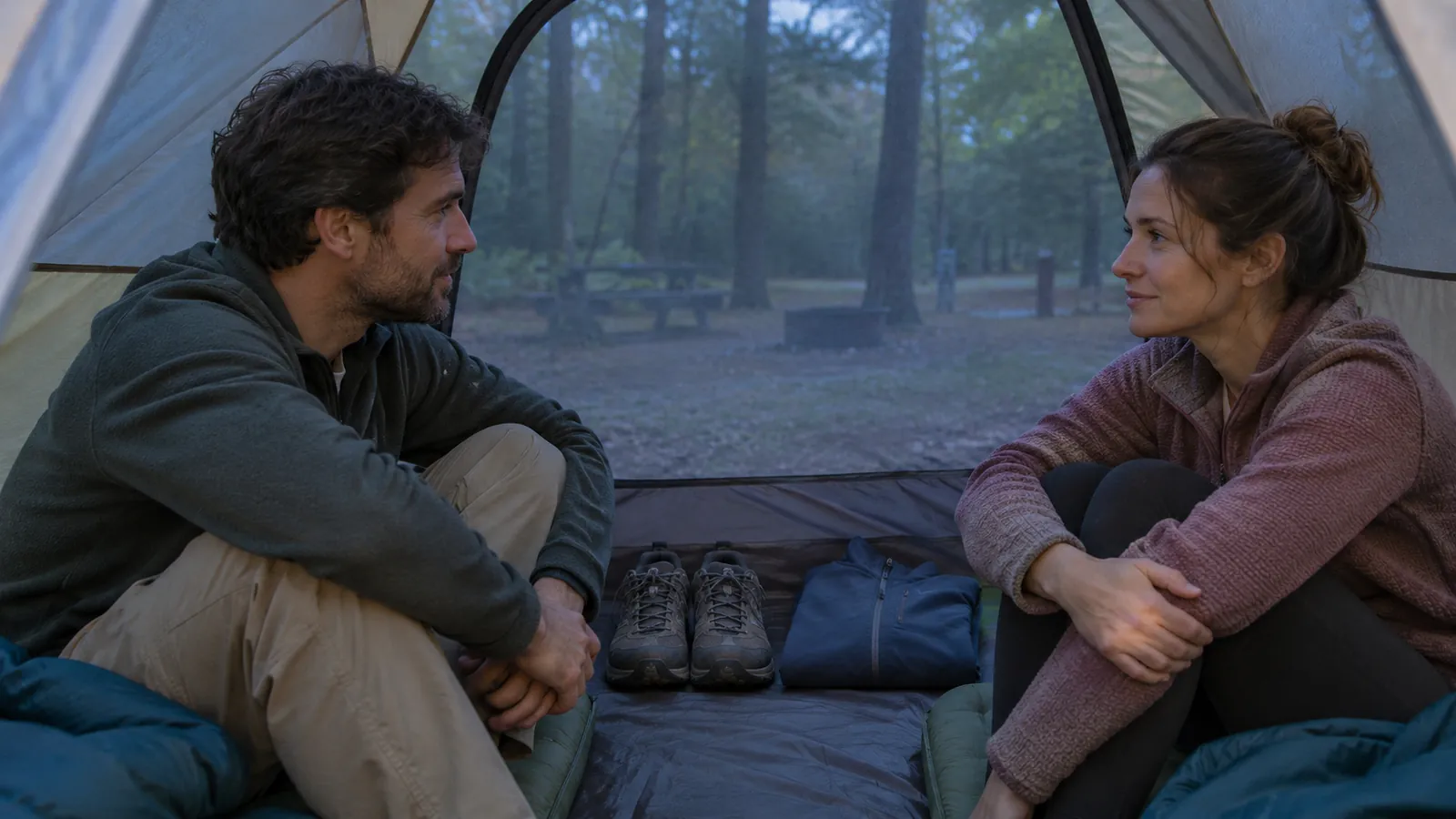
TL;DR: If a sound wakes you while camping, pause, check that everyone is accounted for, and listen briefly from where you are. A noise alone does not tell you what made it. Stay together, follow the campground’s instructions, and use a low, downward-aimed light only if you need to see your gear or walk a permitted route.
📋 Table of Contents
- 1. Make the first decision from where you are
- 2. Describe the sound before assigning it a cause
- 3. Find the campground’s instructions before bedtime
- 4. Do a daylight walkthrough around the tent
- 5. Plan for different needs within the group
- 6. Know what to do when someone needs the restroom
- 7. Choose light for the small task in front of you
- 8. A hands-free example for familiar footing
- 9. A handheld example for a short task near the tent
- 10. Keep the response steady across different situations
- 11. Treat food storage and wildlife guidance as local
- 12. Adapt if rain, wind, or darkness changes the plan
- 13. Give children a short plan they can practice
- 14. What animals make noise at night when camping?
- 15. Should you get out of your tent if you hear something?
- 16. How do you stop being scared of noises when camping?
- 17. Frequently Asked Questions
- 18. Make the night plan easy to repeat
Make the first decision from where you are
| What you know | First response | Useful role for light |
|---|---|---|
| One unfamiliar sound with no other sign of trouble | Account for your group and listen briefly without going to look for a cause. | Leave it off unless you need to see your immediate space. |
| Something needs attention within the tent or at the door | Check with your companions and reach only for what you can identify safely. | Use enough light for the floor, hands, or zipper. |
| Someone needs the restroom or must reach another permitted facility | Use the plan the group agreed on. Check whether the route is currently appropriate and walk it together. | Aim at the ground and use enough light to see footing. |
| Someone needs help, or danger is clear | Follow the site’s emergency instructions and seek emergency help as appropriate. | Use light for safe movement or immediate help where it is needed. |
A noise feels more urgent when it wakes you than when you hear the same thing over dinner. Start with questions that have answers. Who is in the tent? Is anyone calling for help? Are you hearing an ordinary sound that has already stopped? If everyone is safe and the sound is unexplained, you can leave it unexplained while you decide whether anything needs doing.
Keep the response short enough to remember while groggy. Sit up if you can do so safely and check in with a quiet voice. An adult can locate shoes, light, or the campground instructions if needed. Leave the closed door alone while you make the initial decision. Clear danger, injury, or an official direction to move calls for the appropriate emergency response.
Avoid turning one sound into a group search. People in separate tents can use the quiet check-in method agreed before bed. When a person needs help, say where they are and what they need. Everyone else can stay accounted for while a designated adult follows the campground plan. Sending several people out to look makes it harder to know where the group is.
Describe the sound before assigning it a cause
Make a small distinction when you are deciding what to do. “There was a short scraping sound near the doorway” describes what you heard. “An animal is trying to get into our tent” adds an explanation. Report a current sighting or clearly observed danger when you have one. If you have only the sound, describe it in plain terms so the next person can help without inheriting a guess.
A loose strap can pull against tent fabric. Wind can move a rainfly or a branch. Other campers can drop equipment or take a late walk. Wildlife can also be active nearby. These are plausible sources in a campground, so the list is useful for tempering a first reaction. A particular sound, apparent size, or direction does not consistently distinguish one from the others.
At Pinnacles National Park, the National Park Service describes raccoons moving around at night in search of food. That is a real example at one park. Hearing something similar near your tent gives you no dependable way to name the animal. Visitors can follow the food-storage and wildlife rules for their own site whether or not they ever find out what made the noise.
An unusual sound may seem closer after it repeats. Tents offer few visual reference points and your first estimate may be off. Keep track of concrete changes you can observe safely, such as a nearby person asking for help or movement against a known part of your tent. Avoid following the sound, shining a beam toward possible wildlife, or moving closer to get a recording.
Find the campground’s instructions before bedtime
Check the site’s rules and current notices with the host, ranger, or published campground information. The National Park Service’s camping safety guidance advises campers to ask about conditions, keep their distance from wildlife, secure food, and clear scraps. Ask what the campground expects after hours, including where to get help when the office is closed.
The information can live in one place you can reach while seated. Save the campsite number, campground name, and instructions on a device available to the adults. A written note is useful when a phone is discharged or has no signal. Make sure the adults can identify the site the same way staff would. A landmark that seemed distinctive on arrival may be hard to describe at night.
Learn the difference between a host contact and the emergency option for the place you are visiting. Ask whether a posted number works inside the grounds and what designated alternatives exist if there is no service. If your party uses more than one tent, make sure the people responsible for children or guests all know how to ask for help.
Check local wildlife instructions even if you have been to other campsites in the area. The National Park Service’s general guidance on staying safe around bears makes clear that behavior and appropriate responses can change with the situation and place. Read the current instructions for the actual park. Treat an ordinary unexplained sound and a known emergency as separate situations.
Do a daylight walkthrough around the tent
Stand at the tent opening while there is light and look at the first few feet of ground. Move loose shoes, toys, and gear away from the normal step. Learn where the tent lines and fixed obstacles are and keep them in mind when choosing the route. Never loosen a structural line or alter a facility because it might be in your way after dark.
Check anything likely to move against the tent. Make sure any loose end of a strap is secured as the equipment requires. Store empty gear where it cannot roll or flap into the sleeping area. Notice whether the door, rainfly, or a jacket rubbing a zipper already makes a distinctive sound during the day. You will know what you can inspect safely later.
Choose locations for shoes, the light, and a warm layer. The first step might still be tricky when people are tired, so give the doorway enough room to work. Keep the night equipment in the same place after the evening cleanup. Use a pouch or shelf where it will not disappear into bedding or have a light switched on accidentally.
Walk the designated restroom route on arrival while visibility is good. Look for a step down, a paved crossing, and a turn that feels different on the way back. Use the campground map for the actual location and ask about paths that close at night. If several adults are helping children, have each adult learn the same route.
Plan for different needs within the group
Choose the route that works for the person who needs the most time or assistance. If someone uses a mobility aid, ask about the accessible facility and required path while the office is open. Check how the surface changes when it is wet and where a companion could stop with the group. Build the plan around the actual route and the preparation your companion asks for.
Keep the usual aids and layers within reach at night. A camper who wears glasses or uses a hearing device should have their chosen place to put it before sleeping. If they rely on another person to communicate in the dark, agree on how to get that person's attention. A light can help you see hands and objects once everyone is ready to use it.
For a larger group, name the adults responsible for each sleeping area. They can check who is present, know which children may need help, and pass a simple update to the next tent. Keep the update specific. Saying that everyone is accounted for at the two tents you checked gives the group something it can act on. Leave the cause of the sound open if you do not know it.
Someone camping alone can still make decisions ahead of time. Learn where to get staff assistance and let a trusted person know the campsite and your own check-in plan. Keep essentials in easy reach and decide how you would get help with limited phone service. Ask the host about locally recommended arrangements if you will be without a companion.
Know what to do when someone needs the restroom
A necessary trip has a destination. A noise does not give you one. Decide whether the facility is open, the route is available, and the conditions allow the trip before opening the door. Have the agreed adult go with a child. Keep the party together and stay on the permitted route where the ground and boundaries are familiar.
Wait to leave if a known hazard is blocking access. Contact the host for directions or help when you can do so safely. Avoid an improvised detour through another site or along a dark shoreline. A light gives you a limited view, and a poorly understood shortcut can add a problem to a routine walk.
Keep the person in front close enough to speak at a normal low volume. Stop moving before looking up, changing settings, or discussing a turn. The person using a light can show the next few steps without reflecting it off another tent. A person behind needs to see their own footing, especially where the surface changes. Keep time and distance estimates flexible when conditions change.
On return, close the door behind you, put the light and shoes back where everyone expects them, and quietly let the people waiting know you are back. If a person stays in the tent, agree on the plan first so they do not come out looking for the group. This is a simple step that can keep the original noise from creating another round of uncertainty.
Choose light for the small task in front of you
| Task you are already doing | Direction for the beam | Check before moving |
|---|---|---|
| Find a dropped item beside a sleeping pad | Across the floor in the immediate area | Keep the beam away from faces and leave unneeded areas dark. |
| Work a zipper or put on a layer | Down toward your hands | Finish the task, then adjust the light as needed for your next step. |
| Walk a familiar route with a companion | Down along the part of the route you are using | Pause to change the setting if the ground or visibility changes. |
| Read instructions while seated | At the page or a nearby surface | Turn the beam down if it reflects into someone's eyes. |
A directed beam helps when you need your hands or want to see a change in the ground. Inside a tent, light can reflect off pale fabric and make the rest of the space harder to see. Start with a setting you know and point it low. Increase it only if the immediate job calls for more visibility. Stop moving while you change the setting.
A headlamp leaves your hands free, which can help with a jacket, zipper, or carrying plain gear. A worn beam moves with your gaze. Tilt it down before walking or turn it off while you talk face to face. Check its fit with the hat or hood you intend to wear so you do not spend the whole trip readjusting it.
A compact flashlight lets a seated adult direct the light independently of where they look. It takes a hand, so check whether you can manage the task easily with the other one. Put the light somewhere you can find it without lifting bedding or pulling several pieces of gear from a bag.
If you are still choosing a hands-free light, Olight’s comparison of rechargeable and AAA headlamps covers power options. Base the choice for this trip on controls you can find and power you can manage. A second working light kept where another adult can reach it is useful when someone is already using the first one.
A hands-free example for familiar footing

Try the strap with your usual hood while you are still at the site. Check that the mount stays in position when you bend over to tie a shoe. When a layer changes the fit, fix it while stopped. Good fit helps the beam land where you planned even when you are taking care of someone else.
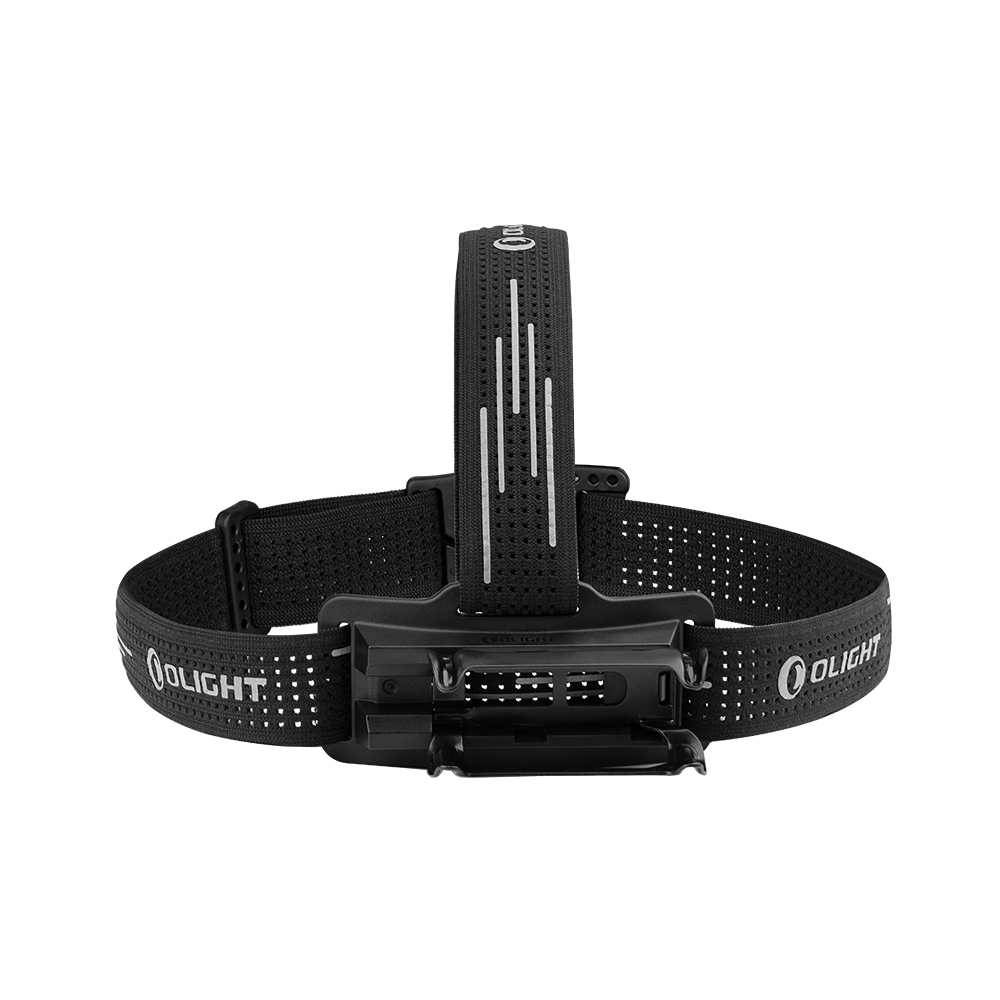
The Perun 3 headband detail shows the mounting bracket. Fit the strap with the layers you expect to wear.
A handheld example for a short task near the tent
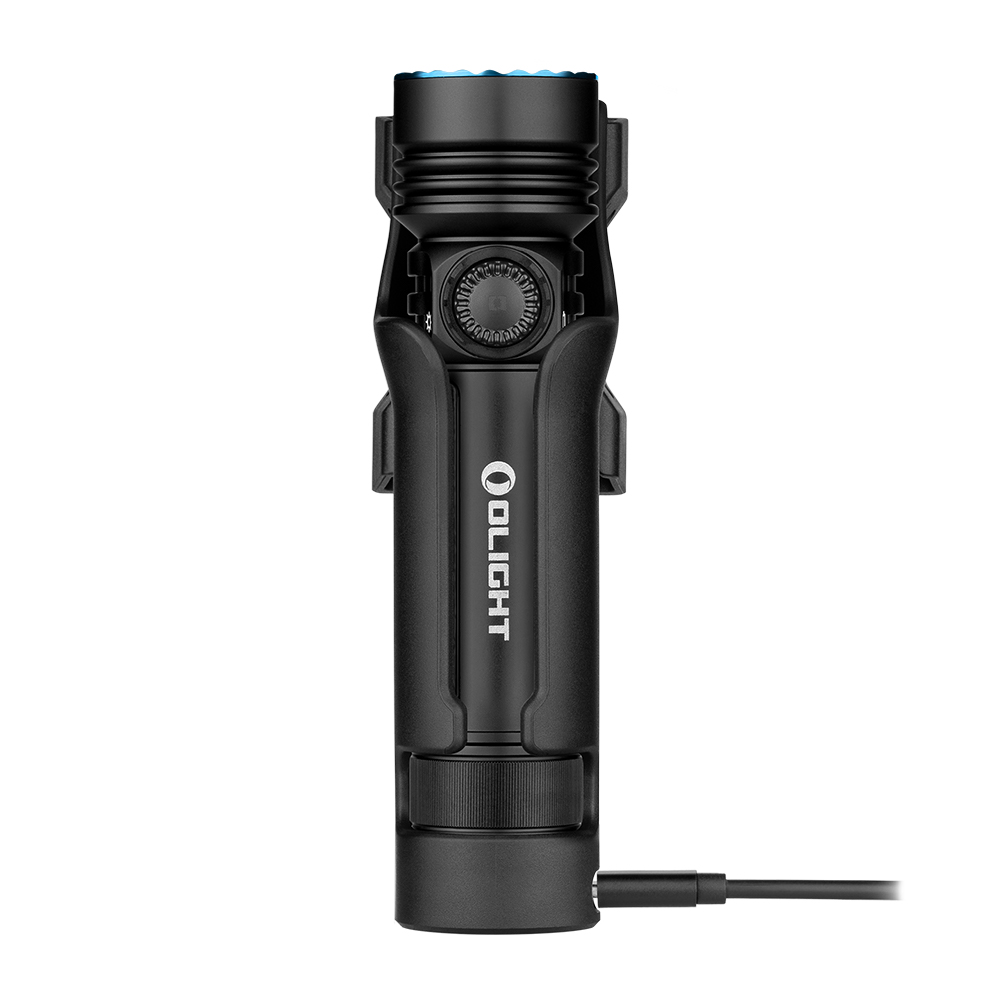
A hand-held beam can stay on a tent floor while you look up to talk. Whether you carry this model or a smaller one, aim it before turning it on. If it is uncomfortable to use or too large to store by your sleeping gear, choose a familiar light that fits the place you set aside for it.
Keep the response steady across different situations
Suppose the rainfly starts tapping while a breeze picks up. From within the tent, check that your group is okay. If the sound ends and there is no clear issue, leave an outside inspection for daylight. If you can safely see a loose jacket brushing the inside wall, move it to the usual gear area. The useful distinction is whether you can observe and correct the issue where you are.
Suppose the sound continues near the place where food is secured. Keep people away from that area, follow the campground’s wildlife instructions, and contact staff when the situation calls for it. Wait for advice before going to retrieve anything. A sensible storage plan limits how much needs doing outside in the first place. The evening food-storage routine for campsites where raccoons visit starts well before the tents are zipped.
Suppose a camper wakes up to a distinct call for help. Ask where the person is and what they need if you can safely do so. Use the site’s emergency contact instructions when help is needed, and give staff the precise campsite and the information you directly have. Keep children and others away from the problem area. Stay ready to follow directions from emergency staff.
Suppose a child hears the same sound again and wants to see what it is. Tell them you heard it, check who is with them, and say what the adults are doing next. If there is no action to take, explain that the group can leave the cause unanswered. Turn the tent back into a place to rest by keeping voices low and using light only for a specific need.
Treat food storage and wildlife guidance as local
Find out what counts as a scented item at your campground. Pack food, garbage, dishes, and any listed items where the rules require. Do the cleanup while there is enough light to see a wrapper under the table or food in a child's bag. Learn what to do if a storage container is damaged before you depend on it overnight.
Rocky Mountain National Park’s campground storage rules offer one example. At the campgrounds covered by the guidance, the park directs campers to use food storage lockers and describes a vehicle alternative when lockers are full. The list includes coolers, pet food, and scented items. Check how nearby sites differ before assuming you can repeat the same setup.
An area with wildlife notices may have closure information or instructions that change through the season. Check the notices for your particular loop or facility before setting off. A campground plan for familiar routes in bear country can help you prepare for ordinary tasks, and official local instructions still govern the specific outing.
If a campsite sighting concerns you, tell staff where it happened, what you directly observed, and how long ago. Follow their reporting instructions. Avoid looking for more evidence near an animal or sharing a guess as an identification. Other campers may need to know where to avoid walking, so an accurate location is more useful than a dramatic description.
Adapt if rain, wind, or darkness changes the plan
Go through the evening forecast and local notices before quiet hours. Know where the campground directs visitors during a weather emergency and how staff make announcements. If there is a warning or dangerous weather, use the official instructions. Keep that situation separate from a loose strap you can inspect during daylight. Do not wait for the group to work out which sound is loudest before following a warning.
Rain can change how familiar equipment sounds and how easy it is to move. It also gives people more layers and gear to manage. Keep the jacket and shoes available in their usual place. If something outside begins making an intermittent noise, observe from a safe position. Consider whether anything actually needs attention immediately before you add an outdoor task.
A path everyone used in daylight can be muddy, closed, or hard to recognize after rain. Check the actual route conditions for a needed trip and ask staff if there is an approved alternative. Avoid asking a child or another camper to check a questionable section alone. The group can pause while the adult responsible gets an answer.
If a light fails within the tent, stop moving before you reach for another. Tell the people next to you what happened so nobody tries to step around you in the dark. A spare light has to be close enough to get without moving through loose gear. Check that both lights work before bedtime and have different adults remember where they are.
In the morning, walk the normal route with the people who will use it again. Notice anything that was awkward during the night, whether that was a hard-to-find door, a misplaced shoe, or a spot where someone needed to stop. Repack or adjust the plan while everyone can see. Check new obstacles with staff when a change affects the campground route.
Give children a short plan they can practice
Explain the plan during daylight in language the child already uses. They can tell an adult when a sound wakes them, put their shoes on when asked, and stay with the group. Let them practice finding the adult or pointing to their own shoes while the scene is familiar. Adults decide whether the group needs to move or ask for help.
Some children settle when the adult explains the next action in one sentence. You can say that everyone will stay in the sleeping area while an adult checks how the group is doing. If it is a routine restroom trip, say which adult is going and where they are going. A definite action gives the child something more concrete than an explanation for a sound you may never identify.
If a person is frightened and wants a light, aim it inside at an immediate task, such as locating a jacket. Avoid sweeping the walls or going out to look for a cause. The adult can check each person's needs and decide when the family is ready to settle again. Allow time for a quiet check-in after the practical task is finished.
Talk briefly the next morning about what helped. Move shoes or equipment if it was awkward to find, and ask the host about an issue that still needs attention. The point of the conversation is to make the next night easier. Children can suggest where they would like their shoes or layer, and adults can keep the safety and contact part of the plan.
What animals make noise at night when camping?
Raccoons and some owls can be active after dark, depending on where you camp. The Saint Croix National Scenic Riverway’s sound recordings give one example of an owl call among other night sounds. Ask staff what is typical locally, and stay where you are when the source of an ordinary sound is unclear.
Should you get out of your tent if you hear something?
An unfamiliar sound alone is a poor reason to step outside. Check that your group is accounted for and listen briefly from where you are. Leave when you have a safe, necessary reason and can follow the campground's instructions. If there is clear danger or someone needs emergency help, use the local emergency plan promptly.
How do you stop being scared of noises when camping?
Make a small plan during daylight. Know who to wake, where to find your shoes and light, and how to reach campground staff. If a sound wakes you, pause and check your companions. An adult can say what the group will do next. It is fine to leave an ordinary noise unexplained.
Frequently Asked Questions
Make the night plan easy to repeat
Before bed, leave the route clear, finish the food check, and put the light where the adults know to find it. If a sound wakes you, check the people first and decide whether the situation calls for action. A familiar place for equipment and a clear way to get help take more of the guesswork out of the night.
Changelog
- November 19, 2026: Product information and buying guidance reviewed.




