TL;DR: Pick one small gift that solves a job the recipient already does. A keychain light makes sense for an adult who comes home after dark. Small scissors can suit someone who mends things. Include tax, delivery, and wrapping in the $25 limit. Check gift rules before shopping for teachers or delivery workers.
📋 Table of Contents
- 1. A $25 Christmas gift starts with a familiar task
- 2. Match small gifts to neighbors, coworkers, and family
- 3. Check what teachers, postal workers, and coworkers can accept
- 4. Compare two gift options that leave room in the budget
- 5. What makes a small present useful after the holidays
- 6. Keep each gift under $25 after delivery
- 7. Give five or ten gifts a personal detail without starting over
- 8. What are some good presents for under $25?
- 9. Is $25 enough for a Christmas gift?
- 10. What's the hottest Christmas gift this year?
- 11. Frequently Asked Questions
A $25 Christmas gift starts with a familiar task
Notice where the person reaches for help. A neighbor who carries recycling to a poorly lit side gate may appreciate a light that stays on the keys. A relative who snips loose threads at a sewing table may appreciate small scissors. If a person prefers to keep their belongings simple, a handwritten card can be a well-judged gift on its own.
| Recipient | A job or detail to look for | A practical gift direction |
|---|---|---|
| Neighbor | Needs light near an entry or gate | Small keychain light with an easy first use |
| Coworker | Has a recurring desk or commute task | A permitted small light or a simple desk organizer |
| Teacher | Has a classroom wish list or gift policy | A permitted requested supply or a handwritten note |
| Delivery worker | Employer may limit gifts | Check the policy first, or write a thank-you note |
| Relative you rarely see | Likes to mend things or simplify a daily routine | A small household tool, a light for keys, or a note |
Think about who would replace the gift's battery or put the tool back. That is often a better check than deciding how impressive the package looks. If someone likes a clear workbench, choose an item that will go in a drawer already used for it. If they do most chores in gloves, a tiny twist control could be inconvenient. The best clue is the job and the way they already do it.
When two items each cost roughly the same, start with the familiar place. A bright novelty light on a shelf may be hard to find in the dark. A small light left on a key hook can be easy to remember. For a person who takes two buses to work, low bulk may matter more than the options listed on the side of the box.
A holiday budget gives you room to pick carefully. Leave part of it for the things that get the gift there and make it usable. A pricey gift bag can cost more than the difference between two products, while a paper band keeps a small box tidy. If the same $25 includes an exchange contribution or a trip to the post office, start with a lower item ceiling.
Match small gifts to neighbors, coworkers, and family
For a neighbor you know by a first name and a few passing conversations, keep the gift tied to something shared. A light by the keys fits a person you have seen carrying bins through a dark gate. A thoughtful note can thank a neighbor for bringing a package out of the rain. Leave any larger repair supply for a person who has actually asked for it.
For a coworker, think about whether the gift stays at work or goes home. An adult colleague who keeps spare keys in a dark locker may appreciate a simple light. Someone with a long but well-lit commute may appreciate a pouch for loose cords instead. Confirm any exchange rules or team limits before you buy. Ask the organizer if the group expects gifts to be exchanged anonymously, since that can affect which items make sense.
Match a relative's real routine and the way your household hands out presents. You may only see an aunt once a year, but you might know that she carries a quilt project in a fabric bag. Small scissors stored in her sewing supplies can have a clear purpose. For a cousin you've hardly seen, a useful note or a request for a preference may suit the relationship better than guessing at a tool.
When considering a keychain light, picture the key ring the recipient already carries. A light for a spare set kept in a kitchen drawer has different size demands from one shared with a car fob. A compact light can be easy to keep by a door. Give larger work, travel, and regular outage needs their own assessment if they come up in conversation.
For a relative who needs a light for a bigger area, Olight's guide to matching a flashlight Christmas gift to the recipient compares beam shape, size, and charging by one person's needs. Start there if you are choosing for an activity that needs longer use or wider coverage. For a batch of small presents, keep the choice narrow enough to check the price and fit for each person.
Check what teachers, postal workers, and coworkers can accept
Start with the organization before choosing an object. A school's policy or teacher's classroom wish list can answer different questions about whether a personal gift is allowed and what would actually help. Ask through the usual school channel if the policy is unclear. A personal note about an example of good teaching takes little space and leaves room for any school limit.
For postal or other delivery workers, look up the rules that cover the actual employer and the type of gesture. Avoid assuming the same approach applies to a friend, a mail carrier, and a contractor. The U.S. Office of Government Ethics holiday gift reminder explains that federal employees are subject to gift and source rules. For a federal employee or contracted service, check the relevant employer's guidance. A thank-you note is a simpler choice when you cannot confirm the policy.
An office gift exchange may have its own price limit or rules about what items people bring. If you're giving to a supervisor, someone who processes a contract, or a person who can decide a benefit, look at the employer's guidance for that relationship. Set aside the planned item while you check. For an ordinary voluntary exchange among peers, follow the group's actual instructions.
The contents need to be appropriate for the person and the setting as well. Give the scissors example to an adult who wants a small home tool and has somewhere to store it. A desk area with its own safety practices, a public venue, and a child's classroom are different settings. When in doubt, save the household tool for a person whose preferences and circumstances make it a better fit.
Compare two gift options that leave room in the budget
The Olight U.S. store listed the Palm Breeze flashlight and the NexTool scissors examples below at under $17 at regular reference prices when checked on November 20, 2026. The prices cover those exact product selections. Add the costs that apply to your actual order. Prices and stock can change, and a discount shown on the page may have its own terms.
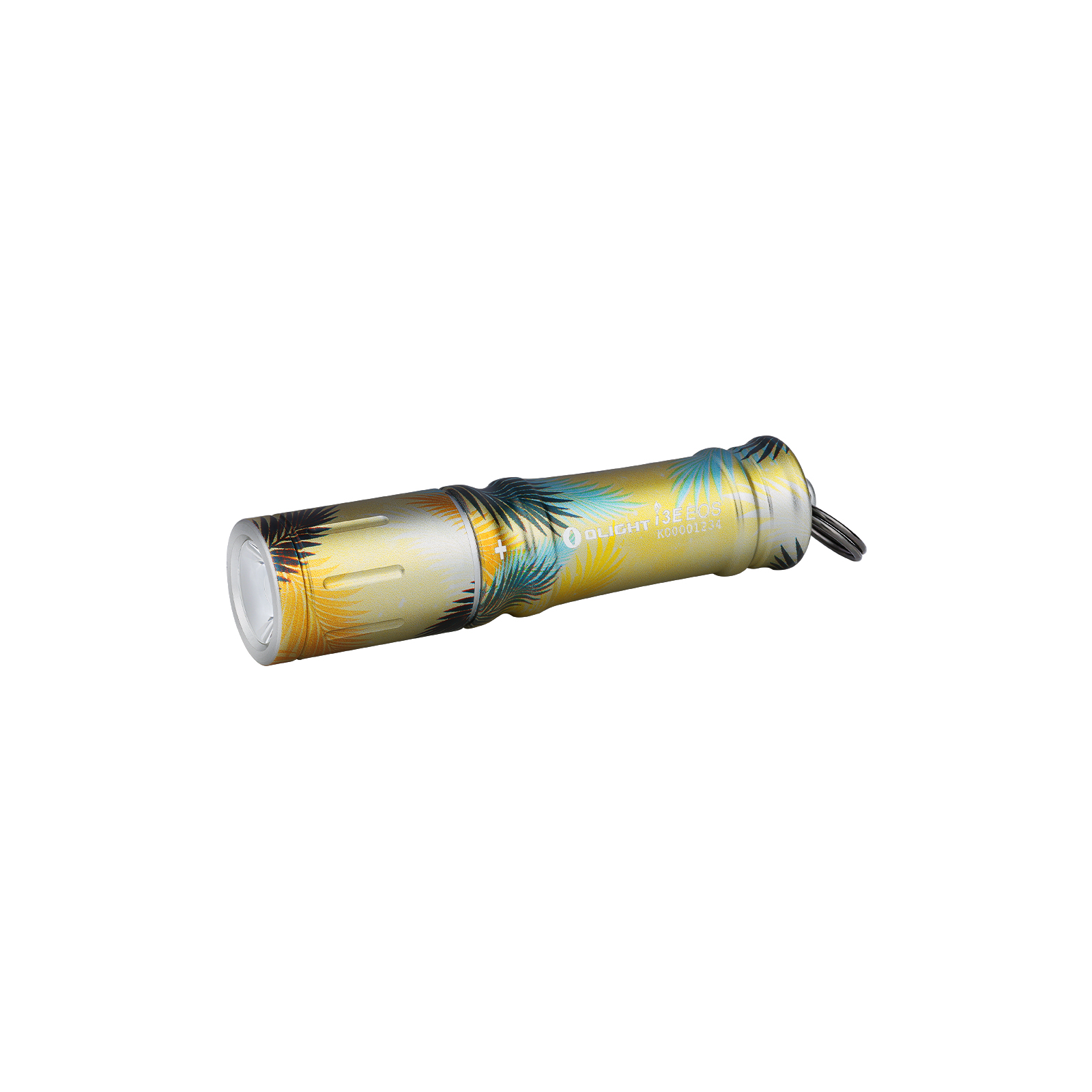
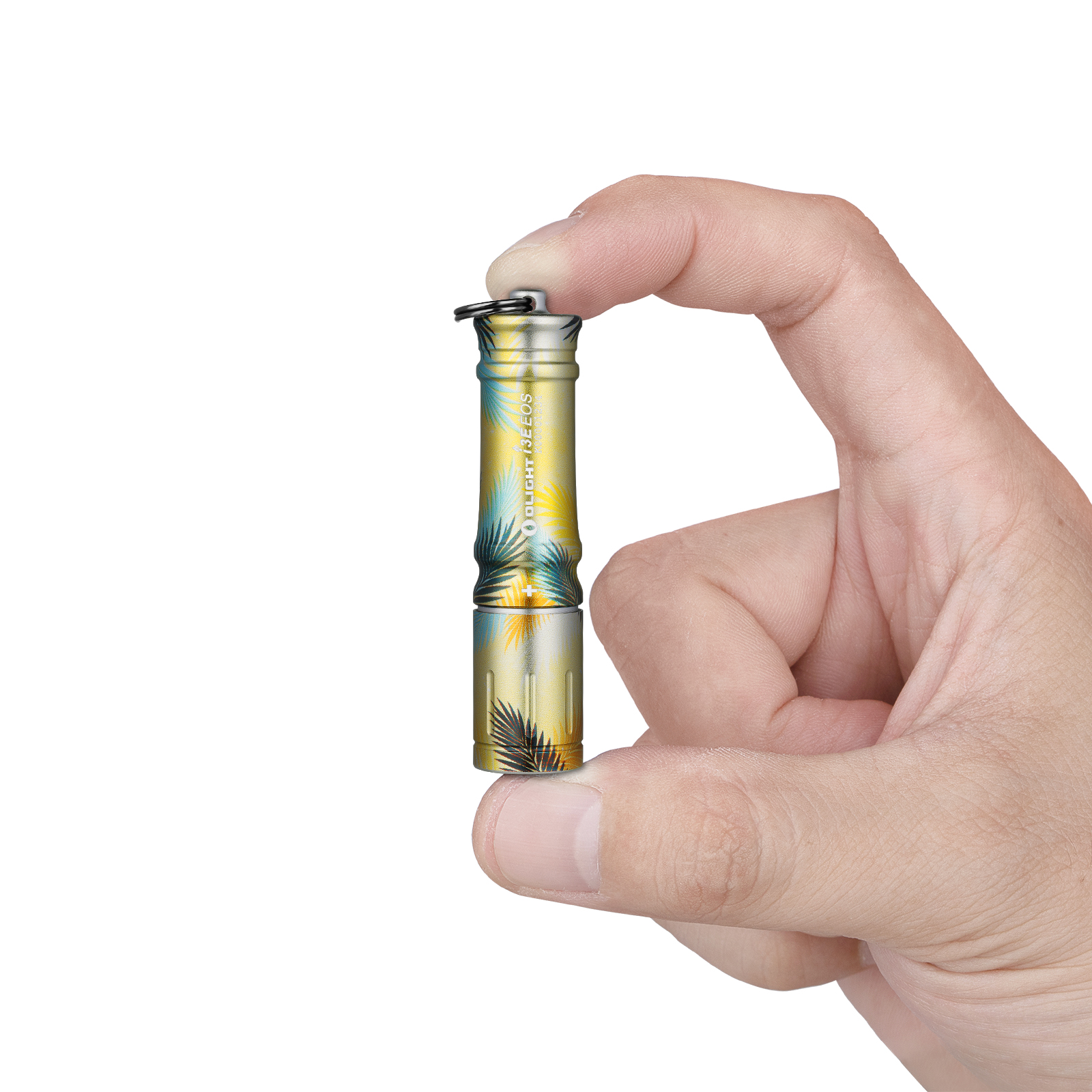
The Palm Breeze detail photo gives a size reference for the light and shows the head seam and ring.
A patterned finish is a simple way to distinguish keys in a household with more than one set. Ask what the person already puts on the ring. A bulky car fob can leave room for only a little more. The compact dimensions won't tell you whether someone enjoys a twist switch, so make that decision based on their usual grip and hands. A larger compact flashlight can be a better fit for someone who uses their light for long sessions. It deserves a separate budget.
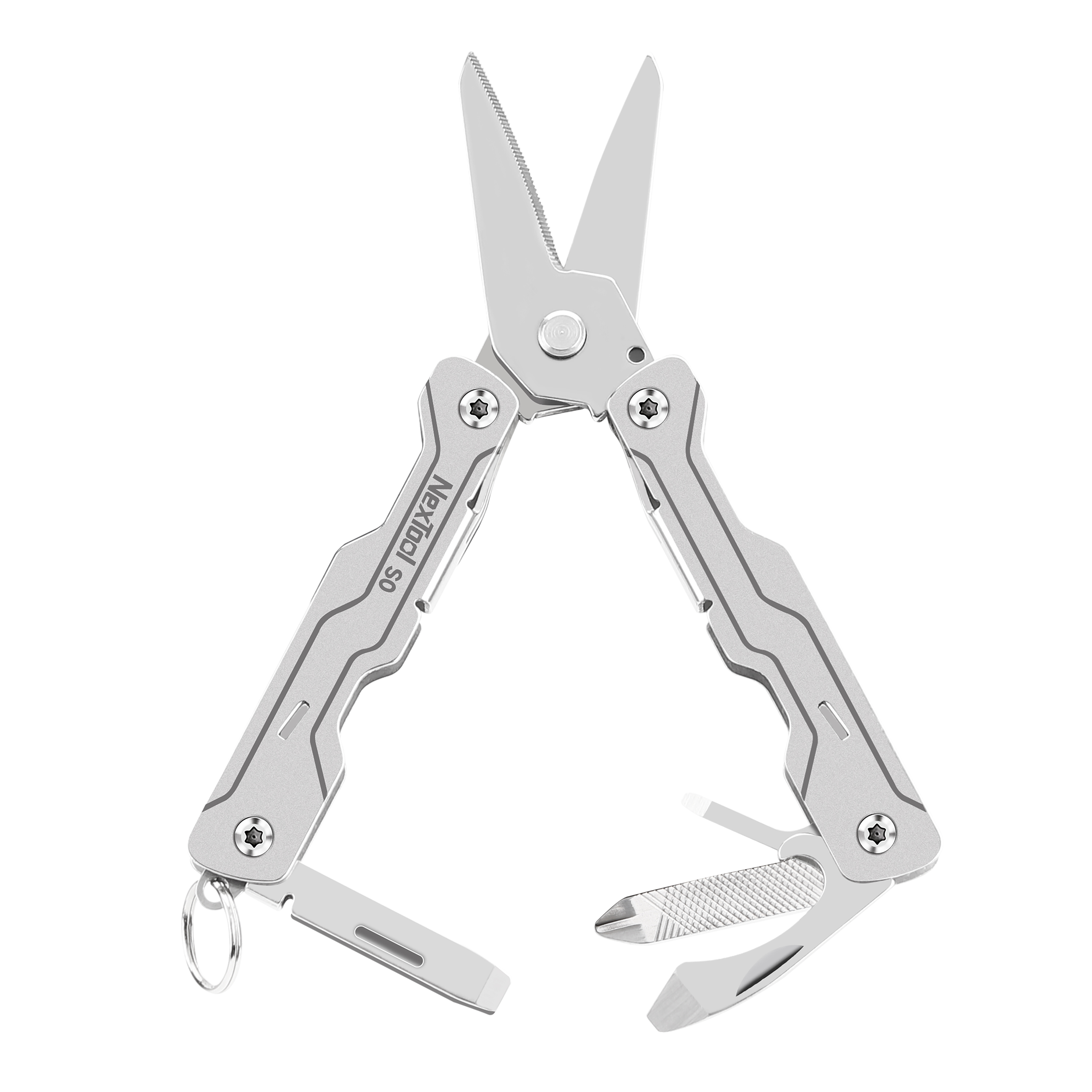
Other gifts can come from a grocery, sewing, or hardware aisle, depending on the job. A small ordinary tape measure suits someone who is always checking a drawer before buying organizers. A soft eyeglass cloth suits someone who mentions smudges, when they want that kind of gift. Choose the actual item and check its price at checkout. These ideas depend on the recipient and your local options.
What makes a small present useful after the holidays
A gift stays easy to find when it belongs in a place the person uses already. A keychain light can go beside a set of spare keys so the recipient can find a lock or search a shelf. A household tool can go beside the tape and spare buttons. When you buy a second version of something the person already owns, confirm that it fills a different spot or task.
Look at what the person will have to do after opening the gift. If they need to remember a special charger that rarely gets used, the item may spend more time in a drawer than in service. If a small tool could become one more loose object in a bag, the recipient may prefer a pouch they already want. A simple idea succeeds when its use and storage are both clear.
Some gifts are best shared instead of repeated. If a family already uses one sewing tin, you can put the household tool with that kit and give one written note to the people who use it. If everyone has their own keys and comes back at different times, individual lights may make more sense. Ask where the responsibility for keeping the item usable falls.
If a recipient has a preference you can verify, use it as the last choice. A color that helps them tell two sets of keys apart is practical. An extra accessory adds bulk when it has nowhere to go. Decide how the person will use the item after the holiday before buying a second object to round out the package.
Keep each gift under $25 after delivery
Set a separate checkout ceiling for each person. Use the full item price until checkout confirms a discount. Add the amount allocated for tax, delivery, presentation, and required extras. If splitting an order, spread shared charges by a method that reflects the shipping arrangement. When several parcels go to different addresses, tally them by destination.
For a planning example, suppose five gifts will go into one delivery. Budget $2 per gift for delivery, $1.10 per gift for wrapping, and $1.50 for tax in each example. Those amounts are assumptions for this worksheet. Apply actual taxes and charges from the real order. With those assumptions, the $15.99 light reaches $20.59 and the $16.98 tool reaches $21.58.
| Example gift | Price before assumed extras | Example all-in cost |
|---|---|---|
| One Palm Breeze light with $4.60 allocated for extras | $15.99 | $20.59 |
| One NexTool S0 with $4.60 allocated for extras | $16.98 | $21.58 |
| Three lights and two tools with $23.00 allocated for extras | $81.93 | $104.93 |
A five-person total of $104.93 is below the combined ceiling of $125. Double-check the individual amounts, too. A total under budget can hide one item over the personal limit. If an individually mailed gift costs more to deliver, use its real shipping cost and remove the equal split for that parcel. A small change in mailing can use more of the buffer than a change of finish.
Check whether an order needs accessories before deciding which item costs less. A familiar battery included with a keychain light can help it be usable on the day. A charger, cable, or size of battery you need to buy should be priced as part of the gift. Think about whether the added part helps the recipient after the first evening. Include it when required and leave it out when they already have the correct option.
For an exchange with a hard cap, confirm whether the group means item price or total spending. If local pickup changes your costs, compare the actual options before paying. Take a screenshot or write down the total at checkout, particularly if you are relying on a coupon that expires. Set the arithmetic aside once you know each present fits its real ceiling.
You can compare online and local purchases without matching items one for one. Make one line for the website order and another for the nearby store. Include the ordinary cost of getting each gift to its recipient. A lower listed price at one store may make sense for three gifts to one address and make little difference for a single gift you need to ship by itself.
Here is a quick way to spot a narrow margin. If the product costs $16.98 and the card and tax use $2.60, the most you can then spend on delivery is $5.42 under a $25 cap. If shipping turns out higher, a local purchase or handoff may fit. A lower item price gives you more room only if the replacement still suits the task.
Give five or ten gifts a personal detail without starting over
Make a short list by person, task, delivery date, and maximum total. Then choose a small set of gift types from the list. A partner and a neighbor might each get a light because both need one at different doors. They can get different notes or different colors without changing the basic order. People who have no reason to carry a light can receive a card or another item that fits their routine.
Set the order before you choose the ribbon. Put handoffs in one group and mailed parcels in another. Use the packaging appropriate to the actual item and check your carrier's instructions before mailing anything that includes a battery or tool. If a pickup or shipment runs late, a note at the planned gathering can be enough. Give a date for the gift only when you know it can arrive.
When several gift boxes look alike, label them before stacking them together. Put the person's name on the outside and the note inside the correct parcel. Match the receipt to the product model before tucking it away. If you are choosing different finishes of one item, color-code your working list so you can see whose parcel gets which finish.
Keep the wrapping simple and let the note be the useful detail. For a neighbor's light, write, “For finding the gate latch when you're carrying the bins back.” For a relative who keeps a sewing tin, write, “For snipping threads when the big scissors wander off.” A specific line can do more than a second object that needs its own explanation.
Place any instructions where the person will see them when opening the box. For the light, a short note can name the twist head and the battery and point to the enclosed instructions. For a tool, preserve the packing and the maker's guidance. A gift receipt can help the recipient exchange a finish or choose another item if the fit is wrong. Avoid making them ask for it later.
If part of the group will meet before the holiday and others will meet later, put the early gifts together first. Keep a short inventory of what you already wrapped. A delayed order is less disruptive if you have a card and a clear list of recipients by date. That approach helps keep an impulse purchase from taking the place of a gift you chose carefully.
For a mail order, check how the retailer handles several orders with one shipping address and who receives the order confirmation. Some people like to use a gift receipt, while others prefer to know where an item came from when they need instructions or a replacement part. Keep the model and shop name in an accessible place. It takes less effort to provide that information with the gift than to search the order months later.
If you are packing the gift yourself, reuse suitable protective packaging where you can. Keep a rigid box for a small item that could be damaged in a thin paper envelope. Leave the product's instruction sheet with the original packing. Weigh or measure the finished parcel as your carrier directs before paying for postage. A present that looks cheap to mail at the kitchen table can land in a different shipping price group once the box is closed.
What are some good presents for under $25?
Choose small gifts from a real use. A keychain light can help an adult find a door lock, small scissors can suit someone who mends things, and a cord pouch can help organize a bag. Check the actual item price, needed accessories, and shipping before deciding. A card makes sense when the recipient prefers a simple gesture or has an employer gift policy.
The gift can be almost invisible in daily use. A teacher who requested sewing supplies for an adult craft club might value the specific material on a list. A neighbor who already has a well-used flashlight might value a note instead of another one. If you know only one clue, let it guide you as far as it can and keep the rest modest.
Is $25 enough for a Christmas gift?
Yes, $25 can cover one carefully chosen small Christmas gift. Treat the amount as a ceiling for a task and a handoff, including tax and any delivery. A $16 object that is ready to use can fit with room left for a card. The best amount is the one you can afford and that the recipient is comfortable accepting.
When the total exceeds your budget, reconsider the item or see whether you can give it in person. You can also change the plan to a handwritten note or a small gift suggested by the recipient. At a group event, follow the price cap equally so the spending stays an easy part of the gathering.
What's the hottest Christmas gift this year?
A universal bestseller is hard to name without a current and reliable sales measure. For a shopper with a $25 cap, start with something the recipient wants to use soon. A small light may be a good choice for a dark commute or door. The best clue is a real task the person mentioned, followed by their preferences and the current checkout total.
If a popular gift is sold out, pause before buying a less suitable version. Colors and editions can have different prices or stock. Look for the same useful feature in a different item if it fits the person's habits. When the task is unclear, a more personal note gives you something you know how to complete well.
Frequently Asked Questions
Changelog
- November 20, 2026: Checked exact U.S. reference prices and original gallery photos, reviewed gift-acceptance references, and verified the example budget.