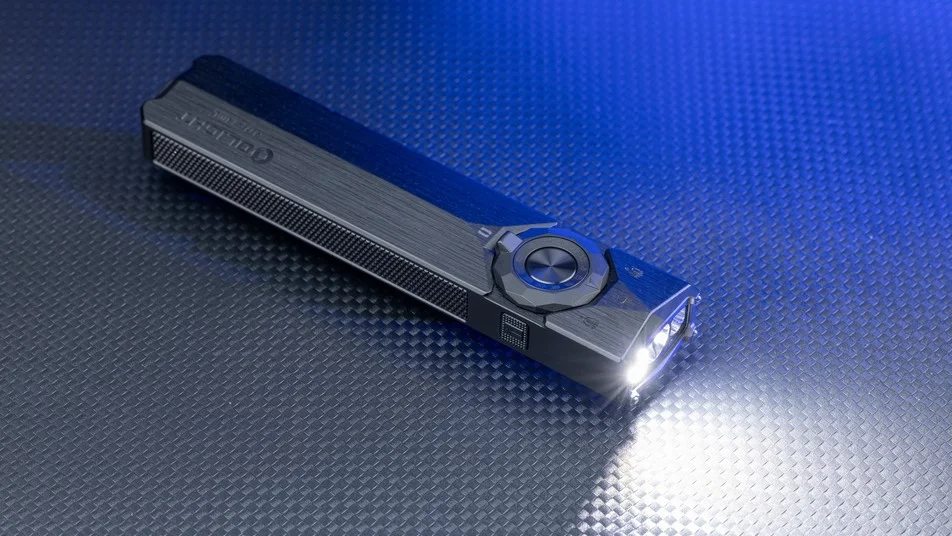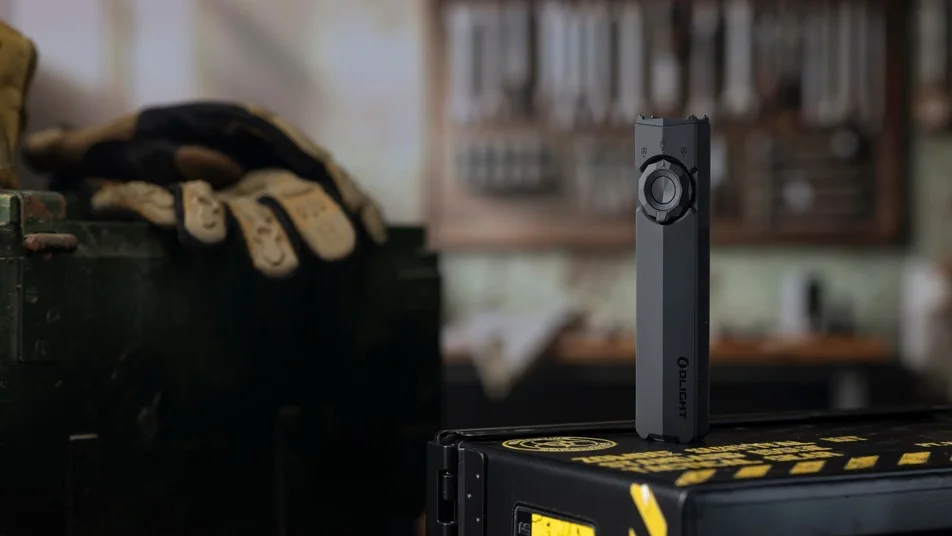
TL;DR: Choose a flashlight Christmas gift by asking where the recipient will keep it, what they need to see, and how they prefer to maintain its power. Match the exact package to that routine. A small keyring light, a pocket handheld, and a larger home handheld solve different gift-giving problems.
📋 Table of Contents
- 1. Start with the place the gift will live
- 2. What is the best flashlight to give as a gift?
- 3. Ask about storage without spoiling the surprise
- 4. Turn the lighting distance into an ordinary task
- 5. Compare three exact gift configurations
- 6. Does a rechargeable flashlight make a better gift?
- 7. Set the gift budget around a complete usable package
- 8. Make the first use easy and keep the handoff safe
- 9. How much should you spend on a flashlight Christmas gift?
- 10. Check the recipient's preference before choosing a finish
- 11. Write a model-specific handoff note
- 12. Frequently Asked Questions
Start with the place the gift will live
A useful flashlight gift has a home in the recipient's day. Picture the keys they collect before leaving, the pocket they actually use, or the shelf beside the front door. Choose for that place before comparing maximum output. The person should be able to find the light, hold it comfortably, and keep its supported power supply ready.
| What you know about the recipient | Begin with this format | Check before buying |
|---|---|---|
| Carries house keys and wants a small nearby light | Keyring handheld | Added bulk, twist control, approved replacement cell |
| Wants a light in an everyday pocket | Pocket handheld | Actual dimensions, grip, carry lockout, charging equipment |
| Keeps household equipment at one dry storage point | Larger handheld with its intended holder | Space for the complete setup, control reach, supported charging |
Ask for one actual recent use. A dropped item in a hallway is different from a walk along a permitted path or reading a label on a shelf. That detail turns an intimidating product catalog into a short list. It also helps you avoid buying a large device for someone who dislikes carrying extra equipment. A gift can fit its recipient without filling every possible lighting role.
You can ask without naming a model or revealing the wrapped present. Try asking where a useful small tool would go, whether their keys already feel crowded, or which charging equipment they keep in one place. Listen for a practical inconvenience they would like to remove. Someone who is satisfied with their present arrangement may appreciate a different gift more than another flashlight.
Keep the decision about the recipient's habits. A light you enjoy using may feel too bulky, unfamiliar, or difficult to maintain for another adult. The relevant question is whether that person can use the equipment comfortably and give it a consistent storage place. Avoid turning a gift conversation into a request to adopt a hobby or a complicated maintenance schedule.
What is the best flashlight to give as a gift?
The best flashlight gift fits a specific person's ordinary task and willingness to maintain it. Choose a compact keyring light for someone who wants small nearby illumination, or a larger handheld when the person has space and a reason to carry it. Confirm the controls, power requirements, and exact package before paying.
A recipient who has already named a missing item gives you a strong starting point. Ask which feature they need and what equipment they already own. They may want an independent light beside a phone, a handheld near the door, or a replacement for an item that no longer works. Keep the request specific enough that you can recognize the correct version when you open the listing.
For a surprise gift, build a small set of acceptable choices. Write down the storage place, the ordinary task, and the power routine. Then remove models that plainly conflict with one of those answers. The remaining decision may be a finish the person likes or a control that suits their grip. A short list is easier to evaluate than a ranking that assumes every buyer has the same needs.
Think about what happens after the wrapping comes off. The recipient should have the instructions and the equipment needed for the intended setup. A light that requires a missing charging holder or an unfamiliar battery can stay unused while someone searches for the right part. Check the exact box contents and tell the person which pieces belong together.
Ask about storage without spoiling the surprise
Use an existing object as a size reference when the person cannot handle a sample. You might compare the published length with the pen they carry or the space in a small organizer. This is a way to visualize dimensions, not a substitute for trying the product. The listed body size also excludes whatever keys, pouch, or cables the recipient adds.
For a keyring gift, consider the whole ring. A person may already carry a vehicle fob, access tag, and several keys. An additional item changes how that group fits in a pocket. Ask whether they prefer everything together or keep household and work items separate. The smallest light in a catalog can still be the wrong addition to a crowded keyring.
For a pocket handheld, think about the pocket the person will actually use. A jacket pocket, pants pocket, and bag compartment behave differently. The gift should sit securely without making access to other items awkward. Follow the product instructions for its clip or holder and lockout. A photograph of a clip does not establish that every attachment location is appropriate.
A household storage point needs room for the complete arrangement. Check where the light can sit away from fabric and where charging is permitted by its instructions. A dry equipment shelf can be more practical than a decorative bedside position covered by blankets. Give the recipient a place they can recognize, with the charging parts kept nearby when that setup is appropriate.
Avoid treating a vehicle as an automatic storage answer. The Baton 4 Pro manual prohibits storage, charging, or use in a car where the interior temperature may exceed 140°F (60°C), or in similar conditions. The intended storage location must satisfy the particular manual. A gift intended for trips can travel with the adult owner rather than remain permanently in a hot parked car.
Turn the lighting distance into an ordinary task
Ask what the recipient wants to see, not simply how many lumens they want. A keyway, a bag zipper, a sign beside a path, and something farther across an open permitted area ask different things of a beam. Start with the actual object and the surroundings. A product's maximum output number alone cannot tell you how comfortable the light will feel at that object.
For nearby tasks, consider how widely the light spreads and whether the user can select an appropriate setting. A concentrated bright center can make a close reflective surface uncomfortable to view. A broader beam can help someone see the surrounding area. Neither description is a universal promise about visibility. The person still needs to aim the light appropriately and avoid other people's eyes.
A manufacturer-listed beam distance is also a particular specification. It is not a promise that every person can identify a small object at that distance. Ambient light, the surface, the selected output, and the person's vision all affect the task. Use the figure to understand the documented model. Keep a real close-up use separate from a desire to see farther down a path.
A gift buyer does not have to recreate a beam test to make a sensible choice. Read the manufacturer's specifications and instructions, then match the format to the recipient's task. Do not turn an indoor wall comparison into a claim about outdoor visibility. If the recipient needs special workplace equipment or a specific approved lighting arrangement, let those requirements lead the purchase.
Compare three exact gift configurations
The regular U.S. reference prices in these examples were checked on November 19, 2026. They exclude tax, shipping, and extra equipment. Other versions may have different prices or contents, and availability and checkout amounts can change. Select the exact finish described before comparing a displayed amount. These options illustrate different formats, with no independent performance ranking or claim that one is best for every recipient.
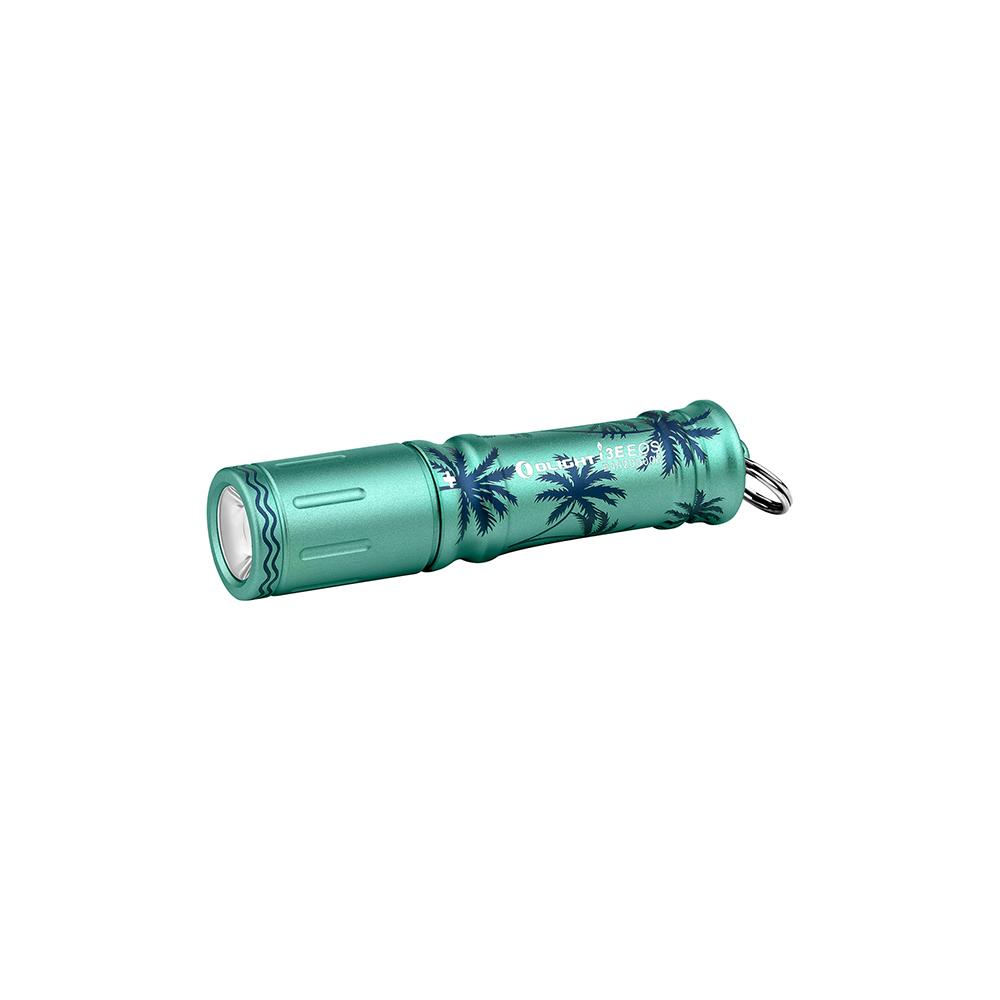
This is a compact handheld, so the recipient still needs a hand to hold and aim it. The small format is useful when portability matters more than having several output settings. Check that the person can work the control comfortably. A single-output model offers a different choice from a handheld with selectable modes, even if both can illuminate a nearby task.
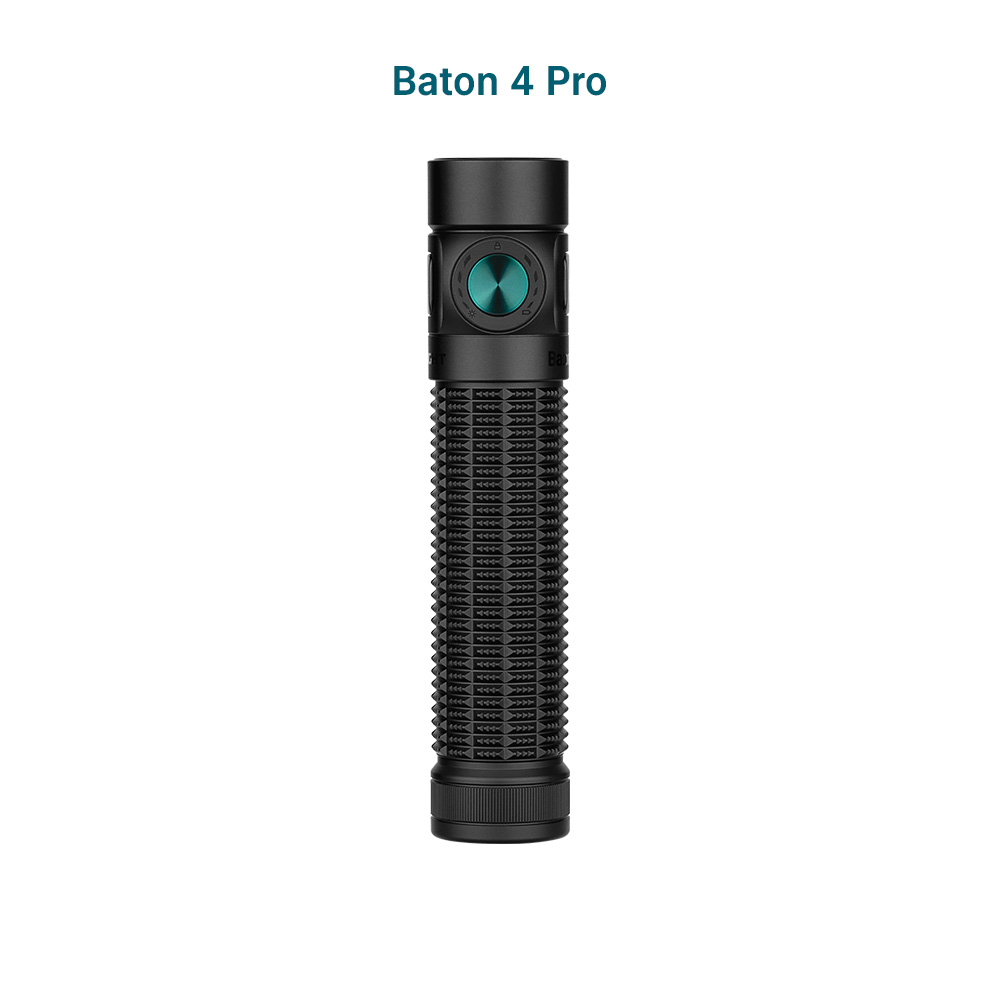
This option suits a buyer considering a larger pocket handheld with selectable output. The manufacturer's maximum specification is not a recommendation to use the highest mode for every task. The recipient should read the runtime stages and heat warnings and choose an appropriate setting. Familiarity with the controls matters more than an impressive first demonstration in the living room.
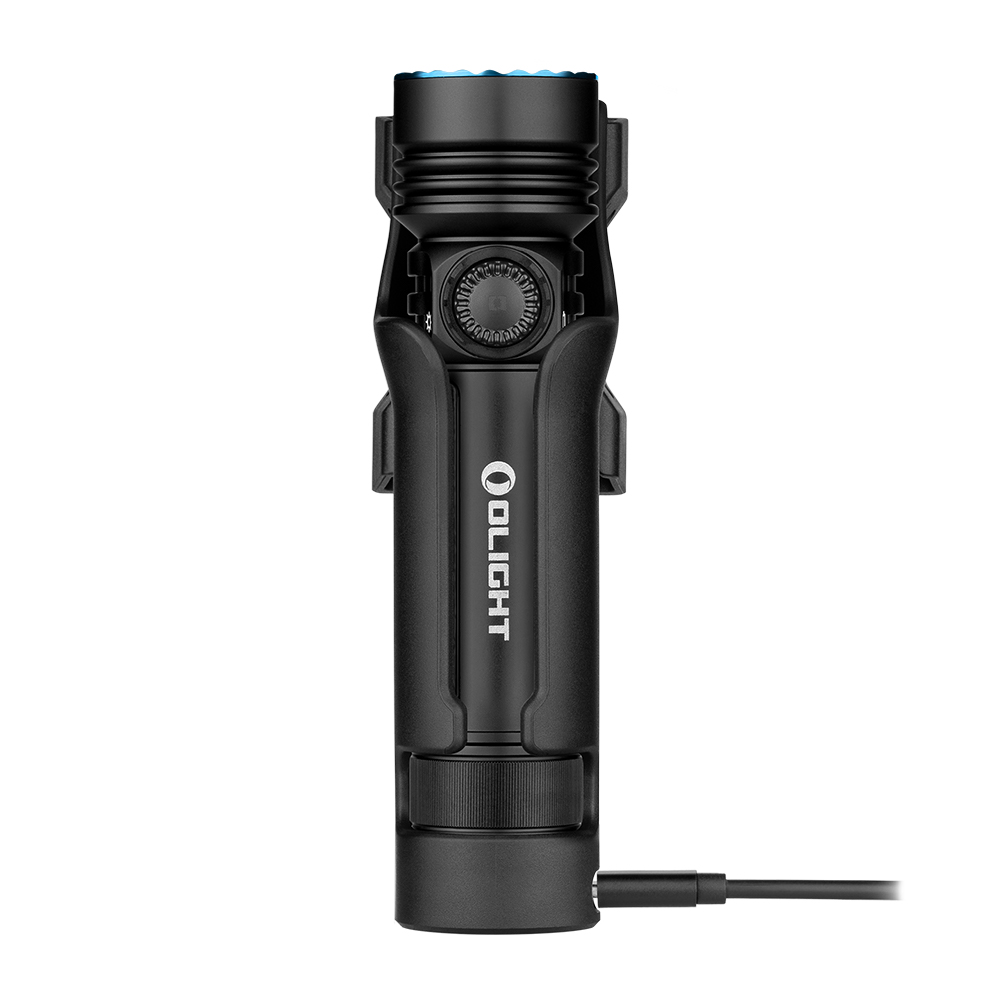
Consider the complete setup when judging size and convenience. A holder can help keep equipment in a recognizable place when it fits the recipient's home and routine. It also adds a part to store and bring along when that charging path is needed elsewhere. Someone who prefers fewer items may value a different arrangement. Give the person a choice that matches how they will actually keep the equipment.
Does a rechargeable flashlight make a better gift?
A rechargeable flashlight can make a useful gift when the recipient has a supported power source and a place to charge it. A replaceable-cell model can suit someone who keeps the specified spare battery available. Confirm the exact charging method or permitted cell type, and choose the routine the recipient can maintain.
Ask where their everyday charging happens. A USB-C connection on a light is different from a USB-C connection on a separate holder. Magnetic charging also needs the documented compatible cable and power arrangement. Count those pieces before choosing. A familiar connector shape alone does not prove that equipment left in a drawer will work with the new gift.
Open the box-contents section for the exact model, not merely the product family. A photograph may show an optional cable or several configurations on one page. Record which components the selected package includes. If you choose an optional accessory, verify its model compatibility and actual price before adding it to the gift budget.
Keep charging instructions available after unwrapping. The recipient should know which parts belong together and where the connection needs to stay clean and dry. Follow the manufacturer's permitted conditions and keep damaged equipment out of use. Let the user practice connecting the supported equipment while the room is well lit, with time to ask a question before relying on the light.
The AAA-powered example needs its own explanation. Show the permitted battery type and orientation in the manual, and identify any included battery. Follow the instructions for long-term storage. Avoid leaving the recipient with a small device and a guess about which rechargeable cell might fit. An apparently similar size is not a substitute for documented compatibility.
Set the gift budget around a complete usable package
Choose the spending limit before deciding which extras look attractive. Start with the selected light and its supplied equipment. Add separately purchased compatible items only when they solve a specific problem for the recipient. Leave room for the actual tax and delivery charges. Gift wrapping, a card, and any additional power items belong in the same budget even though they do not improve the light's specifications.
At the reference prices above, one Summer Palm light leaves $12.01 from a $25 item budget before extras. Two total $25.98 on that same basis. The pocket handheld example costs $57 more than the selected keyring light. That difference buys a different model and format, not a measurable amount of personal satisfaction. Decide whether the additional size and features answer the recipient's actual needs.
The difference between the selected Seeker and Baton reference prices is $70. A recipient with a planned home charging position may value the larger format and supplied holder. Another person may prefer the smaller handheld or already have equipment they like. A budget comparison becomes more helpful when each extra purchase has a place and a use, rather than a higher number being treated as a better gift.
Do not count an unverified promotion or presumed coupon as part of the plan. Check the current price for the exact selection when you are ready to buy. If the amount changes, compare the whole package again. A dated reference can help you make a preliminary decision while the order itself still needs a current total and delivery information.
Make the first use easy and keep the handoff safe
Allow time before the holiday to check what actually arrived. Match the model and finish to the order, locate the instructions, and inspect the supplied components. A damaged item or an unexpected configuration deserves attention through the seller's normal support route. Keep the identification and purchase record available so the gift can be described accurately if a question arises.
Give the recipient the manual and explain any first-use preparation it requires. Follow the actual model's instructions rather than assuming the controls match another light. A quick ordinary demonstration can show where the switch is and how the light returns to its off or locked carry arrangement. It does not establish independent runtime, durability, or water-resistance results.
Avoid pointing a beam into anyone's eyes or making a bright indoor demonstration the center of the exchange. Higher-output lights can become hot. The Baton manual warns against obstructing its light outlet, and a hot light should not go into a fabric bag or fusible plastic container. Keep tissue paper and wrapping clear of the outlet and let the product cool as directed before storing it.
These are adult equipment choices, not an assumption that a small device is a toy. Keep small batteries and loose components away from children, and follow all model warnings. If the recipient cannot comfortably manage the controls or power arrangement, choose a different suitable item. A gift should not require another family member to improvise a safer way to use it.
How much should you spend on a flashlight Christmas gift?
Spend enough for the format and supported power arrangement the recipient will actually use. Set a total that includes tax, delivery, and necessary additional items. A small keyring light can be a thoughtful gift for a specific nearby task. A larger model is worthwhile only when its size, controls, and equipment fit the recipient's routine.
Consider a person buying for two adults with different habits. One carries keys everywhere and prefers familiar replacement batteries. The other has asked for a handheld near a dry home storage shelf. The buyer can evaluate two different formats without trying to make the gifts match in size. Equal attention to each person's task is a more useful starting point than a rule that every gift must have identical features.
For the first adult, the buyer checks keyring space and whether twist operation is comfortable. They select the exact finish and leave room for the actual order charges. For the second, they ask where a holder could sit and how the recipient normally charges small equipment. Those answers determine whether the supplied setup fits. The buyer can explain the difference without making either gift sound like a compromise.
If the buyer cannot answer the charging question, they can ask before ordering. A short practical conversation may be less surprising than an unused present. They can also give a choice between two suitable configurations and confirm the recipient's preference. The extra information can prevent spending the budget on an optional accessory the person would leave in its box.
Keep a simple written note with each gift. Include the exact model, the supplied charging arrangement or specified battery, and where the manual is stored. Avoid inventing an extra maintenance schedule. The manufacturer's directions and the person's actual use should guide care. The note simply helps the recipient identify the pieces after the wrapping has been discarded.
Check the recipient's preference before choosing a finish
Product pages may offer several colors, versions, or bundles. The first option that opens can differ from the selection you intended. Choose the named finish and recheck the price and contents before ordering. This is especially useful when buying two gifts from the same family page. A similar product name does not prove both packages contain the same equipment.
For a surprise, notice the ordinary items the recipient already chooses. A person who likes a visible patterned keyring may enjoy the Summer Palm example. Another may prefer a plain handheld that matches an organizer. Those are preferences, not performance conclusions. Let the finish narrow an already appropriate format, rather than choosing unsuitable equipment because the color seems festive.
Check the seller's current return or exchange terms if the person may want to change the selection. Ask what information or original packaging would be needed, and retain the purchase details appropriately. This guide does not promise a universal return window or a particular gift-receipt service. Use the seller's actual terms for the purchase you make.
Before wrapping, keep model labels and instructions legible and complete. Do not cover a control or manufacturer marking with a decorative sticker. If you add a separate pouch or organizer, confirm that the model fits and that storage remains consistent with its heat and carry warnings. A pleasing presentation should leave the recipient able to identify and use the equipment normally.
Write a model-specific handoff note
A short note can make a technical gift easier to identify after the holiday. Use the exact model and finish from the order, then describe only the equipment that actually came with it. Separate an included part from an optional item you bought. The recipient can keep that note with the manual without having to reconstruct the purchase from a photograph of the wrapped box.
For the Summer Palm example, the useful note identifies the i3E EOS, its specified AAA power, and the twist control. Include the manufacturer's directions rather than writing a new battery-change procedure from memory. If the recipient keeps several types of small cells at home, ask them to check the exact supported type before replacing one. Familiar packaging or a similar size does not establish compatibility.
For the Baton example, identify the supplied MCC3 cable and the chosen supported charging path. If you did not add a USB-C cable, say so plainly rather than letting a product photograph imply that one is in the gift. Ask the recipient where the matched equipment will live. The aim is a complete arrangement they recognize, with the instructions available when they want to confirm a connection.
For the Seeker example, identify the supplied vertical holster as the component that provides the USB-C charging connection. That is a useful distinction for someone who expects to find every charging port on the handheld body. If the recipient plans to travel without the holder, discuss the documented alternative before adding accessories. They may prefer to keep the whole supplied setup together at the original home storage point.
Keep the wrapping separate from the ordinary equipment check. The light can sit switched off on a clear surface while the recipient reads the model name and locates the instructions. A presentation does not need to show the highest output. Remove the decorative material from the work area before any normal demonstration, follow the manual, and return the product to its instructed carry or storage arrangement afterward.
The note can also explain a choice that otherwise looks arbitrary. You might write that you selected the small keyring format because the recipient wanted a nearby light with their house keys. For a household handheld, you might name the dry shelf they chose for its holder. Those details show attention to the person without making a promise about performance, service, or how often they will use it.
If the recipient later asks about a missing part or a different finish, use the order information to identify the exact purchase. A model family can include several versions and packages. Keep the original description available when discussing an exchange or an accessory with the seller. That record helps ask an accurate question while the seller's current terms still determine the options.
Frequently Asked Questions
Changelog
- November 19, 2026: Reviewed the exact U.S. product configurations and dated regular price references, checked manual instructions and original product photographs, and organized the guide around adult gift-recipient routines. No beam experiment, user panel, or annual popularity ranking was conducted.