- 1. The Evolution of EDC: What Gear Enthusiasts Want in 2026
- 2. Moving Beyond Basics in Modern EDC
- 3. Trend 1: The Demand for Premium Materials
- 4. Trend 2: Maximum Output in Micro Form Factors
- 5. What’s Next? A Sneak Peek into the Future of Illumination
- 6. Frequently Asked Questions (FAQ)
Everyday Carry (EDC) has undergone a radical transformation over the last decade. What began as a utilitarian practice of carrying essential tools has blossomed into a sophisticated global culture. In 2026, EDC is no longer just about survival or "being prepared"; it is an expression of personal philosophy, an appreciation for precision engineering, and a pursuit of the "perfect" setup.
For the modern enthusiast, the pocket flashlight is often the centerpiece of this kit. Gone are the days when a bulky, plastic torch with a dim incandescent bulb was acceptable. Today’s users demand a harmony of form and function. They frequent forums like Reddit’s r/flashlight and dedicated EDC communities, dissecting everything from color temperature (CRI) to the tactile "click" of a tail switch. The future of everyday carry is being written by those who refuse to compromise on quality, and as we look at the EDC gear trends 2026, it is clear that the bar has been raised to unprecedented heights.
The shift toward high-performance, aesthetically pleasing gear is driven by a "buy once, cry once" mentality. Enthusiasts are looking for tools that not only perform under pressure but also tell a story through their wear, their materials, and their design language.
Moving Beyond Basics in Modern EDC
When we talk about the perfect pocket flashlight in 2026, we are talking about a device that bridges the gap between a tactical tool and a piece of jewelry. The "basics"—turning on and off—are now a given. The real competition lies in the user interface (UI) and the feedback loops provided to the user.
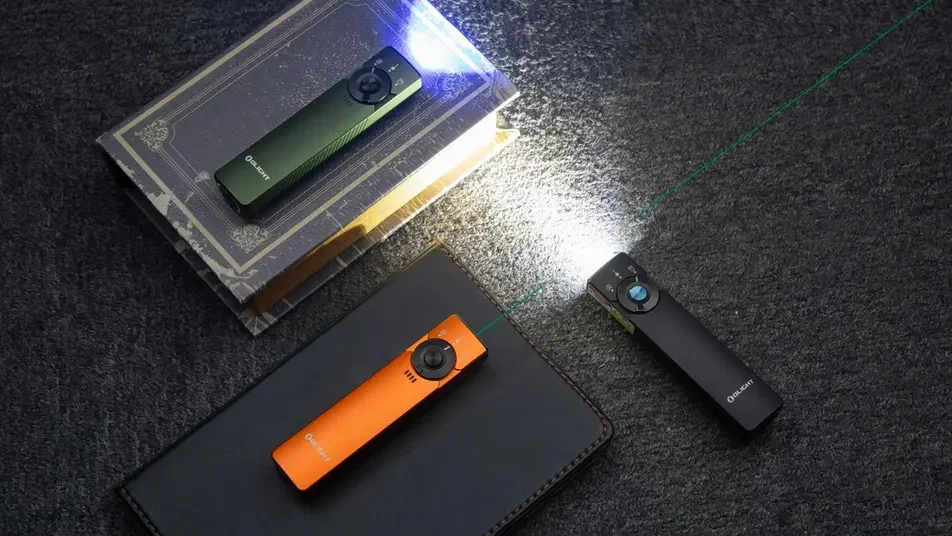
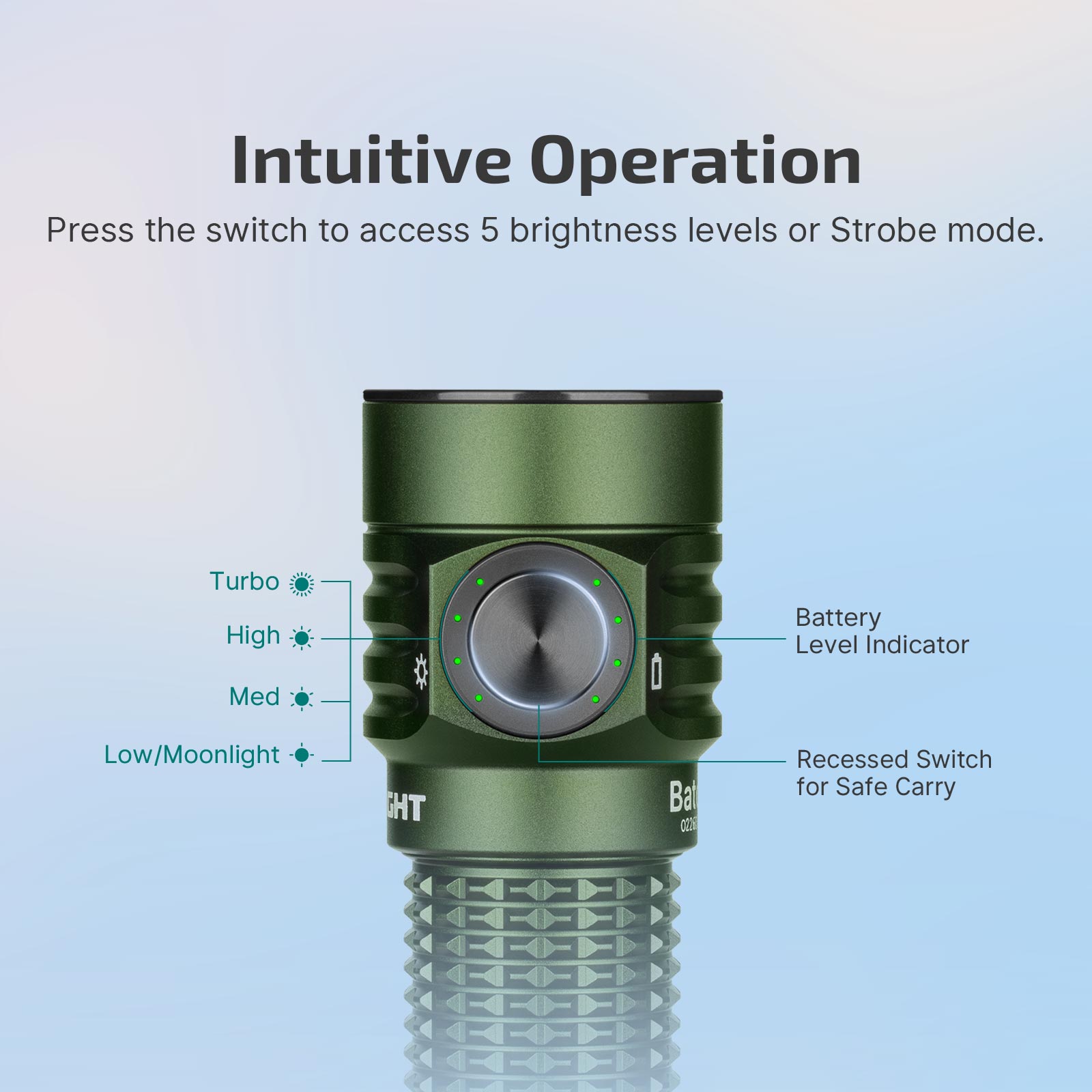
One of the most significant shifts has been the move toward intuitive interaction. Modern users want to know their battery status and brightness level at a glance, without having to cycle through modes blindly. A prime example of this evolution can be seen in the Baton 4 Powerful EDC Flashlight 1300 Lumens. By introducing a stainless steel metal switch and micro-indicator lights, it addressed a long-standing pain point in the community.
Baton 4 Powerful EDC Flashlight
Experience 1,300 lumens in a ultra-compact body with an intuitive laser-micro-hole indicator UI.
Shop Now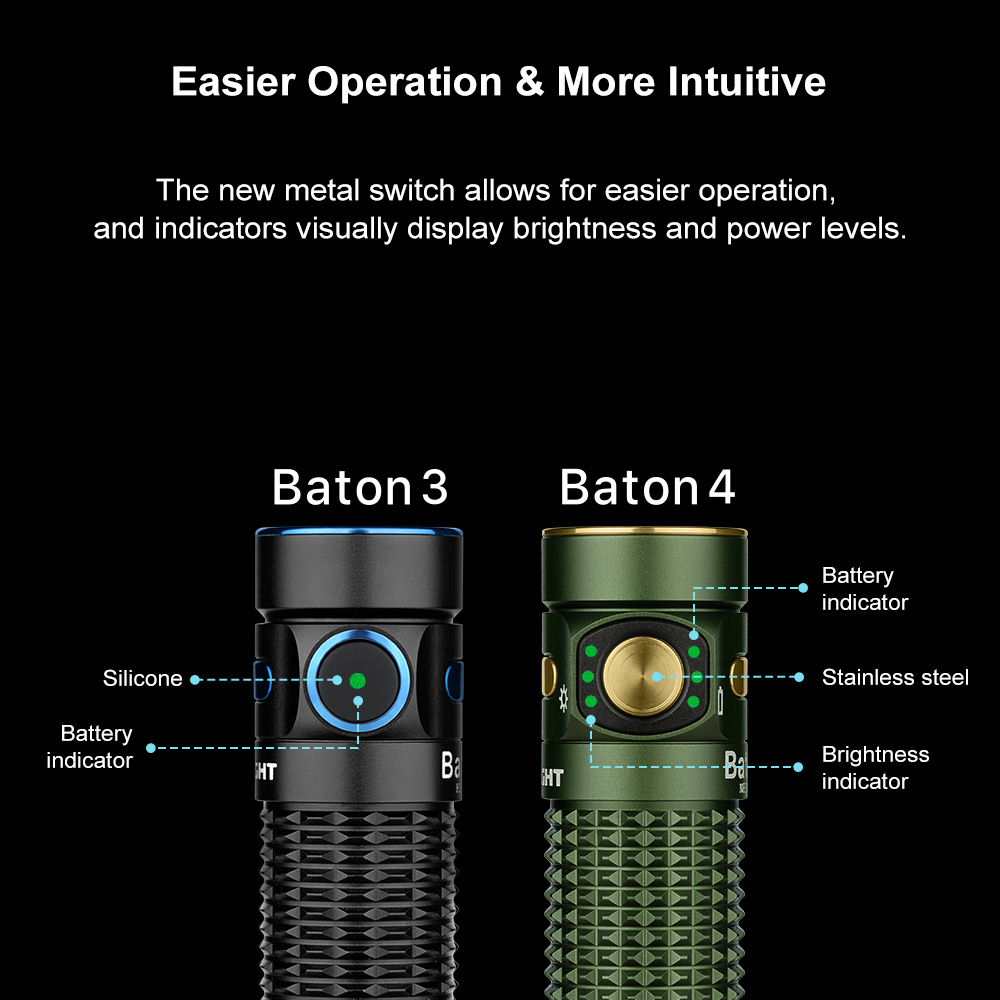
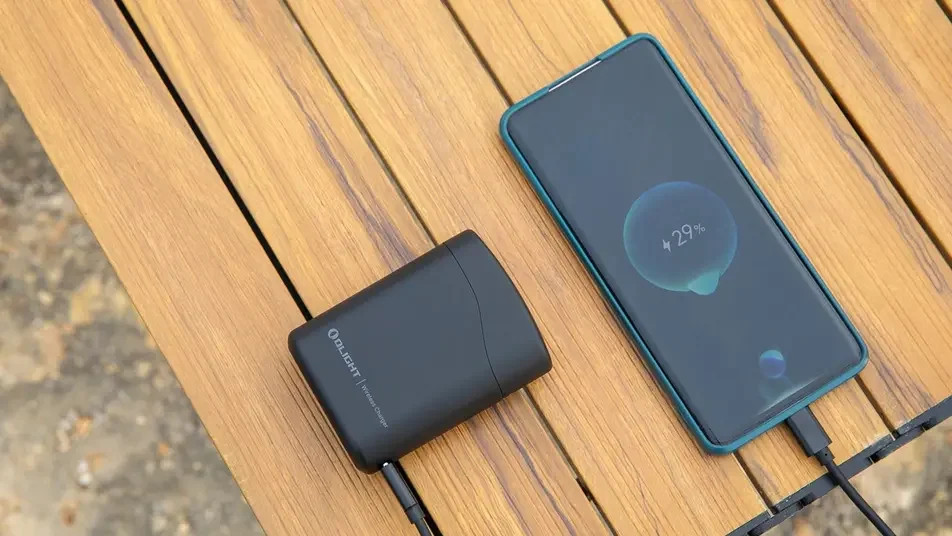
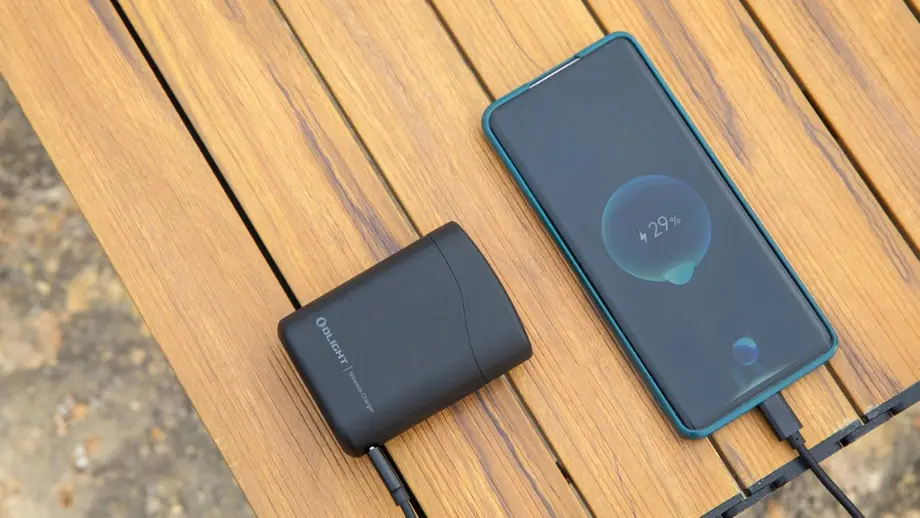
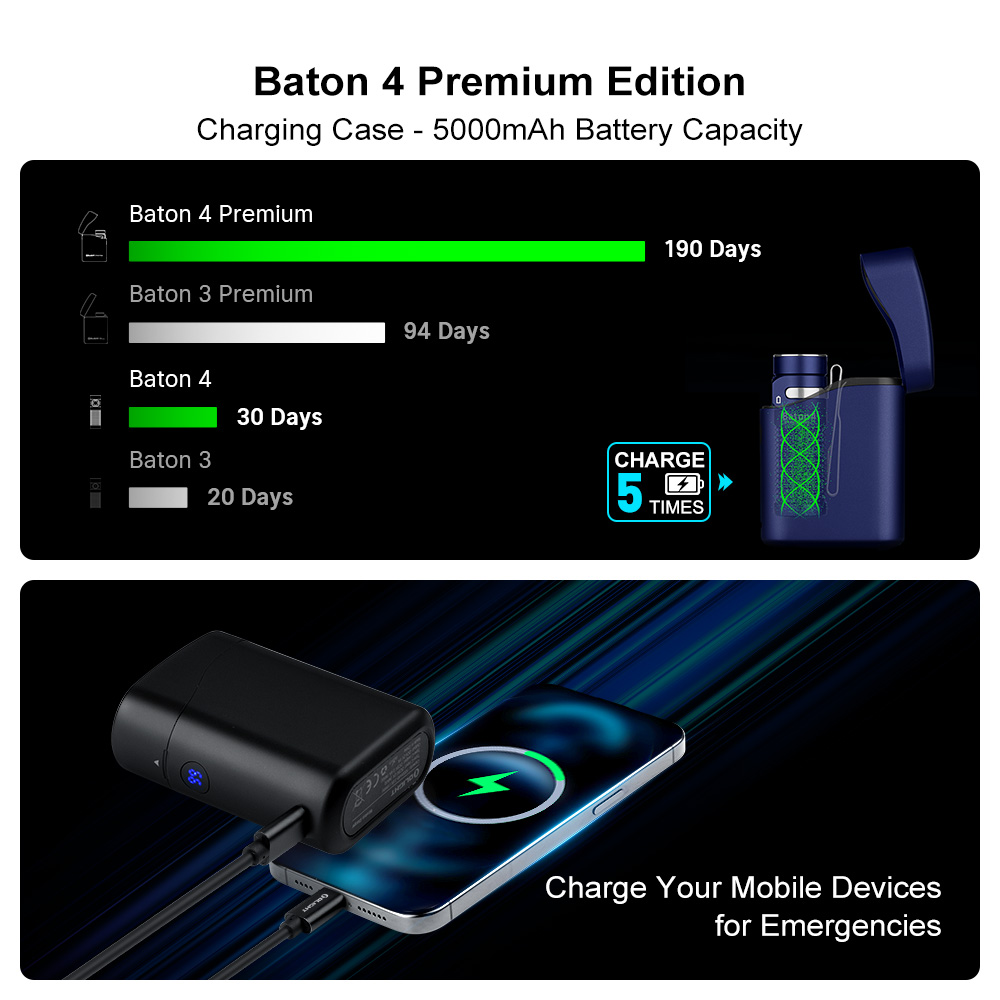
Furthermore, the concept of "power management" has evolved. In the past, carrying a spare battery was the only solution. Now, the trend is shifting toward integrated ecosystems. The Baton 4 Premium Edition took this further with its custom charging case, offering a massive 5000mAh capacity that can recharge the light multiple times and even act as an emergency power bank for smartphones.
Trend 1: The Demand for Premium Materials
As EDC gear becomes more of a lifestyle statement, the materials used in construction have become a primary focus for collectors and heavy users alike. While aerospace-grade aluminum remains the industry standard, 2026 sees an explosive demand for "exotic" materials.
The Allure of Titanium (Ti)
Titanium is the holy grail for many EDC enthusiasts. It is nearly as strong as steel but significantly lighter, and its corrosion resistance is legendary. Beyond its physical properties, Titanium offers a canvas for "anodizing," allowing for vibrant colors and patterns.
Copper and Brass: The Patina Story
For the "purists," copper and brass are the materials of choice. These metals oxidize over time, developing a unique "patina" based on the user's sweat and environment. This makes every flashlight a one-of-a-kind artifact, reflecting the history of its owner.
Trend 2: Maximum Output in Micro Form Factors
Perhaps the most challenging trend in the flashlight industry is the "Lumens vs. Size" arms race. In 2026, the community’s appetite for high-output lights that disappear in a pocket is insatiable.
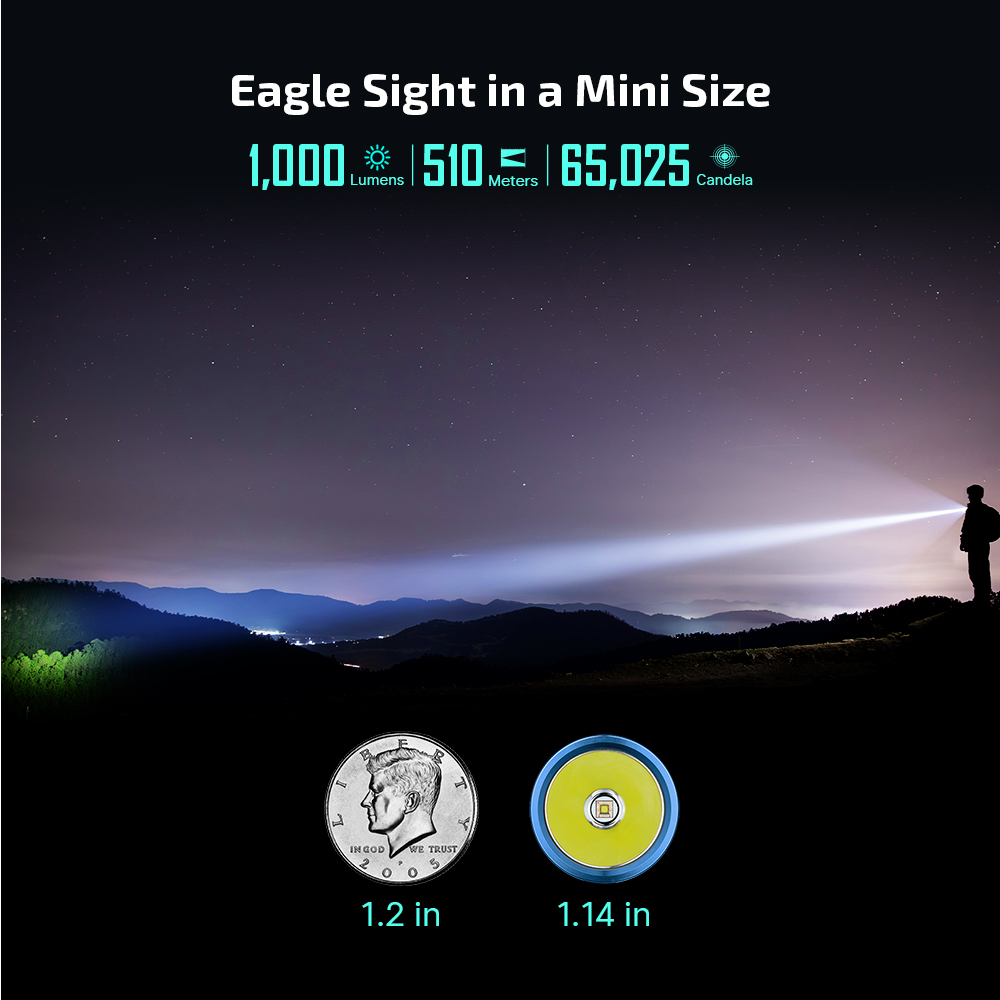
Baton Turbo Compact Flashlight
Unbelievable 510-meter throw in a pocketable size. Redefining what compact flashlights can achieve.
View DetailsThe Baton Turbo Compact EDC Flashlight is a testament to this trend. It manages a staggering 510-meter long-range beam from a body barely larger than a thumb.
- Advanced TIR Optics: Concentrated beam without a deep, bulky reflector.
- High-Discharge Cells: Pushing higher currents for "Turbo" modes.
- Smart Thermal Throttling: Protecting the light by adjusting output in real-time.
What’s Next? A Sneak Peek into the Future of Illumination
We have seen the rise of the charging case and the refinement of the metal switch. For many, it would seem that the EDC flashlight has reached its pinnacle. But at Olight, we know that the "perfect" gear is a moving target.
As we approach the end of March, we are preparing to unveil something that addresses the most "extreme" demands of the EDC community. Something that honors the legacy of our most popular series while pushing the boundaries of what a pocket flashlight is expected to do.
Stay tuned. The "Perfect EDC" is closer than you think. Are you ready for what’s coming at the end of the month?
Frequently Asked Questions (FAQ)
1. What makes a flashlight "EDC friendly" in 2026?
Key factors include compact size, high lumen-to-weight ratio, intuitive battery indicators, and robust materials like Titanium or Aerospace Aluminum.
2. Why is "Patina" so desirable on copper and brass flashlights?
Patina is a natural oxidation process. Many enthusiasts love it because it shows the history of use, making the tool feel more personal and unique over time.
3. Is the Baton 4 charging case compatible with other lights?
Yes, the Baton 4 Premium Edition case is backward compatible with the Baton 3 and supports charging for various S1R series lights. (Note: The flashlight needs to be turned off first.)
4. What is the difference between Lumens and Candela?
Lumens measure total light output (flood), while candela measure the intensity of the beam in a specific direction (throw). High candela is what allows the Baton Turbo to reach 510 meters.