



TL;DR: A factory needs dependable exit lighting and a plan workers can follow when power drops. Use the assigned route, report hazards from a safe place, and check in as directed. Approved portable lights can help with ordinary tasks in permitted areas, but they never replace exit lighting or authorize work around equipment.
📋 Table of Contents
- 1. Plan for exit lighting and portable lights separately
- 2. What are the OSHA requirements for emergency lighting?
- 3. Where are emergency lights required in commercial buildings?
- 4. Follow the plant plan when power drops
- 5. Keep machinery decisions with authorized personnel
- 6. What are the best emergency lights for industrial use?
- 7. Prepare the next shift to find and report problems
- 8. Frequently Asked Questions
Plan for exit lighting and portable lights separately
| Need | Who or what covers it |
|---|---|
| Find the assigned exit route | The site's exit lighting, signs, and emergency instructions |
| Report a dark section or failed fixture | The worker reports it from a safe point and the responsible team follows up |
| Account for the shift | The site's designated check-in and accountability process |
| Read documents at a permitted point | A site-authorized supplemental light or the lighting already available |
| Handle equipment or restart a process | Only people authorized under the applicable site procedures |
A drop in power can change what workers can see long before anyone confirms what happened. A light at the end of an aisle may mark the way out while the area beside a machine looks dark. Workers need to know the route, the reporting channel, and the point where they will be accounted for. Keep those questions separate from the question of where to store a flashlight.
Plan the route on a normal shift, while the facility is operating as expected. Ask employees starting at different assigned locations where they would go and how they would check in. Put the same information into visitor and contractor briefings when applicable. A person who just arrived may know the entrance door without knowing which route the site has assigned during an outage.
Before moving a work group to a temporary assignment, ask the person responsible for the plan to identify the relevant route and check-in point. That includes workers covering breaks or delivering supplies who might normally start from another department. A shift roster without the temporary moves can be hard to use once normal communication is interrupted. Keep the roster and briefing information where the people responsible for accountability can reach them from the location they are assigned.
Set the expectation that people leave equipment, belongings, and supplies where they are when the site's direction calls for evacuation. A personal light should never be the reason to turn back for a bag or search a tool cabinet. The shift can resolve missing equipment later. From a safe location, tell the site about a route cue you couldn't see or a problem you noticed.
Map the support arrangements to the workplace as it is used. An issue desk may ordinarily have good task lighting, while the evacuation route passes in a different direction. Keep that desk from becoming an extra stop on the way out. If a site distributes personal or issued lights during ordinary operations, review when those lights may be carried and how the workers will know the rules for an area that has different restrictions.
Assign a contact who can handle a report and communicate revised instructions. An employee may see an unlit section near a sign, a closed gate, or a work area where normal lighting went out. A location and a clear description help the next decision. The worker doesn't need to determine why the light failed, how much illumination remains, or whether the system met a code requirement.
What are the OSHA requirements for emergency lighting?
For general industry, OSHA's exit-route rule requires enough light for an employee with normal vision to see along the route. It also addresses visible exit signs and keeping emergency safeguards in working order. Have the responsible site team check applicable rules and maintain the installed system. A portable work light cannot replace it.
The 2025 annual CFR text for OSHA's exit-route rule covers lighting and marking as well as maintenance and safeguards. Exit lighting is part of the site's arrangements for safe travel along the route. The rules about keeping signs visible, showing the direction when it isn't clear, and keeping emergency safeguards in working order belong with that responsibility.
Consider the difference between a light in a place someone works and a light that serves the assigned route. The first can help read a document or check an inventory under normal conditions. The second helps people travel toward safety as part of the building system. If a worker asks why a machine bay is dim while the signed route is visible, take the observation seriously and send it to the responsible team. That contrast by itself doesn't tell the worker whether the space is safe to enter.
A report about a failed fixture should identify the location as well as the fixture. At a safe point, name the department, floor, or another fixed reference. Include what you could see and at which moment you noticed the problem. A person reporting from the assembly point can say that a route cue was no longer visible without going back to obtain a closer view.
If your facility records observations after an incident, give fixed references that will still make sense after the area is relit. A doorway number, a department name, or a direction from an assigned exit is often easier to locate than “the middle aisle.” Include the route you were following. If you couldn't tell which fixture was involved, say that. Accurate uncertainty gives the person taking the report a better starting point than a confident guess about a fixture or circuit.
The site should take up that report through its normal safety and facilities process. The cause could be a failed component, an obstructed sign, or another issue. Give the responsible people enough information to examine it under the applicable procedures. A portable beam shining in the reported direction would make a poor substitute for investigating fixed lighting with the right people and equipment.
Where are emergency lights required in commercial buildings?
Check the building's specific egress requirements with the responsible facilities team and local authority. In a general-industry workplace, OSHA addresses illumination along exit routes and the visibility of exit signs. Other applicable requirements can depend on the building and how it is used. A shopper cannot determine those locations from a portable light's specifications.
Identifying the complete exit route matters here. The way to the exit, the exit itself, and the place where it discharges each have their own role in getting people to safety. Use the actual route information assigned for the space. A bright fixture at one end of a room cannot establish that the whole route is adequately lit or that every cue is visible.
Responsibility also needs a name. If a tenant uses one part of a building and shares doors or corridors with another employer, establish beforehand who receives reports and coordinates a correction. The person leading a shift has to know how to report the condition. Facilities and the responsible authorities need the location and the type of issue to decide what the building requires.
A change in the use of a room can affect how people encounter an exit. A new partition, temporary staging, or a rerouted group can alter which signs a person sees on the way out. Before a change, have the team that owns the plan review the affected paths and communication. During normal operations, ask employees using the area to tell the contact if an instruction or sign seems inconsistent with what they were taught.
Do that work when conditions permit proper review. An employee who noticed a dark corner in an outage can share what they saw from their assigned route. A qualified review can look at the system, the local requirements, and the actual path. The employee can give useful information without making a judgment about fixture placement, backup duration, or coverage throughout the building.
Follow the plant plan when power drops
The 2025 annual CFR text for OSHA's emergency action plan rule sets out components of an emergency action plan when an OSHA standard requires one. They include ways to report an emergency, evacuation assignments, and procedures to account for employees afterward. The same rule includes procedures for employees who remain to operate critical plant operations before evacuating. Workers should follow the role and route assigned by their actual employer.
The site's plan gives the timing and action for the role each worker has been trained and assigned to perform. A personal flashlight doesn't make a person part of a designated plant operation or response team. If the plan says to go to the assembly point, go and check in. Let the responsible people coordinate the status of the equipment.
Check how the plant will reach people who spend part of the shift away from the main work area. A worker in a break room or a visitor at a delivery counter may hear alarms or receive instructions differently from someone training on the line. The site's procedure should provide the route and the way to report. Cover those assignments in the briefing so the person knows whom to contact without relying on the communications device they happen to carry.
Make the first report usable. A plant can direct workers to a particular radio channel, desk, or supervisor, or it may have a different method for each shift. Use the route and communication method from the plan. Report that you reached the assigned point and give the actual location of anything the site needs to know about. Avoid estimates about the cause of the failure or the state of a machine you cannot verify.
Account for shift changes. A person receiving a handoff should be able to tell who was assigned to which area and whether all workers have reached the place named in the plan. Visitors or contractors may need a different check-in contact. A small light can help someone read paperwork at a permitted station, but the check-in process should work through the systems the employer has actually put in place.
A head count is useful only if the people taking it know who was expected. Supervisors can organize their records around the actual shift, including leads who were covering another group or visitors escorted on a different route. When someone is unaccounted for, pass that information through the emergency procedure. Keep staff at the assigned safe location unless the site gives other instructions. A light and a familiar route aren't reasons to send anyone back to look.
If your site has an agreed backup method for check-in, teach it along with the primary one. Include the name of the person who receives it and whether a worker should wait for acknowledgement. At the briefing, have the crew rehearse saying the actual location and the limited fact they observed. A useful report can be short. A person who could see the exit sign but lost sight of the marked turn needs to say which part of the route they mean, even if they never saw the fixture itself.
When a planned route is unavailable, don't improvise a route through a machine area. Follow the site's alternate instructions and alert the designated emergency contact from a safe location. A worker can report where they are and what is blocking the route. The site can give direction using its emergency plan and the actual condition of the facility.
Discuss how a reassignment reaches the crew before an incident. A team may move to another department midway through a shift or a contractor may start in a space they haven't visited before. Give them the route, meeting place, and contact information for their actual assignment. A bracket on the wall that holds a portable lamp can't communicate a change of route or establish which hazards people should avoid.
Keep machinery decisions with authorized personnel
A stopped conveyor or a silent press doesn't establish that hazardous energy is controlled. The 2025 annual CFR text for OSHA's hazardous energy control rule addresses unexpected startup, energization, or release of stored energy during covered servicing and maintenance. It describes an employer energy-control program that includes procedures, training, and inspections. Your site's applicable procedure and authorized people govern that work.
The useful action for many workers is to report exactly what they observed and get to their assigned point. For example, you may know that the normal display went dark or that a lane was already blocked before the power changed. Those observations can help the person in charge. Neither is proof that a machine is isolated, clear for entry, or ready to restart.
If someone asks for a report on one machine, describe the parts of the situation you saw from a permitted area. You might have last seen the operator at the normal station before the alarm, or know which supervisor received a prior report. Give the recipient the time and location if you know them. Avoid words such as “cleared” or “safe” for a status the appropriate person has yet to confirm.
Leave equipment status to the people assigned under the site procedures. Don't approach a dark machine to check for motion, reach for a control, or search behind a guard because you have a flashlight. Work that belongs to a particular trained and authorized person stays with that person, even if the operator and maintenance staff normally help one another during a routine shift change.
Keep the authorization chain clear when an event lasts across a shift change. A replacement crew may arrive after the building lights are working and assume the last shift has finished and gone home. Give the new crew current instructions at the location the site specifies. Ask leads to identify which areas are still waiting for a decision and whom to contact. Treat the plan and instructions for the current conditions as part of what is handed over.
Normal lights coming back can make a room look ready while the site still needs to account for people, examine hazards, and clear areas in its own sequence. Follow the site's direction for reentry. A former work order or a normal machine display doesn't substitute for the current authorization. If the task or area changes while you are waiting, ask through the established channel before going back.
What are the best emergency lights for industrial use?
Start with properly maintained exit lighting for the actual building and the employer's emergency plan. Choose a portable light only for an assigned supplemental job the site permits. Check the location, device, and carry or charging conditions. A useful option for a lighted desk may be inappropriate for a process area or its access route.
| Supplemental situation | Configuration to consider where authorized |
|---|---|
| Read a sign-out record at a permitted station | A handed-out or personally carried light that the site allows |
| Keep both hands on paperwork at an approved indoor desk | A headlamp if the site permits it with the required protective equipment |
| Store and recharge lights between shifts | A designated charging place and the correct model equipment |
| Enter a classified area | Only the exact equipment and configuration authorized for that area |
| Work near a machine during a power incident | Follow the authorized site procedure for the task and location |
Plan equipment access before you need it. A light stored where a worker needs a key they don't have can become impractical. If you issue portable lights, identify the people who can get them and the permitted location where they should be used. The site can choose a charging area and return process that make the portable equipment easy to find during ordinary work. It must stay clear of exit paths and other equipment.
It can help to separate assigned work lights from personal items at a permitted location. Label the shelf with the authorized role or ordinary use in the site's approved wording. Give any records for classified equipment their own handling process. Mixing supplies can make a consumer light look as if it belongs with specialized equipment even when no one intended that. Separate placement and precise names give the worker a chance to check what they received.
A device in a shared tray might be out of place, discharged, or paired with the wrong charger. A simple handoff note at the designated location can tell the next shift which lights are ready and who is responsible for a replacement. Check the gear during ordinary operations. A portable light should never require a worker to delay evacuation while looking for an operating unit.
A rechargeable flashlight has a particular charging system and storage instructions. Confirm compatibility and safe access before putting it on a list. A compact flashlight may be easier to store at a desk, but its size says little about how well it covers the task or whether the site permits its use. Confirm what you can see comfortably at the actual station when conditions are normal.
A charging arrangement needs the same kind of clarity as pickup. The site should decide where equipment can be brought, which chargers belong there, and what happens to a unit that should stop being used. A portable light can be put away when the job changes. That should be possible without stepping onto a route with restrictions you haven't confirmed or setting equipment in an exit path. If those details remain unclear, ask while the site is operating normally.
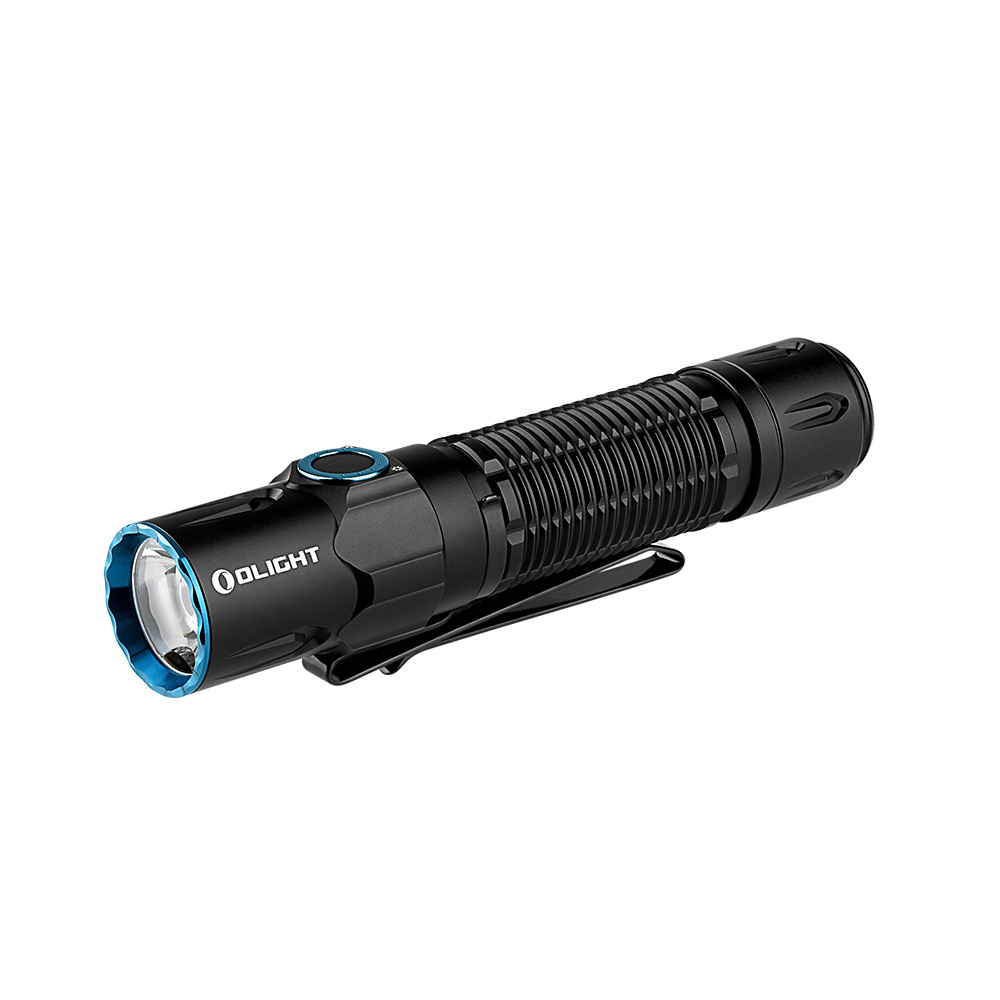
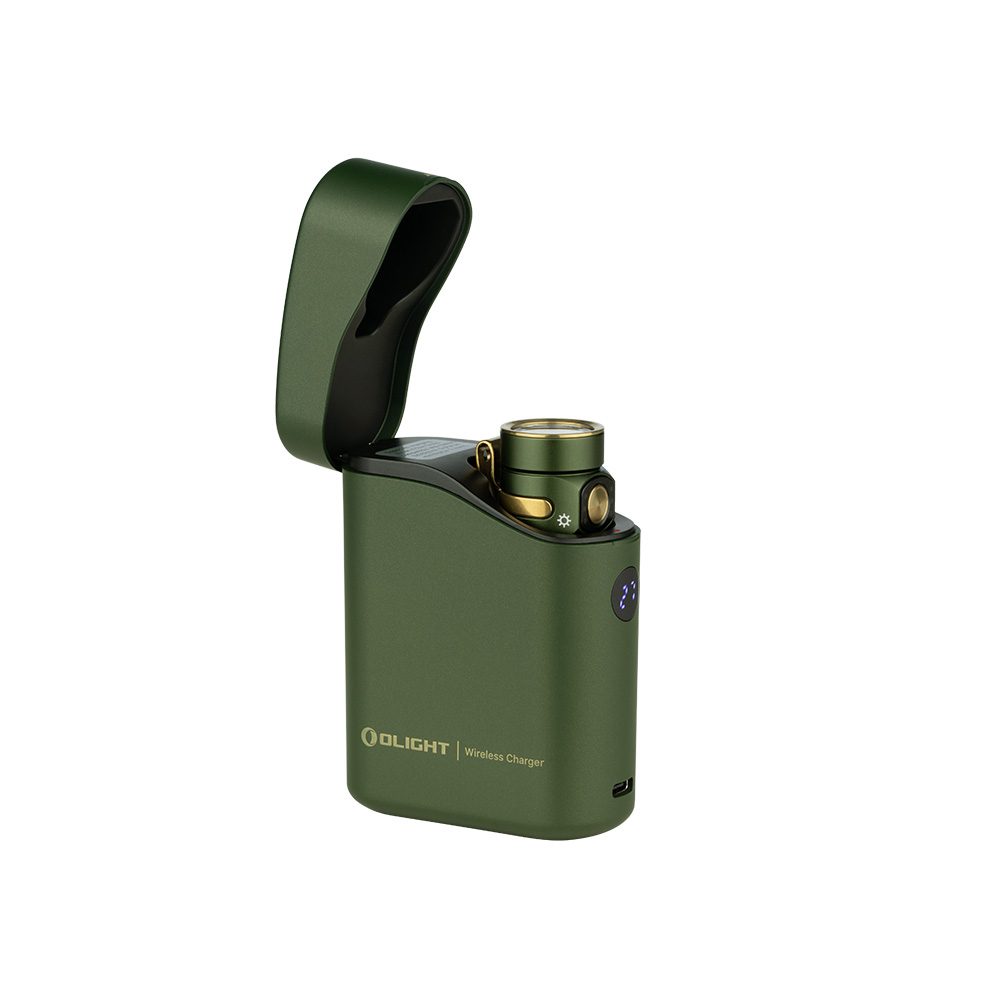
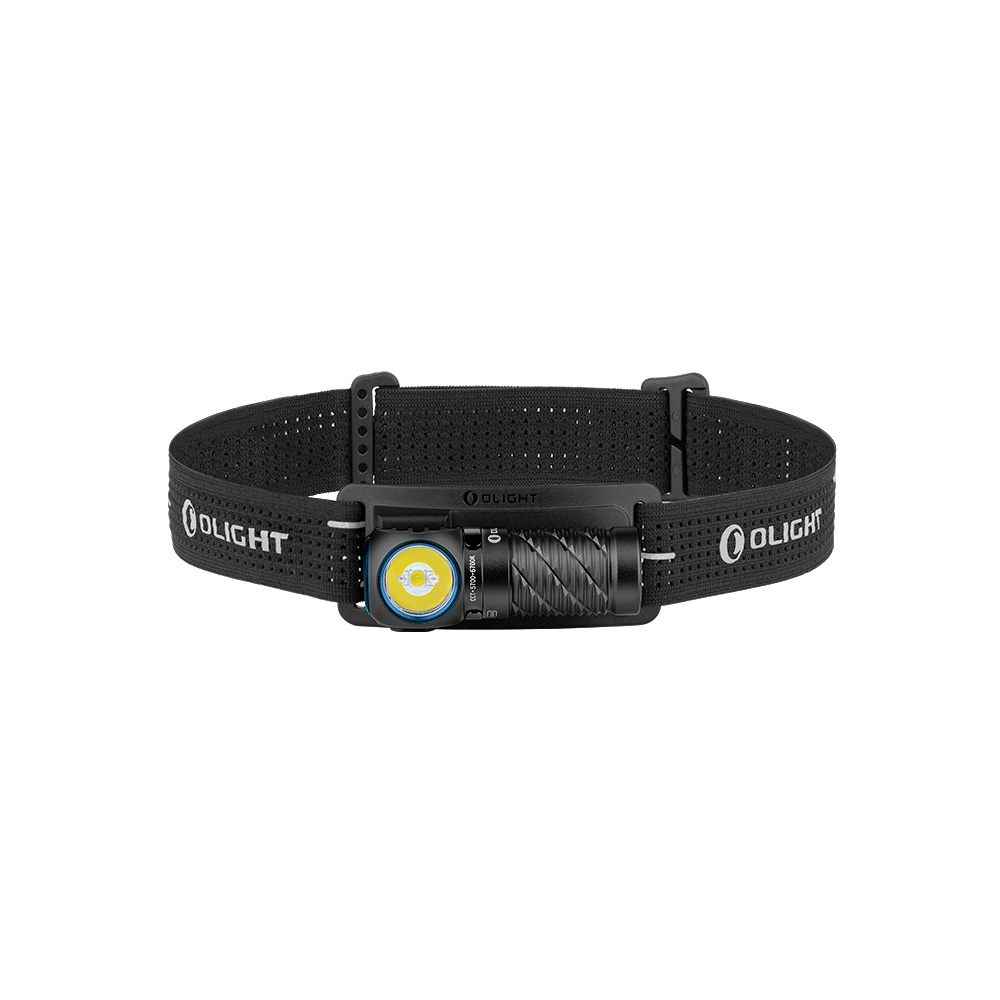
For classified locations, use the area's actual approval process. Confirm the whole route, exact equipment, and configuration with the responsible site staff. A label that says waterproof, a bright beam, or a lockout mode doesn't demonstrate permission for classified use. The separate guide on verifying a portable light before entering a classified area explains what to check with your site contact. Keep consumer examples below in permitted nonclassified areas only.
Prepare the next shift to find and report problems
Make it clear who reports the condition of the lights. Someone may collect an issued lamp and find a damaged cable, a loose mounting part, or a missing accessory. Leave the unit out of service under the site's instructions and note what you observed. The next shift needs the exact equipment identity and the current plan for replacement. A charged product on the wrong shelf won't help if the assigned person cannot find it.
You can also plan for paper documents that are used when an electronic display is unavailable. Put current forms in the place where people will actually use them, outside any area that requires special permission to enter. Use legible labels that match the terms in the plan. Keep a mailing or sign-out list separate from the accountability record so that someone at the approved station can find the right form quickly. Review how obsolete copies will be collected when the instructions change.
A scheduled briefing can use ordinary lighting to walk through the reporting chain without creating an outage. Ask each person to name the route for their position, where their crew would report, and who receives facilities observations. If they name different places, reconcile that information using the current official plan. A discussion of responsibilities prepares people without simulating dark equipment work.
Build the briefing so staff can answer using ordinary words. Instead of asking whether a fixture meets design requirements, ask where each person reports and what information the responsible team will need if a sign is hard to see. When the route or issue point changes, set a time to share the revision and check that both shifts received it. Update the posted instructions through the normal process so informal notes do not quietly become the source of direction.
After an actual incident, collect observations separately from assumptions. “The route marker near the break room wasn't visible when the power dropped” gives the team more to work with than “the backup system failed.” A staff member may only see part of the system from the assigned path. Record that scope and let the responsible people conduct the review. Use what they find to update the briefing and correct the equipment or routing information as needed.
Frequently Asked Questions
Changelog
- November 19, 2026. Checked the 2025 annual CFR editions of the exit-route, emergency action plan, and hazardous energy rules, along with the exact product materials and official gallery images.




