


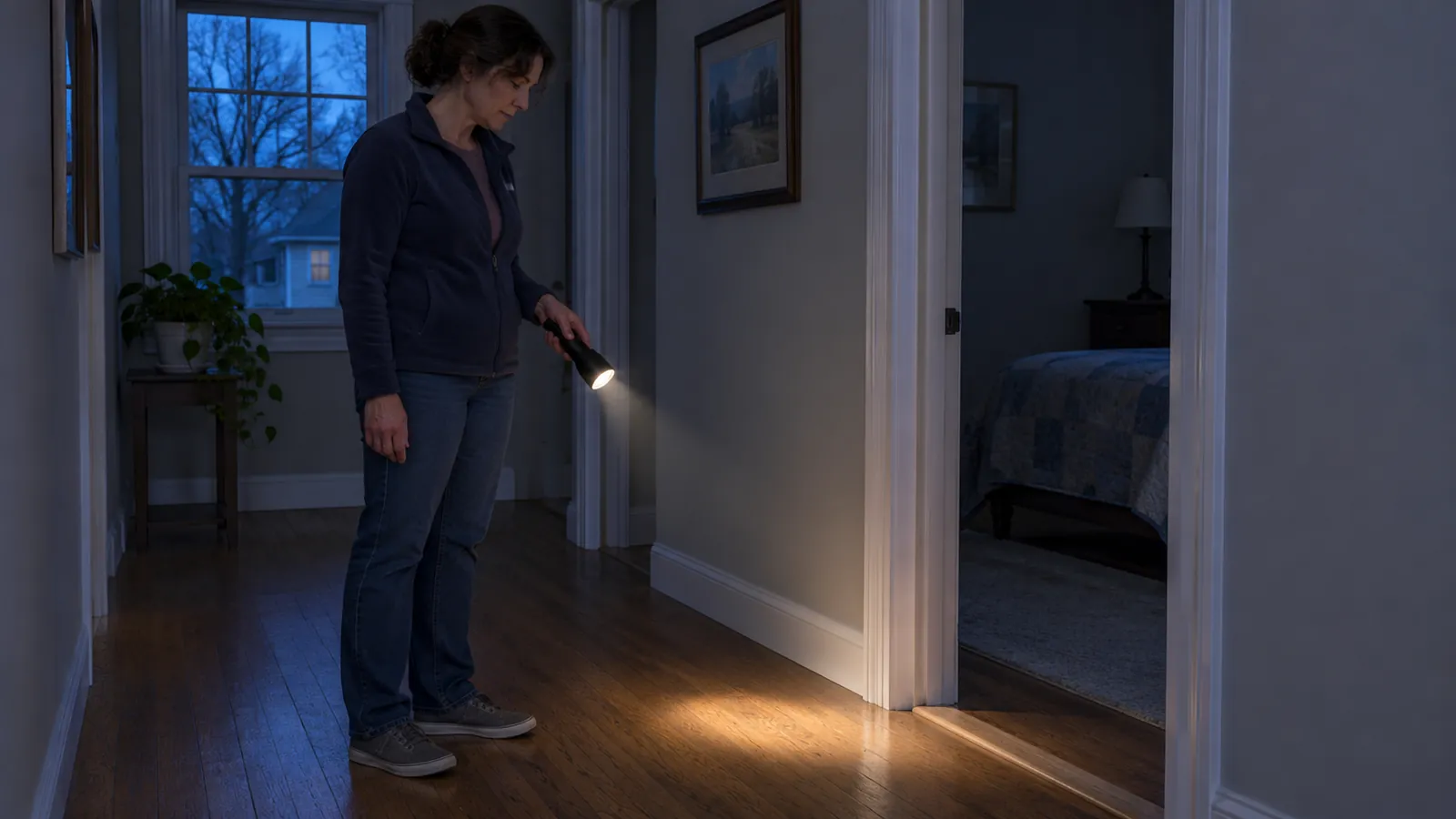
TL;DR: Use battery-powered lighting in a power outage. From a stable spot, aim a flashlight so you can see the floor, the next doorway, or the item in front of you. If a bright patch hides the outline you need, lower the output or change the beam angle before you move.
📋 Table of Contents
- 1. Start with what you need to see
- 2. Why can a bright floor patch hide a step?
- 3. How much flashlight brightness is useful indoors?
- 4. Should you aim a flashlight at the floor or bounce it off a wall?
- 5. Check the rooms people need after dark
- 6. Change one thing before moving
- 7. Frequently Asked Questions
Start with what you need to see
| Room or task | What should be visible |
|---|---|
| Get up from bed | The near floor, shoes, and route to the doorway |
| Approach a hallway threshold | The joint in the flooring and the space beyond it |
| Check a bathroom entrance | The visible dry approach and the change of surface |
| Read a kitchen label | The lettering without a bright reflection across it |
| Gather in one room | The shared walking area and a separate light for any closed-in task |
When the lights go out, start with a job you can name. You might need to get from the bed to the door, read a label from a chair, or show someone where the floor changes. Look for that specific information before moving. A flashlight can make a large spot look bright while leaving the flat area around it hard to read.
Use battery-powered lighting for the outage. The U.S. Fire Administration specifically advises using flashlights instead of candles when power goes out. Read its candle fire safety guidance. A rechargeable flashlight can work on battery power once it is charged. Keep a suitable light ready where you can retrieve it without looking across a dark room.
If several people will use a room, plan for a light they can share. An ordinary battery lantern used as directed can help everyone see the same space. Save the handheld for reading or checking a surface from a stable position. The Federal Emergency Management Agency includes flashlights, lanterns, and other battery-powered lights in its power outage information sheet.
Think about the first thing you would need at night. Put the light within reach before you have to stand, including if you sleep on the side of the room farthest from the door. Tell the other people in your home where it belongs. If one person takes it to a different room, tell the people who might still be looking for it.
Look at the area around what matters. A beam that lights the door itself may leave the floor immediately below it in shadow. Read the outline of the doorway and the actual strip of flooring that connects to it. Use the light at a setting that leaves both areas easy enough to distinguish. If something interrupts the floor, stop before it and check from where you are.
Find a place to pause before checking a light or reading instructions. That may be a chair beside the bed or a clear section of flat floor away from a doorway. Practice switching the light on there when you can already see the controls. There is no reason to make the first time you try a new sequence happen while you are holding something or about to move through a doorway.
Check the destination and the intervening space separately. If you can see an open bedroom door but cannot see the strip of flooring in front of it, stop before that strip. The same applies to a chair you plan to sit in or the end of a counter you want to reach. A clear-looking destination gives you a way to orient yourself. The next surface is still the part you need to see before moving.
A hallway can contain several different surfaces, including a rug, wood trim, and a painted wall. Take a moment to name the surface you are looking at. If the bright area is on the baseboard, move the beam low enough to check the floor next to it. A wall often makes a convenient surface to compare against while you are standing still. Finish by looking directly at the walking area.
Why can a bright floor patch hide a step?
A glossy or wet patch can send a strong reflection back toward your eyes. The bright spot can make a threshold, seam, or step harder to distinguish. Stop on known footing and look for the actual joint. Change the beam angle or lower the output until you can see the detail you need.
The same floor can show a strong reflection from one angle and a more readable outline from another. Smooth surfaces tend to reflect light in a more specific direction. Rough surfaces spread reflected light through more directions. For the difference between smooth and rough reflectors, see the Florida State University explanation of light reflection.
Use the actual edge as your reference. A transition from wood to tile might have a thin metal strip with a bright side and a dark side. If the light hits that strip directly, the strip can stand out while the material just past it fades into the dark. A small angle change from a stable stop can show what the beam was missing.
A useful distinction is whether the bright patch is on the walking surface or is an image of a source. Light reflected from a matte section can make the grain or tile pattern visible. A glossy finish can send a brighter reflection in one direction and hide those details from that viewpoint. You care about whether you can identify the real change in level, surface texture, or object against the floor. Look for the details that stay easy to read when the beam moves.
Look at the end of the beam as well as its center. A clear bright spot on the mat might leave its edge hard to see, especially when there is a similar color behind it. Shift the light to see whether the border appears. If the floor covering is loose or in the walking line, handle the obstacle before using that route, when you can do so from a visible place.
A floor can combine different finishes within a few feet. Consider a polished hall that meets a textured runner. The runner may look darker even if a useful amount of light falls on it. Check for the edging or floor joint itself. You can compare from a stable place without moving into the area you are trying to inspect.
If a reflection comes from a fixed battery light or another person's flashlight, ask the other person to pause. Begin where you already see the floor and change one light at a time so you can tell what changed. If there is available light for everyone, a slight move of the beam may show a clue that two brighter lights hid.
People at different heights may not see the same bright patch. A person sitting close to the floor may see a reflection in a place another person can read from standing height. Ask which outline they can see if they are coming through that part of the room. Let them make the move when they can see enough for themselves.
If dark grout looks like a groove, look over the nearby tile from a stable spot. Let some light reach the area from the side. Check whether the line stays aligned with the other grout lines or forms a separate outline from the floor. A dark patch by itself gives you limited information. Keep the route out of use when the surface remains unclear or you suspect damage.
A shadow can create a misleading edge of its own. An umbrella stand near the doorway may put a long shadow across a level floor. Hold the flashlight at a slightly different angle from where you stopped. The shadow may move while the physical edges of the doorway remain in place. Use those real edges to orient yourself and keep the object out of the walking line when there is enough light to move it safely.
How much flashlight brightness is useful indoors?
Choose enough light to show the whole nearby feature you need. A lower setting can work for a large print label, while a broader usable beam can make a doorway easier to see. Check the edges and the surrounding floor. Turn down or redirect the light if the main patch washes out detail.
Total output describes the light a flashlight emits. Beam shape, the direction you hold the light, the surface, and how far away you are help determine which detail you can see at home. For basic context on output, read Olight’s guide to what lumen ratings mean.
Consider a printed bottle label at a kitchen table. The lettering might blur in a bright reflection on the curved packaging. At the table, keep the bottle where it rests securely and direct the light across it from a manageable angle. If the print comes into view at a lower setting, leave it there. This is an everyday check of legibility, separate from judging the light’s maximum output.
For a floor task, consider how much of the path you can see around the main spot. Turn the flashlight on from an established position. If the output starts brighter than you expected, point it away from faces, change to a usable setting, and then examine the route. Learn that sequence before you need to use it in an outage.
Try the light in the room while you still have ordinary lighting. Note whether its lowest setting is easy to find and whether switching off and on resumes the same level. Pick a familiar item, such as the phone charger or a shoe, and see which setting lets you find it comfortably. Try the same control with your usual grip.
A tabletop task needs a different amount of background information from walking. When you are seated, you may only need to distinguish three lines of print. In a hall, you want to see the floor in front of you and the part beyond it where it joins the next room. Useful output covers those elements without making the nearest surface the only thing your eye can follow.
Pause before moving from a room with some outside light to a darker interior hall. Look for the actual threshold and let someone else know if you need room to stop there. Take the portable light out from the clear area and choose a setting you can use. The spot on the wall can wait while you check the route at floor level.
Buy or borrow based on a need you can describe. You might want a light you can hold easily while seated or a control you can adjust without cycling through unwanted settings. If the light you own already does the job and can be kept ready, practice where it belongs. An extra model only helps when it covers something that is missing.
Think about how awkward the light is to hold while you change its setting. For a close check at a chair, you may want to reach the switch with one finger while the beam stays put. A larger knob can make a different motion more comfortable. Use your normal grip and choose what feels controllable from a stopped position. Bright settings matter less if you have trouble choosing a level again after switching off.
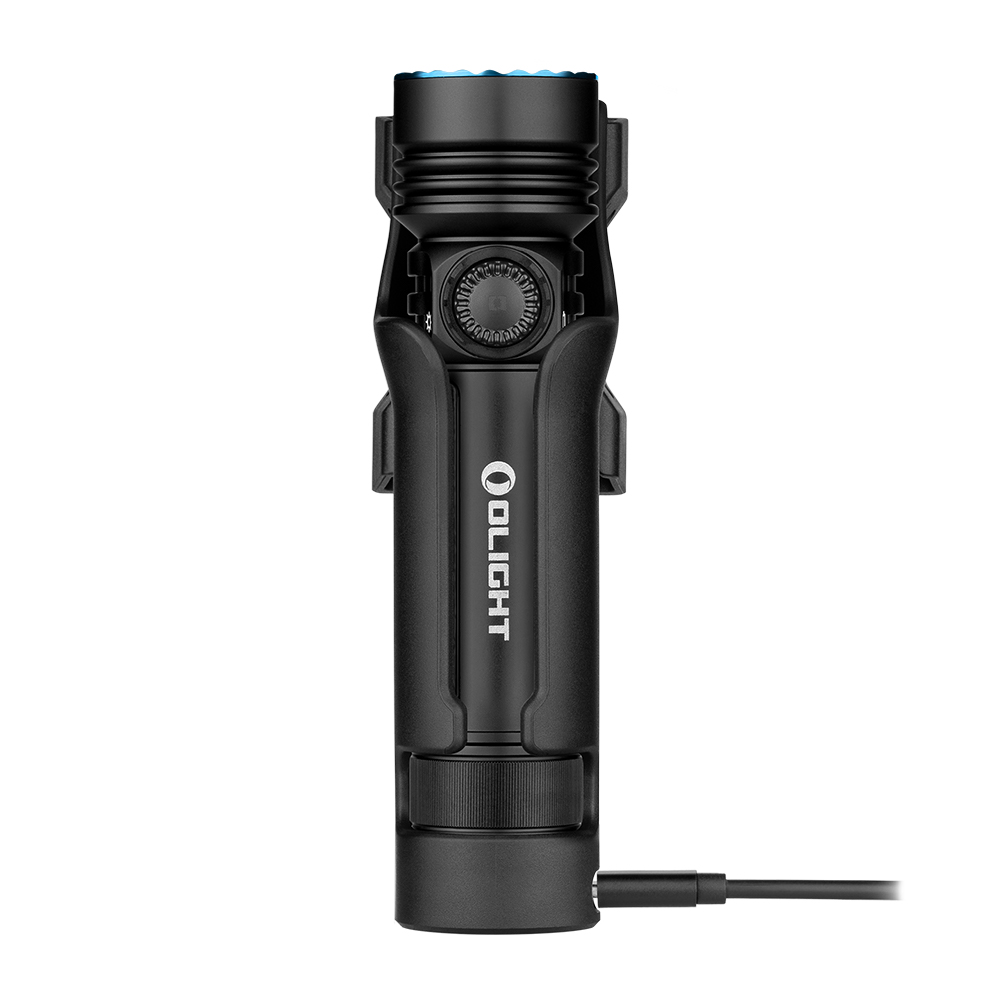
Store the instructions where someone can read them without searching the rest of the house. If a device has a carrying lockout, make sure the adults who may use the light can identify when it is locked and follow that model’s unlocking instructions. A working backup within easy reach gives you another option if the first device is unavailable. A shared household should know which light is ready and where it belongs.
Should you aim a flashlight at the floor or bounce it off a wall?
Aim at the floor when you need to see a threshold, step, or object in your way. A matte wall can spread light for a short stopped task if you can see what you need. Keep a separate lamp for sustained room lighting and check the route itself before you walk.
A dark seam in the floor may need light from the side to show its texture. Try from somewhere you can stand or sit comfortably. If the beam is so wide that it reaches the eyes of others nearby, change where you check or wait until the shared light can do the job. Use an angle that keeps the extra light within the part of the room you are looking at.
A plain matte wall can help spread a little light around a sitting area. The same attempt on gloss paint, a picture frame, or a window may bring a stronger visible reflection. While stopped, take a look at the effect before relying on it. If the room still needs ongoing lighting, use a stable, suitable battery lamp according to its instructions.
Avoid trusting a reflected patch to show a stair. When a handrail is needed, leave the hand available. If the upper and lower surfaces and the way between them are unclear, stay in a well-lit area or ask for help. Plan the route in advance with household members who use a cane, walker, or rail so they do not have to find a new arrangement without power.
If something on a counter is reflecting the light, see whether you can finish the job at a table away from traffic. A room light placed as designed can give a wide kitchen some background light. A tight patch across metal or tile can make a small label harder to read. Do your close work from the steadier location and put the light back when you finish.
A simple compact flashlight is useful when one person can stop and use a light for a small job. A rechargeable flashlight can be ready for the same job if its battery has been maintained and the controls are familiar. Think about where it will live and how its output will be set in the actual room.
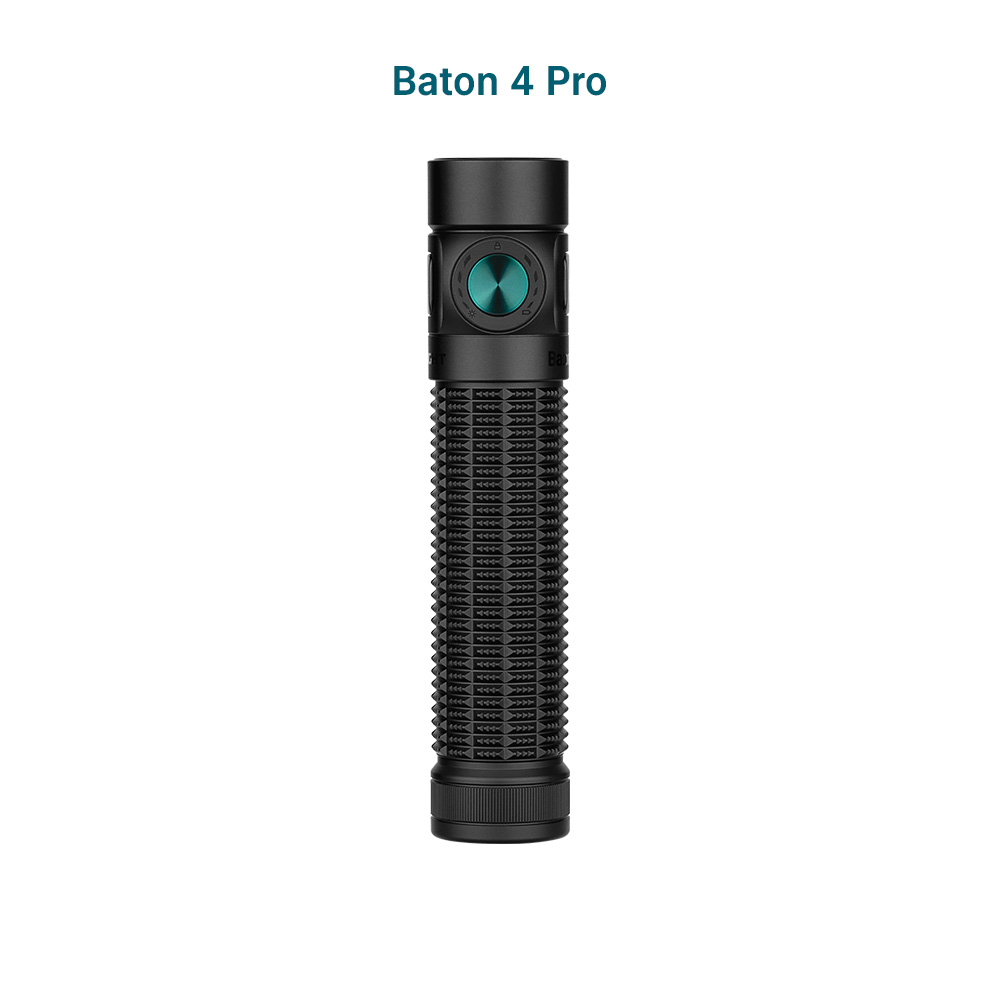
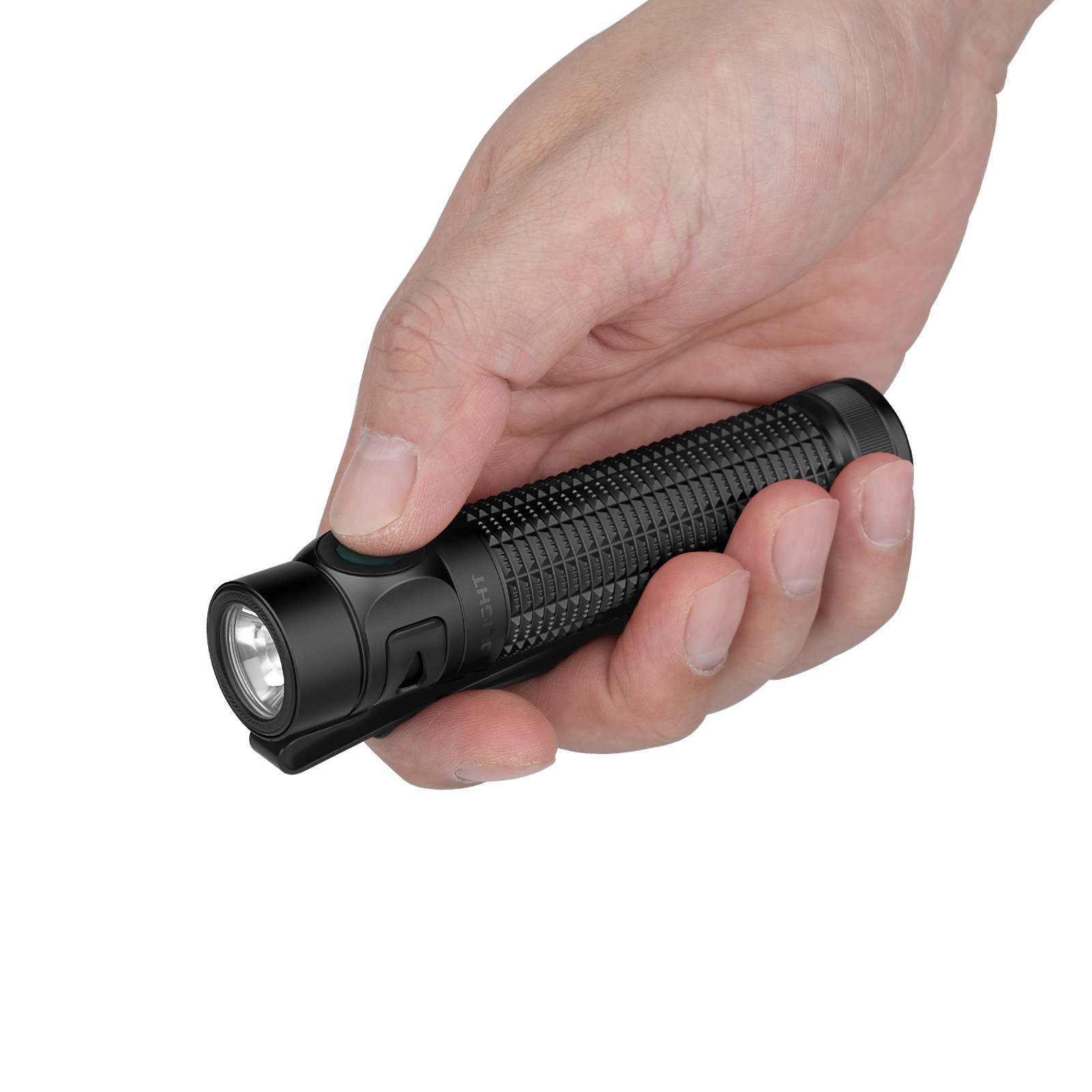
Practice finding the side switch before an outage so you can set the light while stopped.
Check the rooms people need after dark
Start in the bedroom. Know where the light and any mobility aid will be before you get up. If more than one person sleeps there, agree on which side has the accessible light and where a backup belongs. Look at the floor near the bed and check the route to the door before walking. Shoes, bags, or a laundry basket can be hard to see if you aim only at the door.
Walk through your normal route before an outage happens. Keep commonly used lights near the people who need them and remove loose items from the path. The CDC checklist for older adults highlights lighting on the bed-to-bathroom route, clear floors and stairs, and fixed handrails. Check your layout against the CDC home fall-prevention checklist.
In a bathroom, begin on the visible dry side of the threshold. Aim briefly at the transition and any dry place where you'll set things down. A mirror can make a nearby lamp appear brighter or show it from a different angle. Look directly at the dry surface you intend to use. If you find a spill, handle the problem with adequate light from a secure position or get help before using that part of the room.
In a kitchen, distinguish between room lighting and close work. On a flat table you may be able to read packaging with a portable light. Keep the walking area visible for anybody who needs to use it, and use a stable battery light designed for general illumination if the group needs to stay. A portable beam should never be the only way a person can see where to step if somebody else needs to take it away.
Stay at a visible landing when a stairway is dark. Look for the change of level from a stable place. If the light only shows one edge or hides the lower part of the flight, remain on a route you can see and ask for lighting or other help. Make a household plan for people who need assistance and for the situations when an area must stay unused.
Check where the room changes in the morning or while the power is on. A new mat or different furniture can change the route someone usually follows. Tell the people who use the path when an item is moved. A light can reveal it when aimed well, but an unobstructed route and advance notice make the problem simpler.
Look over a front entrance separately from a hallway farther inside. The light from an open door or window can leave the interior side of a step much darker. While stopped, check that you can see both sides of the change without leaving the door open for illumination. If you are waiting for help or for another person to find a light, speak from where you can see.
An accessible place for the shared lamp may be in a different room from the usual charging location. Choose the location while the power is on. Put the lamp on a stable surface and keep any charger or unused cords away from the route. Tell the people you live with where that lamp goes during an outage. A familiar location matters when people enter the room from different directions.
Before a planned outage, check that the bedroom light can reach your phone, glasses, or other item you need before you get up. These small tasks can often happen while you stay seated. Keep the beam to yourself if another person is sleeping. If you need to help someone else read a label, use an agreed place with enough space for both of you to sit or stand safely.
Change one thing before moving
| What happens | Next check |
|---|---|
| A bright spot covers the floor seam | Change the beam angle or lower output from where you stopped |
| A narrow circle shows the doorway but leaves the approach dark | Use a light or setting that also shows the visible approach |
| Turning off the hand light leaves other people in the dark | Set up suitable shared battery lighting before taking the handheld away |
| The route remains too dark to read | Stop where you can see and use a known, visible option or ask for help |
If you want the light for a short job, decide where it will go when you put it down again. A familiar dry place at the edge of a table can work if the model sits securely there and the spot is out of the route. Keep lights away from places where they could be covered by clothing or bedding. Follow the instructions for the light you own.
Tell others where you will be if they need light in another room. A two-person household may need one light per person or a separate shared lamp and a handheld kept ready. Keep spare power where you can find it before you move around the home. Recheck the equipment after the outage so it is ready again at its usual place.
Sometimes the best light decision is leaving a task until the space is better lit. A slippery-looking surface, a stair you only partly see, or a door behind furniture can wait if nobody needs immediate help. Use your normal household emergency plan if there is an active hazard. This guide covers temporary visibility for everyday tasks while an outage is underway.
If one flashlight has been doing several jobs, decide which of those jobs will still need light when you leave the room. Somebody at the kitchen table might be using its spill to cross to a chair. Let them know before moving the beam. Set up lighting for the remaining job or have the person wait until they can see the way they need to go.
Once the power is back, note any place where you had to stop because a doorway or floor edge was hard to see. Clear that area and think about whether a familiar backup light would improve it. Put the hand light back in its normal location and check its power according to the manual. Pass any useful change along to the rest of the household.
Frequently Asked Questions
Changelog
- November 19, 2026. Checked federal outage lighting and home route guidance, reflection basics, the existing lumen article, and the two exact U.S. manuals, SKU main images, and the official side-switch photo.




