


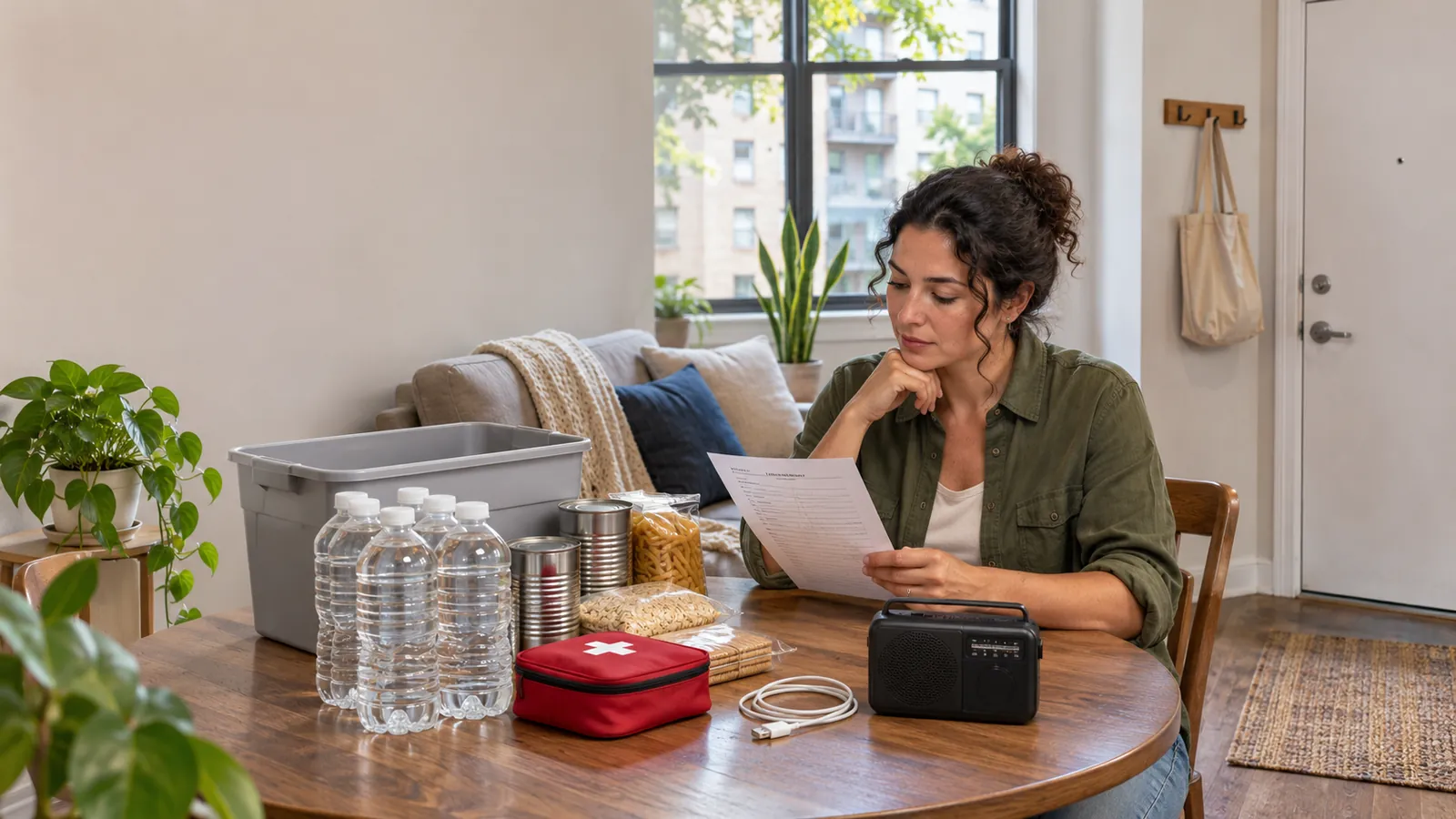
TL;DR: A hurricane kit for an apartment should fit the building and the people who live there. Plan for power and water interruptions, stair access, limited storage, and an evacuation that may happen before the worst weather arrives. Keep a compact lighting setup, water, food, medicines, documents, communications, and a ready-to-carry go bag. Follow local instructions over any generic checklist.
For a hurricane kit for apartment living, pair a hands-free headlamp for stairs and close tasks with a compact handheld flashlight for room checks; battery-powered lights avoid the exhaust and outdoor placement demands of a generator. Store both charged with their matching cables, then build the rest of the kit around water, medication, communication, and a clear evacuation plan.
| Apartment lighting task | Useful light arrangement | Example to consider | Before the storm |
|---|---|---|---|
| Check a room or medication label | Compact handheld flashlight | Baton 4 Pro as one handheld option | Keep it within reach and learn the controls before an outage |
| Pack documents or complete a close task | Headlamp that leaves both hands available | Perun 3 with its official headband configuration | Fit the band and check the device's charging method and instructions |
| Move through stairs | A light that can be carried while keeping a hand free for the rail | Choose a familiar headlamp or handheld that suits the user | Follow building directions; a light does not make a damaged or flooded stairwell safe |
| Light a shared room | Stable battery-powered light, placed away from fabric | Use an existing compatible household light | Keep the lens uncovered and avoid placing it where it can roll or fall |
A hurricane emergency kit for home still needs to fit the people and place it serves. For an apartment, this hurricane kit checklist adds building access, a clear exit route, and storage limits to the usual supplies; use local alerts and building instructions to tailor it to the address.
📋 Table of Contents
- 1. Why an apartment hurricane kit needs a different layout
- 2. Check the building plan before buying supplies
- 3. Follow evacuation orders, not the floor number
- 4. Why a balcony is not a generator site
- 5. Build a small-space hurricane kit in layers
- 6. Plan lighting for rooms, stairs, and a quick departure
- 7. Keep the evacuation bag useful, not overloaded
- 8. Water, food, and sanitation need an apartment storage plan
- 9. Make high-rise outages easier to manage
- 10. Secure the apartment without blocking a route
- 11. What should be in a hurricane prep kit?
- 12. How many days should a hurricane supply kit last?
- 13. Does the government offer survival kits?
- 14. Frequently Asked Questions
- 15. Recheck the plan before hurricane season
Why an apartment hurricane kit needs a different layout
A detached home may have a garage, yard, utility room, or space for bulky supplies. Many apartment renters have none of those. A generator also cannot be operated in a living room, hallway, enclosed balcony, or other nearby space. A small apartment therefore needs a plan built around equipment that can be stored safely, carried when needed, and used without a private outdoor operating area.
The building changes the movement plan, too. A storm can interrupt power, water service, access control, elevator operation, mobile service, or deliveries. Those are possibilities to plan for, not guarantees that every building will lose every service. Ask property management how residents receive emergency updates, how an outage is reported, which stairwells are designated for emergency use, and what accessibility arrangements exist if an elevator is unavailable.
| Planning issue | Apartment without a garage | Detached home with private outdoor space |
|---|---|---|
| Backup power | Plan for battery-powered light and communications; do not assume there is a safe generator location | A generator is still optional and must meet official placement, weather, and manufacturer safety requirements |
| Supply storage | Split a small carry-first kit from nearby household supplies; keep shared routes clear | A garage or shed may add storage, but supplies still need to stay dry, reachable, and safe |
| Moving people | Learn stair, elevator, access, and building-notification procedures; plan for residents who cannot use stairs | Plan the household's route, vehicle or transport, and a destination beyond the affected area |
| Water and utilities | Ask what the building communicates about service interruptions; store what the household can safely manage | Review utility shutoffs and local flood guidance for the specific property |
These are planning differences, not rules that apply to every building or home. The local evacuation zone, emergency instructions, property rules, and household needs decide the actual plan. A detached home may have no generator or garage, while an apartment building may have managed backup power. The point is to plan for the arrangement that actually exists, not the one shown in a generic checklist.
A hurricane kit is also not the same thing as a routine first-night power-outage shopping list. A general outage list can help prioritize what to buy first. An apartment hurricane plan must additionally answer whether the unit is in an evacuation zone, how the household will leave, what building rules apply, and where supplies can go without blocking a door or corridor. Keep that distinction clear when building the kit.
Check the building plan before buying supplies
Start with the address, not a shopping cart. Look up the local emergency management agency's hurricane evacuation zone and flood guidance for the exact address. The National Hurricane Center's storm surge risk maps can help residents understand community-level risk and know what to ask local emergency management. NOAA describes the maps as awareness tools, not parcel-level assessments or replacements for local evacuation-zone maps. Local officials determine evacuation instructions for residents; a map is not permission to ignore an evacuation notice.
Read the building's emergency instructions and lease or resident handbook. Identify the appropriate contact for a power, water, access-control, or elevator outage. If a household member uses mobility equipment or cannot safely use stairs, ask management and local emergency services about an accessible evacuation and shelter plan before a storm is approaching. Do not wait for an elevator outage to discover that the building's written plan is unclear.
Write down the nearest evacuation route, the agreed meeting point, and a destination outside the affected area. Include a backup destination in case the first one is full or unreachable. A useful plan states who checks alerts, who gathers medication and documents, and how household members will reconnect if phones or networks are unreliable. Keep a paper copy with the kit; a plan stored only on a phone is harder to use when the phone is nearly out of power.
The FEMA hurricane preparation guide recommends planning for the household's needs, learning local risks, and following evacuation directions. The guide distinguishes preparation from the decision to stay or go. For an apartment resident, that means a kit should support a fast departure as well as a safe period indoors when local officials have not ordered evacuation and the building remains an appropriate shelter.
Follow evacuation orders, not the floor number
A high floor is not a substitute for an evacuation decision. Storm surge, flooding, wind, fire, structural damage, and the condition of the building can create different hazards. Local officials issue instructions for the area and situation. If an evacuation is ordered for the address, leave as directed and use the stated route. Do not assume that being above street level makes the unit safe from every hazard or that a stairwell will remain available indefinitely.
Before hurricane season, check the local evacuation zone and choose a destination. When a watch or warning is issued, review official updates and the building's instructions. If evacuation is advised or ordered, use the available lead time. Roads, bridges, transit, and emergency response can become less reliable as conditions deteriorate. Do not wait for visible flooding or a power failure to begin making the decision.
If local officials say to shelter in place, know which room in the unit or building is appropriate for the hazard. FEMA guidance for high winds points people toward a small interior room away from windows. Flooding creates a different danger; follow local instructions for the address and move away from a flood threat rather than applying a generic “stay in the lowest room” rule. Do not enter a closed attic if rising water could trap occupants. Keep the go bag and important documents with the people who may need to move.
A practical apartment hurricane checklist has two branches: leave and shelter. The leave branch needs the go bag, route, destination, medication, and documents. The shelter branch needs the supplies that remain accessible if residents are asked to stay, plus a way to receive official updates. Some items overlap, but the two plans should not be confused. A shelf full of supplies is not an evacuation plan.
Why a balcony is not a generator site
A portable generator cannot safely solve an apartment's power problem by being placed just outside the door. Generator exhaust contains carbon monoxide, an odorless gas that can be fatal. The U.S. Consumer Product Safety Commission's generator safety guidance says portable generators belong outdoors, far from the home, and never inside a home, garage, basement, crawlspace, or shed. CDC's generator safety instructions say to keep one outside at least 20 feet from doors, windows, and vents.
That distance and placement usually cannot be achieved on an apartment balcony, beside a hallway window, or in a shared garage. A balcony can be close to doors and windows above, below, or on a neighboring unit. Building rules may also prohibit fuel storage or generator operation. Do not improvise a location or route exhaust through a window. If a property has a managed backup-power system, use only the building's instructions; do not attach a portable generator to shared wiring or equipment.
The same indoor-safety principle applies to charcoal grills, camp stoves, and other fuel-burning equipment: do not use them indoors or in a partly enclosed area. Battery-powered lights avoid an open flame and do not require fuel-burning equipment or a ventilation workaround, which makes them a simpler apartment choice.
Check smoke and carbon monoxide alarms before hurricane season. CPSC advises having a working carbon monoxide alarm in the home; follow each alarm maker's instructions and local fire-safety requirements for testing and maintenance. If an alarm sounds or anyone develops possible carbon monoxide symptoms, leave the building for fresh air and call emergency services from outside. Do not spend time troubleshooting a potential CO alarm indoors.
A compact kit cannot eliminate building hazards. It can reduce the temptation to use unsafe substitutes when the lights go out. Put a flashlight where it can be found without crossing a dark room, keep spare batteries or charging equipment that matches the device, and make sure every household member knows where the supplies are.
Build a small-space hurricane kit in layers
The word “kit” can suggest one giant box. Apartment supplies work better as a small core kit plus household-specific items stored in sensible places. A grab-and-go container should hold items that must leave together. Other supplies, such as water and food, can be stored nearby if there is room and the arrangement remains accessible. Keep exits, electrical panels, heaters, and building equipment clear.
The Ready.gov emergency supply kit guidance provides a general baseline, including water, food, a flashlight, first-aid supplies, communications, and important information. Ready.gov uses one gallon of water per person per day for several days as a general planning reference for drinking and sanitation. Household needs, local hazards, storage limits, pets, medication, and local instructions may require a different plan. Choose an amount that is feasible to store and review, and treat a general baseline as a starting point rather than a guarantee.
| Layer | Examples to consider | Apartment-specific check |
|---|---|---|
| Carry first | Identification, copies of key documents, medications, phone, charger, cash, keys | Can one person carry it down the stairs if needed? |
| Light and information | Flashlight or headlamp, compatible power supply, battery or hand-crank radio | Can the light be found and operated in darkness? Is the backup energy actually compatible? |
| Water and food | Drinking water, shelf-stable food, manual opener if needed | Where can it be stored without blocking an exit or adding an unsafe load to a shelf? |
| Health and hygiene | First-aid supplies, prescriptions, glasses, sanitation items, infant or pet supplies | Does the kit reflect each resident's real needs and refill dates? |
| Building access | Paper contact list, entry instructions, route, meeting point | Does the plan still work if the phone, key fob, elevator, or network fails? |
Storage should make retrieval easier, not turn the apartment into a maze. A labeled tote on a reachable shelf may work for one household; under-bed bins or separate smaller containers may suit another. Keep heavy water low and stable, and do not stack supplies where they can fall during strong wind or a building vibration. Avoid storing kit items on a balcony, in an exit path, or in a location the household cannot reach without an elevator.
Check dates and condition at a routine interval. Replace expired food and medications according to their labels and professional guidance, refresh water according to its container instructions, and return flashlights and chargers to the kit after use. If an item is borrowed for an ordinary task, add a reminder to put it back. A hurricane kit is not useful if the one working light is still in a car or the only charged phone battery is in another bag.
Plan lighting for rooms, stairs, and a quick departure
Hurricane preparation needs more than one bright beam aimed down a hallway. Think about how light will be used: reading a medication label, moving from a bedroom to a bathroom, checking a stair landing, packing a bag, or finding the building's posted notice. A small household may use one light in a shared room and a second portable light for a person who needs to move. People who live alone should be able to reach light from the bed without crossing the room in darkness.
A handheld light is simple to pass between people and can be stored by a door or in a kit. A headlamp can leave both hands available when carrying documents or using stairs, although it should be used in accordance with its instructions and local safety conditions. Keep a backup light and its power arrangement together. Do not assume that a cable, battery, or charging connector fits another model merely because it looks similar.
An Olight flashlight selection can be evaluated by the place it will live, how it is powered, and whether the controls make sense for the person using it. For a hands-free option, compare a headlamp with the way the wearer will actually move and work. Those category pages are starting points for comparing forms; a product's exact package and instructions remain the source for what that model includes.
A tabletop lantern is not necessary for every small apartment. If using a flashlight as room light, set it securely where it cannot roll or fall, and do not cover its lens with fabric or paper. Avoid placing a hot or powered device near bedding, curtains, or combustible material. Follow the product manual and leave an unobstructed route through the room. Light placement matters as much as peak output when the task is finding a door handle or reading a label.
Start with the task rather than the maximum-output number. Olight’s flashlight lineup is one place to compare handheld formats, while its headlamp collection shows hands-free options. The right fit depends on how each resident will carry, charge, and use the light.

A headlamp is not a substitute for evacuation, a radio, or a backup power plan. Charge it before a storm and store its matching cable with the light. If it will be used by more than one household member, let each person learn the controls during ordinary conditions. Do not discover the lockout or brightness controls while walking in an unfamiliar stairwell.
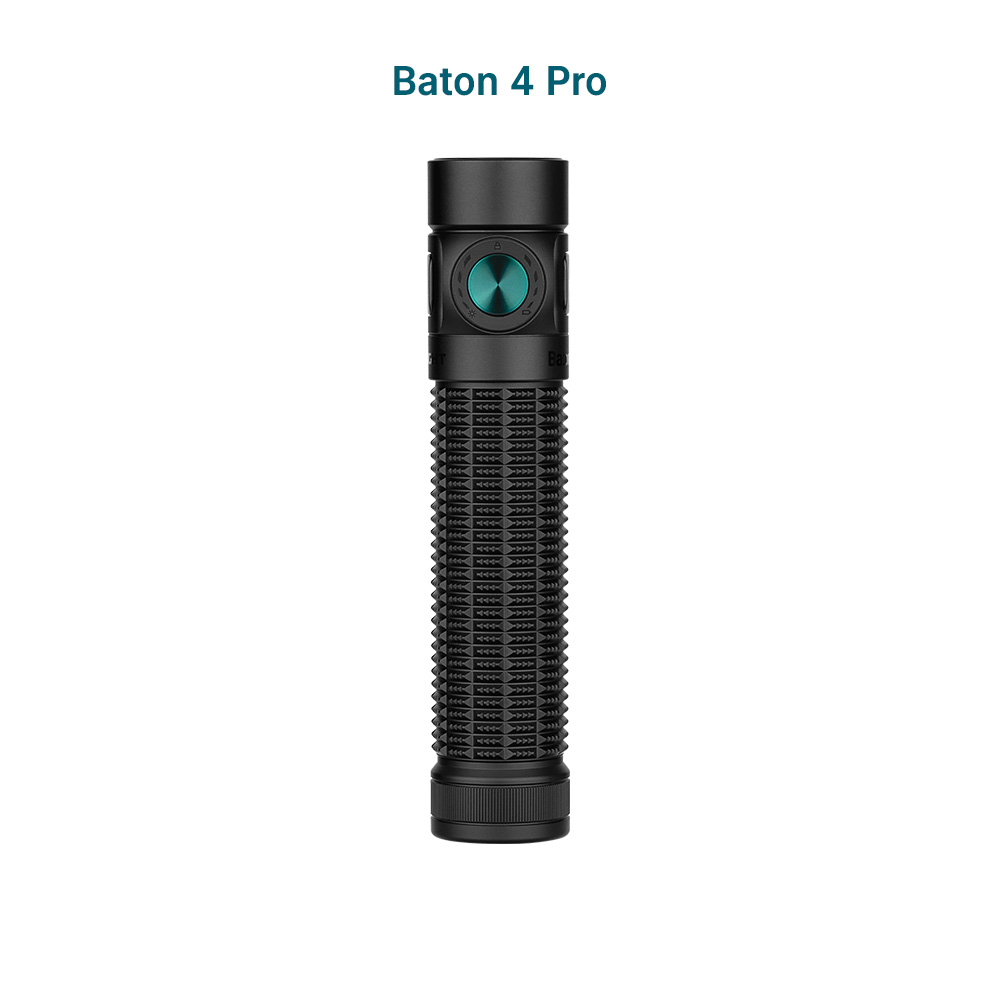
A rechargeable flashlight still needs a charged battery when the power goes out. Do not rely on a product's maximum-output figure as an estimate of how long it will illuminate a room. Review the specified mode and runtime information for the exact model, then decide when to charge and how to check the light on a normal household schedule. This article's purpose is to help residents plan their kit, not promise a number of outage hours from a particular setup.
Keep the evacuation bag useful, not overloaded
A go bag is for supplies a person may need to take quickly, not every item in the apartment. Place documents, medication, contact information, keys, a phone charging option, water, and a personal light where they can be reached. Leave room for household-specific needs such as glasses, infant supplies, mobility aids, or pet items. If several people will evacuate, divide the load so one person is not expected to carry every household supply down multiple flights of stairs.
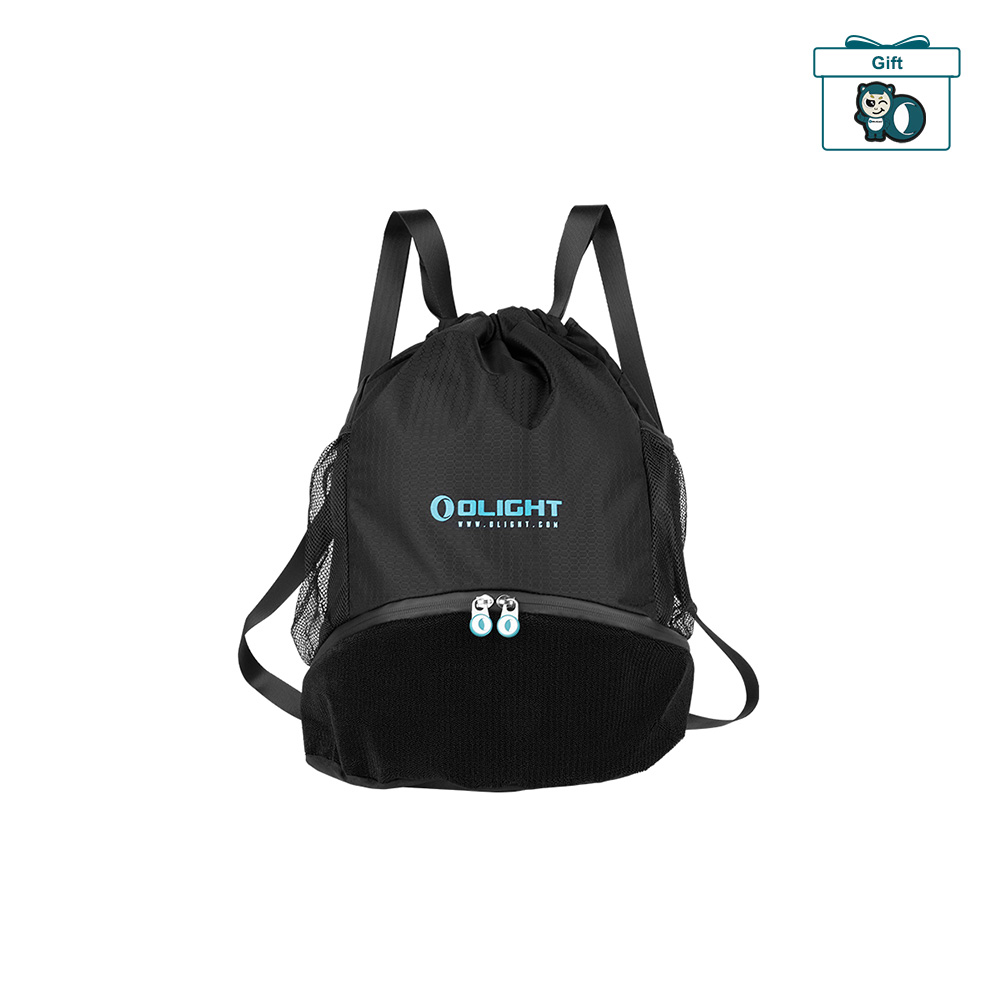
Use a bag that fits its actual role. A drawstring style may be convenient for lightweight items, but it does not provide a structured frame or guarantee that a loaded bag will be comfortable on stairs. Test the packing arrangement during ordinary conditions, keep the weight manageable for the person carrying it, and do not place heavy water or fragile items in a position that can swing or shift.
The checklist should remain independent of the bag brand. If another bag already works, there is no reason to replace it simply because a hurricane is approaching. The bag is a container; the evacuation route, medication, documents, alert plan, and practical carrying ability are the essential decisions.
Water, food, and sanitation need an apartment storage plan
Water is useful only if residents can reach it and move it safely. Use current government recommendations as a starting point, then adapt the quantity for the people, pets, medical needs, local warnings, and available storage in the apartment. Several smaller containers may be easier to carry than one large container, but the right arrangement depends on the residents and the building. Keep water away from heat sources and chemicals and follow the container's storage instructions.
Choose food that household members can eat without a complicated cooking setup. Account for allergies, infant feeding, medical diets, and pet food. A power outage can affect refrigeration, so plan how to use refrigerated food safely and follow public-health instructions. Do not assume that a portable stove can be used inside. If a food plan requires fuel-burning cooking, review the official safety instructions and use only an arrangement allowed by the building and safe for its location.
Sanitation deserves the same practical attention as food. A small supply of hand-cleaning products, wipes, toilet paper, and sealed waste bags may be easier to store than a large collection of general-purpose equipment. Follow local public-health guidance if water service is interrupted or authorities issue a boil-water notice. Do not use a flashlight or phone to inspect floodwater from an unsafe position, and do not touch electrical equipment that is wet or surrounded by standing water.
Use a written inventory to keep small items visible. A simple list can record each resident's medication, essential contact, supply location, and replenishment date. Keep private medical and financial information stored securely. The checklist should tell a household what to verify; it does not need to publish sensitive details or turn an apartment into a warehouse.
Make high-rise outages easier to manage
Ask the building manager how outage information will reach residents. A lobby notice may be inaccessible to someone on a high floor, while a text system may fail when phone networks are busy. Save the building's emergency number, local emergency management contact, and out-of-area family contact in more than one form. Agree on a check-in method that does not depend on a single phone call.
Know the difference between a normal elevator delay and an emergency instruction. If the elevator stops or the building announces that it is unavailable, do not attempt to force doors or use an elevator that has been taken out of service. Follow management and emergency personnel instructions. Residents who cannot use stairs should make an individualized plan with the building and local responders in advance; a generic kit list cannot solve a building-access problem by itself.
Keep a small light in more than one place: near the bed, with the go bag, and in a location used to find the apartment entry. Make sure all household members know how to use the lights and where the spare power belongs. If using a headlamp in a stairwell, keep one hand free for the rail and follow the building's directions. Do not carry loose objects that make it difficult to maintain balance.
Water service may be interrupted by a power failure, infrastructure damage, or an official precaution. Do not assume that a high-rise will maintain normal water pressure or that it will lose pressure at a specific hour. Store water in advance, monitor utility and local emergency updates, and follow notices about drinking-water safety. If the building has a posted procedure for water shutoff or access to supplies, learn it before the storm.
Secure the apartment without blocking a route
Before a storm, follow property management's instructions for windows, doors, balconies, outdoor furniture, and shared areas. Bring in or secure balcony items if directed. Keep storm preparations within the unit and never place objects in shared corridors, stair landings, or exit routes. A kit that blocks a door is not a preparedness improvement.
Put copies of essential documents in a waterproof container and keep digital copies in a secure account if appropriate. Include lease or insurance details, identification, prescriptions, and contact information as needed. Keep originals and account credentials protected. Make a short list of what the household must carry if evacuation is ordered, then leave nonessential paperwork stored securely.
If an evacuation becomes necessary, use the designated route and heed local officials. Do not enter floodwater on foot or by car, and do not bypass barricades. After a storm, wait for official reentry guidance and avoid damaged electrical equipment, gas leaks, and unstable areas. A familiar hallway can become unsafe after damage; follow the building's and responders' directions rather than relying on memory.
What should be in a hurricane prep kit?
A hurricane prep kit should cover water, nonperishable food, medication, first aid, communication, important documents, hygiene, and a flashlight or other battery-powered light. Add the supplies required by each person, pet, and medical need. For an apartment, include the building's emergency contacts, evacuation route, access plan, and a go bag. Use local guidance to adjust the general list for the exact address.
How many days should a hurricane supply kit last?
Ready.gov frames food and water as supplies for several days, not as a promise that services will return on a fixed schedule. Start with that several-day baseline, then use current local guidance and each person's medical, infant, and pet needs to choose quantities and storage. Follow any specific instruction issued for the address.
Does the government offer survival kits?
Government agencies publish preparedness instructions, alerts, checklists, and information about shelters and assistance; households should not assume that an agency will deliver a personal survival kit before a storm. Build supplies around the household's needs, check official local and FEMA information, and follow evacuation or shelter instructions. If a disaster assistance program is announced, use its official eligibility and application information rather than treating it as a substitute for preparation.
Frequently Asked Questions
Recheck the plan before hurricane season
A useful hurricane kit for an apartment is not defined by a perfect container or a shopping list with the most items. It is defined by whether residents can understand the evacuation decision, reach essential supplies, move through the building safely, and avoid dangerous substitutes when power or water is interrupted.
Review the evacuation zone, building instructions, contacts, storage locations, medication, and lighting before the season begins. Charge the lights, confirm the matching cables, refresh items according to their instructions, and let every household member know what to do. When the plan fits the actual apartment, no generator, garage, or oversized storage room is required to make it practical.
Changelog
- November 19, 2026: Product information and buying guidance reviewed.




