TL;DR: A phone light is free and convenient for occasional checks. Consider a separate keychain flashlight when the phone needs to stay available or short tasks recur often enough to justify another item. The i3E EOS Summer Palm listing was $12.99 on November 19, 2026. That is one dated variant observation, not a current-price promise or a category average.
📋 Table of Contents
- 1. When a Separate Keychain Light Adds Practical Value
- 2. How much do keychains usually sell for?
- 3. The $12.99 Price Applies to One Exact Variant
- 4. When the Phone Flashlight Is the Simpler Choice
- 5. Where a Dedicated Keychain Light Can Help
- 6. Phone Battery Use Depends on the Device and Task
- 7. A Personal Cost-per-Use Estimate
- 8. Which keychain light is the strongest?
- 9. Beam Shape and Output Measure Different Things
- 10. Keychain Carry Works Best When the Keys Are Already Nearby
- 11. Product-Page Details to Confirm Before Buying
- 12. A Short Decision Checklist
- 13. How much do keychains typically cost?
- 14. Frequently Asked Questions
- 15. Sources and product information
When a Separate Keychain Light Adds Practical Value
Choose a phone light for occasional nearby checks when it is already in hand. Compare a dedicated keychain light when short tasks recur, keys are usually nearby, or the phone needs to remain free for navigation or calls. The i3E EOS is still a handheld light; its twist control requires a hand to hold and aim it.
| Situation | Phone flashlight | Separate keychain light and decision cue |
|---|---|---|
| One occasional look in a familiar room | Already available | Adds another item, so convenience must outweigh storage and charging habits |
| Unlocking a door while carrying bags | Requires taking out and holding the phone | May be easier to find on the keys, but operation still takes a hand |
| Phone is needed for a call or directions | Uses the same device | Leaves the phone available for essential functions |
| Repeated short tasks in a work bag or car | Depends on remembering the phone | Helps only if it has a consistent storage place |
A separate light does not automatically improve every situation. It adds another device, battery, storage spot, and occasional check. A phone avoids those extra habits, but it may be inconvenient when it is handling directions or a call. Compare the task that actually recurs in your week, including the time needed to take out the phone.
How much do keychains usually sell for?
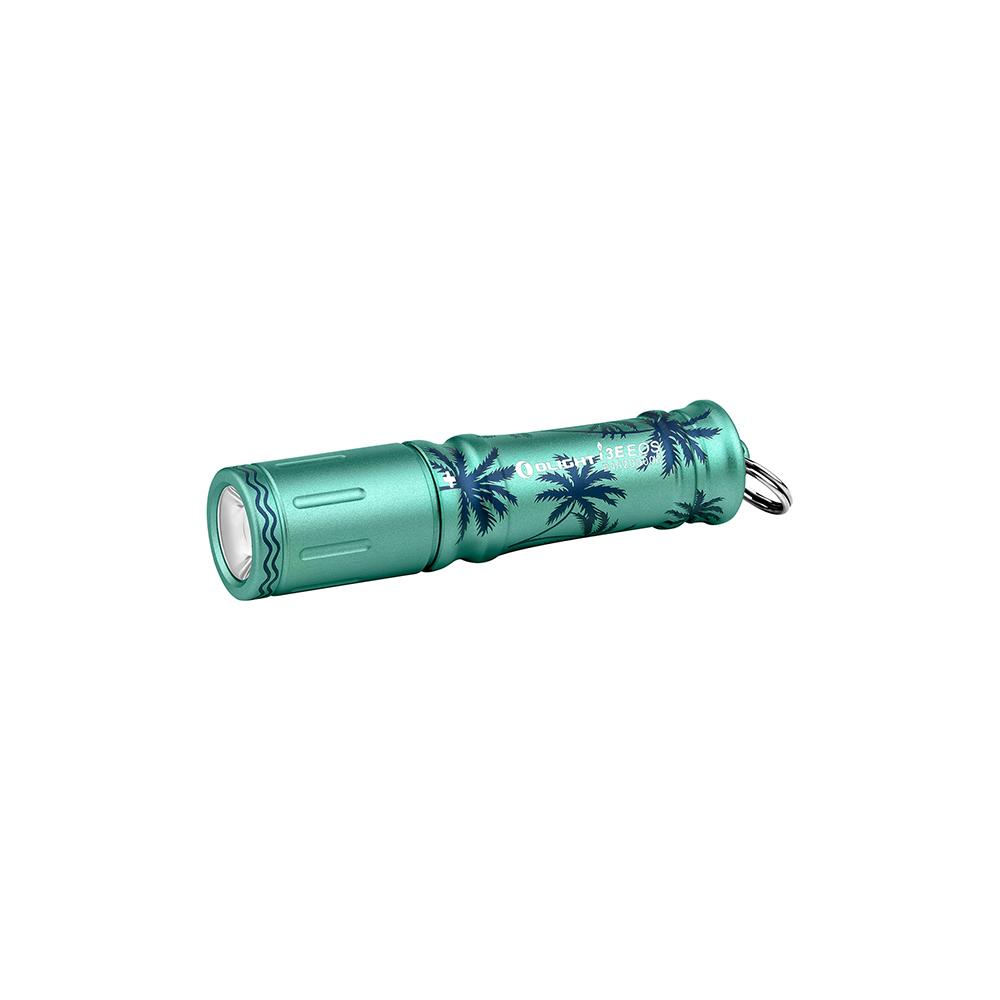
“Keychain” covers many products, from simple decorative tags to compact lights and electronic trackers, so there is no single useful price for the whole category. For a flashlight example, the Olight i3E EOS Summer Palm variant was listed at $12.99 when checked on November 19, 2026. It is a dated observation for one exact U.S. variant, not a market-wide average or a promise that the price will remain unchanged.
Before comparing prices, make sure both products solve the same problem. A decorative key fob, a tracking device, and a keychain light are not interchangeable just because each can ride on a key ring. Compare what is included, how the item receives power, how it attaches, and whether the feature you need is actually documented. A low price can still be poor value if the item is hard to carry or does not suit the intended task.
The phrase “how much do keychains sell for?” can also refer to resale. This guide does not estimate secondhand value because resale prices depend on condition, model, demand, and seller. The $12.99 figure is a dated new-product U.S. listing for one exact variant, not a secondhand valuation.
The $12.99 Price Applies to One Exact Variant
The $12.99 figure was visible for the Summer Palm color option of the Olight i3E EOS U.S. product page at the time of review. The page also showed other color variants at different prices, and the default selection was not Summer Palm. A reader comparing that figure should open the product page, choose Summer Palm, and confirm the current selection and price before making a purchase decision.
This distinction matters because a product page can combine several colors or versions. The product name alone may not identify the selected variant. A price copied from one swatch can appear misleading if a different option is active when a reader opens the page. The number here belongs to the exact Summer Palm selection observed on November 19, 2026.
A useful checkout comparison keeps the same boundaries on both sides. Write down the price shown for the exact light and color, then check whether the product page identifies a battery in the package. Compare that with what you would actually spend to keep the phone charged and ready for its normal duties. This is not a claim that one option costs less for everyone. It is a way to avoid comparing an item price with an imagined lifetime cost. If the variant, included items, or shipping terms are different from what you expected, pause and review the current order details before purchasing.
The product page describes the i3E EOS as a compact keychain flashlight powered by one AAA battery. Its published specifications include a maximum output of 90 lumens and a listed beam distance of 44 meters. These are manufacturer-published values under specified product conditions. They are not a direct comparison with any particular phone flashlight, and they do not tell a reader how brightly a lock, sidewalk, or stair tread will appear in every environment.
When the Phone Flashlight Is the Simpler Choice
The phone flashlight is often the better choice when the task is rare, the phone is already in hand, and using it does not compete with another important task. Looking for a dropped pen beside a couch is a good example. So is checking a familiar closet during the day. Reaching for a second device for a one-off task may create more fuss than value.
A phone also has an obvious advantage: it is already part of many people’s daily carry. There is no separate flashlight to purchase, store, attach, or remember to check. For someone who rarely needs a light, that simplicity is a real benefit. A product comparison should acknowledge it plainly instead of treating every existing tool as inadequate.
A phone may be less convenient when it is already handling directions, a call, or a check-in. Holding it also occupies a hand. If the phone is at the bottom of a bag, its light is not instantly available. Those are practical tradeoffs. They do not establish a universal phone-battery cost or mean a phone cannot illuminate a nearby area.
A practical example is a short evening walk to a parked car. If the phone is already unlocked for a call or directions, its light may be enough for a nearby check. If the phone is away in a bag and the user wants to keep it put away, a separate keychain light may be easier to retrieve. The dedicated light still needs to be held and aimed. Neither option should be handled while driving, and neither turns a short walk into a reason to look away from surroundings. The decision is about which device is accessible for the task, not about a measured battery advantage.
A phone flashlight is also a poor substitute when the phone should remain protected from rain, dust, or a rough work surface. That does not mean a small keychain light is weatherproof or rugged. Check the exact product’s published ingress and impact ratings before relying on it in conditions where those properties matter. If a listing does not provide a rating, do not infer one from the product’s size or price.
Where a Dedicated Keychain Light Can Help
A separate light is most useful when it solves a recurring friction point. Maybe the phone must stay in a pocket while a person carries a bag. Perhaps a key ring already travels to the door every day, and a small light can have a consistent home there. Or the user wants to find a light without unlocking a phone, opening an app, or changing the screen state. These are habits and handling preferences, not performance measurements.
Keeping a keychain light with the keys may reduce the time spent searching for it, but the i3E EOS still requires a hand to hold and aim while using its twist control. It does not free both hands. If the task truly requires hands-free lighting, compare a headlamp instead of treating a small keychain light as a substitute.
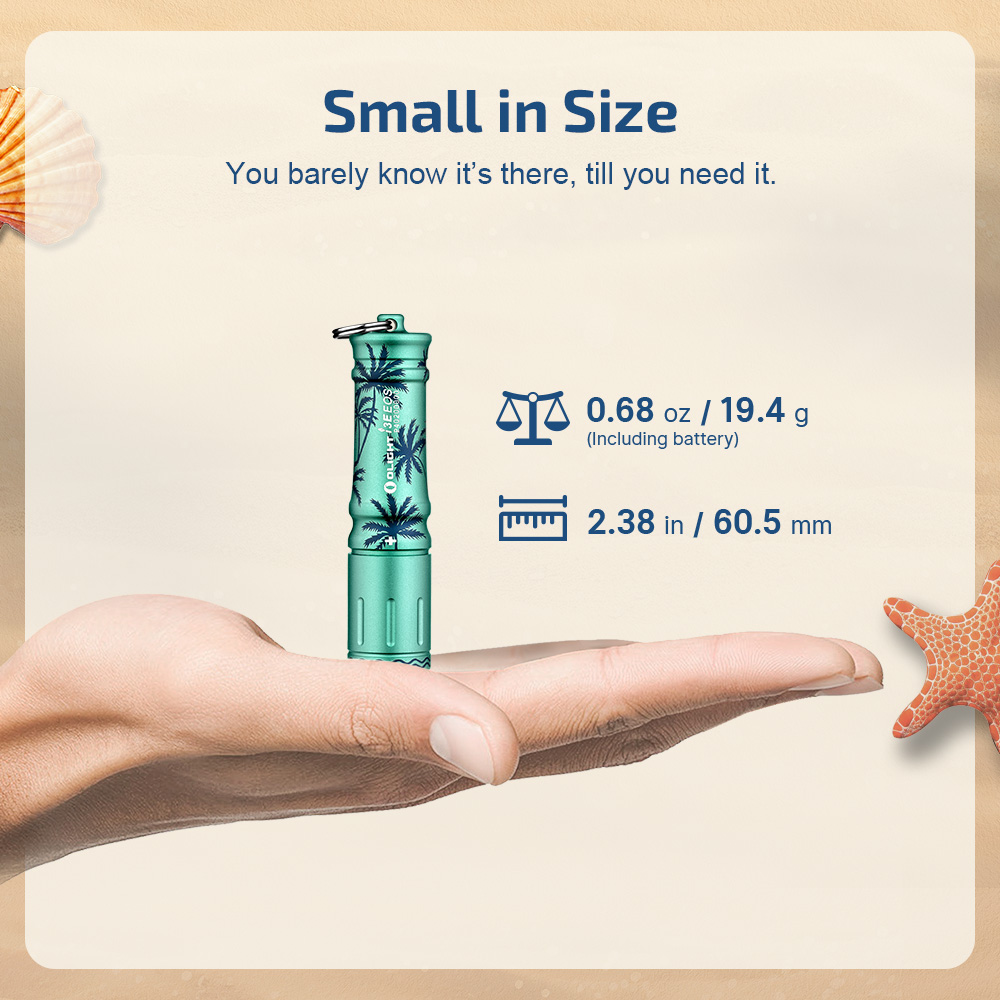
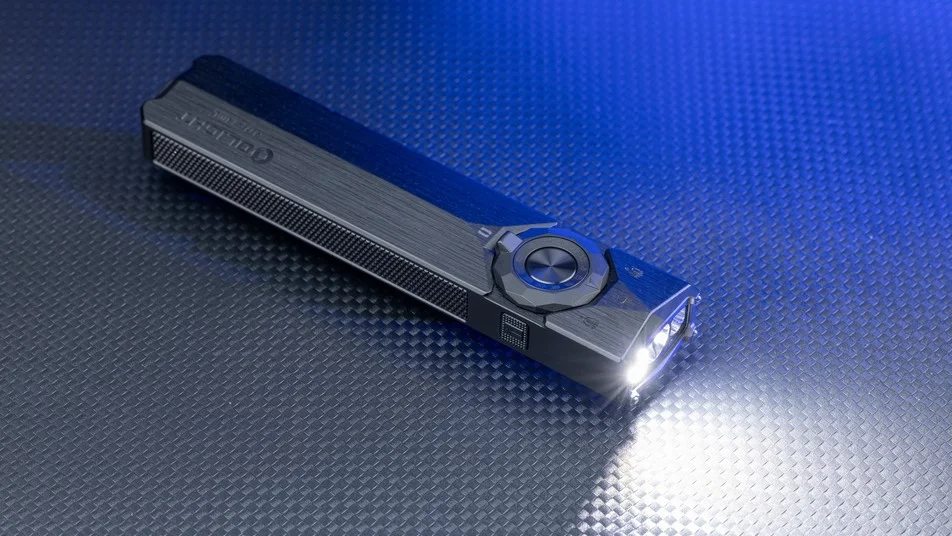
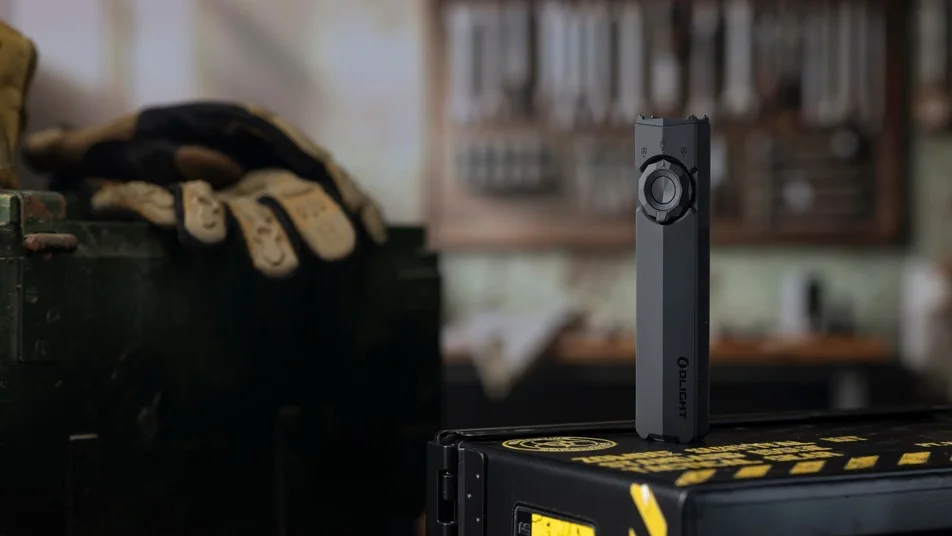
The U.S. gallery’s in-hand view shows the Summer Palm finish and keychain-scale body.
A dedicated light also separates two jobs. The phone can remain available for a map, a call, a message, or a photo, while the separate light illuminates a nearby task. That separation may feel helpful during a short walk from a parking spot or while searching for something in a trunk. Never handle a light or phone while driving. Park safely before checking a vehicle and follow its instructions.
A light attached to keys can also become easier to locate by routine. Put it in the same pocket, use the same key ring, and check it at a predictable interval. The point is not to create a complex readiness ritual. It is to prevent the classic search for a small object that was supposed to make searching easier.
Before attaching it, check how the light changes the key set. A ring that already holds several keys may feel different with another body added. Try the intended pocket or bag location during an ordinary day, then notice whether the light remains easy to find without snagging or crowding the items you use most. This is a carry-fit judgment, not a durability test. If it is hard to locate or operate in the place you planned to keep it, the product may not solve the original inconvenience. The product page lists the light’s own weight and dimensions, but the combined weight and feel depend on your actual keys and accessories.
Phone Battery Use Depends on the Device and Task
There is no single battery percentage for phone-flashlight use. The impact varies by phone model, battery condition, screen and app activity, temperature, lighting hardware, and duration. Without matching those conditions, a percentage from one phone would not describe everyone’s experience.
If the phone is already low, minimizing any optional use may be sensible. But a reader should not turn that common-sense choice into a universal number. A phone can remain idle with its flashlight on, or it can simultaneously run navigation, a call, wireless communication, or a bright screen. Those scenarios are not comparable without matching the device and settings.
A separate keychain light moves the power question to another device. The i3E EOS is specified for one AAA cell. Its manual lists runtime figures by cell type and output conditions. Those figures can help with planning for the exact model. Actual use varies with the chosen cell, mode, storage history, temperature, and pattern of short or continuous use.
Think of the comparison as “which device should handle this job?” rather than “which one saves exactly how much battery?” If the phone must remain ready for navigation or communication, reducing nonessential phone tasks may matter. If the phone is charged and the light is brief, using its built-in flashlight can be the simpler answer. If the task recurs and the phone needs to stay available, a second device may be worthwhile for convenience.
A Personal Cost-per-Use Estimate
Use your own routine rather than a claimed average. First, estimate how often you reach for a small light in an ordinary month. Second, decide whether the phone is inconvenient for those tasks. Third, note any ongoing power or replacement cost for the chosen light. Finally, divide the purchase price by the number of uses you think you will get. The result is a personal planning estimate, not an independent market valuation.
For example, if someone chose to use a $12.99 light for 100 short tasks, the simple purchase-price calculation would be about 13 cents per planned use. At 25 uses, it would be about 52 cents per planned use. Those figures use only the selected $12.99 price and the example counts. They exclude AAA replacement cells, taxes, shipping, loss, and any future price changes. They are not a claim about how often a typical owner uses the product.
To make that estimate less abstract, choose a time window that you can remember, such as the last four ordinary weeks. Count only the occasions when a nearby light would have helped, then separate those into “phone was already available” and “phone was busy or put away.” The second group is the one most likely to explain why a separate light matters to you. Do not inflate the count with imagined emergencies or tasks that never occur. If your estimate depends on a very unusual week, wait for a more typical period before treating it as a buying reason. A small dated price can be divided by a personal use estimate, but the result remains specific to that routine.
A lower per-use estimate does not prove a purchase is wise. Someone who rarely carries keys may prefer to keep the $12.99. Someone who often needs a separate light while the phone is busy may value the convenience. The arithmetic frames an individual choice; it cannot supply a personal preference.
You can also count friction instead of uses. How often does the phone need to stay in your hand? Do you unlock it in the dark, switch apps, then put it away again? Does the task make a second hand useful? Would a keychain light actually be where you need it? If each answer is usually “no,” the phone likely remains the cleaner choice.
A fair calculation should include the whole ownership pattern. A single AAA cell may be inexpensive to replace, but the user still needs a spare cell or a plan to buy one. A rechargeable product has a different charging routine and may require a cable or access to power. Annual battery cost depends on local cell prices and the user’s actual replacement pattern. Use the cell price and replacement interval relevant to your own household.
A fair comparison can also note the inconvenience that a dollar calculation misses. A phone that must stay charged for calls and directions may be more valuable as a communication device than as a lamp for repeated small tasks. A separate light asks for its own storage place and periodic attention, but it can leave the phone available for those other uses. Neither description guarantees a particular outcome. They simply identify which routine is easier for the person making the choice. A reader who wants to keep one device in a pocket may prefer the phone, while someone who keeps keys near the door may prefer a light attached there.
Which keychain light is the strongest?
No universal strongest keychain light is established by the records in this guide. Olight’s i3E EOS Summer Palm is listed at 90 lumens maximum and a 44-meter beam distance. Those manufacturer specifications identify one model; they do not rank it above other lights or prove it will suit every close-up task.
“Strongest” can mean several things. A buyer may mean maximum output, beam distance, center intensity, runtime, or how well a close task is illuminated. They describe different parts of a beam. A compact light with a focused beam can look different from a wide phone flashlight, even if one published number is higher. A reader choosing for a lock, a short walkway, or an emergency kit should consider the task and the exact official data rather than relying on one superlative.
To compare products fairly, look for a consistent measurement method, exact model names, the selected output mode, test conditions, and the stated measurement endpoint. Without those, a ranking can sound more certain than the available evidence. Read manufacturer specifications as product-specific descriptions, not as a universal league table.
Beam Shape and Output Measure Different Things
A lumen figure describes luminous output, while beam distance and intensity describe different aspects of how light is distributed. A broader beam may illuminate more of a nearby area. A more concentrated beam may reach farther in a particular direction. Real use also depends on distance, surface color, ambient light, the user’s vision, and whether the beam lands where it is needed.
The i3E EOS product page lists maximum output and beam distance, but those figures are not a matched comparison with a phone flashlight. The phone model and camera-flash design also vary. No one light can be declared the winner for a three-meter lock or step from these product figures alone. A reader can use published specifications to decide whether a compact task light is worth considering, then rely on the exact manufacturer instructions and their own normal, safe use.
A single number is especially easy to misuse in short product descriptions. “90 lumens” does not explain the beam pattern, how a lower mode behaves, whether the light is easy to operate, or how long a particular battery lasts. The manual and detailed product information provide more context than a single maximum-output figure.
When the task is close, the useful question may be whether the light lets the user see a keyway, a label, or a bag zipper without holding the phone. When the task is farther away, listed beam distance may become relevant, but it still is not a guarantee that a small object will be identifiable at that distance. Do not infer detail recognition from a rated distance alone.
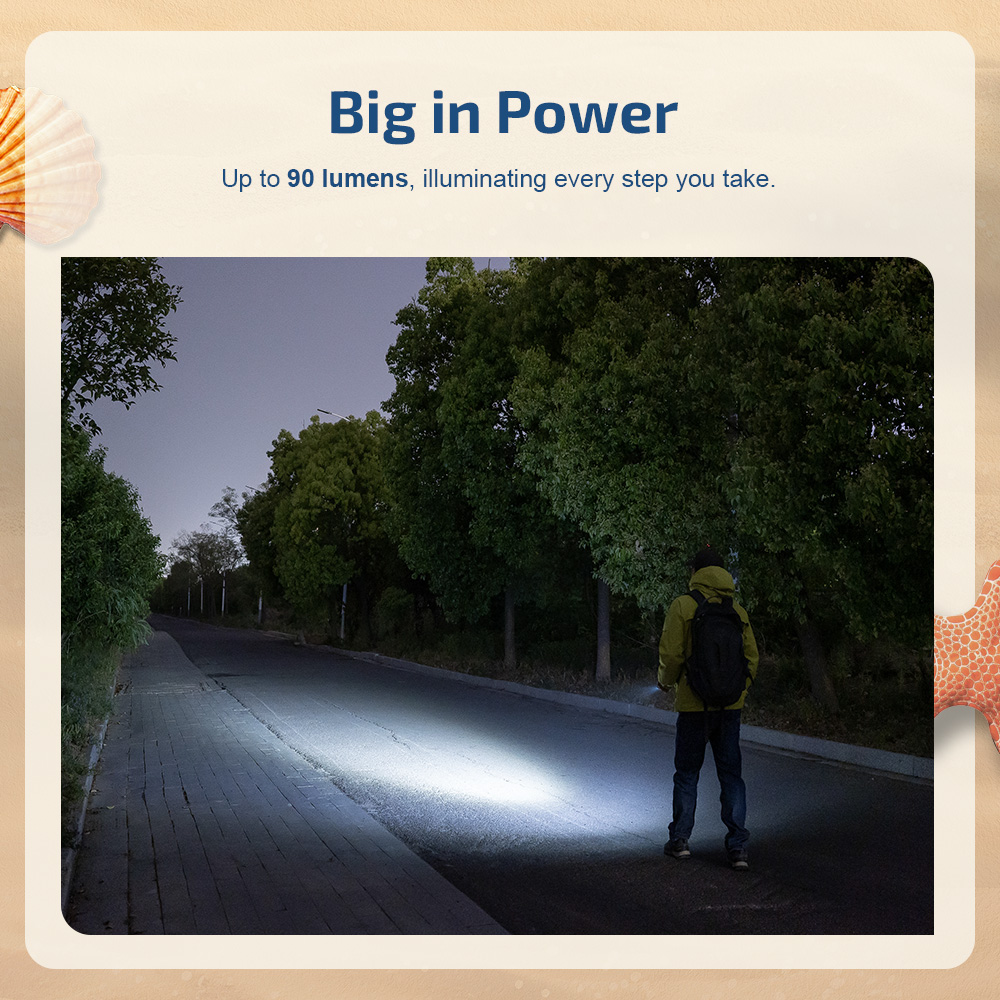
The official U.S. gallery also shows the i3E EOS illuminating a path, illustrating a use context rather than a comparative brightness test.
Keychain Carry Works Best When the Keys Are Already Nearby
A compact flashlight may fit a routine when the keys already travel with the user and a nearby task recurs. Examples include checking a storage label, finding an item in a dim entry, or sorting gear at a campsite. These are ordinary close-range jobs, not promises of performance at a stated distance.
The attachment is part of the decision. A light on a key ring may be easier to find if the keys have a predictable place, but it also adds bulk to the entire set. Compare the product’s listed dimensions and weight with the key ring, fob, and other items you actually carry. The i3E EOS specification lists the light with its battery; it does not include your keys.
A twist interface may not suit someone who prefers a push button, and a keychain light is no help when the keys are elsewhere. Consider whether the control feels understandable in ordinary use and whether the attachment will stay accessible without making the key ring awkward. Size alone does not answer either question.
Name one recurring use before buying. “I want a light someday” is vague. “I often check a label while my phone is being used for directions” is concrete. If no repeated task comes to mind, the phone you already carry may be enough.
Product-Page Details to Confirm Before Buying
Start with the exact product and selected color or version. In the i3E EOS listing, the Summer Palm option is the $12.99 variant observed for this article. Other colors displayed different prices when checked. If the page opens on a different selection, the amount may change. Confirm the variant, current price, and included battery before completing an order.
Next, compare the specifications that matter to the task. The official page lists a maximum output, beam distance, dimensions, weight, and battery type. The manual gives operating instructions and runtime information by mode and cell type. A buyer should distinguish a published specification from a claim about performance in their home or on a specific walk.
Look at the attachment and controls. A keychain light should fit the way the person expects to carry it. If the user plans to leave it on a key ring, consider the ring opening and the other items attached. If a twist interface is unfamiliar, practice it in an ordinary safe setting before relying on it in a dark area.
Review the manual warnings. Olight’s i3E EOS manual warns users not to shine the light directly into eyes and gives battery-orientation instructions. Follow the exact model manual rather than assuming every compact light has identical controls or cells. A small product can still be bright enough to cause discomfort if used carelessly.
The same exact-model check applies to ownership terms. Product names and variant selectors can look similar while showing different colors, inclusions, or prices. Read the page attached to the purchase link, select the intended option, and confirm the details displayed at checkout. This article does not promise a particular return window or delivery condition. Those terms can change and should be read on the current official page before ordering. Keeping that step separate from the lighting comparison prevents an appealing feature or old price observation from standing in for the actual purchase information.
Finally, consider whether a different type is a better match. A phone flashlight may be enough. A headlamp can leave hands free, while a larger handheld may offer other features. A keychain model prioritizes compact carry. Do not expect it to replace every light in a home, work kit, or emergency plan.
A Short Decision Checklist
Use these questions before buying:
- How often do I need a nearby light while my phone is handling another task?
- Do I usually have my keys with me at those times?
- Would attaching another item make my keys too heavy or crowded?
- Am I comfortable replacing the cell type listed in the manual?
- Does the phone already solve the task with little friction?
- Is the price attached to the exact color or variant I intend to buy?
- Do the published output, dimensions, and operating instructions fit the task I named?
If the task is rare or your keys are usually elsewhere, the phone may be enough. If you often need a separate close-range light and the verified product details fit your carry habits, a dedicated model deserves consideration. This checklist organizes a personal choice; it is not a product score or survey.
A household can have different answers for different people. One person may keep a phone in a work apron and appreciate a separate light. Another may prefer a single device and have no trouble accessing it. The same product can be a practical fit for one routine and needless clutter for another.
How much do keychains typically cost?
There is no single typical price for keychains because the category includes decorative fobs, trackers, and lights with different power and control systems. The Olight i3E EOS Summer Palm listing showed $12.99 on November 19, 2026. Treat that as one dated flashlight example, not an average for keychains or a current offer.
Frequently Asked Questions
Sources and product information
The product name, selected variant, observed price, maximum output, beam distance, dimensions, and weight refer to the U.S. Olight i3E EOS page captured on November 19, 2026. Battery instructions, runtime conditions, and the eye-safety warning are from the U.S. i3E EOS user manual. Phone-flashlight battery use is not quantified here.
Changelog
- November 20, 2026: Refined the comparison around the i3E EOS twist control, dated U.S. variant price, and verified manufacturer specifications.