TL;DR: Start with the lighting your facility provides and permits. Keep routes visible, use the approved light that makes the work clear, and ask what to do when a fixture fails. For personal use outside patient areas, choose a light you can control easily and carry only where your workplace allows it.
📋 Table of Contents
- 1. Name the job before choosing a light
- 2. What kind of lights are best for night shift nurses?
- 3. What is the best night light for nursing?
- 4. What is a good gift for a night nurse?
- 5. Check what the light lets you see
- 6. Check what the unit allows before bringing personal gear
- 7. Choose a personal light for a clear off-duty job
- 8. Make one useful report when a work light fails
- 9. Frequently Asked Questions
Name the job before choosing a light
| Night-shift job | First choice | Check before you rely on it |
|---|---|---|
| Walk through the unit | Fixed facility lighting on the designated route | You can see doors, floor transitions, and objects in the way |
| Read a staff-only document | Approved desk or task lighting | The words, symbols, and required detail are clear |
| Work in a patient room | The unit's approved fixture or equipment | Follow the unit’s directions for the work and room |
| Find something in a personal bag off the unit | Fixed light or a permitted personal light | The light can reach the bag without spilling across a shared space |
| Respond to a lighting fault | The facility’s reporting and fallback process | You know where to get an approved alternative |
At the start of a night shift, find out which lights serve each part of the unit. Hallway fixtures show the route. A desk lamp can illuminate one work surface. A room may have separate controls for different purposes, and your orientation should explain which you may use. A small light carried from home has a much narrower job. Find out where your workplace allows it before making it part of your routine.
The most useful answer can be specific to your shift. Ask a colleague or supervisor to show you the normal after-hours route between the entrance, staff workstation, and approved break area. Ask where to get help if the route lighting fails. Learn about any automatic settings or doors that operate differently overnight. Those details are easier to work out when you have time to look around.
Look at the floor and the way it meets each doorway. A brightly lit sign may tell you the room number without showing a change in the floor below it. Lighter and darker materials can look similar under uneven lighting, especially near a shiny patch. If you cannot see the way through, use a visible approach or get help through the facility’s process. Report a gap in fixed lighting so it can be dealt with.
The 2025 annual edition of federal workplace rules addresses adequate lighting and marking for exit routes. It applies to that specific kind of route. Learn your facility’s normal walking routes and its emergency exits during orientation. If you have trouble seeing either one, report the location through the facility’s process. 2025 annual CFR exit route standard.
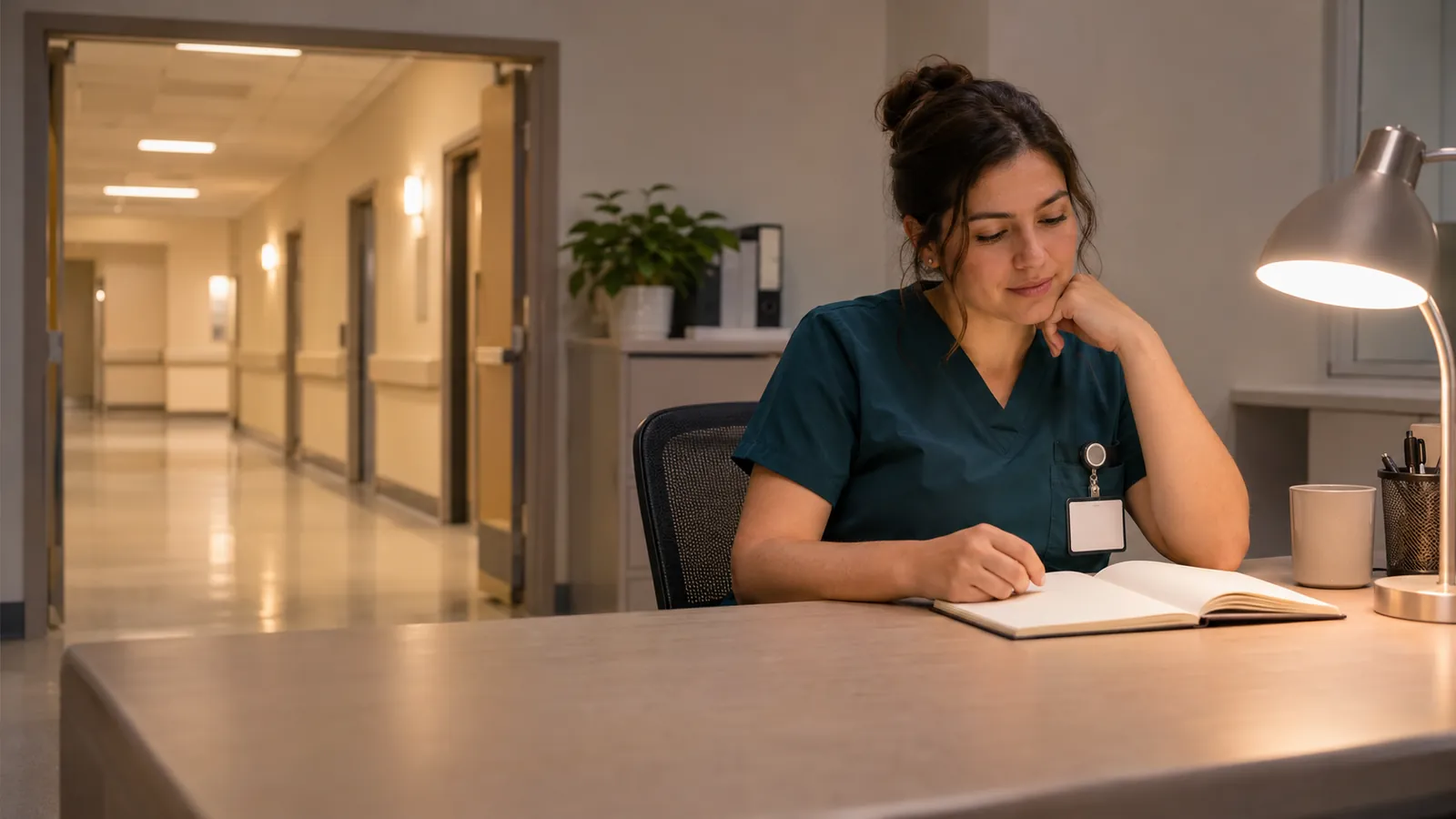
A work surface has different needs. A staff member sorting folders in the break room can angle the light toward the paper, sit or stand where the print is easy to read, and turn off the lamp when finished. A different task may require the designated workstation and its usual lighting. Check where the task belongs first. Moving the light makes sense only when the area and equipment allow the move.
Learn who is responsible for different lighting issues. A burned-out fixture may go to facilities. A concern about room lighting during care belongs with the unit’s usual supervisory or clinical channel. A personal item question may need guidance from both the unit and infection prevention. Knowing where to ask makes it easier to address a recurring issue instead of carrying another device to work each night.
A staff room can also do double duty. One person may be reading during break while another is looking for something in an assigned locker. If the approved fixture only reaches the desk, agree on where other people can move through the room without crossing the work area. Keep the normal doorway clear so nobody has to step around chairs when they enter in lower light.
What kind of lights are best for night shift nurses?
Use the facility’s fixed light for walking and its approved task light for work that needs more detail. Choose a setting that lets you see the job clearly and follow the unit’s directions in patient areas. A permitted personal light can be useful for an ordinary task in a staff-only or off-duty setting.
Think of the entire route. If you go from an entrance to a staff locker, one bright pocket of light can be followed by a dark landing or corridor. Learn which door and path your facility designates for normal use at night. If one area is uncomfortable or hard to see, ask whether there is an approved alternative. Check how to report a fixture, doorway, or shared space that keeps causing trouble.
For an approved nonclinical desk task, look for lighting that helps you see the page from your usual seat. The right direction can matter as much as brightness. A lamp that throws a sharp reflection across a plastic cover may be distracting, even when it seems bright enough from across the room. Adjust the position of an approved task lamp if you can, or use the designated workstation with suitable light.
A light at the front of a room may work well as part of the room’s fixtures and still be of little help at the far side of a desk. Ask whether there is a local task control for the station you are using. If a temporary light has already been provided, check who needs it and where it belongs afterward. That keeps one person’s solution from leaving a second person without the same approved option.
A small screen or pocket light can look helpful because it is there when you need it. Before bringing it out, ask whether fixed illumination or an approved task lamp can do the job. In a shared place the beam can look different to someone standing across the room. Keep an allowed task light directed at the nearby work surface and return the area to its normal setting when you finish.
There are also jobs a personal light can do off duty. Someone walking to a vehicle on the usual lit route might need to see the zipper on a bag once they reach a stable place. A small light can cover that close detail. It should be easy for the person to switch on without using a phone or rummaging for the charger. Keep it separate from work equipment and carry it only where allowed.
What is the best night light for nursing?
For hospital night work, use the facility-approved light that makes the task clear and follow the unit’s directions for the room. Use fixed route lighting when moving around. If the available setting makes necessary detail hard to see, use an approved alternative or raise the problem through the unit’s process.
An example is a room with a light meant for general orientation and another meant for more detailed work. A source that marks the doorway may still leave details out of view at the work area. Ask about the controls and when each is meant to be used. If something requires a clearer view, use the unit’s approved lighting for that task and follow the procedures you have been taught.
People may be trying to rest, but an article about consumer lights cannot work out which lighting a room needs during care. Follow the unit’s routine and any patient-specific directions communicated through the appropriate channels. In some cases there may be a suitable approved local fixture. At other times the room setting needs to change. The bedside team decides within its actual procedures.
Keep claims about sleep in proportion. Rest in hospital can be affected by discomfort, noise, care interruptions, light, and other factors. An AHRQ-funded study evaluated a personalized sleep toolkit. The pilot did not show a statistical sleep difference between its two groups. That result says nothing about an individual flashlight brand or what color beam a particular patient would notice. AHRQ SLEEPkit study report.
A separate controlled study in a cardiology ward examined programmed room fixtures with brighter daytime light and low nighttime exposure. That setup was an intervention across the day. It evaluated facility fixtures. Take recurring concerns about the unit’s light to the people responsible for its equipment and building. Controlled patient room lighting study.
When a new coworker asks which control to press, a quick look at the actual switch can settle more than a brightness number. Ask which buttons control the areas they serve and what normal after-hours settings look like. Include any approved temporary equipment and where it must be returned. Let people learn the room’s actual choices before the first time they need to use them under pressure.
What is a good gift for a night nurse?
Ask what they would use off duty and what their workplace lets staff bring. A small flashlight can be a useful gift for finding keys, checking a bag, or another close task away from patient areas. Pick a simple control and an easy power option. Let the recipient decide where they can carry it.
A thoughtful gift should fit the person’s routine. One nurse may want a small light for opening a bag beside the car after a late shift. Another may park under good lighting and prefer the convenience of a familiar key ring light at home. If you know they have an existing charger, find out whether the new gift actually uses it. A product that charges with a different connector might stay in the drawer.
If the person wears gloves outdoors, ask what they can use comfortably with the hands and gear they already have. A small button and a twist control feel different. One person wants one-handed access, another wants a simple light stored in a pocket that never needs to stay on long. The gift becomes more personal when the reason for carrying it fits a real task they already do.
Consider how it will sit alongside keys. A light with an exposed button can come on while moving around in a bag, depending on how it is carried and how the specific device works. Check what the manufacturer says about carrying and storage. A separate, easy-to-reach pocket may suit a rechargeable model. A small twist light that stays on the key ring may be easier to find for a different person.
Skip anything that depends on guessing a hospital’s policy. Choose a gift for general personal use and give it with the exact manual, packaging, and any compatible supplied items. Check where it can be stored at home or in a personal bag. If a gift is meant for a colleague you do not know well, it is fine to ask whether they would find a small light useful before picking a model.
Check what the light lets you see
| Detail you need | Start here | If visibility is poor |
|---|---|---|
| A door or floor transition | Use the fixed route light or an approved route | Ask about the proper alternative or report the fixture |
| Words on a staff-only page | Use the approved task light at the designated station | Change your position or ask for the appropriate light |
| A colored mark on a nonclinical item | View it under suitable white light | Read the printed label or move to a better-lit station |
| A critical detail during care | Follow the facility’s approved equipment and procedures | Use the unit’s escalation process when visibility is inadequate |
A dim light can make a familiar door pull visible on a staff locker without giving enough detail to read a small colored strip on a printed notice. The reverse situation can also occur. A bright light pointed directly at a plastic sleeve can leave a strong reflection that covers the words. Look at what you actually need to distinguish. Use the lighting and location that give that detail a clear view.
Color is a separate issue from how much light reaches an object. A physics museum exhibit at the University of Wisconsin–Madison uses colored paper under different lights to show that the light reflected from a surface depends on both the illumination and the surface. A blue or green mark on a personal bag can appear different when viewed under red light. Choose suitable white light for ordinary tasks that need a dependable view of color. UW–Madison color-of-an-object exhibit.
Try the idea on a harmless object, such as two colored zipper pulls on your personal bag at home. See whether the markings are clear in the places you normally use the bag. Check for glare from a reflective cover and how much of the immediate area is lit. Treat the result as a way to learn what your usual pocket light does in that setting. Work and patient-care checks use the facility’s conditions and approved equipment.
Light needs can also change with the page. A big room number may be legible from the hallway, while a small date printed on a staff-only notice is hard to read from the same place. Before increasing the output, move to the designated reading area if it is available. Look again from a steady position. Brightness figures on a product page cannot tell you whether a particular reflection will hide what you need to read.
Switching between two nearby work areas can bring its own frustration. The chair at one desk may face the task lamp directly while the other seat gives a useful view without glare. For ordinary staff work, use the seat and the approved lighting that let you read comfortably. If all workable positions leave a recurring problem, bring the location and task to facilities or the unit instead of moving equipment that others need.
Choose the setting for the actual task. A warm white or red option may feel quite different in a staff break room, and the printed surfaces around it can react differently. Keep expectations modest about what color alone can accomplish. Ask what the area is meant to support and follow the facility’s agreed setup. Leave decisions about clinical visibility with the approved equipment and processes.
Check what the unit allows before bringing personal gear
Start with the unit’s existing policy. Ask where personal items may stay, where approved portable lighting is available, and who confirms whether a device belongs in the workplace. If a staff-only area allows ordinary personal gear, that tells you about that area. Expectations can change as you move to another area, on a different assignment, or into a shared workroom.
The 2025 annual federal hospital participation standard describes documented policies and procedures for infection prevention and control. Ask your facility which personal items are allowed and what its equipment handling or cleaning procedures permit. A consumer light’s resistance to rain or dust does not establish compatibility with your facility’s products or procedures. 2025 annual CFR hospital infection prevention standard.
Make a distinction between access and convenience. Some approved lights stay in the room where other staff use them. Others may be kept in an agreed location and returned after a task. On orientation, ask what stays put and how to get a replacement if a piece of equipment is missing. It helps to know before borrowing the light someone else needs at the next station.
Follow the manual and local rules for anything rechargeable. In a shared staff space the permitted charging place may be separate from work equipment. If there is no authorized place for a personal charger, charge personal items before you arrive or at home. Check whether the item is allowed to stay in your bag or needs to remain off site. The answer can be different for each facility.
The policy is especially important in a shared environment. The person who uses a device may not be the person responsible for maintaining it. Check who oversees approved equipment, how staff can tell the item belongs on the unit, and who can answer questions about compatibility. Keep personal accessories out of the places the facility reserves for work equipment and supplies.
Use the correct channel if you see a pattern. Several people may have worked around a dark spot without reporting it because everyone assumed someone else had done so. Give a location in terms the facility uses, such as a corridor number or a room’s hallway side. Say what could not be seen during ordinary work and whether a fixture was out. Follow the unit’s instructions for urgent concerns.
Choose a personal light for a clear off-duty job
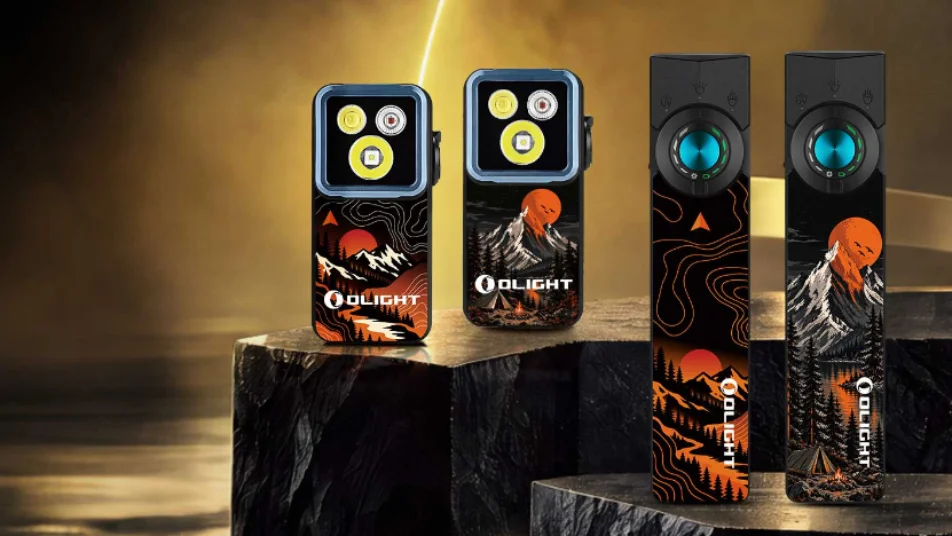
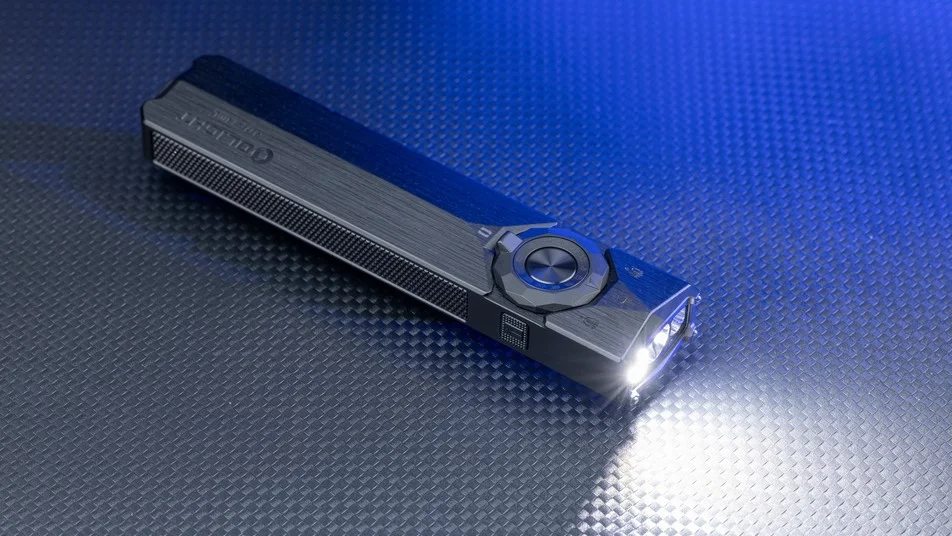
A compact flashlight can be useful off the unit when you need to find a bag zipper, a keyhole, or a personal item close by. A keychain flashlight serves a smaller job when you want light to stay with your keys. The supporting light must be easy to reach. Choose by what you can comfortably operate before buying extra features.
Try the control in a well-lit place. A card or charger description cannot tell you how the light feels in your hand. Look for where you hold it and whether you can aim at the small item without shining across other people. If the light needs a special carry setting, follow its actual manual. Keep off-duty gear in the place where you can find it again.
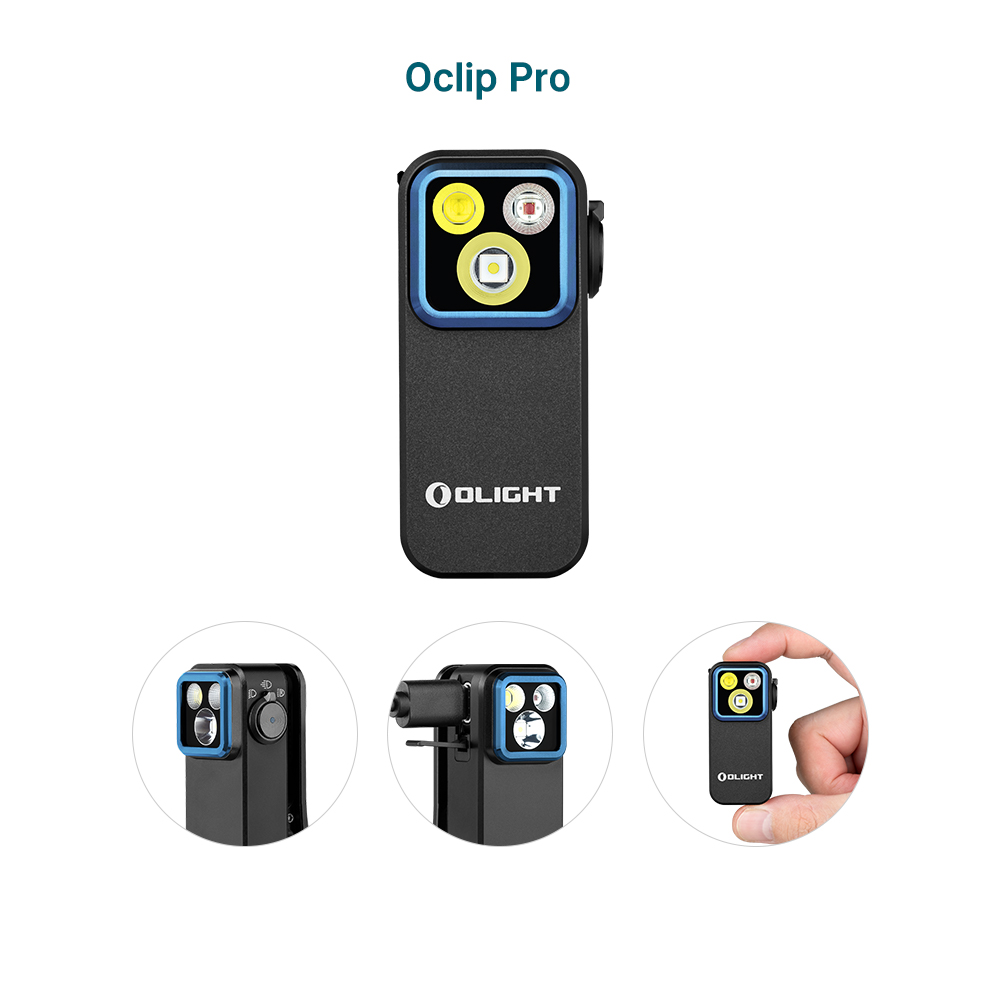
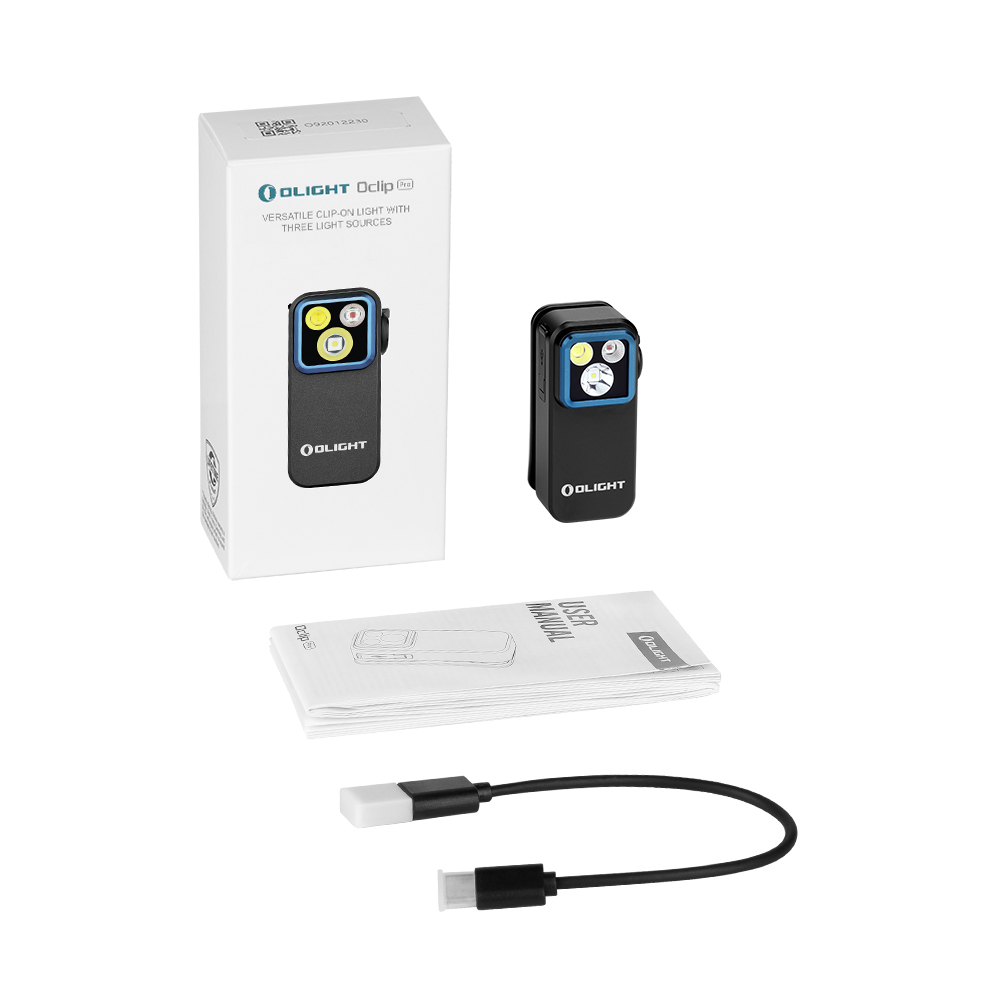
Check the model-specific instructions before carrying or charging a new personal light.
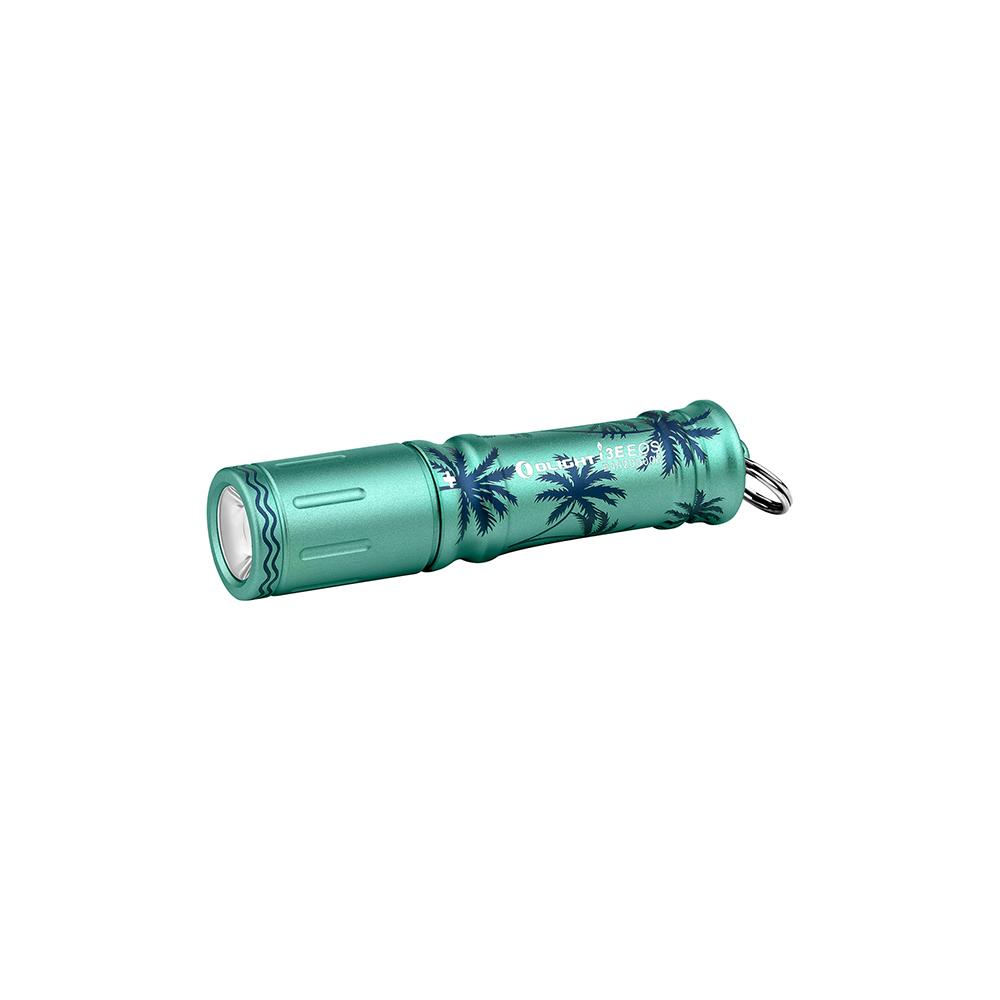
Battery choices can matter to the person using the light. A rechargeable flashlight suits someone with a known place to charge it. A separate battery suits someone who would rather keep a compatible spare in a safe place at home. Start with how frequently the person actually expects to use the light, where they will store it, and whether their workplace permits them to carry it.
Keep the personal tools at the scale of the problem. A clip can hold a small light where the controls are easy to reach, but the same light can sit in an unused pocket after a shift if it has no job. A twist light on your keys can be ready for a brief check outside. Either has a clear role away from patient care. The hospital’s approved lighting remains the equipment you use for work there.
Make one useful report when a work light fails
If a fixed light fails, start with the route or task it was meant to support. Record a clear location using a door number or staff station name. Note whether the failure is constant or only appears at a certain time. If there is a separate problem, such as a reflective panel that hides a notice, mention that clearly. Follow the facility’s preferred reporting channel and instructions for an immediate hazard.
Ask what route or workstation to use while the problem is pending. The easiest solution may be an approved work area nearby. Tell the incoming team where the normal problem is and which directions the facility gave you. Keep patient details within the approved process. A dark part of a staff route can be described accurately without taking a photo or recording anyone’s identifying information.
A light can also be missing rather than faulty. If an approved portable lamp is usually returned to a particular station, check where it belongs and who can provide another. Plan how to use the available approved workstation in the meantime. Leave the personal light in its usual place unless the facility has an approved role for it. The next shift should be able to find what they need without being told to bring their own.
At the end of the shift, return approved equipment and leave fixed settings as directed. Put personal gear away for your normal trip home. If the arrangements changed during the shift, pass the relevant information across the usual handoff. The next person needs a simple answer about which route is open and where the working light is. That is more practical than asking everyone to know which pocket light a colleague happens to carry.
If the report involves a recurring reflection, identify the surface and the viewing position. For example, note that a glossy notice cover reflects the overhead fixture when someone reads it from the normal seat. That gives facilities a specific condition to reproduce. Ask which station to use until the problem is resolved and pass that answer to the coworker who has the same task tomorrow.
Frequently Asked Questions
Changelog
- November 19, 2026. Checked the annual federal text on workplace exit routes and hospital infection prevention, two original research reports on hospital sleep and lighting, university optics guidance, and exact U.S. product manuals and photography.