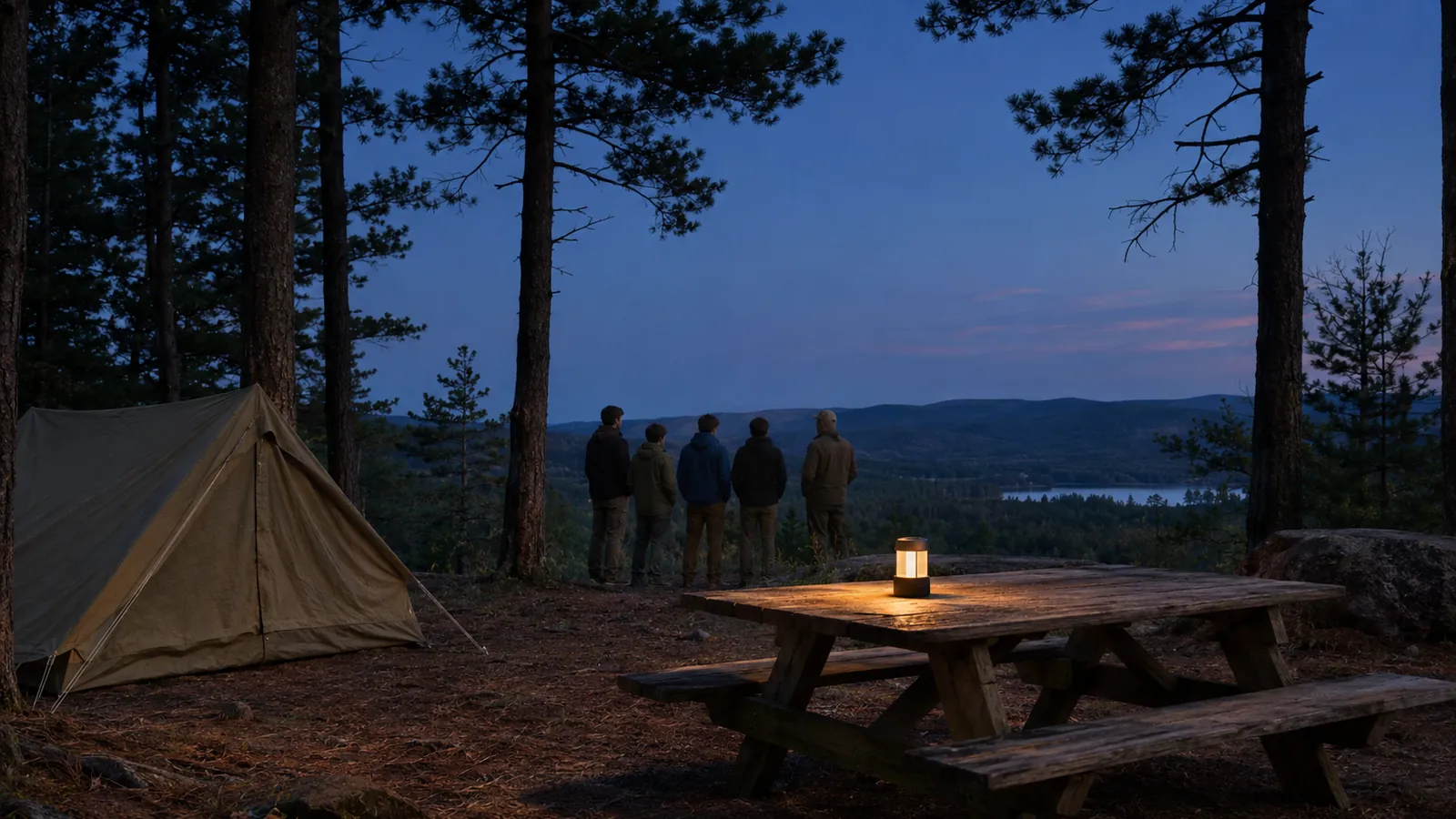
TL;DR: The best flashlight for Boy Scouts is the one the troop approves, the Scout can operate safely, and the family can keep ready for the trip. Ask the leader about the gear list, buddy plan, meeting point, and activity rules first. Practice one familiar light at home and carry a separate adult backup.
📋 Table of Contents
- 1. Start with the troop plan, not a product ranking
- 2. What is the best gift for a Boy Scout?
- 3. What is the absolute best flashlight?
- 4. Build one light plan for the whole patrol
- 5. Compare headlamps and handhelds by task
- 6. Plan power around the real trip length
- 7. Keep nighttime rules useful and bounded
- 8. Choose practical Olight examples for adult-led roles
- 9. Prepare a trek differently from a campsite
- 10. Make night games easier to follow
- 11. Build a gear checklist that answers the right question
- 12. What is the best flashlight for kids at camp?
- 13. Frequently Asked Questions
Start with the troop plan, not a product ranking
The best flashlight for Boy Scouts is the light that meets the troop’s gear list, follows the exact model instructions, and the Scout can locate and switch off. Choose a format after confirming who carries it, where the patrol regroups, and how night activities work. A separate adult backup supports the plan. It does not replace it.
| Campout task | Light choice to discuss | Before departure |
|---|---|---|
| Read a tag or check a zipper | Troop-approved handheld | Practice aim, switch-off, and return pocket |
| Keep both hands available | Headlamp, if the exact model is permitted | Check fit and lower beam angle at home |
| Illuminate a shared area | Troop-provided or leader-approved light | Ask who carries, sets up, and turns it off |
| Cover a lost or failed light | Adult-held backup | Name who has it and where the patrol regroups |
Scouting America’s Camping merit badge material lists a flashlight among the Scout Basic Essentials and describes using one to set up camp after dark or find the way home. Its Hiking merit badge pamphlet has a night-hiking section that points Scouts back to their basic essentials, judgment, and resources when a group must wait. These are preparation references, not a substitute for the troop’s current plan or an adult leader’s direction.
Ask four practical questions before packing:
- Does every Scout need a personal light, or is some lighting provided?
- Which type is acceptable for the event: handheld, headlamp, or either?
- Where does the patrol regroup if a scheduled activity ends or changes?
- Who should a Scout tell if a light is lost, damaged, or out of power?
Write down the answers in the same place as the trip information. A group chat, printed checklist, or gear note can work if it is the place families already check. Keep the wording simple enough that a tired Scout can repeat it after a long day. “Find the patrol flag and tell the adult at the meeting point” is more useful than a vague instruction to “stay close.” Use the troop’s own names and directions rather than inventing a second system.
Scouting America’s Scouts BSA Requirements address planning an overnight trek, anticipating camping hazards and weather, making a duty roster, and preparing personal and patrol gear. Use the requirements that apply to the Scout’s actual activity and check the troop’s current Guide to Safe Scouting and youth-protection procedures with its leaders. A flashlight is a tool for seeing a nearby task. It does not determine who accompanies a Scout, whether a youth may leave an area, or how a leader handles a changed plan.
The best flashlight for Boy Scouts therefore starts with a clear assignment. The equipment choice comes second. If the troop has not answered the basic questions, pause before buying a new model. If the answer is “bring any reliable light,” use the sections below to choose and prepare one without turning a convenience into a new troop rule.
What is the best gift for a Boy Scout?
The best gift is the useful, approved piece of gear the Scout will actually carry. If a dependable light is missing from the Scout’s kit, choose a model that matches the troop’s requested format and the Scout’s comfort with its controls. If the light is already covered, a labeled spare battery that the adult can manage, a dry pouch, or a contribution toward another item on the troop list may be more useful than a second flashlight.
Before buying, ask the Scout what they like about the current light and what fails during an ordinary trip. “It disappears in the pack” points to a storage problem. “I can’t find the button with gloves on” points to a control problem. “The beam bothers my tentmate” points to how the light is aimed and when it is used. A product upgrade is not automatically the answer. A bright color, designated pocket, or pre-trip practice can solve a problem without changing the light.
The gift should also fit the actual user. Manufacturers may set warnings and instructions that limit how a product should be handled. Some compact lights have warnings about keeping the product or batteries away from children. An adult should check the exact model and manual, supervise charging and battery handling, and store restricted items securely. Do not assume that “outdoor,” “EDC,” or “camp” in a product description means that every youth may use it without qualification.
If a family wants to choose a light together, let the Scout try the permitted controls while seated at home and aimed at a nearby surface. Do not turn a purchase into a contest about maximum brightness or distance. A test can be a quiet routine: find the switch, light a page or pack label, turn it off, and return it to the same pocket. If the product’s instructions do not permit the intended user or the Scout cannot manage the control reliably, choose another approach with the parent and troop leader.
For younger Cub Scouts, Scouting America’s family-oriented first-camp materials and troop camping guidance may address different participation and adult-partner arrangements. This article is about older youth participating with a Scouts BSA troop, including patrol routines, longer treks, and youth-led responsibilities coached by adults. A Cub Scout’s first family campout is not interchangeable with a troop outing. Olight’s separate flashlight guide for a Cub Scout’s first campout covers that younger family-camp context. The adult should use the program rules that apply to the Scout’s actual unit and activity rather than carry over an assumption from another age group.
What is the absolute best flashlight?
There is no absolute best flashlight for every Scout, every trip, or every troop. The useful choice is the one that meets the troop’s request, suits the intended job, follows its manufacturer’s instructions, and remains simple enough to find and operate. Compare the beam pattern, handling, power plan, storage, and light type for the actual outing instead of choosing by the largest number on a package.
A small handheld can be straightforward for checking a zipper, map, or gear tag. A headlamp can leave both hands available, though the Scout needs to set its angle and avoid sweeping the beam across other people. A clip light can stay with selected gear but may be harder to point precisely. A shared lantern can illuminate a common area, but it cannot necessarily cover each Scout’s personal task or replace a personal light if the troop requires one.
The National Park Service Ten Essentials list includes illumination as part of outdoor preparation and recommends a light source with spare batteries. That is general backcountry guidance. The right power setup depends on the exact device, outing length, charging access, weather, and the troop’s requirements. Do not convert an estimated number of hours on a product page into a promise that the light will stay at one brightness throughout a weekend.
| Format | Good fit when | Questions to settle | Common tradeoff |
|---|---|---|---|
| Handheld flashlight | Reading a map, checking a pack, or directing light at a nearby task | Can the Scout find the switch and keep the beam on the task? | Uses one hand and needs a consistent pocket or pouch |
| Headlamp | Both hands need to stay available during an approved task | Does it fit comfortably, and can its angle be lowered? | Looking up can direct the beam toward another person |
| Clip light | A permitted gear attachment should remain easy to find | Does the clip hold on the intended material without shifting? | Position can be less precise than a handheld |
| Shared area light | The troop has a designated common space and approved equipment | Who sets it up and turns it off? | Does not follow a Scout between locations |
| Adult-held backup | The Scout’s personal light fails or is missing | Which adult carries it and where is the regroup point? | It supports the plan but does not replace supervision |
For a Scout comparing a headlamp, check whether the specific headlamp is suitable for its intended user and allowed by the troop. A headlamp makes a task hands-free only while it is worn correctly and the beam is aimed thoughtfully. If it is uncomfortable, keeps slipping, or routinely points toward another person, it may not be the right format for that Scout. The same principle applies to a flashlight: the name of the category does not establish what a particular model can do or who should use it.
Absolute rankings also hide the difference between a Scout’s personal gear and equipment managed by an adult. A high-output model may be appropriate for a leader’s task but unnecessarily complicated for a youth’s small everyday job. A low setting may preserve a dark-adapted view during a quiet activity, but the troop may have other rules for a game or campsite. Choose by task and group instruction, not by a claim that one light is best in all conditions.
Build one light plan for the whole patrol
A troop can make night movement easier by agreeing on a few repeatable cues before the sun goes down. Each patrol can learn the official meeting point, a familiar marker the adults approve, and the words for checking in. Light then supports recognition and nearby movement. It should not become a competing signal system that the troop has not approved.
Set the meeting point where leaders have already selected it. Describe it using a stable feature such as the troop’s sign-in table or a marked campsite shelter, not a tent that may be moved. Decide how the patrol returns there when an activity ends. If the group changes locations, adults should communicate the new location through the troop’s process and confirm that Scouts heard it. A light beam or a shouted name is not a replacement for that confirmation.
At check-in, a leader can review which parts of the evening are group activities and which tasks require an adult or buddy arrangement. Youth should not make a new route because a restroom, tent, or game area appears closer from a different direction. If a Scout needs to leave the group or cannot find the scheduled location, use the exact direction the troop has provided. Every article recommendation should defer to current adult leadership and applicable safety policies.
A patrol can make roles visible without making one Scout responsible for everyone’s safety. For example, one youth leader may repeat the next meeting point while another checks that everyone heard the instruction. The adult leaders keep their assigned supervision and emergency responsibilities. A designated person can carry an adult backup light, but the role should be named and the location known. It should not be silently handed to the youngest Scout or whoever happens to own the brightest device.
During a night game, use only the light and visibility rules set by the game leader. Some activities call for lights to be covered or switched off. A Scout should not improvise a high-powered search, leave a boundary, or shine a beam at other participants to “tag” or identify them. If someone is separated, the Scout should follow the adult’s directions and the game’s plan rather than conduct an independent search.
A quiet “check-in” works better than a last-minute command. Before the activity begins, ask each patrol member to repeat where to meet after the whistle, call, or game end. Use only the cue the leader has actually chosen. If a youth did not hear the instructions, pause before starting so they can ask an adult. The goal is shared understanding, not testing who can memorize a complicated lighting pattern.
Compare headlamps and handhelds by task
Headlamps and handhelds solve different problems. A headlamp can leave both hands available for a permitted activity such as reading a map or organizing equipment. A handheld makes it easier to place the beam exactly where a person points it. Neither is automatically safer or more useful. The Scout’s specific task, comfort, troop rules, and behavior around other people determine the better fit.
For a headlamp, have the Scout put it on while seated before the trip. Check the band over the hat or hood that will actually be worn. Show how to aim it lower before looking toward another person. Practice turning it off and putting it away without pulling the band across the face or leaving the light on in a tent. A headlamp should not be worn simply because it frees a hand if it repeatedly shifts or makes the Scout uncomfortable.
For a handheld, practice holding it so the lens points at the task rather than across the campsite. A zipper, gear label, or map can make the practice concrete. The Scout should also know where it returns after the task. A light that has no home in the pack is easy to set down on a table and forget when the patrol moves.
A clip light is useful only if its attachment point is stable and appropriate. The Scout can check that it remains attached to the intended bag or clothing during ordinary movement at home. This is not a drop test or durability measurement. It is a fit check for the actual garment and use. If it twists, catches, or falls away during normal handling, use a different location or format.
The troop may use shared lights in the cooking or meeting area. That does not mean every Scout needs to bring a lantern. Ask which shared items are already assigned and who operates them. A common light is often best left in its approved place while Scouts carry a personal task light only if the trip list calls for one. Avoid duplicating heavy gear in a backpack to compensate for unclear instructions.
| Task | Light format to consider | Check before the trip |
|---|---|---|
| Reading a map at a stop | Handheld or headlamp on a low usable setting | Keep the light on the map and follow the leader’s location plan |
| Finding a labeled bag | Handheld or appropriately aimed headlamp | Practice the same task and return the light to its pocket |
| Organizing gear with two hands | Headlamp if permitted and comfortable | Confirm fit and aim, then turn it off when the task ends |
| Lighting the patrol’s shared area | Troop-approved shared light | Confirm who sets it up, moves it, and turns it off |
| Moving after an activity | The Scout’s prepared personal light | Stay with the assigned group and go to the approved point |
Plan power around the real trip length
“Will it last the weekend?” is not a single-spec question. A product’s runtime depends on mode and the manufacturer’s stated test conditions. Real use varies with temperature, selected brightness, pauses, charging access, battery state, and the amount of time the light stays on. A label that gives several mode runtimes does not say how many minutes one Scout will use a light during a specific campout.
Start with the schedule. How many evenings include a task after dark? Is there a trek between campsites? Can the light be recharged before the next event, or is the troop carrying only what is packed? If the answer is uncertain, ask the leader about the trip’s expected use and backup plan. A family can fully charge a rechargeable model at home, check its indicator according to the manual, and bring the spare solution the instructions permit.
For a replaceable-cell light, follow the model manual about compatible batteries and orientation. Keep loose cells in a proper container and under adult control where appropriate. Never mix old and new cells or different types unless the manufacturer explicitly permits that combination. Do not put a battery loose into a pocket with coins, keys, or other metal objects. If a light has a rechargeable internal battery, use its designated charging method and check charging only in an appropriate place.
A written power note can be simple: “charge before leaving, confirm indicator, pack approved spare, tell an adult if it stops.” The plan should match the actual device, not a guess based on a product’s maximum output. If the Scout will be away for more than one night, include the adult’s backup and the troop’s expected resupply arrangement. Do not ask youth to open unfamiliar equipment in the dark to troubleshoot a failure.
Scouting America’s outdoor materials and National Park Service guidance include illumination in general outdoor preparation. A troop may specify additional requirements for a trek. Use the exact troop list and current product instructions rather than treating any generic list as a universal mandate.
For a longer trek, weight and volume matter, but the light should remain findable and usable. A rechargeable light may reduce the number of loose cells to manage, while a replaceable-cell design may offer a straightforward swap when the exact compatible battery is available. Those are planning differences, not proof that one power source lasts longer. Compare the full kit: light, compatible power, charging cable or spare, storage, and adult-managed backup.
Keep nighttime rules useful and bounded
A light can improve visibility for a nearby task, but it cannot make an unsupervised route safe. The troop’s approved route, adult presence, buddy arrangement, activity boundaries, and meeting point take priority. A Scout should not walk alone to find a lost item, retrieve gear outside the designated area, or investigate an unexplained sound. Tell the adult and wait for directions.
When looking at a map, keep it at a safe stop selected by the leader. Avoid walking while staring down at a lit screen or map. If the trail is unclear, stop and contact the adult or patrol leader according to the plan. The proper response may be to regroup, return to a known point, or wait for a leader. A flashlight does not reveal all hazards, and a narrow beam can make a person less aware of the rest of the group.
During games, agree on what the light means before the activity. A light may need to remain off, stay pointed at the ground, or be reserved for a specific safety instruction. Do not invent blinking codes. Do not aim a beam at faces. If the rules say no light during a game, a Scout should not use a light to gain an advantage. The leader’s clarification matters more than a general lighting suggestion in an article.
A headlamp can feel like a spotlight to a tentmate. Before entering a shared tent, lower the beam, switch it off, or use an agreed low setting if the troop permits it. Ask before illuminating another person’s gear. A light used to find one zipper can disturb someone who is already trying to sleep. A quick courtesy reduces friction without adding a complicated tent policy.
At bedtime, put each light in the same place it occupied during practice. If the group has a required check-in or quiet-hour routine, follow it. Do not leave a light shining into a tent, on a sleeping person, or unattended near fabric or bedding. For heat and charging, use the precise product instructions and the site’s permitted equipment rules. When in doubt, ask an adult before charging or storing a powered device.
Choose practical Olight examples for adult-led roles
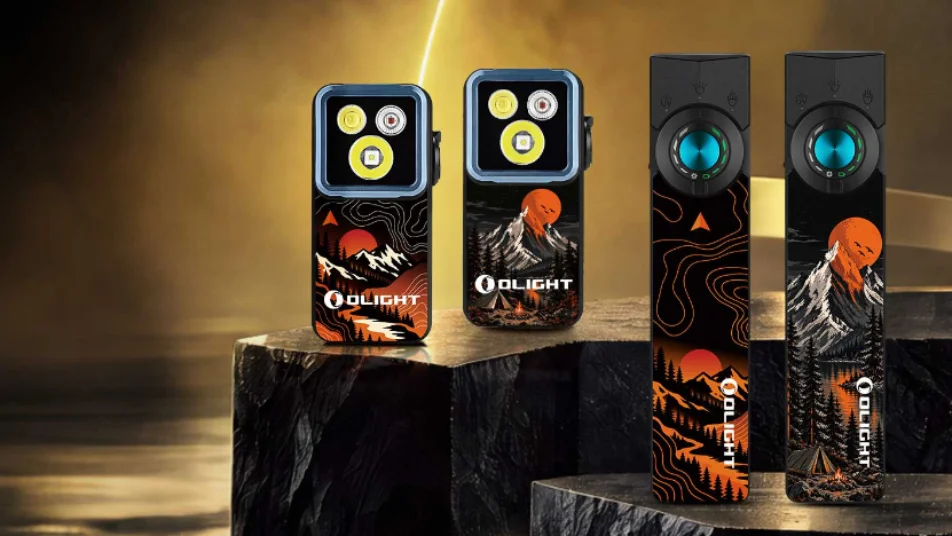
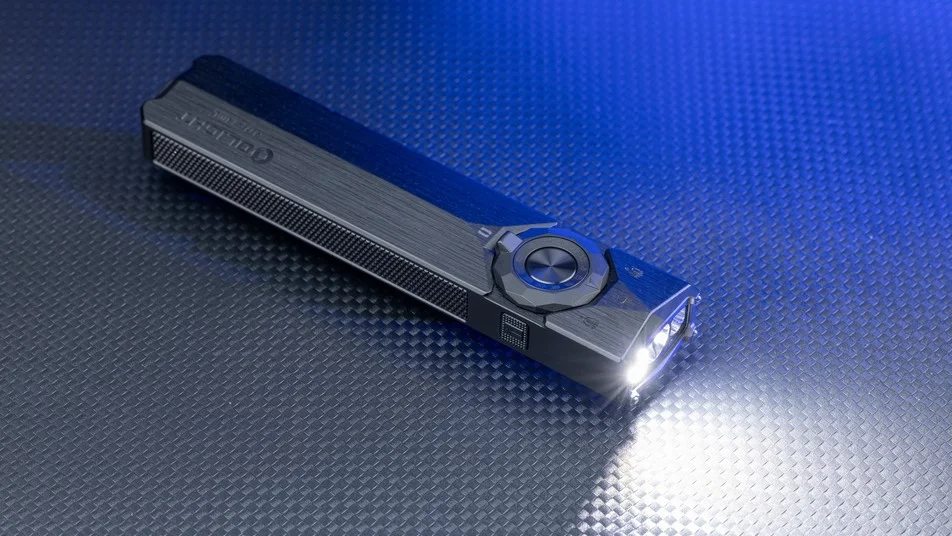
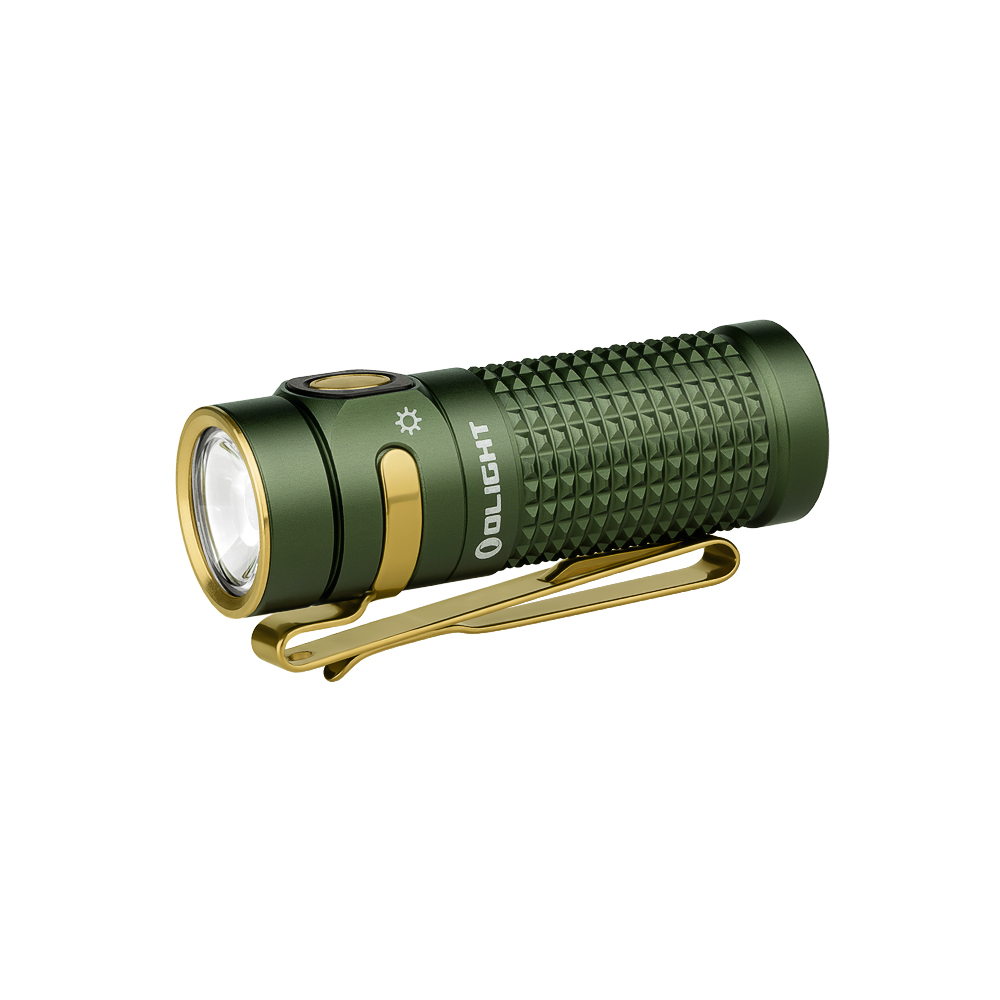
Product examples are not a youth-age endorsement. Olight’s instructions govern each model, and the troop decides what is permitted for the trip. The products below illustrate adult-led roles: a headlamp format for an adult’s hands-free task, a handheld carried by a leader as backup, and a compact light kept under an adult’s control. A parent should verify every model’s current manual before assigning it to a Scout.

Keep tiny lights and loose cells away from youth unless instructions allow
Some compact lights have warnings that change how they should be stored or who should handle them. For example, the manual for the Olight iUltra says to keep the product out of children’s reach to prevent accidental swallowing. Other exact model manuals can prohibit giving a light to children to play with or set separate battery-access limits. Those model-specific warnings are not minor details. Do not suggest these models as Scout handouts or youth gear when their instructions prohibit that use. An adult might store a restricted light for separate adult use, but it must remain inaccessible to children and youth in the group.
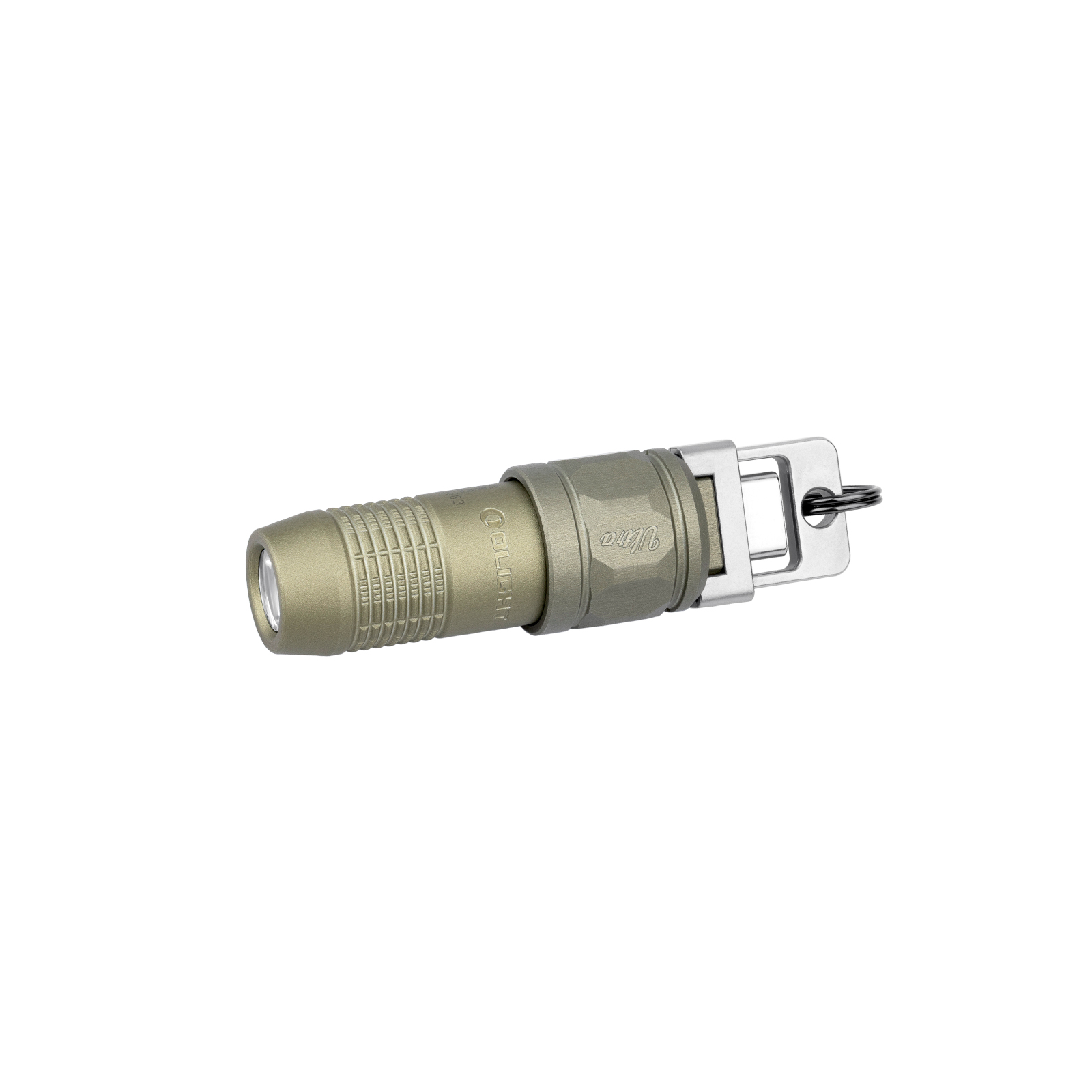
Official U.S. gallery image of the Olive Green iUltra, shown here as an adult-kept model with a manual warning to keep it out of children’s reach.
A safe model comparison therefore includes a “who may handle it?” check alongside switch type, size, and power. Ask whether the light contains a small detachable part, a battery that can be accessed, or a specific warning about children. Review the exact manual, not a similar model’s instructions. Product families can include different designs, cells, charging methods, and warnings. If the intended youth use is not clearly allowed by the official instructions, leave that product out of the Scout’s gear list.
How to use the product examples: the Perun 3 and Baton 4 above are framed as adult-held tools. They should not be repackaged as a universal youth recommendation. A troop may have a leader carry a headlamp for setting up a permitted area and a separate handheld for a backup. Families should choose youth equipment independently by reading its exact instructions and asking the troop leader. This keeps a useful equipment discussion from making unsupported claims about age suitability.
Prepare a trek differently from a campsite
A day hike, overnight campout, and multi-day trek do not create the same lighting plan. A campsite may have an agreed central area, nearby tents, and a short walk between scheduled activities. A trek can mean different terrain, more time between services, limited charging, and a greater dependence on each participant carrying their own essentials. The actual route, group size, weather, and leader plan determine what is required.
For an overnight trek, ask how the group handles lights during movement, how power is managed, and what happens when someone’s device fails. The Scouts BSA program includes youth planning and leadership with adult coaching. An online product list does not replace the trip plan. Make sure the light choice is consistent with the written gear list, the route plan, and the adult-led decisions for that specific trek.
Pack the light where the Scout can reach it without emptying the backpack. Keep any spare power in the storage arrangement prescribed by the manufacturer. A small dry pouch may make the light easier to locate, but do not claim that an ordinary bag makes the product waterproof. For a light used in wet conditions, check the exact model’s ingress rating and instructions, then follow the activity leader’s rules for rain and storage.
At a rest stop, the group can make a brief equipment check while everyone remains together. Does the light return to the same pocket? Can the Scout find it without rummaging? Is the battery indicator still consistent with the device’s instructions? If something is wrong, tell the adult before the next leg. Do not let a youth separate from the group to troubleshoot or look for a replacement on their own.
For a multi-day outing, families should not assume access to charging or spare power. Check the itinerary and ask the leader what is already planned. The manufacturer’s runtime chart may describe a test cycle that differs from intermittent use on a trek. Compare conditions and settings carefully. A high setting, a cold night, or repeated use can affect the useful power available. Use only supported expectations and keep a troop-approved backup plan.
Make night games easier to follow
Night games depend on rules set by the activity leader. Before the group begins, clarify the boundaries, the assigned meeting point, whether lights are allowed, and what signal means the activity has ended. A light can help a leader illuminate a nearby instruction or help a participant find a permitted route. It should not become a homemade tag, search, or signaling device.
A short pre-game briefing can answer the questions that matter: “Where is the regrouping point when the game stops?” “Who remains with the patrol?” “Are lights allowed, and where should the beam point?” Ask the leader to repeat anything unclear. The Scout should not infer permission from seeing another participant turn on a light. One person may be following a special instruction the rest of the group does not have.
If a participant gets confused, stop at the safe place already specified and seek adult direction. Do not run toward a beam, leave the boundary, or try to identify a person by sweeping a bright light across the play area. A fixed, named meeting point is more reliable than a moving light source. If conditions change, the adult leader decides how the activity resumes or ends.
After the game, put the light back in the same location and confirm that the patrol is together before moving. If a light is missing, report it before packing up. The Scout’s job is to follow the established process, not search the campsite alone. A simple closeout avoids discovering the loss after the group has left the site.
Build a gear checklist that answers the right question
A checklist should help a family prepare, not add items the troop has not asked for. Start from the current troop list and mark which items are personal, shared, or supplied by the site. For each light, write the intended user, where it will be carried, what power it uses, and who checks it. If the troop has different lists for a weekend campout and a trek, keep those separate.
| Check | Why it matters | Owner before departure |
|---|---|---|
| Confirm the troop’s current light requirement | Prevents buying or packing gear that the outing does not request | Parent or Scout with the leader |
| Match the exact model to its manual | Keeps warnings, battery type, charging, and storage accurate | Adult |
| Practice on/off and aiming | Lets the Scout learn the normal control without a dark campsite deadline | Scout with adult nearby |
| Choose one repeatable storage spot | Reduces time spent searching a pack or tent | Scout |
| Check charge or compatible spare power | Addresses the actual model and trip length | Adult, following the manual |
| Name the adult backup and meeting point | Gives the patrol a clear response if a light is lost or fails | Leader and adult |
| Review night-activity rules | Prevents a light from conflicting with game or campsite directions | Activity leader |
Do not ask the Scout to memorize a battery chemistry list or perform a repair. The adult can verify what the product uses, whether a spare is allowed, and what the manufacturer says about replacement. Keep packaging and loose cells away from the sleeping area unless the troop and manufacturer instructions allow them there. The more unfamiliar the battery procedure, the more reason to handle it at home with the adult rather than at camp.
A good checklist includes “not applicable.” If a group provides shared lighting, the Scout may need only a personal task light. If the trip is a short evening event, extra charging equipment may add weight without solving a real problem. If the activity is a trek, a small approved spare may matter more than bringing an additional complete light. The point is to fit the gear to the actual schedule.
What is the best flashlight for kids at camp?
For a youth at camp, use only a light that the exact manufacturer instructions allow for that user and that the troop accepts. The Scout should be able to locate, aim, switch off, and store it during a supervised practice. If a model has a warning that restricts children’s access or use, do not assign it to a Scout. An adult should manage charging, batteries, and any restricted equipment.
Age alone does not prove that a specific light is appropriate. Two products in a compact format may have different battery designs, charging arrangements, or warnings. The iUltra manual’s instruction to keep the product out of children’s reach is one example of why families should inspect the exact model. A similar color, shape, or brand does not guarantee the same instruction.
Use a short home routine to check function, not to certify a product for every situation. In a well-lit room, have the Scout take the approved light from its usual pocket, point it at a nearby surface, turn it off, and put it back. An adult should watch whether the control is reliable and the beam remains directed at the task. Do not ask youth to look into a beam or aim it at another person. If the Scout cannot manage the operation, ask the troop leader about an alternative.
For camp, the leader’s arrangement also matters. The troop may require a buddy or other adult-supervised plan for moving between locations. A flashlight cannot change that. A Scout should use the light as directed, stay with the group, and ask the adult if the plan is unclear. If the manufacturer warning excludes the intended youth use, choose another model or let the adult carry that equipment separately.
Frequently Asked Questions
Changelog
- November 19, 2026: Reviewed Scouts BSA camping and hiking references, the current adult-led planning approach, official product details, and exact model warnings. Replaced unsupported field-test promises with a practical troop-preparation guide.