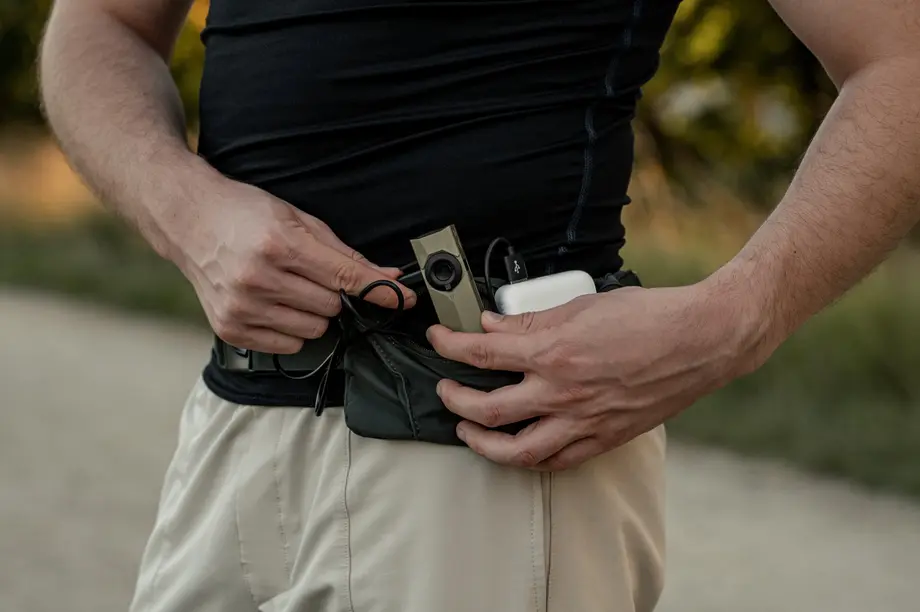
TL;DR: In 2026, EDC expands beyond essentials into safety-focused, multifunctional tools. The Olight Oclip Series and broader lineup redefine flashlights as stylish lifestyle accessories, blending performance with everyday usability. While enthusiasts debate tint, CRI, and battery types, Olight prioritizes convenience through innovations like dual charging, compact design, and versatile lighting modes. Models such as the Oclip Pro, ArkPro, and Baton 4 Pro deliver practical, reliable illumination for safety, gifting, and outdoor adventures, making them ideal modern EDC companions.
Table of Contents
1. Understanding the Flashlight Enthusiast Community
2. Common Criticisms of Popular Flashlight Brands
3. The Trade-Offs: Why Brands Make Certain Choices
4. Are These Criticisms Valid for Average Users?
When we think about everyday carry (EDC), we often think of the essentials: keys, wallet, phone. However, in 2026, the definition of a "prepared partner" or a "thoughtful explorer" has evolved. Safety and utility have moved to the forefront, especially for those looking to gift something truly meaningful to their loved ones. The Olight Oclip Series and the broader brand story of Olight represent a shift in how we perceive lighting tools—moving from industrial hardware to stylish, multi-functional lifestyle accessories.
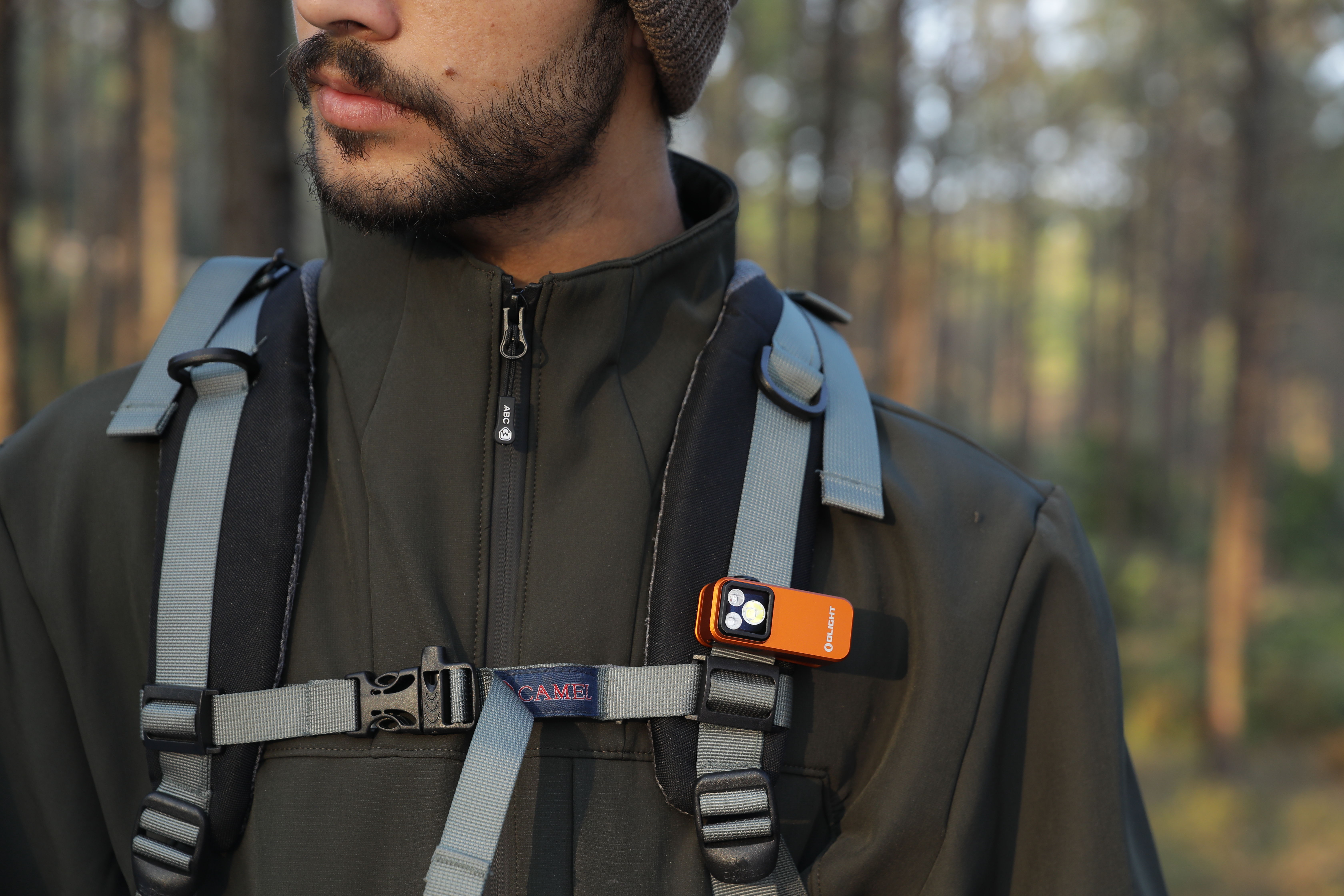
Whether you are a woman looking for a reliable safety tool for your partner, a couple who loves evening hikes, or a thoughtful gifter, understanding the nuances of the flashlight world helps you make a better choice. To appreciate why the Oclip Pro is making waves, we first need to look at the passionate community behind these tools.
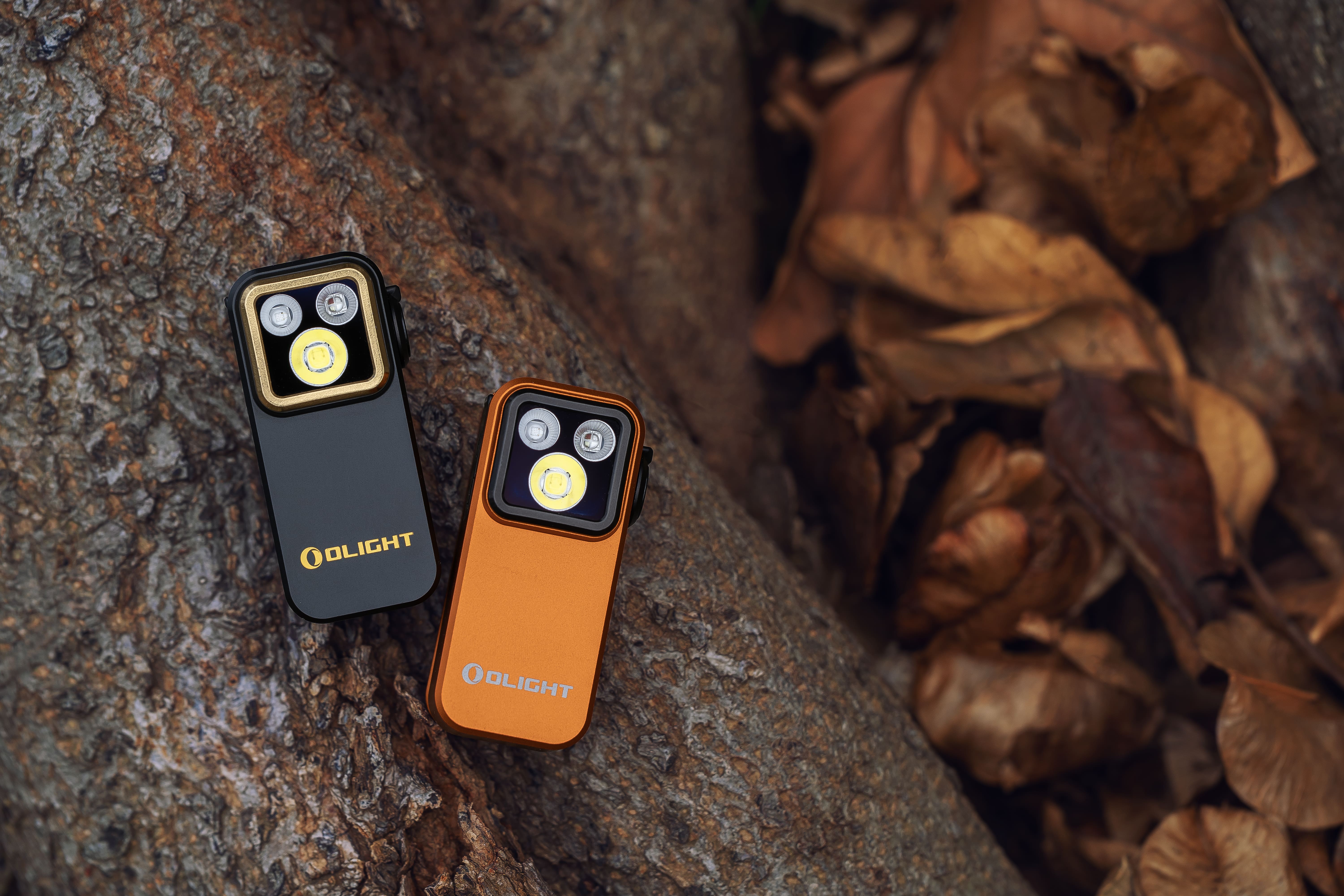
Understanding the Flashlight Enthusiast Community
The flashlight world is far more diverse than many realize. It isn't just about "turning on a light." It is about precision engineering, light quality, and reliability.
Who Are Flashlight Enthusiasts and What Do They Value?
Flashlight enthusiasts, often called "flashaholics," are individuals who treat lighting as a hobby and a critical utility. They value technical specifications like lumen output, throw distance, and battery chemistry. But more importantly, they value the "quality" of light. To an enthusiast, a light that is too blue or too yellow can be a dealbreaker. They look for durability, intuitive interfaces, and innovative form factors.

For the average user or a couple planning an outdoor trip, these enthusiasts serve as the "guardians of quality." They test these tools to their limits, ensuring that when you buy a gift like the ArkPro Series, you are getting a device that won't fail when you need it most.
Common Criticisms of Popular Flashlight Brands
Even with high-end brands like Olight, the enthusiast community can be vocal. Understanding these criticisms helps you see why Olight has introduced specific innovations in their 2026 lineup.
| Topic | Enthusiast Concern | Olight Innovation |
|---|---|---|
| Charging | Proprietary cables only | Dual Magnetic + USB-C options |
| Light Tint | "Cool" blueish light | Neutral & Warm White options |
| Battery | Non-standard sizes | High-discharge optimized cells |
Proprietary Batteries vs Standard Cells
One frequent point of debate is the use of proprietary batteries. Enthusiasts often prefer "standard" cells that can be swapped across different brands. However, Olight often uses specialized batteries to enable advanced features like higher discharge rates for massive brightness or integrated charging circuits. For a casual user, a proprietary battery often means better safety and guaranteed performance, though it limits third-party replacements.
Magnetic Charging vs USB-C
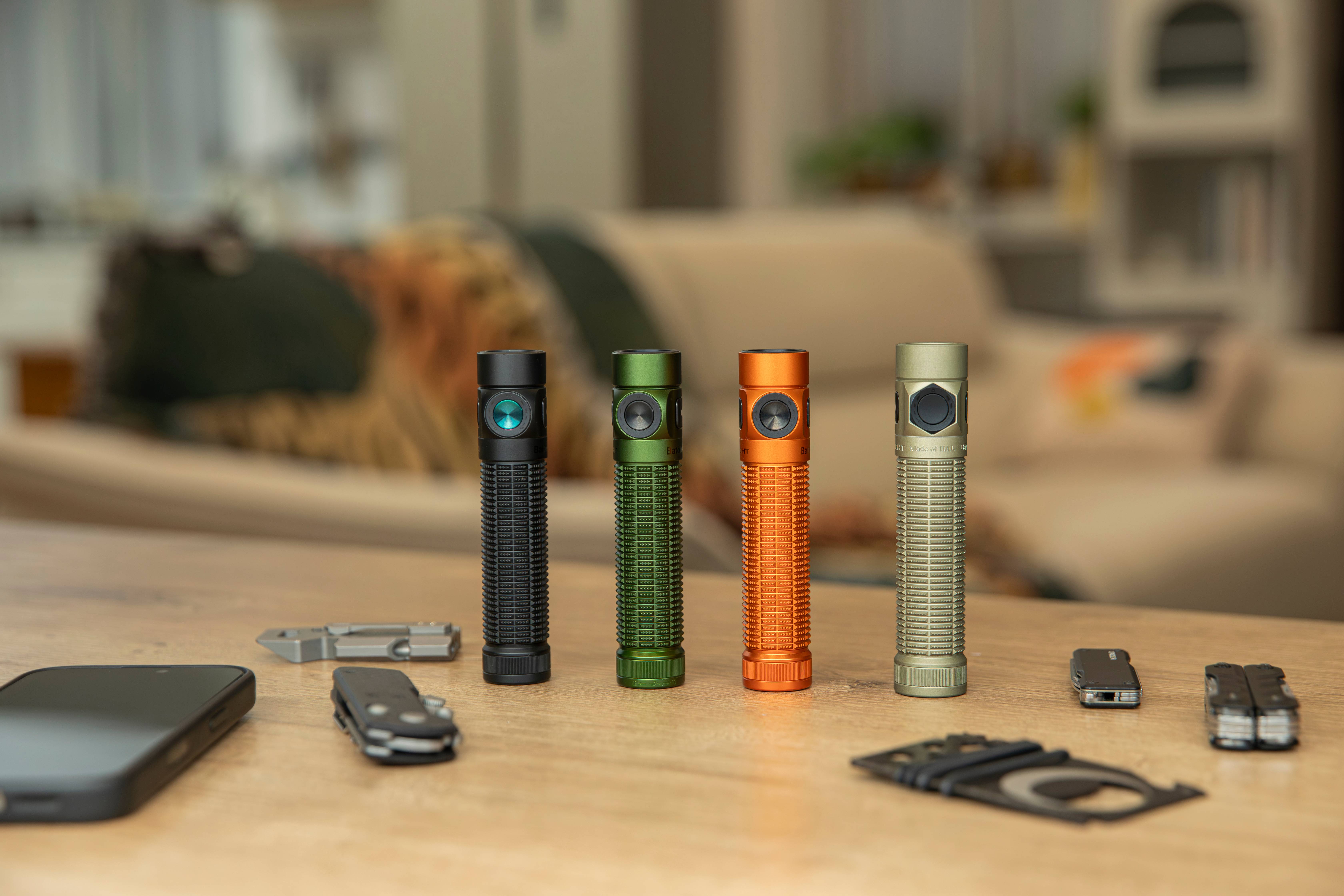
Olight is famous for its magnetic charging (MCC). It is incredibly convenient—just click and charge. Critics, however, argue that if you lose the special cable, you're stuck. In response, the 2026 models like the Baton 4 Pro now offer "dual charging." You get the convenience of the magnetic dock at home and a hidden USB-C port for when you are traveling.
Cool White Tint vs Neutral/Warm White
Most mass-market lights use "Cool White" (CW) LEDs because they are brighter and more efficient. Enthusiasts often prefer "Neutral" or "Warm" tints because they represent colors more accurately and are easier on the eyes at night. Olight has listened, offering Neutral White options in many of their newer releases to satisfy those who prefer a more "natural" feel to their nighttime vision.
Low CRI vs High CRI
CRI, or Color Rendering Index, measures how accurately a light source reveals the true colors of objects. High CRI lights make a forest look vibrant and help you distinguish between a brown stick and a copperhead snake. While standard LEDs prioritize brightness over color accuracy, specialized models in the Olight Oclip Series are designed to provide cleaner beams for specific tasks.
The Trade-Offs: Why Brands Make Certain Choices
Designing the perfect everyday carry light is an exercise in compromise. If you want more power, you usually need a bigger body. If you want a more natural light color, you often lose a bit of maximum brightness.
Balancing Performance, Cost, and User Experience
Olight focuses on the "User Experience." For most people, having a light that is easy to charge and fits comfortably in a pocket is more important than having a specific type of LED. This is why the brand story focuses so much on "C.O.R.E"—Craft, Originality, Robustness, and Elegance.
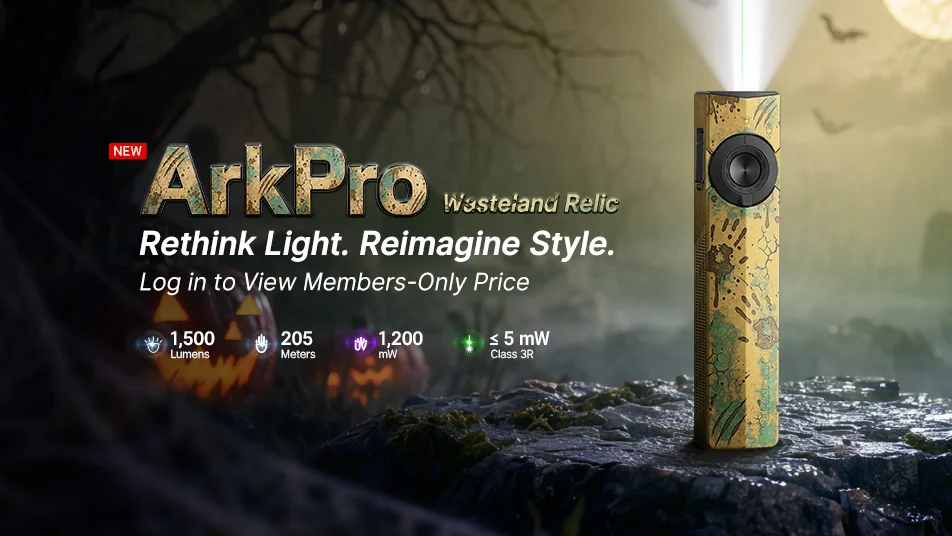
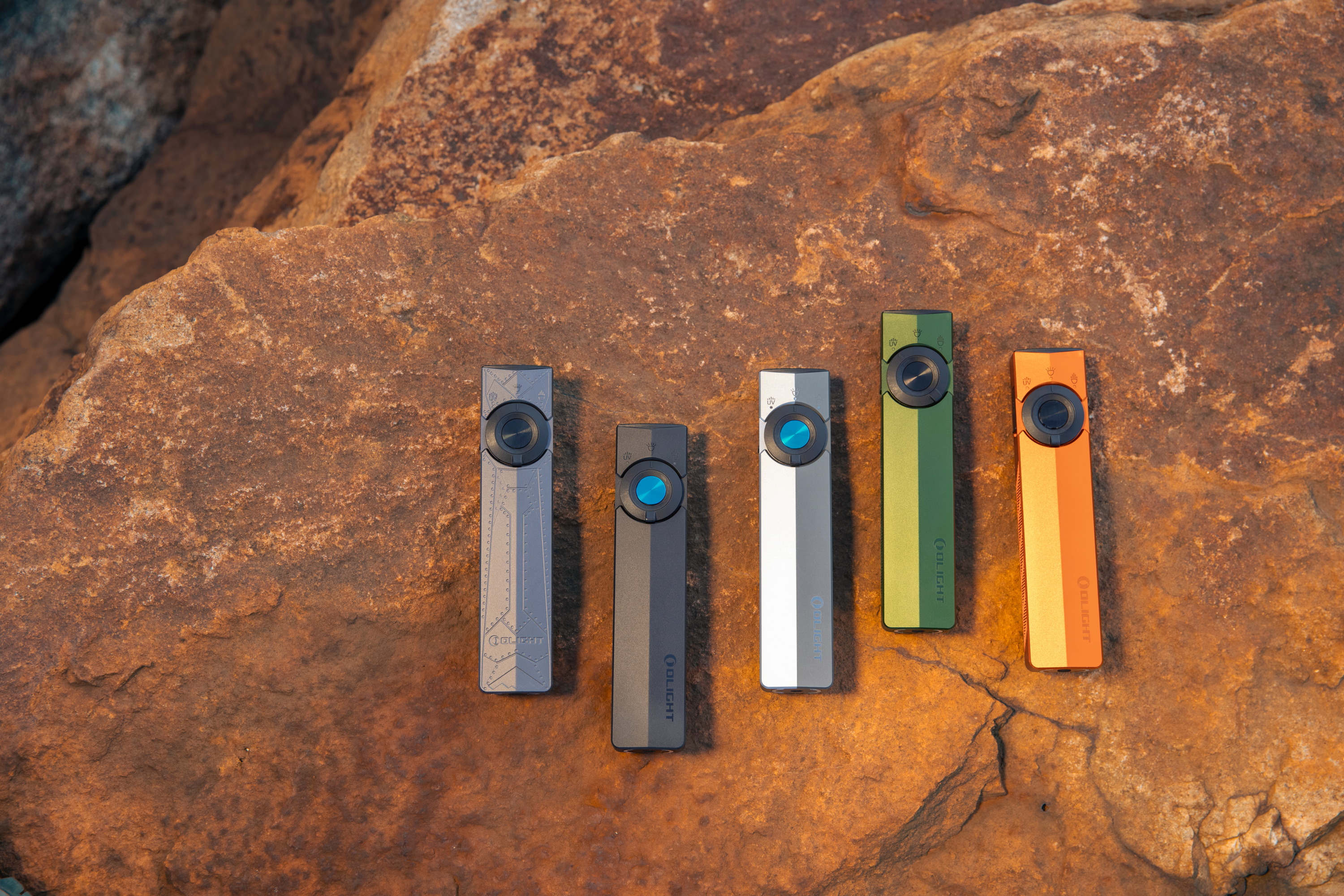
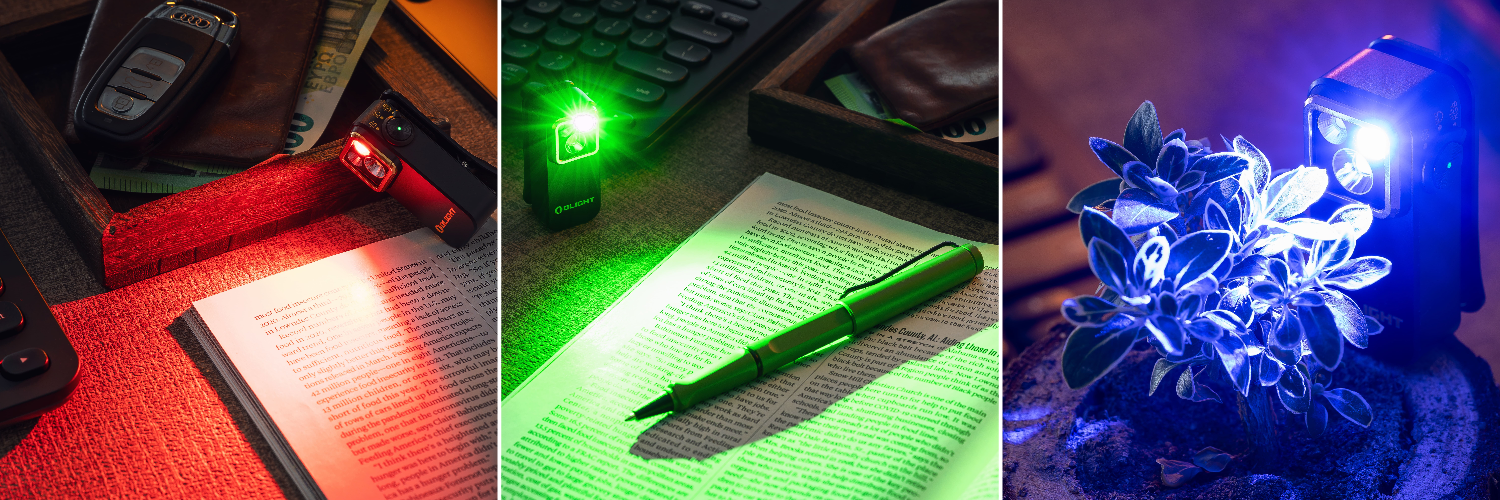
For example, the ArkPro Series Antique Green edition isn't just a tool; it's stone-washed and finished to look like a vintage heirloom. It balances high-tech features like a green laser and UV light with a design that feels premium in the hand. The brand chooses to invest in high-quality materials like O-aluminum (which is 1.73x harder than standard aluminum) because they know their users value a tool that can survive being dropped on a trail or scratched by keys.
Are These Criticisms Valid for Average Users?
If you are buying a light for your partner's safety or as a gift for a camping-loving couple, many of the enthusiast-level criticisms might not apply to you.
- Charging: While enthusiasts might want "standard" batteries, most users love the simplicity of plugging in a USB-C cable or snapping on a magnet.
- Tint: Unless you are a professional photographer or a hunter tracking blood trails, "Cool White" is perfectly fine for finding a lost dog or checking a dark alley.
- Interface: Olight spends a lot of time making their lights "intuitive." A simple rotary switch or a clip-on design like the Oclip Pro is far easier for a non-expert to use than a complex, programmable enthusiast light.
For the average user, the Olight Oclip Series offers exactly what is needed: a light that is there when you need it, easy to find in a bag, and powerful enough to light up a whole room during a power outage.
Frequently Asked Questions (FAQ)
Why do flashlight enthusiasts criticize certain popular brands?
Enthusiasts often have very specific requirements for light "tint" (color) and want the ability to repair or modify their lights using standard parts. Popular brands prioritize ease of use, sleek design, and mass-market reliability, which sometimes requires proprietary parts.
Are proprietary batteries or charging systems a real disadvantage?
It depends on your use case. For most people, it's an advantage because the manufacturer has optimized the battery for that specific light's performance and safety. However, if you are planning a month-long trip away from electricity, you might prefer a light that takes standard AA or 18650 batteries.
What is the difference between high-CRI and low-CRI flashlights?
High-CRI (Color Rendering Index) lights allow you to see colors more accurately, which is great for electrical work or nature photography. Low-CRI lights are usually brighter and more energy-efficient, which is better for general safety and long-range visibility.
Conclusion: Choosing What Works for You
The Olight Oclip Series and the 2026 lineup represent the pinnacle of modern everyday carry flashlight. By combining the feedback of the enthusiast community with the needs of everyday users, Olight has created tools that are as beautiful as they are functional.
If you are looking for a gift that says "I care about your safety," the Oclip Pro or the Baton 4 Pro are excellent choices. They move beyond being simple "flashlights" to become essential companions for the modern adventurer. Whether it's the 1,500-lumen floodlight of the ArkPro Series or the 365nm UV light for checking hotel cleanliness, these tools are designed to solve real-world problems.
When choosing your next light, don't get bogged down in the technical debates unless you enjoy the hobby. Instead, look at how the tool fits into your life. Does it clip to your hat for hands-free work? Does it charge easily? Does it feel like a quality piece of equipment? If the answer is yes, you've found the right light. The brand story of Olight is one of constant improvement, and in 2026, that story is brighter than ever.