



TL;DR: A useful college dorm emergency kit starts with a flashlight, phone charging, basic first-aid supplies, water and any personal medication, plus a printed contact card. Check the housing rules and campus alert instructions before move-in. Keep essentials easy to reach, but never delay an evacuation to collect them.
📋 Table of Contents
- 1. What belongs in a survival kit for a college freshman?
- 2. Check campus housing rules before packing
- 3. Power outage, fire alarm, or shelter-in-place: use the right plan
- 4. Charging, storage, and why a candle is the wrong backup
- 5. Build the kit in stages instead of buying a mystery bundle
- 6. Keep personal and shared supplies clearly assigned
- 7. Make a contact card that still helps when a phone does not
- 8. Prepare for an alarm without turning the kit into luggage
- 9. Keep the kit small enough to maintain
- 10. What are some must-haves for a freshman at college?
- 11. What to put in a college freshman care package?
- 12. What is a good gift for a freshman in college?
- 13. Frequently Asked Questions
What belongs in a survival kit for a college freshman?
A freshman’s dorm kit should cover ordinary power interruptions, quick access to personal essentials, and clear next steps if campus officials issue an alert. Begin with one reliable flashlight, a charged phone and compatible charging option, basic first-aid supplies, water, needed medication, and a paper card with emergency contacts. Then check what the room allows and where residents are told to go.
| Item | What it helps with | Personal or shared? | Before move-in |
|---|---|---|---|
| Flashlight | Finding belongings or moving around a dark room during an ordinary outage | Personal; agree on a shared spare if roommates want one | Check charging method, controls, and the place it will be stored |
| Phone and charging option | Receiving campus updates and contacting people | Personal | Save campus alert instructions and keep a compatible cable or charged power bank |
| First-aid basics | Minor everyday needs, within the student’s training and campus guidance | Usually personal; do not assume the roommate has supplies | Replace expired items and include personal needs |
| Water and medication | Personal routine and short interruptions | Personal | Follow care instructions for medicines and any special storage requirements |
| Emergency contact card | Having key numbers if a phone is unavailable or out of power | Personal | Add campus emergency contact, a trusted person, and relevant medical information |
| Small pouch or organizer | Keeping the essentials together and easy to find | Personal | Choose a place that does not block a door, path, or required room equipment |
This is a planning list, not a promise that one pouch covers every emergency. A student who uses mobility equipment, prescription medicine, refrigerated treatment, assistive technology, or a service animal may need a separate plan with campus disability services or a health professional. An item that works for one person can be useless or unsafe for another. Build around actual needs and the instructions attached to them.
A compact kit should be easy to find without becoming one more unpacking project. Put it in one consistent spot, such as a desk drawer or the front of a closet shelf, as long as that location stays clear of the exit and any equipment that must remain accessible. Roommates should know where shared items are, but each resident should maintain their own phone, medication, and contact information.
Check campus housing rules before packing
Dorm policies are not interchangeable. The University at Buffalo’s Campus Living Standards prohibit candles, incense, and open flames, and tell residents to evacuate whenever an alarm sounds. The University of Missouri permits only electric or battery-operated candles; its residence hall policy directs residents to ask a Residence Hall Coordinator if an item’s status is unclear. Duke’s what-to-bring guidance lists candles, incense, and open flames among prohibited items. Texas Tech’s residence hall policies say candles and incense are not allowed in student rooms or public areas, whether lit or unlit.
Those examples show why “a dorm-safe emergency kit” cannot be defined by one universal shopping list. A battery-operated object may be allowed where a candle is not, but a campus may have separate rules for battery size, chargers, appliances, or storage. Even when one policy permits an item, a room contract, building-specific rule, or current instruction may add a restriction. Verify the current housing handbook and ask the housing office before buying or bringing anything unclear.
Start with the school’s official housing or residential-life website. Search the current year’s handbook for terms such as “candles,” “open flames,” “portable battery,” “power bank,” “charging,” “extension cords,” and “prohibited items.” Check the version date and whether the policy applies to a residence hall, apartment, or a particular building. If the wording does not answer your question, ask the housing office in writing and keep the response with your move-in information.
Do not assume that a resident assistant can waive a written rule or that a product’s marketing label settles the policy. A device described as a “lantern,” “warmer,” or “candle” can be classified by how it operates rather than by the label on its box. The housing office is the right place to clarify an uncertain item. A family member can help compare the rules with a proposed purchase before move-in day, when there is still time to choose an allowed alternative.
Emergency lighting should not depend on an open flame. The U.S. Fire Administration’s severe-weather fire-safety guidance says never to use candles for emergency lighting and recommends flashlights and extra batteries. The University at Buffalo’s Campus Living Standards give one local example by requiring evacuation whenever an alarm sounds. Follow the equivalent rule for the student’s own building.
Power outage, fire alarm, or shelter-in-place: use the right plan
An outage, an evacuation order, and a shelter-in-place instruction call for different responses. A light can make a familiar room easier to navigate. It does not determine whether residents should leave, remain inside, move to a different area, or contact emergency services. Campus alerts, alarms, and staff instructions decide that. Keep the relevant information on the phone and on the contact card, and do not make roommates guess which source to follow.
During an ordinary power outage
If the lights go out and there is no evacuation or shelter instruction, pause before moving. Use a flashlight rather than an open flame, check the campus alert channel, and find out whether the outage is limited to the room or building. Keep the phone available for official messages and essential contact rather than using its screen as the only lamp. A handheld light can point at a specific object or route while leaving the phone free for communication.
If the outage lasts, avoid repeatedly opening the refrigerator or letting a group drain every phone battery on video or games. Check any medication storage instructions rather than assuming a short outage has no effect. If the room becomes unsafe or a necessary powered device is affected, contact the campus office or emergency number named in the official plan. Do not improvise with a stove, candle, or heating appliance to make light or warmth.
When a fire alarm or evacuation message sounds
Leave when the alarm or an official instruction requires it. Do not stop to retrieve a survival kit, charge a phone, finish a conversation, or collect belongings. A flashlight is useful if it is already in hand or within immediate reach, but it must not delay leaving. Follow posted routes and staff directions. Do not use an elevator unless emergency personnel explicitly direct otherwise. Once outside, go to the designated meeting point and use the campus’s check-in process.
Campus route maps and assembly points are local. Learn the route shown in the room and the check-in point in the current housing handbook. Do not assume the shortest route on a phone map is the approved exit, and do not reenter because a text message or roommate says the alarm is probably over. Wait for the all-clear or explicit direction from campus staff or emergency responders.
Keep hallways, doorways, and the area around alarms or other safety equipment clear. A bag placed beside the door can become a trip hazard or obstruct someone else’s route. The best location for a dorm kit is reachable during normal use but out of the way. A neatly packed emergency bag is not helpful if it makes the exit harder to use.
When campus officials say to shelter in place
A shelter-in-place message means follow the specific instructions in the alert. Do not leave the building for supplies simply because they are stored in another room or a nearby store. Keep your phone, charger, medication, water, and contact card together if those items are already with you. If officials direct residents to a designated area, move as instructed and bring only what the message permits without slowing anyone down.
Do not turn a general emergency checklist into a substitute for the campus alert. The same flashlight that helps during a routine outage may be unnecessary or inappropriate in another situation. Keep it available, use it only as the setting permits, and follow the current instructions from campus emergency management. If an alert is unclear, use the listed campus contact or emergency line rather than relying on rumors in a group chat.
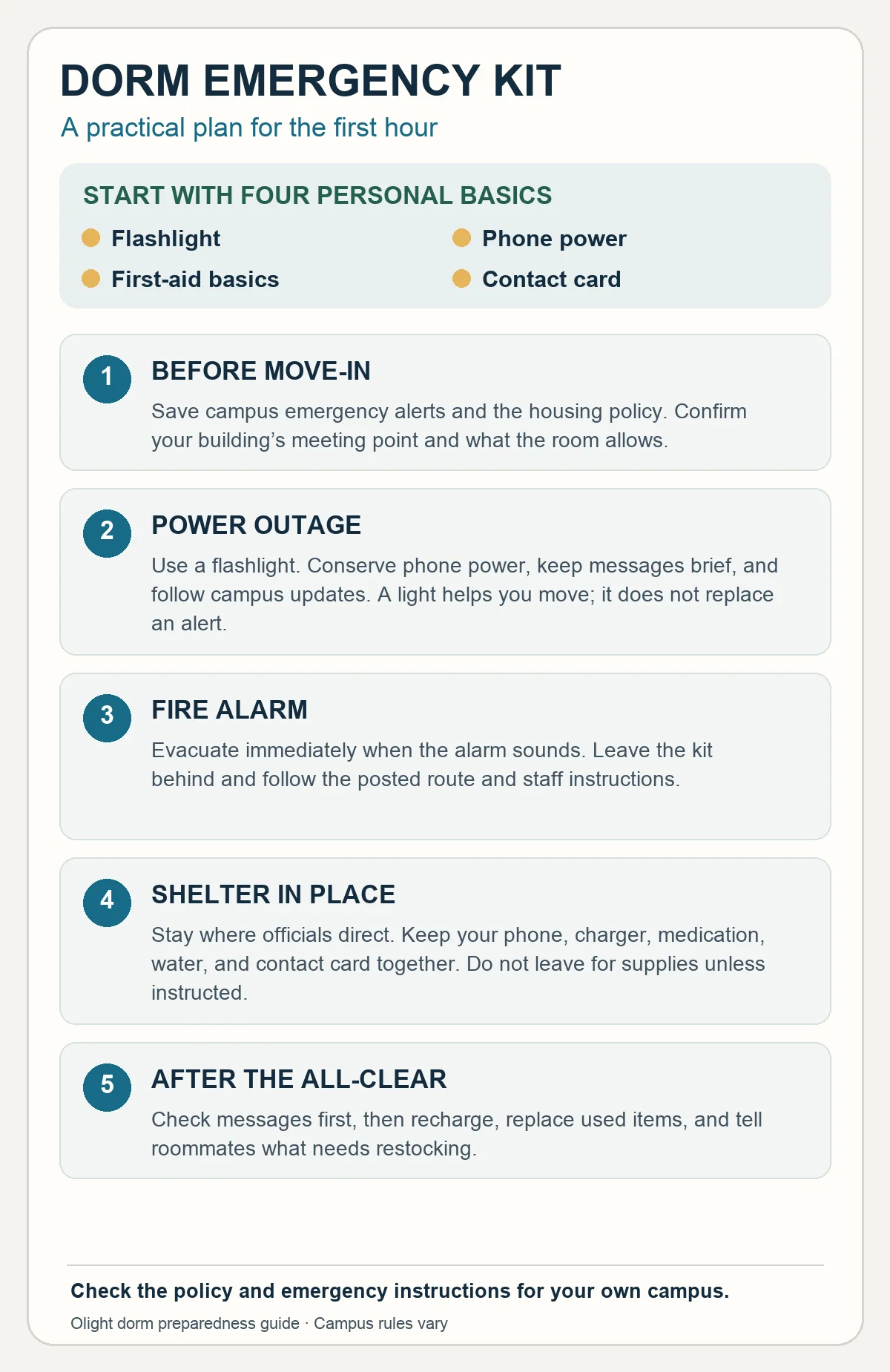
The sequence is a planning aid; follow your campus’s current emergency instructions.
Charging, storage, and why a candle is the wrong backup
A flashlight is only useful if its power plan makes sense. A rechargeable light needs a compatible charging arrangement and a habit of checking its charge before it is needed. A light with replaceable batteries needs the correct type and a safe way to store spares. In either case, read the product manual rather than guessing from a cable that happens to fit.
A power bank is another useful layer, but it is not an infinite source. Check its charge before a trip or severe-weather alert, keep the right cable with it, and avoid leaving it buried under heavy luggage. If the campus restricts a particular battery or charger, that rule controls. Do not use damaged cables, swollen batteries, or an adapter that the manufacturer does not specify. Stop using questionable equipment and follow the manufacturer’s directions.
For a rechargeable flashlight, designate one place for its cable or charging accessory and keep that area dry, ventilated, and free from bedding or paper. Follow the model’s charging instructions and do not cover a charging device. If the charging method uses a proprietary cable, label it or store it with the light. A generic cable that fits one port does not necessarily provide the correct charging method for every product.
A simple calendar reminder can help a student check the light before a long break, move, or trip. Choose a reminder that fits the product’s manual and the student’s actual use. There is no universal dorm rule that every flashlight must be topped up weekly or monthly; the appropriate interval depends on the device, its charge state, and how it is used. A reminder to inspect and recharge when needed is more honest than a one-size-fits-all schedule.
Keep a light where it can be found in the dark, but do not attach it to fire equipment, cover a room’s posted map, or store it where it blocks an exit. A keychain light can live with keys, while a larger handheld can have a known spot by the desk. Put the charging accessory beside the device or mark its container. A roommate should be able to find a shared backup without rummaging through somebody else’s private belongings.
Build the kit in stages instead of buying a mystery bundle
A college freshman survival kit can be assembled from ordinary items already packed for school. Start with essentials the student needs personally. Add a shared-room layer only after roommates agree on what is useful, allowed, and assigned. This avoids paying twice for items everyone already owns and makes it less likely that an important item is assumed to belong to “someone else.”
| Stage | Contents | Why this stage exists | What to verify |
|---|---|---|---|
| Personal basics | Flashlight, phone charger, required medication, water, first-aid basics, contact card | Gives each student a minimum set they can locate and maintain | Campus policy, medication instructions, compatible charging |
| Shared-room additions | Spare permitted light, spare phone cable, small first-aid refill, printed building contacts | Helps roommates coordinate when both agree to share the items | Who owns it, where it stays, who replaces used supplies |
| Personal-needs additions | Eyewear, assistive-device power plan, service-animal supplies, specific health items, additional water | Accounts for needs a generic list cannot predict | Advice from the relevant professional or campus accessibility office |
This is a useful budgeting structure even if no dollar total is shown. The costs of medication, accessibility needs, supplies already owned, and campus-provided resources vary too much for a universal “complete kit” price. Buy only what is missing. Check whether the school provides a first-aid station, emergency information card, or other item before ordering a duplicate. If a student has a tight budget, safety does not require a coordinated matching set.
Prices for Olight products below are dated observations from official U.S. product listings captured on November 5, 2026. They are not a current checkout quote, a kit total, or a promise of availability. Other essentials may already be owned or provided by campus. A reader should verify the listing and the campus rules before purchasing.
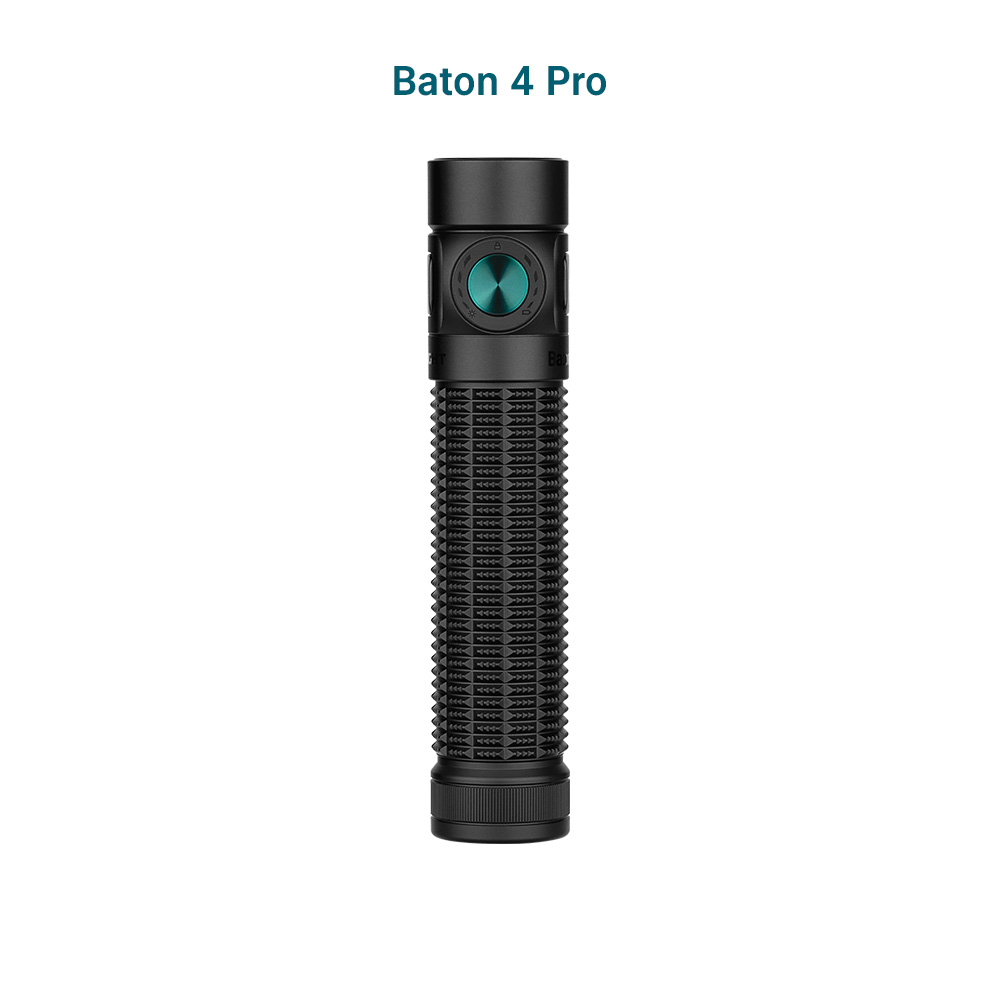
A fuller-size handheld can be easier to locate than a tiny light, but it still needs a place where it will not disappear under books or clothes. Before move-in, decide whether it belongs in the top desk drawer, a labeled organizer, or another clear location. Test the control in ordinary lighting and learn the charging routine. No one should need to figure out a new interface for the first time during an outage.
For someone comparing a flashlight for everyday carry with a dorm light, the key question is not the highest output printed on the page. It is whether the actual size, control, power plan, and storage spot fit the task. A compact flashlight that remains charged and easy to reach can be more practical than a larger option that is usually packed away. Match the choice to the student, not to a generic chart of maximum numbers.
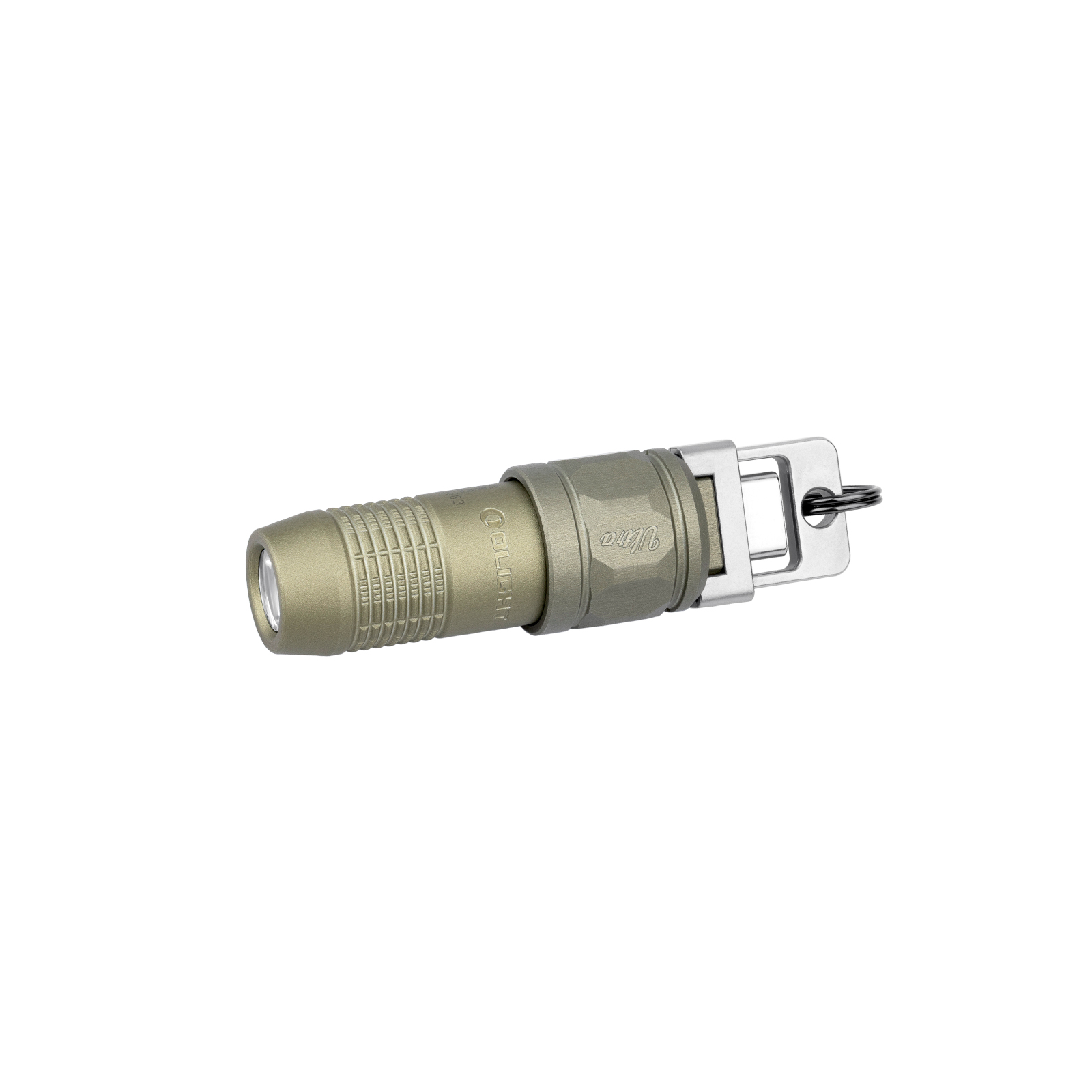
A keychain light can help locate a lock, identify a zipper, or read a label if the room is dim. It may not be the best primary light for every student or setting. A student can compare it with a larger rechargeable flashlight by considering what they will keep on their person, what will stay in the room, and how each model is charged. Product choice should account for the permitted charging setup and the student’s own needs.
The official U.S. listing showed 80 lumens and a 50-minute runtime for the iUltra; those published figures describe the product listing, not an independent test of how it will light a particular dorm room. Beam direction, room layout, surface colors, and task all affect what a person can see. For this guide, the relevant choice is a small backup that is easy to locate, with the model’s real operating information available before use.
Match Dorm Lighting to the Situation
The matrix below connects familiar dorm scenarios with the preparation that matters most, while leaving each campus’s response instructions in control.
| Dorm situation | Useful item or preparation | Product fit | What decides the actual response |
|---|---|---|---|
| Routine outage in a familiar room | Permitted flashlight, charged phone, campus alert access | A dedicated handheld can illuminate nearby tasks while the phone remains available | Campus notices, room layout, and whether the outage creates a safety concern |
| Moving through a room to find essentials | One known light location and a clear path | A keychain light may help locate a small item; a handheld offers a different form factor | The resident’s vision, mobility, and current conditions |
| Fire alarm or evacuation notice | Follow the exit route and staff directions immediately | A light can help only if it is already at hand and does not delay departure | The alarm, official message, posted route, and emergency personnel |
| Shelter-in-place notice | Keep communication and personal essentials accessible as instructed | Product selection is secondary to the campus direction | The exact alert and designated location |
| Shared-room planning | Agree on one shared spare and one owner for restocking | A personal light remains separate from a shared item | Roommate agreement and campus policy |
Do not read this table as a ranking of brightness or as a claim about a fixed room size. A manufacturer’s specification and a use case answer different questions: the specification describes what the manufacturer publishes under its stated conditions, while a resident’s view depends on room layout, surfaces, obstructions, and the task at hand.
Keep personal and shared supplies clearly assigned
Roommates often arrive with overlapping shopping lists and different assumptions. One student may think “the kit” is a shared item; another may expect each person to bring their own. A ten-minute conversation before move-in prevents the most predictable gaps. Ask what each person already has, what the room permits, where any shared item will live, and who will replace what gets used.
Use a short inventory with three labels: personal, shared, and campus-provided. Personal items include each resident’s phone, medication, contact list, and required accessibility supplies. Shared items might include a spare light or a small first-aid refill kit if both residents want one. Campus-provided items could include posted building maps or a residence-hall emergency contact. Verify that the resource is actually provided before leaving it off a personal list.
Avoid creating a shared box that no one owns. If the roommates agree on one spare flashlight, name the person who checks it before a break and the person who replaces it if it is lost. If both people want separate lights, that may be simpler. Shared ownership should not turn into shared uncertainty.
A roommate note can be practical without disclosing private health information. It can say where the shared spare is stored and how to contact one another. Each student should keep personal medication details and medical contacts in a way that respects privacy. A roommate can offer help, but should not be expected to diagnose a problem or make emergency decisions beyond their training. The campus plan and emergency professionals remain the appropriate authorities.
Make a contact card that still helps when a phone does not
A small paper card can hold the information a student may need without unlocking a phone: campus emergency number or campus police contact, residence hall front desk, a trusted person, and a concise note about any critical personal need the student chooses to record. Keep it private and current. Do not write passwords, full payment-card numbers, or sensitive details that are not needed for the card’s purpose.
A printed card also helps when a phone is low on power or being used to read an alert. A roommate can keep their own contact card rather than depending on a photograph of someone else’s. If a student has an accommodation or communication plan, use the specific contact and instructions established with campus staff. The card is a prompt, not a replacement for calling emergency services when needed.
Review the card at the start of each term and after a housing move. A desk phone, building office, emergency line, and resident-assistant contact may differ across campuses. Use the official directory, not an old number from a group chat. If the school publishes a printed evacuation map or emergency guide, keep it available in the room as directed and never cover or remove a posted copy.
Prepare for an alarm without turning the kit into luggage
The purpose of the kit is to make routine preparedness simpler, not to encourage students to carry a backpack during every alarm. Keep essentials in a stable location, but do not build a complicated “grab bag” that delays action. If an evacuation message arrives, follow it. A product feature cannot change the order of priorities set by the official notice.
Before the term begins, look at the evacuation map and identify the exit shown for the room. Notice the meeting point and any instructions about checking in. If the posted map is missing or unclear, ask housing staff. Do not block the map with a poster or leave decorations where they hide it. Confirm the alarm and evacuation rule in the current housing guidance for the student’s own building; one school’s policy is not a substitute for another campus’s plan.
A flashlight can help with a quick look at a familiar threshold or a dropped item during an ordinary outage. It is not a reason to enter smoke, investigate an unknown alarm, or go back into a building. A room light, phone, and first-aid pouch are all secondary to leaving when the instructions say to leave. That distinction deserves one clear roommate conversation rather than a paragraph of gear speculation.
After an all-clear, check official updates before returning to a room or restoring normal activity. If housing or emergency staff have closed an area, follow that restriction. Replace anything used, recharge devices according to their manuals, and note any missing item while it is fresh. A short reset makes the kit useful again without turning it into a large project.
Keep the kit small enough to maintain
A dorm kit is not more prepared because it contains more objects. Every extra device creates another charging, storage, and policy question. Choose a flashlight the student will maintain, one phone power plan that fits their actual devices, basic first-aid supplies they know how to use, and personal essentials. Add more only when a campus instruction or individual need justifies it.
A useful check has four questions: Can the student find it quickly? Is it permitted in this room? Does it work with the correct charging or storage method? Does it support the task without distracting from an official instruction? A “yes” to all four is a better buying criterion than chasing a large box full of items with no assigned place.
The total budget cannot be responsibly summarized as one universal dollar amount. Some students already own a phone charger, water bottle, first-aid kit, or flashlight. Others may need a prescribed item or an accommodation that changes the budget entirely. The two Olight prices above are dated listing observations for two individual products. They are not a claim that either item is required or that the listed prices remain available today.
If a family is buying a care package, choose items that fit the student’s room and routines. A small flashlight, a cable the student can actually use, a refillable water bottle if allowed, shelf-stable snacks if storage rules permit them, and a handwritten contact card can be more useful than decorative objects. Check dietary needs and housing rules before sending food or equipment. Ask the student what they are missing rather than assuming the most expensive item is the most helpful.
What are some must-haves for a freshman at college?
Start with the items that protect the student’s own routine: phone and a compatible charger, needed medication, a small first-aid supply, drinking water, a flashlight, and a contact card. Then add campus-specific details, such as the alert channel, building contact, and evacuation map. Housing rules and personal health needs decide what belongs beyond those basics.
The core list should stay short enough to use. The best version names a real owner for each item and a place to keep it. “Emergency supplies” is vague; “flashlight in the top desk drawer, phone charger in the backpack, contact card in the wallet” can be acted on. A student can build from the table above without buying a pre-packed set.
What to put in a college freshman care package?
Choose a few items that will be used and allowed: a charging cable matched to the student’s phone, a compact flashlight if one is missing, shelf-stable snacks that respect dietary needs, and a written note with important contacts. Ask first about room restrictions, shared storage, and items the student already owns. Keep the package practical rather than adding an unapproved appliance or open-flame product.
A care package can also include nonphysical help: a printed copy of the campus contact list, a reminder to save emergency alerts, or a plan to check in after move-in. If the student already has a complete kit, replenishing a consumed supply or giving them a convenient organizer may be more useful than duplicating equipment.
What is a good gift for a freshman in college?
A good gift solves a need the student has identified and fits their room rules. A flashlight can be a practical choice if they do not already own one, while a compact keychain light can serve as a secondary convenience. Verify the exact model, charging method, price, and housing rules before buying. A gift card or a conversation about move-in needs may be the better choice when the details are uncertain.
If selecting a specific Olight product, compare the Baton 4 Pro as a dedicated handheld with the iUltra as a small keychain backup. The two products serve different form factors, and neither removes the need to follow campus emergency messages. Choose the option that suits the student’s actual routine rather than treating any light as mandatory equipment for every dorm resident.
Frequently Asked Questions
Changelog
- November 19, 2026: Verified U.S. product specifications and imagery, reviewed representative residence policies, and replaced unperformed room testing with a source-based dorm preparedness guide.




