


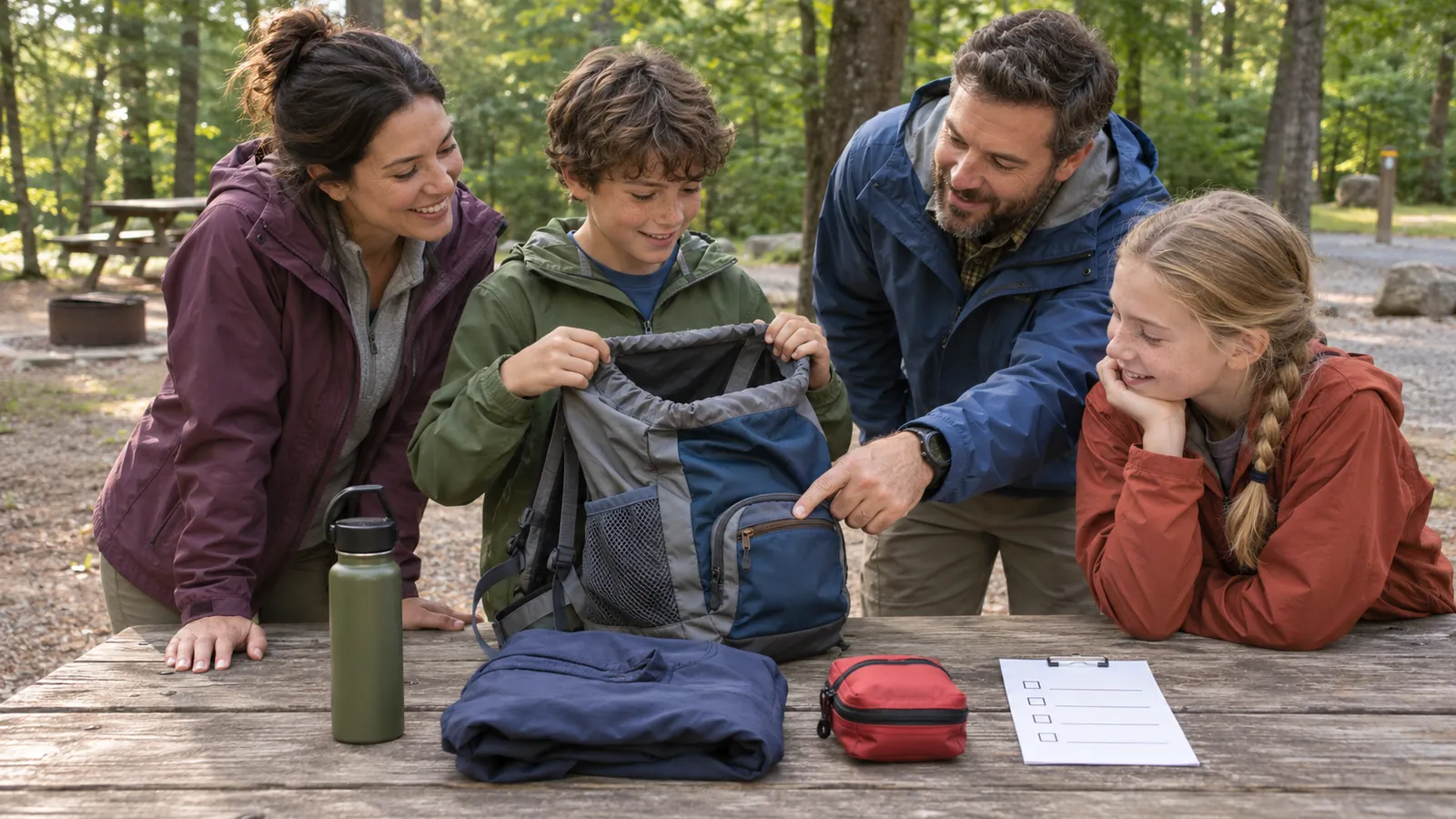
TL;DR: Pack a dedicated flashlight or headlamp that the Scout can find, turn on, and aim at the ground. Bring the spare power your unit calls for and keep the phone available for its other jobs. Before leaving, let the Scout show how the light works, where it goes, and who to tell if it fails.
📋 Table of Contents
- 1. Pack the light for what the Scout will do
- 2. Read the right Scouting checklist
- 3. Plan for the part of the outing that runs past daylight
- 4. Choose a setting the Scout can use around people
- 5. Perun 3 Mini for hands-free group tasks
- 6. i3E EOS for an accessible optional spare
- 7. Oclip 2 Pro for a stationary gear task
- 8. Have the Scout demonstrate a three-step check
- 9. Run the check with a group without making it a competition
- 10. Agree on camp lighting and supervision before dark
- 11. Match the setup to the Scout and the trip
- 12. Give the phone and the spare power separate jobs
- 13. What are the Scout Ten Essentials?
- 14. What kind of flashlight should a Scout bring?
- 15. Can Scouts use a phone as a flashlight?
- 16. Frequently Asked Questions
- 17. Make the last gear check a demonstration
Pack the light for what the Scout will do
| Camp task | Good starting point | What to check before leaving |
|---|---|---|
| Walk with the group after dark | A dedicated flashlight or headlamp that the unit accepts | The Scout can reach it, choose a usable setting, and see the next few steps without lighting other faces. |
| Find gear at the tent or table | The personal light on a low setting, or a separate clip light if useful | The space is lit without the beam pointing out of the tent or into another person's eyes. |
| Replace a light that goes out | The reserve power or backup required by the outing leader | The adult knows which power source fits and the Scout knows how to ask for help. |
The first place to look is the packing list for the actual outing. A family campout at a developed site and a troop hike that finishes after sunset can both call for a personal light. They leave different amounts of time away from a table, spare batteries, or a place to charge. Ask the unit which light and reserves each person should bring. A product's highest setting cannot answer that question.
Before buying anything, set the light you already own beside the bag the Scout will actually carry. Ask the Scout to show where it would go, take it out, and aim it at a spot on the ground. A family might discover that the light works fine but is hard to reach through a stuffed main compartment. Moving it to an accessible pocket can solve the problem without another purchase.
Check the evening plan, too. A tent light can help people organize the campsite, and a leader may carry extra equipment. Each Scout still needs whatever personal lighting the unit requires. Ask where the night route runs, how the group will move, and what a Scout should do after lights-out if they need an adult. Those answers give the personal light a purpose.
Read the right Scouting checklist
Scouting America's 2026 Hiking merit badge pamphlet lists a flashlight among the Scout Basic Essentials on page 35. The other entries include water, trail food, rain gear, spare clothing, a personal first-aid kit, sun protection, a map and compass, a pocketknife, and fire-starting supplies. Follow the applicable program rules and adult direction for restricted items. A general checklist does not grant permission to carry or use them on a particular outing.
The programs use more than one packing list. The Cub Scout leader training guide covers a flashlight alongside water, first aid, sun protection, trail food, and a whistle. Scouting America's Arrow of Light camping gear checklist also shows the ten Scout Basic Essentials, including a flashlight. Read the list your unit gives your family for that program and outing.
For a broader outdoor reference, the National Park Service Ten Essentials names both flashlights and headlamps, recommends the hands-free option, and advises packing extra batteries. That is general outdoor advice. A pack, troop, or camp may specify a particular format or how reserves are handled. If a handout says flashlight and your Scout prefers a headlamp, ask whether that equipment satisfies the actual requirement.
Neither the Scouting checklist nor the park service list establishes a universal lumen minimum for a first campout. The gear conversation is about what the Scout can use on that outing. The leader can tell a family whether the existing light is suitable or whether a better fit, an additional battery, or a different carry arrangement is needed.
Plan for the part of the outing that runs past daylight
At a developed campground, a family arriving before dinner may unpack with daylight to spare. Ask what happens if check-in runs late. Keep the Scout's dedicated light in the daypack going to the tent site rather than in a bin that stays in the car. Decide in advance which adult carries any approved spare. This arrangement is easier to explain before both adults are occupied with unloading and the Scout needs to find a jacket.
For a group hike expected to finish before dinner, pack the light anyway. The group may take longer than planned, and the light can be useful even during an outing billed as a daytime activity. Locate it before leaving the trailhead and follow the actual trip plan if the group is delayed. A packed flashlight gives everyone another piece of useful equipment. It does not make a longer route or walking away from the group a sound choice.
If the leader describes a campsite with light near the main building, ask what light is available between the building and the tents. Fixed fixtures rarely cover every place a group stops, and an overhead lamp may leave a dark patch inside a bag. A personal light stays with the Scout when they move between those spots. Use the approved route and tell the leader if an unexpected dark section makes it hard to continue.
Label the Scout's pocket or pouch in a way they recognize. Families with siblings can choose different zipper pulls or simple tags so everyone claims the right bag at departure. Store adult-managed backup power in a separate marked location. Before moving between locations, give the Scout time to put the light back rather than pushing loose gear into the nearest compartment.
Choose a setting the Scout can use around people
An adequate beam makes the next surface visible without creating a bright patch that distracts the rest of the group. Near a tent, the task may be finding a zipper or a pair of shoes. On an approved route with the group, the Scout may need to see the ground and an obstacle ahead. Try the ordinary working setting first. If more light is needed, use the appropriate setting with the beam still pointed away from people.
Controls deserve a look before the trip. With the flashlight aimed down, ask the Scout to show on, off, and the setting used for the planned task. Try the same routine while wearing the jacket or gloves that will be packed. Notice a button a child mistakes for an indicator, a mode cycle they cannot repeat, or a twist control they cannot grip. The family can fix those problems in a lit room.
Some lights restart in the last brightness mode, and others can be locked for storage. The exact behavior depends on the model. Learn how the light starts after being returned to its pocket, especially if somebody else last used it. Practice returning it to a useful state. If an adult has to unlock it every time, choose a simpler arrangement that the Scout and leader can manage.
Durability depends on where the light will be carried and the manufacturer's conditions. A rating does not mean a child should drop equipment to see what happens. Check the housing, closure, lens, and attachment by inspection. Use a secure pocket or a short attachment to gear when that is useful and allowed. Avoid a loose cord around the neck or a strap that can catch when the Scout moves.
Perun 3 Mini for hands-free group tasks
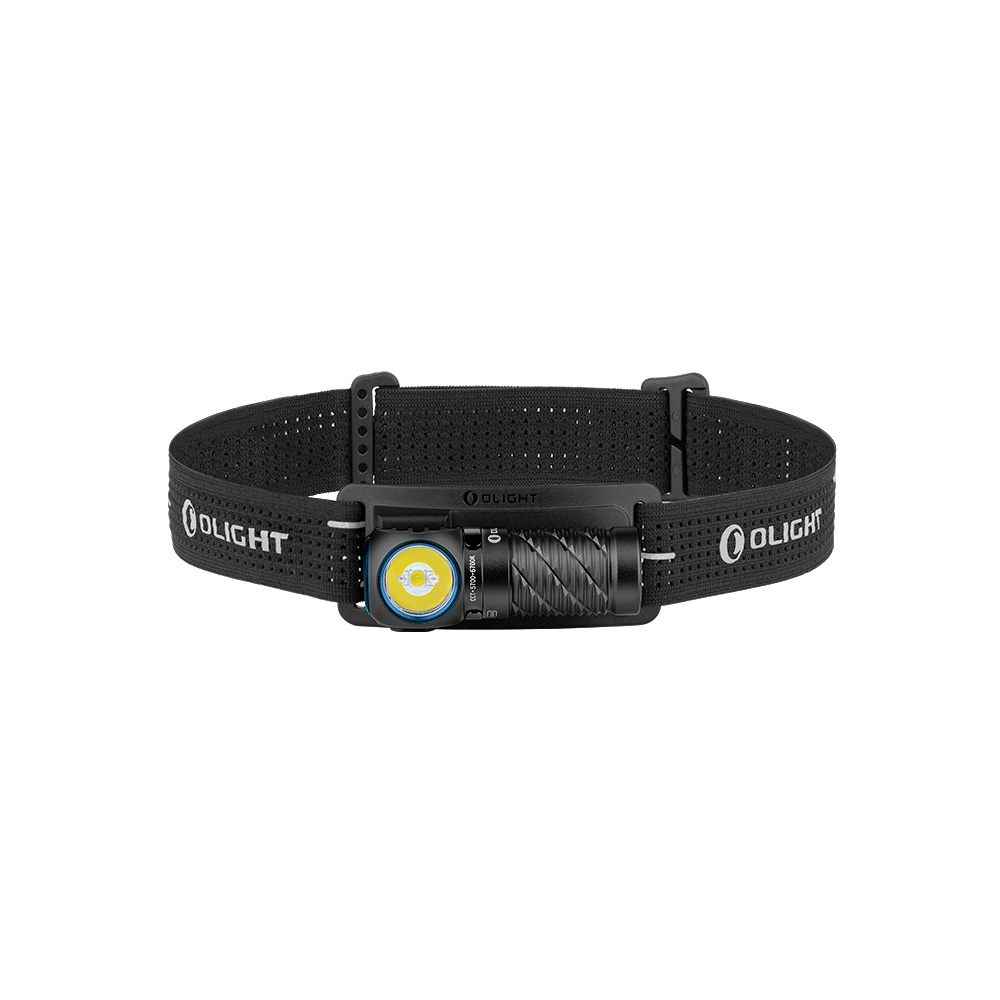
Have the wearer put on the headlamp with their camp hat or hood while standing on level ground. Check that the band sits securely, the light can be directed down, and they can find the controls. A hat brim that blocks the beam or a loose band that shifts when the wearer looks down is worth catching before the outing.
Make sure the fitted lamp and its spare-power plan are both ready. The standard package is distinct from a kit with a charging case. Pack only the charging or reserve equipment the leader and manual support. A cable that fits a different light is of no help after the group has left its charging point.
i3E EOS for an accessible optional spare
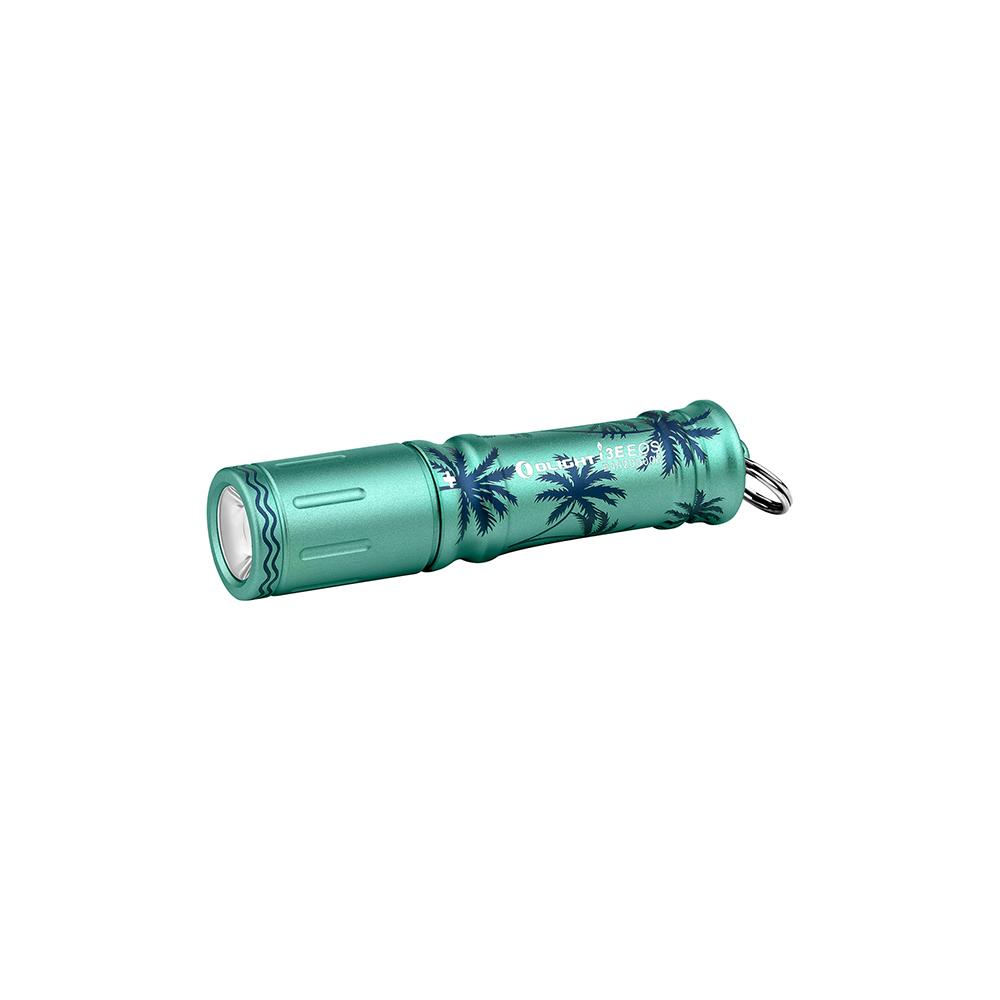
A small spare works only if someone knows where it is. Clip it inside a closed pocket or store it in a small pouch where the Scout can find it with adult guidance. Leave enough room to hold and operate it without pulling out everything attached to that ring. If it takes two people to open the bag and recover the light, pick a different pocket or a larger light.
Avoid using the only light as a zipper pull that must be removed to operate another part of the bag. It will be easier to locate if it has one known place. The adult should handle loose cells and explain the power plan before departure. Small detachable items and spare cells should be secured and kept away from children who might mouth them.
Oclip 2 Pro for a stationary gear task
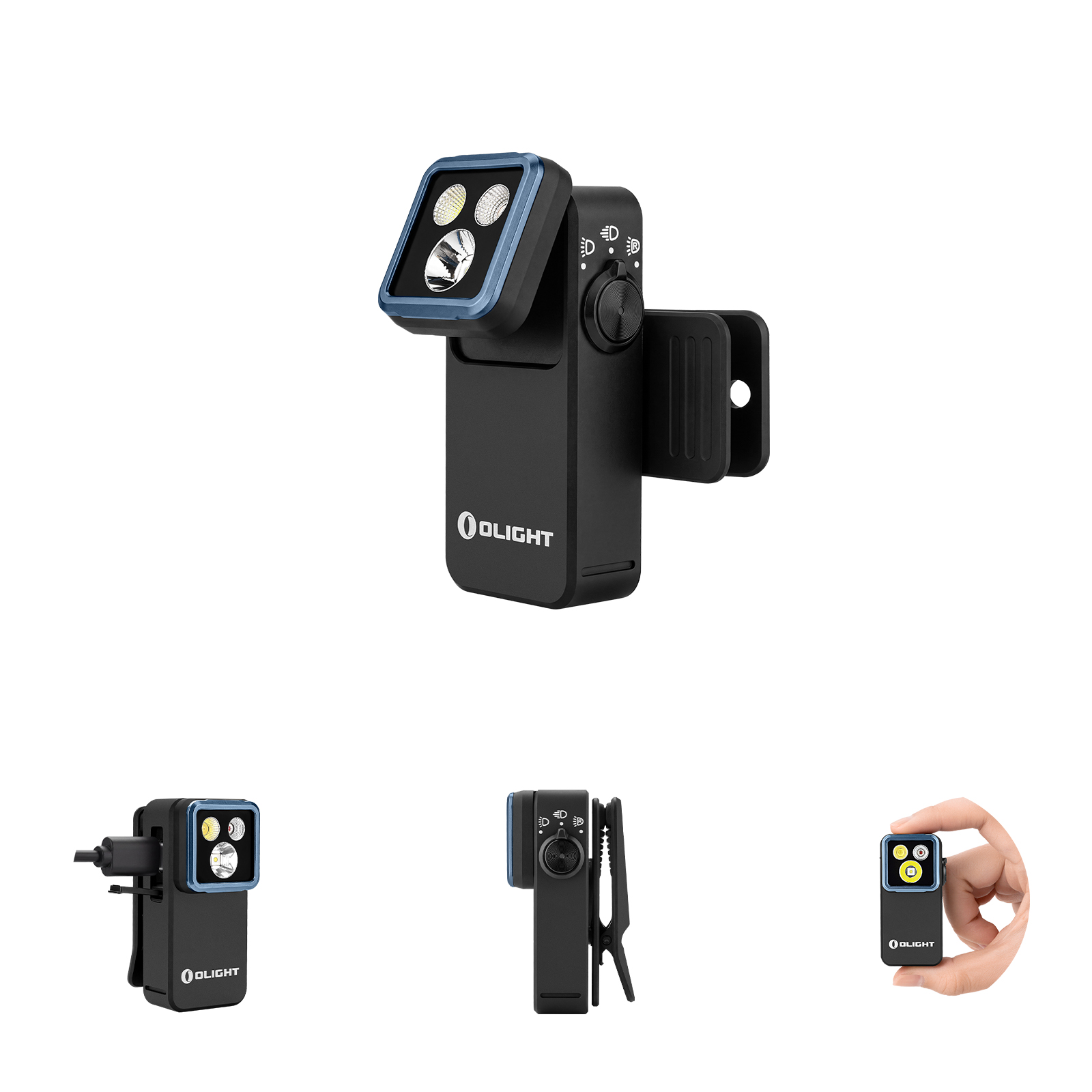
Try the clip on the actual attachment point while the area is well lit. If it slips, rotates away, or points toward people when the bag moves, use another position or keep the light unattached. A clip holding in a photograph does not establish that it will hold on loose fabric or on the edge of a thin cover.
Use enough light to see the work and give the lamp air around it. Follow the manual for charging, storage, and operation. Turn it off when finished rather than leaving it running against fabric or inside a packed compartment. If the clip-on arrangement adds complexity, a personal light already suited to the task may be all that is needed.
Have the Scout demonstrate a three-step check
Retrieve the light first. Put it in its intended pocket and ask the Scout to take it out while standing still in normal room light. If they go to the wrong pouch or cannot manage the closure, change the storage arrangement until they can do it. Show them the pocket before every trip if they change bags often.
Turn it on second. Ask the Scout to keep the beam pointed down and show the setting they will use for an ordinary task. Check the manual for any required storage or carry lockout and practice locking and unlocking the model as directed. If the Scout cannot follow the procedure reliably, have the supervising adult and leader arrange suitable equipment or support before departure. Avoid flashing modes and stop the practice once the intended setting is easy to repeat.
Return it third. Have the Scout switch the light off, re-pocket it, and say who to tell if it does not turn on at camp. A family can learn quite a bit from that sentence. One child might know how to fetch the light but forget where it goes after using a shared table. Another might know all the controls but assume the adult's spare is inside their own bag.
If something fails, make a specific change and repeat the affected step. Move the light, charge it, put the required spare with the supervising adult, or choose a control the Scout can reliably use. Do the check in daylight or a lit room. There is no need for an unlit trail, an obstacle course, or a surprise failure to find basic packing problems.
Run the check with a group without making it a competition
A leader can include the flashlight check with the usual supervised gear check. Name the task before the group starts. For example, ask everyone to show how they would find and use their light to collect a dropped mitten near the tent. Give families time to get ready and demonstrate with the beam angled away from faces. Keep the room or group area lit so everyone can participate comfortably.
Treat three outcomes differently. A light that works and can be reached is ready for whatever other checks the unit requires. A working light buried in a bag needs a better home. A light that won't turn on needs an adult to check the manual, arrange a replacement, or confirm another approved solution. An immediate fix can be as simple as moving a light to the outside pocket. The remedy should match what was actually missing.
Tell families where a suitable loan light can be collected if the unit has one. Confirm who is responsible for supplying and returning it, and give the Scout the same chance to practice with its controls. If a suitable light isn't available, ask the leader how to handle participation. Do not count a loan that hasn't been arranged or quietly assign one person's required light to two people.
Some Scouts need more time, a different texture on the switch, a zipper pull they can grasp, or help getting a comfortable headband fit. Arrange reasonable support through the leader and family before the outing. A demonstration can be adapted by first showing the steps, using a simple picture cue, or letting the Scout choose a comfortable place to hold the light. The useful result is their agreed way to complete the task.
At departure, allow time for a recheck if equipment changes. A device passed from a sibling, a different coat with smaller pockets, or a brand-new headlamp can undo an otherwise sensible plan. Let the Scout show the revised steps while still in the well-lit group area. Make sure the leader knows when a change also affects the spare-power plan.
Agree on camp lighting and supervision before dark
Families should learn the group's lights-out arrangements, the approved route, and how to request help after dark. The outing leader can explain any campground restrictions and how the unit applies them. An adult can demonstrate a beam on the ground in a lit group setting. Ask the Scout to practice looking up while keeping the beam down before they use a headlamp around others.
Scouting America's leader requirements describe its adult leadership and safeguarding rules. Follow the current program requirements and the leaders' instructions for adult supervision and the buddy system. A child who can operate the light independently is still taking part in a supervised activity. The gear check does not change where they may go or who accompanies them.
If someone needs to leave the tent after quiet hours, have them follow the discussion the group already had. Keep the light accessible, use the route the leader identified, and follow the buddy and adult arrangements for the activity. If the light fails, tell the appropriate adult and stay with the group. Avoid making up a new route simply because there is a spare light.
Teach three simple habits while the group is together. Aim at the ground and work surface. Change settings only as the task needs. Switch off when the light is no longer useful. The leader may have specific expectations for a shared tent or an activity after dark. Explain those in advance so the Scout can ask a question before they need to act.
Match the setup to the Scout and the trip
| Outing | Lighting choice to discuss | Power or equipment question |
|---|---|---|
| Family campout with close adult support | An easy-to-grip light for a nearby task or marked route | Where is a suitable spare kept, and who looks after its batteries? |
| Pack outing with a supervised walk | A personal light with a stable downward aim and a known starting setting | Can each Scout use their own equipment with the clothes and bag they will bring? |
| Troop outing with longer time away from camp | A personal setup that the leader accepts for the route, conditions, and group | Is the working setting adequate, and are compatible reserves available away from the campsite? |
For a younger Cub Scout at an organized family campout, an adult can help choose a dedicated light with an obvious control and a size the child can manage. Practice with both feet planted and the beam below waist level. The supervising adult can manage extra cells and check the condition of the flashlight before it goes into the bag. Ask the unit about any individual accommodations early.
For an older child at a pack outing, the check can include retrieving the light, returning it to a named pocket, and explaining how to get help. Choose a headlamp only when it fits comfortably and holds its aim without constant adjustment. A feature the child can demonstrate in a store should also work with the hat and pack they actually take outdoors.
For a Scouts BSA outing, start with the route, conditions, and exact kit list. A Scout may want to bring an optional flashlight for quick close tasks in addition to a leader-approved headlamp. Agree on its role before adding another piece of equipment. An item that looks compact on a shelf can be difficult to find after it slides to the bottom of a deep gear pocket.
If the group is considering several headlamps or compact flashlights, give each proposed addition a job. The equipment people already own may meet the stated requirements. Start there, compare fit and controls, and check whether the unit has a suitable loan option if something is missing. A purchase can wait until the actual gap is clear.
Give the phone and the spare power separate jobs
A phone flashlight can help an adult find an item during an unexpected moment. A phone also may be needed for the outing's agreed communications or emergency plan. Carry the dedicated light so a depleted battery, a wet device, or a unit restriction on phones does not leave the Scout without their required personal equipment. Ask the leader about that activity's electronics rules.
Think through the reserve at the kitchen table. If the light uses replaceable cells, identify the exact type and the adult responsible for properly stored spares. If it charges via a cable, ask where charging is actually available and what backup is required if it is not. Charge and check the light before leaving rather than planning on a convenient outlet at camp.
When a group stays out for a second night, it can be easy to return a rechargeable light to its bag almost empty. Agree on a place where adults can check lights at the end of the day and store them safely. Keep supplied charging connectors and loose battery reserves away from crowded wet areas and follow the manufacturer's storage instructions.
What are the Scout Ten Essentials?
Scouting America’s Scout Basic Essentials include a flashlight, water bottle, trail food, first-aid kit, spare clothing, rain gear, sun protection, map and compass, pocketknife, and fire-starting supplies. Follow your program and leader's rules for restricted items. The Cub Scout Six Essentials are a separate list that also includes a flashlight. Use the list assigned to your outing.
What kind of flashlight should a Scout bring?
Choose a dedicated flashlight or a headlamp the unit accepts. The Scout should be able to reach it from a known pocket, switch it on, and aim it down while standing still. Check the setting the planned task needs, the fit if it is worn, and the exact spare power the leader requires.
Can Scouts use a phone as a flashlight?
Pack a separate light for the personal lighting item. A phone may offer temporary illumination or be part of the outing's communications plan, but relying on it alone puts both jobs on one battery. Follow the unit's electronics policy and pack the flashlight or headlamp plus the requested backup power.
Frequently Asked Questions
Make the last gear check a demonstration
Put the dedicated light in its agreed pocket, show the ordinary setting with the beam aimed down, then stow it and explain how to get adult help. Do that once at home before camp. If the Scout can repeat it and the leader confirms the equipment and power plan, the family has taken care of the lighting item.
Changelog
- November 19, 2026: Product information and buying guidance reviewed.




