Table of Contents
The call of the wild has never been louder. From the moss draped forests of the Pacific Northwest to the sun baked canyons of Zion National Park in Utah, more Americans are trading desk chairs and screens for hiking boots and open trails. As routes become more ambitious and outdoor exploration turns into a regular part of life rather than an occasional escape, the importance of dependable, well chosen gear has never been greater.
This guide looks at why hiking continues to capture the modern American imagination and offers a clear, experience based breakdown of the ten non-negotiable essentials every hiker should carry. Whether you’re planning a relaxed day hike near the Appalachian Trail or preparing for a multi-day trek through the Rockies, proper preparation is the foundation of both safety and enjoyment on the trail.
Why Hiking Is Becoming Increasingly Popular
Hiking is no longer just a weekend hobby; it has become a lifestyle choice for many Americans. In a world dominated by screens, notifications, and packed schedules, the simple act of walking a trail offers something rare: uninterrupted time to think, breathe, and reset. Across the U.S., from national parks to local state trails, outdoor recreation is surging as people look for activities that feel both grounding and genuinely rewarding. Hiking fits that need perfectly, combining simplicity with challenge and accessibility with adventure.
Experience Nature Up Close
Few experiences rival watching the first light of day spill over Yosemite’s granite cliffs or feeling the crunch of leaves underfoot during a New England fall hike. Hiking places you directly inside the landscape rather than observing it from a distance. You hear the wind, notice subtle changes in terrain, and reconnect with natural rhythms that are easy to forget in daily life. For many Americans, these moments offer a powerful reminder of how much wild beauty exists just beyond city limits.
Boost Physical Fitness and Health
Hiking delivers real physical benefits without feeling like structured exercise. It strengthens the heart, builds leg and core muscles, and improves balance through constantly changing terrain. Trails like those in the Grand Canyon or the Smoky Mountains naturally introduce elevation changes that challenge the body while remaining low impact on the joints. Over time, hiking becomes a sustainable way to stay active, making long-term fitness feel less like a chore and more like an experience worth repeating.
The 10 Essentials: Non-Negotiable Hiking Gear
To establish a real baseline for safety and preparedness, experienced hikers, from casual weekend explorers to long distance thru hikers, follow the well known “Ten Essentials.” First introduced by The Mountaineers in the 1930s, this system exists for one reason: things go wrong outdoors, even on familiar trails. This outdoor equipment guide helps you choose the essentials to handle injuries, sudden weather changes, navigation errors, or an unexpected night outside, without panic.
1. Navigation (Map, Compass, GPS)
Even in the smartphone era, paper navigation remains critical. A printed topographic map and a basic compass provide a fail safe backup when batteries die or signals disappear deep in the backcountry. Digital tools still matter, offline GPS apps or dedicated handheld units add convenience, but they should support, not replace, traditional navigation skills.
2. Illumination: Your Lighting System
Darkness arrives quickly on the trail, whether due to slower progress, an injury, or unexpected terrain. Reliable lighting is essential for safe movement and camp tasks. Seasoned hikers use layered lighting: a hands-free headlamp for constant use, a compact backup outdoor flashlight, and optional high-output lighting for remote or demanding routes.
Primary Light: Olight Perun 3 Mini (Headlamp)
As a primary hands free option, the Olight Perun 3 Mini delivers impressive flexibility. Its right angle design allows it to function as both a headlamp and handheld light, ideal for cooking, gear checks, and navigating rocky sections after sunset. With up to 1,250 lumens and a low mode runtime reaching several days, it balances power with efficiency in a lightweight package.
Backup Light: Olight Baton 4
A dependable backup matters when primary gear fails. The compact Olight Baton 4 fits easily into a pocket or hip belt and provides a focused beam useful for map reading or equipment inspection. Its strong output and respectable throw offer redundancy without adding noticeable weight.
High-Power & Long-Range Flashlights Options (Optional)
For advanced trips or remote environments, higher output lights can increase confidence and visibility:
-
Olight Seeker 4 Pro provides wide-area illumination for campsites or group movement.
-
Olight Warrior X 4 offers long-distance reach for signaling or rugged terrain.
-
Olight Javelot Pro 2 excels in extreme throw and extended runtime for serious expeditions.
For most hikers, a headlamp paired with a compact backup is sufficient. High-output throwers are best reserved for remote, multi-day routes where distance visibility and signaling truly matter.

3. Sun Protection (Sunscreen, Sunglasses)
UV exposure is a constant risk, whether hiking above tree line in the Colorado Rockies or crossing open desert in Arizona. Quality sunglasses and broad spectrum sunscreen help prevent sunburn, eye strain, and heat-related illness during long days outdoors.
4. First-Aid Supplies
Every hiker should carry a personal first aid kit tailored to the trip. At minimum, include blister care, pain relief, personal medications, and basic wound care supplies. Even minor injuries can become serious if ignored miles from help.
5. Knife or Multi-Tool
A reliable blade serves countless purposes on the trail, from cutting tape and food prep to emergency repairs and first aid use. Few items match its versatility, making it one of the most practical tools you can carry.
6. Food and Snacks
Always bring more calories than planned. High energy foods like trail mix, protein bars, and dried fruit help maintain stamina and provide a buffer if weather, navigation, or injuries delay your return.
7. Water Carrying and Purification
Dehydration ends hikes quickly. Carry sufficient water using bottles or hydration reservoirs, and always include a purification method, filters, tablets, or boiling capability. Water sources may be unreliable or contaminated, especially in dry or heavily used areas.
8. Emergency Communication Devices
Cell phones help, but they’re unreliable in remote areas. Satellite messengers or personal locator beacons (PLBs) provide a critical safety net in places like Alaska, the desert Southwest, or remote sections of the Continental Divide Trail.
9. Insulation and Warmth
Weather can shift fast, especially at elevation. Extra layers, including a waterproof shell, insulating jacket, and cold weather accessories, protect against hypothermia even on sunny days. This gear is insurance you hope not to use.
10. Personal Hygiene Essentials
Hygiene supports both health and environmental responsibility. Hand sanitizer, biodegradable toilet paper, and a small trowel help prevent illness and ensure proper waste disposal in accordance with Leave No Trace principles. Together, these ten essentials form the foundation of safe, responsible hiking, no matter the trail, distance, or season.

Essential Hiking Safety Tips for Every Season
Having the right gear is only half the equation. Smart planning, situational awareness, and good decision making complete the picture, ensuring your time on the trail is not only enjoyable but genuinely safe, no matter the season or location.
Plan Your Route and Inform Others
Never head into the wilderness without a clear plan. Before you leave, share your detailed itinerary, including your planned route, expected start and finish times, trailhead location, and hiking partners, with a trusted contact who is not joining you. Even a simple message like, “Hiking the Acadia National Park Loop today, expect me back by 6 PM,” can be critical if plans change unexpectedly.
Check Weather and Trail Conditions
Always review the weather forecast and official park or forest service trail reports before setting out. High winds, flash floods, wildfire closures, or sudden snowfall can quickly turn a routine hike into a serious hazard. Adjusting your route or timing the night before based on conditions is a sign of experience and sound judgment, not a lack of commitment.
Know Your Limits
Don’t let ambition outweigh common sense. Choose trails that match the fitness level and experience of the least-prepared person in your group. Build endurance gradually by increasing distance and elevation over time. Most avoidable injuries and search and rescue calls happen when hikers push beyond their limits instead of turning back early.
Frequently Asked Questions (FAQ)
1. Can Rechargeable Flashlights Be Used for Long Hiking trips?
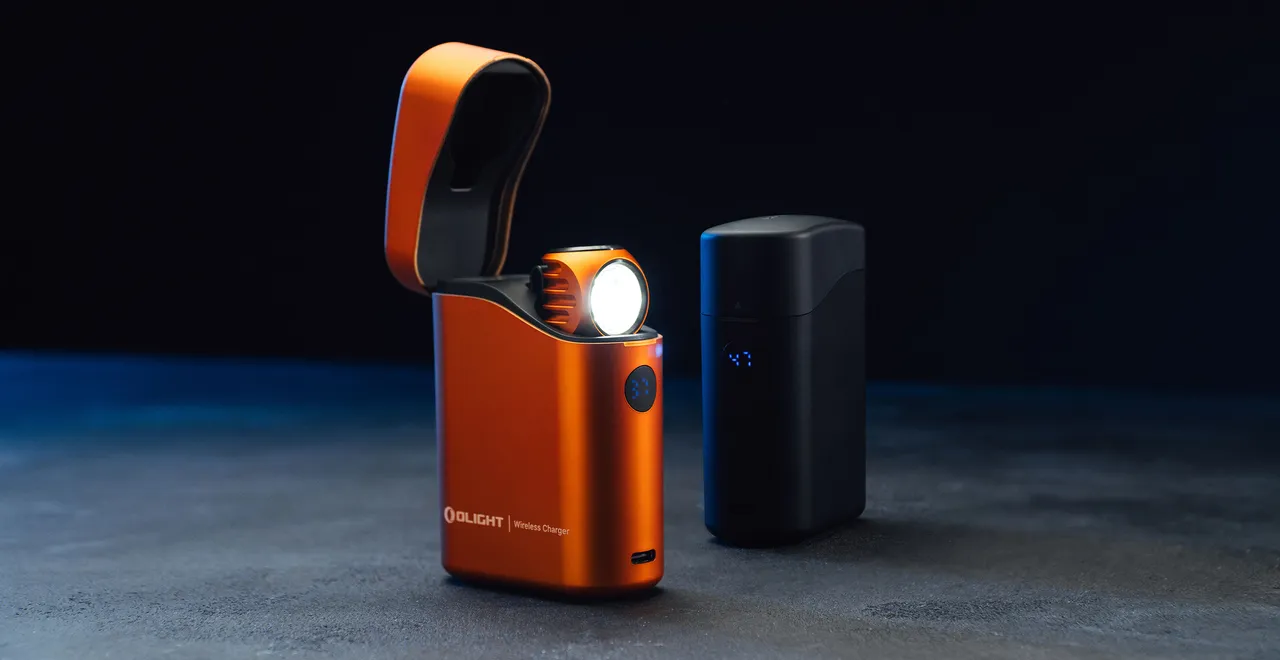
Absolutely. Modern rechargeable flashlights use high capacity lithium-ion batteries that deliver consistent output and long runtimes, even in demanding conditions. For extended hikes or multi-day trips, pairing your flashlight with a lightweight power bank, a compact solar panel, or a dedicated charging case (such as the Baton 4 Premium Edition case) makes recharging straightforward on the trail. This setup is often lighter, more reliable, and more economical over time than carrying spare disposable batteries, especially for hikers who head out regularly.
2. How Many Lumens Do I Need for Hiking at Night?
For most nighttime hiking and camp tasks, 200 to 500 lumens is ideal. This level provides clear visibility of the trail, terrain, and nearby obstacles without excessive glare or battery drain. Higher output modes on a high lumen flashlight are useful but situational. Extremely bright settings, like the 4,600-lumen burst on the Seeker 4 Pro, are best saved for emergencies, search situations, or scanning distant terrain, as they consume power quickly and aren’t necessary for steady trail navigation.
3. What's the Difference Between a Headlamp and a Flashlight for Hiking?
The difference comes down to how you use them.
A headlamp, such as the Olight Perun 3 Mini, offers hands-free lighting, which is invaluable for pitching a tent, cooking meals, adjusting gear, or navigating rocky sections that require balance and coordination.
A handheld flashlight, like the Olight Baton 4 or Warrior X 4, provides a more concentrated beam and greater throw, making it better for spotting trail markers, scanning ahead, or checking surroundings from a distance. Carrying both creates a reliable backup system and gives you flexibility in changing conditions.
4. How Important Is Water Resistance (IP Rating) for Hiking Gear?
It’s critical. Hiking environments expose gear to rain, snow, fog, humidity, and accidental drops into streams or mud. For flashlights and electronic gear, an IP rating of IPX7 or IPX8 is strongly recommended. An IPX8 rating means the device can withstand continuous water immersion, offering peace of mind during creek crossings, sudden storms, or wet conditions common in places like the Pacific Northwest. Reliable water resistance ensures your light works when you need it most, regardless of weather or terrain.
Conclusion
Preparing for a hike, whether it’s a short local escape or a demanding backcountry expedition, is ultimately an act of respect—respect for the landscape you’re entering and for your own safety. By consistently following the “Ten Essentials” framework and choosing dependable, well‑designed gear, you reduce unnecessary risks and increase confidence on the trail. Including Olight flashlights in your kit ensures reliable illumination when conditions change, helping you stay adaptable and focused. With preparation handled properly, your attention stays where it belongs: on the journey, the scenery, and the experience itself.