TL;DR: Put fixed puck lights where the same job happens every night, such as the galley counter or entry step. Use a USB rechargeable light where the job moves, such as the bed, a storage bin, or the picnic table. Keep one portable light close to the door and give it a regular charging spot.
📋 Table of Contents
- 1. Use fixed light for repeat jobs and portable light for changing jobs
- 2. Give a fixed puck light one job to do well
- 3. Keep portable lights for beds, bins, and life outside the door
- 4. Check clips, magnets, and hanging points while parked
- 5. A parked-van lighting plan with eight positions
- 6. Are there any USB rechargeable LED lights available?
- 7. What is the best USB rechargeable light?
- 8. What are the best van lights for van life?
- 9. Check the daily routine before adding lights
- 10. Frequently Asked Questions
Use fixed light for repeat jobs and portable light for changing jobs
A van needs light where your hands are busy. If dinner prep always happens along one section of counter, a fixed light can cover that surface every time you flip its switch. If the same light needs to follow you from the bed to the rear doors, a portable model is easier to put where the task is. The decision starts with how the van is used after parking. Walk through an ordinary evening from opening the door to getting into bed. Write down where you stop and what needs to be visible each time.
A puck light is a compact fixture, often round. Some are permanently mounted and supplied from the vehicle's installed living-area electrical system. Other puck-shaped products use their own batteries or attach with a removable holder. This comparison uses fixed puck light for a fixture installed at a set position, and portable light for a rechargeable unit you normally move and return to storage. The shape of a light gives you little information about where it gets power or whether it can be moved.
An existing fixture may cover more of your routine than its position suggests. When you sit at the table, check whether the galley light gives you enough coverage to eat without adding a second light overhead. Open a storage bin to see whether the top lid cuts off that same beam. A clip flashlight gives you another position for a job that keeps moving across the van. The two lights can still live in one simple routine.
| Decision | Fixed puck light | Portable rechargeable light |
|---|---|---|
| Where the light goes | A repeat task in a known spot | Changes with the task |
| How you reach it | An identified switch near the area it serves | A marked storage point within reach |
| What to maintain | Fixture, accessible controls, and the installed system | Charge level, cable or dock, lens, and attachment |
| Where costs arise | Fixture and professional installation where needed | Light, supported charger, and any approved holder |
| When a second light helps | The fixture casts a shadow or other people need darkness | Another person is already using the only movable light |
Use this as a check on the setup you already have. If you run into the same dark spot every evening, ask whether a fixed light can cover it from a useful location. If the problem keeps moving around, work out where a portable light would be easiest to find and put back. In a rental or a van still being arranged, movable lights make it easier to learn where you need light before paying for fixed installation.
Give a fixed puck light one job to do well
Galley prep. Find the part of the countertop where you will actually read a package, pour water, or prepare food. Stand in your normal position. A lamp too far behind your body can light your shoulders and leave the cutting board in shade. An open door may block the light from a fixture that worked with the door shut. Look at the surface with the cabinets open and someone standing at the counter before picking a permanent location.
The entry and aisle. You will likely use the same route every time you take off your shoes, reach for a jacket, or step back into the van. A modest fixed light can illuminate the threshold and an open spot on the floor. Decide where you can turn it on before your hands are full. A reachable switch also helps when one occupant comes in after the other has gone to bed. Check the view from ground level and from inside the van so both users can find a reliable place to step.
Shared evening space. A table where both occupants eat, play cards, or plan the next day may deserve its own fixed pool of light. First check whether those jobs happen with the table in the same position each night. If it folds away or moves between seats, a separate portable lamp may cover the table from better positions. If the fixture stays, aim for the surface people use and look at it from both seats. A bare point of light directly in someone's eye makes a less pleasant room even when the table looks bright.
A narrow van can have parts that look connected on a floor plan and behave very differently once a door or body interrupts the light. Instead of judging an empty interior, try it with bags stowed, drawers open, bedding out, and two people occupying their usual places. Then answer a practical question about each potential fixed point. What job needs that light, and how do you find the switch while doing it?
Check both directions through the van before committing to a new spot. From the driver end, the bed may look like a single dark rectangle. From the pillow, a ceiling fixture can be the brightest object in the entire room. When you try a location, sit where you normally stop for the evening and see where the light falls. At the entry, step back far enough to find the floor edge before leaning inside for the switch. No one wants to take a step in the dark just to reach the light for that step.
If your van comes with existing interior lights, assign a role to them before adding equipment. A fixture that already covers the central aisle might free up your first purchase for a bin or work surface it cannot reach. A bedside holder on the opposite side of the vehicle might make more sense for a portable light that moves between storage and reading. The goal is to solve a particular shadow or access problem one change at a time.
Keep portable lights for beds, bins, and life outside the door
A bunk works differently from a galley. One person may want to read while the other wants to sleep. A portable light placed close to a book lets you control the area it covers. Choose a position where the beam lands on the page and the housing stays easy to switch off. Keep the unit on a stable surface or in a supported holder away from bedding, and follow its clearance and heat directions. Leave a known spot for it after reading so somebody can reach it without first turning on the whole van.
At the rear doors, bins tend to move between trips. Sometimes you want to light a label on a shoulder-height shelf. Later you may be searching a low bag under the bed. A small beam you can aim into each space is easier to put to work than a fixed light that can only point down from the ceiling. Make a space where the portable unit returns after the search. Its permanent home can be a small pocket or a dedicated container. That way both people know which light stayed inside and which one went outside.
A parked campsite introduces another shift. A stool, food box, or picnic table can be several steps away on one visit and beside the door the next. Take a light with an appropriate outdoor rating if you need it out there, and bring it back in when the task is done. Keep a separate entry or backup light in the van if other people will be using it at the same time. The fixture by the door is useful even while another light is out near the table.
An EDC flashlight can serve as the small independent light by the keys or door. Give it the job of getting you from the van to the next source of light or checking something close at hand. You can leave the larger portable lamp in its spot above the work area while reaching for the smaller one to see what fell beside the seat.
Check clips, magnets, and hanging points while parked
Look at the actual surface before choosing a mount. A magnet needs a compatible material and enough contact. Paint, trim, thickness, surface shape, and coverings can change how that contact feels. Check under the exact conditions where you use it and keep it away from electronics or other items as directed by the light's instructions. Some cargo trim looks metallic and offers no useful hold. Pick another safe place or use an approved holder if the surface does not work.
A clip needs room to close on a suitable edge. Open the nearby cabinet once the lamp is in place. See whether the door catches the housing, the position is stable, and you can still reach the switch. A lamp sitting over soft fabric can move as the fabric flexes. For work at the counter, a supported spot off to the side of your working hand makes it easier to direct light past an obstacle without blocking the path.
Use a hanging point only where the light is made to hang and the support is appropriate for the load. A lantern light above a parked table can cast a wide pool, while a lamp on a low bracket may suit a narrow work surface. Think about the position after you walk away. The door should move freely, and neither the attachment nor a charging cable should reach into a walkway, a closing door, or hot or wet work. Take down and stow temporary lights before moving the vehicle. Use a known place that can secure the equipment in transit.
Keep attachment and charging separate in your notes. A light may attach to a suitable surface with a magnet and recharge through USB-C. Another may use magnetic contacts specifically for charging. Use the manufacturer's intended charge connection and check which parts come with the exact configuration. A quick look at the retained product instructions is cheaper than finding out the wrong cable is in the van after dark.
A parked-van lighting plan with eight positions
This is an example for a long-wheelbase camper van with a side door, one galley counter, a small table, and a bed over storage. Read down the table as if walking through a normal evening. The suggestions are about coverage, shadows, and the way the lamp is used. A residential floor plan or a real van with a different cabinet layout will have different spots.
| Position | First choice | Reason to choose it |
|---|---|---|
| Main counter | Fixed puck | Covers the same prep surface daily |
| Far corner of the counter | Portable clip light | Moves around a hand or open cabinet |
| Side-door step | Fixed puck or existing entry light | Visible from the floor outside and inside |
| Table or swivel seat | Fixed if the table stays, portable if it moves | Keeps light aimed at the actual tabletop |
| Bedside reading | Portable light | Can be aimed at one person's book |
| Under-bed bin | Portable light | Goes to whichever container needs it |
| Parked rear-door work | Portable light | Can shift as the loading position changes |
| Outside picnic table | Portable light suitable for the conditions | Returns to storage after use |
A person at the sliding door needs enough light to see where to step. A person at the galley needs light across the working surface. Those are separate jobs even if the areas sit close to each other. Walk from one to the other at night with the lights you already own. Check whether one fixed position lights both the working surface and the step. A second fixed light may be worthwhile if its coverage and switch location solve a repeat problem. Extra ceiling lights can leave the cabinet interiors or the underside of the bed just as dark as before.
For two occupants, check whether a regular task lights up the other person's seat or sleeping area. The best change may be a lower beam near the work, or a different direction for the portable head. A fixed fixture can stay off once its job ends. A movable lamp can carry the next task without lighting the whole van. The Olight van life lights guide has more portable examples for the galley, bed, and outside.
Are there any USB rechargeable LED lights available?
Yes. Portable USB rechargeable LED lights include clip lights and small flashlights. Some take a USB-C cable directly. Others have a built-in USB-A plug, or use a separate charging case that connects to USB. Check the exact product and your available connection so the light can recharge at your usual parked charging spot.
Choose a charging area that is dry and out of the walkway. The light should have a secure place to sit while you check its charge, with its charging connection and cable easy to inspect. If the charging area is also where phones and navigation gear land, work out which light should get the first turn. A short written handoff can help when every cable by the table seems to end up in somebody else's bag.
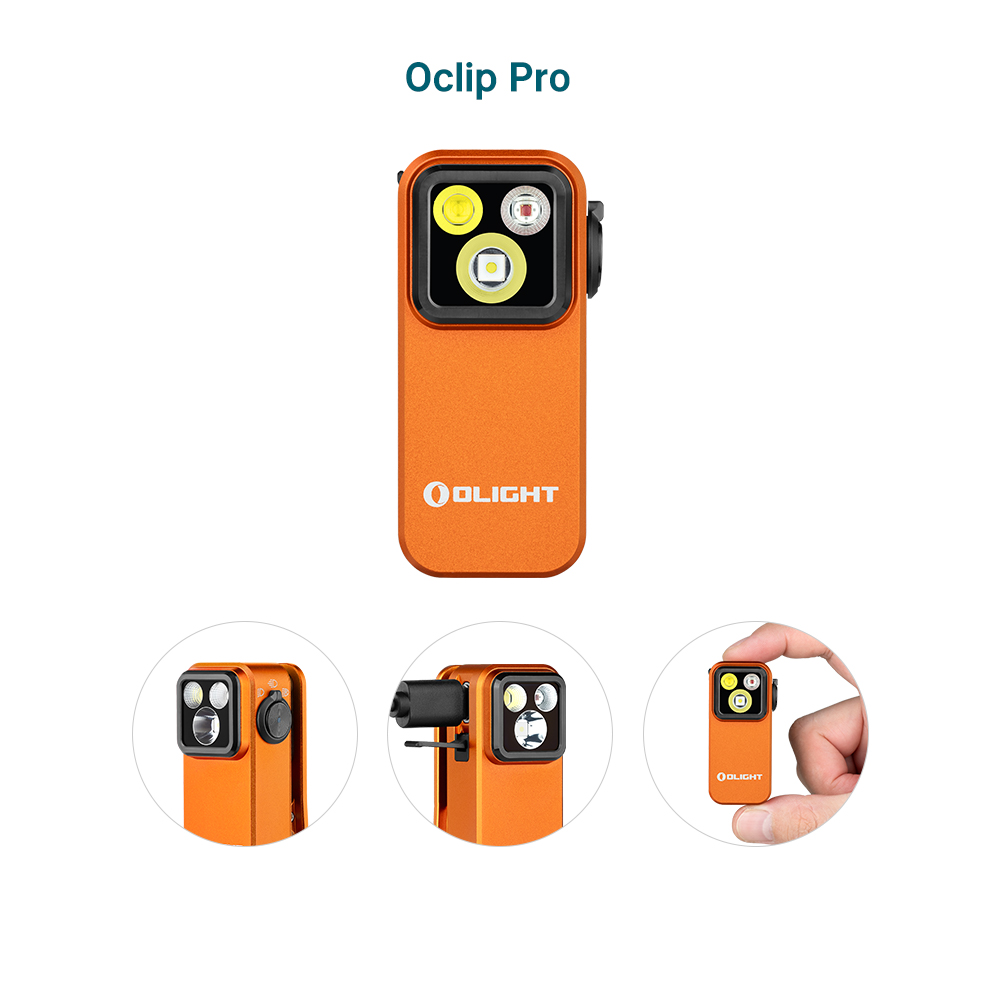
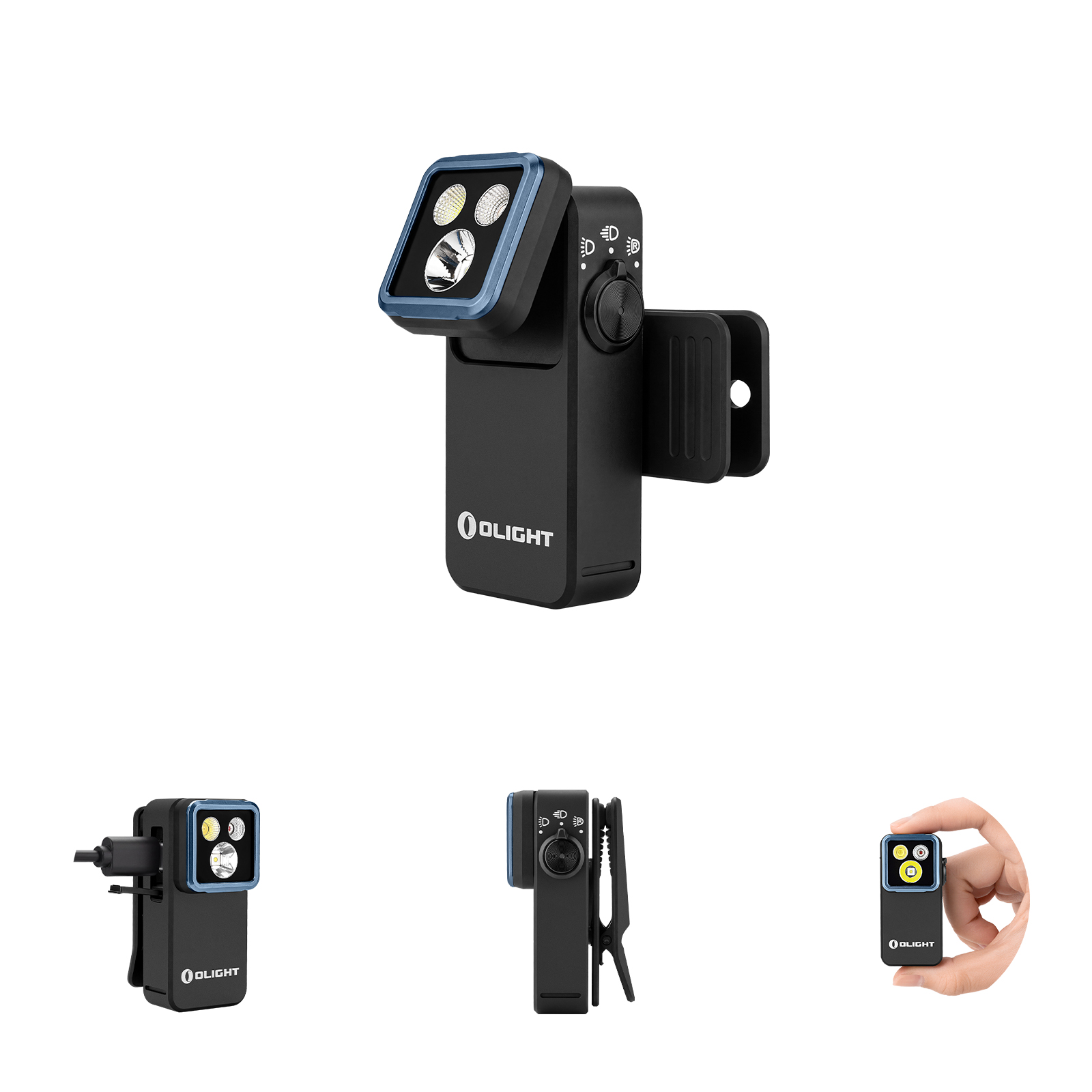
For owners of an imini 2 Orange
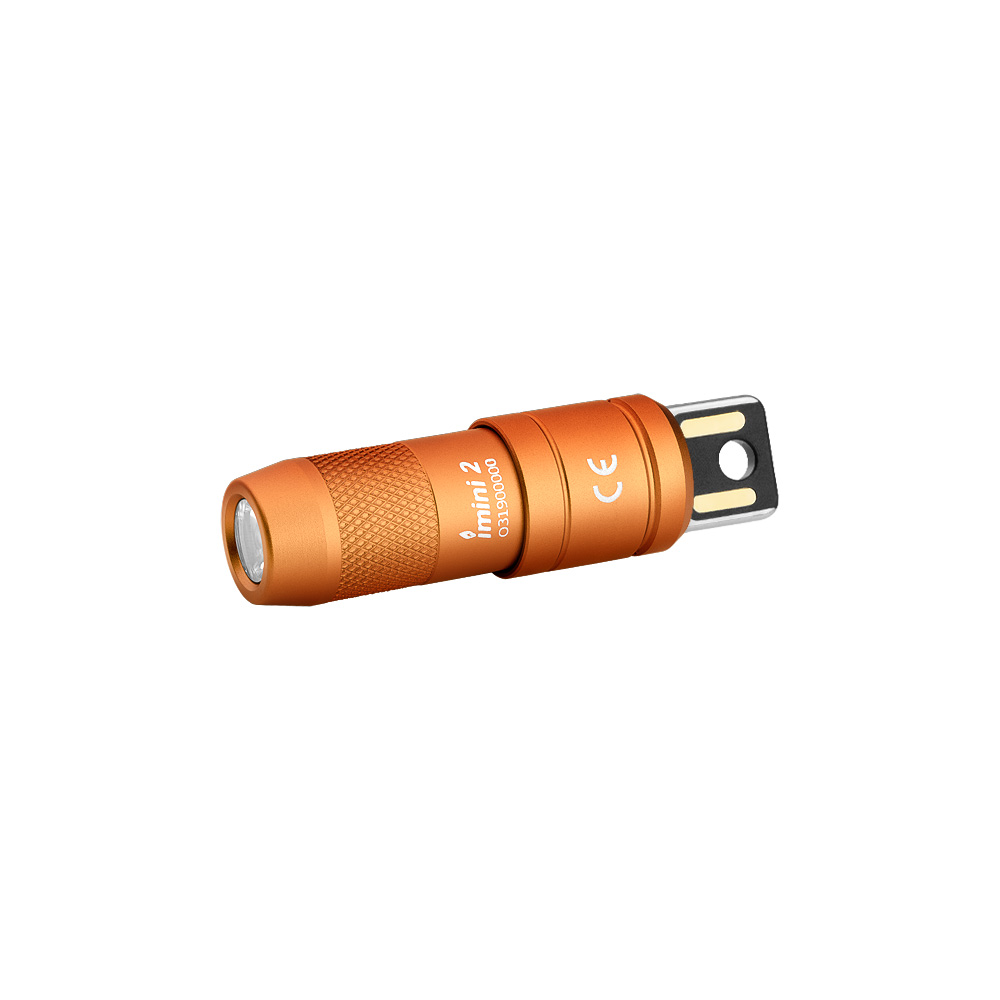
The official imini 2 Orange image shows its small body and the USB plug integrated into the cap.
If you already own an Olight imini 2 Orange, give it a familiar place with the adult user's keys. Its integrated USB-A plug is part of the cap. Use the matching connection and follow the manual. This example gives someone a light for checking a door pocket, finding the key slot, or reaching the main light. Keep it securely stored and out of the reach of children as directed for this small light.
For owners of a Baton 4 Premium OD Green
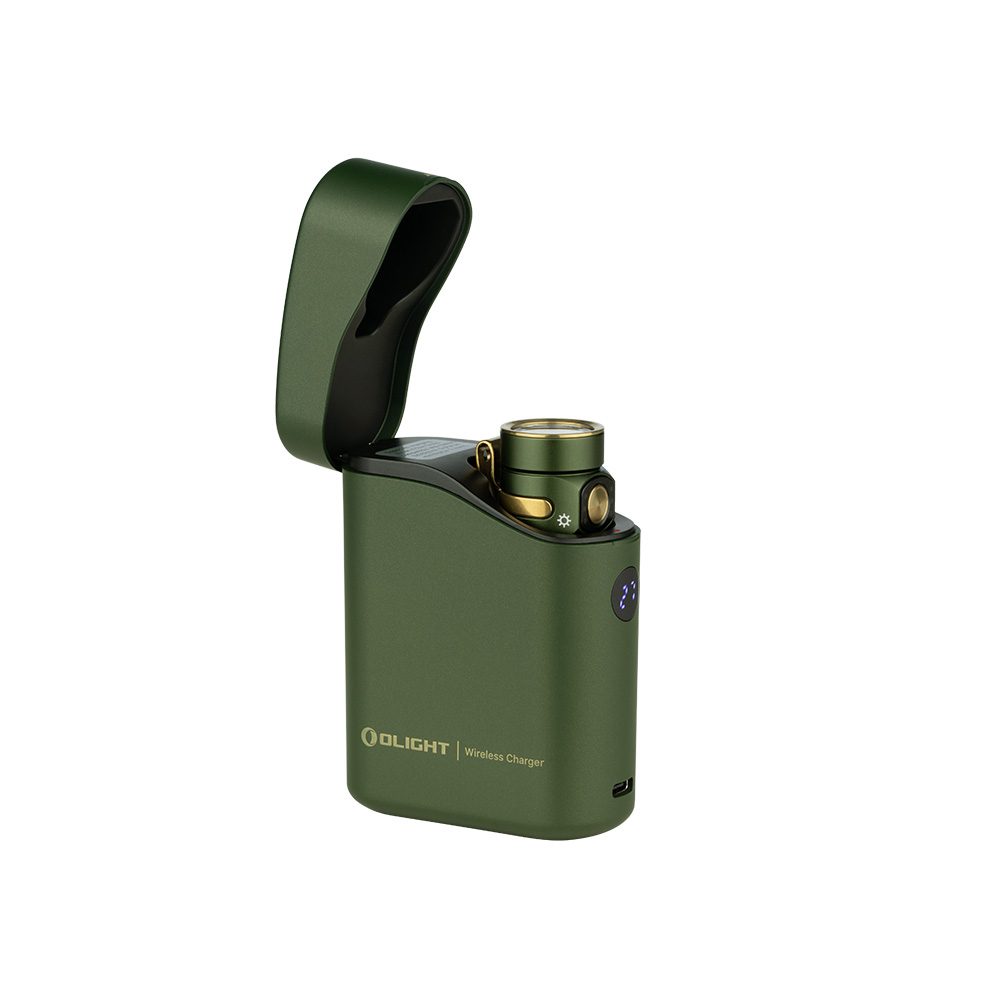
This original gallery image shows the Baton 4 and matching OD Green Premium case as a pair.
If you already own an Olight Baton 4 Premium OD Green, the charging case is a useful example of a kit that returns to one position. Its Premium case takes USB-C input. Check the case and the lamp separately before relying on them, and follow the instructions for storing and charging the kit. Leave the case in a dry spot with appropriate support so the light can travel to the rear bin or outside and come back with its parts accounted for.
What is the best USB rechargeable light?
For a parked van, pick the light that mounts safely near its job, gives you a usable white setting, and charges where you can easily return it. A clip light can move between close tasks. A small flashlight works for short inspections. Check the exact charging connection and published working mode before buying.
One person may want light that points at the tabletop while another uses the rear storage. Two lights can solve that overlap even when neither needs to be powerful. Decide on separate locations for the traveling one and the backup. If the backup draws power through a different method, keep its charger or original case together with the rest of the kit. Giving both lights the same vague job leaves room for both to end up in the same bag.
Before spending money, record when a light actually needs recharging during one of your regular trips. Put down the mode you use, how long you had it on, and whether the van had a separate charging opportunity. Mark any light you forgot to return. That is usually more useful for planning than counting how many USB ports the van has. A fixture over the work area may reduce how often you use the portable light. The portable light can then be ready for the jobs that keep moving.
What are the best van lights for van life?
A good setup pairs fixed light for repeat work and movement inside the parked van with portable light for close, moving, or individual tasks. Start with the galley and entry. Add a portable reading or storage light and a separate backup you can find without turning on the main fixtures.
If you already have fixed lights installed, start by trying their everyday switches and checking which jobs they serve. Bring portable lights into the areas where you still have trouble seeing. For a new fixed installation, give a qualified vehicle or RV electrical professional the locations, desired coverage, chosen fixtures, and information about the existing system. Get the mounting and electrical work evaluated for the exact vehicle and equipment. A good layout request describes the results you want at the counter and entry, leaving fitment and connection decisions to the qualified installer.
Use an existing supported outlet and the specified charging accessories for portable lights. Keep the portable backup usable independently of the fixed fixture. At the end of each evening, put it where someone else can find it without searching. That small routine matters more than adding another light to a cabinet that is already full.
Check the daily routine before adding lights
Ask the people who use the van to walk through one evening. Write down where the lights start, which one travels, and where each one goes before bed. If somebody carries the entry light outside, check whether the person left inside can still reach an independent light. A solid plan accounts for that overlap. It can also save you from buying two identical fixtures when the real problem is that the movable light has nowhere to go back to.
Use these two questions to decide where the next dollar should go. Does this same surface go dark every evening, even after you move the lamp to the best available spot? Would a fixture and reachable switch fix that issue for everyone? If the answer is yes, bring that exact job to a professional and compare the cost against leaving a portable source there. For a task that changes location, include the price of any intended holder or supported charger when judging the portable option. A full quote or existing equipment list makes a more useful comparison than looking at the price of two bare lights.
For a weekend renter, a portable setup is an easy way to live with an unfamiliar layout. Pack a light for the position that needs it most, such as a dark bunk, and give your backup a location near the door. For somebody using the van each night, prioritize permanent locations where nobody needs to make an extra decision. A switch at the entry can stay useful even as storage and seating change. Add a movable light for one-off tasks and avoid collecting gear that never finds a home.
Record what changed after you tried the layout. If the problem was a shadow behind your own hands, note where the better light position was. If the switch was out of reach when opening the door, note where your hand was anyway. If both occupants always needed the same portable light at dinner, note which of those jobs stayed put. Those observations give you a concrete brief for the next change.
Frequently Asked Questions
Changelog
November 20, 2026: Checked the U.S. product options, original gallery photos, and charge connections for the four equipment examples.