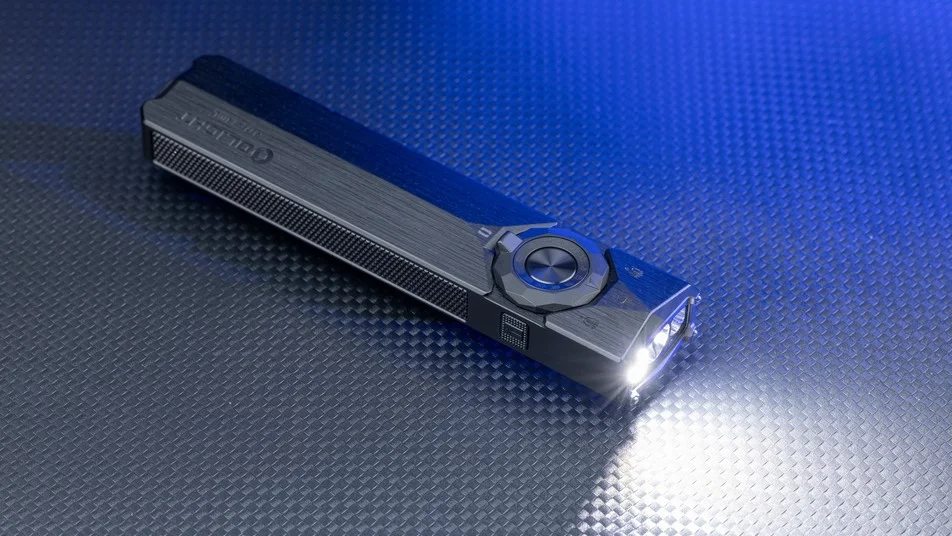
TL;DR: Start with the current maintenance instructions and your shop’s tool-control process. Use the lighting and equipment the approved job calls for. A separate white task light can help with paperwork or an authorized bench task. Know how it is identified and returned, and report any missing item before the work moves on.
📋 Table of Contents
- 1. Match the light to the job it supports
- 2. What is the best flashlight for aviation mechanics?
- 3. Use the maintenance instructions that apply to the task
- 4. Use the shop’s foreign object debris process
- 5. How do you account for a flashlight after a maintenance task?
- 6. Reduce glare at the paperwork bench
- 7. What are the best flashlights for aviation?
- 8. Choose white light for an assigned support task
- 9. Close the job with the equipment accounted for
- 10. FAQ
Match the light to the job it supports
| Task | Lighting choice | Who makes the decision |
|---|---|---|
| Required aircraft inspection | Lighting and equipment specified for the approved task | Qualified maintenance staff use the applicable instructions and shop process |
| Read a work card at the bench | Fixed bench lighting or permitted white supplemental light | The person assigned to the station checks that the document is readable |
| Read a label at the issue counter | Existing counter light or a permitted close-task light | The tool room or supervisor sets local equipment rules |
| Carry a personal backup away from aircraft | A small white light, if allowed at that location | The site decides what personal equipment may be carried |
| A light or its part is missing | Pause the affected work and report the exact item | The shop follows its missing-tool and release procedures |
Ask which part of your job actually needs more light. The answer can be as straightforward as a poorly lit equipment tag at an issue counter. It can also be a step in a prescribed aircraft inspection. Those jobs need different decisions. A light that helps at the counter may have no place in the work area where qualified staff perform the inspection.
Give each device a job before taking it away from storage. If the assigned equipment already covers the work, keep personal gear in its permitted location. If supplemental light is allowed, ask where it belongs while the task is underway and how it is recorded or returned. Leave enough room at the bench to put a light down without hiding it underneath a folder or a tray.
Check what the shop issues, even if you bring the same model to private projects. Shared and personal lights can look alike. The shop may identify its equipment in a particular way or keep certain lights assigned to one bay. Find out which unit belongs to the assignment. That will matter when a different person comes in to finish or clean up the work area.
Prepare for the moment when you no longer need the light. At a bench, that can mean returning it before you start a second task. In a controlled area, use the procedure that governs every tool and loose item. If the light changes hands, make clear who received it and where it will be returned.
A desk can serve more than one crew. Before leaving, tell the next person whether they can borrow its light or need to check it out from the tool room. If the light has changed location, give the exact new location through the usual shop channel. A shared device needs a return plan even when it never goes near an aircraft.
What is the best flashlight for aviation mechanics?
Choose the light the approved maintenance task requires. For ordinary support work where the shop allows a personal flashlight, look for a white setting you can select deliberately and a light you can identify and return. Before you carry one into a controlled area, ask how the shop accounts for it.
A low price, high peak output, or a comfortable pocket clip may matter when you buy a general-purpose light. The shop still has to decide whether that equipment fits the job. Give the person making that decision the exact model and use case. A brief look at a work order, a task at a designated bench, and a formal inspection are different reasons to ask for light.
Think of a work card with a faint revision mark under a clear sleeve. A small white light at the desk may help you read the mark. If you are still uncertain about the revision, use the document system or ask the person responsible for the instructions. The extra light can help you see what you have. It cannot establish whether you have the right instructions or whether the next task can begin.
A useful choice has an obvious place to go when you are called away. If the work stops for a part, you should be able to place the light in its assigned location and tell someone else where to find it. A backup that travels in a different pocket every day complicates that handoff. Ask which storage position the shop uses rather than improvising one.
Use the maintenance instructions that apply to the task
The 2025 annual CFR edition of 14 CFR § 43.13 sets general performance rules for maintenance, alteration, and preventive maintenance. Paragraph (a) points to the current manufacturer’s maintenance manual or Instructions for Continued Airworthiness, or methods acceptable to the FAA Administrator, subject to the exception in § 43.16. It also addresses necessary tools and the use of manufacturer-recommended special equipment or an acceptable equivalent.
The rule matters when a task calls for specified lighting or special equipment. A retail light with a bright white beam has not established that it satisfies the task requirement. The authorized maintenance process determines what equipment is used. When there is a question about a document, an equipment substitution, or the scope of the job, get the responsible person’s decision before proceeding.
Start with the actual model and task in front of the shop, including the current applicable instructions. An article about a similar aircraft cannot give you that applicability. A coworker may know the local document system, while the person assigned to the job can confirm the instructions and equipment. If you are a trainee, bring questions to the qualified person supervising the work.
The purpose section of FAA Advisory Circular 43.13-1B, with Change 1 specifies inspection and repair methods for nonpressurized areas of civil aircraft when manufacturer repair or maintenance instructions are unavailable. It says the data generally relates to minor repairs. The circular sets conditions on applicable repair data, including consistency with the manufacturer’s data. The shop’s authorized process determines whether the guidance applies to a particular job.
Keep the procedure and the lighting question separate when you ask a supervisor. Tell them the work step you need to see and which approved documents you have. Ask whether there is an established source of light or a written equipment requirement. If the relevant instructions are unclear, get that resolved. A beam that looks good on a workbench does not fill a gap in the documentation.
Notice whether a work instruction treats the light as part of the equipment or provides the lighting separately. Ask that question before setting a personal light beside the task. If the shop has assigned a light or a bench position, use that arrangement. If visibility is still inadequate, tell the qualified person which specific step or material cannot be seen clearly.
The same principle applies when someone hands you an inspection mirror or another tool. Its presence on a bench tells you that it is available. The assigned procedure determines how it is used and the shop determines how it is accounted for. Clarify those points before taking it into the work area.
Use the shop’s foreign object debris process
The FAA advisory circular on airport foreign object debris management describes airport programs that organize prevention, detection, removal, and evaluation. It calls the material advisory and describes its application to airport operators and other aviation organizations. In a maintenance shop, use the actual employer’s tool-control and missing-item procedures to put that prevention idea into practice.
A light or one of its small parts can become a foreign object when it is out of place. At an open-aircraft work area, losing track of equipment can be a serious concern. The protective action starts with accounting for what went into the area and knowing who to notify when something is missing. Normal-looking equipment or an apparently empty workbench cannot resolve a discrepancy on its own.
At the issue counter, confirm which person handles a light whose condition has changed. A cracked case, damaged control, or missing part can be a reason to ask for another unit. Give the counter staff the same equipment identifier used on the issue record. If the shop separates faulty gear from equipment ready to use, follow that process when you return it.
Find out which items the shop wants recorded separately. Depending on its rules, that may include a battery, detachable accessory, or case. Ask how borrowed equipment is marked when no individual identifier is visible. Use the system the shop already maintains. A separate personal note can help you recall what happened, but the responsible team needs the information in its own approved process.
The same rule of ownership applies to a clip or tether. Ask whether the shop permits a retention device and what equipment it authorizes. A product clip is a carrying feature. It is not permission to secure a light to an aircraft or to introduce an extra loose item. Use the retention and storage arrangements the shop provides for the assignment.
| Point in the job | Tool-control question | If the answer is unclear |
|---|---|---|
| Before issue | Which light and accessories are assigned? | Ask the issue point to identify the exact items |
| At the station | Where does this light belong between tasks? | Use the shop’s designated storage or ask the lead |
| At a handoff | Who has the light and which items are still outstanding? | Confirm with the person giving or taking the assignment |
| When an item is missing | What was last verified, and who should receive the report? | Pause the affected work and follow the shop’s procedure |
| On return | Does the item match what the shop issued? | Leave the discrepancy for the responsible person to resolve |
Notice when the job changes location. A light that has a known position at the issue counter may get carried to a second bench because someone asks for help. The person handing it over should know whether that transfer is permitted and how to record it. The next shift can then tell the difference between something legitimately moved and something it needs to report.
Use the tool board or storage slot as the shop directs. An empty slot can be the first sign that a light is outstanding. It does not tell you where the light is. Check the applicable record and ask the responsible person for the next step. If a second worker says the light might have been borrowed, give the lead both facts rather than treating the first plausible explanation as the answer.
Do the same if you find an unmarked light at a bench. An item can belong to another team. Tell the designated person what you found and where. Return it only through the process that matches the equipment, and do not put an unfamiliar light back into a numbered slot just because it fits there.
How do you account for a flashlight after a maintenance task?
Return the exact light and any separately tracked parts through your shop’s tool-control process. Check its identifier and assigned position against the record. If something is missing, pause the affected work and tell the designated person what was issued, who last had it, and where it was last verified.
Write down what you can establish. For example, the record may show that a numbered light was issued to a bay, and a teammate may remember returning a spare battery. Those details answer different questions. The designated person can compare them with other records and decide how to handle the outstanding item. Keep an assumption from becoming a completed entry.
A good handoff separates facts from the next action. Say whether you personally saw the light back in its assigned position, received a report about it, or took over the assignment while it was still out. A new shift needs to know who owns the issue and what equipment is still unaccounted for. Follow the shop’s procedure before recording the task as complete or equipment as returned.
If a light goes out while you are using it, follow the shop’s direction for stopping the affected task and replacing the unit. Take note of what was issued and what failed before a replacement is mixed into the same workspace. Return or isolate the failed item in the place the shop specifies. Even when the fault seems simple, the original light still has to be accounted for.
Think about a new employee filling in at the issue counter. Give them a clear identifier, a return location, and the person to call if it does not match the record. If the person usually assigned to the counter is away, the team can work from a known process without needing to guess what another worker intended.
A substitute lamp does not answer where the first one went. In a handoff, give both identifiers and say which one is still in active use. That distinction matters if the lead follows up later and finds a lamp already back at the counter. The lead needs to know which device is present and which one the report concerns.
Reduce glare at the paperwork bench
At an off-aircraft desk, start with the light already in the room. A plastic cover over a work card can reflect the light into your eyes. Try moving the paper to another part of the desk or changing where you stand. Make sure the information is visible before copying a number. Ask for a readable copy if glare, dirt, or damage keeps part of it unclear.
The same desk example shows the limits of brightness. Raising output may make the reflection brighter without improving the text below it. If the station permits a supplemental flashlight, use enough white light to read the document and keep it away from other workers’ eyes. Try the adjustment on the paper from a normal working position.
The example is useful when comparing lights during a purchase. A tight patch of light may suit one line on a label. Someone reading a page may prefer room lighting that makes the whole sheet visible. If you expect to write and read at the same time, see whether the setup keeps your hands free at the bench and whether another person can read the same sheet.
If the same desk handles several work cards, prepare one clear place to read them. Keep the identification line visible while copying it and put the supplemental light back before picking up a different card. A shared station is easier to use when the next person can see the paperwork and also tell which equipment belongs there.
Aircraft inspection has its own requirements for where and how to look. Use the instructions, prescribed conditions, and instruments for the actual job. Raise a visibility problem with the responsible qualified person. A change that helps on a laminated card cannot determine whether an aircraft surface has damage or whether a component meets an acceptance criterion.
What are the best flashlights for aviation?
Match a flashlight to a defined role. Maintenance staff use equipment the approved task requires. A pilot doing an authorized walkaround follows the aircraft checklist. An adult organizing paperwork away from the aircraft can use a permitted white task light. Ask about the site’s equipment rules and keep work and personal lights separate.
Think about when you will need the light and what should happen afterward. A desk light can live in one known place where more than one person can use it. A personal light carried on a permitted office route may have its own storage point. Equipment assigned to maintenance work stays in the shop’s accountability process for that work.
A pilot’s evening walkaround is a separate job from a maintenance inspection. The night preflight inspection guide discusses the pilot’s checklist and work lighting as different parts of that assignment. Use the guidance for the role you are actually performing. An equipment recommendation for reading a form should never change an aircraft inspection or substitute for its required light.
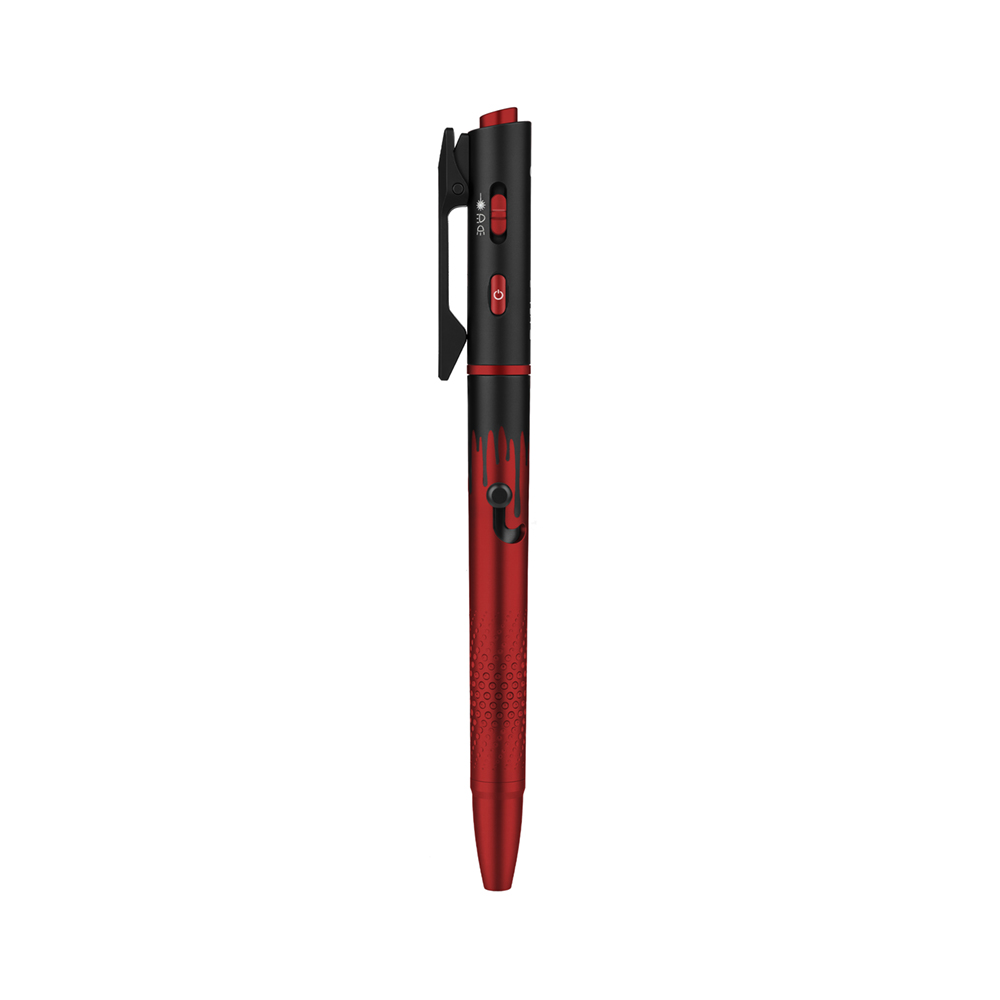
Some products include a light source other than ordinary white illumination. For the examples below, use only the white task setting and follow the employer’s equipment restrictions. Under 18 U.S.C. § 39A, knowingly aiming a laser pointer beam at an aircraft in the special aircraft jurisdiction of the United States, or at its flight path, is an offense subject to the statute’s exceptions. Keep personal devices out of locations where they are prohibited.
Choose white light for an assigned support task
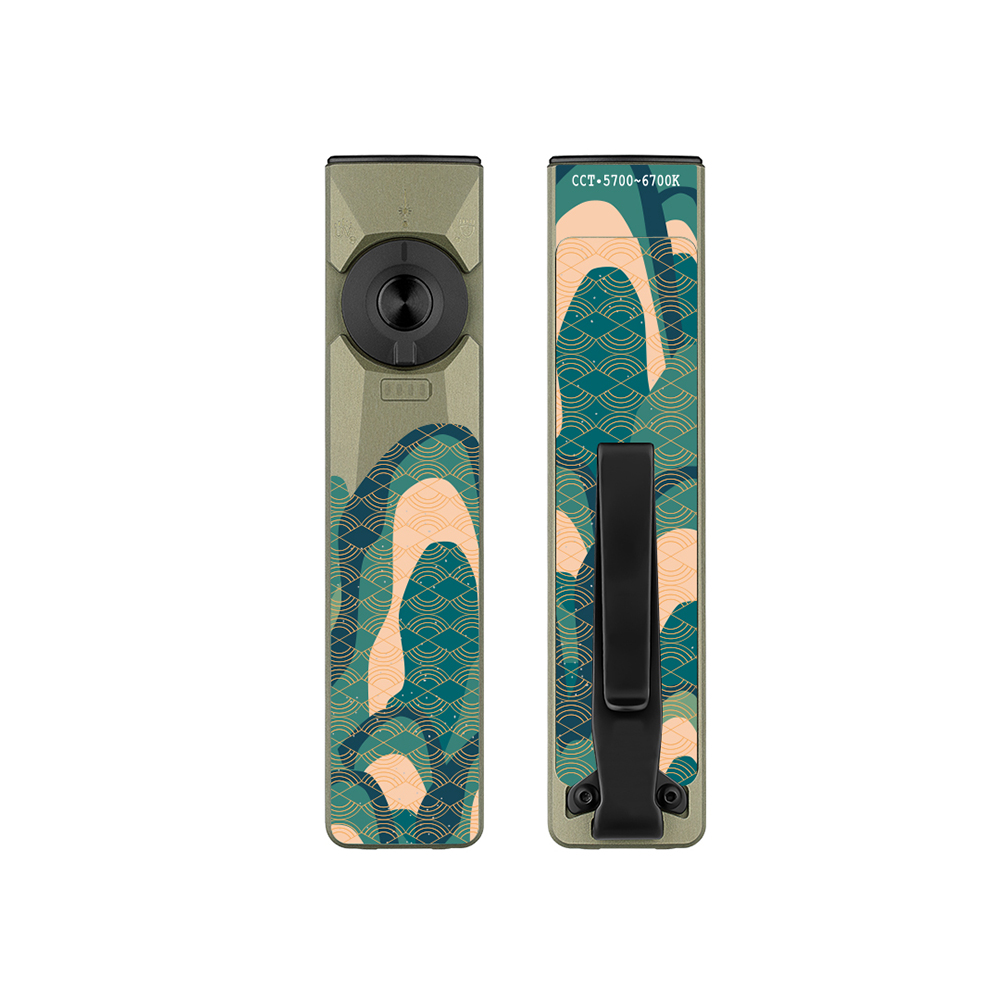
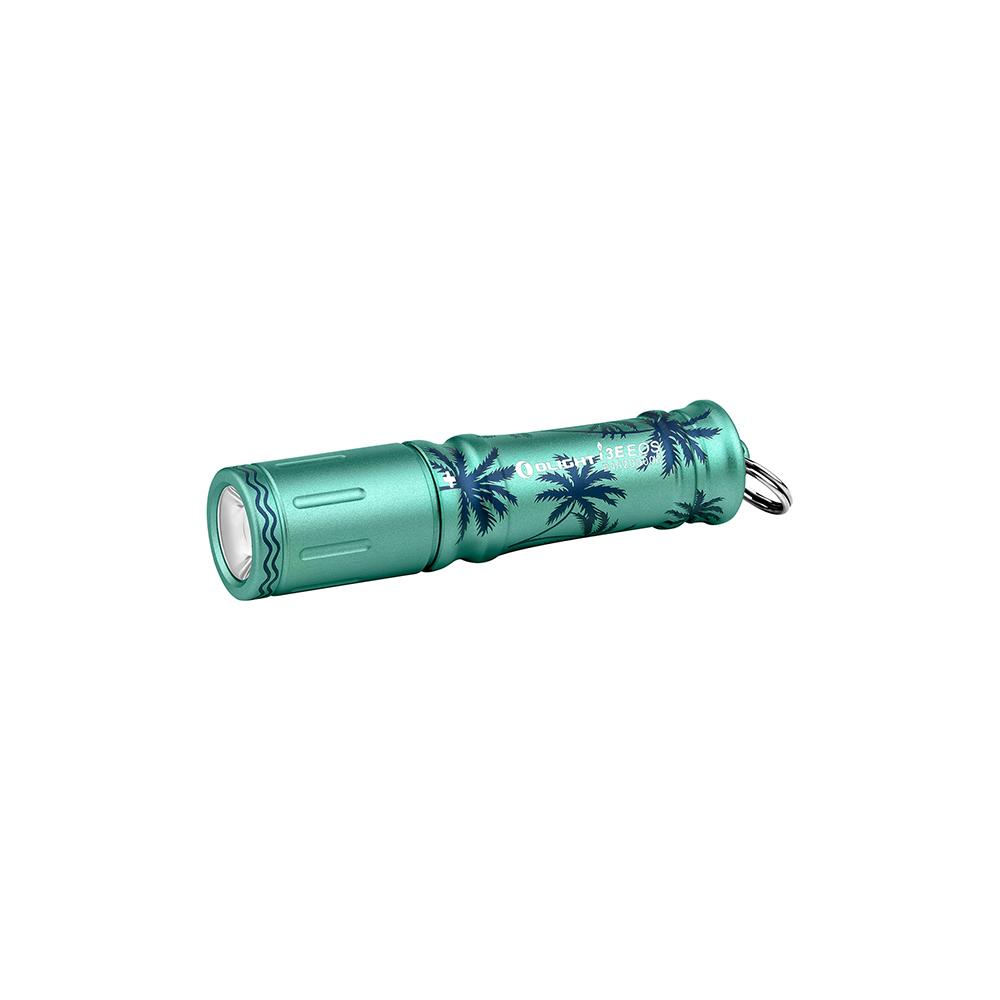
The examples below depend on the task and the location. The consumer lights can help in ordinary support work if the employer allows them. Ask about the device itself, including any other modes, before taking it to work. When the site calls for a dedicated single-purpose light or special equipment, follow that requirement.
If allowed, try the light at the place where you expect to read a document or sort ordinary supplies. Decide whether you can use it and switch it off while the room is lit. Keep the model’s instructions at hand and know where the device will go between uses. A consumer light is useful when it helps with a clear, limited support job.
For an ordinary desk, compare the device against the size of the work. A light that reveals a single serial number may leave nearby forms in shadow. Before choosing a portable light, try the fixed task light at the station. It may cover the whole page and leave fewer things to return at the end of the shift.
Close the job with the equipment accounted for
Make time for the return at the beginning of the assignment. If you have to leave early, know who can take over and where that handoff belongs in the record. Rushing from one bay to another is a common moment for losing track of which team has a shared item. A named person and a known storage point make the follow-up easier.
Imagine an assigned lamp with a numbered storage position and a separate borrowed light used for paperwork. Tell the incoming person which lamp was issued to the job and where the paperwork light belongs. If the issued lamp is already back, confirm its actual identifier. If it is still outstanding, tell the person who can follow up and keep the status clear.
Find out what the next team needs to see. They may be able to resolve an item reported in the system without any extra paper, or they may use a designated supervisor as the point of contact. Give them the exact equipment identifier and the last verified action. Let the authorized personnel handle the follow-up and any decision about releasing the work.
Ask what to do when the equipment and the work end at different times. A returned light may go back to the tool room before the job is finished. A shared light may stay issued for the next person. Give the next worker the return status for the actual light and the location at which they can verify it.
If you eventually change which supporting light you carry, update the routine that goes with it. Find out whether it belongs in the same place, whether the shop allows its additional functions, and how to keep it out of controlled areas when it is a personal device. An easy-to-recognize outline is useful at a bench. A light that has its own clear and accepted path back to storage is useful over an entire shift.
A short closeout check can also tell the next crew what changed at the bench. If a folder was moved because a sleeve reflected light, leave the latest approved work document where the shop expects it. If you found a readability problem, report the problem through the usual channel so the next worker starts from an accurate document and equipment record.
FAQ
Changelog
- November 19, 2026: Checked the 2025 annual maintenance performance rule, FAA aircraft inspection and airport FOD circulars, the federal aircraft laser pointer statute, and current U.S. product and original gallery records.