



TL;DR: A backpacking headlamp budget compares the light, mount, charging gear, and backup you will actually carry. Start with exact product weights and dated prices, then total the selected setup. Published Olight examples range from a 22 g keychain backup to a 54 g headlamp; role and package contents matter as much as the scale.
| Gear role | Olight example | Published weight basis | Dated regular-price snapshot |
|---|---|---|---|
| Hands-free primary | Perun 3 Mini Standard CW | 54 g, battery included | $64.99, Nov. 5, 2026 |
| Clip light / optional head mount | Oclip Pro black standard SKU + separate strap | 53 g light; add the selected strap to system weight | $39.99 (Nov. 5) + $7.99 (Oct. 31) |
| Compact backup | i1R 2 Pro Flow | 22 g, battery included | $21.99, Nov. 5, 2026 |
| Clip light alternative | Oclip 2 Ultra | 79.5 g, battery included | $69.99, Oct. 30, 2026 |
📋 Table of Contents
- 1. Table of contents
- 2. Start with the whole lighting system
- 3. How to read grams per dollar
- 4. Budget examples from published specifications
- 5. Choose a setup by trip length and charging access
- 6. When a backup light earns its place
- 7. A transparent three-, five-, and seven-night planning worksheet
- 8. What a budget comparison can and cannot tell you
- 9. The role of brightness and beam choices in the budget
- 10. How to make the calculation reproducible
- 11. How many lumens should a backpacking headlamp be?
- 12. What is the best headlamp for trekking?
- 13. What type of headlamp should I get for hiking?
- 14. FAQ
- 15. The short version: pay for the kit you will carry
Table of contents
- Start with the whole lighting system
- How to read grams per dollar
- Budget examples from published specifications
- Choose a setup by trip length and charging access
- When a backup light earns its place
- How to make the calculation reproducible
- Common questions
Start with the whole lighting system
For a backpacking headlamp, compare the whole system: light, mount, power source, charging method, and any backup selected for the trip. The rechargeable headlamp guide covers broader model-selection factors. A product’s published weight may include its battery but exclude a separately purchased strap, charging case, or spare cell. Two prices can therefore look comparable while representing different kits. The safest budget comparison keeps every cost and every mass in its own line until the final total is clear.
For a hands-free setup, list at least the light and the headband or attachment that holds it. Record an accessory’s mass only from its own specification or a direct measurement of the exact item. Do not estimate it from a photograph or borrow a weight from a different strap. The same discipline applies to a spare battery: include it only when the exact battery and its weight are known. An honest incomplete total helps more than a falsely precise one.
A useful comparison separates four quantities:
| Ledger item | What to record | Why it matters |
|---|---|---|
| Light weight | Manufacturer’s stated weight and whether the battery is included | Keeps unlike measurement bases from being compared as though they were identical |
| Mount or strap | Exact accessory and published weight, if available | The mounted setup may weigh more than the light alone |
| Trip power | Charging cable, case, or spare battery actually planned | A rechargeable light can shift mass from spare cells to a charger or power bank |
| Price | Regular listed price for the selected SKU, captured on a date | Sale prices change; a dated snapshot keeps the arithmetic reproducible |
The National Park Service lists a flashlight or headlamp under illumination in its Ten Essentials guidance and recommends packing extra batteries. That is a useful reminder to plan a backup source, but it does not dictate one particular product or mean every itinerary needs the same number of lights. Route exposure, group size, expected darkness, charging access, and the consequences of a failure all affect the plan. The NPS Ten Essentials guidance is a starting point for the safety category, not a substitute for route-specific planning.
How to read grams per dollar
The title’s “grams saved per extra dollar” is one way to express a comparison, but it needs a baseline and a consistent setup. For two comparable configurations, calculate both directions:
- Grams saved per added dollar = grams saved ÷ added cost.
- Cost per gram saved = added cost ÷ grams saved.
- Added cost = upgraded setup price − baseline setup price.
- Grams saved = baseline setup weight − upgraded setup weight.
For a hypothetical example, suppose the lighter setup costs $20 more and saves 40 g. The result is 2 g saved per added dollar and $0.50 per gram saved. Both describe the same tradeoff. If the weight difference is zero or negative, neither ratio describes a weight-saving upgrade. The arithmetic only helps when both sides cover comparable roles, package contents, and measurement bases.
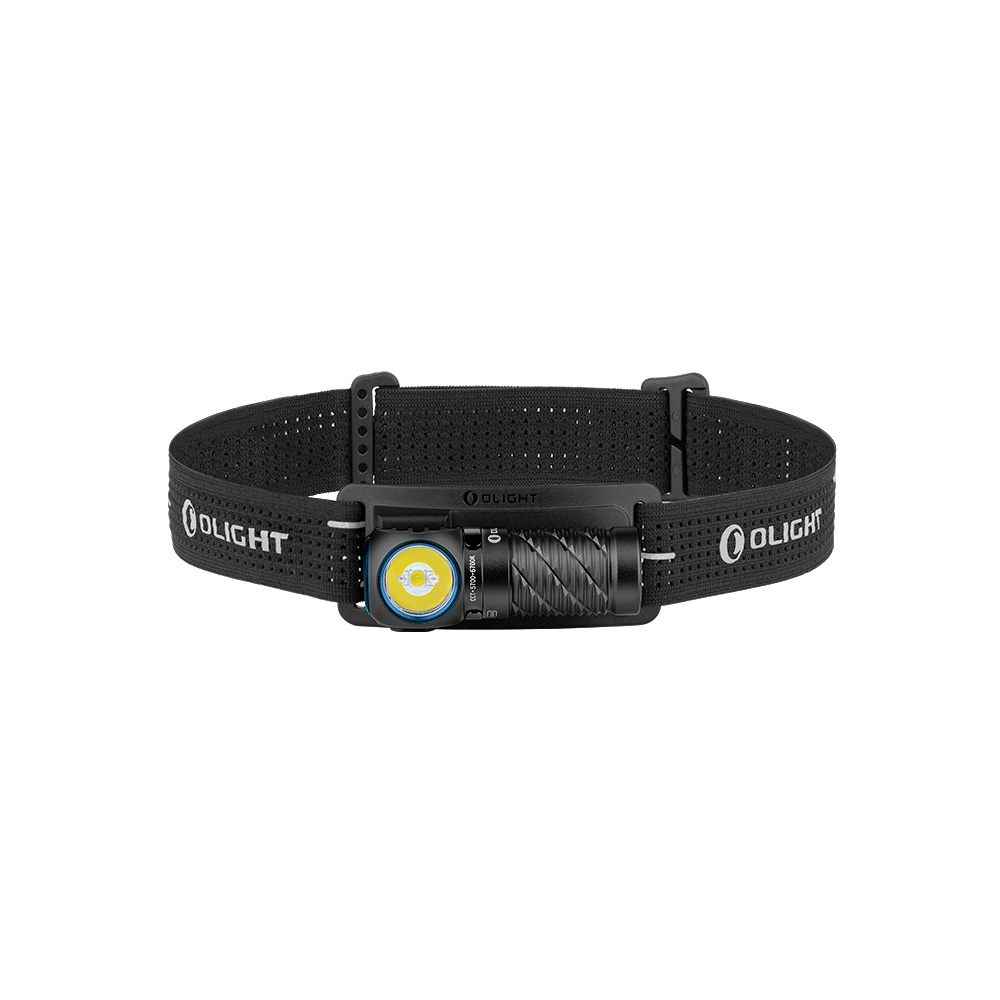
Published Olight specifications list Perun 3 Mini Standard CW at 54 g with its battery included and Oclip Pro at 53 g with its battery included. That is a one-gram difference between the lights alone, not between complete hands-free setups. Perun’s standard package includes its headband and headlamp base; an Oclip Pro head-mounted arrangement adds a separately sold strap. Compare each assembled configuration on the same scale before applying either ratio. The two products also fill different roles, so their standalone prices and weights are context, not a like-for-like value ranking.
Price math also needs a date. The product data captured on November 5, 2026 records a $64.99 regular price for the Perun 3 Mini Standard CW SKU and $39.99 regular price for the black Oclip Pro SKU. The Oclip Series Headlamp Strap source was captured October 31, 2026 at $7.99. The separate Oclip Series Headlamp Strap is described as compatible with listed Oclip models and sold by itself.
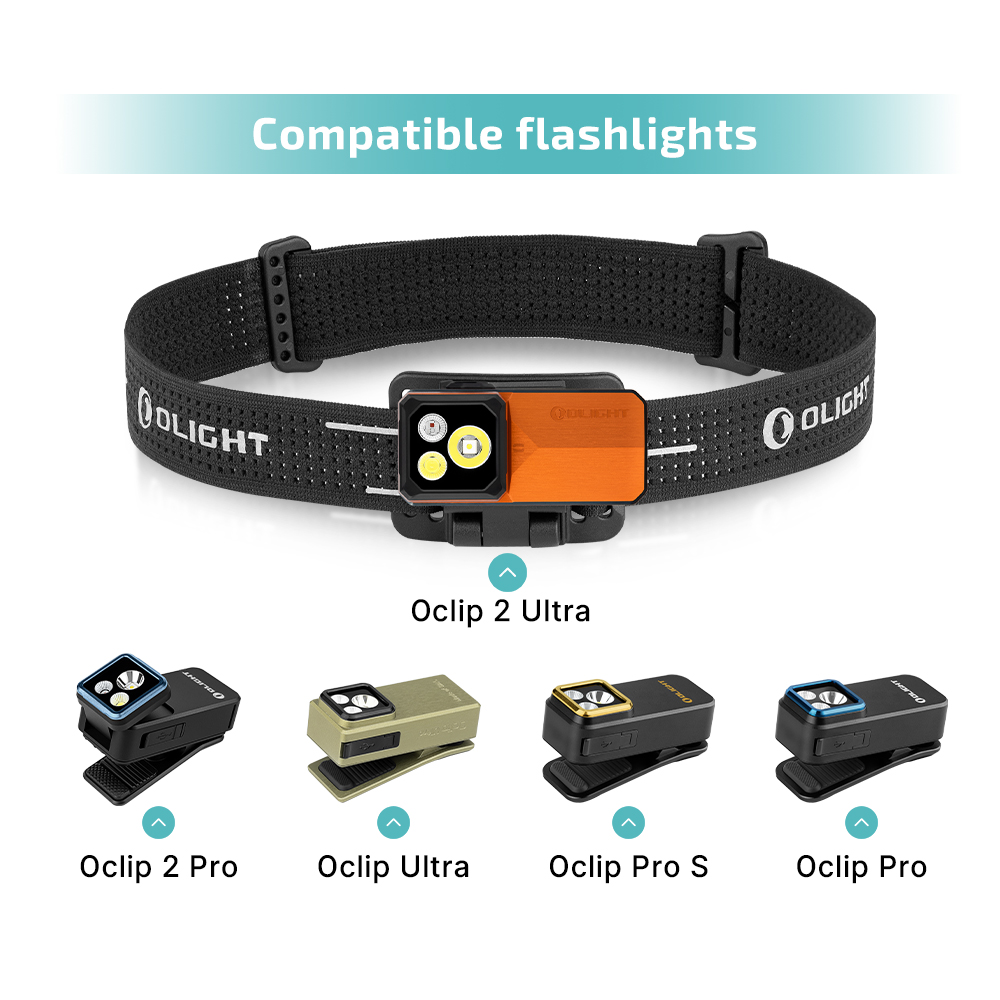
Official Oclip Series Headlamp Strap image; the strap is sold separately from the light. On those snapshots, Oclip Pro plus the strap totals $47.98 before tax and shipping. That is $17.01 less than the Perun 3 Mini Standard’s captured regular price. It is not a same-day basket quote, and current prices can change.
Budget examples from published specifications
The following table keeps price and weight basis visible. Prices are dated captures of regular prices, rather than a claim about today’s checkout total. Package contents and light-only weights are separated so readers can compare like with like.
| Option | Published weight | Price snapshot | What the comparison includes | What remains outside the figure |
|---|---|---|---|---|
| Perun 3 Mini Standard CW | 54 g, battery included | $64.99, Nov. 5, 2026 | Standard CW light configuration; maker lists headband and headlamp base in the standard package | Trip runtime depends on selected mode, conditions, and charging strategy; a multi-night total is route-specific |
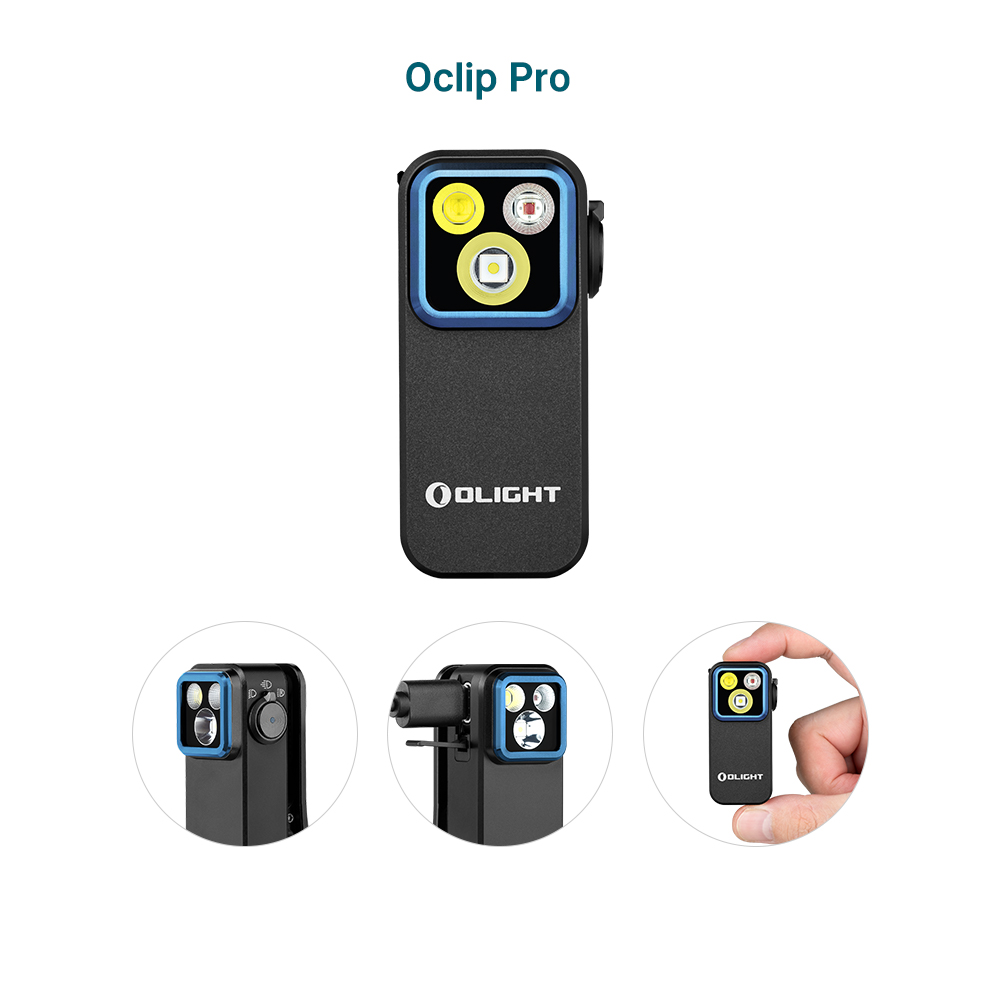
| Oclip Pro, black standard SKU | 53 g, battery included | $39.99, Nov. 5, 2026 | Light alone | A compatible strap is a separate accessory; compare the complete selected arrangement |
| Oclip Pro plus Oclip Series Headlamp Strap | 53 g for the light; add the separate strap to the selected carry setup | $47.98 combined snapshot: $39.99 (Nov. 5) + $7.99 (Oct. 31) | Light and separately sold compatible strap | Compare the complete configuration selected for hands-free use |
| Oclip 2 Ultra, standard listed SKU | 79.5 g, battery included | $69.99, Oct. 30, 2026 | The exact Oclip 2 Ultra variant listed in the source file | This is not a generic Oclip 2-family weight; verify the exact model and configuration |
| i1R 2 Pro as a compact backup | 22 g, battery included | $21.99, Nov. 5, 2026 for the Flow SKU | Small keychain light | It is not a headlamp and should not be treated as the primary hands-free source |
These options do not create a laboratory ranking. They clarify what each item is. The Perun 3 Mini is sold as a headlamp and handheld light; its Standard version differs from the Premium kit, which adds a charging case and is listed at a much higher weight. This article uses only the Standard 54 g and $64.99 figures. Mixing the Premium kit’s 142 g total with the Standard price would be a serious comparison error.
The Oclip Pro is a clip light, not a purpose-built headlamp by itself. The separate strap is described as compatible with listed Oclip family models and is sold on its own. It can be relevant to a budget comparison because it changes the mounting arrangement and total purchase cost. Compare the complete head-mounted configuration, including the accessory selected for use.
An exact variant matters for Oclip 2 as well. The available source record is for Oclip 2 Ultra, with a listed 79.5 g including battery and a $69.99 regular-price snapshot from October 30, 2026. That record should not be copied onto Oclip 2 Pro or another edition. For that reason, the examples below name the complete variant whenever using its figures. The official product photograph below shows the Oclip 2 Ultra model represented by this row. Readers can explore the Oclip family for current U.S. configurations; check the selected edition and package before purchase. The Perun series and keychain flashlight lineup provide broader comparisons for distinct light roles.
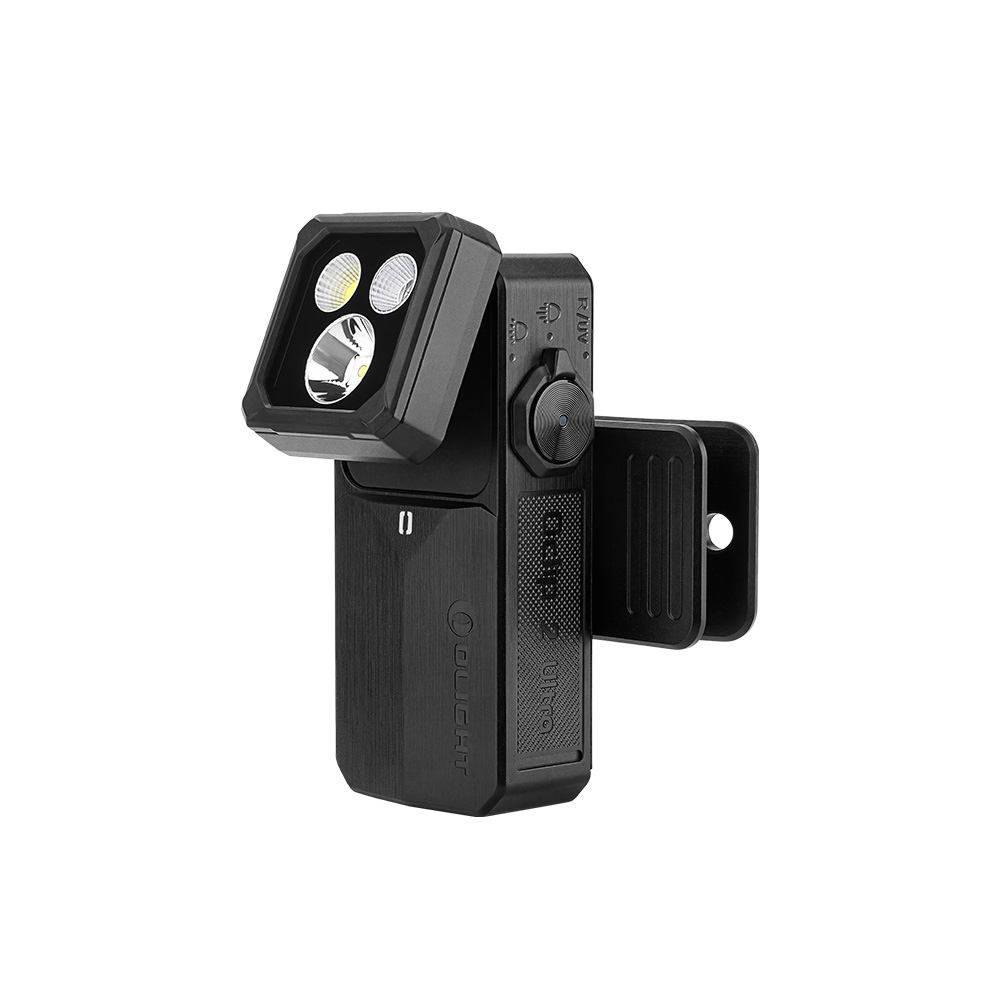
Oclip 2 Ultra official product image; the specification and price entry refer to this named Ultra configuration.
Product cards: distinct jobs
These cards are examples of different roles, not comparative rankings. The listed regular prices are historical captures with their dates included. Confirm the selected SKU and current listing before purchase.
Choose a setup by trip length and charging access
The Oclip 2 Ultra is one exact Oclip 2-family variant in the available U.S. record. Its listed 79.5 g includes the battery. That figure is useful only when the name stays attached to the exact Ultra variant; it should not be generalized to every Oclip 2 package.
Trip length alone does not determine the right setup. The more useful question is whether the route offers a practical way to recharge, how many hours the light will be used, and what happens if the primary light stops working. A three-night itinerary with a dependable power bank and planned charging windows is different from a seven-night route where every ounce is carried from the trailhead and no resupply is available.
A three-, five-, and seven-night lighting comparison can be useful, but trip length alone does not determine device runtime. Brightness level, temperature, battery condition, charging plan, and actual use pattern all shape the result. Published maximum runtimes correspond to specified modes and conditions; they cannot be added up as if every night uses the same setting or temperature. Use the worksheet below to build a route-specific plan.
| Trip profile | First question | A practical budget move | Avoid this assumption |
|---|---|---|---|
| Weekend, reliable power bank | When can the primary light be recharged? | Compare the light plus the charging gear already carried; avoid buying a duplicate battery system without a reason | “Three nights” automatically means a specific runtime or battery count |
| Several nights, occasional charging | Can the light be topped up during a meal or at camp? | Record charging cable and power bank weight once, then allocate them across all devices they serve | A longer maximum-runtime claim guarantees the same hours in cold weather or on a high mode |
| Extended route, no resupply | What is the contingency if the primary light fails? | Plan redundancy by failure mode and carry an independent backup source appropriate to the route | The lightest option is automatically the safest or most reliable |
| Group trip | Can one backup serve a group without leaving others unable to move? | Decide who carries which backup and how the group will respond to a failed light | One shared light is equivalent to each person having illumination |
If a power bank is already part of the navigation and phone plan, its mass is not necessarily an incremental cost of a new light. But the article should not claim that charging is “free”: the bank has mass, capacity limits, cables, and other uses. A useful spreadsheet allocates the bank once and notes the devices that depend on it. If a charger is carried only for one light, count its full mass in that lighting system. If the same bank supports several devices, show the shared item separately instead of pretending the light itself weighs more.
Temperature, mode choice, and battery age can also change real-world endurance. A manufacturer’s runtime chart is valuable because it documents mode-specific performance and the maker’s stated conditions. It is still not a promise that a particular trip will follow the same curve. For planning, leave margin and use the product’s official manual for operating and charging limits. Do not turn a maximum lumen figure into a predicted number of nights: output levels, regulated performance, thermal behavior, and chosen settings matter.
When a backup light earns its place
A backup earns its place when it addresses a credible failure scenario at a tolerable weight and cost. The National Park Service’s Ten Essentials puts illumination among the key systems and advises bringing extra batteries. The exact form of redundancy depends on what the primary light uses and what can fail. A spare power source may help with depletion; a second light may help with damage or loss; a group may distribute those roles. These are different safeguards.
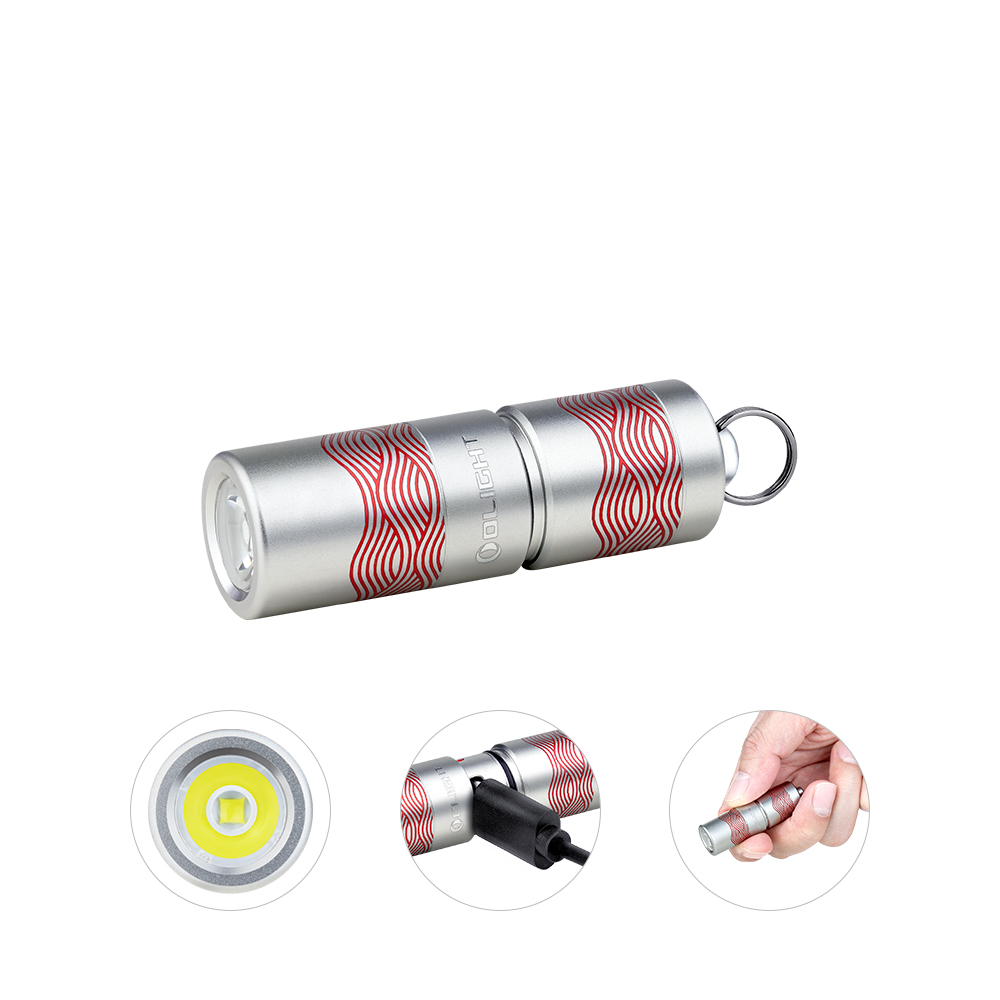
A tiny keychain light such as the i1R 2 Pro is a distinct role from a headlamp. At 22 g including its battery, its mass is measurable from the published specification. It can supply a separate compact light source, but it lacks the hands-free placement of a headlamp. It should not be treated as a substitute for the primary task light when both hands are needed for cooking, first aid, or route work. A user could clip or hold a light, but that does not make it equivalent in every task.
Likewise, carrying two complete headlamps may be unnecessary for some hikers and prudent for others. The decision should reflect route remoteness, the group’s ability to help, planned nighttime travel, and how difficult it would be to continue if a light failed. A day hike that might unexpectedly run late, an exposed alpine route, and a walk between a campground and a restroom are not the same risk profile. This is why a single universal “backup weight” cannot be assigned to every trip.
There is also a budget tradeoff between a dedicated backup and shared charging equipment. If the primary and backup can both use a planned charger, that may simplify the power plan, but only if their exact charging methods are compatible. The product listing and manual, not a family resemblance, determine compatibility. Count cables and adapters only when they are genuinely required. Avoid buying an accessory simply because a product page shows it in a promotional photo; package contents and accessory notes should be read carefully.
A practical backup decision can be written in one sentence before shopping: “If the primary light fails, this is the independent way the group will illuminate the route.” If the answer depends on a phone screen, remember that a phone may also be needed for navigation or communication. The NPS guidance explicitly treats a flashlight or headlamp as illumination equipment. A phone’s flashlight can be convenient, but it should not automatically erase a dedicated light from a backcountry plan.
A transparent three-, five-, and seven-night planning worksheet
The point of a trip-length table is to expose assumptions, not fabricate runtime results. Use the same blank worksheet for each route. Enter the hours of darkness you expect, the task hours that genuinely require a headlamp, and the charging opportunities supported by your itinerary. Then compare that need with the manufacturer’s stated mode table and the user manual. Use the route, manual, and gear you have in hand to resolve each planning line, then create margin for conditions that can change.
| Planning line | 3 nights | 5 nights | 7 nights |
|---|---|---|---|
| Expected dark hours when hiking | Enter route-specific estimate | Enter route-specific estimate | Enter route-specific estimate |
| Camp tasks that need hands-free light | List cooking, setup, repairs, or other tasks | List actual expected tasks | List actual expected tasks |
| Primary light and exact mode(s) | Name model and manual mode | Name model and manual mode | Name model and manual mode |
| Charging opportunities | Enter only confirmed opportunities | Enter only confirmed opportunities | Enter only confirmed opportunities |
| Primary system mass | Add documented light, strap, cable, and battery masses | Same method | Same method |
| Backup plan | Name a separate source or spare power | Name a separate source or spare power | Name a separate source or spare power |
| Conditions to check | Temperature, selected modes, charging access | Record route-specific inputs | Record route-specific inputs |
Each planning line should be tied to the route, the exact manual, or the gear at home. For a real trip, weigh the exact items you own on a scale and record whether the battery is installed. That is a personal packing measurement, not a manufacturer specification; it applies to your own kit and not automatically to every unit. Repeat the measurement if a strap, clip, case, or cable changes. Home scales can make small accessories easier to compare, but precision beyond the scale’s resolution is false confidence.
Do not infer runtime by multiplying a “low mode” headline by the number of nights. A low mode might be suitable for reading inside a tent but not for a rocky descent. A higher mode could be used in bursts, while a regulated mode may change as battery voltage falls. Mark the purpose of each mode in the plan. Then compare the documented runtime for that mode with the route’s expected use, while leaving a buffer for delays and unplanned stops.
What a budget comparison can and cannot tell you
A price-and-weight comparison can identify a premium for a lighter complete system, but it cannot measure comfort, beam quality, durability, or confidence on a specific trail. Headband stability may matter to a runner; a broad beam may matter to camp chores; a simple interface may matter to someone wearing gloves. Those are real selection criteria, but they should be evaluated from product documentation and personal handling rather than disguised as measured outcomes in this article.
Price snapshots should also be separated from total cost of ownership. A listed regular price is only one purchase point. Tax, shipping, promotions, member benefits, replacement batteries, and accessories may change a shopper’s actual cost. This article uses regular prices captured in source records on different dates, not a same-day comparison basket. The reader should treat the arithmetic as an example of method and check the official U.S. listing before purchasing.
A compact light may reduce mass yet require another accessory to perform the intended role. A larger included headlamp package may bundle a strap and base, changing the initial price but simplifying the kit. A premium kit may add a charging case that is useful for one itinerary and unnecessary for another. Compare what arrives in the selected package with what the trip needs; don’t count promotional accessories as included unless the product listing says so.
The value of one gram is personal. A hiker carrying a minimal base weight may care about every item. Someone whose route includes long evenings at camp may prefer a comfortable mount and a familiar control interface. A group leader may value a straightforward backup plan. The arithmetic is most useful when it narrows a decision, not when it replaces one. State the cost difference, the weight basis, and the exact package; then decide whether the trade fits the route and budget.
The role of brightness and beam choices in the budget
The brightest listed output is not automatically the right benchmark for a backpacking headlamp. Maximum lumens describe a particular output mode, not the brightness most hikers will use continuously. A headlamp may offer several levels or color options. Reading a map at camp, finding a zipper, walking a familiar campground path, and navigating uneven terrain all call for different amounts and shapes of light. A useful budget question is whether the listed modes match the tasks, not whether the maximum number wins a comparison table.
Perun 3 Mini’s U.S. product information lists 1,250 lumens for the CW version and 920 lumens for the HCRI neutral-white version, alongside different beam-distance information. These are manufacturer specifications, not a comparative trail result. They help readers verify which variant the data belongs to. If color quality, beam distance, or mode configuration matters, read the exact configuration page and manual. Do not copy a CW mode figure onto the HCRI variant or assume the maximum setting will be used for an entire outing.
For an Oclip-style setup, the form factor and mounting approach are part of the value question. A clip light can be useful around camp when clipped to compatible fabric or gear, and a compatible strap can enable head-mounted use. The resulting angle and fit depend on how the hardware is attached. The manufacturer’s description of compatibility supports the intended pairing; it does not prove the combination is ideal for every head size, terrain, or running pace. A hiker who plans to cover rough trails at night should decide whether a dedicated headlamp format is the more suitable form.
A sensible shopping comparison therefore uses minimum practical requirements first. Decide whether you need hands-free light, red light, a particular charging method, a beam profile, a water-resistance rating, or a backup battery strategy. Remove options that do not satisfy a required condition. Then compare remaining products by complete cost and mass. This prevents a high lumen count from distracting from the task or a low sticker price from hiding a separately purchased accessory.
How to make the calculation reproducible
A budget table should be easy for another person to recalculate. Use one row per exact SKU or package, not one row per product family. Record the regular price from the listing and the date observed. Keep sale price, coupon, membership price, or promotional bundle separate if the user asks for those comparisons; do not substitute them for regular price. Record the weight number and basis exactly as the maker presents it, including whether the battery is included or a charging case is included.
If comparing a base option with an upgrade, add columns for total cost, exact package weight, mass difference, and the reason for upgrading. Use measurements from the same assembled configuration and calculate the difference using consistent units. Keep the arithmetic visible enough that readers can check it on a calculator.
This also helps prevent a common mistake: dividing the price difference by a weight change between products that do different jobs. A standalone headlamp and a clip light plus a strap are not identical packages. The comparison can still help a shopper, but the use case must be named. A reader looking for a simple hands-free primary may choose differently from someone who already carries a clip light and only wants an alternate way to mount it.
A personal field log can add evidence without turning it into a universal ranking. For an upcoming trip, note the exact model, configuration, battery status at departure, modes used, approximate hours, charging events, and remaining charge at the end. Keep conditions and route context with the record. That kind of log answers “how did this setup work for me on this trip?” It remains a trip-specific record and does not establish a controlled comparative result.
Quick checklist before checkout
- Confirm the exact model, SKU, color or emitter variant, and package.
- Check whether stated weight includes the battery, charging case, strap, or other accessories.
- Add the weight of required mounting and charging items only when their real values are known.
- Compare regular prices captured on the same date when making a direct price ranking.
- Verify current availability and listing details on the U.S. product page.
- Decide how the group will maintain illumination if the primary light fails.
- Use the manual’s mode and charging information for the exact configuration.
How many lumens should a backpacking headlamp be?
There is no single lumen number that fits every backpacking task. Choose a headlamp whose documented modes support the route’s needs: low-output close work, camp chores, and enough forward illumination for the terrain and pace you expect. Maximum lumens are one specification, not a prediction of usable runtime or a complete measure of beam quality. Check the exact model’s mode table and manual, then consider how often you will use each setting.
What is the best headlamp for trekking?
The best headlamp for trekking is the one that fits the terrain, trip length, mounting preference, power plan, and backup strategy. A dedicated headlamp may suit a hiker who wants a purpose-built strap and hands-free orientation. A compatible clip-light-and-strap arrangement may suit someone who values a multi-role light and counts the strap as part of the selected accessory setup. Compare exact package contents, weight basis, controls, and charging method before deciding.
What type of headlamp should I get for hiking?
Start with the hike rather than a product category. For a short familiar trail, a compact, simple setup may be enough if it meets your illumination and backup needs. For a multi-night backpacking route, examine battery strategy, charge access, mounting comfort, useful lower modes, and independent backup. Compare a product’s published weight with the rest of the system, including its strap, power accessories, and planned carry method.
FAQ
The short version: pay for the kit you will carry
A backpacking headlamp budget is not a contest to buy the fewest grams at any price. It is a clear account of what a complete lighting plan costs and weighs, based on exact products and stated measurement conditions. The published data used here show why the details matter: Perun 3 Mini Standard is 54 g with battery included; Oclip Pro is 53 g with battery included; the compatible Oclip strap is a separate purchase that changes the full configuration; and the tiny i1R 2 Pro is a 22 g backup-shaped option rather than a primary headlamp.
The dated regular-price snapshots make the financial side visible while respecting their age. On the documented dates, the Oclip Pro and compatible strap total $47.98, and the Perun 3 Mini Standard CW is $64.99. Those amounts do not make the two arrangements interchangeable. They show how to compare an item plus needed accessory against a package designed for hands-free use, and why the full assembled configuration belongs in a gram-per-dollar calculation.
Before a trip, build a short ledger, check the exact model and package, read the mode and charging instructions, and decide what happens if the main light fails. Then choose where the tradeoff belongs: lower cost, reduced carry mass, dedicated hands-free setup, simpler charging, or backup resilience. The right budget is the one that keeps those choices explicit instead of hiding them in a single headline number.
Changelog
- November 19, 2026: Product information and buying guidance reviewed.




