



TL;DR: Plan an Olight Black Friday cart around real lighting needs, then check each offer's exact products, dates, eligibility, and checkout conditions. Separate necessary items from alternatives and optional additions. Compare the complete payable total, keep a copy of the applicable terms, and remove anything whose value depends on an assumption.
📋 Table of Contents
- 1. Sort the cart before an offer changes the plan
- 2. Keep a historical announcement in its own year
- 3. Give every condition a source and a scope
- 4. Build the equipment plan around ordinary tasks
- 5. Baton 4 Pro: a compact handheld belongs in a defined role
- 6. Perun 3: justify a second role through hands-free placement
- 7. Oclip 2 Pro: assess attachment before buying another body style
- 8. Keep configuration changes visible
- 9. Compare payable totals with a filled example
- 10. Treat gifts, points, and services as separate decisions
- 11. Check account and occupational programs without assuming they combine
- 12. Does Olight ever go on sale?
- 13. Is it cheaper on Black Friday or Cyber Monday?
- 14. Is there a discount code for Olight?
- 15. Plan a gift from the recipient's side of the table
- 16. Make one final checkout pass
- 17. Frequently Asked Questions
- 18. Keep the list useful after the shopping period
Sort the cart before an offer changes the plan
Start with the jobs that need better lighting, not a target discount. A useful cart plan identifies who will use each light, where it will be kept, and how it will be charged or supplied with power. That gives every proposed item a reason to be on the list before a promotional message introduces another choice.
Use three groups: needs, alternatives, and optional additions. A need solves a defined problem. An alternative is another way to solve that same problem, so it normally competes with the first item rather than automatically joining it. An optional addition has a separate benefit that should justify its own cost. A different finish can be enjoyable, but enjoyment belongs in the decision openly rather than being described as essential equipment.
| Planning group | Filled household example | What to do with it |
|---|---|---|
| Need | A light for reading a label while recording information | Compare a suitable hands-free arrangement and its complete package |
| Alternative | A compact handheld for the same inspection | Keep it as an alternative if one hand can remain available |
| Optional addition | Another finish or a second light without a separate role | Include it only if its personal value fits the budget |
Assign a spending limit before comparing the groups. Leave room for required equipment, delivery, and tax rather than treating the entire limit as an item-price allowance. The plan should still make sense if no promotion applies to a particular configuration. That is a useful way to recognize a genuine need without promising that every shopper should buy the same light.
Keep the list short enough to review carefully. Several similar products can create more uncertainty about controls, charging equipment, and package contents. A smaller list with clear roles is easier to check at checkout and easier for the household to use afterward.
Keep a historical announcement in its own year
Olight has published U.S. Black Friday promotional information. One identifiable example is its November 18, 2024 announcement about custom engraving. That dated page documents a historical campaign. It does not establish which products, services, prices, or benefits are available for a different shopping period.
This distinction matters when a search result brings an older announcement to the top of the screen. Read the year and the publication date before adding its conditions to a current plan. A page can remain accessible after the campaign it describes. The fact that it can be read today does not change the period to which its offer belonged.
For a current purchase, use the applicable U.S. offer information and the conditions shown for the actual transaction. Keep the page date separate from the stated offer period. If a time zone is given, keep that with the start and end times rather than translating a short headline into an assumed local deadline.
Historical information can help a shopper identify questions to ask. It should not supply an assumed calendar, percentage reduction, member benefit, or gift for another year. Build the plan so that it can accept verified terms when they are available without needing an old campaign to remain active.
Give every condition a source and a scope
An offer needs more than a headline. Identify the products and configurations to which it applies, the relevant period, and any account or order conditions. Read the complete information before treating a banner as a rule for the entire cart. A benefit attached to a selected configuration should remain attached to that configuration.
Separate the kinds of conditions as you read. A product discount, a service, a shipping condition, and an account reward may answer different questions. One being available does not establish that another is available or that they can be combined. If the written information does not resolve the combination, ask for clarification instead of adding the benefits together on paper.
Keep the evidence with the proposed item. A useful note names the product, selected option, source page, observation date, and the condition that matters. The purpose is to make the decision understandable when returning to the cart later. A screenshot cropped down to a large percentage may remove the information that determines whether the offer applies.
Compare the condition with the actual order. An account-specific message may need the correct sign-in state; a product-specific offer may need the exact option. Follow the stated requirements rather than trying to make an unrelated listing fit the headline. If the cart does not show the expected result, resolve the difference before submitting payment.
Build the equipment plan around ordinary tasks
A household does not necessarily need a new light for every location. Start by identifying the roles that existing equipment does not cover. A compact handheld might belong near the front door, while a hands-free arrangement may be useful for a recurring inspection. Another purchase should add a distinct role or provide a deliberately planned spare, not simply duplicate a product because it appears beside an offer.
For each role, decide how the beam needs to be placed and whether the user needs both hands. Then consider the working levels and the power routine. The largest maximum-output number does not identify the most convenient arrangement for a nearby label or an evening walk. Product form and operating information belong in the cart decision before the promotional terms.
Keep the equipment check and the transaction check together. Use the model-specific instructions for operation and the applicable purchase terms for the transaction. Record required accessories in the same comparison as the chosen light, and verify what the exact package supplies. This gives the cart a complete equipment basis before any promotional benefit is considered.
The examples below illustrate different household roles. They are reasons to investigate the appropriate configuration, rather than a recommendation to purchase all three. Choose the product that fits the actual task, confirm its package, and keep the other arrangements in the alternatives group unless they solve a separate problem.
Baton 4 Pro: a compact handheld belongs in a defined role
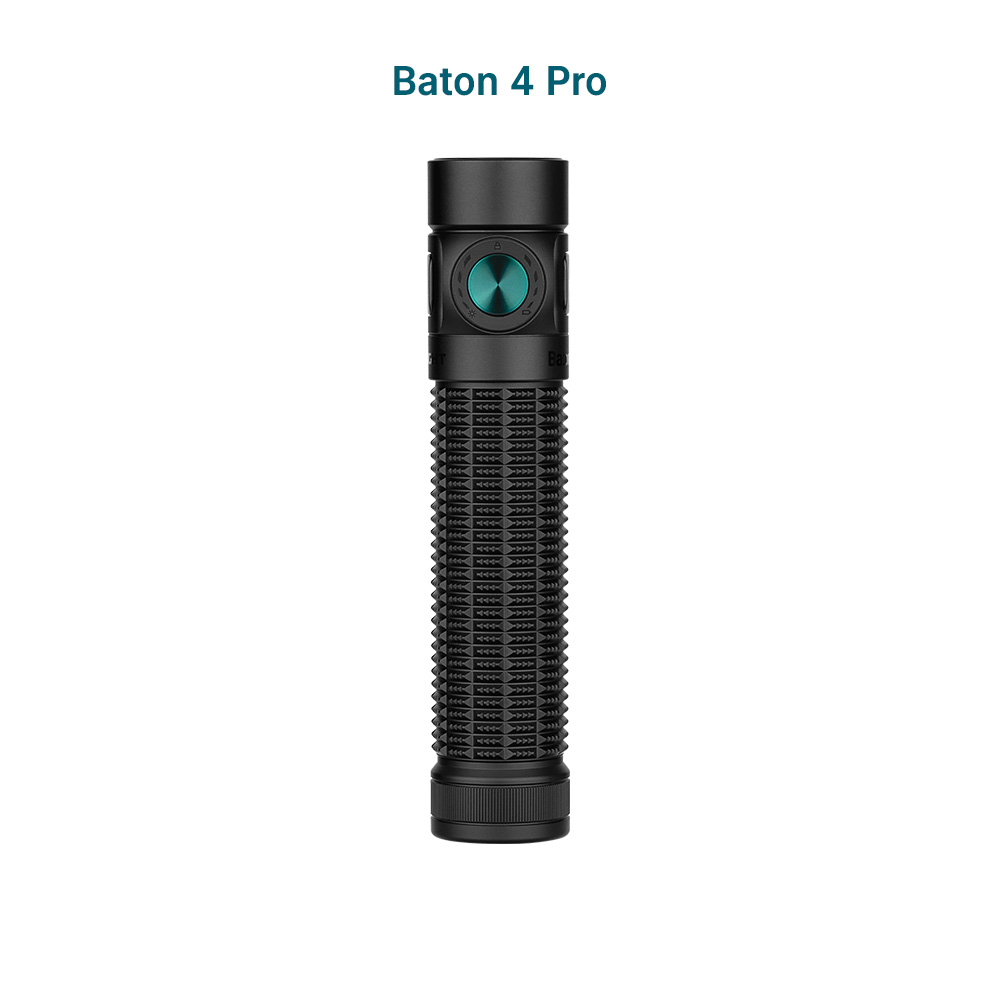
The practical cart question is which complete arrangement the owner will actually maintain. A light that returns to a familiar place after a walk can have a predictable charging routine. A light carried while traveling needs an appropriate plan for the equipment that travels with it. Check the required cable, supply, and package contents before adding an accessory merely because its connector looks familiar.
Do not assume that another product in the household uses interchangeable charging or battery equipment. Establish the exact compatibility from the official information. An accessory that does not belong with the chosen model is not a useful addition at any percentage reduction. A required item that is missing from the package, meanwhile, belongs in the complete-cost comparison.
When considering an edc flashlight, give the everyday routine a place in the decision. Carry, controls, storage, and power all affect whether a product remains useful after the shopping period ends. The promotional terms should improve a suitable purchase, not supply the only reason for making it.
Perun 3: justify a second role through hands-free placement

Reading a label while writing a note gives a second light a concrete role. The benefit comes from where the beam can be directed while both hands are occupied. A head-worn light should still be assessed for the actual task; moving the head changes where the light points, and some jobs require a different placement.
Keep the complete configuration in view. The product photograph shows the headband arrangement, which helps distinguish the example from a handheld-only comparison. Confirm what the particular listing supplies, how it is adjusted and operated, and what charging equipment belongs with it. Do not use a model-family name as shorthand for a complete package.
A second role should remain a second role even when a bundle is appealing. If the household already has a suitable hands-free light, another one may be an alternative, a planned spare, or a personal preference. Record which of those it is. That prevents a useful product from becoming an unexplained purchase in an already crowded drawer.
Oclip 2 Pro: assess attachment before buying another body style
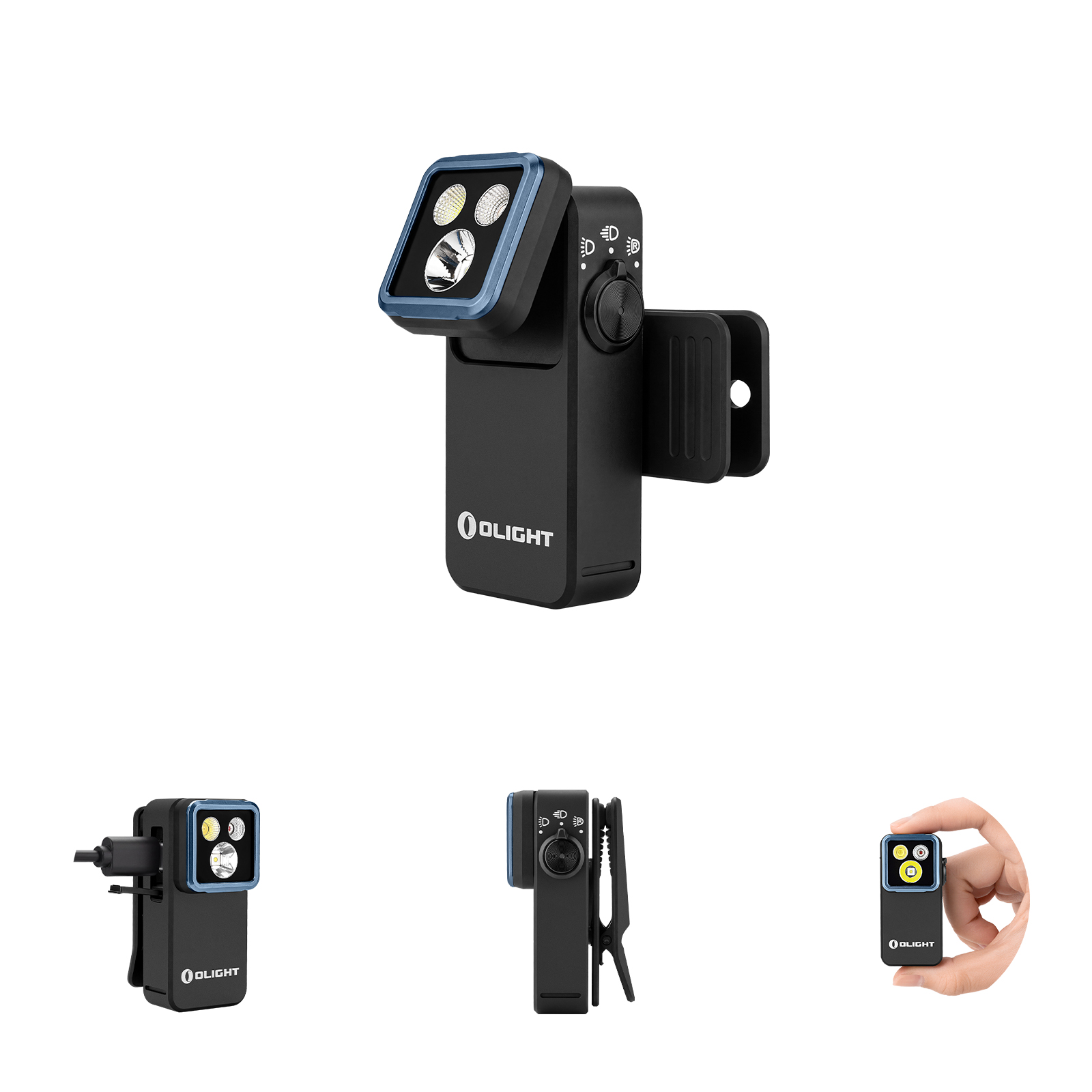
The useful question is where the light needs to remain while the user works. A clipped arrangement may address that need differently from a light held in the hand or worn on the head. The intended support and the direction of the beam should be considered together. Check the model's documented limits rather than assuming that every fabric edge or object is appropriate.
A clip-on design does not automatically replace either of the other examples. One person may prefer a pocketable handheld, another may need light to follow their gaze, and a third may need an adjustable attached light. The cart plan should distinguish those requirements before treating different shapes as additions to the same collection.
For any rechargeable flashlight arrangement, match the power equipment to the exact product. A useful attachment feature does not remove the need to check the package and charging instructions. Keep those ordinary ownership details attached to the model when comparing an individual item with a bundle.
Keep configuration changes visible
Finish, light configuration, package, and generation should be written beside the model name when comparing offers. A familiar thumbnail can conceal a changed selection. Before comparing totals, make sure that the cart still contains the exact option investigated earlier and that the product information being used matches that option.
A preferred finish can have legitimate personal value. Treat it as a preference with its own budget rather than assuming that a different finish changes the lighting task. If a particular option is described as limited, use only the stated terms to assess it. Do not invent a quantity, restock schedule, reservation, or expected selling speed.
Adding an item to a cart should not be treated as a price or stock commitment unless the applicable written rules explicitly establish one. Read what the current transaction actually promises. A saved list is useful for organization, but it is not a substitute for the conditions that apply when the order is submitted.
If the chosen configuration changes, recheck the dependent information. A different package can change what accessories are needed, and a different product can change the charging arrangement. Make that change deliberately rather than allowing an attractive option to remain attached to notes written for another item.
Compare payable totals with a filled example
Compare the complete payable amount for a suitable order, including required accessories and the delivery and tax shown for the transaction. A larger percentage reduction does not automatically produce a lower complete cost. A cart that adds unwanted items can also cost more even when one part of the order becomes cheaper.
Consider this explicitly hypothetical calculation. One imagined cart contains necessary items totaling one hundred dollars and delivery of eight dollars. Another contains the same necessary items plus an optional twenty-five-dollar item, with no delivery charge. Before tax, the second cart costs seventeen dollars more. These figures illustrate arithmetic; they are not Olight prices, shipping thresholds, or current offers.
| Illustrative cart | Necessary items | Optional item | Delivery | Total before tax |
|---|---|---|---|---|
| Needs only | $100 | $0 | $8 | $108 |
| Needs plus optional addition | $100 | $25 | $0 | $125 |
The second cart may still be reasonable if the additional item is genuinely wanted. Its value should be decided directly. A lower delivery line does not make the additional product cost disappear. This is the same reason to evaluate a gift or service separately from the amount paid for the order.
When two suitable orders have different terms, compare the differences openly. A complete package, a wanted service, or a manageable support arrangement may matter to the buyer. Keep those benefits visible rather than hiding them inside a single percentage. The better choice is the order whose total and included value fit the plan.
Treat gifts, points, and services as separate decisions
A gift is useful when it has a role the buyer actually wants. If a promotion describes one, read the exact requirements before adding its value to the decision. Check whether the conditions refer to a product, an order amount, an account, a period, or another stated requirement. Do not infer eligibility from a thumbnail or another shopper's experience.
Account rewards need their own terms as well. Read how a benefit is earned, when it becomes usable, where it applies, and what conditions limit it. A possible future benefit should not silently become a reduction in the amount payable today. Keep the immediate transaction and any later use separate in the plan.
Services deserve the same care. If an offer includes a service, identify the eligible configuration and any stated effects on the order or return terms. A service that matters to the recipient may be valuable, but it should be evaluated from the actual applicable information. Do not carry a historical service offer into a different shopping period.
The cart should remain explainable if the optional benefit is removed from the calculation. If the essential purchase no longer seems suitable, reconsider the underlying choice. A benefit can add value to a product that fits the task; it should not obscure a mismatch in controls, package, power, or ownership needs.
Check account and occupational programs without assuming they combine
If considering an account-specific or occupational program, read its own current U.S. requirements and the terms of the particular promotion. A program name does not establish that every product qualifies, that every shopper is eligible, or that another benefit can be added. Do not submit a final order based on an assumed combination.
Compare the actual eligible alternatives that the written rules permit. If a code or account condition changes the cart, read the resulting order carefully. A visible change in one line is not enough to establish that all expected benefits have applied. Check the exact products, quantities, total, and any stated conditions together.
Ask for clarification when two sets of terms appear inconsistent. Keep the question specific: which product and account condition are involved, which two benefits are being considered, and which written rule needs interpretation? This gives the support conversation a concrete subject without asking someone to validate an unsupported expectation about a program.
Does Olight ever go on sale?
Yes. Olight has published U.S. Black Friday promotional announcements, including the dated 2024 custom-engraving campaign discussed above. That establishes historical promotional activity, not a current price or entitlement. For a purchase, use the applicable U.S. offer's exact dates, products, eligibility, and checkout terms. Do not assume that a benefit from an older announcement continues or that every configuration participates in a later event.
Is it cheaper on Black Friday or Cyber Monday?
The day names alone cannot determine the cheaper order. Compare the same exact products, configurations, package contents, and required accessories under the terms available for each actual transaction. Include delivery and tax, and separate any optional future reward from the amount paid. Without two comparable offers, predicting which day will produce a lower total is a guess rather than a cart-planning method.
Is there a discount code for Olight?
Use only a code shown in an applicable official U.S. source or an authorized account communication, and check its stated products, period, and conditions. A code found on an old page or mentioned by another shopper is not proof that it applies to the current cart. If an eligible code is entered, verify the resulting order before payment instead of assuming that typing it guarantees a benefit.
Plan a gift from the recipient's side of the table
A gift cart needs a second perspective: the person who will use the light may have different carry habits, hand use, storage space, or charging equipment from the person placing the order. Start with a known task or ask a practical question before selecting the configuration. A recipient who needs light while writing may value hands-free placement more than another compact handheld, while someone who already has a suitable headlamp may have no use for a duplicate.
Include the power arrangement in the gift rather than leaving the recipient to investigate it after opening the package. Verify the included equipment and the exact requirements from the product information. If a suitable item already belongs to the recipient, establish compatibility before removing it from the plan. A phone cable in the home is a question to investigate, not proof that every charging requirement has been covered.
Keep similar gifts distinguishable in the order record. When purchasing for several people, record which complete configuration belongs to which intended role. A different finish can help the buyer recognize the selection, but it should not replace the model and package information. This is particularly useful when several related lights appear on the same confirmation and only one includes a particular accessory arrangement.
Check the delivery information for the actual transaction before relying on an arrival date. A shopping-period name, a saved cart, or an older campaign announcement does not establish when a particular order will reach a recipient. If timing matters, read the stated estimate and any relevant order conditions, then choose an arrangement that fits the occasion without treating an estimate as an unconditional promise.
Retain the receipt and the applicable written terms in a form that can be located later. Decide how the recipient will find the correct model instructions and contact the appropriate support channel if needed. Those ordinary details can make a thoughtful gift easier to use. They belong in the plan alongside the product choice, even when they do not change the discount displayed in the cart.
Make one final checkout pass
Before submitting payment, read the order as a complete transaction. Confirm the exact product options, quantities, package contents, required accessories, and delivery information. Review any promotional condition relied upon, then check the payable total. If one of those details differs from the plan, stop and resolve it while the order is still being considered.
Keep the seller and the applicable support terms identifiable. The current U.S. warranty and return information is the appropriate starting point for the transactions it covers. Product coverage, component conditions, returns, and third-party purchases should not be treated as identical questions. Use the terms that actually apply rather than assuming a discount changes or preserves every condition.
Save the relevant order information in a form that can be found later. Include the confirmation, the exact configuration, and the written terms relied upon. A screenshot of a large headline is less useful than a record that explains what was ordered and under which conditions. Keep personal and payment information within the ordinary documented checkout and support process.
A gift recipient may need the same clarity. Consider how the recipient will identify the light, understand the included equipment, and find the correct instructions. The shopping plan is complete when the order makes sense for the person who will use it, not merely when the cart reaches an appealing-looking total.
Frequently Asked Questions
Keep the list useful after the shopping period
An Olight Black Friday cart plan works best when each purchase has a role that can be explained without a promotional headline. Keep necessary items separate from alternatives and optional additions, verify the exact configuration and equipment, and compare the complete order under its applicable conditions.
The plan does not need to predict a discount or a limited release. It needs to help the buyer recognize a suitable purchase and identify the questions that remain unanswered. When the item, role, power arrangement, price basis, and written terms are clear, the buyer can decide with less guesswork and keep the order useful long after the seasonal shopping period has ended.
Changelog
- November 19, 2026: Product information and buying guidance reviewed.




