


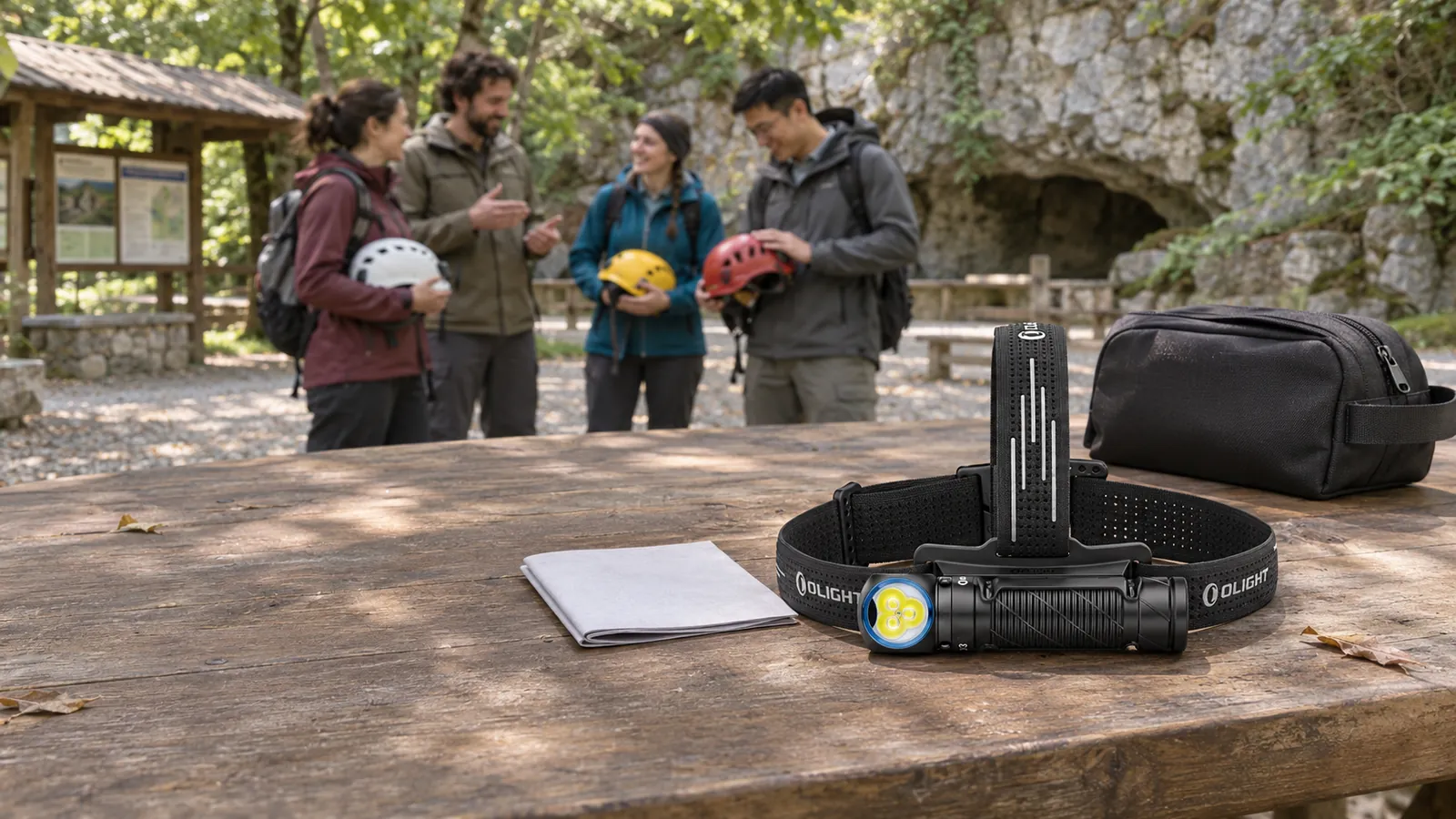
TL;DR: Choose the best headlamp for spelunking as part of a complete lighting set: a primary headlamp, independent backups, power reserves, and compatible equipment. Review Perun 3, Perun 3 Mini, and any handheld third source with the leader. Count accepted existing gear in the budget, and never replace required backups with extra brightness or a phone.
📋 Table of Contents
- 1. Put the complete lighting plan ahead of the primary lamp
- 2. Understand what three independent lights means
- 3. Start with what the organizer already supplies or accepts
- 4. Perun 3: review the primary headlamp and its working levels
- 5. Perun 3 Mini: evaluate a separate backup, not a smaller guarantee
- 6. Baton 4 Pro: discuss whether a handheld source fits the third role
- 7. Use a complete cost calculation rather than an arbitrary price tier
- 8. Turn the equipment list into individual purchase decisions
- 9. Spend first on the capability the trip actually requires
- 10. Read runtime in the context of usable light and reserves
- 11. Plan helmet compatibility before buying attachments
- 12. Keep preparation and access separate from exploration
- 13. Leave room in the budget for the rest of the trip
- 14. Cave access and bat protection can change the equipment decision
- 15. What is the best headlamp for spelunking underground?
- 16. What headlamps do Navy SEALs use?
- 17. What is the best headlight for trekking?
- 18. Frequently Asked Questions
- 19. Buy the complete accepted set before adding extras
Put the complete lighting plan ahead of the primary lamp
| Budget priority | Candidate to review | What the trip leader must confirm |
|---|---|---|
| Primary hands-free light | Perun 3 with its documented headband arrangement | Working mode, power reserves, and an approved helmet-compatible arrangement |
| A complete independent backup | Standard Cool White Perun 3 Mini | Adequate output and duration for the assigned role, plus any required helmet compatibility |
| Another complete independent source | Baton 4 Pro as a handheld candidate | Whether a handheld source satisfies this trip's requirements; otherwise choose an accepted alternative |
For a first organized cave trip, get the equipment requirements before buying. The cave manager, guide, or experienced trip leader can specify the lighting arrangement, helmet requirements, expected activity, and required reserves. A shopping list should follow those requirements. It should not be used to decide that an unfamiliar cave is appropriate for a beginner.
The purchase decision is therefore larger than which headlamp has the highest maximum output. It includes what happens if one light becomes unavailable, how another complete light can be reached, and whether the remaining equipment supports the agreed trip plan. A primary lamp with many modes still leaves those questions unanswered.
Olight's caving and spelunking lighting guide explains the broader three-source principle. This article focuses on allocating the equipment budget around that plan. It does not replace the trip briefing, instruction from experienced cavers, or the current requirements of the place being visited. Do not go caving alone.
Understand what three independent lights means
The National Park Service's Carlsbad Caverns backcountry-cave requirements call for three independent light sources for each person, with at least one helmet-mounted. Those are that park's requirements, including other equipment and group conditions. Check the rules for the actual cave rather than treating one site's list as permission for every trip.
Count complete devices, not settings. White and red emitters in the same light share its body, controls, and power arrangement. A second mode on the primary lamp cannot take over if that complete lamp is lost or damaged. A spare battery can support the power plan, but it is not another light by itself.
Independence also belongs to each person. Three lights divided among three companions do not provide three independent sources for each caver. Keep the individual's equipment requirements visible while the group coordinates shared items. A companion's spare may be valuable assistance, but it should not silently replace the equipment assigned to another person.
The required number is only the beginning of the decision. Each source needs to be appropriate for its assigned role, with adequate usable light and power for the plan established by the leader. A tiny item that turns on is not automatically an accepted cave backup. Resolve that question before using its low price to complete the budget.
Start with what the organizer already supplies or accepts
Ask whether the trip includes equipment, whether borrowing is possible, and what any supplied package contains. Do not assume that a club or guide has loan equipment available. Get the actual arrangement confirmed, including which person is responsible for the lights, batteries, mounting equipment, and return or cleaning requirements.
Borrowing accepted equipment can be a useful way to learn what the activity requires before buying several products. That does not make borrowed equipment exempt from preparation. The intended user still needs to learn its controls, confirm the required condition and power supply with the organizer, and understand how it fits into the complete lighting plan.
Review equipment already owned in the same way. An everyday headlamp or handheld light might address a role, but its familiar appearance does not settle its suitability. Bring the exact model information to the discussion rather than saying that a bright flashlight is already available. Let the leader identify any remaining gap.
This step can change the purchase significantly. If two complete, accepted backups are already available, the immediate purchase may be the primary lamp and the required supporting equipment. If nothing is accepted, the cost is a complete set rather than one attractive headlamp. Keep those situations separate when comparing budgets.
Perun 3: review the primary headlamp and its working levels

The useful budget question is which documented capability addresses the required primary-light job. Hands-free use can keep the light with the wearer's view, but the complete headband and helmet arrangement must be suitable. Do not assume that a supplied elastic band establishes compatibility with every helmet shape or attachment system.
Read the operating table beyond the maximum. The manual’s Turbo graph starts at three thousand lumens for two minutes, followed by twenty-seven percent for one hundred eighty minutes and twenty percent for thirty minutes. Those stages should remain together. The initial figure does not describe the complete combined duration, and the total does not establish an adequate reserve for a specific outing.
The separate white and red functions can be useful product information, but they remain functions of one complete device. Count this lamp once in the independent-light plan. Assign any particular mode according to the task and trip instructions rather than treating another color as another backup.
Perun 3 Mini: evaluate a separate backup, not a smaller guarantee
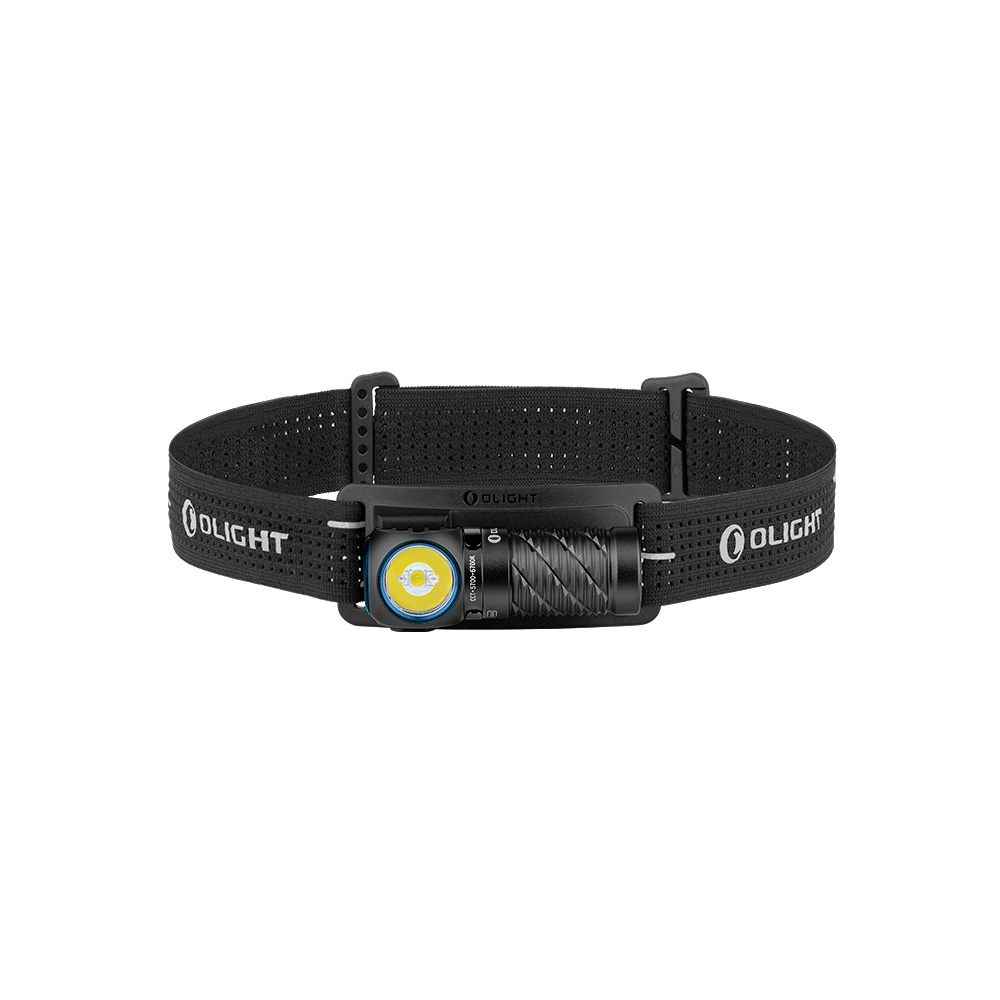
A separate light and battery address a different question from the primary lamp's additional modes. They can provide an independent device when the complete arrangement meets the trip requirements. The smaller format does not, by itself, establish the output or duration needed to get through the planned activity with the required reserves.
The manual lists the standard Cool White Turbo sequence as twelve hundred fifty lumens followed by three hundred fifty, with two minutes and sixty minutes respectively. Do not describe that as sixty-two minutes at the initial maximum. Check the actual working mode chosen for the role, its conditions, and the leader's reserve requirements.
Choose the package deliberately. A charging case can change the storage and replenishment arrangement, but it is not another independent lamp. If a case or accessory is being considered, account for its cost and requirements separately. A familiar family name should not add equipment to the budget that is not in the selected package.
Baton 4 Pro: discuss whether a handheld source fits the third role
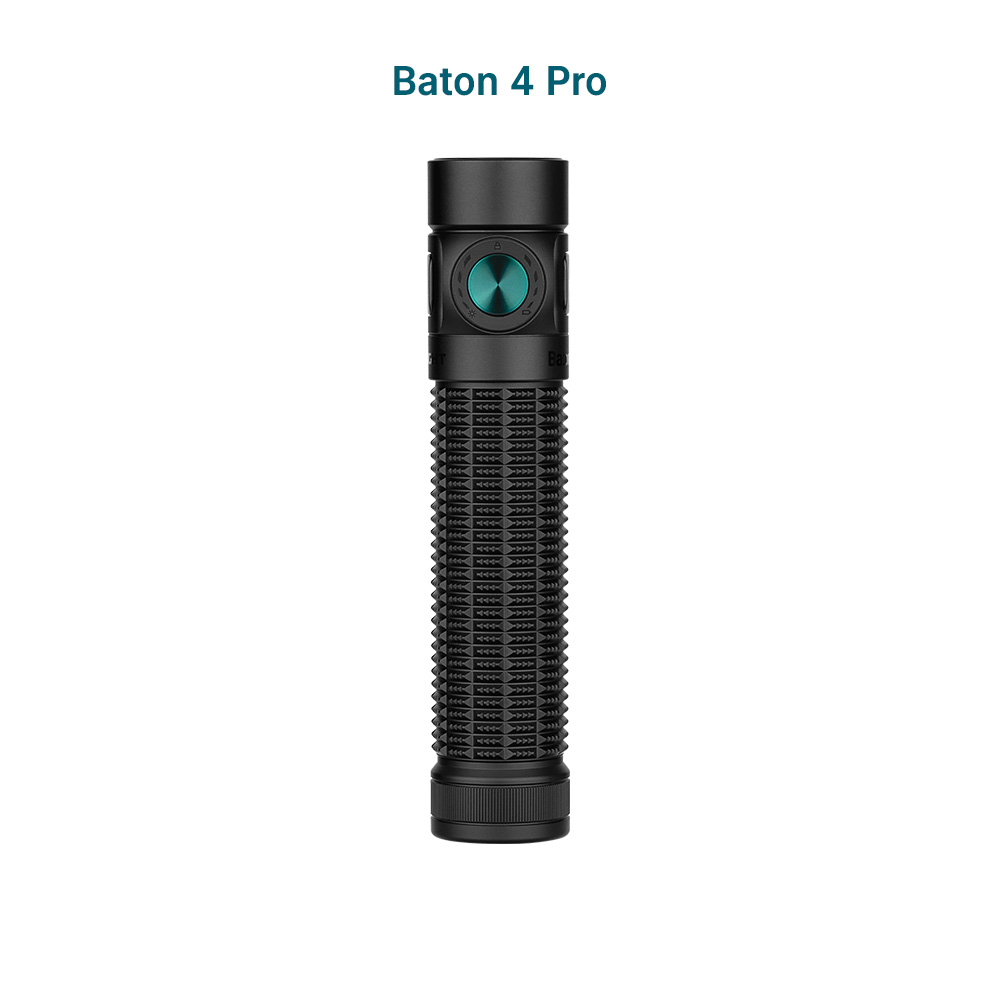
The relevant benefit is a separate complete device, not another maximum-output figure. Its use still needs to match the role assigned by the leader. A source that occupies a hand can create a different equipment question from a headlamp, particularly when both hands are needed for another task. Resolve that requirement before purchasing.
Keep the standard model's information separate from Baton Ultra entries on a shared page. The names do not make their figures interchangeable. Likewise, another compact edc flashlight should be assessed by its exact documentation and the trip's requirements, not treated as an equivalent backup because it has a similar size or price.
Use a complete cost calculation rather than an arbitrary price tier
On November 18, 2026, the selected U.S. listings showed regular U.S. reference prices of $89.99 for Perun 3, $64.99 for standard Perun 3 Mini, and $69.99 for standard Baton 4 Pro. These were the recorded list prices for those configurations, not promotional checkout prices. Verify the live product pages before purchasing; price, availability, and package choices can change. These figures exclude tax, shipping, and additional equipment.
| Conditional purchase situation | Product reference calculation | What must already be accounted for |
|---|---|---|
| Buy Perun 3 while keeping two accepted complete backups | $89.99 | Both existing backups, approved mounting or carrying arrangements, and required power reserves |
| Buy Perun 3 and standard Perun 3 Mini while keeping an accepted third source | $89.99 + $64.99 = $154.98 | The third complete light and all trip-required supporting equipment |
| Consider all three named products, if every assigned role is accepted | $89.99 + $64.99 + $69.99 = $224.97 | Helmet compatibility, any extra equipment, and acceptance of a handheld third source |
The calculation is useful because every row still accounts for three complete sources. The lower total assumes accepted equipment is already owned or otherwise confirmed. It does not represent a two-light plan, a guarantee that loan equipment is available, or an estimate of every expense associated with the outing.
For a two-hundred-dollar product budget, the three named reference prices are twenty-four dollars and ninety-seven cents above that amount before additional costs. That arithmetic does not mean a cave trip universally requires this spending level. It means this particular three-product combination cannot honestly be presented as a two-hundred-dollar complete package at those prices.
If the amount available does not cover the accepted equipment, discuss borrowing or a suitable alternative with the organizer before buying incomplete pieces. Another option is to wait until the required set can be prepared. Do not make the budget fit by removing a required light or by assuming an unapproved low-cost item can fill the missing role.
Turn the equipment list into individual purchase decisions
Consider two beginners attending the same organized outing. One has confirmed access to two accepted backup lights, while the other has no accepted equipment. Their shopping lists should differ even if they are considering the same primary headlamp. Buying matching lamps does not make their complete preparations equivalent. Each person needs an individual account of the sources and supporting equipment assigned to them.
For the person with two accepted backups, the primary purchase might close the lighting gap. Before ordering, confirm that those backups will actually be available for this outing, that the borrower may use them at this destination, and that their power and carrying arrangements are included. A possible loan discussed informally is still an unresolved item. Record the confirmation before treating the lower purchase total as workable.
For the person starting without equipment, compare the complete accepted set rather than the price of the first lamp. The named product combination above gives a transparent reference calculation, but it is only one candidate arrangement. If the organizer requires a different third source, replace that item in the calculation and retain the requirement. Do not keep the cheaper total after changing the equipment it represents.
When comparing packages, ask what changes the actual job. A charging cable already supplied with the selected configuration should not be purchased again merely because it appears separately in a gallery. An optional case may help storage without adding another independent light. A different color may change the listing without addressing any missing capability. Tie each extra expense to an identified need before approving it.
Finish with a short written equipment record for each person: exact model, assigned role, whether it is owned or borrowed, and who confirms the remaining requirements. Keep uncertain items visibly unresolved. This record makes the next conversation with the organizer specific and helps prevent two people from accidentally counting the same borrowed backup. The purchase is ready when the accepted arrangement is complete, not simply when the cart reaches a preferred amount.
Spend first on the capability the trip actually requires
Put a usable working mode, acceptable helmet arrangement, and adequate power plan ahead of decorative finishes or a larger peak-output number. The money assigned to the primary lamp should address its sustained job within the trip. A short-lived maximum does not replace a suitable operating level or the equipment needed to keep the complete plan prepared.
Backups can omit features that the assigned role does not require. That might mean choosing a simpler interface or declining an optional package. They cannot omit the ability to function independently and meet the trip's requirements. Compare the actual accepted alternatives rather than setting a universal twenty-dollar limit for every backup.
Include the supporting items before deciding what remains for upgrades. A required compatible mount, suitable protective storage, and approved spare-power equipment may be more important to the trip than another light function. Keep these items visible in the calculation rather than allowing them to appear as unexpected expenses after the main purchase.
Do not buy every accessory pictured in a family gallery. Read the contents of the selected package and identify what the actual role needs. An illustration of charging, a carrying case, or a mounting arrangement should not silently become an included item or a necessary purchase for every user.
Read runtime in the context of usable light and reserves
The duration that matters is associated with the working mode and the trip plan, not simply the longest entry in a table. A very low setting may have a long published duration without meeting the task's needs. Choose the appropriate level with the leader, then assess the documented duration, reserve requirements, and the actual conditions.
Published mode tables can include changes during operation. Preserve the output sequence and the time attached to each stage. Battery condition and environmental conditions also belong to the statement. Do not combine the primary lamp's maximum, the backup's longest duration, and an assumed recharge into a new guarantee of underground operating time.
For a rechargeable flashlight or headlamp, identify how the device will be ready before departure and what approved reserves the trip requires. A power bank or cable may support a planned arrangement, but neither is another complete light. Having a connector in the bag does not establish that a depleted device can be restored when needed.
Keep the power requirements model-specific. The three examples use different battery formats and capacities. Similar-looking cells and magnetic connections should not be assumed interchangeable. Follow the exact product instructions and the organizer's requirements instead of deciding compatibility from appearance or from the fact that several products are rechargeable.
Plan helmet compatibility before buying attachments
Start with the helmet manufacturer's instructions and the cave trip's requirements. Then review the light manufacturer's documented headband or mounting arrangement. A supplied headband shows how the light is intended to be worn in that configuration; it does not prove compatibility with every helmet, attachment point, or required safety standard.
Ask the organizer to confirm the complete arrangement before the trip. The relevant question includes how the light is retained and accessed, whether its intended position suits the task, and whether the arrangement follows the helmet and light instructions. Do not drill, alter, or improvise an attachment to compensate for an unsuitable purchase.
Keep the same discipline for backups. If the trip requires additional helmet-compatible sources, a handheld candidate does not satisfy that requirement merely because it is bright. Account for an accepted alternative and its compatible equipment. The role should determine the purchase, rather than an accessory experiment determining the role.
Keep preparation and access separate from exploration
Learn each light's controls before leaving for the activity. Identify the intended working setting, the documented lockout behavior, and any timer function that could affect the chosen routine. The person using the light should understand its operation rather than relying on another member of the group to manage every control.
Confirm where the complete backups are carried and how the equipment is protected under the trip's plan. Keep each light and its required power arrangement identifiable. Three devices packed together can still share a loss or access problem, so discuss the carrying arrangement with the leader instead of treating the count alone as the finished preparation.
If a light problem occurs, inform the leader, stay with the group, and follow the agreed plan. The existence of backups is not a reason to extend an outing or continue beyond the group's limits. A budget calculation cannot supply the local knowledge or judgment needed to manage an unfamiliar situation underground.
The National Park Service's El Malpais caving guidance calls for multiple lights and extra batteries, rejects a phone as a light source, and emphasizes group preparation. It also explains that permits and closures apply there. Follow the actual destination's current rules and briefing; do not use this shopping guide as an entry authorization.
Leave room in the budget for the rest of the trip
Lighting is only part of the equipment discussion. A helmet, suitable clothing and footwear, other required protective equipment, and the organizer's instructions belong in the complete preparation. Buying a premium lamp first can leave little money for these other requirements. Review the whole list before deciding how much of the available amount can go to one item.
Clarify any guide, club, or equipment-use charges without assuming they are included or free. Confirm what is supplied, what must be brought, and what condition borrowed equipment must be returned in. These are practical questions that can be settled before making several purchases that duplicate an organizer's package.
Separate one-time purchases from what must be checked or replaced for another outing. A complete device may be reusable while approved power reserves, worn accessories, or site-specific gear requirements change the next calculation. Keep the equipment information with the items so that a future trip does not begin with guesses about models or compatibility.
Cave access and bat protection can change the equipment decision
Check permissions, closures, and any equipment-history restrictions before arranging the trip. Some sites may require dedicated gear or reject items that have been used underground elsewhere. A good price on used equipment does not settle whether it can be brought into the intended cave.
The National Park Service's white-nose syndrome guidance explains that requirements vary among parks and that some may not accept previously used gear even after decontamination. Ordinary washing is not a substitute for current decontamination requirements. Get the site's instructions before borrowing, buying used equipment, or moving gear between caves.
Follow the land manager's current protocol and the equipment manufacturer's material and cleaning limits. Do not invent a chemical treatment or assume a water-resistance rating permits any disinfectant or cleaning procedure. If the requirements conflict or the method is unclear, resolve the equipment choice with the organizer before the visit.
Respect closures and wildlife instructions as part of the plan. Do not illuminate bats for a closer look or make a special lighting effect out of cave wildlife. The point of the equipment is to support an authorized, appropriately prepared group activity while protecting the place being visited.
What is the best headlamp for spelunking underground?
Choose the primary headlamp that meets the specific trip's requirements for a suitable hands-free arrangement, usable working light, power reserves, and controls. Review exact product documentation and helmet compatibility with the organizer. Plan the required complete independent backups at the same time. A maximum lumen figure or a product price cannot establish that the whole lighting set is appropriate.
What headlamps do Navy SEALs use?
Military equipment choices are not a selection standard for a civilian cave trip, and a unit name does not establish that a particular retail headlamp is suitable. Base this purchase on the cave manager's and trip leader's requirements, documented working modes, helmet compatibility, and independent backups. Choose the accepted equipment for the activity rather than an unverified unit association.
What is the best headlight for trekking?
For trekking, choose a headlamp that fits the actual route, conditions, hands-free needs, usable operating level, and power plan. Check the exact model's instructions and carrying arrangement. A trekking setup should not automatically be transferred to a cave trip; review the underground activity's separate equipment requirements, permissions, group plan, and backup-light expectations with its organizer.
Frequently Asked Questions
Buy the complete accepted set before adding extras
The best headlamp for spelunking is part of a complete plan, not a way to avoid preparing backups. Start with the organizer's requirements, review accepted equipment already available, and calculate the remaining purchases with their supporting items. Keep three complete sources accounted for wherever that is required, follow local rules, and go with an appropriately prepared group rather than alone.
Changelog
- November 19, 2026: Product information and buying guidance reviewed.




