TL;DR:
A professional home security flashlight is the cornerstone of nighttime property protection, essential for positive target identification and situational control. This technical guide explores building a layered defense strategy using tactical illumination to disorient intruders. By balancing lumens and candela with high-performance tools like the Olight Baldr S or Baton 4 Pro, homeowners can eliminate environmental blind spots, preserve visual acuity under stress, and maintain a critical defensive advantage during high-stakes security breaches.
M Table of Contents
1. Home Security Basics
Why Lighting Is Essential for Home Security
Lighting is the absolute first line of defense against home intrusions. From a physiological perspective, the human eye is poorly adapted for nocturnal environments. When exposed to darkness, the retina undergoes "Dark Adaptation," a process where the cone cells (responsible for detail and color) become inactive, and rod cells (sensitive to movement but colorblind) take over. This transition takes up to 30 minutes to complete. A high-output home security flashlight short-circuits this disadvantage by instantly restoring "Photopic" vision, allowing the homeowner to identify facial features, hand-held objects, and intent at distances where verbal commands can still be effective.(Source: NIH – National Eye Institute).
Mechanically, high-intensity illumination functions as a powerful non-lethal deterrent. In tactical science, this is known as "Visual Dominance." When a beam exceeding 1,000 lumens strikes the pupils of an intruder whose eyes have fully adapted to the dark, the result is "Flash Blindness." The chemical rhodopsin in their rods is instantly bleached, causing temporary blindness, spatial disorientation, and often a physical loss of balance. This biological shock forces the aggressor into a defensive posture, buying the homeowner invaluable seconds to retreat to a safe room or prepare further defense.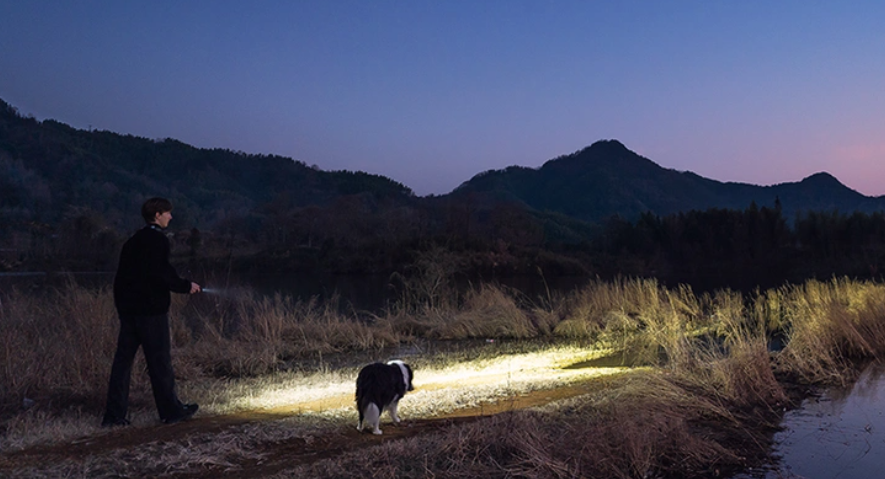
Common Home Security Risks at Night
Vulnerabilities in home design are exacerbated by low-light conditions. Structural blind spots, such as alcoves behind garage doors or dense outdoor foliage near windows, serve as staging areas for unauthorized entry. Unlit entryways act as "invitations" by reducing the risk of detection for an intruder. Furthermore, modern power grid failures—whether caused by storms or deliberate sabotage—can neutralize electronic cameras and alarm systems. Without a secondary, independent lighting source, the homeowner is essentially "tactically blind," unable to verify if a noise is a family member getting a glass of water or a breach in the perimeter.(Source:National Eye Institute - How the Eyes Work).
Flashlights vs. Fixed Security Lighting
While hardwired floodlights are useful for area denial, they possess inherent physical and tactical limitations. Fixed lights create permanent, predictable shadow zones that never move. An intruder can map these zones to approach a residence. Moreover, fixed lighting is susceptible to wire-cutting or power outages. A portable, heavy-duty home security flashlight acts as a dynamic "searchlight." It is capable of delivering intense, focused light exactly where the user’s gaze is directed, penetrating deep into the very shadows that fixed lights create.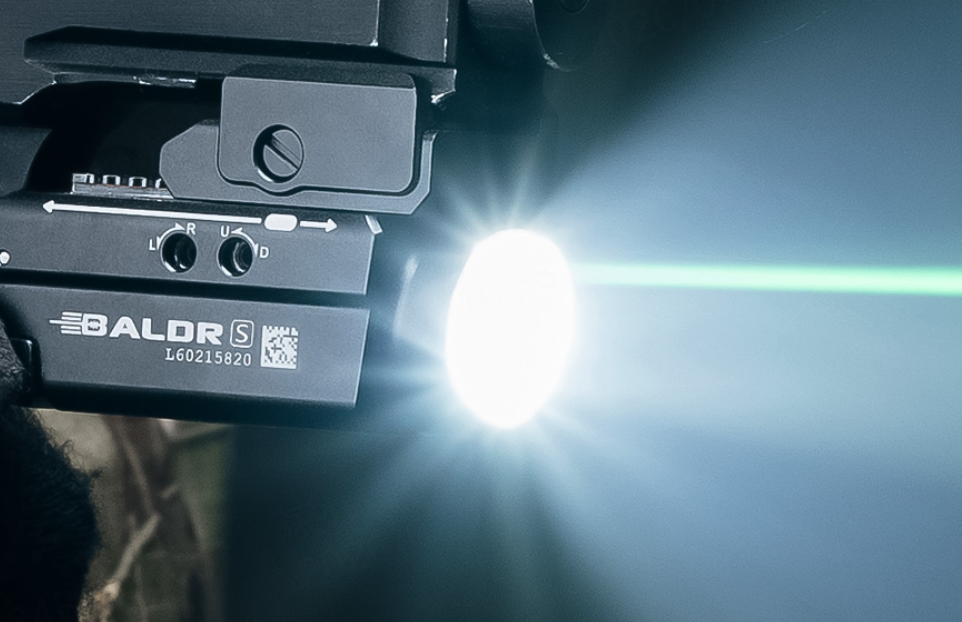
2. Building a Layered Security Plan
Strategic Perimeter Hardening
A professional security posture utilizes the concept of "Defense in Depth." The first layer consists of perimeter static lighting. By using high-efficiency LED fixtures with 3000K-4000K color temperatures, homeowners can ensure front doors and back patios are illuminated without excessive glare. Downward-facing shadows (Full Cut-off Fixtures) are essential here; they direct light to the ground where intruders hide, rather than wasting photons by bleeding light into the sky or the neighbor’s windows.
The Psychology of Sudden Illumination
Passive Infrared (PIR) motion sensors are superior deterrents because they exploit the "Startle Response." An intruder attempting a stealthy approach is suddenly bathed in 1,500+ lumens, signaling that their presence has been electronically identified. For maximum effectiveness, sensors should be cross-angled to cover the approach paths from multiple vectors, preventing an intruder from "sneaking under" the detection cone.
Integration Hierarchy
[Perimeter Static] ➜ [Motion Deterrence] ➜ [Handheld Tactical Domination]
This three-tier system ensures that even if an intruder bypasses the first two automated layers, the homeowner still holds the final, most versatile tool: a handheld light capable of adaptive response inside the home's unique geometry.
3. Choosing Your Home Defense Tool
Optics: The Lumen vs. Candela Conflict
When selecting a home security flashlight, consumers often fall into the "Lumen Trap"—believing that a higher number always equals a better light. Lumens represent the total radiant flux or volume of light emitted. This is critical for flooding a living room or clearing a backyard. However, Candela represents the luminous intensity in a specific direction—the "throw" or "punch" of the beam.(Source: NIST - SP 330 - Section 2 ).
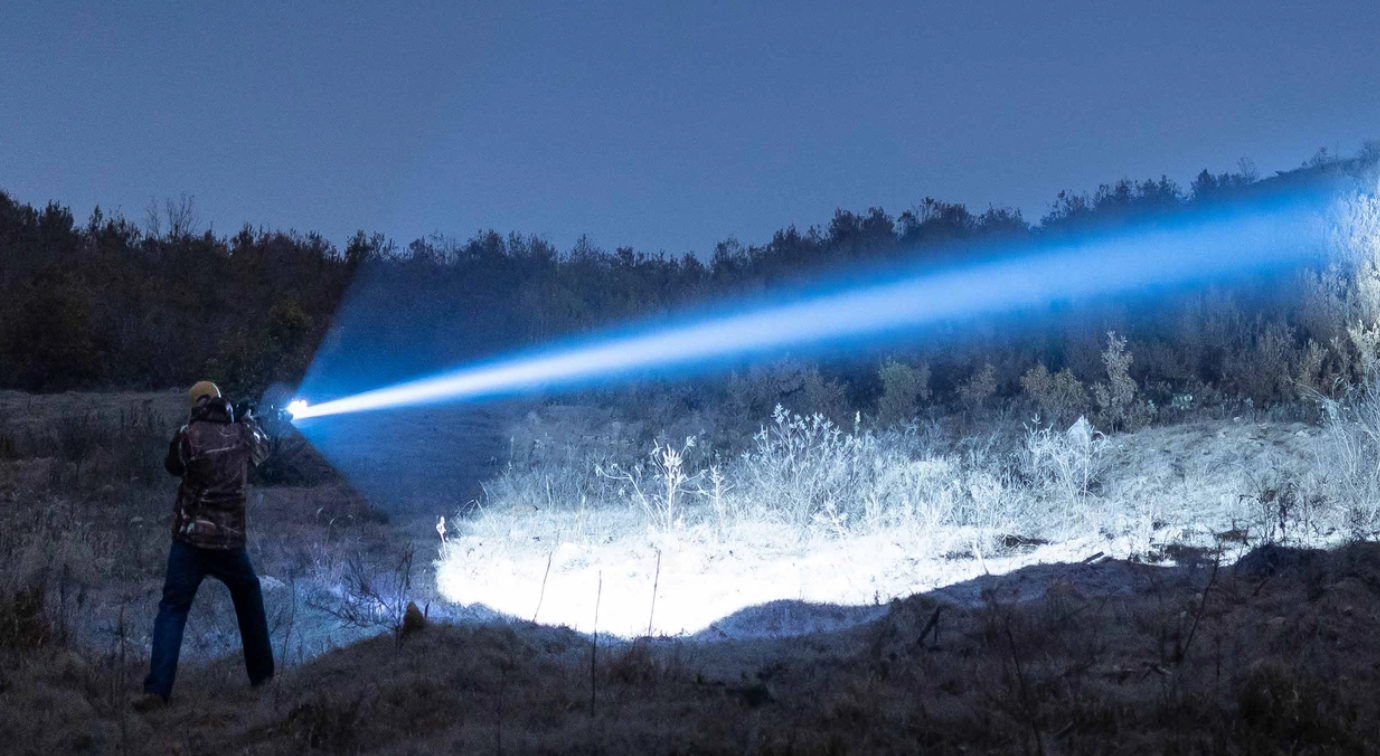
For indoor environments with white walls, a light with 30,000+ candela might be too intense, causing "backscatter" glare that blinds the user as much as the intruder. Conversely, a light with only 5,000 candela will fail to pierce through a window or disorient a threat at the end of a long hallway. The ideal range for home security is 600 to 1,600 lumens paired with a balanced beam profile that offers a distinct "hotspot" for disorientation and a wide "spill" for peripheral awareness.
Strobe Frequency & Physiological Disruption
The tactical strobe is a specialized high-frequency oscillation (6Hz to 15Hz). Its primary function is to prevent the target's brain from "sampling" a continuous visual image. This creates the "Stroboscopic Effect," making it impossible for an intruder to track your speed or direction as you move through a room. This spatial disorientation is a massive force multiplier during defensive maneuvers, allowing you to reposition while the intruder is visually "frozen."
Energy Reliability & Chemistry
A defense light is useless if the batteries are dead. Modern lithium-ion (Li-ion) chemistry is the industry standard due to its high energy density and low self-discharge rate. However, professional users prefer "Dual Fuel" or high-capacity internal systems. Magnetic charging ports, pioneered by brands like Olight, are particularly valuable for home defense; the light can sit securely on a bedside charger, always at 100% capacity, and be grabbed in a single motion without fumbling with rubber port covers or cables.
4. Weapon-Mounted Light Dynamics
A Weapon-Mounted Light (WML) is a specialized illumination tool engineered to withstand the extreme G-forces of a firearm's recoil. Unlike a standard handheld light, a WML ensures that the light source and the firearm's muzzle are perfectly aligned, allowing for accurate target tracking and the use of both hands for recoil management and weapon manipulation. This is crucial for maintaining accuracy under the extreme physiological stress of a home defense scenario.
Responsible ownership of a WML requires training in "Indirect Illumination." A 1,000-lumen light can illuminate a room by simply being pointed at the floor or ceiling (Baseboard/Ceiling Bounce). This allows the homeowner to identify a person without pointing a loaded firearm directly at them—a critical safety measure when verifying if a noise was caused by an intruder or a returning family member.
5. Elite Recommendations
Baldr S – The Professional Standard
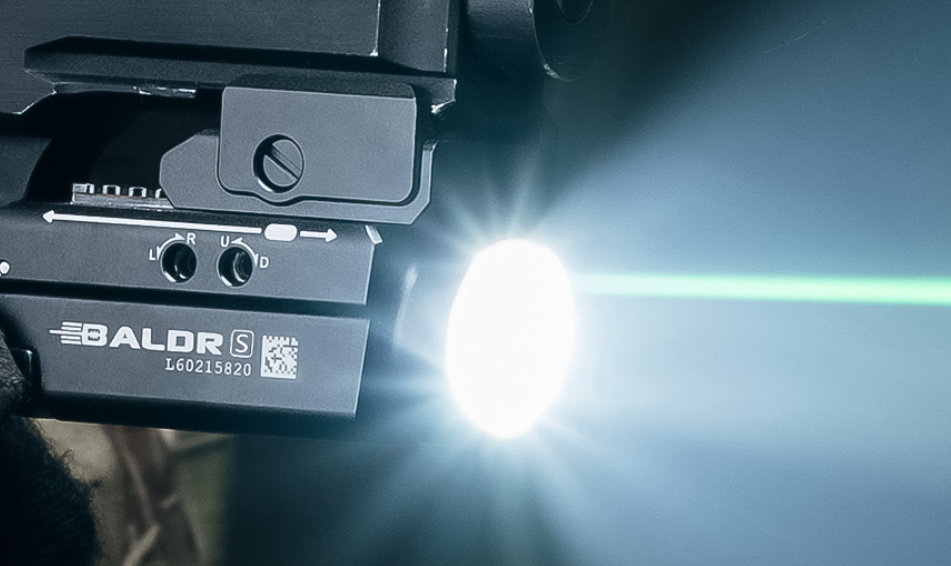
The Baldr S Refurbished is a masterclass in subcompact WML design. Integrating an 800-lumen white light with a high-intensity green laser, it offers unparalleled target acquisition speed. Its sliding rail system is a significant engineering breakthrough, allowing the user to adjust the light's position on the accessory rail to perfectly match their finger reach. This level of customization ensures that under stress, your activation of the light is instinctive rather than forced.
| Peak Output | 800 Lumens / 130m Throw |
| Laser Type | Class 3R Green Laser |
| Charging | MCC Magnetic USB Charging |
PL-MINI 2 Valkyrie – Subcompact Versatility
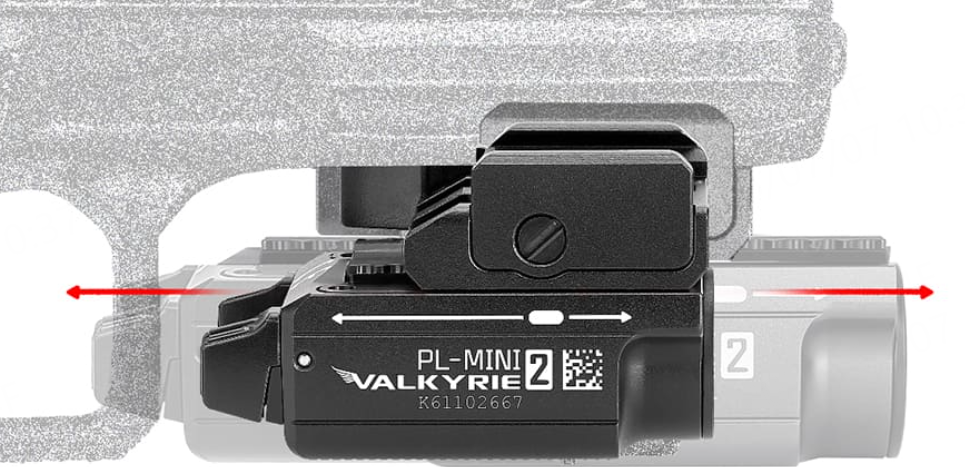
Designed specifically for the subcompact market, the PL-Mini 2 Valkyrie provides 600 lumens in a frame that doesn't compromise concealment or weight. Its ambidextrous switches allow for seamless operation for both left- and right-handed users, a critical requirement for ambidextrous home defense training.
Baton 4 Pro – The Ultimate Handheld Hybrid
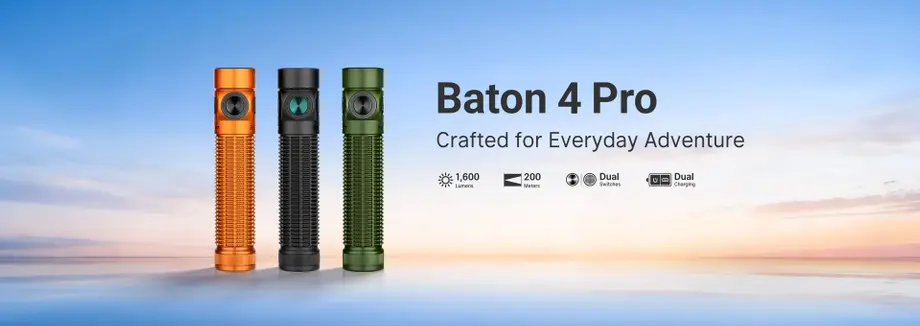
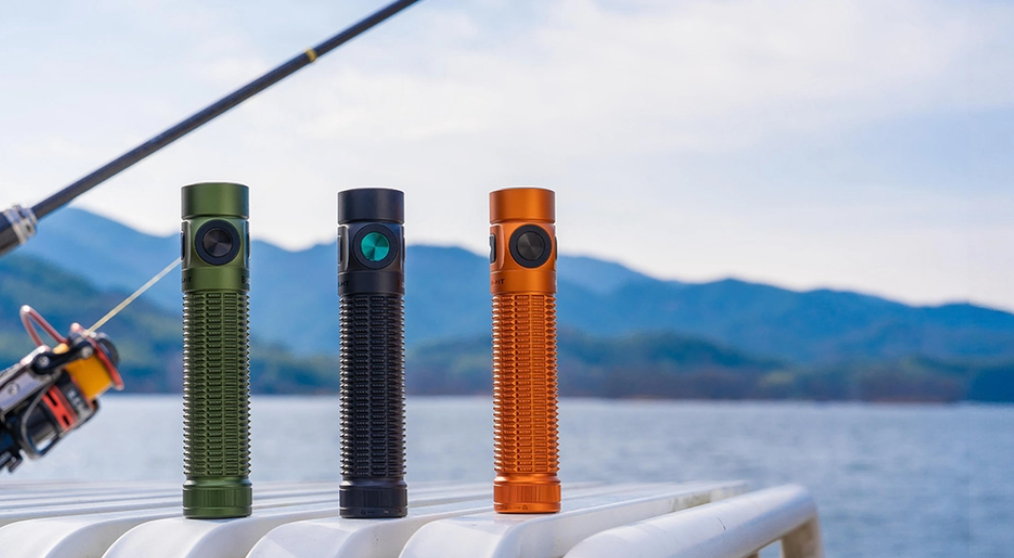
The Baton 4 Pro bridges the gap between everyday carry (EDC) and dedicated security roles. With a 1,600-lumen turbo mode, it can flood an entire hallway with disorienting light. Its 100-day runtime on moonlight mode ensures that even during extended power outages (Stage 3 emergency), you will never be left in total darkness.
6. Safety & Legal Considerations
Owning a high-performance home security flashlight comes with the responsibility of proficiency. Tactical instructors emphasize the FBI Technique (holding the light away from the body) and the Harries Technique (supporting the firearm with the light-holding hand). These drills should be practiced monthly until the movements are embedded in muscle memory. Furthermore, be aware of "Photonic Barriers"—mirrors, glass patio doors, and highly reflective surfaces can bounce your own 1,000-lumen beam back at you, causing self-inflicted flash blindness. Maintenance is equally critical: ensure battery contacts are cleaned with isopropyl alcohol to prevent flickering during the vibrations of defensive movement.
7. Advanced FAQ
Can high lumens actually be dangerous in home defense?
Yes, if mismanaged. In a standard house with white paint, anything over 2,000 lumens can create massive reflection. This can "wash out" your target, making it harder to see details like a person's hands. Always choose a light with multiple modes so you can scale your response to the environment.
Is a laser-light combo better than light only?
Laser systems like those on the Baldr S provide a "Point of Aim" (POA) regardless of how your head is positioned. This is invaluable in awkward shooting positions, such as firing from behind a low bed or around a corner where traditional iron sights are difficult to align.
How do I deal with "Thermal Throttling"?
All high-output lights generate heat and will automatically step down brightness to protect internal circuits. To mitigate this, use the light in short "tactical bursts" rather than leaving it on continuously. This preserves both the battery and the peak lumen output for when you actually need to identify a threat.