TL;DR:Learn the essential flashlight terminology before buying your next light. This lighting glossary explains lumens, lux, candela, beam distance, CRI, CCT, TIR optics, PWM, IP ratings, and other key specifications that determine real-world performance. By understanding these industry-standard lighting concepts, you can compare products more accurately and choose the best flashlight for outdoor adventures, work, EDC, or emergency preparedness.
- Introduction: How to Use This Lighting Glossary
- Brightness & Output: The Big Three Demystified
- Beam Optics: How Light is Shaped and Directed
- Color & Quality: Choosing the Right Light Spectrum
- Battery & Regulation: Powering Your Flashlight
- Durability & Protection: Testing the Limits
- Frequently Asked Questions (FAQ)
Introduction: How to Use This Lighting Glossary
Modern illumination gear uses advanced engineering, specialized materials, and highly technical jargon. Reading a spec sheet often feels like reading a foreign language.
This glossary serves as a practical, direct reference manual. It decodes complex terms and explains how they translate to real-world performance.
You can read this guide from start to finish to build a comprehensive foundation, or jump directly to specific terms using the index above. Each definition focuses on objective metrics, practical utility, and concrete hardware examples.
Why Decoding Flashlight Specs Saves You Money
Purchasing illumination gear based on a single high-output number leads to poor purchasing decisions. A high lumen rating does not guarantee that a beam will reach a distant target, nor does it guarantee the light will run for a useful duration.
Understanding technical parameters protects you from overpaying for specifications you do not need, such as buying an extreme searchlight for close-up indoor maintenance.
By analyzing the relationship between power, optics, and heat regulation, you can select the exact tool required for your specific application. This analytical approach ensures your gear performs reliably when you need it most.
Brightness & Output: The Big Three Demystified
Lumens vs. Lux: Total Light Output vs. Light Intensity on a Surface
When evaluating lighting, understanding lumens vs lux vs candela is critical. These three terms measure entirely different aspects of light behavior.
- Lumens (lm) measure the total volume of visible light emitted by a source in all directions. It represents the raw power output of the LED.
- Lux (lx) measures the intensity of light falling on a specific surface area. One lux equals one lumen per square meter.
Think of lumens as the total volume of water flowing out of a hose, while lux is the pressure of that water hitting a specific square inch of a wall. A high-lumen light with wide, unfocused optics will spread its light over a large area, resulting in low lux values at a distance.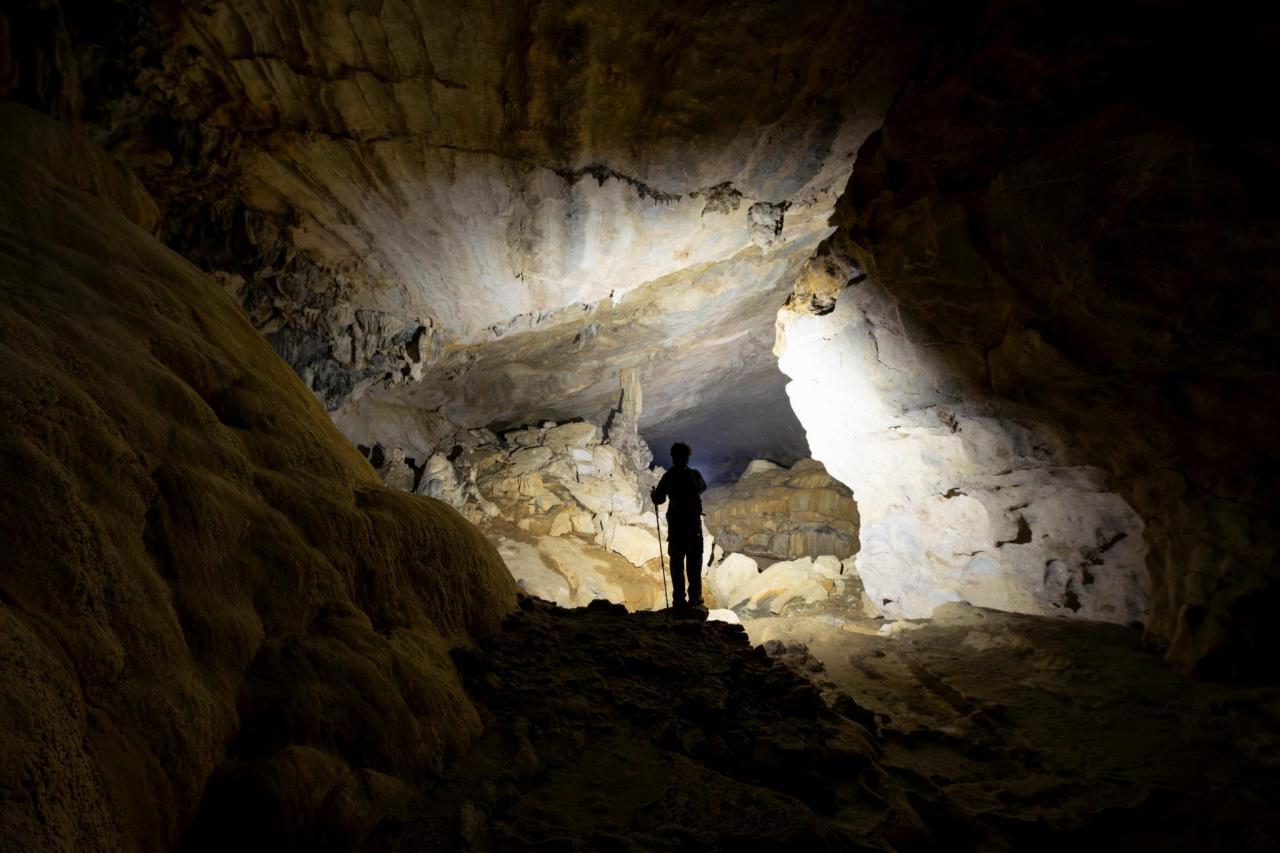
Conversely, a lower-lumen light with a highly focused beam can concentrate its output onto a small spot, producing exceptionally high lux on that specific target.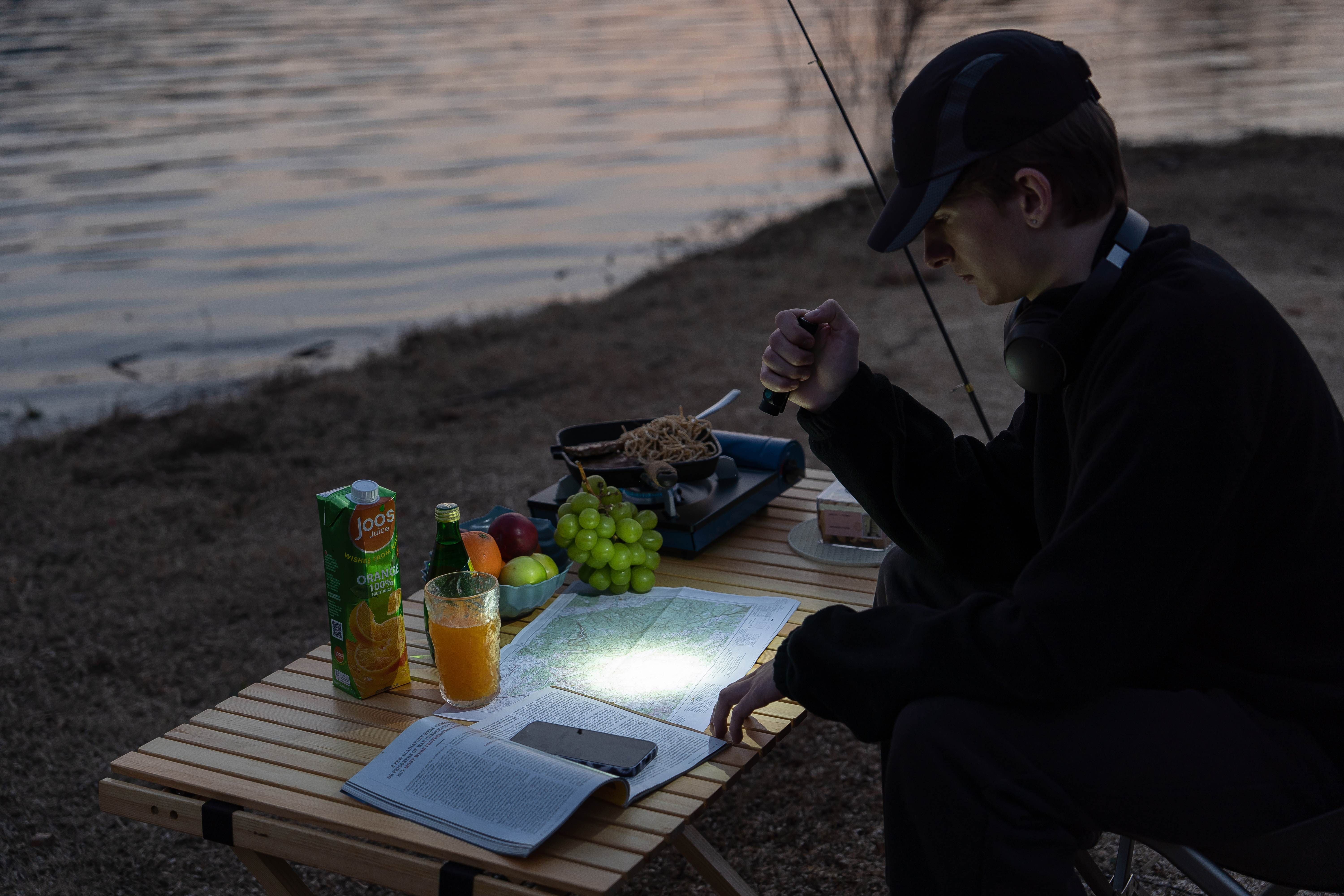
What is Candela? Understanding Peak Beam Intensity
Candela (cd) measures the luminous intensity of a beam in a specific direction. While lumens describe total output, candela tells us how concentrated that output is.
When searching for the best olight flashlight for distance throwing, candela is the primary specification to analyze. A high-candela rating indicates a tightly focused, penetrating beam capable of cutting through fog, smoke, or vast open spaces.
A what is candela flashlight inquiry usually highlights how optics shape the beam. For example, searchlights require high candela to illuminate distant targets, whereas indoor work lights require low candela and high lumens to spread light evenly without blinding hot spots.
ANSI FL1 Standard: How Flashlight Brands Measure Performance
The ANSI/PLATO FL1 standard establishes consistent testing methods for portable lighting. This standard ensures that consumers can compare specifications across different manufacturers fairly.
The standard defines several key performance indicators:
- Light Output: Measured in lumens, capturing the total light flux emitted 30 to 120 seconds after the light is turned on.
- Peak Beam Intensity: Measured in candela, determining the brightest point of the beam.
- Beam Distance: Calculated mathematically as the distance where the light drops to 0.25 lux (equivalent to the light of a full moon on an open field). This is solved using a flashlight beam distance calculator formula: \text{Distance (meters)} = \sqrt{\frac{\text{Intensity (candela)}}{0.25}}
- Run Time: The duration of time from the initial power-on value until the output drops to 10% of the original rating.
- Water Resistance: Stated using IPX ratings.
- Impact Resistance: Measured by dropping the tool onto a concrete surface from a specified height.
ANSI/PLATO FL1 is the industry's recognized flashlight performance standard. It establishes standardized testing methods for light output, beam distance, peak beam intensity, runtime, impact resistance, and water resistance, enabling consumers to compare products using consistent laboratory measurements(Reference:ANSI/PLATO FL1).
Beam Optics: How Light is Shaped and Directed
Throw vs. Flood: Long-Distance Spotlights vs. Wide Area Lighting
Evaluating flashlight throw vs flood reveals how a tool distributes its output.
- Throw refers to a light’s ability to project a concentrated beam over long distances. Throw lights use deep reflectors or narrow lenses to create a tight spotlight. These are ideal for search and rescue, hunting, and perimeter security.
- Flood describes a wide, uniform beam that illuminates a large area nearby. Floodlights are essential for hiking, close-up maintenance, camping, and general tasks where peripheral vision is critical.
Some high-performance gear, such as the Marauder Mini 2 Compact Powerful Flashlight, combines both capabilities into a single unit, allowing users to toggle between a 10,000-lumen floodlight and a 750-meter spotlight.
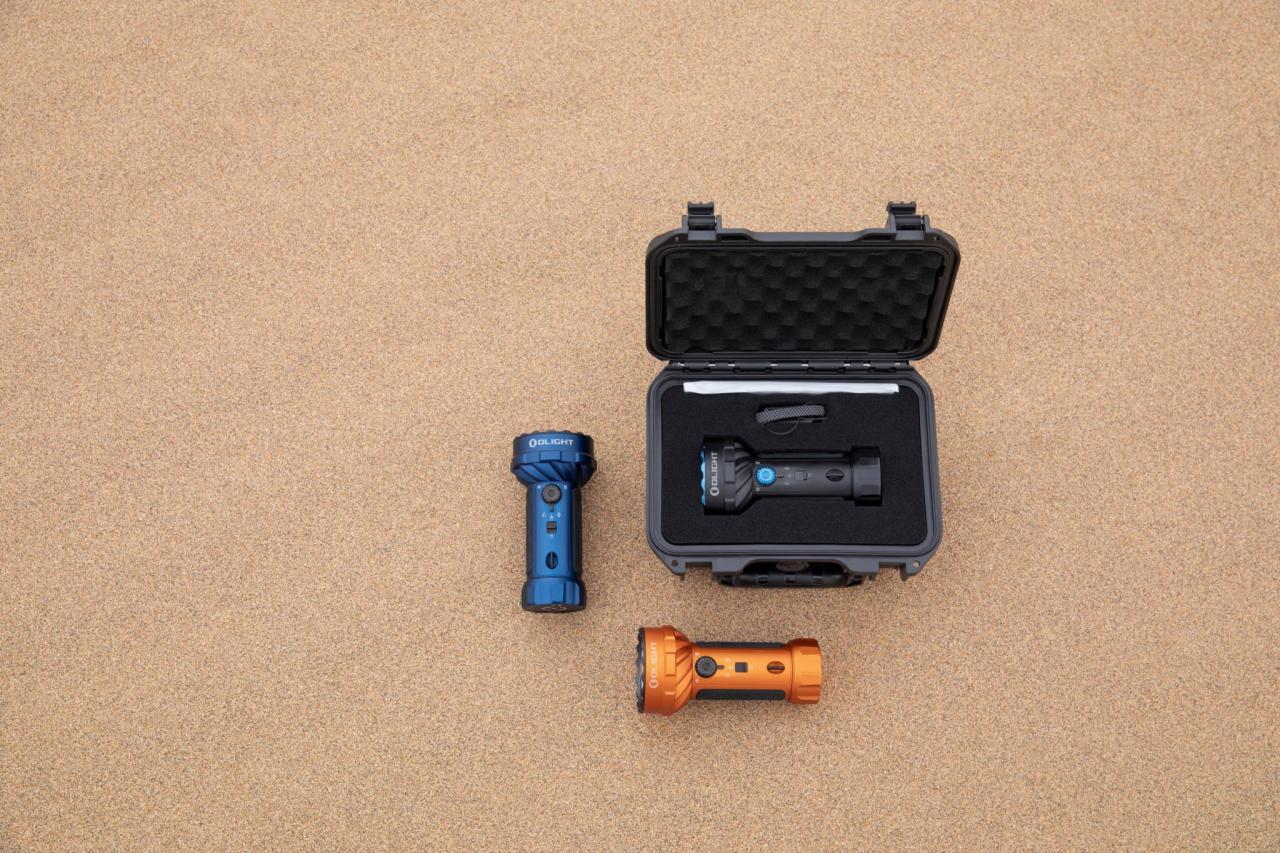
Marauder Mini 2 Compact Powerful Flashlight
Palm-sized high-power outdoor flashlight with max 10,000 lumens flood and 750m spotlight throw, equipped with five lighting modes including flood, spot, combined beam, red light and side light. Built-in 7500mAh large battery with up to 5 months moonlight runtime, supports MCC magnetic charging and built-in USB-C lanyard charging cable. Triple rotary control system, IPX8 waterproof, compact 133mm body for one-handed outdoor adventure use.
View DetailsTIR Optics vs. Traditional Reflectors: What’s the Difference?
Optics shape the raw light from the LED. The two primary methods are Total Internal Reflection (TIR) lenses and traditional metallic reflectors.
Comparing tir optics vs reflector highlights different optical goals:
- Traditional Reflectors use a metallic, polished cup surrounding the LED. Light hitting the reflector bounces forward to form a central hotspot, while light exiting the front directly without touching the reflector creates a wide, dimmer outer ring called "spill."
- TIR Lenses utilize a solid optical-grade polymer lens that covers the LED entirely. It uses refraction and total internal reflection to capture almost 100% of the emitted light.
Advanced designs like olight tir lens technology allow engineers to design highly customized beam profiles. This technology can eliminate harsh transitions, creating smooth, blended beams or ultra-compact spotlight profiles in small EDC gear like the Baton 4 Pro Compact Flashlight High Lumen.
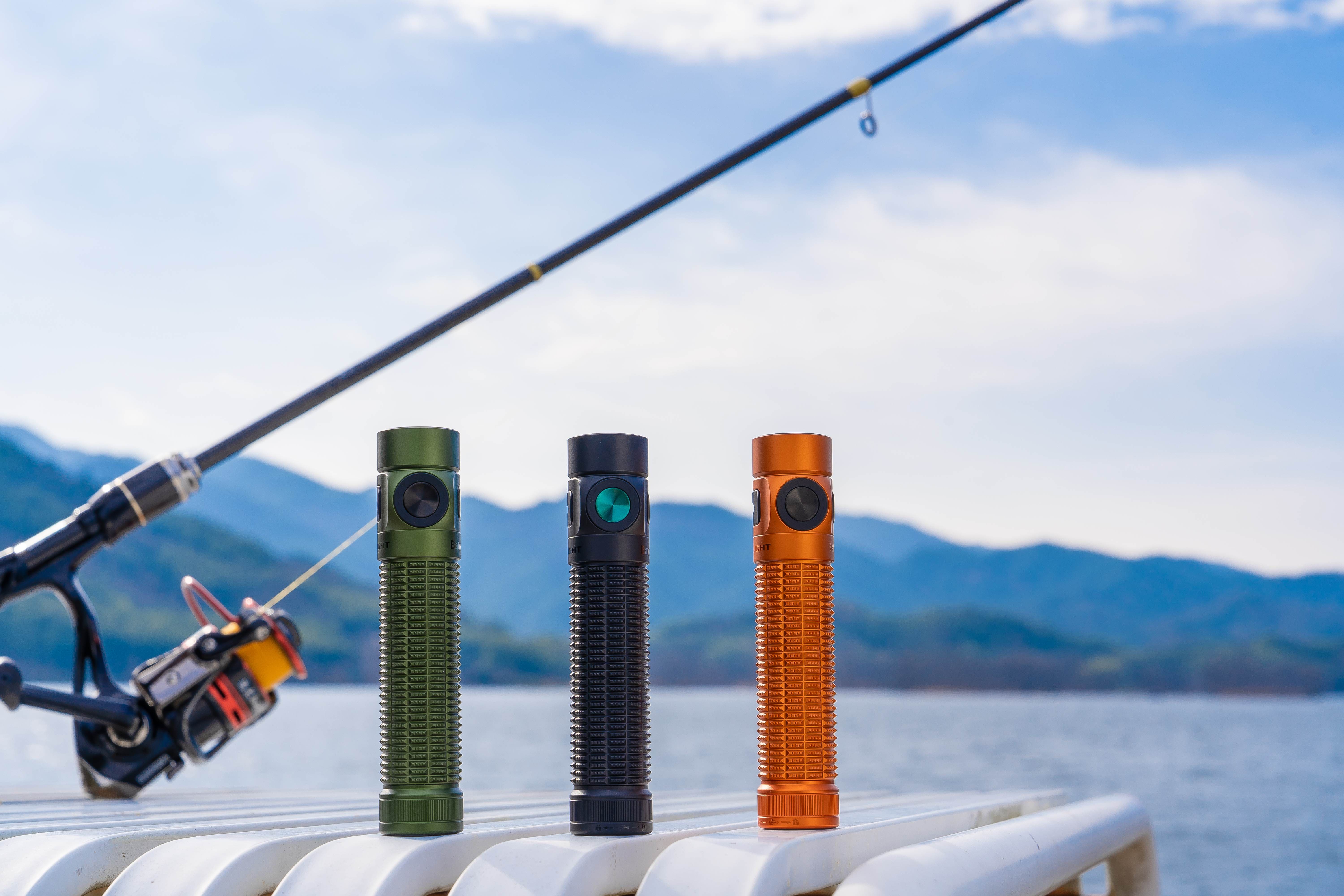
Baton 4 Pro Compact High Lumen Flashlight Set
Dual premium EDC flashlight bundle, Baton 4 Pro outputs 1600 lumens with 200m throw.Baton 4 Pro adopt dual side & tail switch design, support hidden USB-C and MCC magnetic dual charging, powered by 3500mAh 18650 battery with ultra-long moonlight runtime. Compact pocket carry size, anti-slip knurling grip for daily commute, maintenance and camping.
View DetailsTraditional Reflector:
[LED] -> Reflects off metallic walls -> Hotspot
-> Spills directly out front -> Wide, dim spill
TIR Lens (Total Internal Reflection):
[LED] -> Enclosed in solid polymer -> Managed refraction -> Highly efficient, smooth beam
Hotspot & Spill: Defining the Core Beam and Perimeter Light
A classic reflector beam is divided into two distinct zones:
- Hotspot: The bright, central core of the beam. This concentrated light provides the reach and downrange visibility of the flashlight.
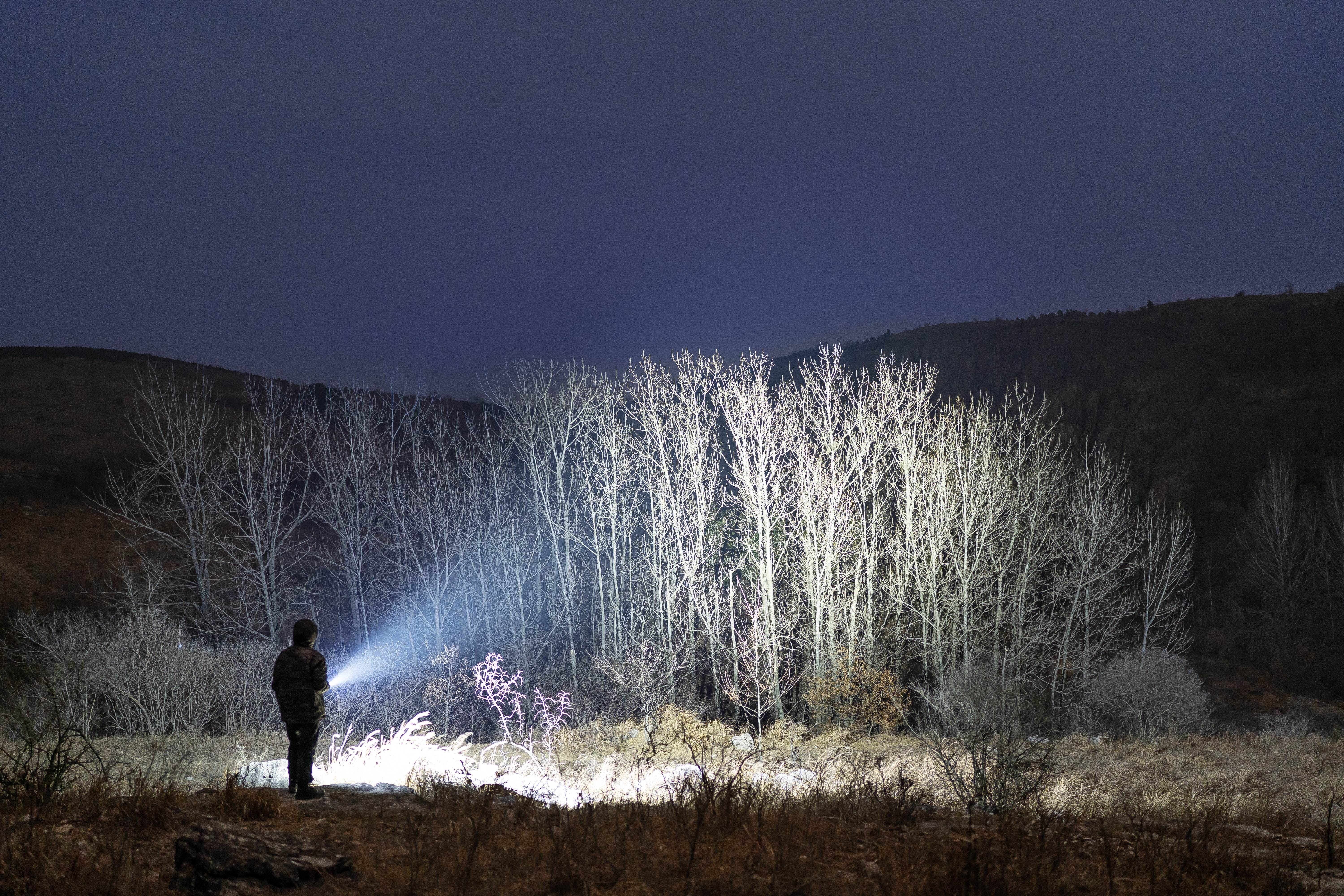
- Spill: The wider, less intense cone of light surrounding the hotspot. Spill provides situational awareness, allowing you to see your immediate surroundings and path while keeping the main spotlight focused on a distant target.
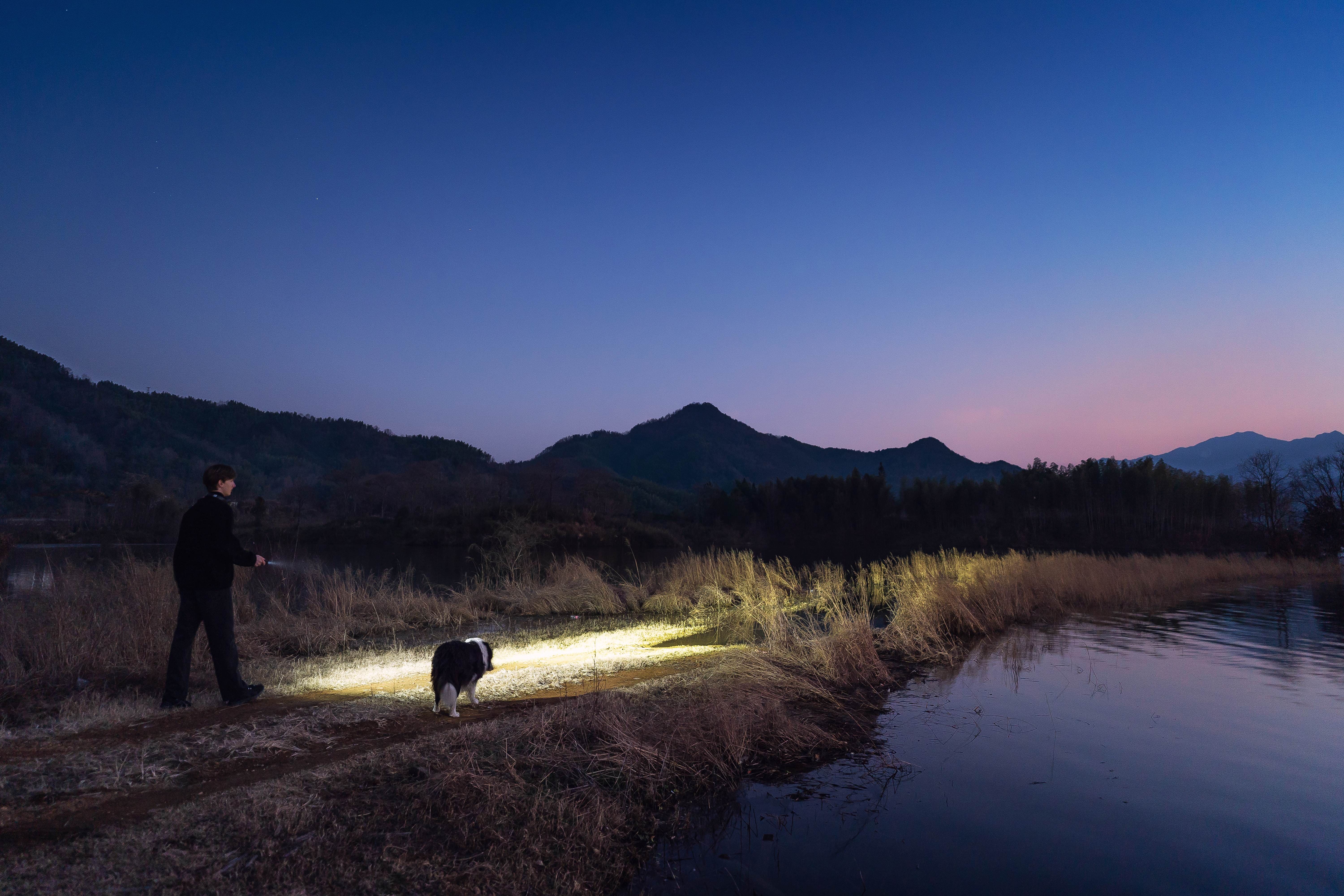
The ratio between hotspot and spill determines the practical application of the light.
Color & Quality: Choosing the Right Light Spectrum
What is CRI (Color Rendering Index)? Why High CRI Matters
Answering what is CRI in lighting requires looking at how accurately a light source reveals colors compared to natural sunlight. CRI is measured on a scale from 0 to 100.
- Low CRI (< 70): Causes colors to look washed out, flat, or distorted. Red tones often appear brown or grey under low CRI sources.
- High CRI (> 90): Renders colors naturally and accurately.
High CRI is essential for tasks requiring precise color differentiation. Electricians use it to identify colored wires, medical professionals use it to examine tissues, and outdoor enthusiasts use it to distinguish subtle details in wooded terrain.
The Illuminating Engineering Society (IES) recognizes Color Rendering Index (CRI) as an important metric for evaluating how faithfully artificial light reproduces object colors compared with a reference light source, particularly in applications requiring accurate visual identification(Reference:IES Standards).
CCT Explained: Cool White (CW), Neutral White (NW), and Warm White (WW)
Correlated Color Temperature (CCT) measures the relative warmth or coolness of a light beam, expressed in Kelvin (K).
- Cool White (CW): 5,700K to 6,500K. This spectrum appears crisp and bright with a slight blue tint. It maximizes perceived output and is highly effective for security and industrial work.
- Neutral White (NW): 4,000K to 5,000K. This color range resembles midday sunlight. It provides excellent color balance, reduces eye strain over long periods, and cuts through mist or rain better than cool white.
- Warm White (WW): 2,700K to 3,500K. This temperature has a yellow-amber hue, mimicking incandescent bulbs or firelight. It preserves night vision, reduces glare in dust or fog, and provides a comfortable atmosphere.
Evaluating cool white vs neutral white flashlight performance depends heavily on your environment. Cool white provides maximum lumens, while neutral white offers better depth perception and color accuracy in natural outdoor settings.
Battery & Regulation: Powering Your Flashlight
Runtime & Stepdowns: Why 3000 Lumens Doesn't Last All Day
A common misconception is that a light rated for 3,000 lumens will maintain that output level continuously. High-output LEDs generate intense heat.
Because small, handheld flashlight bodies cannot dissipate this thermal energy indefinitely, they use programmed thermal or timed stepdowns.
The light operates at its peak output (Turbo mode) for a short period—typically 30 seconds to a few minutes. Internal thermal sensors or electronic timers then step the output down to a lower, thermally sustainable level (such as 800 lumens). This protection prevents the LED from burning out and keeps the flashlight body safe to hold.
Thermal regulation has become a standard feature in modern high-output LED flashlights. By automatically reducing brightness when internal temperatures rise, manufacturers help protect LEDs, electronic components, and rechargeable batteries while maintaining safe operating conditions(Reference:ANSI FL1).
What is PWM (Pulse Width Modulation)? Tracking Beam Flicker
Pulse Width Modulation (PWM) is a method used by circuitry to control brightness levels. Instead of lowering the electrical current to dim the LED, PWM turns the LED on and off at rapid speeds.
- Fast PWM (> 20,000 Hz): Imperceptible to the human eye and camera lenses.
- Slow PWM (< 5,000 Hz): Can cause a visible "flicker" effect, especially when illuminating moving objects, rain, or running water. This can lead to headaches and eye strain.
High-end lights use constant-current drivers to avoid PWM, delivering smooth, flicker-free light across all brightness settings.
Durability & Protection: Testing the Limits
IPX Ratings Explained: Waterproofing and Dust Protection
The Ingress Protection (IP) rating system defines a housing's resistance to dust and liquids. In an IPX rating, the "X" means there is no formal data for dust protection, while the trailing number specifies water resistance.
Comparing ipx7 vs ipx8 waterproof rating levels reveals key depth and duration differences:
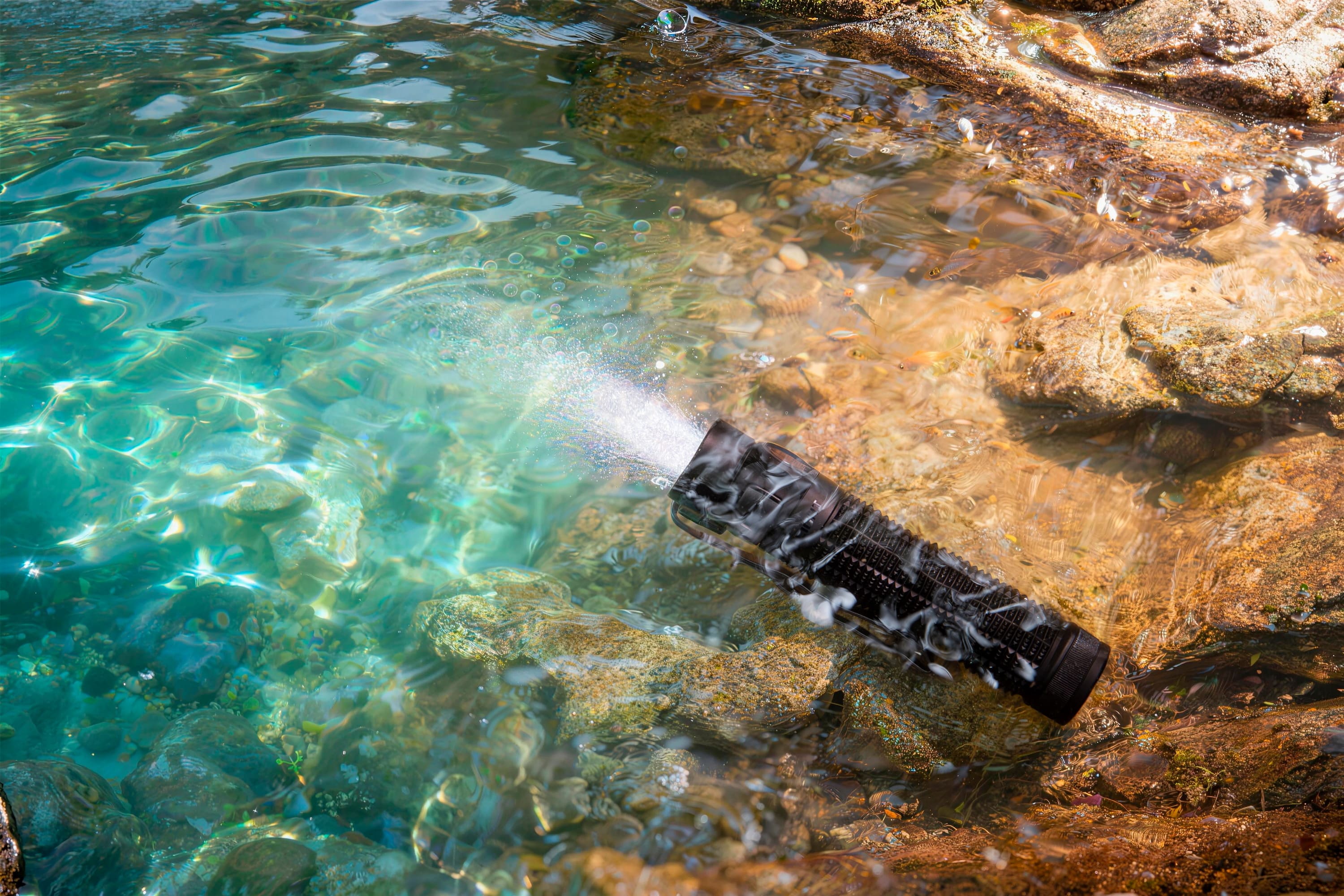
- IPX7: Protected against water immersion for up to 30 minutes at a depth of 1 meter. This level easily survives heavy rain, snow, or accidental drops into puddles.
- IPX8: Protected against continuous immersion in water under conditions specified by the manufacturer. This typically guarantees protection at depths of 2 meters or more for extended durations, making the light suitable for severe marine environments.
Impact Resistance: Understanding IK Ratings and Drop Tests
Impact resistance is tested by dropping the flashlight onto concrete from a specified height (e.g., 1 meter, 1.5 meters, or 2 meters) with all batteries and accessories installed.
To pass the test, the tool must remain fully functional with no cracked lenses, broken internal solder joints, or failed switches. This metric is crucial for tactical, search-and-rescue, and heavy-duty industrial applications.