Table of Contents
- Why Red Light Is Essential for Stargazing
- How Rod Cells in Your Eyes Work (Dark Adaptation)
- Red Light vs White Light: Recovery Time Difference
- Key Features for Astronomy Flashlights
- Recommended Olight Red Light Solutions for Stargazers
- Red Light Etiquette at Star Parties
- Conclusion: Elevate Your Stargazing Experience
- FAQ
Stargazing is an exercise in patience and biological adaptation. When you step away from the glare of city lights into a dark-sky site, your eyes begin a complex chemical journey to see the faint structure of the Milky Way or the subtle wisps of a nebula through a telescope. However, this hard-won sensitivity can be destroyed in a millisecond by a single flash of white light.
To navigate a star party, read a star chart, or swap out an eyepiece without "blinding" yourself or others, a specialized red light for astronomy is not just an accessory—it is a requirement. In this guide, we explore why red light is the gold standard for stargazers and which tools provide the best experience for preserving your night vision.
Why Red Light Is Essential for Stargazing
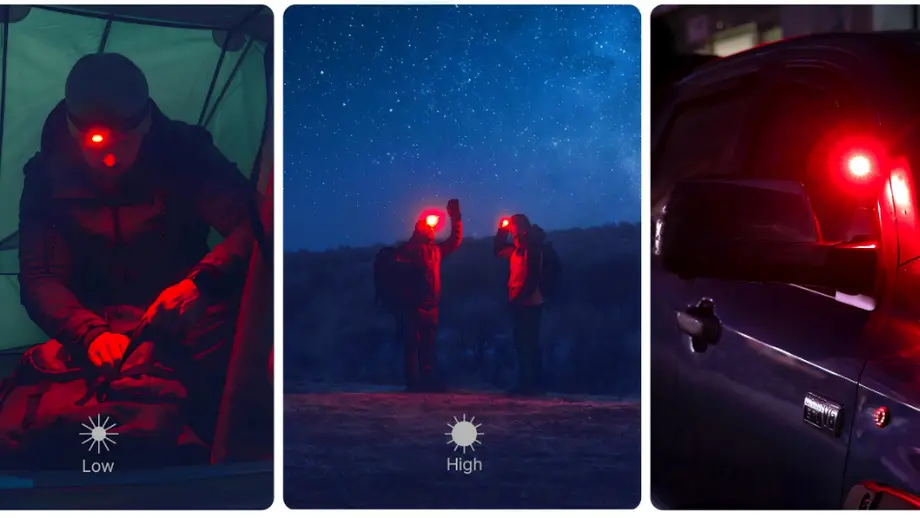
The primary goal of any astronomer at night is to achieve and maintain "dark adaptation." This is the process where the eyes become increasingly sensitive to low light levels. White light, which contains blue and green wavelengths, triggers an immediate reset of this adaptation. Red light, specifically at the long-wavelength end of the spectrum, allows for enough illumination to perform tasks without resetting the eye's dark-adapted state.
How Rod Cells in Your Eyes Work (Dark Adaptation)
Our retina contains two main types of photoreceptors: cones and rods. Cones handle color and detail in bright light, while rods are responsible for peripheral and low-light vision. Rods contain a light-sensitive pigment called rhodopsin (often called visual purple).
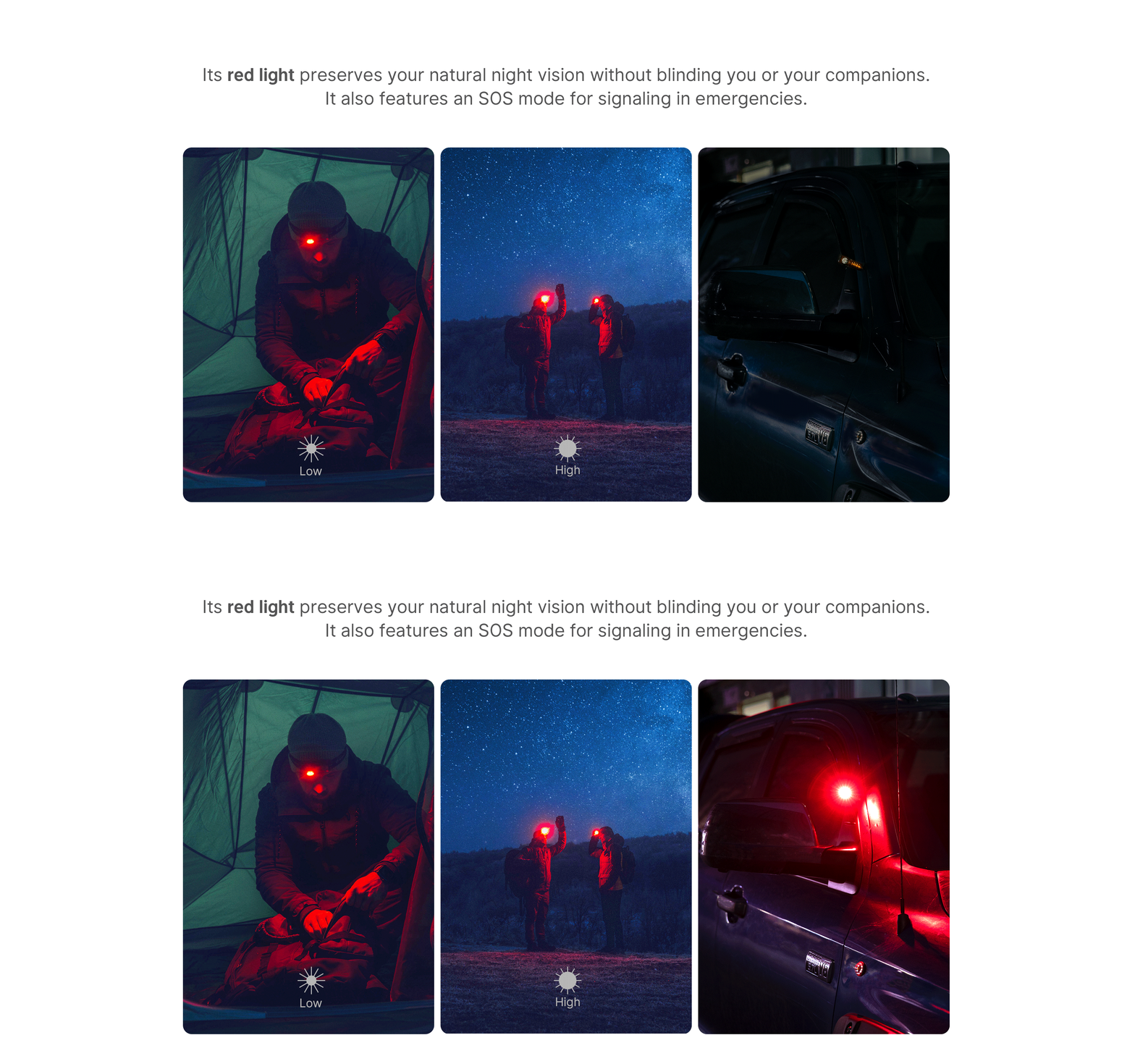
When exposed to bright light, rhodopsin "bleaches" or breaks down instantly, rendering the rods temporarily insensitive. It takes roughly 20 to 40 minutes in total darkness for rhodopsin to fully regenerate and for your night vision to reach its peak. Crucially, rhodopsin is significantly less sensitive to long-wavelength red light. By using a dim stargazing red light, you can see your equipment while keeping your rhodopsin levels—and your ability to see deep-space objects—intact.
Red Light vs White Light: Recovery Time Difference
The difference in recovery time is staggering. If you are accidentally flashed with a bright white light, you may have to wait another 30 minutes to regain your full night vision. In contrast, using a low-intensity red light allows the eye to return to peak sensitivity almost immediately after the light is turned off. For serious observers, a white light on a dark field is more than an annoyance; it is a "vision killer" that can ruin a night of astronomical observation.
Key Features for Astronomy Flashlights
Not all red lights are created equal. When selecting an astronomy flashlight, look for these specific technical standards:
Dedicated Red LED vs. Red Filters
In the past, astronomers often taped red cellophane over standard white flashlights. This is inefficient and risky. Filters can easily slip or leak "white" light from the edges of the bezel. Furthermore, filtering white light is energy-inefficient, as you are essentially wasting all the other light energy produced by the bulb. A dedicated red LED produces a pure wavelength (typically around 620-670nm) that is much safer for dark adaptation.
Ultra-Low Lumens & Dimming Capability
In the world of astronomy, less is more. While a 1,000-lumen light is great for hiking, it is disastrous for stargazing. To read a star map or adjust a mount, you only need 4 to 5 lumens. High-quality lights offer multiple modes, allowing you to choose an ultra-low red setting that provides just enough contrast to see detail without causing glare on the page.
Lockout Mode to Prevent Accidental Activation
There is nothing worse than reaching into your bag and accidentally hitting the power button, sending a 1,000-lumen white beam across a field of telescopes. A reliable astronomy flashlight must have a mechanical or electronic lockout mode. This serves as a "safety catch," ensuring the light only turns on when you intentionally want it to.
Recommended Olight Red Light Solutions for Stargazers
Olight offers several versatile tools that cater to the unique needs of the astronomical community, from hands-free headlamps to stable flat lights.
Hands-Free Versatility: Right-Angle Headlamps
When you are aligning a finderscope or adjusting a sensitive equatorial mount, you need both hands free. A headlamp with red light is the most practical solution.
Perun 3 Mini Right-Angle Headlamp
A versatile 2-in-1 tool with a dedicated red light mode and magnetic tailcap for hands-free astronomy tasks.
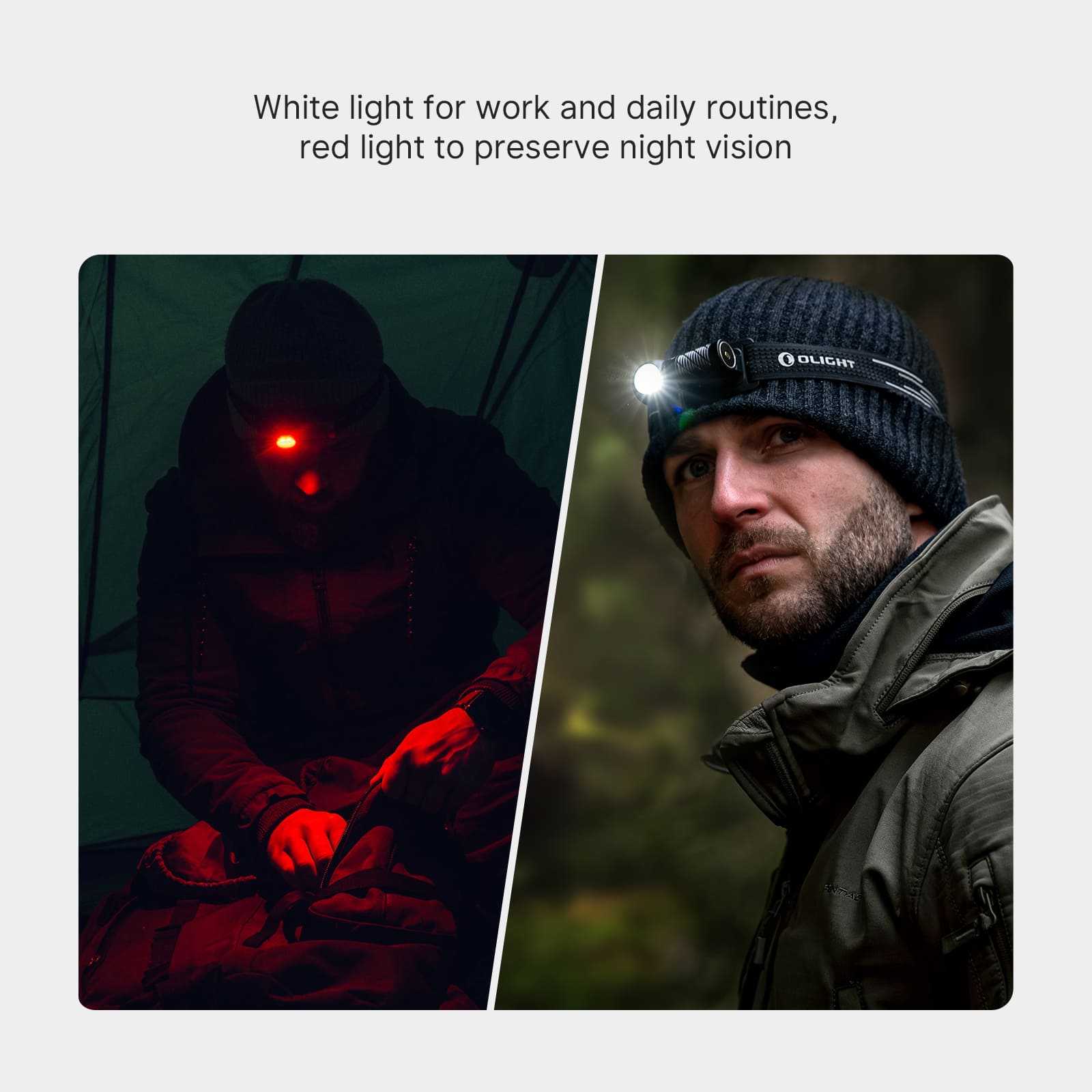
Shop NowThe Perun 3 Mini is a premier choice for this application. It functions as both a headlamp and a handheld right-angle light. Its dedicated red light mode is designed to be non-glaring. The magnetic tailcap is particularly useful for astronomers; you can snap it onto a steel tripod leg or a car hood to provide stationary, downward-facing red illumination while you work on your gear.
The Map-Reading Companion: Multifunctional Clip Lights
For those who prefer traditional paper star charts or need to illuminate a specific area like an eyepiece tray, a clip on flashlight is indispensable.
Oclip Pro Clip-On Flashlight
Ultra-compact and attachable to gear, featuring a soft 4-lumen red mode perfect for star charts.
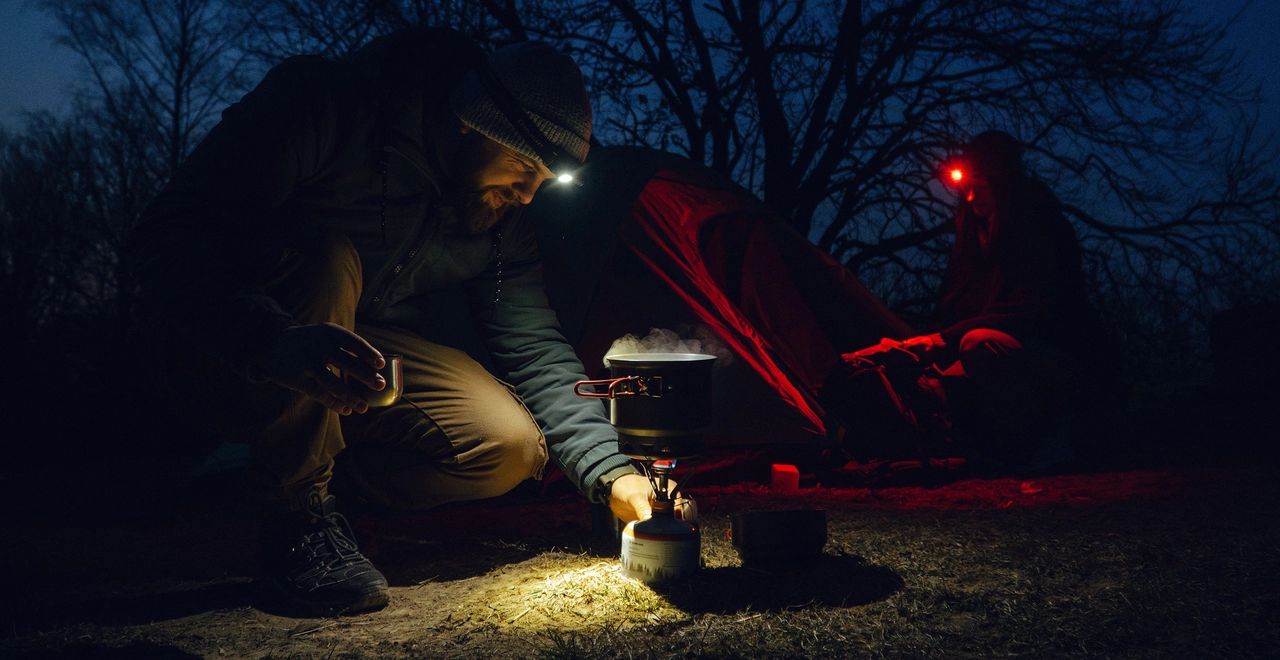
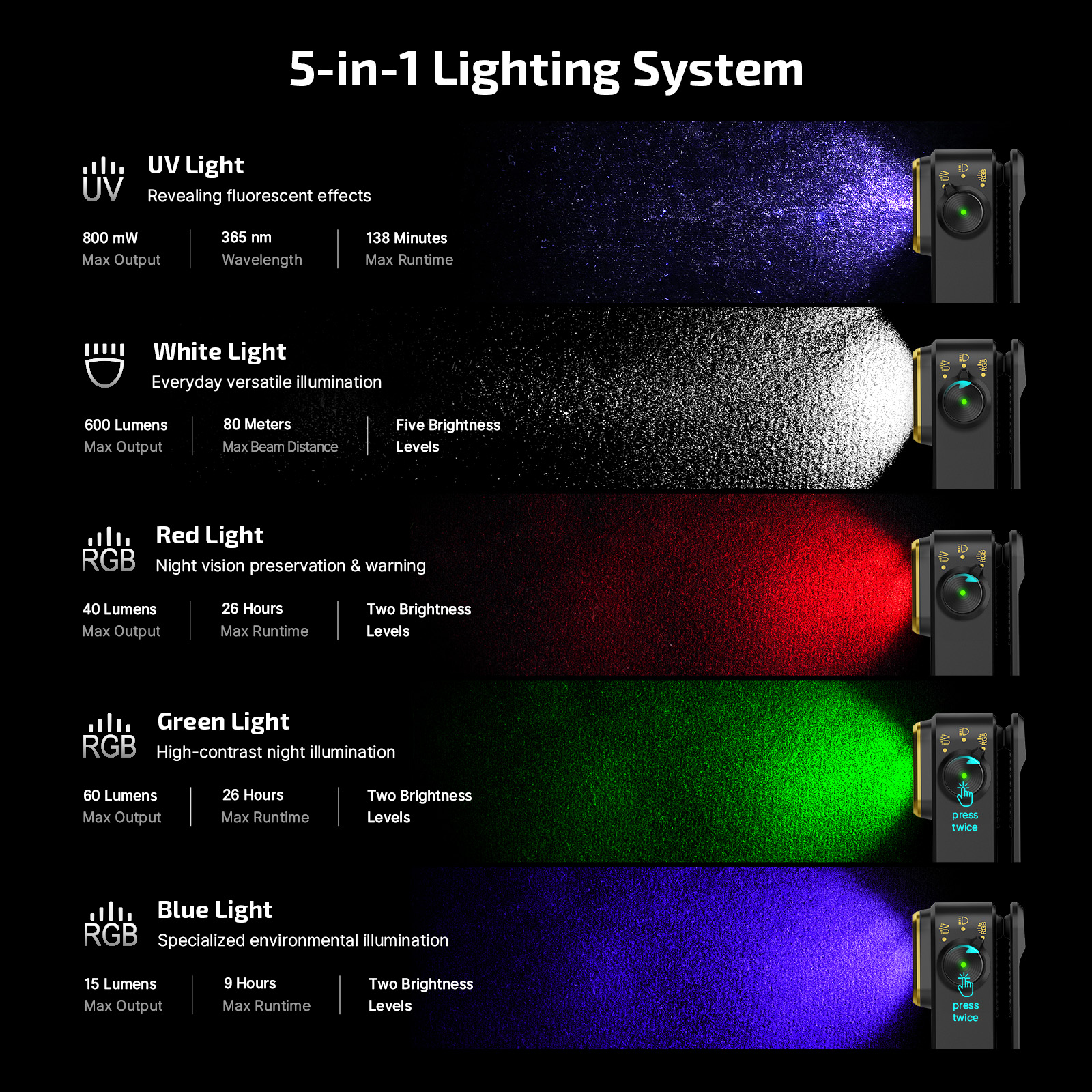
Shop NowThe Oclip Pro series, including the Oclip Pro S, offers a high-utility clip that can attach to a shirt pocket, a jacket, or the edge of a chart table. With a low red light mode of just 4 lumens, it provides the soft glow needed to read fine print on a map without disturbing your neighbors. Its rotary selector or intuitive button interface makes it easy to operate by feel in the dark, reducing the risk of accidental white light activation.
Flat EDC Convenience: Flat Multi-Source Flashlights
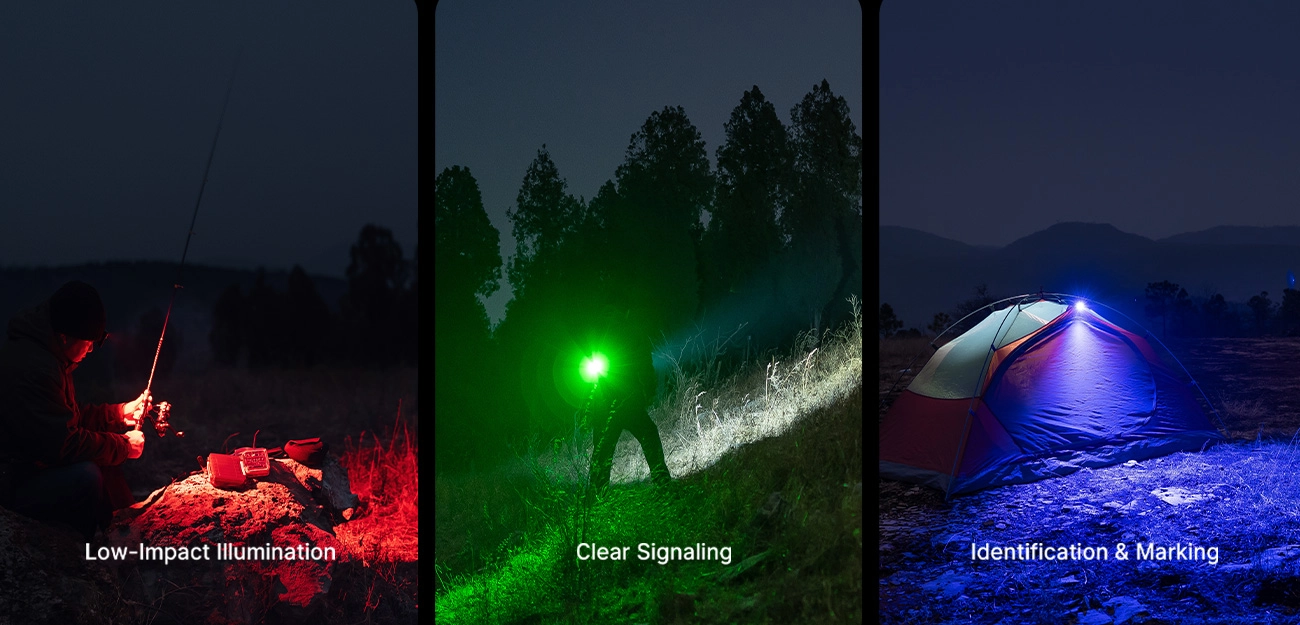
Standard cylindrical flashlights have a habit of rolling off camping tables—an expensive accident if they hit a telescope lens.
ArkPro Lite Flat EDC Flashlight
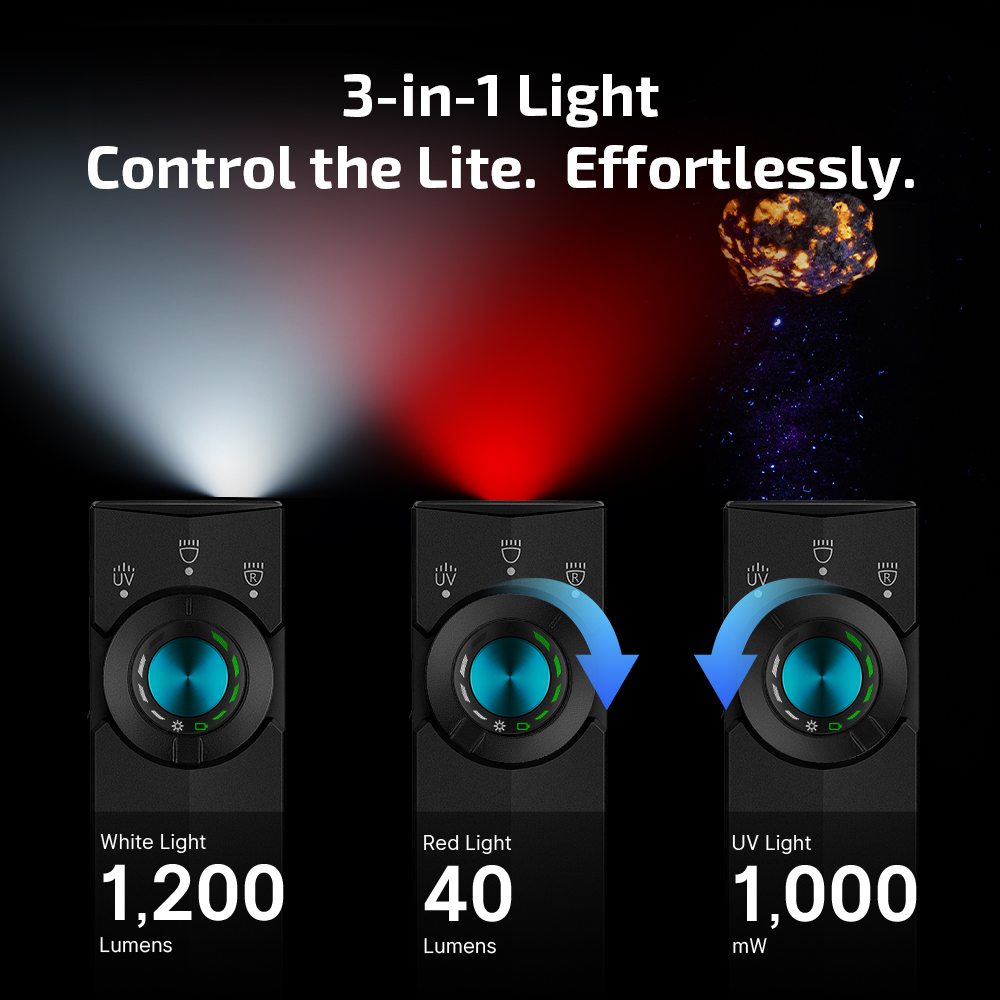
Anti-roll unibody design with adjustable red light output for campsite safety and observation.
Shop NowThe ArkPro Lite features a flat, unibody design that stays exactly where you put it. It includes a specialized red light setting (adjustable between 5 and 40 lumens), which is perfect for general campsite navigation under the stars. The flat profile also makes it comfortable to hold in a gloved hand during cold winter observing sessions.
Red Light Mode Comparison at a Glance
| Product | Low Red Mode & Runtime (Best for Night Vision) |
High Red Mode & Runtime (Best for Gear/Navigation) |
Special Signaling Mode | Max Red Throw | Best Astronomy Scenario |
|---|---|---|---|---|---|
| Perun 3 Mini (Right-Angle Headlamp) |
5 Lumens ⏱️ 19 Hours |
45 Lumens ⏱️ 2.5 Hours (150 mins) |
Red SOS | 10 Meters (at 45 lm) |
Hands-Free Setup: Ideal for adjusting telescope mounts, aligning finderscopes, or swapping eyepieces in the cold. |
| Oclip Pro / Pro S (Multi-Source Clip Light) |
4 Lumens ⏱️ 26 - 29 Hours |
40 Lumens ⏱️ 3.5 - 4 Hours |
Red Blink (20 lm / 13 - 14 Hours) |
12 Meters (at 40 lm) |
Star Chart Reading: Perfect for clipping onto clipboard charts, pocket folds, or accessory trays for glare-free map reading. |
| ArkPro Lite (Flat EDC Flashlight) |
5 Lumens ⏱️ 39 Hours |
40 Lumens ⏱️ 5.5 Hours (5h 30m) |
Red SOS (40 lm / 11 Hours) |
Soft Area Flood (Anti-roll profile) |
Tabletop & Campsite Use: Flat body prevents it from rolling off camping tables; excellent for general navigation around the telescope field. |
Red Light Etiquette at Star Parties
Star parties are social events with strict unwritten rules. Using your light improperly can quickly make you unpopular.
Aim Low and Stay Dim
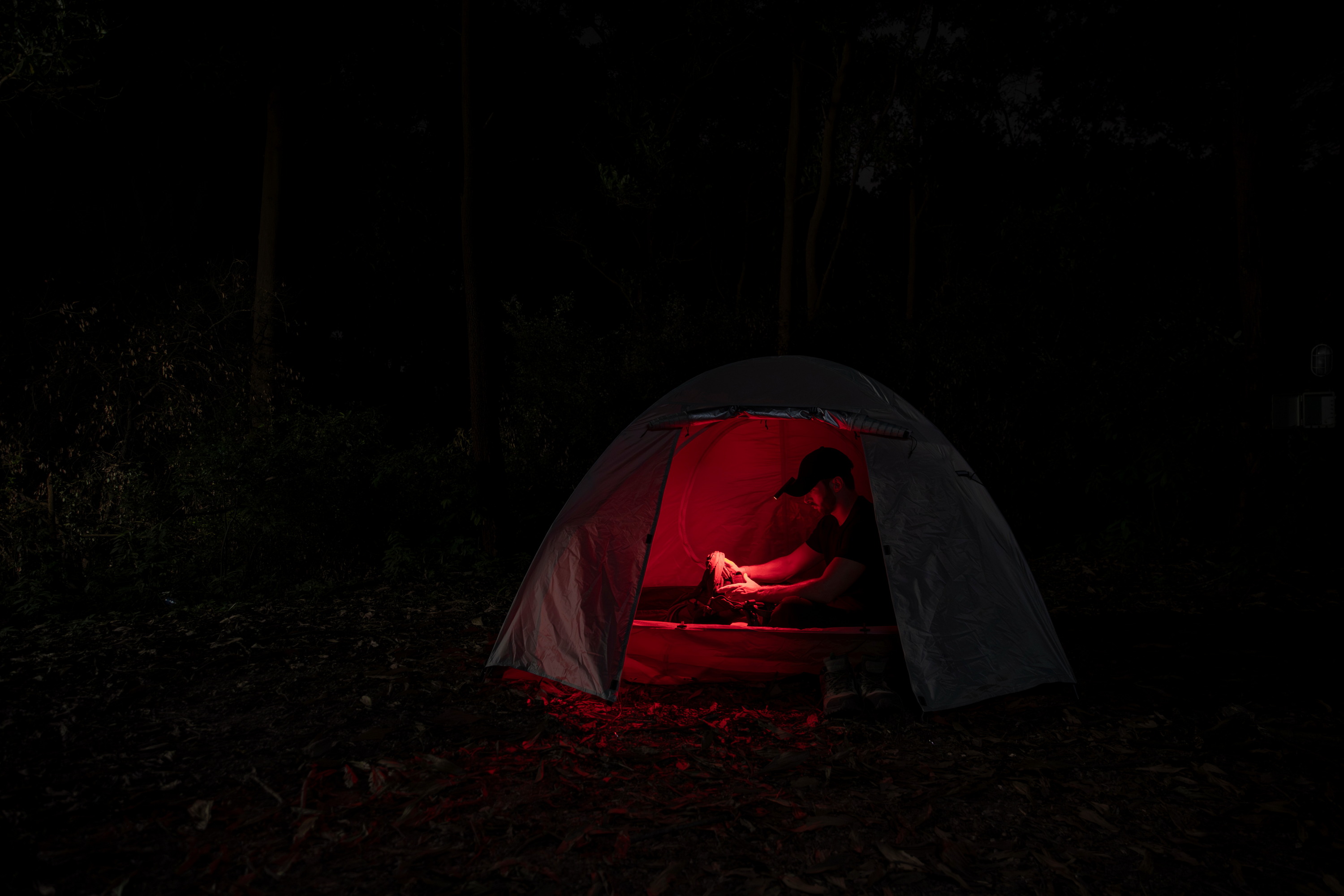
Always point your light toward the ground. Never shine a red light directly into another person's face or toward the front of a telescope. Even red light, if bright enough, can be distracting for long-exposure astrophotography. Keep your light on the lowest setting necessary for the task.
Lock Before You Pack
Before you put your gear away, activate the electronic lockout on your flashlight. This ensures that when you pull it out later, or if it shifts in your bag, it won't accidentally turn on and ruin the darkness for everyone on the field.
Conclusion: Elevate Your Stargazing Experience
Choosing the right red light for astronomy is about more than just seeing in the dark; it is about protecting the delicate biological process of dark adaptation. By utilizing tools with dedicated red LEDs, low-lumen modes, and secure lockout features, you ensure that you—and those around you—can see the universe in all its glory. Whether you prefer the hands-free convenience of the Perun 3 Mini, the versatile Oclip Pro, or the stable ArkPro Lite, having the right red light will significantly elevate your nighttime adventures.