


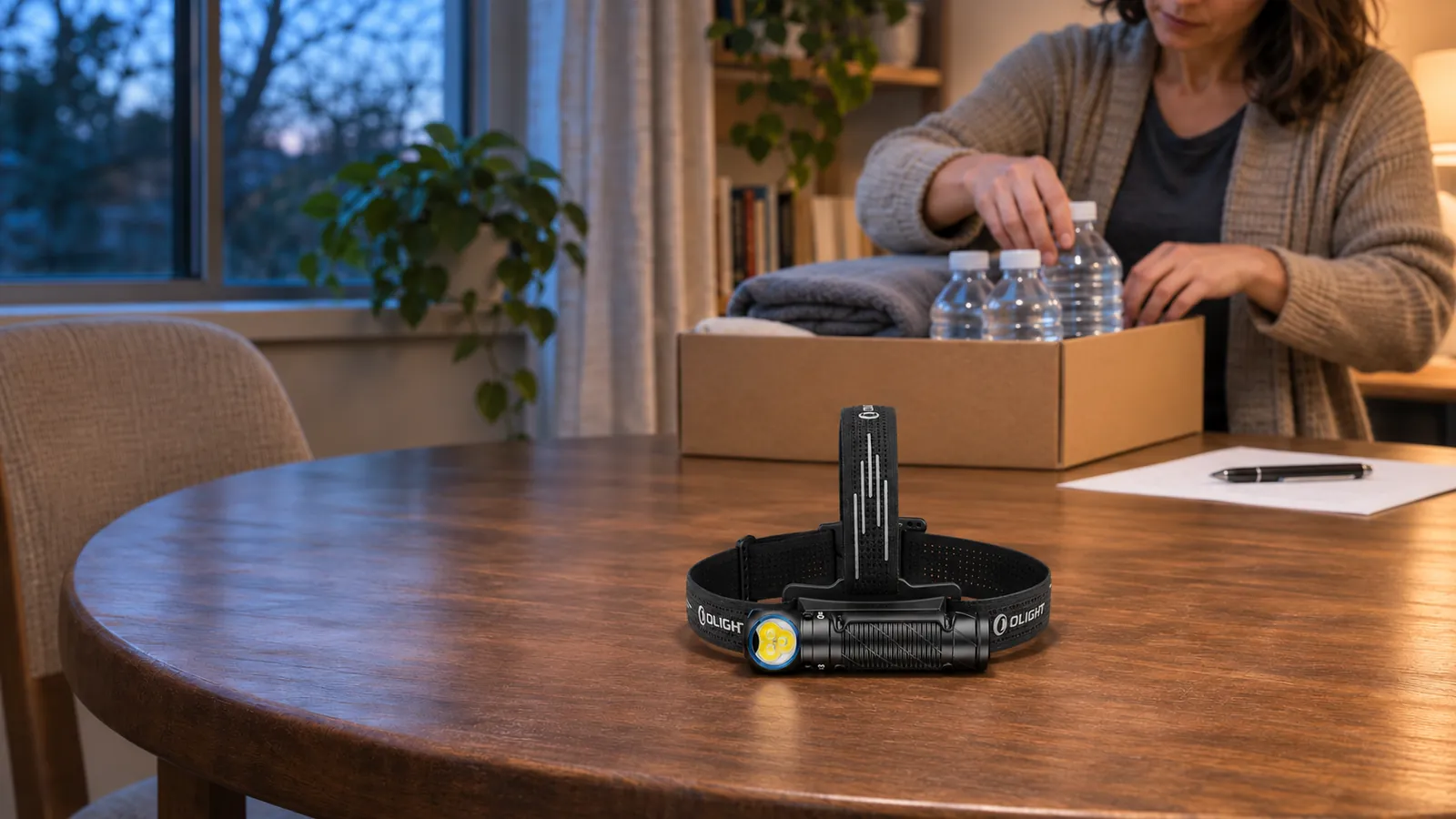
TL;DR: Address urgent health, shelter, and household needs first. Then fill practical gaps: a light people can reach, hands-free lighting for tasks that need both hands, communication equipment, and essential supplies. Use what already works before buying duplicates. Choose complete, understandable equipment rather than assuming a powerful light or a large battery solves every problem.
📋 Table of Contents
- 1. Put urgent household needs ahead of a shopping order
- 2. Take inventory before putting another item in the cart
- 3. Buy a light people can find before buying more output
- 4. Move hands-free lighting up when the task needs both hands
- 5. Keep a handheld role separate from the hands-free role
- 6. Add a placed task light only when placement solves a problem
- 7. Count simultaneous users rather than filling every room
- 8. Give communication equipment its own place in the kit
- 9. Keep water, food, and personal supplies visible
- 10. Leave generator selection to a complete power and placement plan
- 11. Shop for a complete first-use arrangement
- 12. Make the evening handoff clear before bedtime
- 13. Use the forecast window to close practical gaps
- 14. What should I buy if I lose power?
- 15. How to prepare for 3 days without power?
- 16. What essentials do you need for a power outage?
- 17. Frequently Asked Questions
- 18. Turn the first night into a clearer follow-up list
Put urgent household needs ahead of a shopping order
A first-night shopping order is a way to organize preparation, not a rule that puts flashlights ahead of an urgent medical or shelter need. Start with the people in the household and the conditions that could make staying home unsafe. Follow local emergency directions. A consumer lighting purchase cannot replace a plan for equipment on which someone depends.
The CDC's power-source preparedness checklist identifies emergency lighting, backup power for personal and medical equipment, communication devices, and other supplies. It also explains that prolonged outages can be life-threatening for people who rely on home medical devices. Make those individual needs part of the plan before treating the shopping list as a sequence for everyone.
For ordinary lighting preparation, identify the first actions that will require light. Someone may need to find keys, read a written contact number, gather water, or help another household member organize supplies. The useful purchase is the one that addresses an uncovered action. A second impressive-looking flashlight does little for a task that still requires both hands.
The order below assumes that urgent circumstances are already being addressed. If drinking water, suitable shelter, or another essential is missing, that gap can take precedence over an additional light. Keep the list responsive to the actual household rather than buying through a fixed product ladder.
Take inventory before putting another item in the cart
Locate the equipment already available. A usable handheld, a familiar headlamp, the correct spare batteries, or a suitable phone power bank may cover part of the first night without another purchase. Check the exact item and its normal instructions. Do not count a device merely because its box is in a drawer or its cable looks familiar.
Put each working item beside the role it can fill. A handheld can help someone find things and move between tasks. A head-worn light can keep light near a task while the hands remain available. A suitably placed task light may serve one activity without following a person. These roles can overlap, so count what is missing rather than assuming the household must buy one new product for every label.
| Preparation question | Fill this gap first if it is uncovered | Evidence to check |
|---|---|---|
| Can someone reach a usable light without searching? | An accessible battery-powered finder light | Actual location, correct power equipment, understood controls |
| Does the first task occupy both hands? | A suitable hands-free arrangement | Complete headband or attachment configuration and instructions |
| Must people work in different places at the same time? | Another appropriate light for the uncovered user or task | Simultaneous use, rather than the number of rooms alone |
| Can the household receive information and communicate? | Appropriate phone power and information equipment | Correct cables, device requirements, and existing supplies |
| Are essential household supplies missing? | The essential supply, before optional lighting | Actual people, conditions, and emergency plan |
A short normal operation check can reveal a missing part of the arrangement. Establish that the intended user can identify the light, select an appropriate mode, and turn it off according to its instructions. This is familiarization, not a reason to drain equipment or invent an endurance result.
Keep the inventory where the household can understand it. A simple note saying which light belongs with which cable can prevent a compatible arrangement from being separated during a hurried search. The goal is equipment that can be found and used, not a large collection that only one person recognizes.
Buy a light people can find before buying more output
The first lighting gap may be access rather than brightness. A light stored behind other items can be difficult to locate when ordinary room lighting stops. Choose a known, accessible place and make sure the people who need the light know where it is. Consider the actual route to that location and the household members who will use it.
The New Jersey Office of Emergency Management recommends battery-powered emergency lighting instead of candles. Its advice provides a clear starting point for the lighting purchase: a usable battery-powered light belongs ahead of an improvised flame-based arrangement. It does not establish that any particular model is the right choice for every home.
For a finder light, examine the controls and the available working levels. Reading nearby information and briefly checking another part of a room are different tasks. A maximum-output figure does not explain the entire operating routine. Choose from the documented modes according to what needs to be seen, and keep the beam away from eyes.
Accessibility also includes understanding. The person who bought the light should not be the only person who knows its normal operation. Choose equipment that the intended user can manage and keep the matching instructions available. A familiar, suitable arrangement may address the first-night problem better than an unfamiliar addition bought mainly for its headline specification.
Move hands-free lighting up when the task needs both hands
A household that already has a usable handheld may benefit more from covering a hands-busy task than from adding another similar handheld. Think about reading a label while writing, organizing supplies, or managing keys and a bag together. The question is where light needs to remain while the hands are doing something else.
This is a task decision, not a claim that a headlamp is always superior. A head-worn light generally follows the direction of the head, while a separately placed light can remain aimed at another location. Identify which behavior suits the activity. A task that changes direction may favor one arrangement; a fixed work area may favor another.

Check the complete package, intended wearing arrangement, and required charging equipment before choosing. A photograph helps identify the configuration, but it cannot establish a personalized fit or comfort result. The benefit is giving the hands a different role while the light is directed appropriately; the operating limits still belong to the exact product.
Keep a handheld role separate from the hands-free role
A handheld remains useful when someone needs to direct light independently of head movement or carry it between short tasks. It may also cover a person who is not using the head-worn light. Decide whether that role is already covered before adding another product. One well-understood light can do several jobs when those jobs do not occur at the same time.
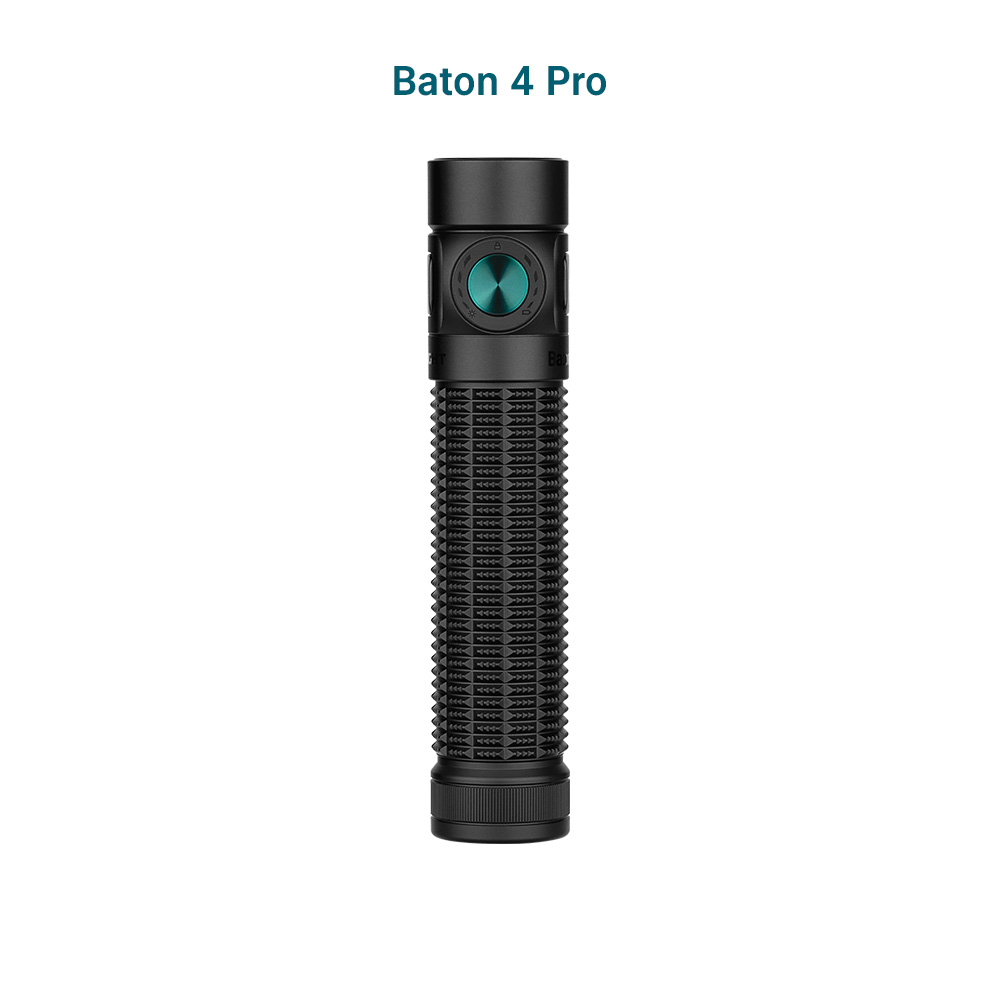
Keep the light's required equipment with the plan. Two charging connections do not mean that every cable or supply in the house is appropriate. Confirm the exact requirements and package contents before relying on what is already owned. An item that cannot be prepared with the available equipment may not fill the immediate gap.
For an edc flashlight that also serves at home, decide where it will be when the household needs it. A light carried outside the home may not be available to someone remaining inside. That is an availability question for the people involved, not a reason to assume a fixed number of new lights is always required.
Add a placed task light only when placement solves a problem
A separate task light can make sense when one activity needs light to remain directed at a location while another person uses the handheld. It should have a defined job. Adding a light without deciding where it belongs can leave the household with another item to find and understand when the outage begins.
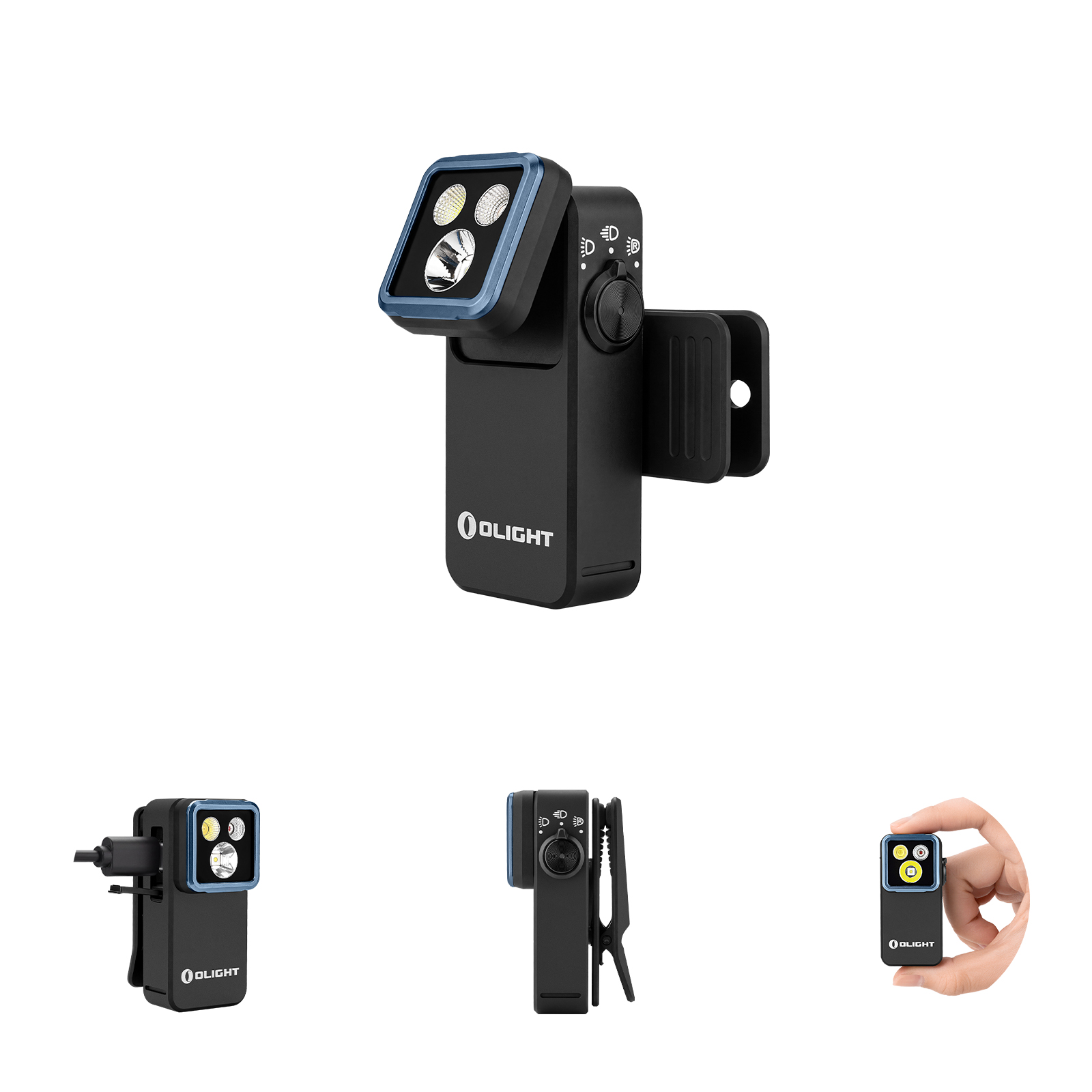
Choose a placement that follows the instructions and leaves the light unobstructed. Do not cover a light with fabric or improvise an enclosure to change its appearance. Keep the product's cautions attached to the placement decision. A useful task arrangement should remain understandable to the person using the work area.
This is an alternative way of solving a placement problem, not an instruction to buy all three examples. If an existing light already covers the activity, move the remaining money to an uncovered household need. Product variety matters less than having a workable arrangement for the first tasks that actually occur.
Count simultaneous users rather than filling every room
Consider a two-adult household planning its first evening. One person may need both hands to organize supplies while another needs a light to find a written contact number. Those actions overlap. Two usable lighting arrangements can address that overlap more directly than one light with a larger maximum-output number passed back and forth.
Now consider a single person moving through the same activities in sequence. One suitable light may cover more of the plan because the tasks do not happen simultaneously. The buying order changes with the people and the activity. It should not be copied from a photograph of another household's equipment.
Count the moments when a light would be unavailable to someone who needs it. Include a light carried away from the shared area, one attached to a particular task, and one used by a household member elsewhere. This produces a practical reason for an additional purchase without inventing a universal rule that every room requires another device.
Once the roles are clear, the published emergency-light budget comparison can help explore a separate spending question. This first-night plan is organized by uncovered actions, not by repeating price tiers or assuming that a particular spending level guarantees coverage for an outage.
Give communication equipment its own place in the kit
Keep a means of receiving information and contacting others distinct from the lighting role. A phone can be useful during an outage, but a plan that asks the same device to serve every lighting and communication task creates competing demands. Decide which tasks belong to dedicated lights and which require the communication device.
Check the phone's appropriate cable and power equipment before the outage, and keep that equipment identifiable. A power bank's label does not establish a personalized number of charges for every phone. Use the device and power-bank instructions to assess the actual arrangement. Keep important contact information available in a form the household can find.
A battery-powered or hand-crank radio can provide a separate information source when that is part of the household plan. Identify the correct power requirements and the information channels relevant to the location. The useful purchase is the complete arrangement, including the equipment needed to operate it, rather than an isolated device added to a list.
For a rechargeable flashlight, establish its equipment requirements without turning this first-night purchase plan into a long-term charging schedule. The immediate question is whether the light can be ready for the expected tasks. Longer standby checks and repeated-day replenishment deserve their own plan rather than an unsupported claim that one charge covers every outage.
Keep water, food, and personal supplies visible
The American Red Cross emergency-kit list includes water, easy-to-prepare nonperishable food, lighting, radio, batteries, first aid, medical and personal supplies, and a phone with chargers. For water and food, it distinguishes a three-day evacuation supply from a two-week home supply.
Its water baseline is one gallon per person per day. Four people for three days therefore means twelve gallons under that calculation. Three days should not silently replace the source's longer home-supply target.
Check supplies alongside the lighting roles. A food choice requiring unavailable equipment may leave another gap. Include the actual household's personal, child, and pet needs before optional lighting additions use the remaining budget.
Leave generator selection to a complete power and placement plan
A generator is a different planning decision from selecting a first-night light. It requires a suitable outdoor location and a complete safe operating arrangement. Buying one without resolving those conditions does not fill the same role as an accessible battery-powered light or the specific power plan needed for critical equipment.
The CDC specifies outdoor generator use with at least twenty feet of separation from doors, windows, and vents. Keep that location requirement in the decision before purchase. A convenient indoor space is not an alternative to the required outdoor arrangement.
The CPSC's generator guidance prohibits use indoors, including garages and basements, and calls for a working carbon monoxide alarm in the home. A garage with an open door does not become an approved indoor operating location. Keep the instructions and the applicable safety guidance with any generator plan.
For this shopping order, separate the question that can be answered now from the larger one. A missing light may be addressed with appropriate battery-powered equipment. A need to supply an appliance or medically important device requires a power plan specific to that need. Do not assume that buying a larger piece of equipment makes the placement and operating questions disappear.
Shop for a complete first-use arrangement
An item that fills the right role on paper may still leave a practical gap when its package arrives. Check what is included and what must already be available before relying on the purchase for the first night. A light, its required power equipment, and any attachment needed for the chosen task should be considered together. Do not assume that the photograph of a complete arrangement establishes the contents of every listing.
For a head-worn choice, identify the supplied configuration and its matching instructions. For a handheld, identify the controls and the equipment needed to prepare it. For a clipped task light, establish how it can be attached under the documented conditions. These are different questions, even when the items appear in the same shopping cart. Resolve the question that belongs to the chosen role instead of adding unrelated accessories as a substitute.
Check the state of the arrangement before it becomes the only available option. A new purchase should not be assumed ready merely because it has been delivered. Follow the product's first-use instructions and establish that the intended user can operate it normally. If something required is missing or unclear, keep that gap visible in the plan rather than counting the unopened package as a completed preparation task.
A complete purchase may be a smaller purchase. If an existing light already performs the required role with known equipment, the next useful item may be another household essential. If a genuinely necessary component is absent, include it before a cosmetic extra or another similar light. The first-night order is about completing useful arrangements, not maximizing the number of products delivered.
Make the evening handoff clear before bedtime
Decide what happens when the person using a light stops using it or moves to another part of the home. A light that follows one person may leave a shared task uncovered. A light returned to a known place can be found by the next user without asking someone who has gone to bed. This simple handoff decision can change where equipment belongs without requiring another purchase.
Use names or clear roles in the household plan when that helps. Identify which arrangement is available for a shared activity, which travels with a person, and which is kept for another immediate need. Avoid vague descriptions such as the black light if several products look similar. The exact model information and a known location are more useful when another person needs to recognize the equipment.
Keep the operating instructions accessible to the intended users. A person taking over a light needs to understand its normal control routine and appropriate use, not every technical detail in the catalog. Children and other household members may need a different supervised arrangement. Choose according to the actual user rather than assuming that the equipment purchased by one adult is automatically suitable for everyone.
Before treating the night's arrangement as complete, identify the next uncovered action. Someone may need a light after the shared area is no longer occupied, or the hands-free light may be in another person's use. Resolve that concrete need with the equipment already available where possible. If an additional purchase is necessary, its role can now be explained clearly instead of being described simply as more emergency gear.
Use the forecast window to close practical gaps
When a forecast provides preparation time, use it to identify missing essentials and confirm what can actually be ready in time. A product page being visible online does not establish that an order will arrive before the household needs it. Check the actual delivery information and the complete package before relying on a planned purchase.
An available, suitable item can be more useful for the immediate plan than a preferred item that cannot be prepared in time. This does not mean substituting an uncertain battery or charger. Compatibility and instructions still matter. Choose an arrangement that is both appropriate and realistically available for the household's expected first tasks.
If the outage is already underway, follow local directions and use the appropriate supplies already available while addressing uncovered needs. Do not delay an urgent safety action while trying to finish a shopping list. A planned purchase should support the emergency plan rather than become the reason other necessary steps wait.
Keep the first-night list short enough to act on. Identify the urgent gap, the exact equipment or supply that addresses it, and the person responsible for obtaining or locating it. This is more useful than ordering a broad assortment and discovering later that a required cable, basic supply, or hands-free arrangement remains missing.
What should I buy if I lose power?
Address urgent individual and household needs first. For ordinary lighting, fill the uncovered role: an accessible battery-powered light, then a suitable hands-free arrangement if a task requires both hands. Check communication equipment, essential supplies, and the complete power requirements of each device. Use working items already available before buying duplicates, and follow local emergency directions rather than treating a shopping list as the first action in every situation.
How to prepare for 3 days without power?
Plan for the actual people, essential supplies, communication, and lighting tasks, with appropriate compatible power equipment. Use three days as a checkpoint rather than an automatic limit. The Red Cross guidance above distinguishes a three-day evacuation supply from a two-week home supply for water and food. Check individual needs and local advice, and do not assume that a light's maximum-output or longest-runtime claim guarantees three days of useful operation.
What essentials do you need for a power outage?
A usable plan includes emergency lighting, communication and information equipment, essential household supplies, and arrangements for individual power-dependent needs. Start by checking what already works and what is missing. For lighting, consider access, hands-free tasks, and simultaneous users. The complete arrangement matters: the exact light, compatible equipment, known location, understood controls, and the supplies needed by the people who will use it.
Frequently Asked Questions
Turn the first night into a clearer follow-up list
After the immediate situation has been addressed, record which arrangements were difficult to find, understand, or share. Those observations belong to the household's own experience. They can help define a later purchase without becoming a claimed test result or a promise about every home.
The first-night order is complete when the essential actions have a workable arrangement and the remaining gaps are identifiable. Keep longer-duration supplies and power planning as follow-up work, rather than attaching an unsupported week of coverage to a light selected for an immediate task. Buy for the people and activities that need help, and let that practical role guide the next decision.
Changelog
- November 19, 2026: Product information and buying guidance reviewed.




