


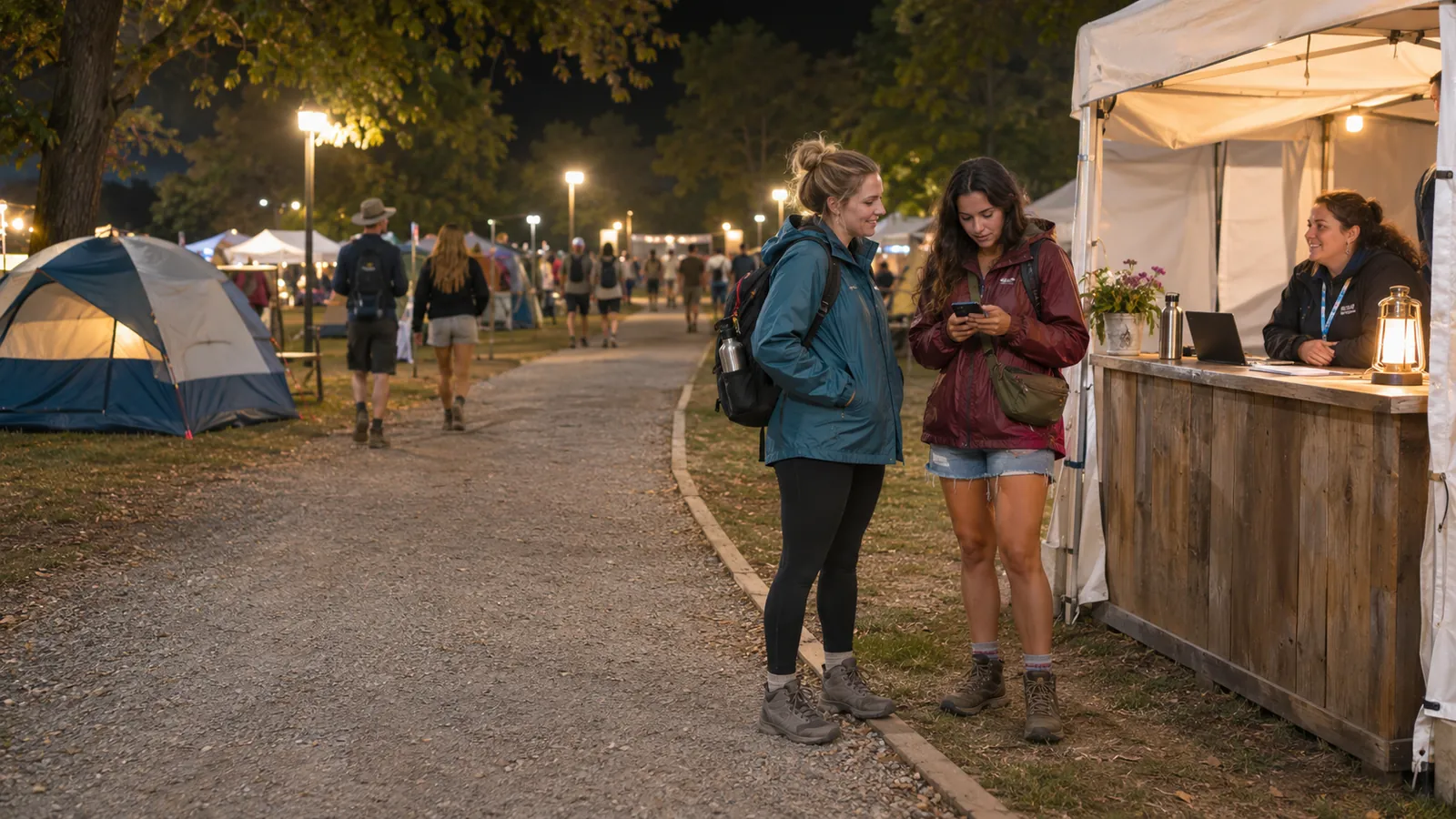
TL;DR: Save the festival’s night map, find the right restroom entrance in daylight, and agree on where to meet or check in after dark. Follow the marked route under fixed lights. Carry a personal light for close tasks, save phone power for contact, and leave the shared light at camp.
📋 Table of Contents
- 1. Find the entrance while you can still see the signs
- 2. What are the essentials for women to pack for a festival?
- 3. What are the must-haves for camping for women?
- 4. What are the essentials for camping at a festival?
- 5. Agree on a check-in that works in a noisy campground
- 6. Use fixed lighting for the route and carry enough for close work
- 7. Make it easy to get back to the tent
- 8. FAQ
Find the entrance while you can still see the signs
| Before the late set | Get one useful detail | Keep it where you can find it |
|---|---|---|
| Check the night route | The designated path from your camp row or stage exit | Current event map and two fixed landmarks |
| Find the restroom entrance | The opening festival staff direct you to use | Entrance name or nearby sign |
| Identify an open option | Operating hours, access needs, and a staffed place to ask | Guest services or campground information |
| Plan a check-in | A meeting point, how to confirm, and what to do if plans change | A message your group already has |
| Set out two lights | A personal light to carry and the shared light that stays at camp | Your usual pocket and the agreed camp spot |
A festival map can show a cluster of restrooms on the other side of a fence from where you stand. The symbol is a destination. You still need to find the opening people are meant to use. Look for the camp row or named exit first, then follow the sign from the direction you expect to approach after dark. The building itself is often easier to recognize than the turn you need to make one path earlier.
Start with the organizer’s information for your particular event and camping area. Download the current map or keep a paper copy. Some organizers have separate maps for the stages and campgrounds. Check which map covers the part of the trip you need, and mark where the two join. Save the legend too. A cropped screenshot with three unlabeled dots can be harder to use than the full page once you leave the stage area.
For example, the MerleFest festival information page identifies places to find the event program and map. The 2026 MerleFest site map shows why the legend matters. It distinguishes restrooms, information, elevators, and the entrance tent. Those names and symbols belong to that festival. Look for the equivalent labels in the map for your event.
Try the trip from your tent during daylight, or at least walk the part you expect to use at night. Notice what the sign says at the corner, which fork leads to the entry, and where a person can safely stop to read directions. Choose a fixed point you can recognize from both directions. A numbered campground post or a named information booth usually provides a better reference than a van that may leave.
The same map symbol can represent different facilities. A building may have steps at one door, and a portable unit with more space may be at another part of the site. If accessibility is important for anyone in your group, look up the official guest information and ask about the actual approach. The MerleFest accessibility flyer, for example, describes accessible facilities in open buildings and accessible portable units around the grounds. It separately notes that the venue has steep terrain.
Ask a useful question in daylight. “Which entrance can I use after the last set?” gives staff a specific trip to explain. If you need a step-free route, ask where you join it coming from your campsite and whether it changes after a gate closes. If you need privacy, a handwashing station, or somewhere to put a bag while you manage layers, check how the particular facility is set up. Those details can determine which entrance is worth using.
Give the meeting point a name you can say over music or put into a short text. “Gate beside the water refill sign” is easier to share than “the bright one” if the group has already seen several bright booths. If there are multiple gates with nearly identical signs, add the side or the posted number. Have both people look at the same reference while there is time to correct a misunderstanding.
What are the essentials for women to pack for a festival?
For a late restroom trip, put your event pass if required, a charged phone, a personal light, and the current site map where you can reach them. Add menstrual products, tissues, and a small pouch for the supplies you use. Wear shoes and a layer suitable for the actual route and weather.
Choose the pocket or bag you will still have on when you leave the stage. If your festival permits only certain bag sizes or types, organize around the current entry rules. Keep the light where you can get to it before you unlock the phone or move several items out of the way. See what happens when you put on a rain jacket over the pocket. A small change in where things go can save the sort of search that makes people stop in a busy aisle.
Pack for the person who will carry the kit. A zip pouch is useful if you take it from the tent to the restroom and straight back again. If you spend the evening stage-side, an allowed pocket or small festival bag might work better. Take any routine items you prefer to have in reach. Have a separate place for wet items or wrappers until you reach the event’s designated disposal point.
Shoes need to work on the trip you saw earlier. A promising dry shortcut in a lawn may become mud after a shower. Follow the established pedestrian route, including a marked detour if staff direct you to it. Bring a light layer you can put on without losing the flashlight, phone, or pass. Consider which hand you need free for the gate, the pouch, or a mobility aid.
Save the group message and the current map while the connection works. A phone can still display a saved file when cellular service is weak, provided the file has already downloaded. Open it once from the device you will carry and see whether the map name and legend are readable. If you use a festival app, check whether the part you need remains available offline. A paper copy with the same details gives you another way to look.
Put your backup where it is useful even if something has changed. A second lamp buried in the tent cannot help with a small task at the venue exit. A small separate light can fit the pocket you use for the trip, if you already have a suitable one and can operate it. A friend’s light can help while you stand somewhere clear together. For the wider route, return to fixed site lighting and directions from staff.
What are the must-haves for camping for women?
Bring bedding and layers for the conditions, essential personal supplies, a ready phone with a backup charging plan, and light you can carry independently. If you share a campsite, leave a separate lamp there. Check where you will get water, use the restroom, and find help before settling in for the night.
The rest of the campsite may have stopped moving by the time you need to leave the tent. Keep the things you’ll take near the opening where you can reach them without stepping over anyone. Set the light in the same place each time you come back. Leave space for the person nearest the door to get out with their own supplies. If sleeping arrangements change, talk through the new way out before going to bed.
Agree which light stays with the campsite. Someone may be looking for a jacket at the table while a friend heads to the restroom. The person who leaves takes a personal light. The existing shared lamp stays where the remaining campers expect to use it. Give it a stable spot where it can illuminate the immediate area without pointing across someone’s tent or into the campground lane.
A friend may have a separate routine for getting to an accessible entrance, handling a phone, or carrying a bag. Ask how you can make it easier without assuming you know what she needs. Put the indispensable items in places that work for the people using them. If only one person carries the pass or keys everyone needs, agree where that person will be while the group is apart.
The Philadelphia Folksong Society’s Spring Thing 2026 information gives an example of a small overnight music event. The organizer listed flashlights among personal items and described water and restrooms available to tent campers. Confirm what is actually provided where you are staying. A neighboring campground may have a different operator, an after-hours entrance, or a separate set of directions.
Manage camp light without turning the whole site into a landmark. A recognizably labeled row, a fixed corner, and the agreed tent position are more useful for finding the way back. The shared lamp can help someone see at the campsite when they arrive. Point it into the area people are using. If everyone has gone to bed and nobody needs it, follow the campsite rules and the arrangement your group made about leaving it on.
What are the essentials for camping at a festival?
Check entry and camping rules, locate the open restrooms and a staffed help point, and learn the marked route between the stage and your campsite. Carry a charged phone and a separate personal light. Have a plan for meeting after the show, finding the right entrance, and keeping a shared light at camp.
At a busy show you might remember coming through “the entrance by the stage” and find that two of them look equally familiar on the way out. Start with the venue exit staff are directing people to use. Look for the intersection or fixed landmark from your daytime plan. If a crowd is moving, keep with the posted pedestrian direction until you can step out of the way to look at your map.
Check the plan from each end. The shortest familiar route from the tent might run through a gate that is open while people arrive and closed after the last set. A campground entrance may stay usable from a different side. Tell anyone who might head back first what the fallback is, so the group can come back to the same point instead of searching for one another from opposite sides of the fence.
Keep a way to leave or ask for help. On arrival, learn which team is responsible for the campsite and where to find them at night. A stage information booth may close before a campground contact point does. Check the organizer’s directions for contacting event staff or medical assistance. Save a posted number if the event provides one. In an immediate emergency, follow the local emergency instructions and give your precise venue location.
If the organizer has changed the entrance since you saved the map, follow the directions on the ground. At festivals, temporary fencing can separate lanes and redirect foot traffic. Tape and barriers may also mark areas where the public should not go. A bright light can help you read a particular sign from a suitable spot. Ask staff where the approved route goes when the answer is unclear.
For a different decision, Olight’s festival camping light kit guide covers how a group can split up its lighting purchases and power. Get the route and meeting place sorted first. A group with a working personal light, a campsite lantern, and a charged phone still needs to know which exit to use at the end of the show.
Agree on a check-in that works in a noisy campground
The University of Vermont’s walking and event safety guidance suggests traveling with someone where possible, sharing your route and check-in plans, using busy, well-lit paths at night, and keeping your phone charged for events. Apply the planning idea to the festival’s map and contact details. The university’s own escort and campus reporting services apply at its campus.
Decide what a completed check-in means. If two people walk together, they can wait at a public meeting spot outside the restroom area and return together. If you go separately, agree on the message that tells your group you reached the place you planned. “Back at our tent” communicates something different from “At the restroom line.” Use the wording that actually answers the question the other person is waiting to resolve.
Make room for ordinary delays. A restroom line can wind around a corner, and the music or crowd can drown out your phone. Pick a reasonable time to check in based on the trip you have seen, and say what you will do if the line is longer or you decide to change plans. If a message fails to send, use the agreed in-person meeting point or contact the appropriate event staff from a public staffed location.
For example, two friends leaving a late set may choose to meet at the campground information board. The first goes directly there. The second stops at the open restrooms and then uses the same marked path. Both can find the board without starting a fresh phone call. If signage redirects either friend, she can use the agreed staff point and update the other as soon as she is able.
Keep breaks straightforward when you go alone. You can choose a familiar public route, keep your supplies reachable, and let a person you trust know the plan if you would like to. If you arrive alone or your group is elsewhere, ask staff to explain the current route or available assistance. You can decide where to wait or change plans without having to justify your choice to the rest of the group.
Give your group a contact method they can actually use. A message may work better than a call during a set, while a call may work better from the campground. Keep the sound or vibration settings useful for the agreed message if that works for you. Save the phone’s charge for the contacts and map you need, and learn which pocket you can use without juggling the phone and your other gear.
Choose a backup meeting point near a staffed place in case the first one closes. Ask which side of it offers an open area without blocking a line, accessible entry, or service lane. A visible door or booth can make the location easy to describe. Once you are there, move only as needed and communicate any change to the people who are expecting you.
Use fixed lighting for the route and carry enough for close work
| Where you are | First choice | Useful job for a personal light |
|---|---|---|
| Venue exit or a posted crossing | Follow signs, fixed lights, and staff directions | Briefly read your pass or map after stepping aside |
| Marked pedestrian route | Stay on the designated open path | See an immediate surface detail without shining around the crowd |
| Restroom entry and queue | Use the light serving that entrance and the posted approach | Find a zipper or small item while keeping the beam down |
| Back beside the tent | Use the shared light in its usual spot if available | See the tent pull, pouch, or keys without lighting nearby sites |
Most of this trip happens in a place other people share. Start by looking for the existing lights along the marked pedestrian route and the signs that tell you where to walk. Use your own beam only as much as the near task needs. If the designated route is partly unlit or you cannot see where to put your feet, go to a staffed place and ask about the illuminated or accessible alternative.
White light can help with a colored symbol or a small zipper against dark fabric. Try your lowest useful setting first and point it at the thing you need to see. A stronger level may light up somebody else’s jacket or reflect toward your eyes from a sign. Move yourself or the item to a better-lit place when that is easier. At a restroom entrance, avoid shining into occupied facilities or at someone waiting in line.
Try the light with the clothes and bag you plan to wear. A headlamp can free your hands for a map or a bag. Its beam follows your head when you turn to talk. Aim it lower for the task and switch it off once the fixed light is enough. For a quick stop, a handheld compact flashlight gives you direct control over where the beam goes.
A clip light has a different trade-off. You can leave it attached to a secure part of an allowed bag or garment where the beam can point down. Check that movement does not send the light upward or swing it into the next person. A soft flap or strap may twist. Try the simple task in good light and use a different position or tool if the clip cannot stay steady.
A keychain light can serve as a small spare if you already own one that you know how to use. Keep the spare on your person if you may need it during this trip. Check that it turns on from the place you can reach with one hand. Save the short close task for a place with room to stop. A spare for keys or a zipper can have a useful job even if the whole route is already lit.
Bring your light only where the facility allows it. In an unlit portable restroom, a low beam can help you find an interior latch or retrieve something from your own pouch. Keep the beam on the latch or your supplies. Put the light away before opening the door onto the line, and keep your belongings off shared surfaces where possible. Ask an attendant about another facility if the space or lighting makes it hard to use the one you found.
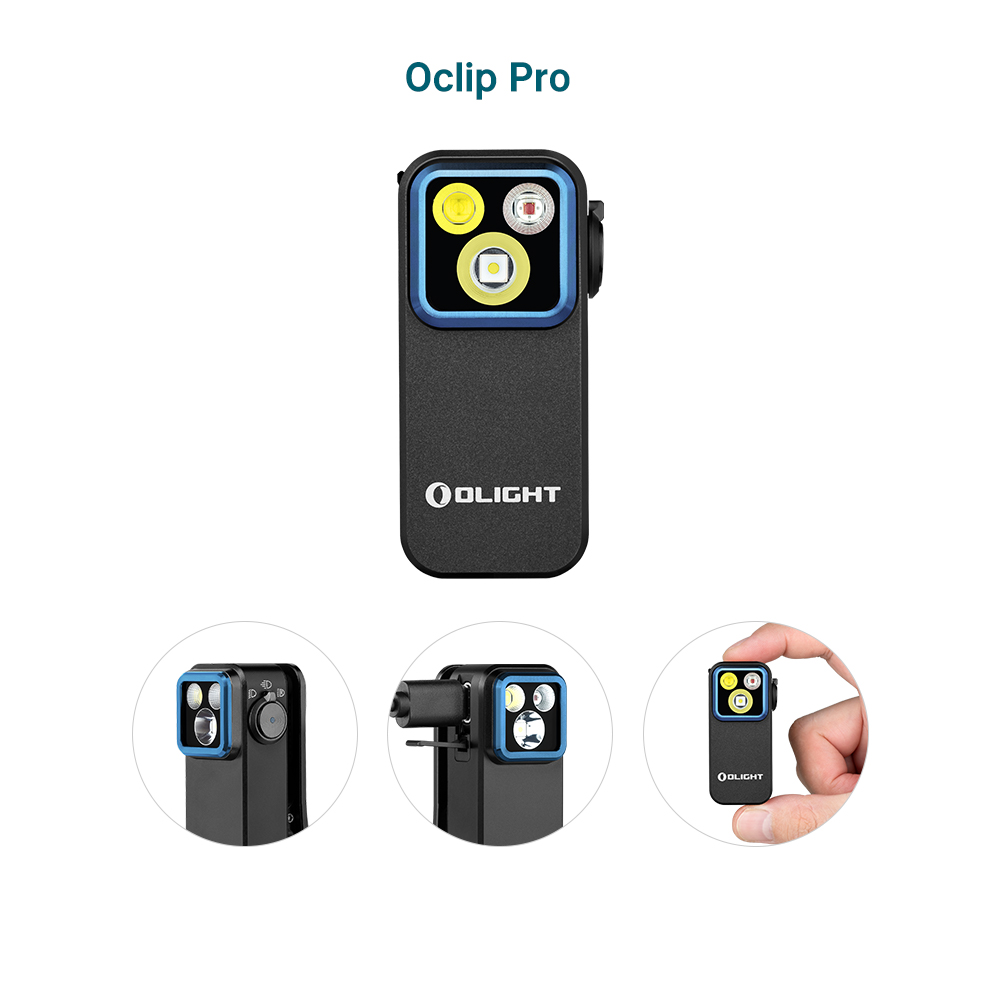
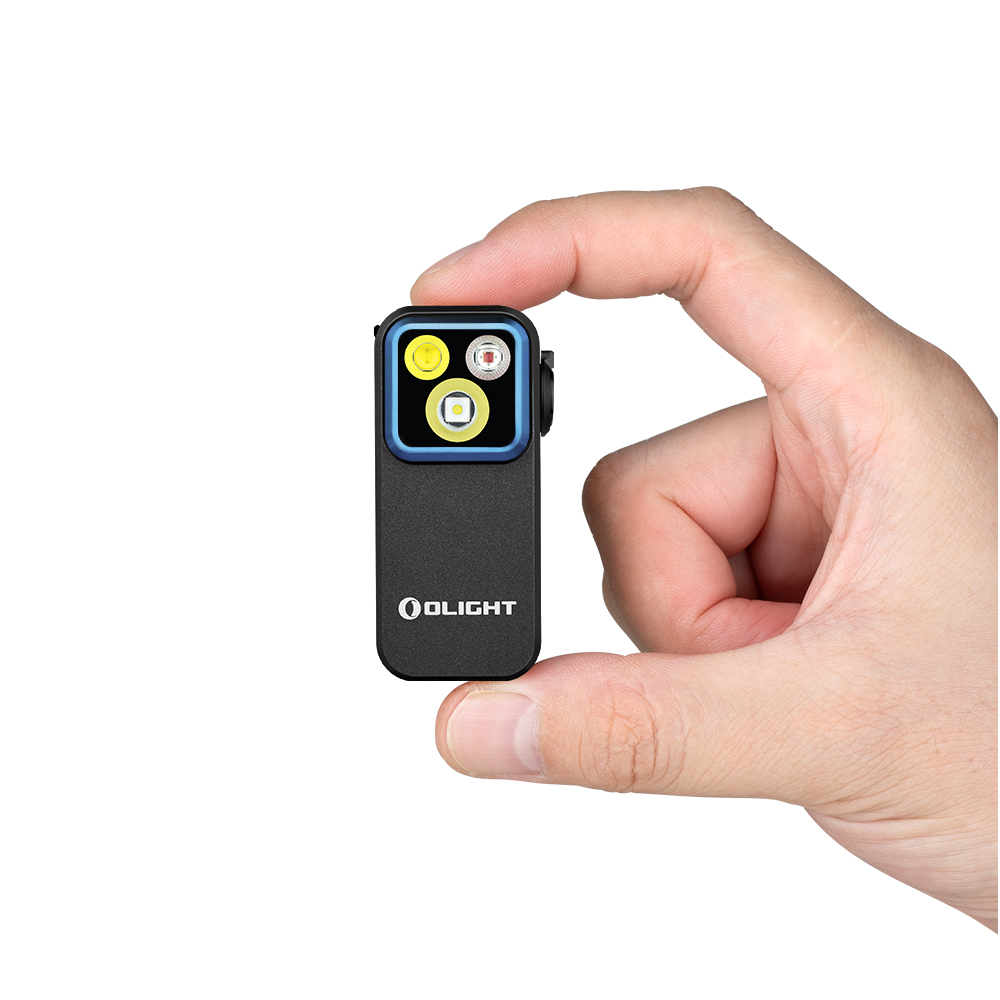
The handheld view gives a sense of the light’s size when choosing a place to carry it.

Make it easy to get back to the tent
The turn that led you out may be harder to recognize when you come from the restroom. Before you leave camp for the first time, notice what the row marker looks like when you approach it from the public path. Keep the tent’s actual position in your notes. A single light near a neighbor’s tent can look like your own through a line of similar shelters, so use the fixed marker before looking for the tent.
A simple return sequence is enough. Locate the signed campground entrance. Confirm your row at the nearest fixed marker. If you stop to check the plan, step off to a suitable space that leaves the walkway clear. Rejoin the designated lane, then use a personal light around your own tent if zippers or ground-level gear need extra light.
Keep the rest of the campsite settled while you get back into bed. Set the phone, light, and pouch where you will reach them next time. If the tent’s shared lantern is still in use, leave it where the other camper can operate it. If you brought a spare and used it, get it ready again according to its instructions while you can see what you are doing.
The quickest return after a change is usually to a known place where you can ask. If a gate is closed or the event directs people differently, move to a staffed or designated public point using the signs that are actually there. Send the update when you get the chance. Ask about the entrance with the details you have, such as a row number or the name of your campsite area.
A campsite check-in can end a small spiral of confused texts. If your friend is going to bed before you get back, ask whether a quiet message is enough. If you agree to meet in person, say where and roughly when you will do that. Bring the shared light back to its place if someone briefly moved it for a nearby campsite task. The next person can then find it by memory.
On a second night, keep the parts of your first trip that worked. You may now know which exit the event actually uses or have spotted a better public meeting point. Check for updates before you rely on yesterday’s details, especially if weather has changed. Keep the personal light where you can reach it. The aim is to spend the night enjoying the event, with a clear plan for the few minutes you need to get away and back.
FAQ
Changelog
- November 19, 2026. Checked event maps and access information, university walking and event guidance, the earlier festival lighting guide, and the two exact U.S. product pages, product manuals, and main images.




